

Shore thing: OzFish secures cash to restore saltmarshes
The government has partnered with OzFish to improve the condition of saltmarsh and riparian habitats, investing $600,000 in coastal restoration across Batemans Bay, Burrill Lake and our own Lake Illawarra
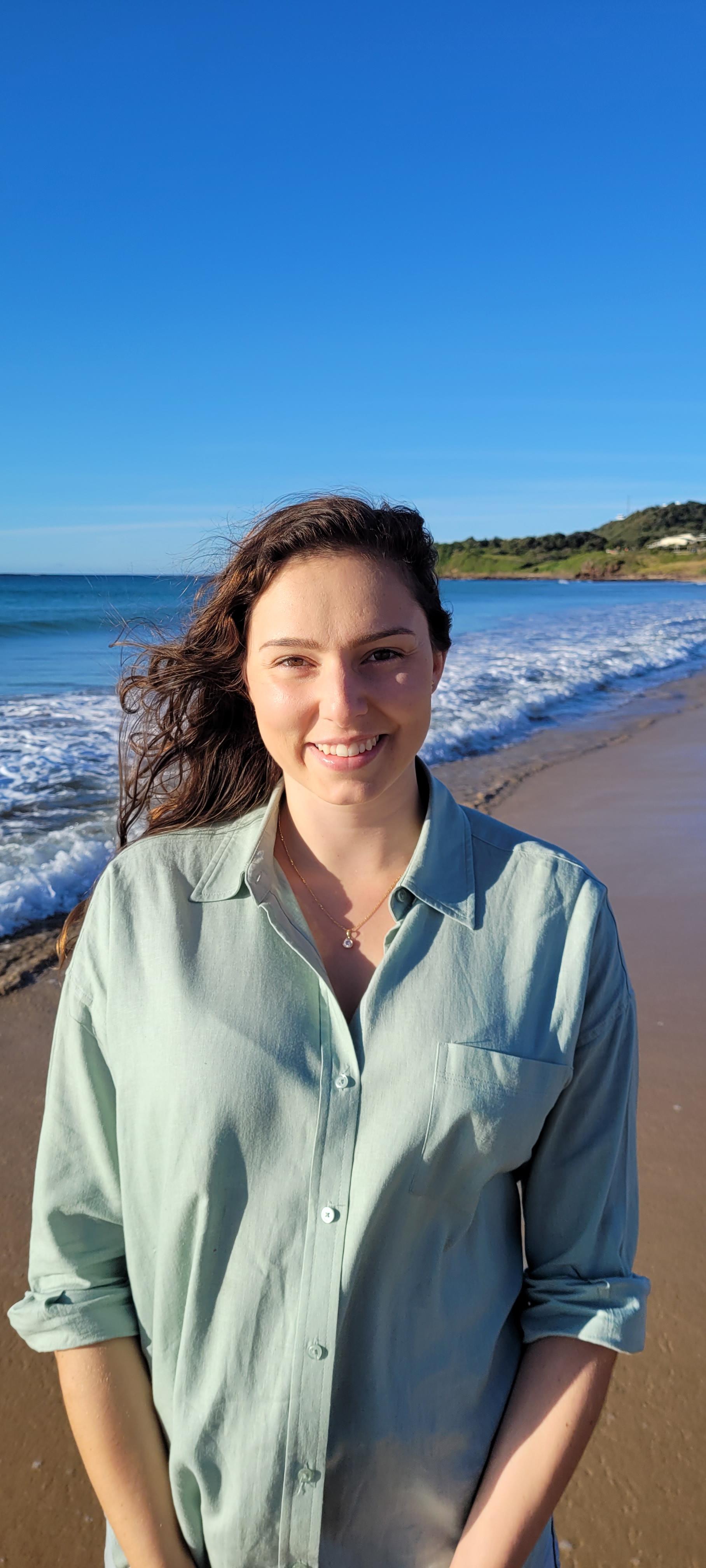
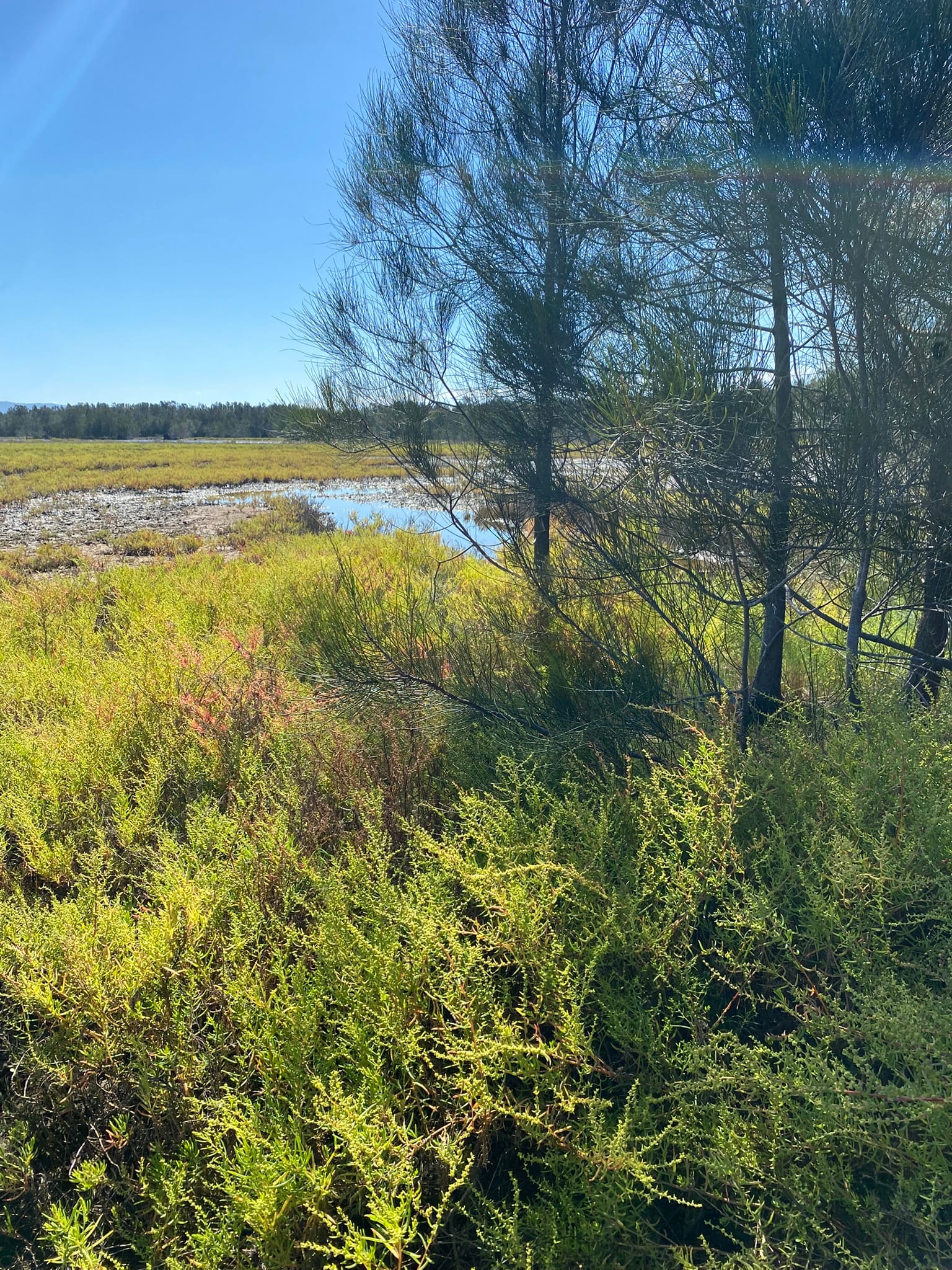
Saltmarshes are the middle children of the coastal wetland family, overshadowed and competing for space with mangrove and she-oak brothers. Often overlooked, their sprawling succulent plants take on harsh environments to persist in the coastal mosaic, dotting the coastline in shades of red.
These ecosystems deliver critical services for nature and communities. In addition to hosting specialised groups of threatened plants, fish and migratory shorebirds, saltmarshes reduce erosion and storm damage.
By redistributing floodwater, they protect our homes from extreme weather, and by absorbing carbon, they mitigate against global warming, enhancing climate resilience on vulnerable coastlines.
Recognising all they do for us, the federal government has partnered with OzFish to improve the condition of 60 hectares of coastal saltmarsh and connected riparian habitats, investing $600,000 in coastal restoration across Batemans Bay, Burrill Lake and our very own Lake Illawarra.
As an organisation founded and run by fishers, OzFish is most interested in the nursery functions saltmarshes provide.
Lucas Kas, a senior project officer overseeing the South Coast project, explains:
“Saltmarsh is super under-valued fish habitat. You wouldn’t expect it because it’s very rarely actually submerged, but so many aquatic food webs are driven by the primary production that occurs in saltmarsh areas, so healthy saltmarsh leads directly to more abundant food resources by supporting recreational fishing species.”
OzFish is a national non-for-profit organisation that aims to get recreational fishers and the wider community involved in projects to look after their waterways, primarily through habitat restoration works, but also through initiatives such as sustainable fishing workshops, education, citizen science and community clean-ups.
The organisation has ample experience restoring saltmarshes in various parts of the country, and their approach will be tailored to site conditions across each of the three new locations.
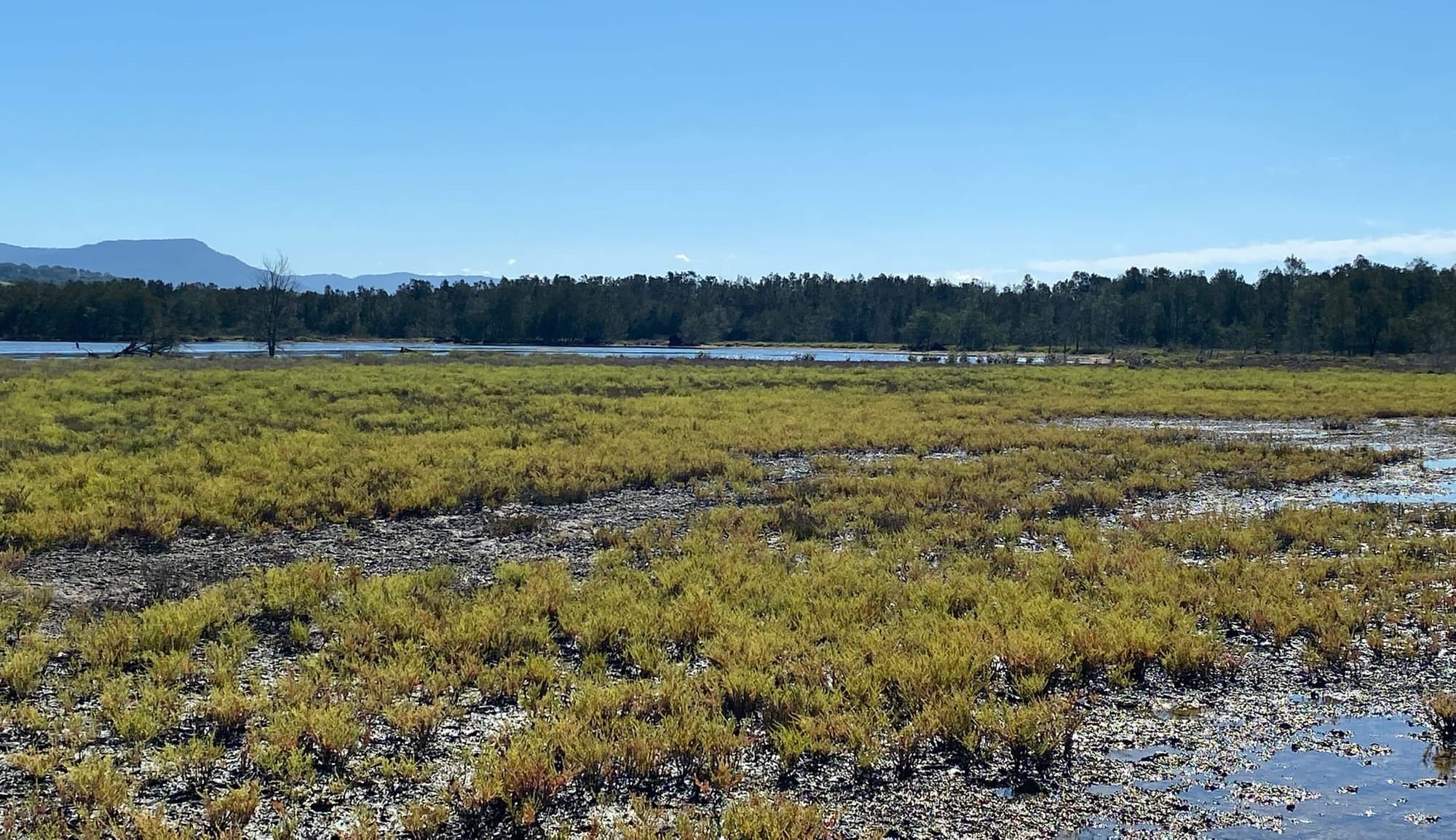
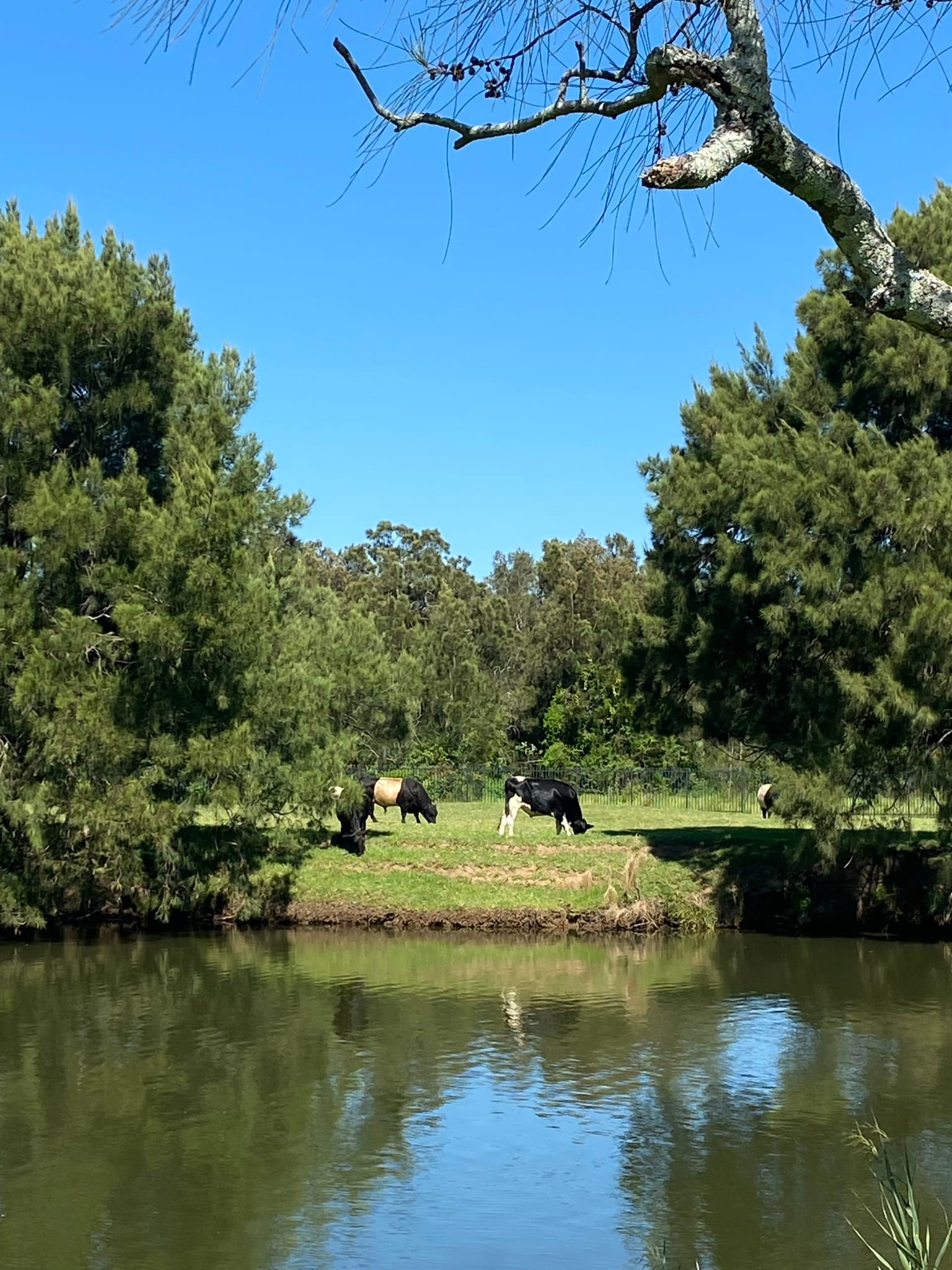
“The causes of degradation are different at each site, meaning different interventions are needed. Funding is being pretty evenly split between managing invasive weeds like spiny rush, fencing out cattle that are directly impacting saltmarshes or affecting the upstream creeks that flow into saltmarshes, and planting trees in riparian areas, which hold banks together and restrict the flow of sediment into coastal areas.”
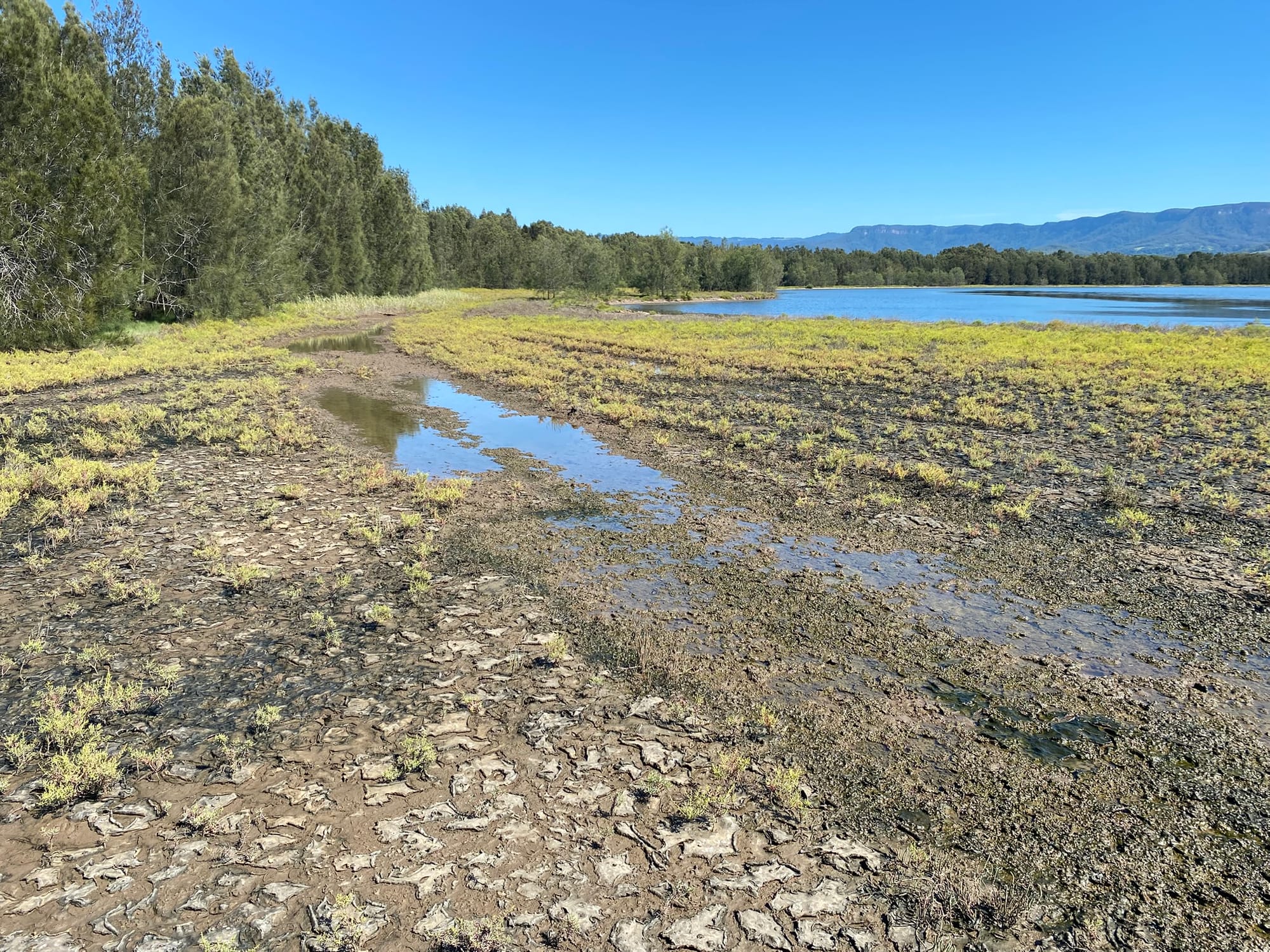
Low impact fencing and educational signage will be erected around regenerating areas at Haywards Bay to support these efforts, informing visitors about the importance of coastal wetland ecosystems and encouraging them to be mindful of restored habitats.
Lucas is confident that the project will deliver tangible benefits for the Illawarra, underpinned by local knowledge and existing connections to regional fishing communities from OzFish’s previous successes in Puckey’s Estate and Karoo Bay. He emphasised the importance of community stewardship for sustainable outcomes, explaining that funding is not everything.
“All on-ground works will be completed by March 2028, and this is when our final monitoring will take place," he said. "However, there will always be more to do, and we will be looking for volunteers to continue restoring important saltmarsh habitats. It doesn’t cost anything to go pick up rubbish or pull weeds.”
If you are a fisherman, boatie, conservationist or keen resident, you are welcome in the OzFish community, and there will be many opportunities to engage directly with restoring habitats and enhancing waterways in and around Lake Illawarra. Lucas and his team want to hear from you.
“If you’ve got any bright ideas or things you want to see for your waterways in Lake Illawarra, we provide the platform to help find funding and develop projects with strategic oversight so you can maximise your input.”
From middle child to mainstream climate hero, saltmarshes and other coastal wetlands are increasingly becoming important nature-based solutions for achieving national climate and biodiversity targets. Projects such as this one will demonstrate how federal investment in regional communities such as the Illawarra can support policy objectives while enhancing local environments and engaging communities. It’s a win-win-win!
Get involved
- Become a member of OzFish to support their work throughout the country.
- Join the OzFish Illawarra chapter.
- Follow the OzFish Illawarra chapter on Facebook to find out about upcoming local events.
- OzFish are looking for people to take some responsibility for the Lake Illawarra chapter and help form their executive committee. If you are interested, please email illawarrachapter@ozfish.org.au
- Learn more about what we’re doing at our other project sites by visiting the project webpage.
Sources
Information for this article was sourced from DCCEEW, OzFish, and Frontiers in Ecology and the Environment journal articles A blueprint for blue carbon: toward an improved understanding of the role of vegetated coastal habitats in sequestering CO2 and The value of estuarine and coastal ecosystem services.


