

Summer safety takes off
“This year is the year of the drone for Surf Life Saving Illawarra,” says Robert Gorkin, the branch UAV coordinator. But can they replace shark nets?

This year in bather protection, there’s a new tool in town. Drones – aka unmanned aerial vehicles, or UAVs in Surf Life Saving lingo – will be an eye in the sky for water safety volunteers as thousands of nippers pour onto Wollongong’s 17 patrolled beaches each Sunday.
“This year is the year of the drone for Surf Life Saving Illawarra,” says Robert Gorkin, the branch UAV coordinator. “You're going to see them a lot more. And it's been something that's been in the making for years.”
Up till now, the branch has been training volunteers and implementing new processes, with only three or four UAVs ‘rescue ready’ to respond to search and rescue call-outs. Only Stanwell Park and Coledale beaches have had regular drone surveillance as part of the Department of Primary Industries' SharkSmart program.
“Now this year, it's a real different year,” Robert says. “We've ballooned. It started with just a few clubs having some drones through Surf Life Saving programs to now – between five and seven clubs will have drones by the end of the year.
“You're going to see more and more of these in the sky.”
Drones may be used to check for rips before setting up the flags on Sunday mornings or in rescue missions to drop equipment, like inflatable life-jackets. Drones can help lifesavers find missing people, spot sharks and other hazards, and even respond to flood crises, with volunteers travelling around the state to assist the SES.
“We're now getting sent to do things like flood response and other emergencies that you may not typically think of Surf Life Saving doing,” Robert says. “We've sent not only boats, but we're sending people with drones as well.”
The technology is evolving, with thermal imaging drones that can look for heat signatures, and AI, which can automatically detect people in boats and cars, he adds.
“These are things that we've dreamed about, and that we knew were coming, and now they're basically at the palm of our hand.
“Drones are amazing tools. They help – they are eyes in the sky. They have evolved so quickly. It's just like the iPhones – every year drones just get better and better visuals, longer flight times, they're more robust. They're just so easy to put up. I believe they will become essential tools.”
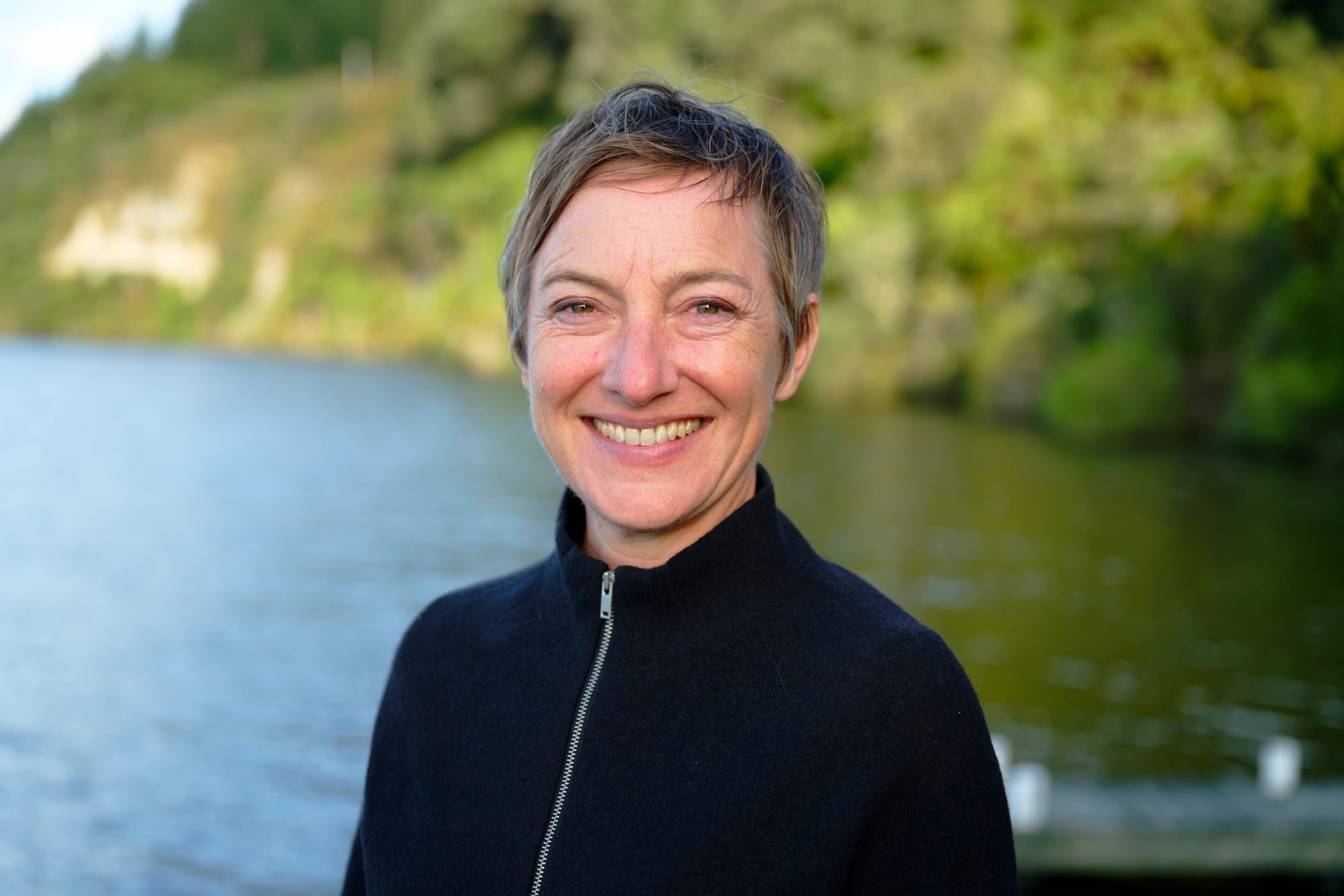
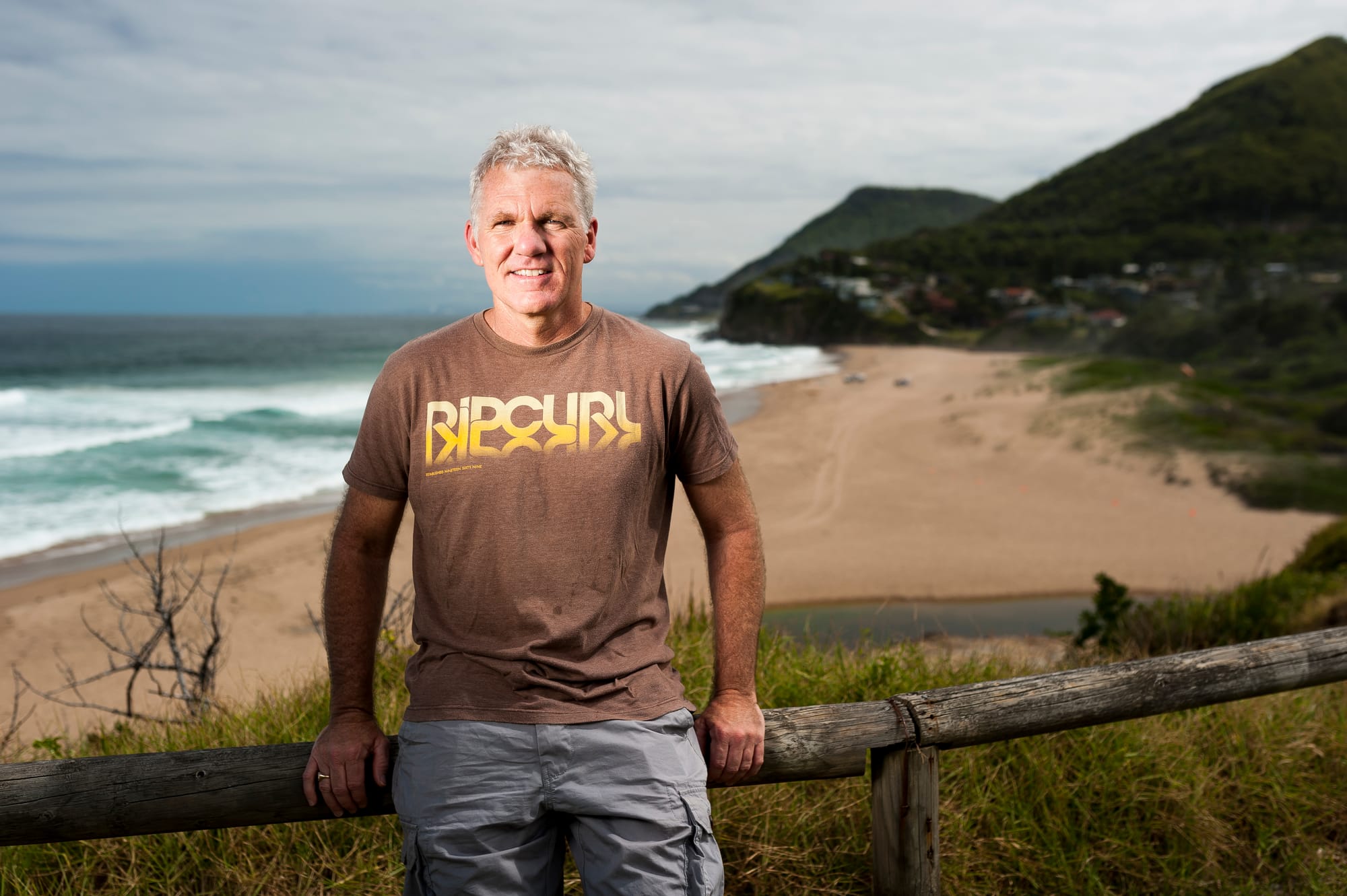
UOW's Dr Leah Gibbs and UNSW's Professor Rob Brander. Photos: Anthony Warry, supplied
Scientists on how drones help
At Coledale and Helensburgh-Stanwell Park surf clubs, lifesavers have been using drones for five years as part of the state government’s SharkSmart program. Set to cost $21.4 million in 2025/26, this program was recently in the spotlight after a juvenile humpback died wrapped in nets off the coast at Coledale, closing beaches as sharks were attracted to the area, and costing Wollongong City Council about $44,000 in carcass removal fees.
University of Wollongong scientist Dr Leah Gibbs describes shark nets as “an old and outdated technology, that comes from outdated thinking”.
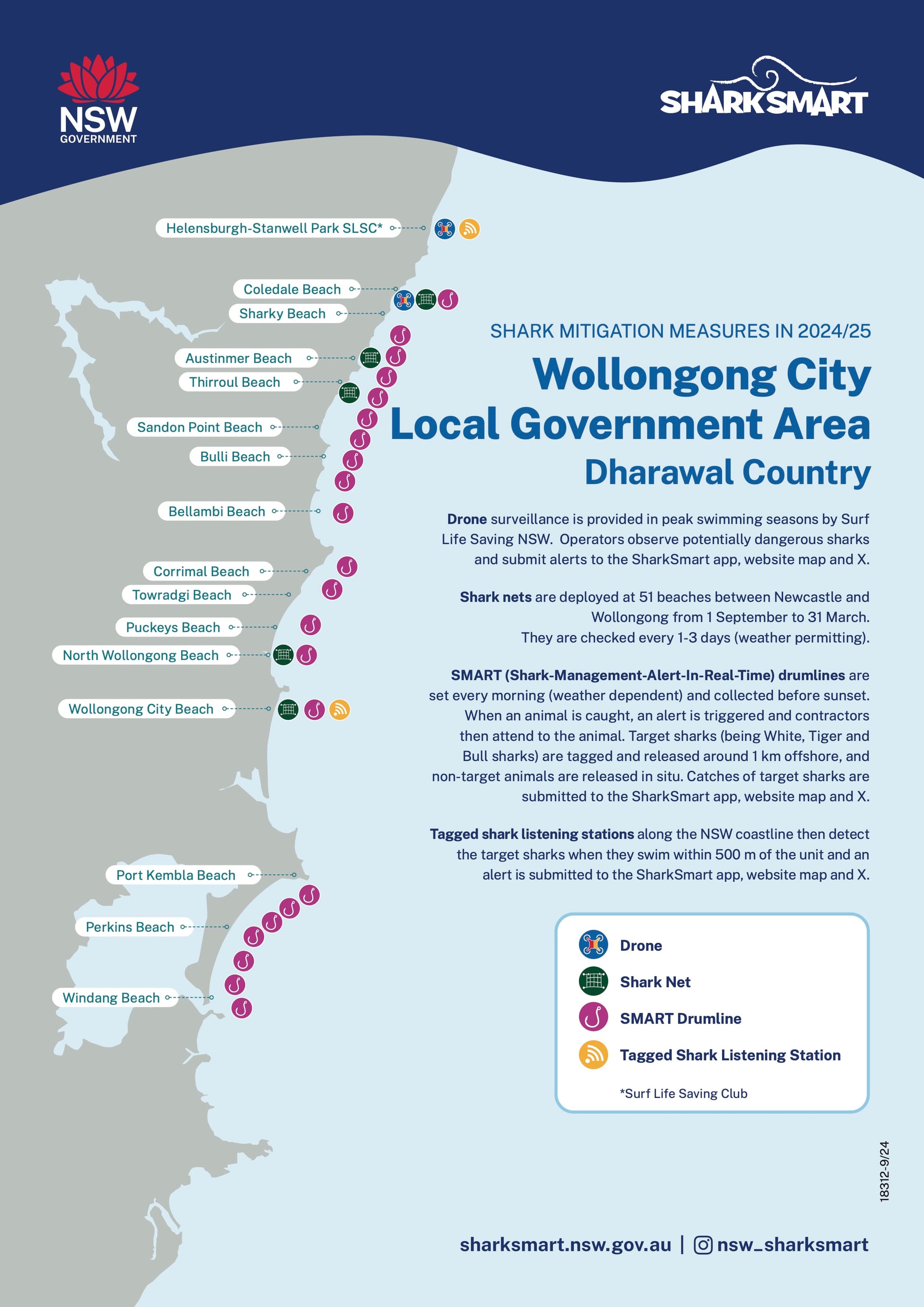
The Department of Primary Industries did not answer questions about the costs of nets and drones, so how much money the government is spending on old and new technology remains unclear. Instead, a DPI spokesperson said its shark program – which includes nets at 51 beaches and baited hooks called drumlines – is “delivered as a package”.
For bather protection, Leah believes a combination of knowledge, practice and technologies is needed. “Our Lifeguards and Surf Life Savers are exceptional. They keep an eye on all sorts of beach hazards – not just the presence of sharks, but schooling fish, as well as much more common problems like rips and accidents. Drones can provide an additional view from the air, which can help Lifeguards.”
Over the years, UNSW beach safety expert Professor Rob Brander, the founder of educational program Dr Rip’s Science of the Surf, has consistently called for more funding to protect swimmers from a greater risk than sharks: rips.
Statistics show where funding is needed. “In 2023 there were 4 fatal shark bites in Australia. Over the same period Surf Life Saving Australia reported 125 coastal drowning deaths,” according to Taronga’s Australian Shark-Incident Database.
Rob says: "SLS NSW has been investing significant funding in running regular drone patrols, primarily for shark detection, but I am not sure if this has actually had many benefits towards beach safety and should not be a primary issue of concern.
"I would rather see drones used in other ways that would help identify people in trouble outside of the flagged areas in order to alert lifeguards or lifesavers of the situation, or to provide flotation devices to those people in advance of lifeguards arriving to help."
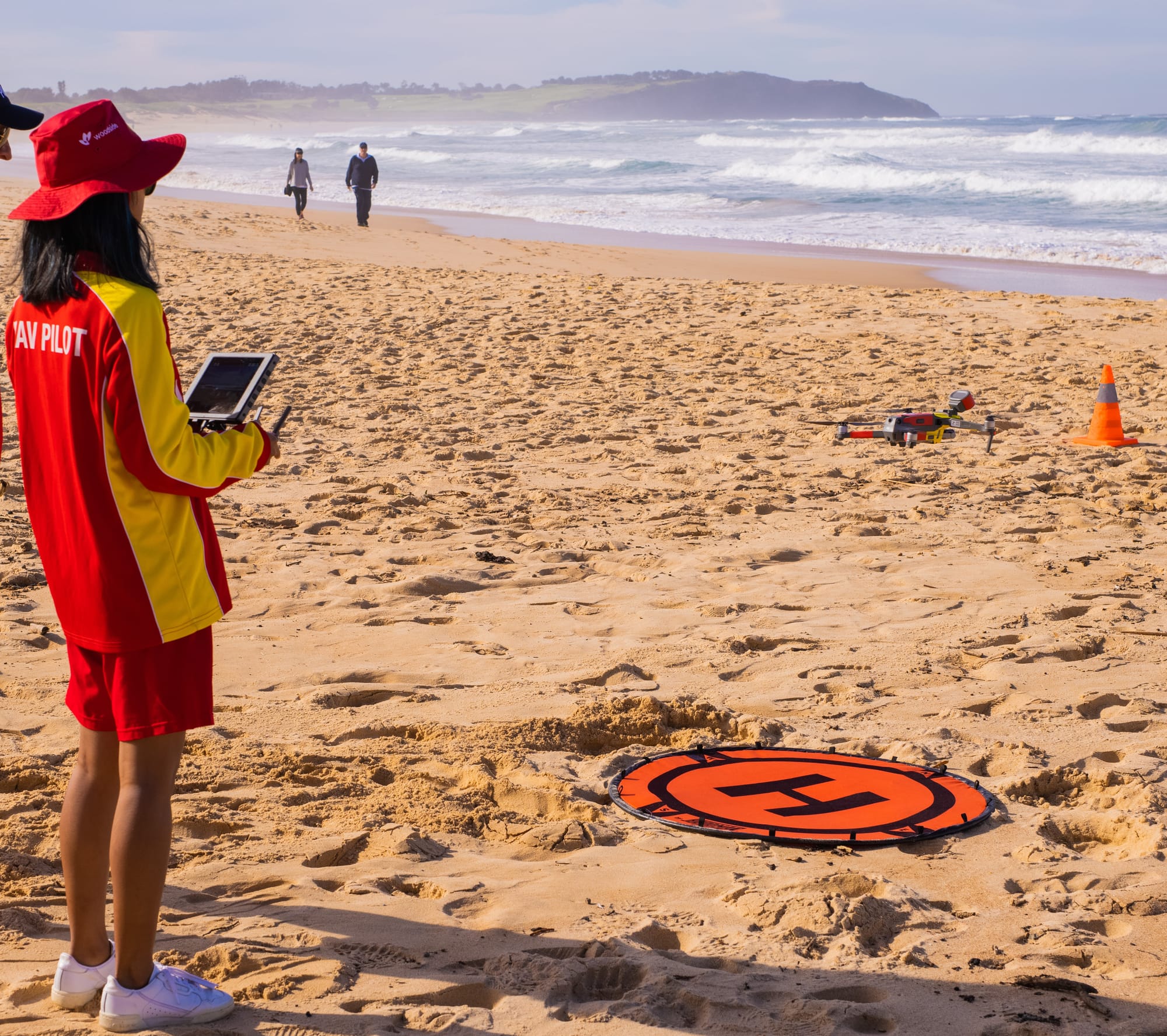
More beaches will have drone surveillance this summer. Photo: NSW SLS
A welcome 'extra set of eyes'
Unlike at Coledale, where the state government has placed nets, drumlines and drones, Stanwell Park Beach has no nets. It does have a listening station and keen drone pilots with years’ of experience. Helensburgh-Stanwell Park SLSC Club Captain Karl Weber says drones are “an extra set of eyes”.
“Drones are becoming an essential part of lifesaving along the Illawarra coast, giving patrol teams a clear view beyond the break. These Unmanned Aerial Vehicles (UAVs) are helping spot sharks, identify swimmers in distress, and improve overall beach safety," Karl told the Illawarra Flame.
“Shark spotting remains a key focus, but it’s not without its challenges. The aerial view reveals far more marine life than ever before — from rays and dolphins to schooling fish — requiring trained operators to interpret what they see carefully. Water clarity and sunlight can make identification tricky, and many of these creatures are simply passing by with little interest in swimmers.”
Learn to fly with your local club
Drone flights are governed by the Civil Aviation Safety Authority (CASA). There are now 25 proficient drone operators at SLS Illawarra, and learning to fly is proving a great incentive to join a club.
“This season, more local volunteers are completing the two-day UAV training course, which includes online learning, practical beach work, and CASA registration,” Karl says.
“It’s another example of surf lifesavers embracing technology to make our beaches safer and our patrols stronger.”
Robert Gorkin agrees. “There's lots more that are willing and want to get involved, and see the drones as a great opportunity to just expand their life-saving repertoire. They are great. They're fun, they're interesting, and you get a different view of what's going on.
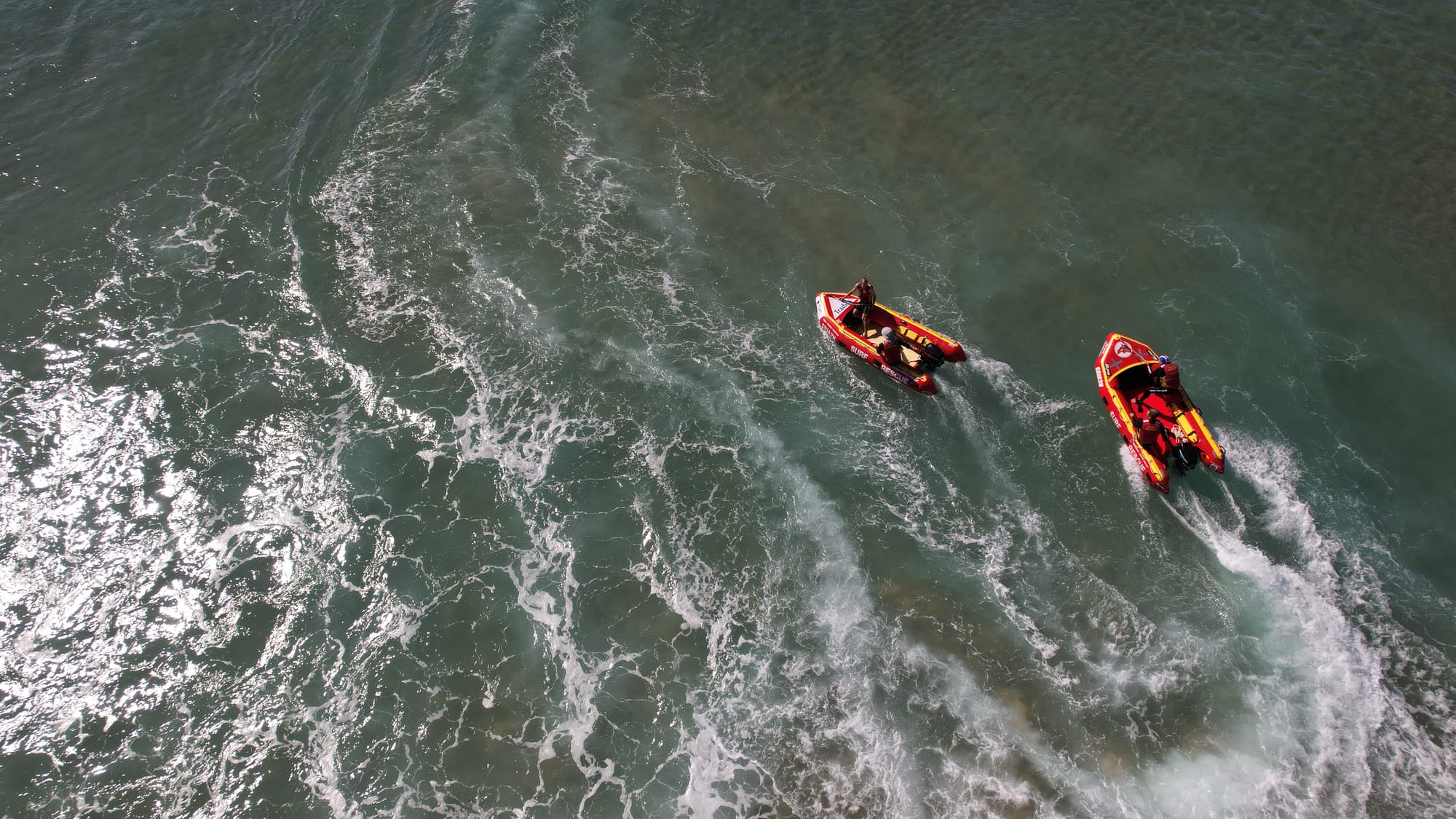
“It's another tool in the water safety. You’ll see the guys that are out on the jet skis, they're in the IRBs, they're in the water themselves, they're on the beach – they're also in the air.
“Safety is number one … You can't fly over people. To be honest, we're looking out at the water for most of it. Our mission is around that surf zone, right? It's the 500 metres from beach out.”
Volunteers assist council
From Monday to Saturday, council lifeguards are on duty at the beach. Surf lifesavers covers Sundays, the odd Saturday and public holidays, and it is these volunteers who are leading the way with drones.
A Wollongong City Council spokesperson said: “Council supports Surf Life Saving NSW (SLSNSW) and Surf Life Saving (SLS) Illawarra on their partnership Shark Management Program with NSW Department of Primary Industries (NSW DPRID). Drones provided under this initiative are operated exclusively by these agencies.”
Responding to questions in the wake of the juvenile whale’s death, the council spokesperson said: “As part of our monitoring, we will request support from SLS Illawarra to carry out aerial surveillance flights to survey the area. This real-time surveillance as well as our own visual observations, and readily available information like SharkSmart, enables us to make informed decisions on the safe reopening of impacted beaches.”
“We work very closely with them,” Robert says. “They will call us to assist, particularly in the drone part of the ecosystem at the moment.
“We have assets that they can use. So there’s not necessarily the need to double up on everything else. It's call us, when it's needed. And they do.”
With multiple agencies in play – including Marine Rescue, police and ambulance crews – the Illawarra has “a very, very good track record of safety”, Robert says.
“We are out there. We never shirk away from public response. You have a lot of really good people across the Illawarra, often in multiple organisations, giving up their time, their energy and their weekends to make sure that people are safe."
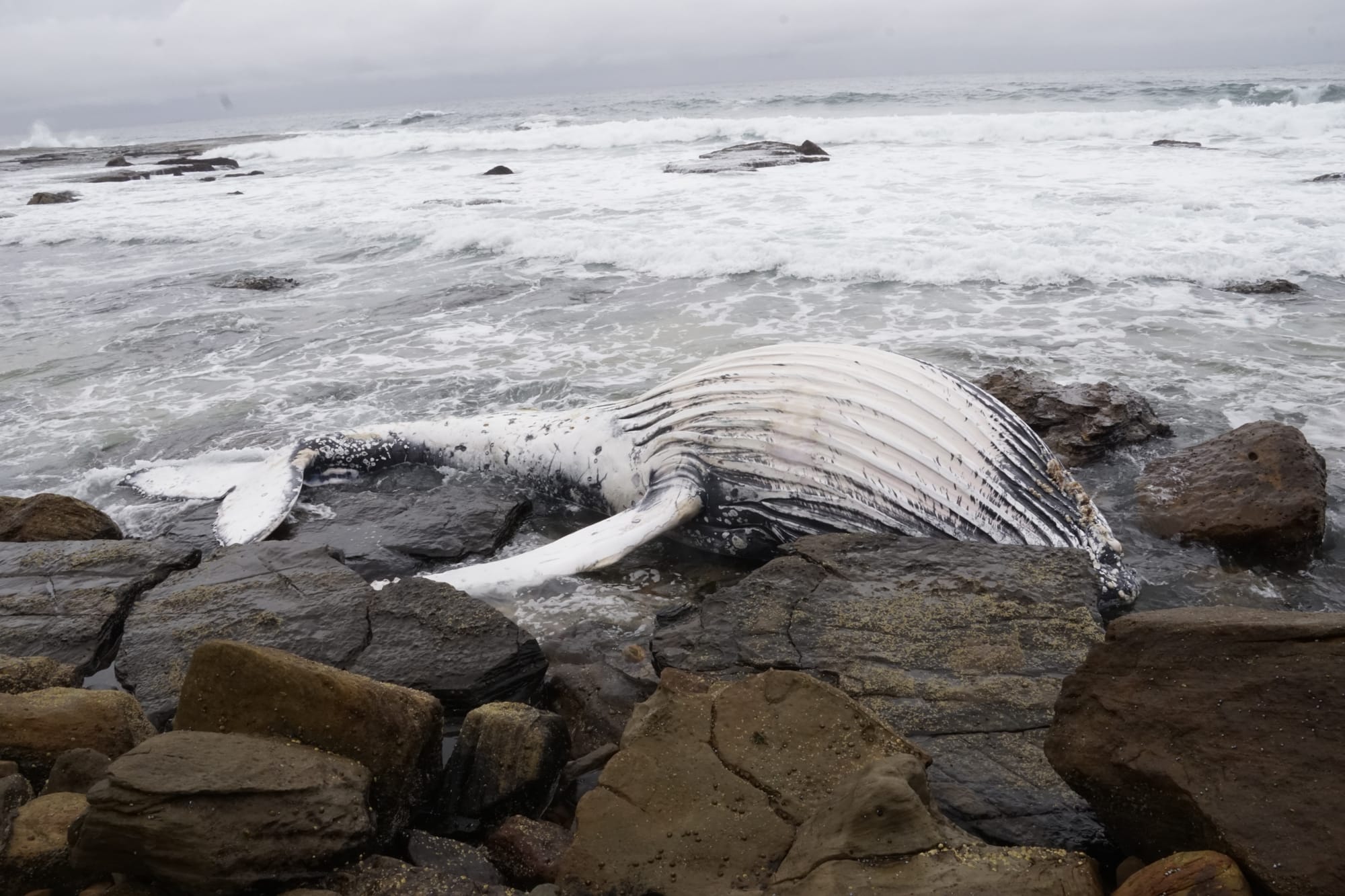
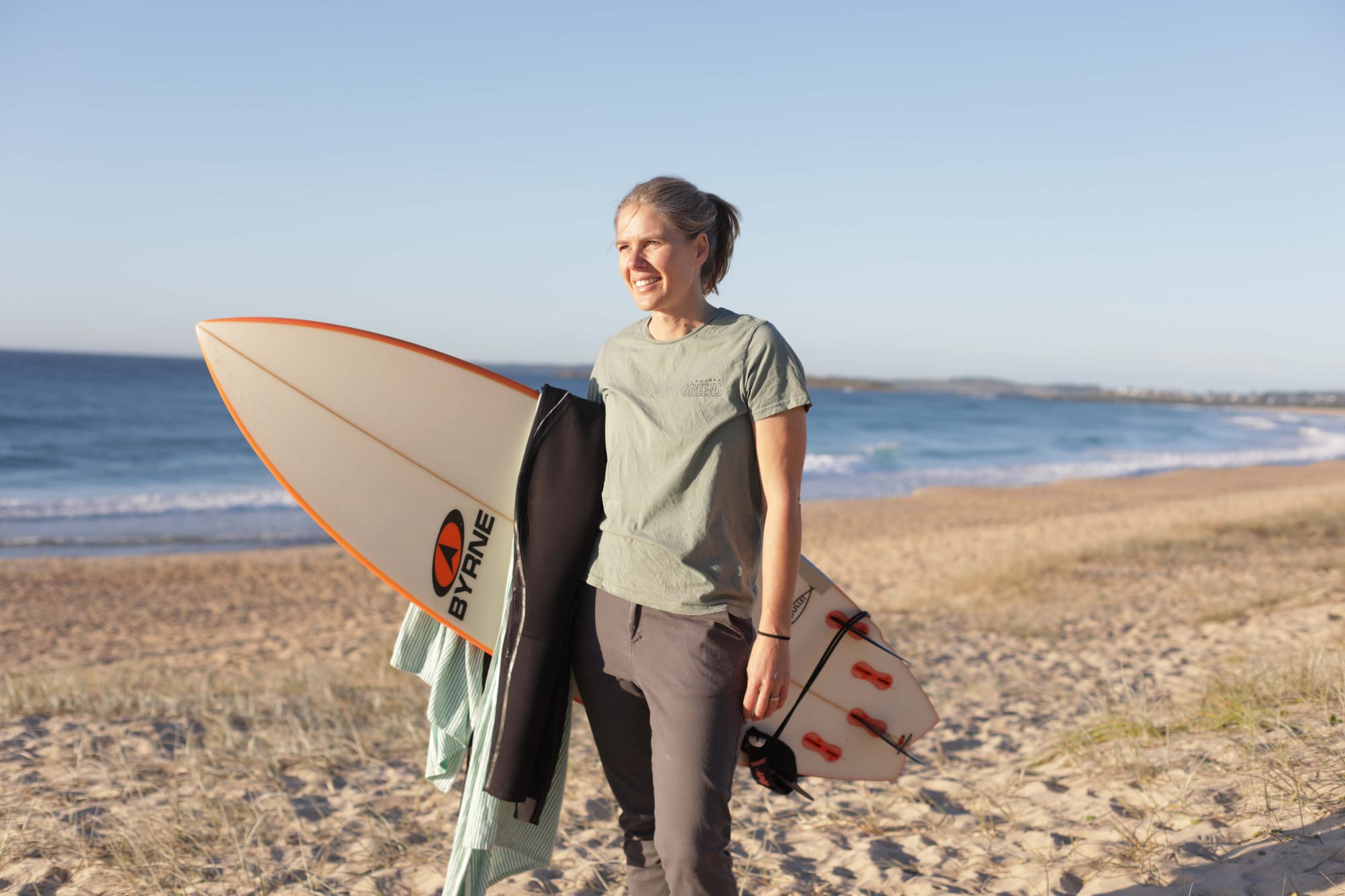
Sharks were drawn to the coast after a juvenile humpback whale died in state government shark nets. At right: Greens councillor Jess Whittaker. Photos: Lynne Tuck @urchin.creations, James Patrick Photography
Surf comp cancelled due to sharks
On November 2, Scarborough Boardriders had to call off their Sunday pointscore at Stanwell Park. Sharks had been drawn to the coast by the trail of the dead whale, which had washed up at Scarborough a few days earlier before being towed to Bellambi boat ramp on its final migration to the tip.
Surfers tried to go ahead, with precautions. “These included a full-time jet ski patrol (provided by Surfing NSW) and constant drone surveillance,” Scarborough Boardriders’ contest director Ian Pepper reports. “We managed to complete 10 heats across four divisions when the jet ski sighted a number of sharks in the area.”
Ward 1 Wollongong City Councillor Jess Whittaker, who has called for an end to nets, says: “There is a touch of irony that in the end, shark nets, which are supposed to keep swimmers safe, in fact made the areas less safe with the closure of beaches up and down the coast for the week.
“There is strong evidence to suggest this happens on a smaller scale with bi-catch removed by contractors from shark nets, documented to have large bite marks in it when recovered from the nets.”
‘Lucky to see a shark’
Even in "the year of the drone", lifesavers remain realistic about their role in shark spotting.
“You're very lucky to see a shark,” says Robert, who works in health and biomedical engineering as a professor at Western Sydney University and started flying drones five years ago after doing research on the Kiama blimp, which provided continuous aerial monitoring for sharks.
“They are out there – but more times out of not you're flying and you're not going to see anything. And when you do see them, a lot of times, they're not the dangerous type.”
Most serious bites are from White, Bull and Tiger sharks, and it's these species that have acoustic tags, which ‘ping’ at listening stations off Wollongong City Beach and Stanwell Park, triggering notifications via the SharkSmart app.
“Drones are not a shark deterrent,” Robert says. “They are an observation tool. They're weather dependent. They're wave dependent. You can't see when the conditions aren't great, and they're not flying when the conditions aren't great.
“It's another way of doing observations and mitigating potential negative interactions with wildlife. It's not the silver bullet.
“Until they make a full decision on the effectiveness of shark nets and if it should continue or not, the drones are going to be there as another tool to particularly help the public make educated decisions on whether to go in or not.”
Read more
Whale death by 'outdated technology' to cost city of innovation a tonne
Nets drowned whale, now investigation may shine light on ocean pollution


