
Sustainability in Covid time
By Green Connect general manager Kylie Flament When I started taking an interest in sustainability, I thought that there was a trade-off between the environment and the economy, or between people and the planet, and it was all about trying to find...
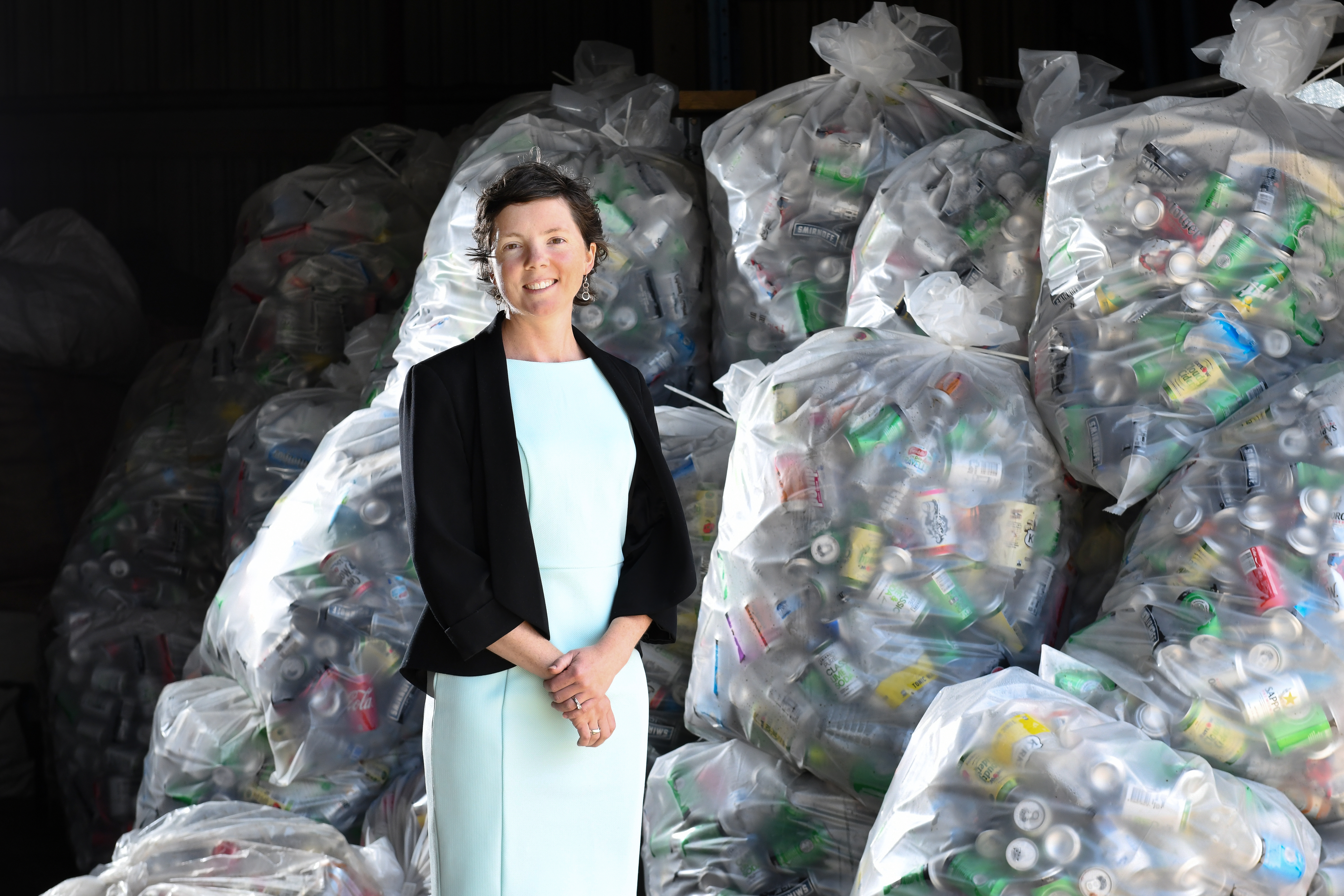

By Green Connect general manager Kylie Flament
When I started taking an interest in sustainability, I thought that there was a trade-off between the environment and the economy, or between people and the planet, and it was all about trying to find a balance.
Thankfully, those myths have been disproven. For the most part, what’s good for the planet is good for people, and the economy depends on the environment and vice versa. It’s now well known, for example, that renewable energy creates more jobs than oil and gas, and that things like active transport and growing food have incredible social benefits as well as environmental.
Not everything has a win-win option. I get many questions about Covid’s environmental impact. When it comes to healthcare, there’s a lot of waste – and I know a fair bit about it, having worked at Sydney’s two children’s hospitals for more than five years. Covid has dramatically increased the amount of waste.
There’s the Personal Protective Equipment of health workers (gowns, gloves, masks, etc), the masks worn by the public, the Covid testing kits (both PCR and RAT), and the disposable wipes and gloves and other items used, particularly before we knew Covid was airborne. None of these items are recyclable. At hospitals, they go into clinical waste and are incinerated. In businesses and homes, they go into landfill.
So what can we do? The waste hierarchy is a good place to start. What can we avoid, what can we reuse, and what can we recycle while still keeping ourselves and others safe?
Here are my top tips based on minimising waste while following the best health advice available:
Masks: A well-fitting cloth mask with at least three layers should be washed daily. For sustainability’s sake, you might prefer to avoid single-use masks, although with RMIT researchers showing how disposable face masks could be recycled to make roads, you could also hold onto them in case this becomes a commercial reality. In the US, the national public health agency Centers for Disease Control and Prevention (CDC) recommends N95 masks, and some experts there say that, as the virus only lasts three days on them, it is possible to reuse them every four days, hanging them up to dry in between (no washing!).
Covid tests: Follow the health advice to only get tested if you have symptoms or have to. Only buy as many test kits as you need. These can’t be recycled (but the cardboard box they come in can).
Cleaning: the World Health Organisation has said since 2020 that soap and water are best. Use a cloth (or an old t-shirt, sheet, muslin cloth) that you can throw in the washing machine and reuse for years. If it’s made of cotton, it can be composted at the end of its life, and I find they clean better than synthetic cloths anyway.
PPE: Follow rules and health advice but check (a) whether there are non-disposable alternatives and (b) how often it has to be changed.
The amount of waste can be depressing, but I find that focusing on the things I can change is the most useful. I can change other things I buy or how I get from A to B. It all adds up.


