

Team working to improve palliative care across Australia
Everyone is encouraged to talk about matters of life and death during National Palliative Care Week

Life’s two certainties – death and taxes – are in focus this week, with the Federal Budget delivered on Tuesday and National Palliative Care Week running from May 10 to 16.
While the state of the economy is making headlines, there’s another increasingly important conversation to be had. Dementia is now Australia’s leading cause of death and Palliative Care Australia is urging people to talk about their end-of-life plans. While most people would prefer to die comfortably at home, less than 15% do, according to data from the peak body. What’s more, less than half of those who die of a life-limiting illness actually receive palliative care.
Inspired by a desire to improve the system, a group tucked away on Wollongong University's Innovation Campus is working toward better outcomes for patients and families around the country.
“Palliative care can start soon after a doctor’s diagnosis rather than in life’s final weeks,” says Lily Balé Tuivaga, an education and technical support officer at Palliative Care Outcomes Collaboration (PCOC).
“It's about sustaining a certain quality of life, which can be attributed to the level of comfort a patient feels because they're receiving the right care at the right time. They haven't left it too late, they're not going through the stress of fragmented care, of being suddenly so sick they have to go to the hospital.”
PCOC is a quality improvement and benchmarking program to help patients live well for as long as they can. More than 230 palliative care services, including hospitals and hospices across the country, take part in the scheme.
“It is the only one of its kind internationally,” says Lily, who coordinates workshops and webinars for palliative care nurses and other healthcare professionals around Australia.
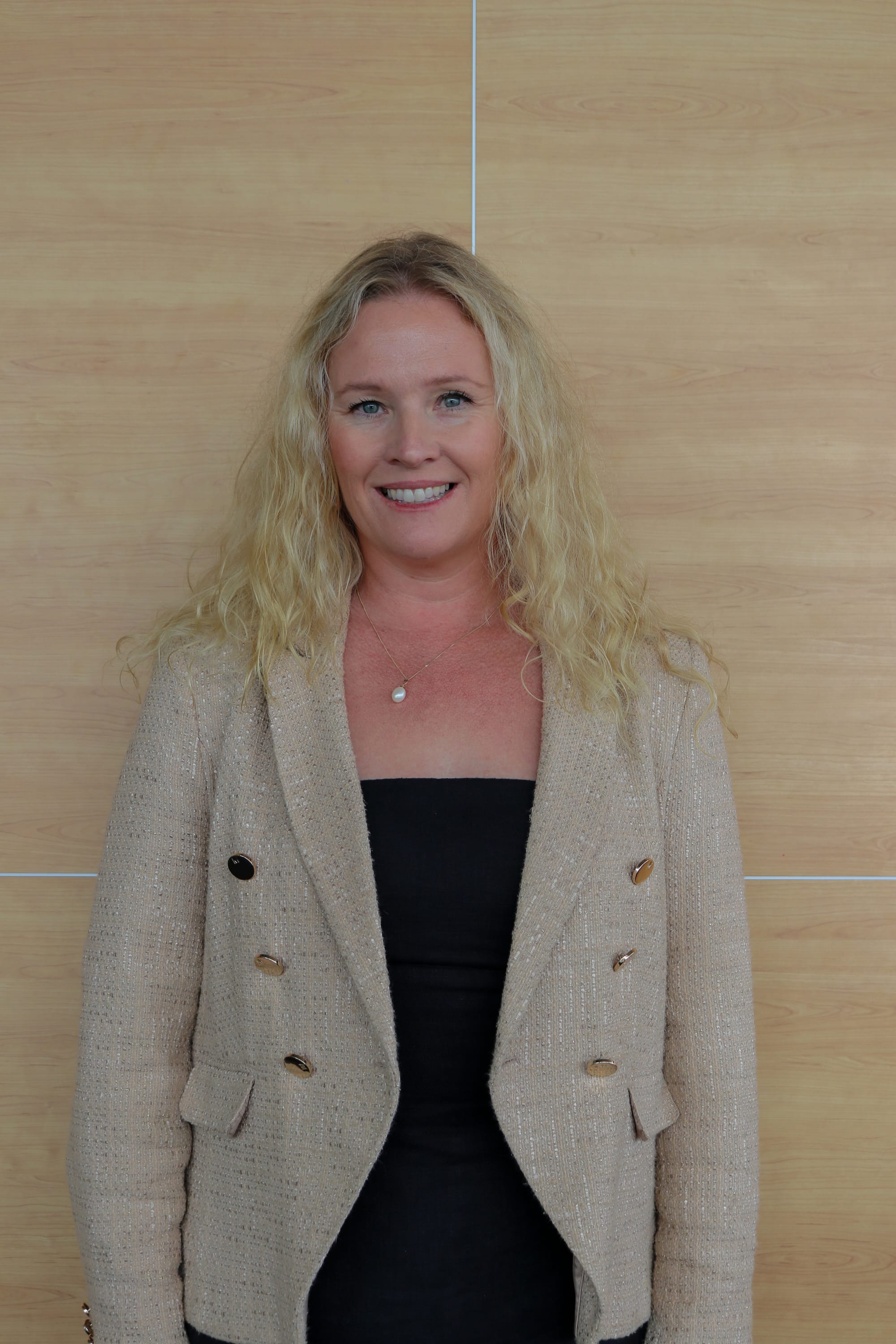

L to R: Sabina Clapham, director of the Palliative Care Outcomes Collaboration, and Lily Balé Tuivaga, an education and technical support officer.
PCOC is funded by the federal Department of Health and Ageing and known to health experts. However, despite decades of data gathering, many community members may be unaware of its important work, Lily says.
“PCOC is able to help or support health care clinicians provide more appropriate and responsive care by being able to assess their patients on a daily basis using the tools that we recommend,” she says.
“Then over time, clinicians are able to get a clear understanding of how patients are feeling in terms of their pain, or their nausea, for example, and adjust their care plan based on how that patient is feeling.”
Last year, PCOC marked its 20th anniversary and this year the organisation is reaching out to the community. It has recruited five people to form a consumer advisory panel, including members who’ve cared for loved ones through a terminal illness.
“Our consumers have helped us a lot over the last year with putting things in plain language,” Lily says.
“We are aiming to strengthen these relationships.”
At its best, palliative care manages symptoms to help patients feel less pain and distress.
“There’s a lot of misconceptions socially about what palliative care is,” Lily says. "Palliative care isn't a big, bad, scary thing. It's actually something that is necessary for a lot of people.”
To learn more, visit the PCOC site or Palliative Care Australia.
The peak body's key event during National Palliative Care Week will be a lecture titled “Rethinking Dementia and End-of-Life Care”, delivered and livestreamed from Parliament House on Thursday, 14 May by Dr Michael Chapman, director of Palliative Care at Canberra Hospital and lead of the Palliative Care Research Unit at Clare Holland House.


