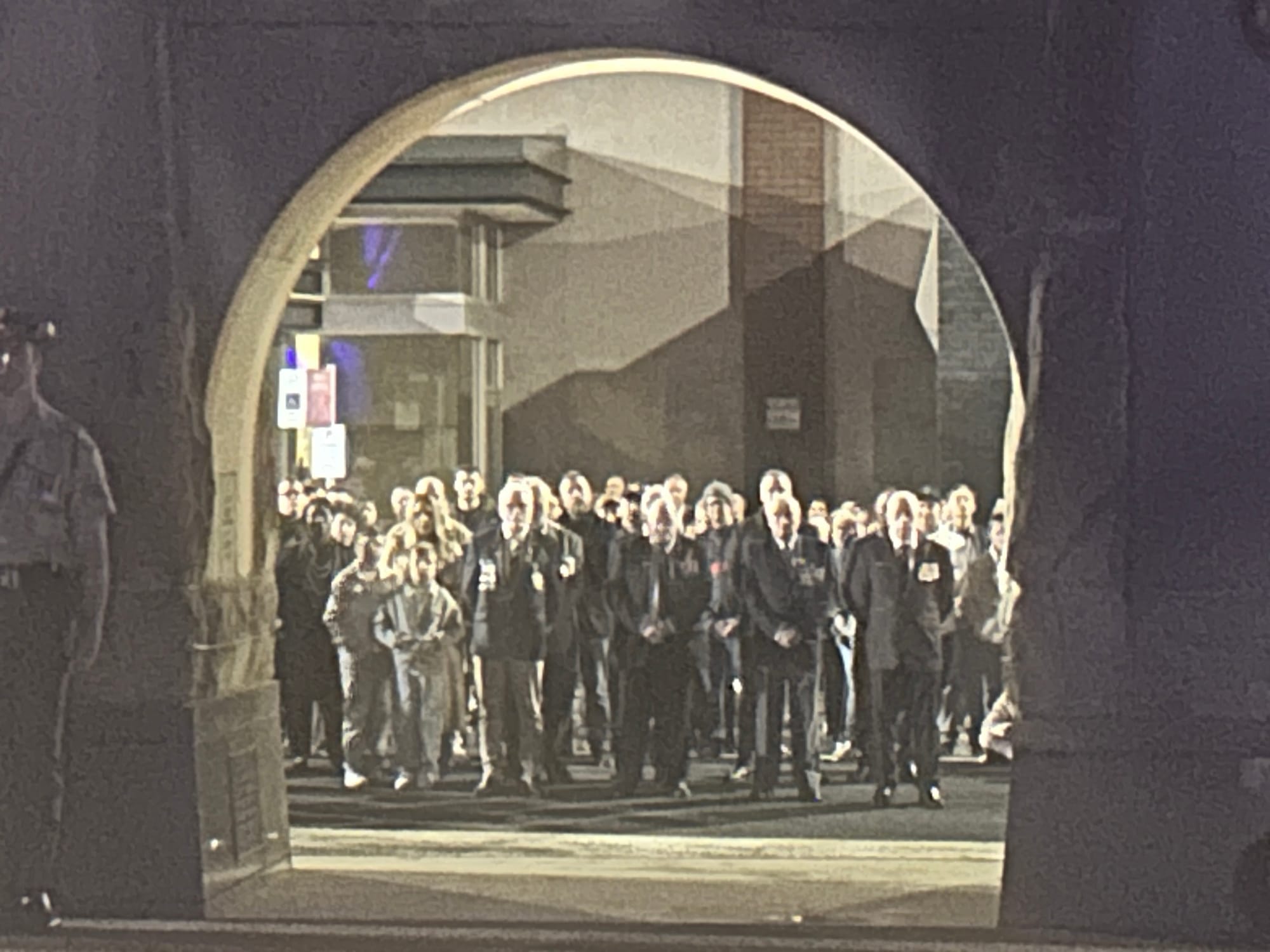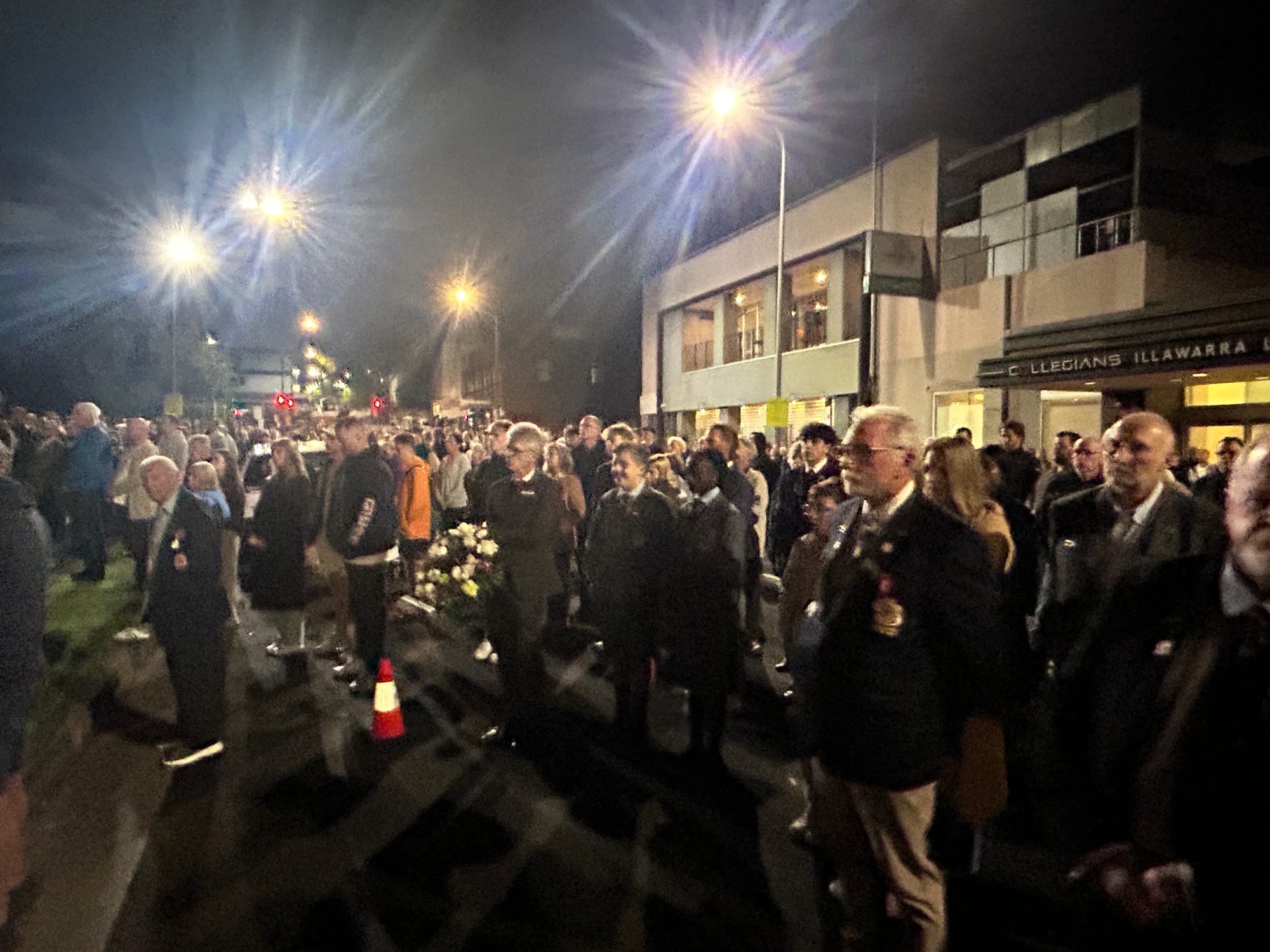

Thousands gather at dawn in Wollongong's 'place of memories'
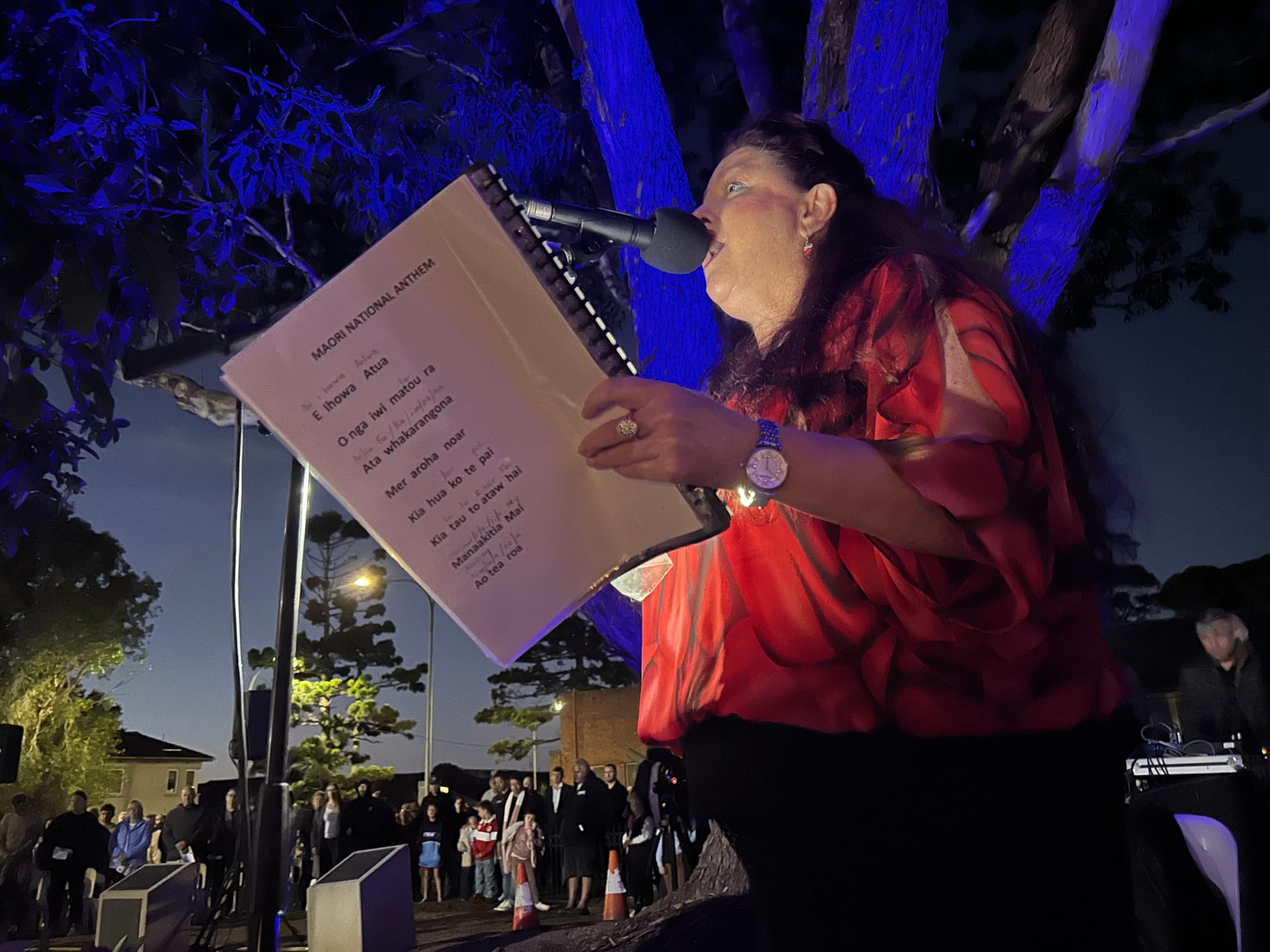
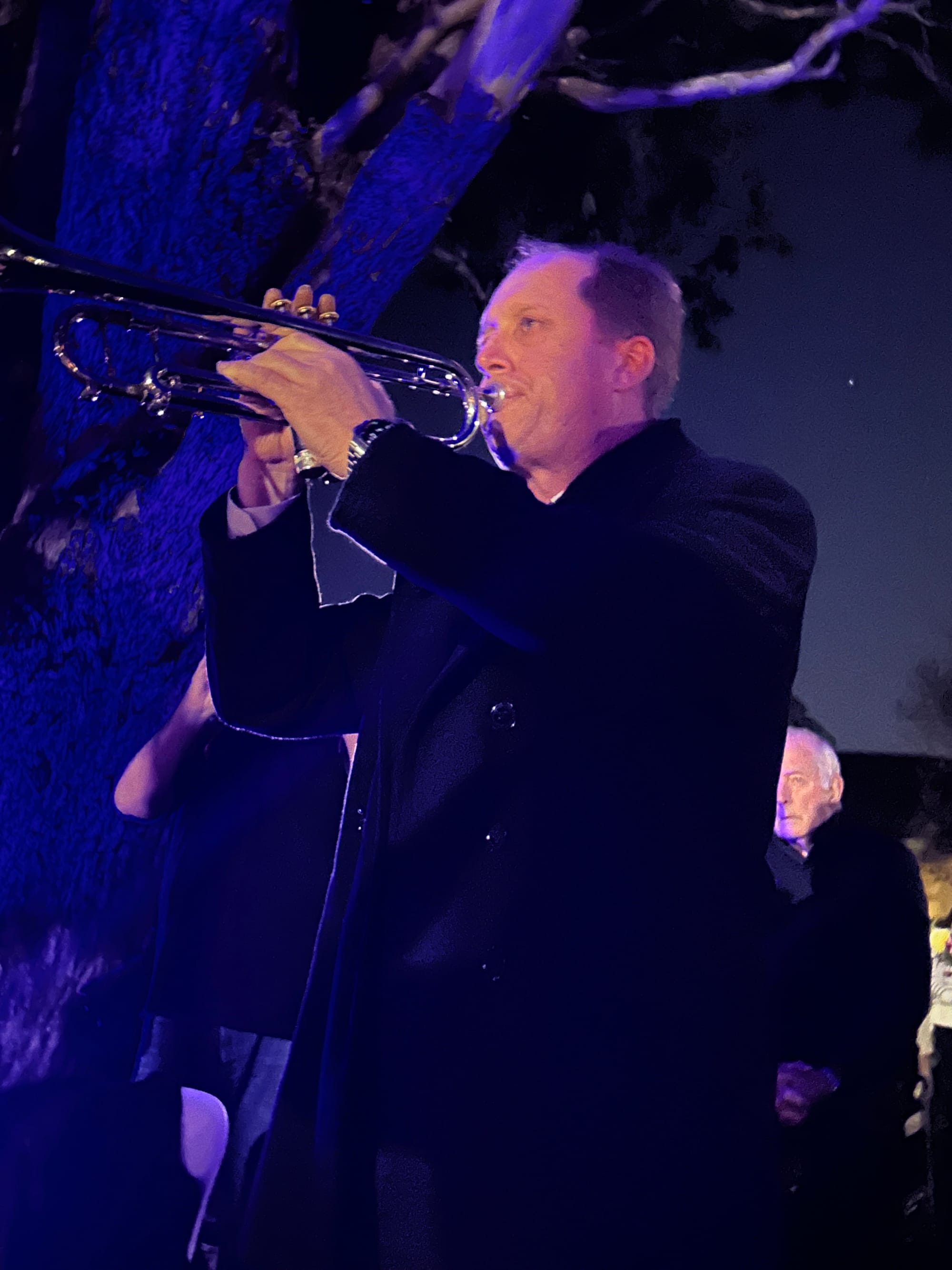
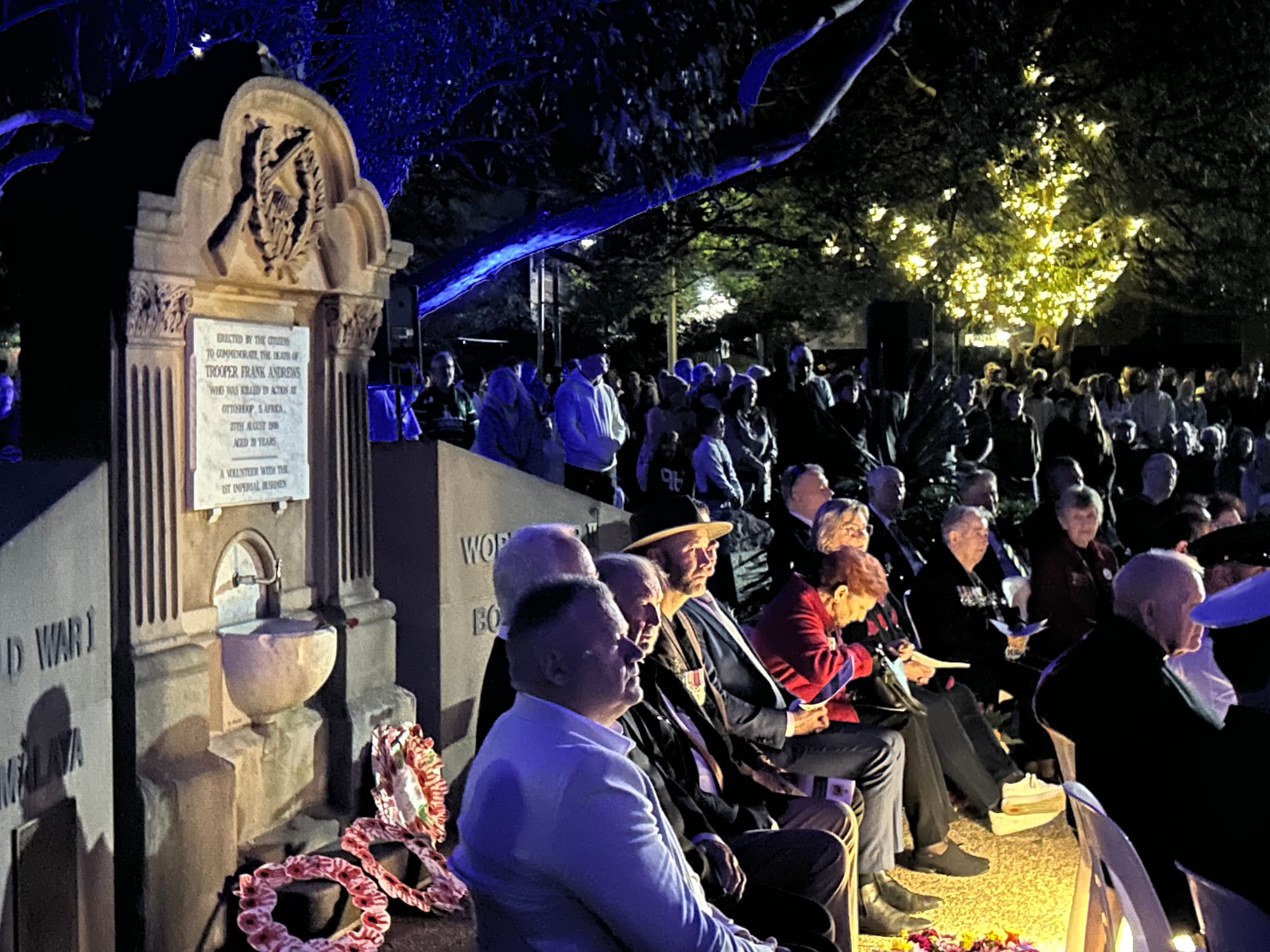
Thousands turned out in quiet reflection, on a perfectly still autumn morning for Wollongong's ANZAC Day Dawn Service

"This place of remembrance is a place of memories. Good memories, sad memories, precious memories, painful memories, deeply personal memories."
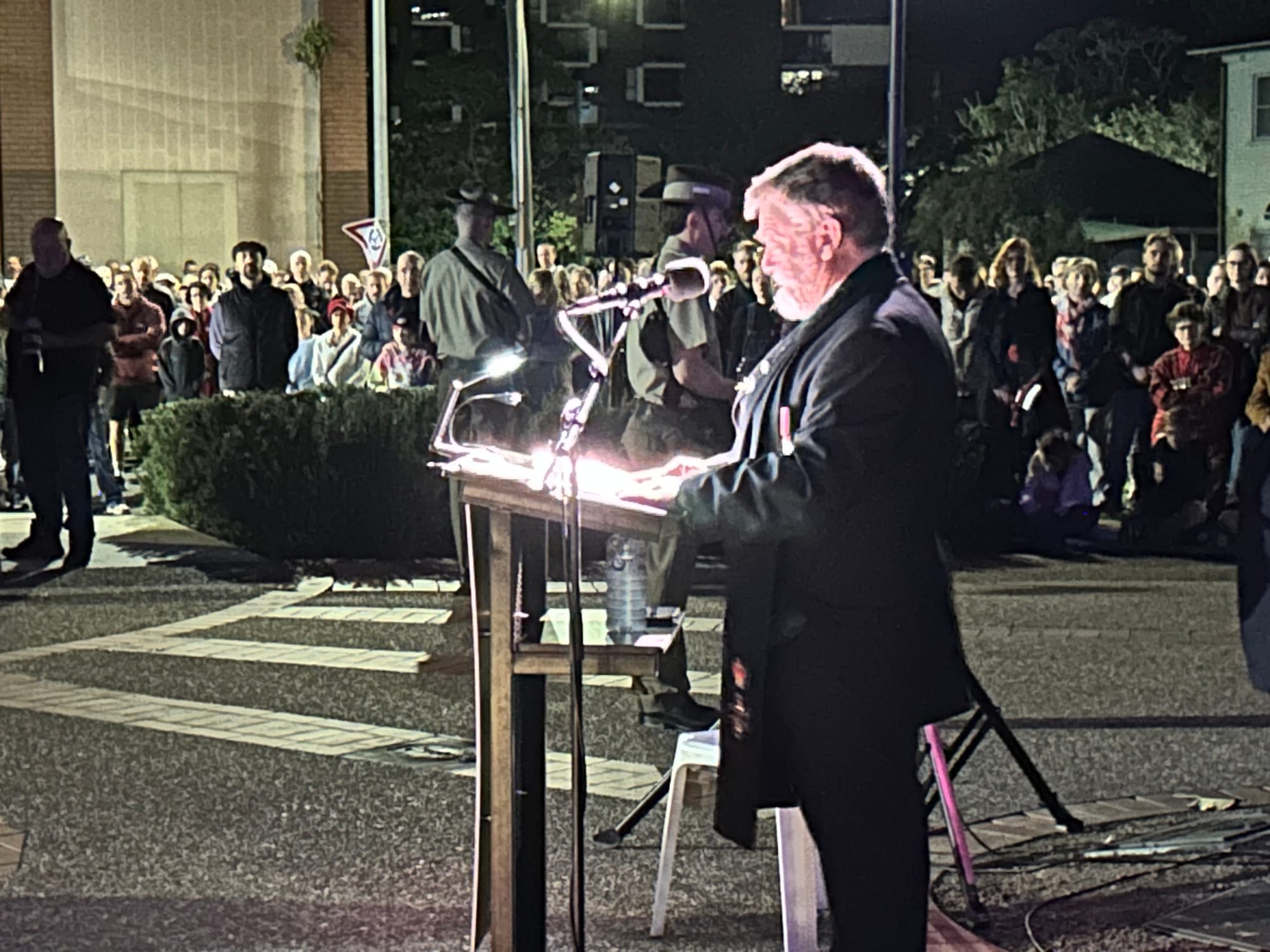
Thousands turned out in quiet reflection, on a perfectly still autumn morning for Wollongong's ANZAC Day Dawn Service. Delivering the commemorative address, Chaplain Stephen Estherby RAN (Rtd) spoke of the importance of never forgetting sacrifices made, and the special places across the nation where we come together to respect those who made the ultimate sacrifice.
Today, 25 April 2026 marks the 111th anniversary of the ANZAC landing at Gallipoli in World War One.
More than 60,000 Australians died in service during that "war to end all wars". Stephen Estherby told the Dawn Service at the MacCabe Park Cenotaph more than 2,300 volunteered to fight from the Illawarra region, which was greatly impacted by their service and sacrifice.
A place to grieve
"This monument around which we gather on this ANZAC Day is a testament to this reality," he said.
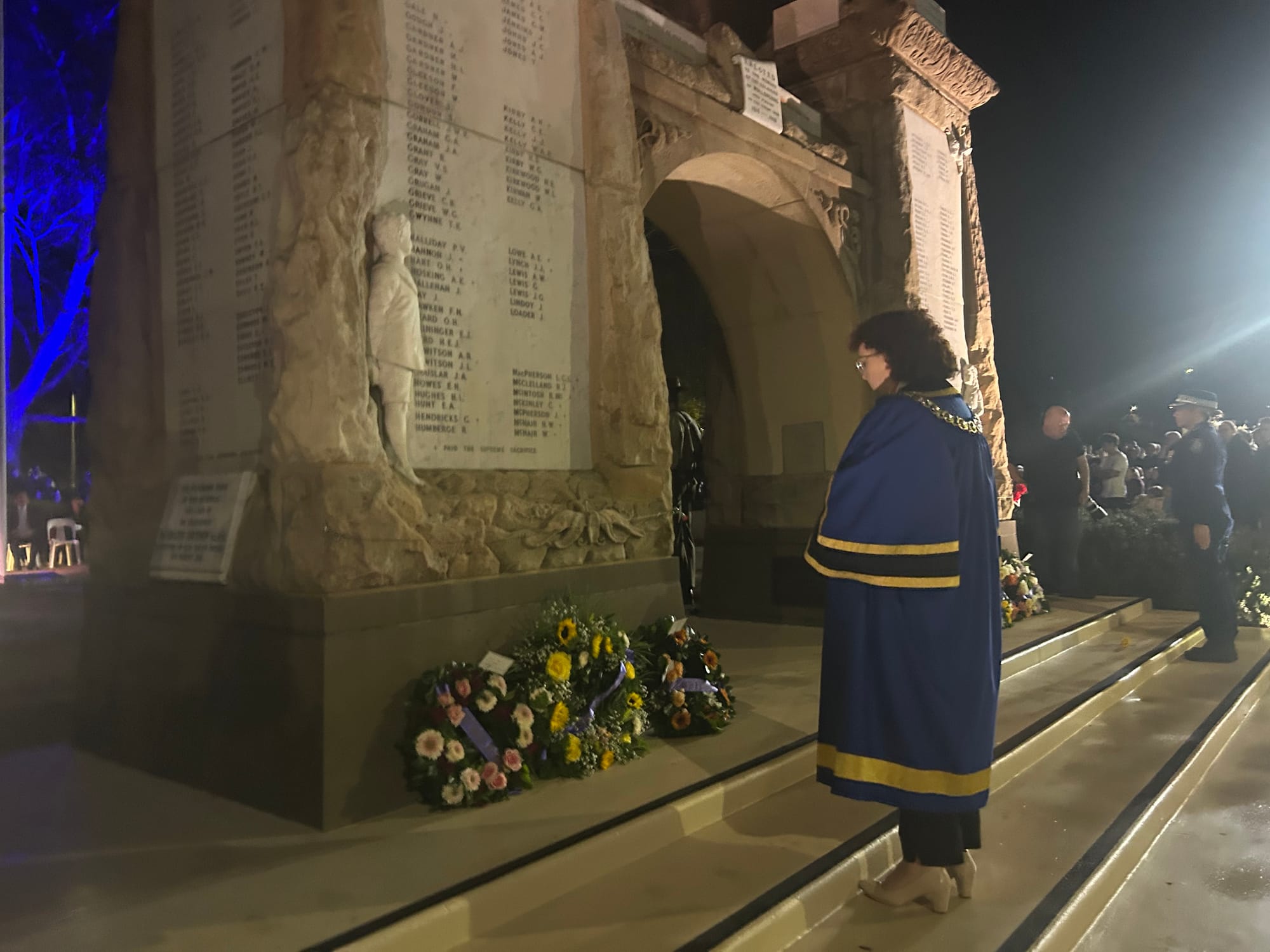
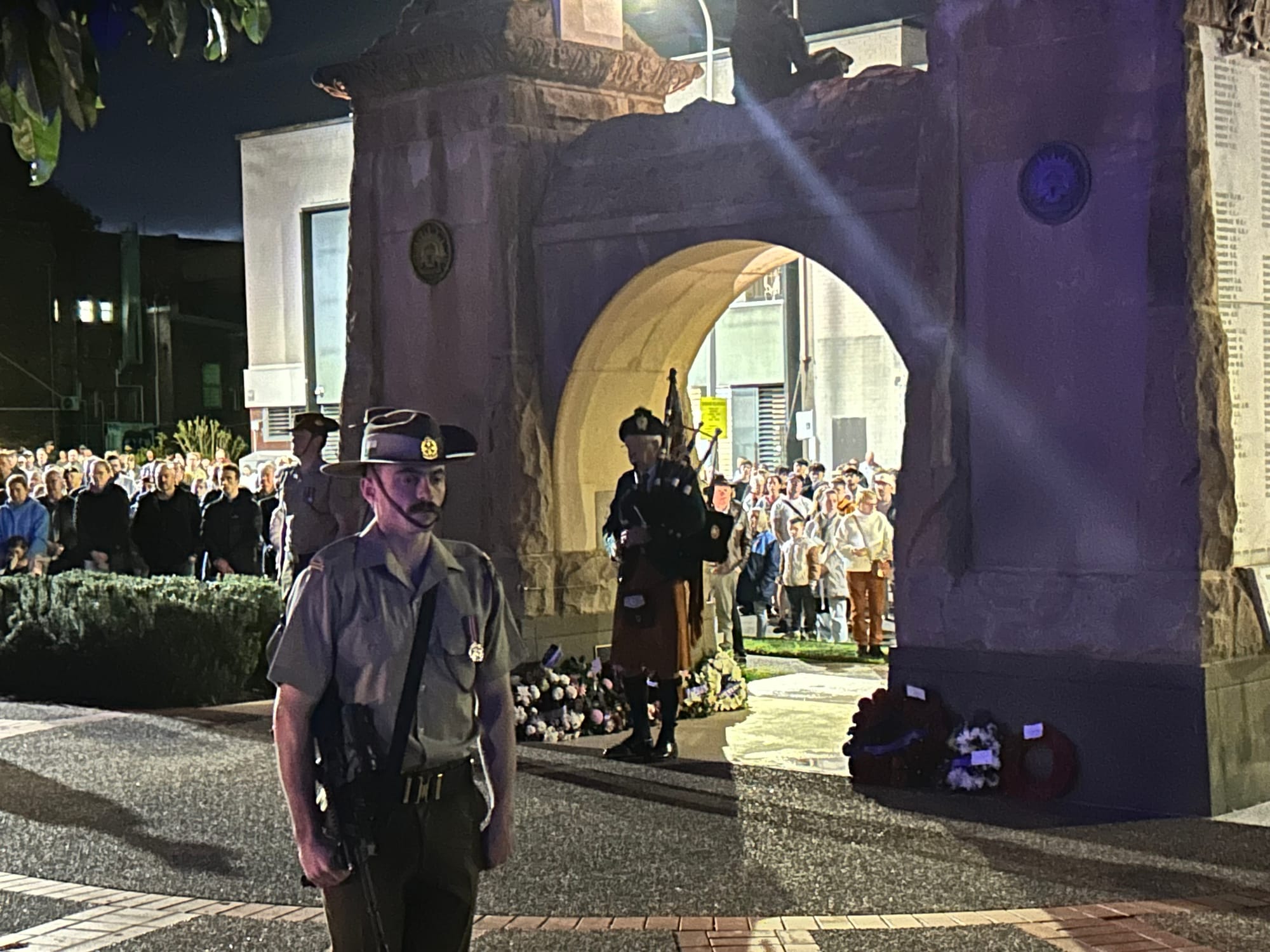
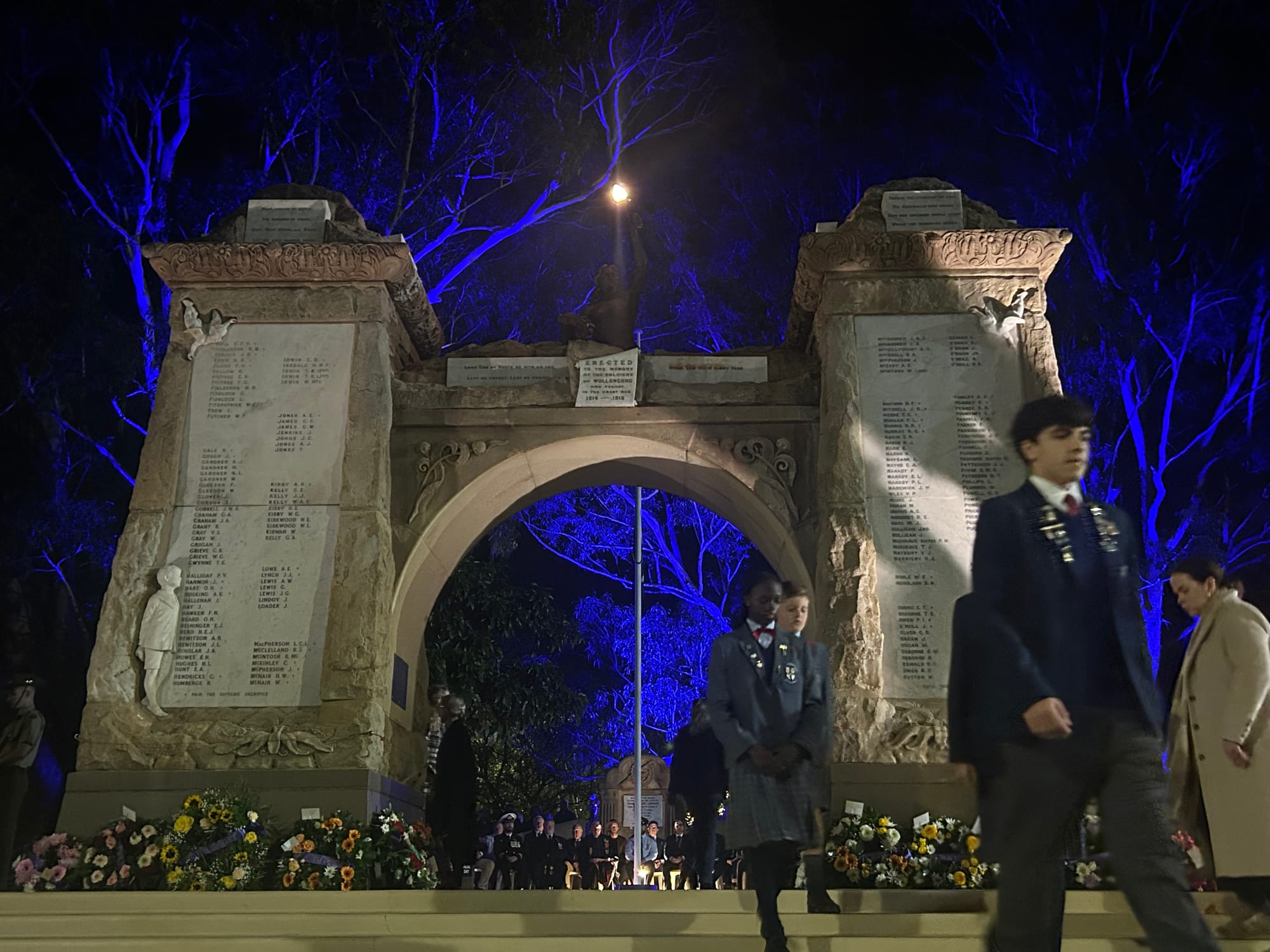
"The monument before us was originally located in front of the town hall, designed by architect Varney Parkes. It was commenced in August 1922 and completed in June 1923. It records the names of 363 individuals who served, including 73 dead; listed alphabetically without rank or decorations.
"Monuments like this were established across Australia and had huge significance in the local communities in which they were erected. Profound significance to those who served alongside those listed as dead, and to those who mourned for the rest of their lives the loss of husbands, sweethearts, fathers, uncles, brothers, sons, and friends. Loved ones who would never come home, left in a foreign field. Some in unnamed graves known only to God. Some lost in the mire, some lost in the air, or at sea.
"Over 25,000 of the 60,000 Australians who died during the war were either unidentified, or unidentifiable. Men simply disappeared in the chaos of the front line or were lost in the mud or hastily buried in mass graves during brief ceasefires or at night.
"So many families whose loved ones were forever lost and missing. That is why these monuments had such importance as they provided a place to grieve and recognise the sacrifice of those who would never come home. These monuments remain sacred places.
"The first record I was able to find of a memorial service held here in Wollongong was at the Wollongong town hall, where hundreds attended. It was held on Sunday 6 June 1915 for two local 3 Battalion soldiers who were killed in action at Gallipoli. Twenty-year-old Sergeant Robert McClelland, on Monday 2 April 1915. He had been a mechanical engineer at Port Kembla. The other was Corporal Nathan Shipp, aged 22, killed on Tuesday 27 April 1915. He had been a school teacher at Mount Kembla Public School.
The impact on children
"The children at the school received an education that war is much more serious than raising money and packing care parcels for the Red Cross. Children understand the cost and often speak about it. I wonder whether this is why Varney Parkes sculpted two children on the monument. Children are affected by war; orphaned, frightened and confused.
"When I was in the Middle East, I received a care parcel that included a blob of molten chocolate and a letter to me from a small boy. It had a coloured-in picture of a warship and a note that read: 'Please don't die!' I stuck it to the Ward Room door. I thought it was such good advice.
"This place of remembrance is a place of memories. Good memories, sad memories, precious memories, painful memories, deeply personal memories.
"This monument, erected to the memory of the soldiers of Wollongong, who fought in the Great War 1914-1918 carries two important inscriptions; one from a hymn 'Lord God of Hosts be with us yet. Lest we forget, lest we forget.'
"The other inscription on this monument asks a question: 'When can their glory fade?' It will only fade if we forget the sacrifice and cost and choose to ignore the lessons of the past. People do forget, but God will never forget.
"Monuments, memorials, memories and mementos help us to remember. Lest we forget."