

Tiny tags, big journey: tracking bogong moths
What’s going on with our bogong moths? Bug Hunt project co-lead Alison Mellor would love your help to find out

Let’s start off by saying the quiet part out loud: Bogong moths (Agrotis infusa) are not particularly sexy. At around 3cm in length and a hodge-podge of mottled browns, they’re not in the same league as their attention-grabbing relatives, the butterflies.
But after chatting to Bug Hunt’s Project co-lead Alison Mellor, it turns out these little insects are endlessly fascinating. They are thought to migrate up to 1000 kilometres twice a year, there’s as many as 4 billion of them (yes, that’s billion with a ‘b’) and their nightly fly-out from their summer migration spot in the Australian Alps has been described as one of the most special wildlife encounters in the country.
Illawarra residents have been asked to keep an eye out for one of more than 10,000 bogongs that have been tagged, helping scientists to solve the mystery of where they all end up after leaving the cool of their summer home.
“They are a really important moth both ecologically and culturally,” said Alison, who was one of the volunteers who headed up to Mt Kosciusko to tag the moths.
“They have really deep cultural significance to First Nations people up in the Australian Alps area in particular and they have huge ecological importance because when they are doing well, there’s so many of them.”
Plague proportions to population decimation
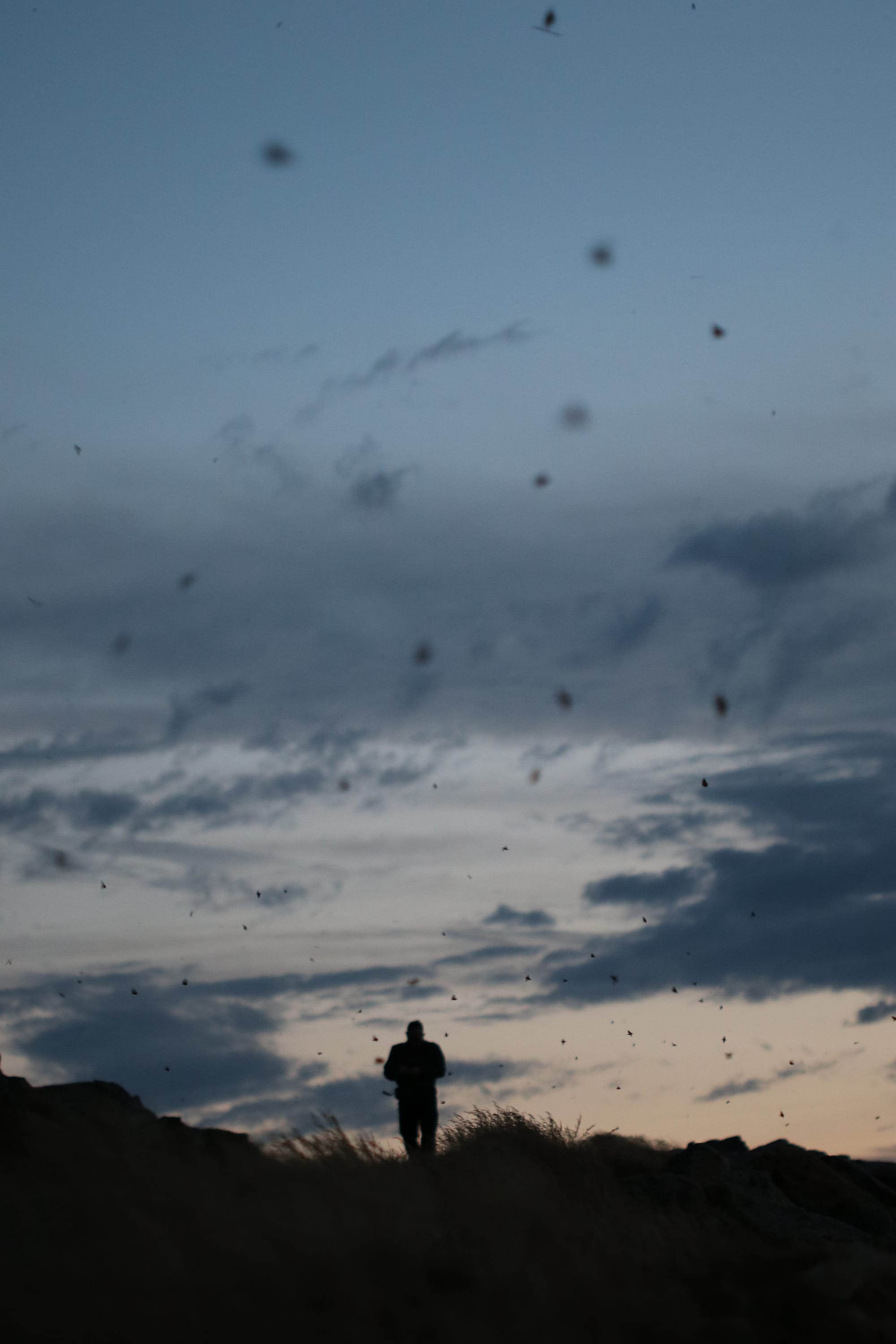
“I remember when I was a kid, there would be times when we would have huge amounts of bogong moths coming down to Wollongong,” she said. “There’s crazy footage and images of Canberra being inundated at Parliament House … but you don’t really hear about those moments anymore."
In 2017, the population crashed by as much as 99.5%. While the most recent estimates have the population back up to pre-2017 numbers, the cause of the crash is still a bit of an unknown.
“They’re [scientists] still trying to get to the bottom of why that massive population crash occurred. It could have been a combination of extreme drought, possibly pesticide usage in the breeding areas,” Alison explained.
“It wasn’t until the massive population crash … that scientists really started to recognise that they needed to figure what’s going on with our bogong moths, particularly because species like the mountain pygmy possum are really reliant on them.”
Enormous numbers facing an enormous threat
While numbers have since rebounded, the bogong has been listed as endangered on the IUCN Red List of Threatened Species due to the threat of climate change. For an animal that heads to cooler areas over summer to retreat from the heat, any changes in temperature presents a real problem. Alison noted, “a significant portion of them are migrating to the Alps so if those sites keep getting too warm for them, they don’t have anywhere else to go.”
The Bogong Watch tagging program is driven by the University of Western Sydney and Invertebrates Australia and hopes to gather information about where they migrate to and how long it takes them to get there.
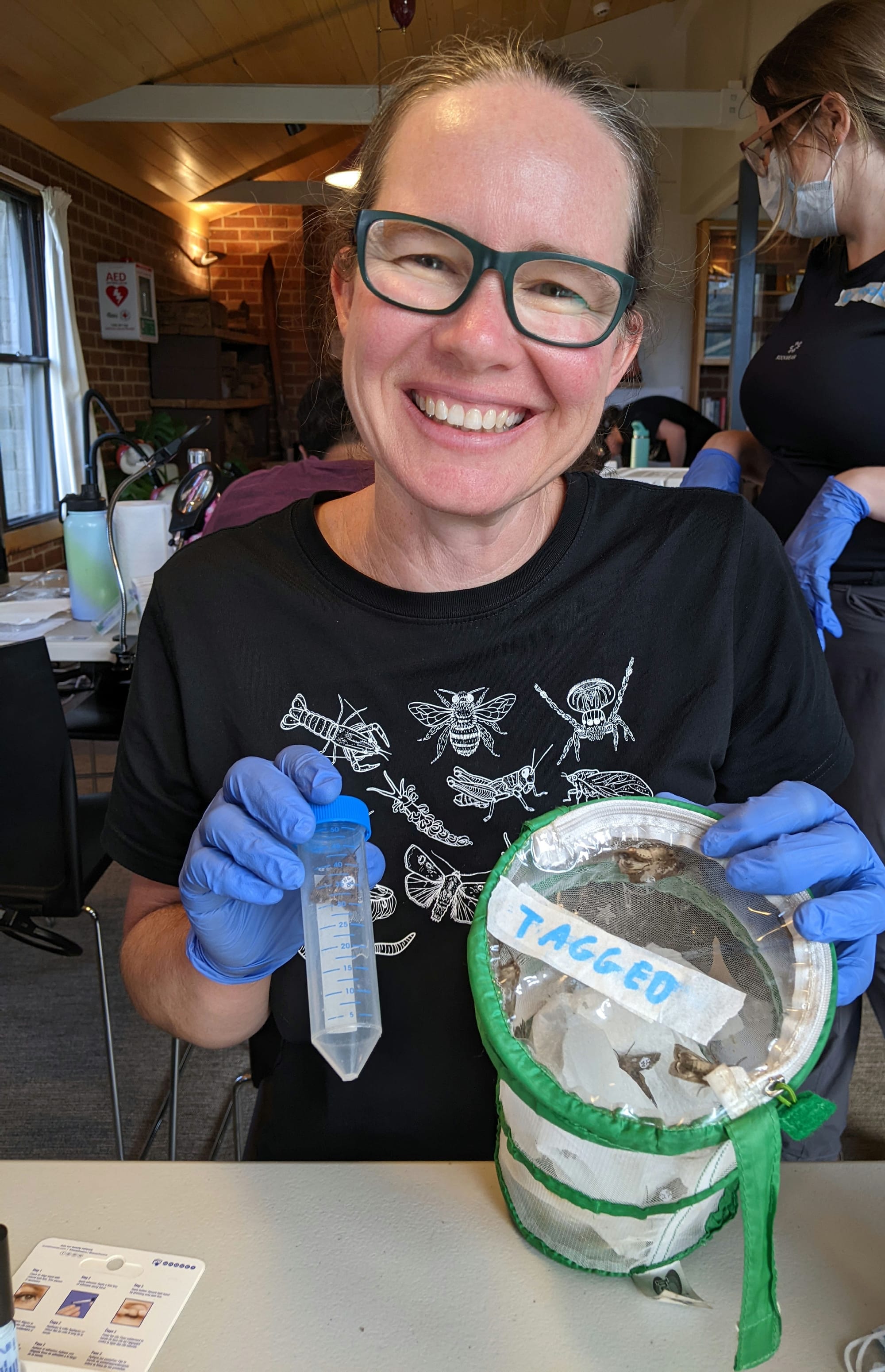
Volunteers headed to Mt Kosciuszko over a two-week period where more than 10,000 Bogongs were tagged with either a small beeswax-coated, numbered piece of paper or a spot of white paint. Both types of tag are non-toxic and don’t affect the moth’s ability to fly or cause harm to would-be predators.
“We’d really love people to be keeping an eye out for the moths, particularly at night around lights. And also foraging on plants like flowering gums or callistemon as they will be out eating nectar."
If you see any bogong moths with paper tags or wings marked with white paint, report them online at www.bogong.org.
For help identifying bogongs, here’s a handy chart.
For any untagged moths and all other bugs you might see, upload them to the citizen science platform iNaturalist and join the Bug Hunt Australia project. Visit www.bughunt.org.au to find out more.


