

UoW lab team dedicated to cracking disease code
The university recently welcomed community members for a behind-the-scenes look at the Yerbury Lab, aiming to spread awareness and raise funds for the fight against MND

Intensive research to unravel the intricacies of motor neurone disease is ongoing at the University of Wollongong – a fact which surprised even a sufferer living nearby.
The university recently welcomed community members for a behind-the-scenes look at the Yerbury Lab, aiming to spread awareness and raise funds for the fight against MND.
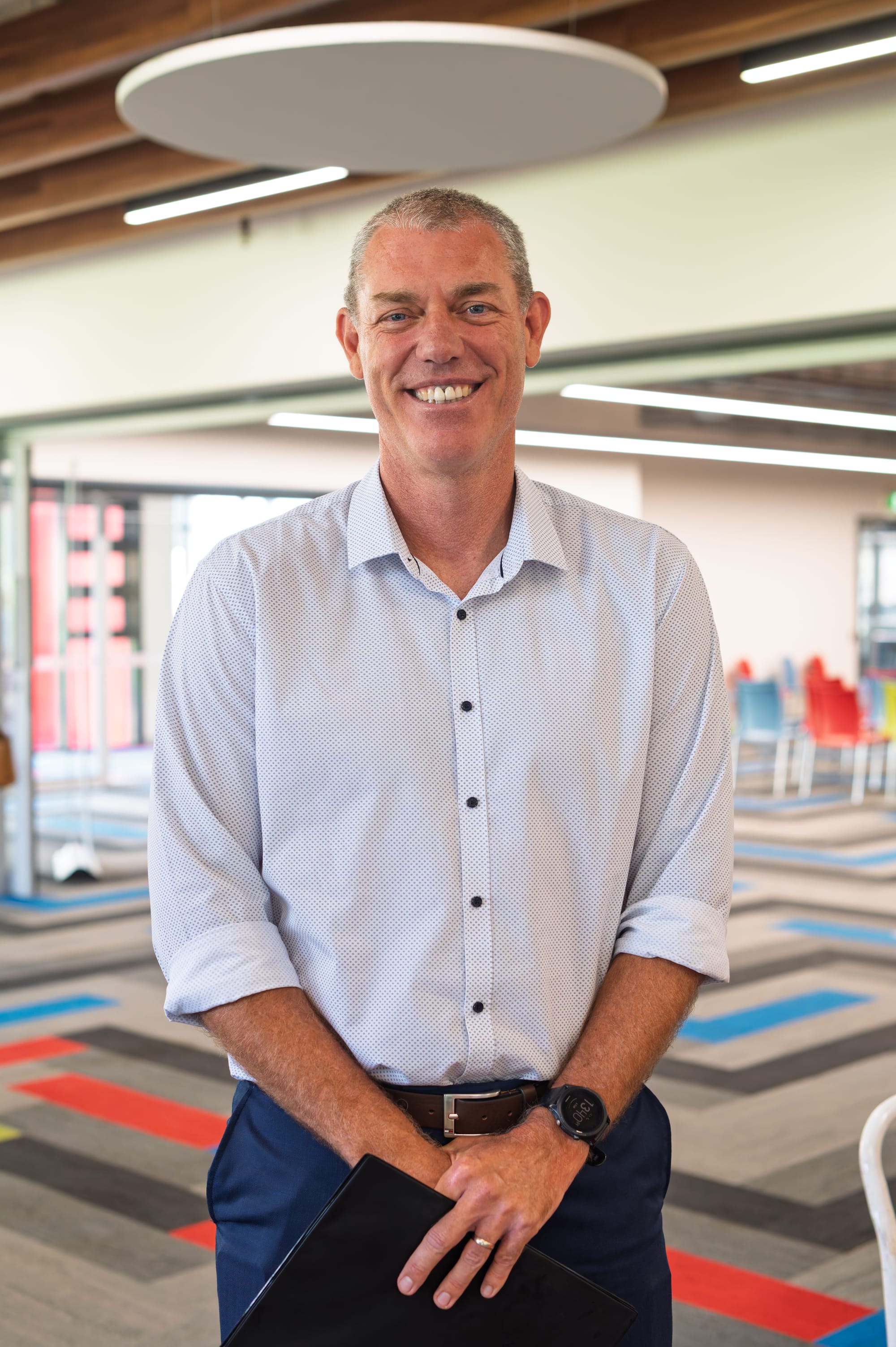
Often, particularly in the Illawarra, people don’t realise the world-class research being done right here on their doorstep, says Professor Heath Ecroyd, lead of the MND research lab.
“Today's all about showcasing to people in the region the motor neurone disease research that we do and the passion we have for that,” he said. “Of course, it is also to celebrate Peter McGovern and the launch of his memoir today.”
The event combined scheduled lab tours with the launch of Peter McGovern’s memoir What’s Luck Got to Do With It?, giving attendees an opportunity to learn about the science behind the disease while hearing from the people it affects.
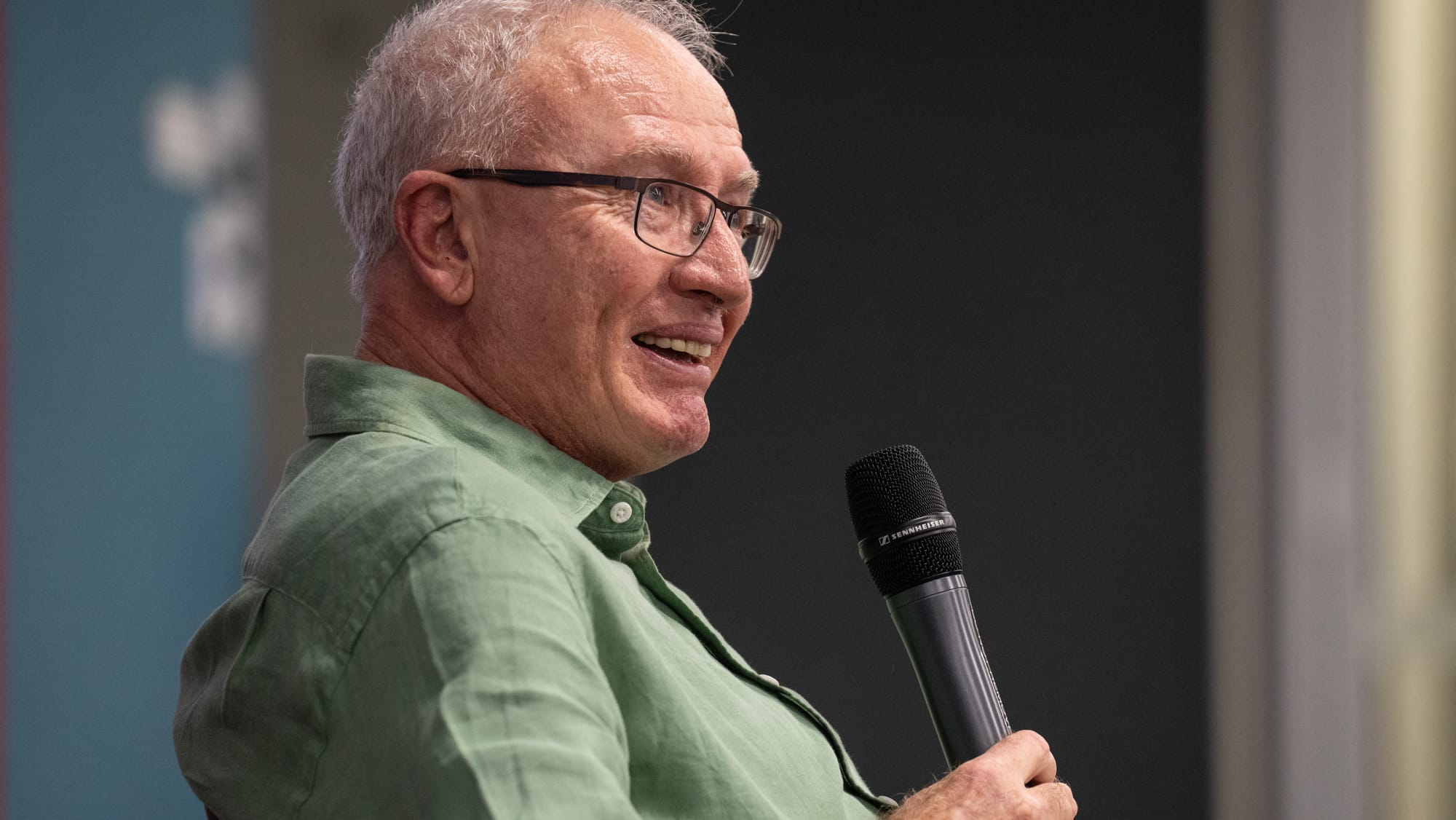
Peter is one of more than 2000 people living with MND in Australia. A former principal of Edmund Rice College, Peter was diagnosed in 2024 and has used his experience to advocate for the research community.
“I’ve become optimistic about where research is going,” Peter said. “I lived one kilometre away from where they were doing this incredible science, and they’re all so passionate. So to find it at your doorstep and you didn't even know... it just blew my mind.
“With a terminal illness, you can lose connection. They call it the solo disease because as you lose muscle strength, you lose mobility... and connection requires some mobility in terms of interaction.
“But writing the book means pretty well everything to me. It’s changed my life because I’ve seen some hope.”
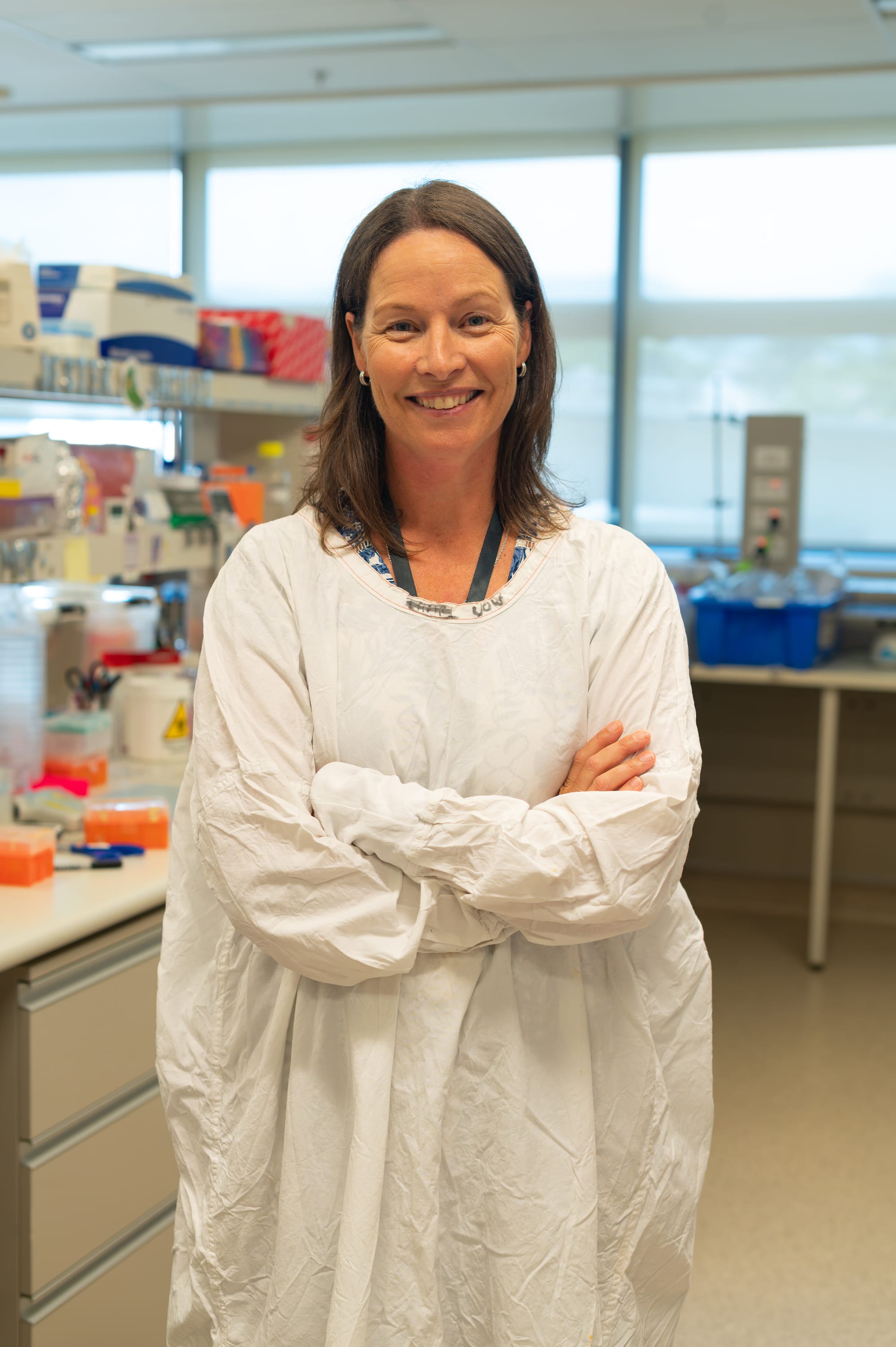
Researcher Dr Christen Chisholm reflected on the work done at the Yerbury lab since it was founded in 2012 by the late Professor Justin Yerbury, who played for the Wollongong Hawks before turning to science after his family was struck by a genetic version of MND. Justin passed away in 2023 from the disease, but his legacy lives on in the passionate team at the lab.
“We still call ourselves the Yerbury lab,” Christen says.
“He’s our inspiration and motivation... he also trained most of us. Justin was an Illawarra boy, grew up in Oak Flats… He came back to university to study MND because of what was happening in his family, and he went on to become a global expert in MND.”
The team takes on the disease from two angles: investigating environmental causes to understand why rates of MND are increasing and designing new therapeutics to slow or stop the disease’s progression.
“The first thing is that we don't even know what causes it,” Christen says.
“Trying to understand the cause... What is it in our environment that is increasing the rates of MND? Because it is increasing. What things can work on so we understand how we can protect people?
“But we also look at treatments. So for people who currently have MND, or for people who develop MND, what therapeutics can we design that will help in treating and slowing down the disease and hopefully one day stopping it all together?”
For those living with the diagnosis, the lab tours offer a small bridge out of the isolation that often accompanies the condition. Peter described the “devastation and frustration” he felt when diagnosed with MND, and says seeing the research first hand changed his perspective.
Funds raised from Peter’s book launch will support ongoing research efforts at the Yerbury lab.
“I don't think personally that enough money and enough attention goes into our scientists,” Peter says. “They are heroes and they need to be celebrated. So this is my small way of trying to support that.”


