
What's happening in nature
Aussie Bird Count The Aussie Bird Count is an awesome way to spend time in nature, while contributing to science

Reptiles on the move
As the weather warms up, reptiles are starting to come out of their winter brumation. Brumation is different to hibernation, which is a deep sleep, where the animal relies on its body fat to survive without waking during the cold winter. Reptiles here in Australia undergo brumation, so while their metabolism slows down and their need to move around, eat and drink are greatly reduced, if there’s a warmish winter's day, they will come out, grab some sun, something to eat or drink before going back to sleep.
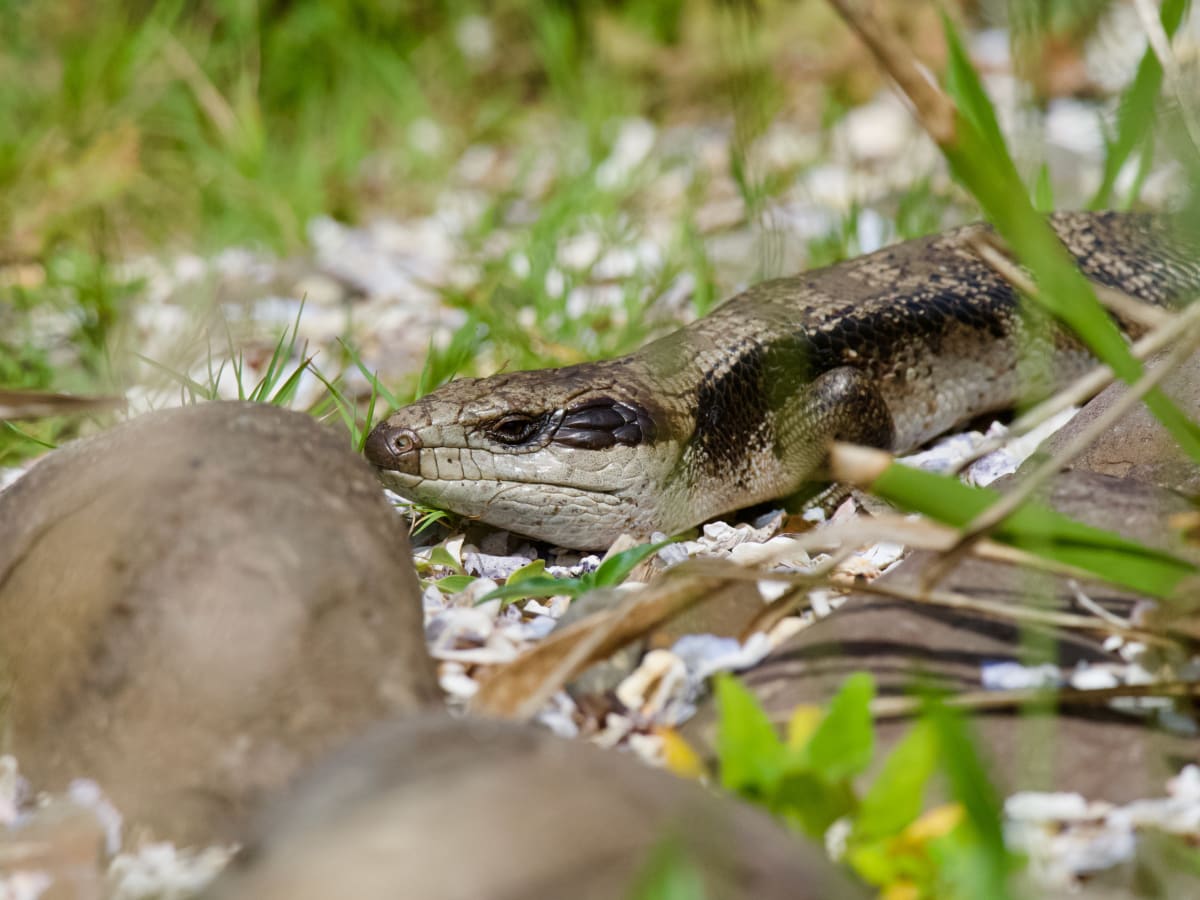
Now the weather is getting warmer, you'll start to see more reptiles, making it the perfect time to do a little herping (looking for reptiles and amphibians). I spotted a lovely Blue Tongue Lizard basking on warm rocks at Bass Point a few days ago and have seen a few Jacky Dragons around Dharawal National Park (and further down the coast in Murramarang National Park).
Read more: meet the team at The Illawarra Snake Catcher and find a local Summer Snake ID Guide here
Do the Aussie Bird Count
The Aussie Bird Count is an awesome way to spend time in nature, while contributing to science!
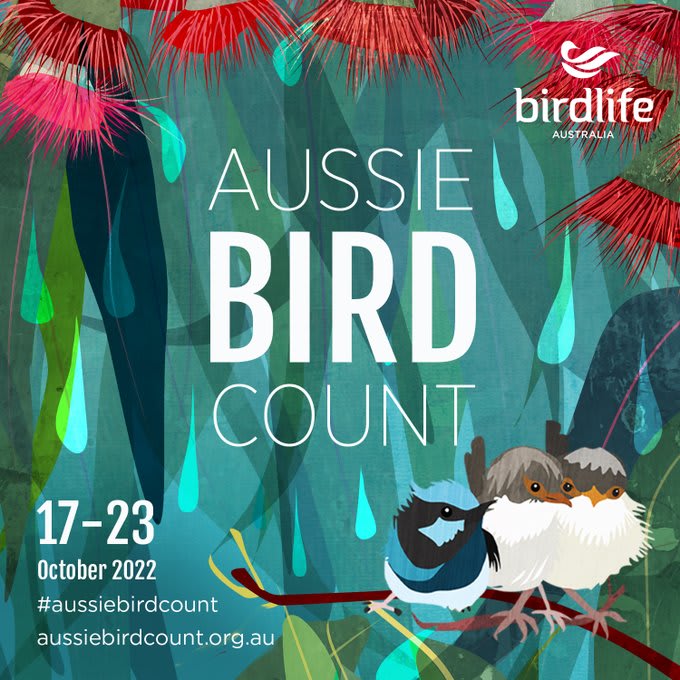
From Monday, 17 October to Sunday 23rd, just take 20 minutes out of your day to sit in your garden, at the beach or in a park and count the birds you see. Easy. Upload the information you've gathered to the official website here, which also has lots of resources, including help to identify any birds you don’t know. The data collected helps to give BirdLife Australia insights into the comings and goings of birds in an urban environment. It happens every October, which means that you're contributing to long-term data. Citizen science for the win!
Look out for the Orionids meteor shower
Does anyone remember Halley’s Comet in 1986? All the 80s nostalgia in Stranger Things and not one mention of one of the highlights of the decade! I have such vivid memories, on my knees, chin resting on my hands while I leant on the windowsill of my parents' bedroom. This was back when Albion Park wasn’t the metropolis that it is now, and we could see all the way back to, well, Halley’s Comet, fat and low in the sky, its tail fanning out behind it. Incredible.
While we won’t be able to see the comet return from its 76-year trip around the sun until, gulp, 2061, we can witness a piece of it with the Orionid Meteor Shower. The show will peak late Friday, early Saturday morning, 21/22 October. The meteor shower is made up of bits of ice and rock that come off the comet as it heads around the sun. To see the shower, you’ll need to get up early, like 2am-5am early, and look north-east.
A Plastic Free Future event at Thirroul
Susie Crick is the CEO of the Oceanic Research Institute and South Coast branch president of Surfrider Foundation. She is passionate about transitioning from plastics to more sustainable materials. Join Susie at Thirroul Library this Thursday, 20 October, as she shares ways you can get involved in your community to help reduce our dependence on plastics. Light refreshments will be served.
For more information and tickets, head here