

WIRES calls for study as wildlife toll rises on escarpment backroads
The wildlife death toll continues to rise on the escarpment backroads, where the forest meets suburbia, and rescue charity WIRES is calling for research

The wildlife death toll continues to rise on the escarpment backroads from Wombarra to Austinmer, where the forest meets suburbia. On Buttenshaw Drive, cars have run over more snakes and, on Asquith Street, a well-known water dragon was wiped out along with the eggs she carried.
Worried about region-wide animal deaths, wildlife rescue charity WIRES is calling for research.
“We would greatly welcome a government and/or council study to better identify roadways and areas across the Illawarra where significant wildlife fatalities are occurring due to speeding traffic and lack of warning signage,” a WIRES spokesperson said.
“This issue is particularly evident on Buttenshaw Drive where more wildlife warning signs, reduced speed limits and even speed humps would help reduce the increasing impact on our much loved native animals.”
After October's article, Call for traffic calming on ‘river of death’, listed 40 species killed on the backroads, including diamond pythons, wallabies and a lyrebird, The Illawarra Flame asked Wollongong Council and Transport for NSW (TfNSW) what could be done.
Council said Buttenshaw Drive was not a funding priority for traffic calming, as other areas have more traffic and higher safety risks, and Transport said without calming measures to slow cars, the rural road would not be a priority for a 30km/h zone.
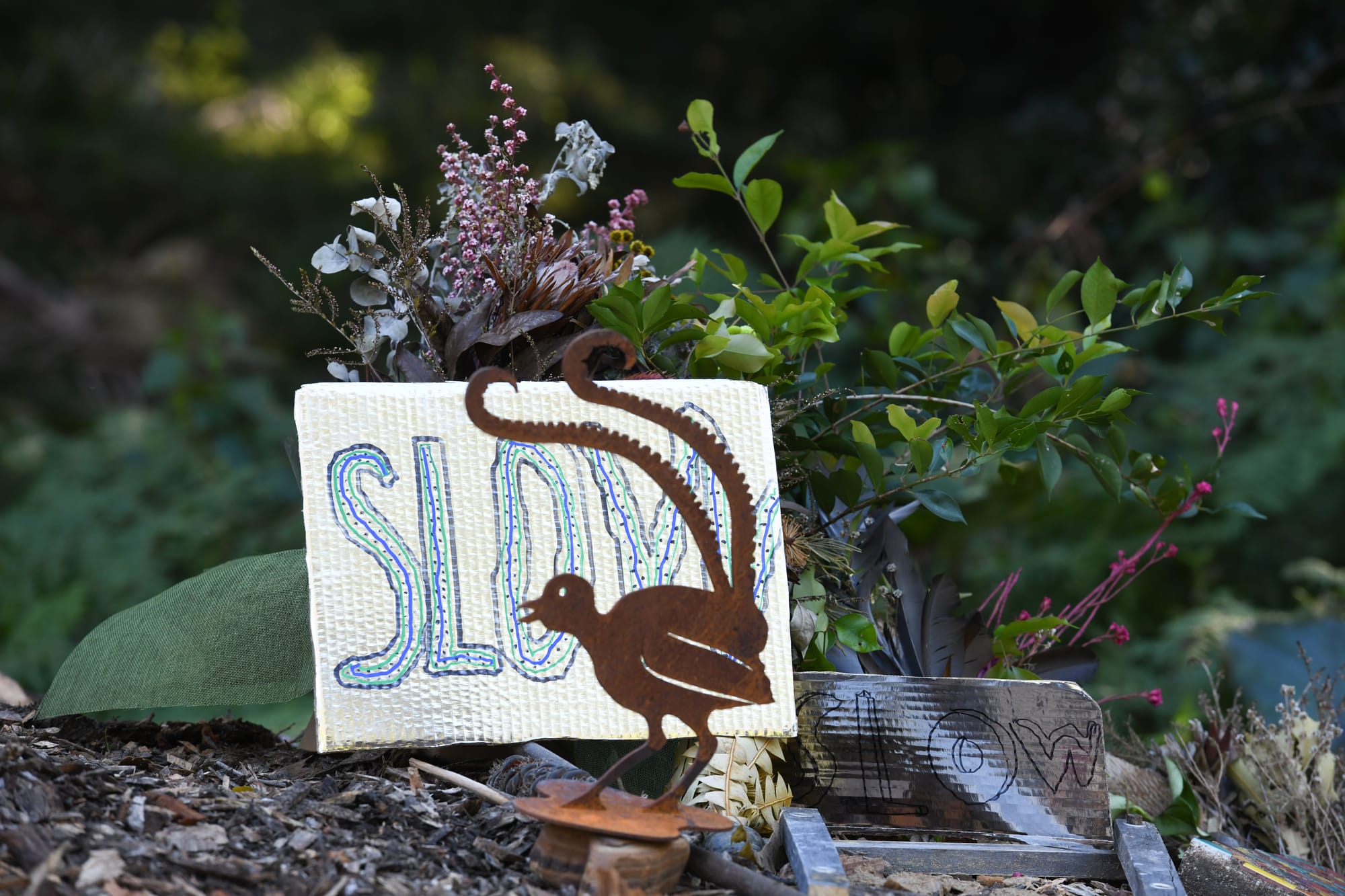
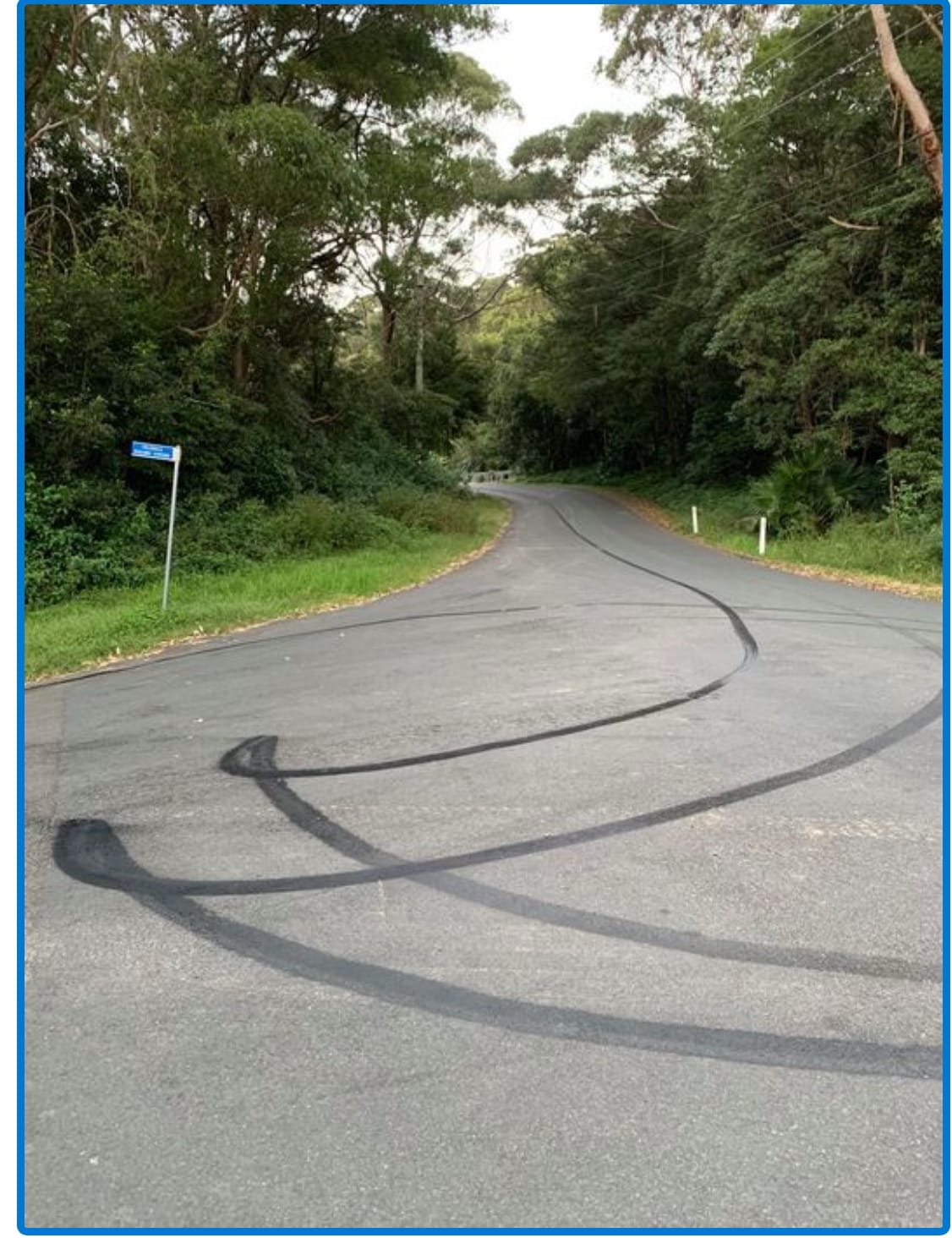
Residents have mourned the loss of birds, mammals and reptiles. Photos: Unicorn Studios, supplied
Spotlight on Fauna-Sensitive Road Design
New research has revealed Australia’s inconsistent approach to fauna-sensitive road design (FSRD), which may include underpasses, canopy bridges and exclusion fencing.
“In jurisdictions such as the European Union, FSRD principles are supported by a strong legal and policy framework,” researchers state in Fauna-sensitive road design in practice: lessons from Australia, recently published in the Journal of Environmental Planning and Management. “By contrast, Australia relies primarily on voluntary guidance – most notably in Queensland and Victoria – developed more than a decade ago.”
The study found fauna-sensitive road design was “as much a governance challenge as a technical one” and suggested improvements, including stronger laws and national standardisation.
“We already know what works; the gap is that wildlife-sensitive design is still treated as a ‘nice-to-have’ rather than a requirement,” study author Dr Christopher Johnson of Griffith University told the Illawarra Flame.
“Making transport ecology a mandated design consideration, with clear objectives and performance measures, would lift outcomes across every new and upgraded road.
“Even conservative estimates suggest at least 10 million native animals die on our roads each year. We can cut that toll with proven design and maintenance.”
National statistics may underestimate the scale of destruction as the death of smaller species mostly goes unrecorded – like the 50 frogs that a Coledale ecologist calculates are run over on a warm, wet night on Buttenshaw Drive.
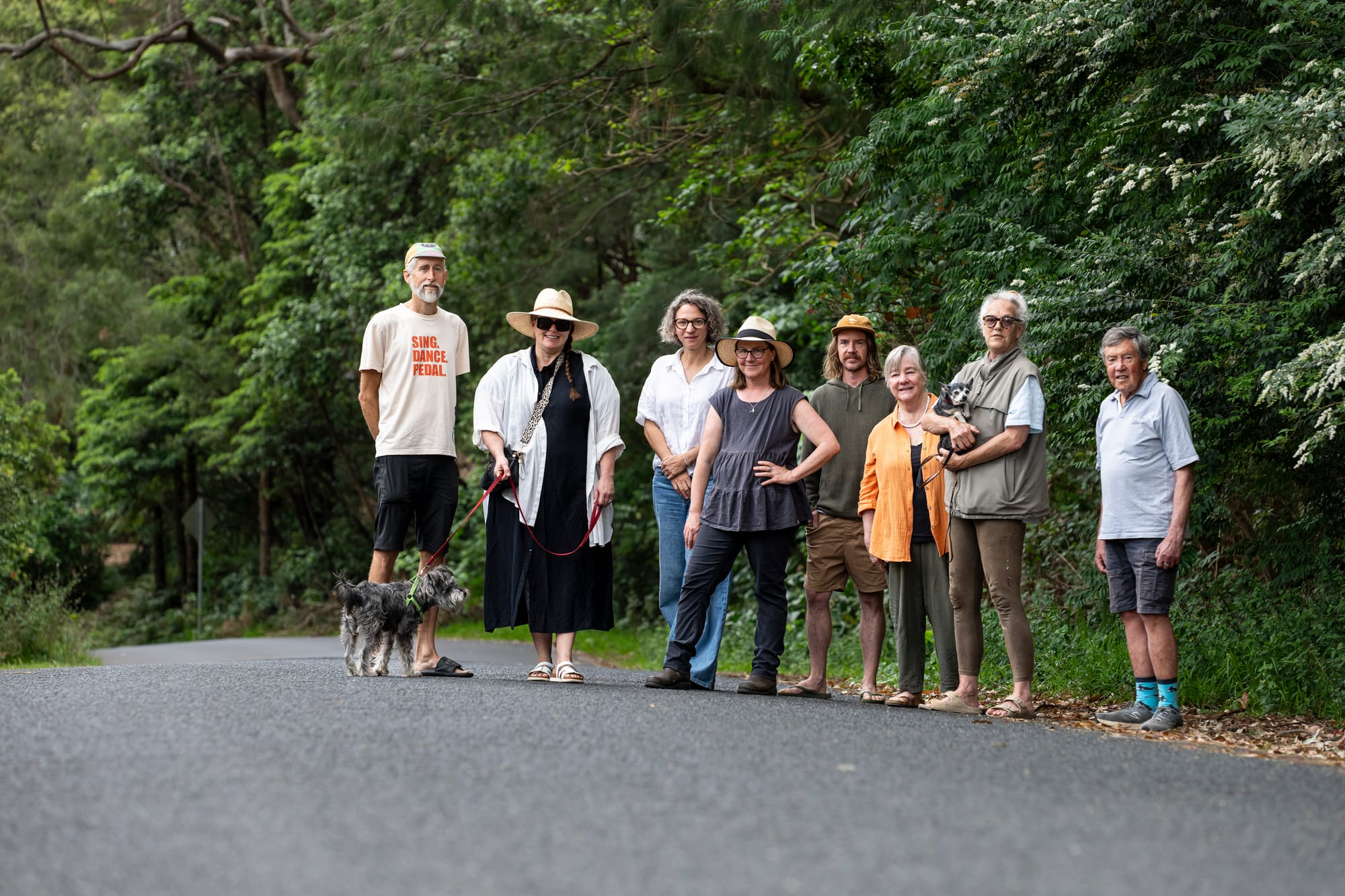
Slow down, say residents
Residents want lower speed limits on the escarpment backroads.
This is Transport for NSW’s domain, with a spokesperson explaining changes are prioritised “based on crash risks”.
“A speed zone review is a comprehensive process that includes site inspections, analysis, the current road environment and road condition, consideration of crash data and traffic volumes,” the TfNSW spokesperson said.
“Review and approval process for a speed zone change can take some months as the process involves gaining written support from NSW Police and the local council, then the relevant state MP.”
In the case of Buttenshaw Drive, this would be Maryanne Stuart, the Member for Heathcote.
“Buttenshaw Drive is in a rural location with no traffic calming measures other than the narrow road width to slow vehicle speeds,” the spokesperson added.
“Without the installation of specific traffic calming measures to slow vehicle speeds, this location would not be a priority location for a 30 km/h speed zone.”
Traffic rates 'steady'
Locals believe the backroads are increasingly used as a shortcut to dodge traffic jams on Lawrence Hargrave Drive, but current data does not show the problem is getting worse.
“Over the past decade, traffic rates on Lawrence Hargrave Drive have held steady due to limited residential and commercial growth on the corridor," the TfNSW spokesperson said.
"In 2023, daily average traffic (combined directions) in Thirroul was around 13,500, 9000 in Austinmer, 8400 immediately north of Austinmer, and around 4600 near Clifton. Volumes continue to decrease further north."
The spokesperson acknowledged traffic concerns, saying: “Transport is aware of congestion on Lawrence Hargrave Drive within the town centres of Thirroul and Austinmer during weekday morning and afternoon peak period. On weekends, the corridor experiences congestion for much of the daylight hours."
TfNSW is looking at ways to improve public and active transport in the northern suburbs, the spokesperson added.
“Bus and rail services are being reviewed and improvements for pedestrian crossing locations are being investigated. Transport is also continuing to support Wollongong City Council with the expansion of the Grand Pacific Walk and other improvements in the area.”
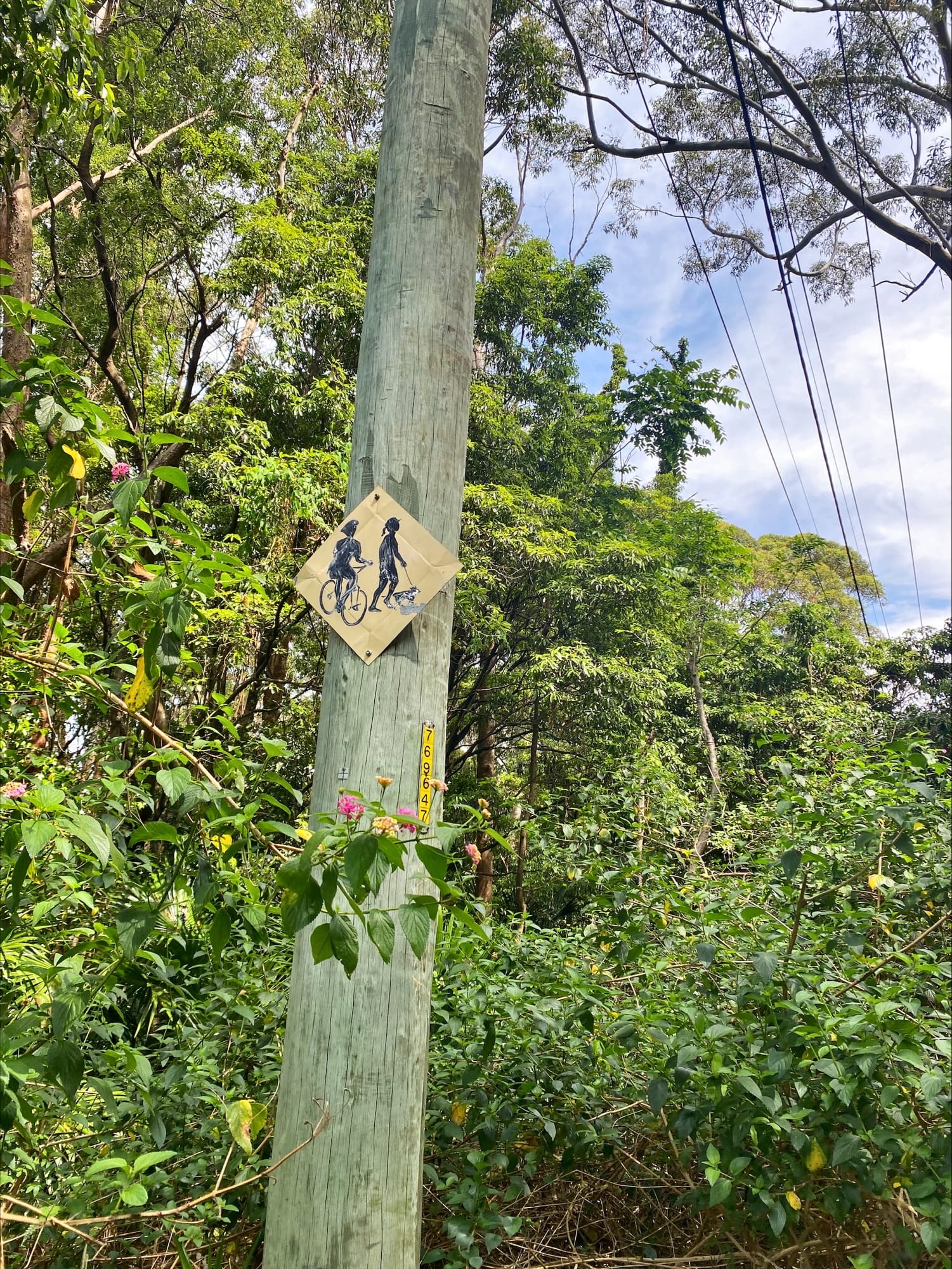
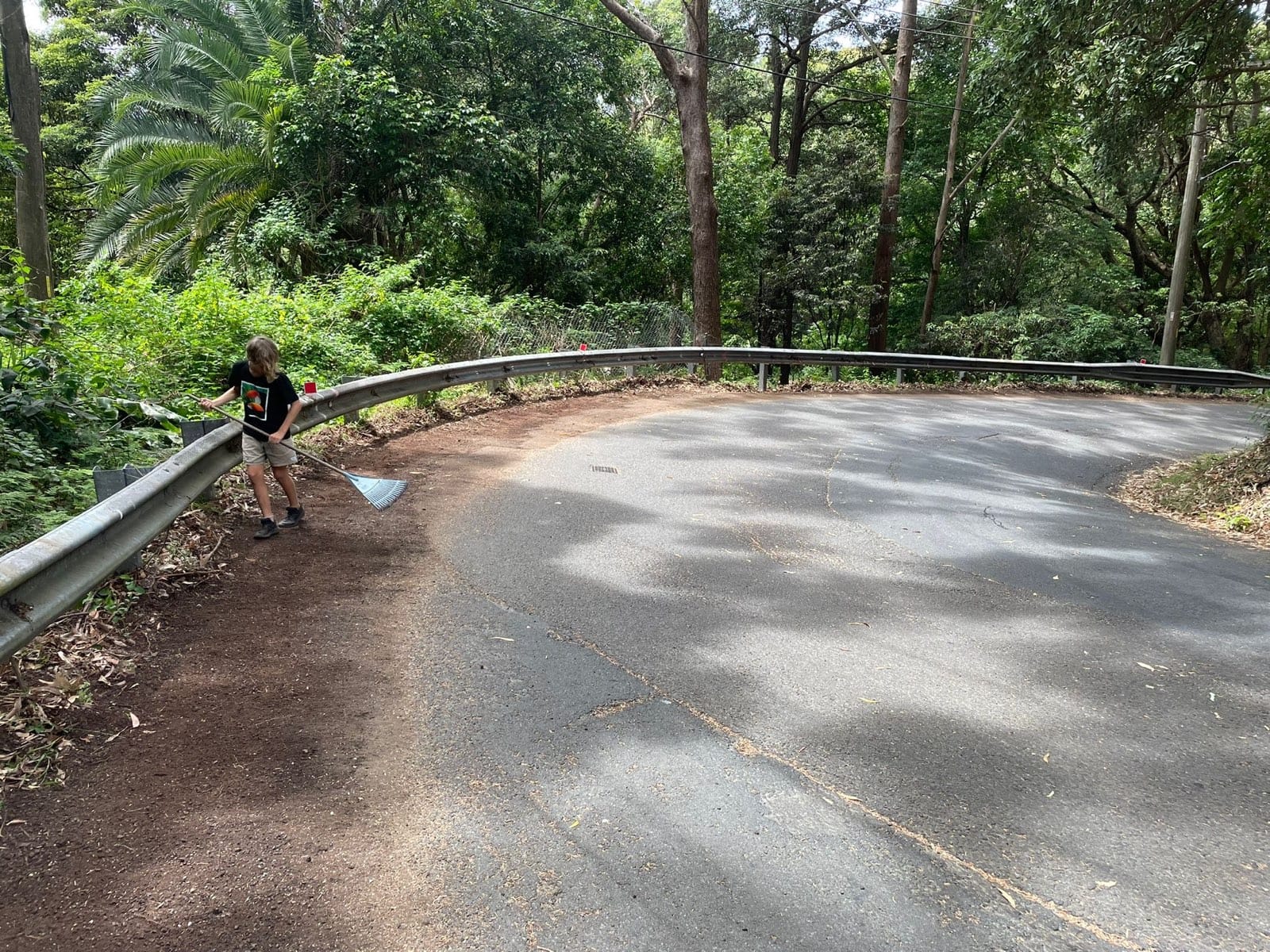
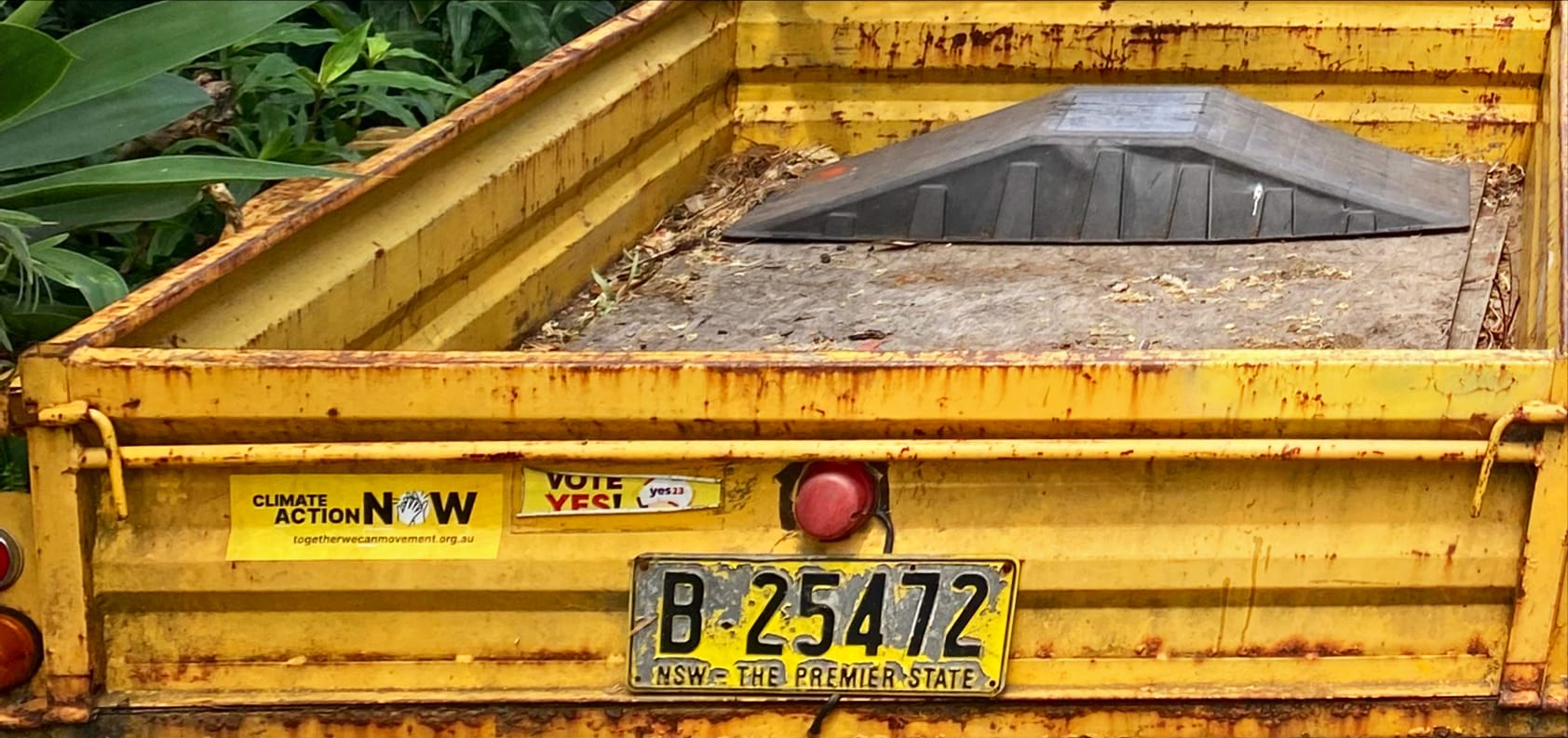
To make escarpment roads safer, residents have put up signs, swept verges and used a strategically placed yellow community trailer in an attempt to slow traffic and highlight hazards. Photos supplied
Calls for calming
While Transport sets speed limits, the escarpments backstreets are local roads, so looking after them and installing calming measures such as speed bumps is Wollongong City Council’s responsibility.
The Wollongong local government area covers a 1000km road network and council receives “a high volume of requests for traffic calming infrastructure”, a council spokesperson told the Illawarra Flame.
“We appreciate the concerns raised about the traffic conditions at Buttenshaw Drive in Austinmer," the spokesperson said. “We evaluate and prioritise each request to ensure we’re meeting the needs of our community, and the infrastructure is viable within our resources.
“A review of Buttenshaw Drive shows that there’s an existing speed bump near 139 Buttenshaw Drive and two wildlife warning signs that state 'Wildlife Ahead' and 'Wildlife Crossing' respectively. The street is also predominately a narrow road with low traffic volumes.
“Based on the above factors, any new traffic calming at Buttenshaw Drive is comparatively a low priority to other locations with higher traffic volumes and safety risks such as those near schools and town and village centres.”
The spokesperson said resolving problems takes a mix of government and its agencies. “We will continue to monitor the site and work with Transport for NSW and NSW Police on ways to improve speeding and driver behaviour in this area. This includes taking practical steps to protect the safety and preservation of wildlife.”
Council recommends drivers take 'simple actions'
“Keeping our environment and wildlife safe is something we all play a role in,” the council spokesperson said.
“Simple actions like reducing speed in wildlife zones, avoiding distractions, and driving cautiously at night make a big difference. Together, we can keep our roads safer for everyone, including the animals that share our environment.”
Read more
Call for traffic calming on ‘river of death’
Have a news tip? Please get in touch


