

A migrant's story of risk, reward, LP records and raising rabbits
Michele Iacurto's drive and verve alongside his wife helped create a brighter future for his family

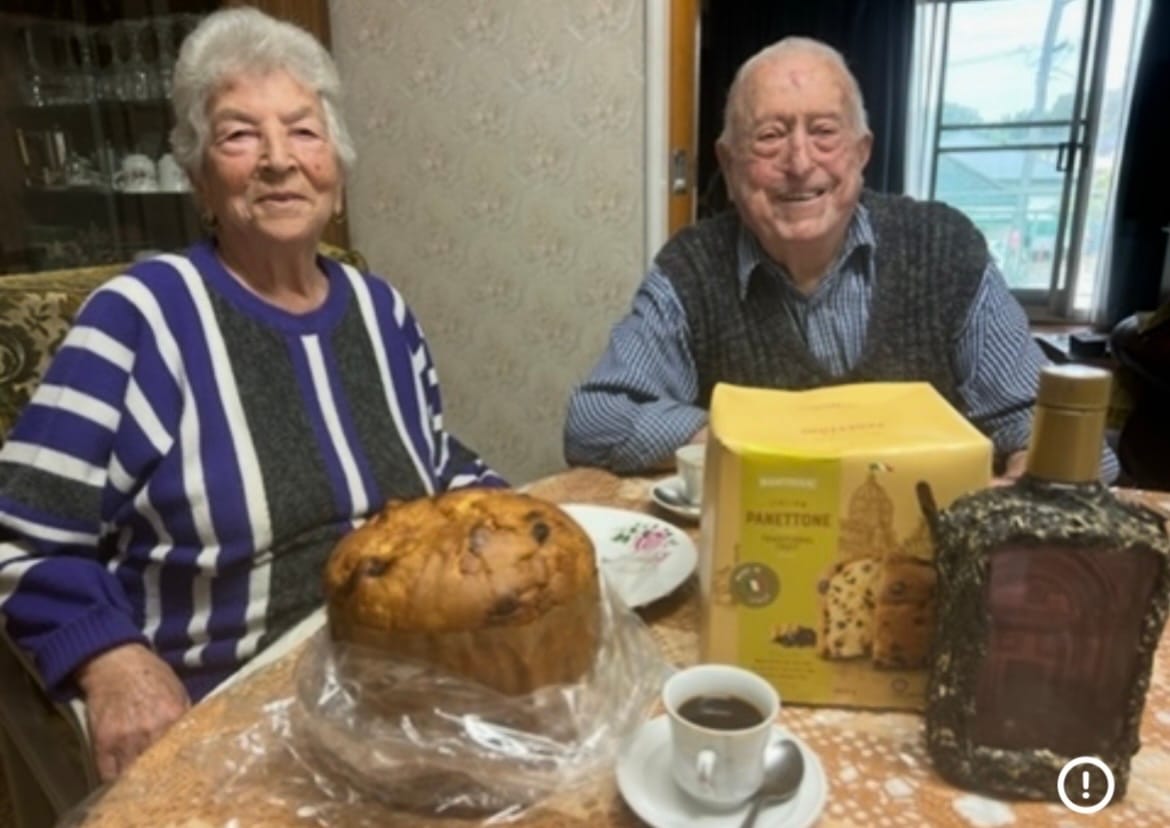
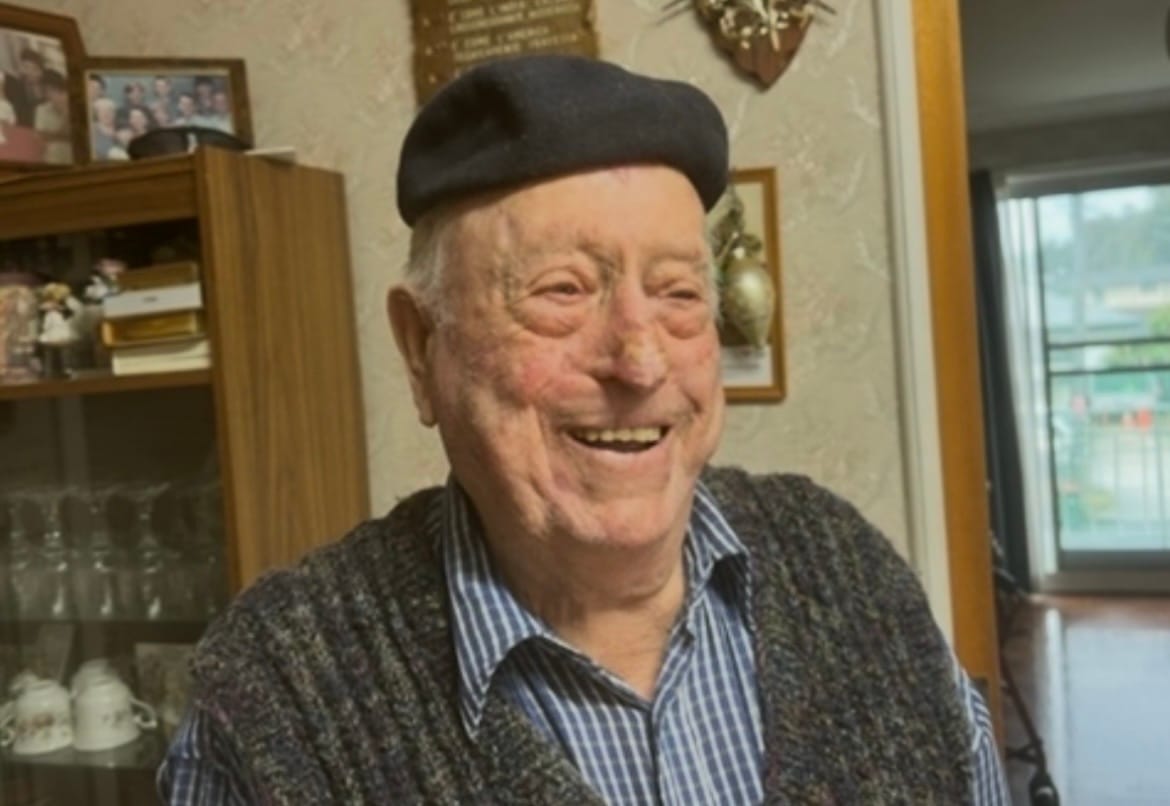
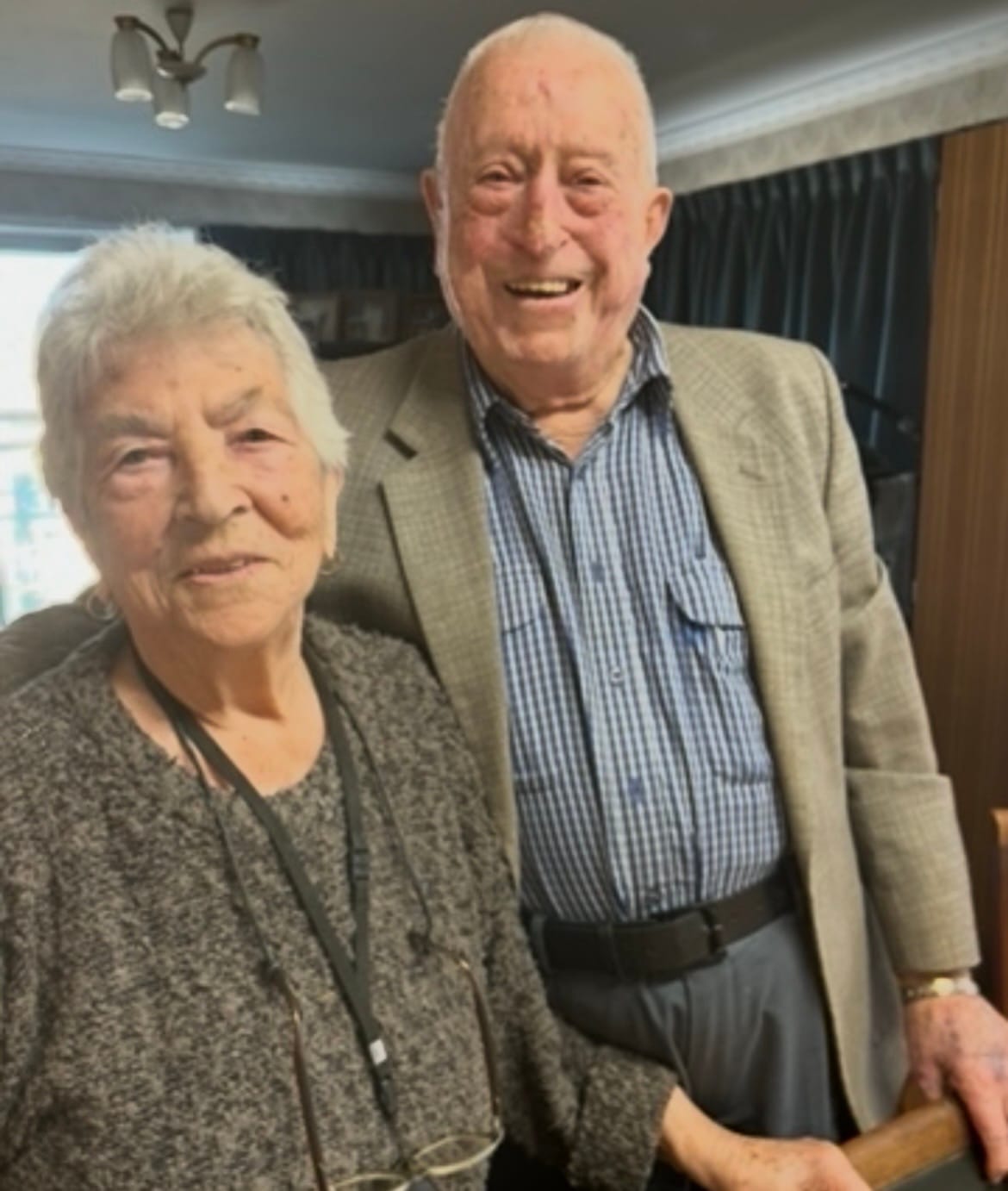
Fairy Meadow man Michele Iacurto will celebrate his 96th birthday on December 4.
As you’d expect, there will be presents, and very special family time. But it’s Michele who is sharing a special gift with all of us. It is his memoir; the story of his remarkable life.
Highlights of My Life begins in a small Italian village. “I remember the happy moments spent with my family in the Italian countryside and the not-so-happy moments during that turbulent period of my life.”
Michele dedicates his story to the memory of his father, Iacurto Angelantonio, who went missing towards the end of World War II while fighting with the Italian army in Albania.
“Growing up in post-war Italy without a father presented many challenges and difficulties for me as a boy trying to support my family,” Michele said.
His recollections, from shepherding as a child to enduring hunger, illness and the chaos of war, offer a rare and honest window into the resilience of ordinary people living through extraordinary times.
Giving strength
Michele says the reason he’s written his memoir is to share some of the difficulties he encountered through life in the hope it will give strength to others who face adversity.
“The most important lesson I’d like to share with my children, grandchildren and great-grandchildren is that with dedication, strong willingness to work, and agility in learning and adapting, any obstacle in life can be overcome,” Michele wrote in the foreword to his book.
The book is also a love story. It was love at first sight, recalls Michele when he first saw a 15-year-old Angela. “She was absolutely beautiful.”
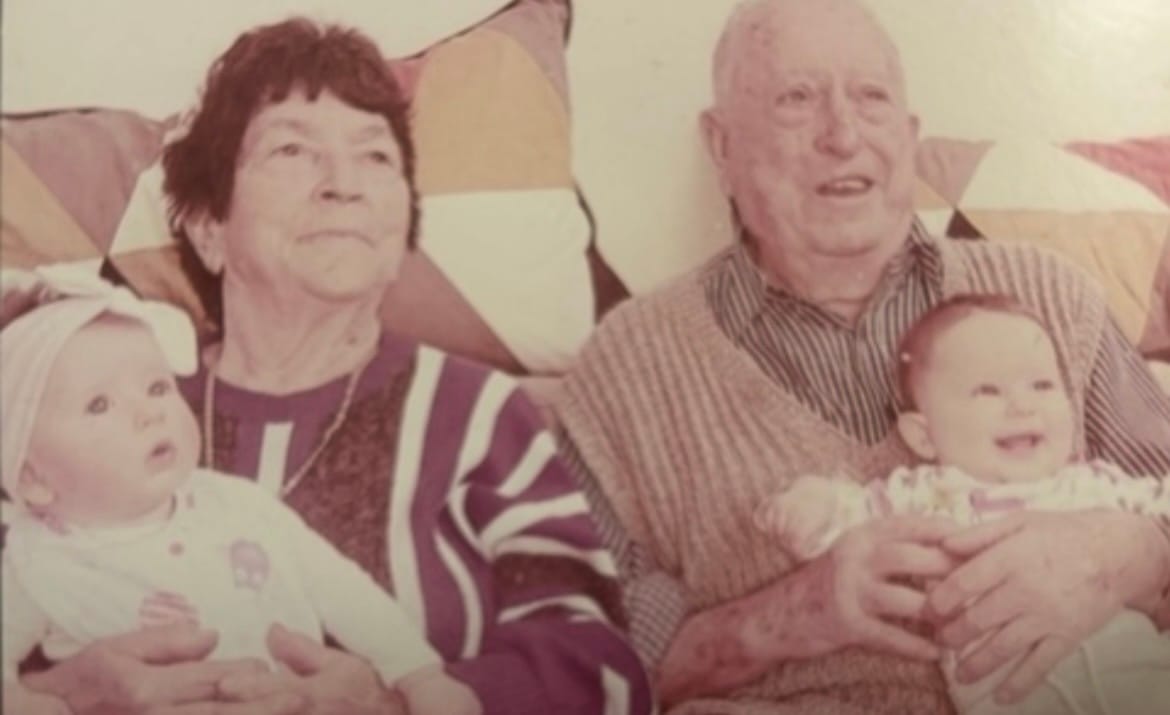
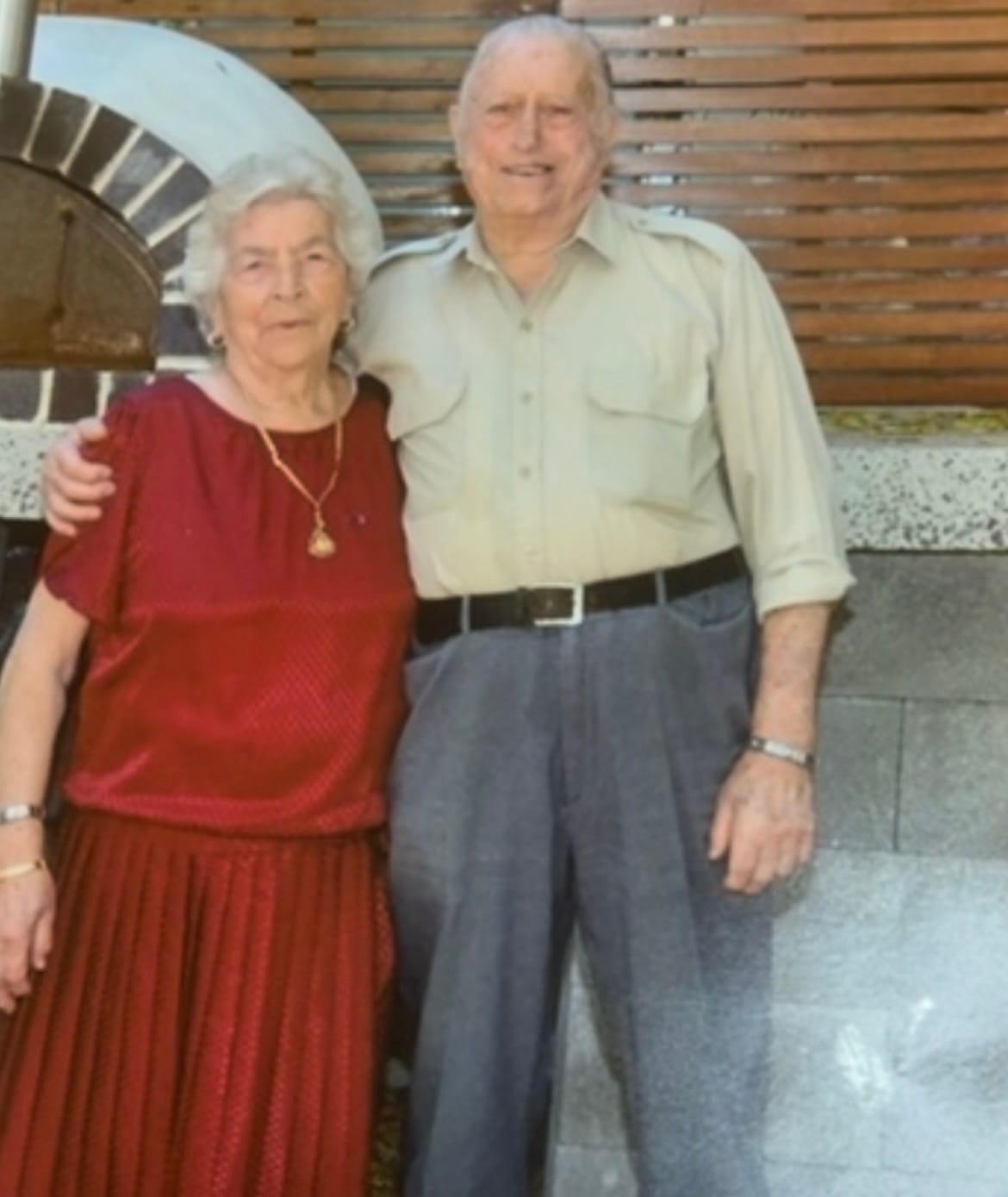
He and Angela have been happily married for 72 years, most of those years living and working in the Illawarra.
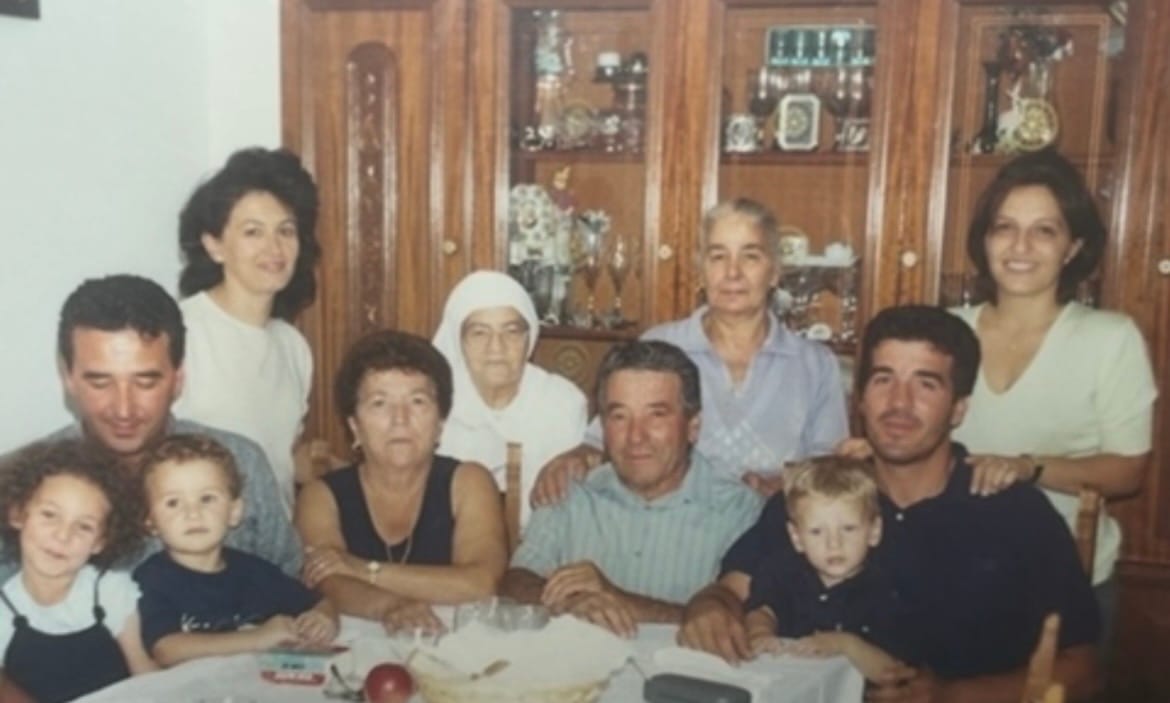
They were wed in a simple ceremony in the winter of 1954 in the midst of a savage snowstorm. There were no photographs from the wedding. The photographer who was travelling to the church from a nearby village couldn’t get through because of the snow. And there was no honeymoon. They were tough times, the impact of the war still taking its toll on 1950s Italy.
“We lived a gypsy life, staying in temporary housing near my work sites, cooking, maintaining trucks and sleeping on straw.”
Starting a new life
Their two sons, Angelantonio and Domenico Antonio, were aged three and six when Michele decided he wanted to start a new life for his family, and in 1960, they boarded a migrant ship bound for Australia.
Theirs is a classic migrant story. In those early months, Michele struggled to find work with next to no English language. He was homesick and he hated the food.
“When I arrived, I went to get a meat pie because someone told me that was the best food Australia had. When I smelt it, it was so very bad … and the coffee was like drinking water,” Michele said.
Thankfully, the food and accommodation at the Bonegila migrant hostel, near Albury, was an improvement.
In those tough early days, Angela recalls her husband securing a job at Dandenong with General Motors. “He left me at Bonegilla (hostel) with the children.”
Next came a job for Michele at General Motors in Sydney where his role was to put radiators in brand-new Holdens. “I wasn’t happy. It was child’s work at the end of the assembly line. I had to leave,” he said.
Michele bought an Italian language newspaper and cast his eye over the positions vacant. He responded to an ad and called in at Transfield’s north Sydney employment office. “They told me there’s a job at Port Kembla and I said 'where’s Port Kembla?' He was quickly he was on his way, leaving Angela and the boys behind at the Matraville migrant hostel.
Michele’s first home in the Illawarra was at Transfield’s camp on Springhill Road, joining hundreds of other mainly migrant men. It was the winter of 1960. He was just three months into his Australian adventure.
“I worked there for a couple of months and the money was good. There was lots of overtime.”
But one day a fight broke out in the men’s camp when one of the workers brought a woman back. The boss was sacked and a strike followed. The company decided to act swiftly and some of the striking workers were sacked. Michele found himself out of a job, based on the last-on first-off rule in the workplace.
With a good work ethic, Michele had no problem getting a new job, albeit it was manual labour with a pick, shovel and a broom at the nearby steelworks.
New opportunities
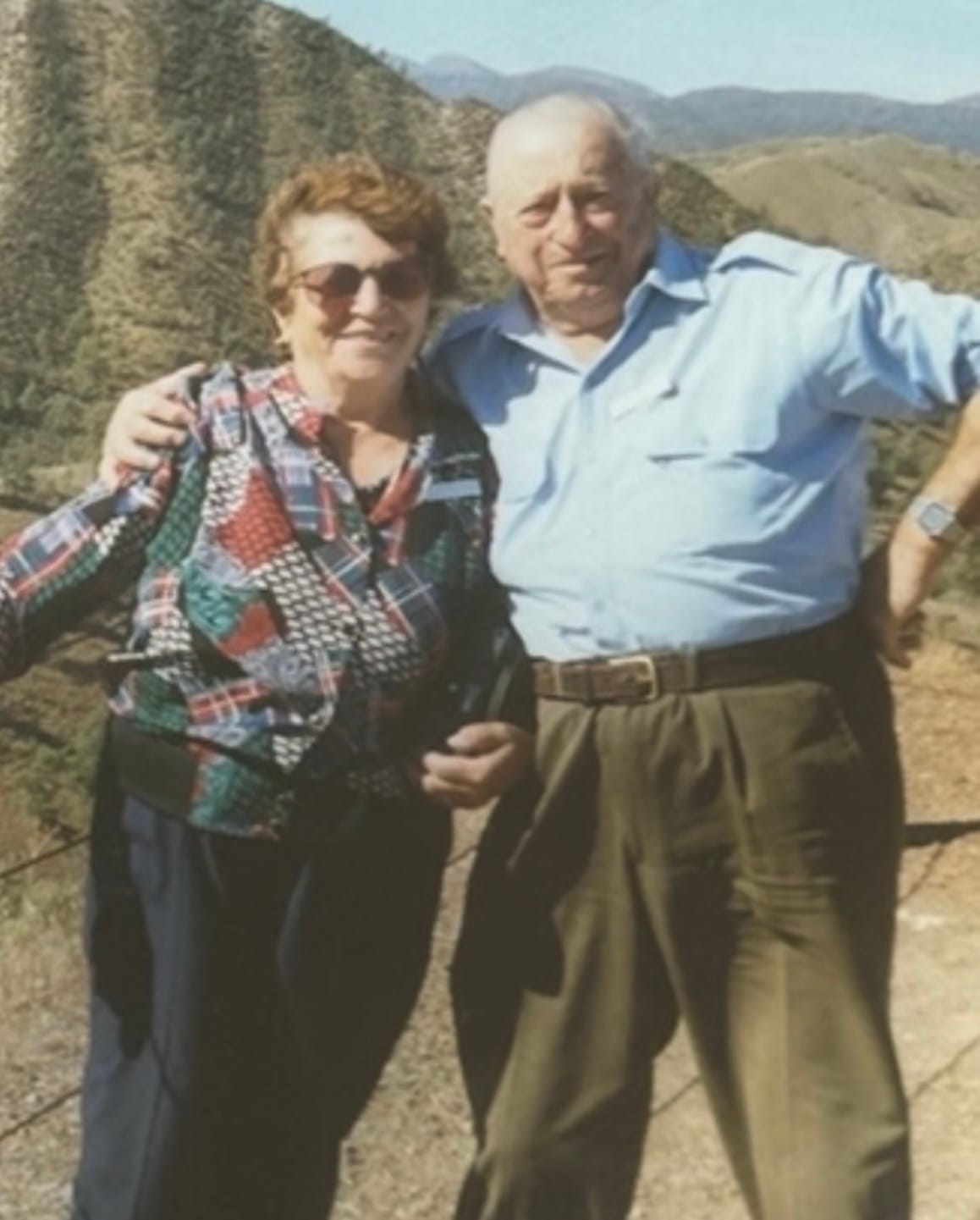
Determined to make more of his life, Michele studied English at night and he used his experience from Italy to earn a qualification as a fitter. That opened up new opportunities for him and the chance for the family to move into their first Australian home.
Angela remembers it well. It was at 1 Bethlehem Street in Cringila which had the best possible view, only about 100 metres from the steelworks’ No.1 blast furnace. “I’ll never forget the smoke and the smell. I said how can we live here? When I had the clothes outside on the line to dry and it started to rain the clothes turned black from all the smoke in the air,” Angela said.
While Angela made the best of their new home where they stayed for about two years, Michele walked to work at the coke ovens. “It was dirty work and I saw two really bad accidents there,” he said. “I hated those first two years in Australia. I needed to do something different, so I did, and after a while, I started to really love the place.”
Michele knew from day one the steelworks wasn’t where he wanted to spend the rest of his working life. “My attitude was that I wanted to buy my own business and be my own boss.”
That required more money than Michele and Angela had, so he found a second job in Unanderra, working nights as a mechanic at Tony Caprara’s garage.
A new home
After two years, they’d saved 1500 pounds – enough money to rent a mixed business store in Fairy Meadow where Angela, still with very little English, kept the store open from 6am to 9pm seven days a week. They moved out of Cringila and created a new home in Fairy Meadow, close to the shop. They have lived in that area since. Two more children arrived – Gilda in 1965 and Raffaele in 1968.
With a good cashflow from the shop, Michele bought a second-hand tip truck and worked for Brambles transporting coal to the steelworks. That venture lasted about eight months before Michele sold his truck.
They operated the grocery store in Fairy Meadow for 13 years (1962-1975) before embarking on their next business venture – opening Wollongong’s first second-hand record and book store in Crown Street.
It was 1977, and The Record King became a popular store with a wide variety of LPs of all musical genres. Young people called in to pick up albums by KISS, Elton John, Neil Diamond, ABBA and the Little River Band.
It was also hugely popular for multicultural Wollongong. Michele and Angela brought in books, magazines and music from all over Europe. A connection to Italy, Spain, Germany and many other countries for the thousands of migrants who now called Wollongong home.
Michele is the first to admit he knew nothing about the music business but “as time went by, and I became more experienced buying and selling in the music and book business, with all our ignorance and willpower, we managed to work in this trade for 23 years”.
Buying a farm
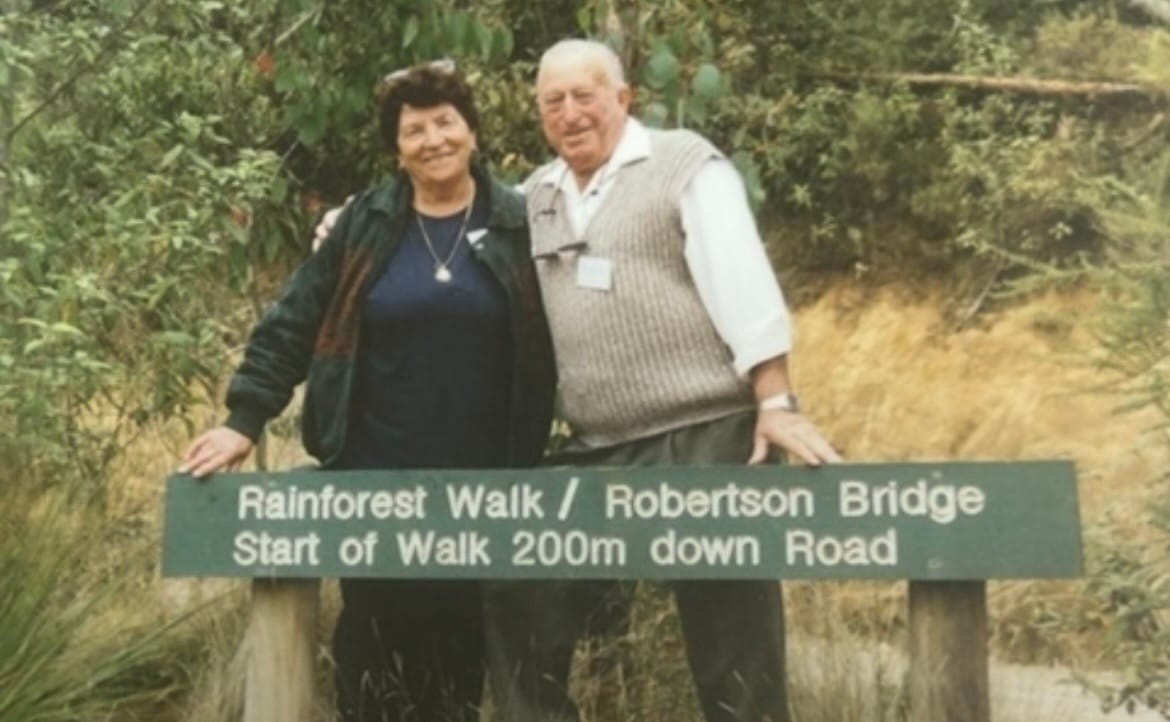
As the couple neared retirement, they decided to look for a place to spend their senior years. Eventually, they found Amaroo Farm, above Macquarie Pass on the road to Robertson from Wollongong. “It was on a hill where you could see the whole South Coast. It was a wonderful place,” Michele said. The asking price was $195,000 “walk in/walk out” which included a four-bedroom house, 20 cows and a bull, 15 chickens, 20 female pigs, one boar and 35 piglets.
Michele remembers how the farm was in a poor state of repair. The fences were falling down and the farm machinery was rusty. But he loved that farm and his daily routine was to drive Angela to The Record King (she couldn’t drive), help set up for the day before returning to the farm to attend to the animals and gradually make improvements to the property. “Imagine going from a book and music store every day to raise pigs on a farm.”
Over time, they had acquired other properties and shops in the Bellambi/Fairy Meadow area but to clear their debt on the farm, they sold several. They lived a very active life between the house and shop they kept in Fairy Meadow and the farm near Robertson.
“I began to feel the weight of the work and suggested to Angela that we sell the shop and retire to the farm, but Angela wanted nothing to do with my suggestion. I must point out, my wife was always by my side to support my decisions. Without her help, I would never have been able to achieve what we did. Despite this, there were disagreements. When it came to buying, she was always 100% ready and committed. But when it came to selling, there were always arguments.
Michele said they finally did put the shop on the market “but Angela never had the will to let it go. He remembers when Angela returned to Italy to spend time with her sick sister, an offer was made on the shop and Michele sold it without consultation.
“After about two weeks, Angela returned from Italy. I told her I’d sold the shop. Just imagine; it was like the end of the world. For a couple of weeks, we were not exactly on good terms. But it is said after the storm comes good weather.”
Taking time out
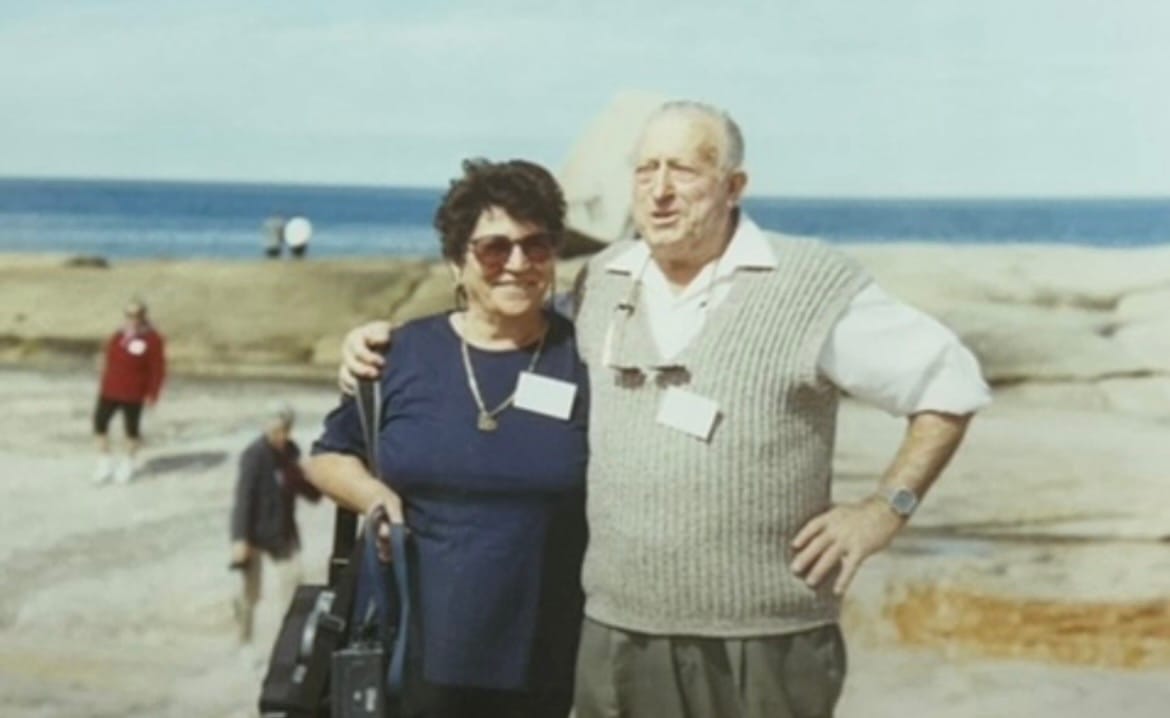
To patch things up, they decided to take an extended holiday to visit family and friends in Canada, England and Italy, which they loved. They returned to an easier life, living between their house in Fairy Meadow and the farm, which had been well looked after during their absence.
Michele broadened his farming interests and started breeding rabbits, which he was able to sell to restaurants. He also had chickens, geese, ducks, turkeys and peacocks. The rabbits in particular became a lucrative business.
“Between Angela and I, we did a bit of everything,” Michele said. “When it was time to make wine, we bought grapes and made wine. When it was time to make hams and salamis, we made them. When it was time to make tomato preserves, we made and preserved them, too.” They started taking their produce to markets in Goulburn and Narellan.
“Time passed quickly. The years on my shoulders began to weigh heavily. The work on the farm seemed to increase, but I was becoming weaker,” Michele said.
Between 2015 and 2018, three dedicated farm workers – Angelo, Tony and Raffaele _ took good care of the property while Michele and Angela explored Australia on coach tours, and made two more return trips to Italy.
Time to sell the farm
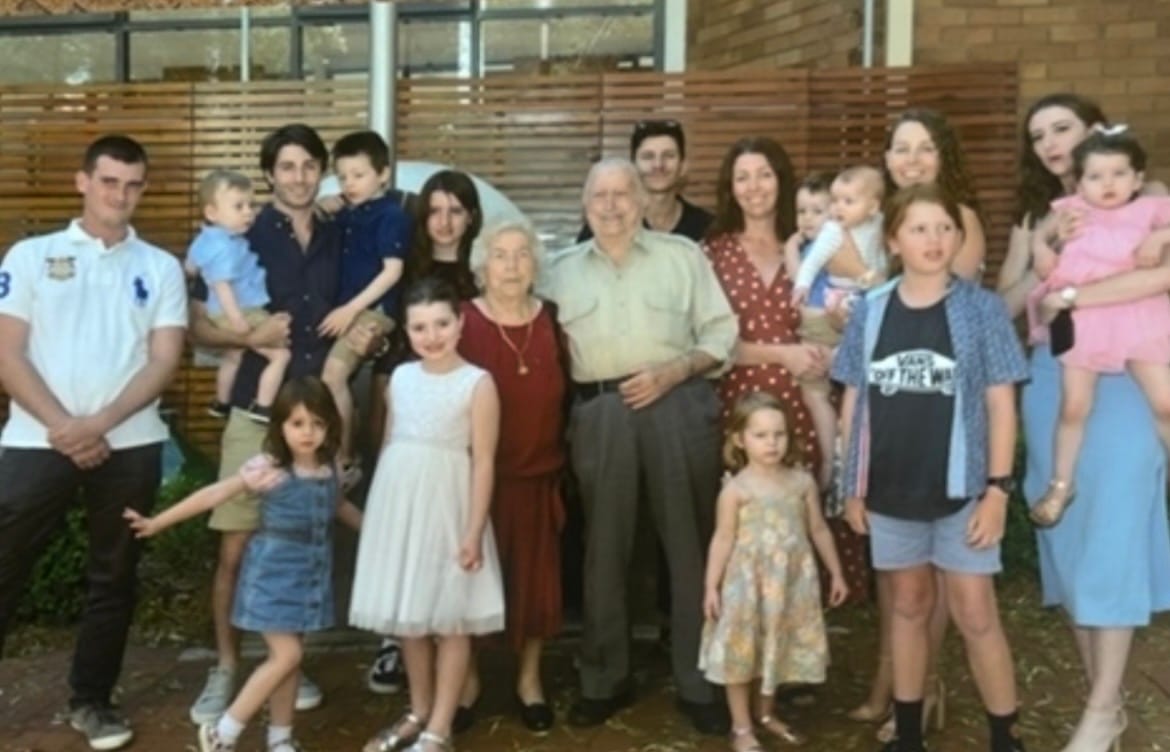
In 2018, they finally decided it was time to sell the farm. As a result, it gave them great joy to be able to make generous surprise gifts to their children and grandchildren.
Both Michele and Angela have had to deal with a variety of health issues, several extremely serious. But on every occasion they have been there for each other and they feel blessed to have had the Australian health system supporting them along the way.
“I consider my brain is stronger than my body,” Michele says. “I am like a car running on a battery. It only has so much energy. After a few kilometres it runs out and I feel exhausted.”
Michele finishes his memoir by paying tribute to his wife of more than seven decades. “My love and the partner of my life; thank you for standing by me, Angela. Without you I could not have done what I did.”
And as for Australia, the place he hated and desperately wanted to leave in those challenging early months.
“This country is the best country in the world. If you have the will, you can do anything you want.”
Michele Iacurto’s story Highlights of My Life can be found on the Migration Heritage Project website.


