

Batty about feed trees
Flying foxes have been dying of dehydration and emaciation. Growing Illawarra Natives coordinator Emma Rooksby suggests local trees to plant that could provide bat habitat and food
My previous post about bats gave some general advice about helping them out at a difficult time. Since then I've been doing some deeper reading on the habitat needs of local bats, and in particular the Grey-headed flying fox, which are really suffering at the moment.
It is absolutely fascinating to read about the range of trees these bats depend on, and almost alarming to learn how variable the resources provided by their feed trees can be. If you want to contribute to important research on this important topic, check out the recent post over at the Growing Illawarra Natives website.
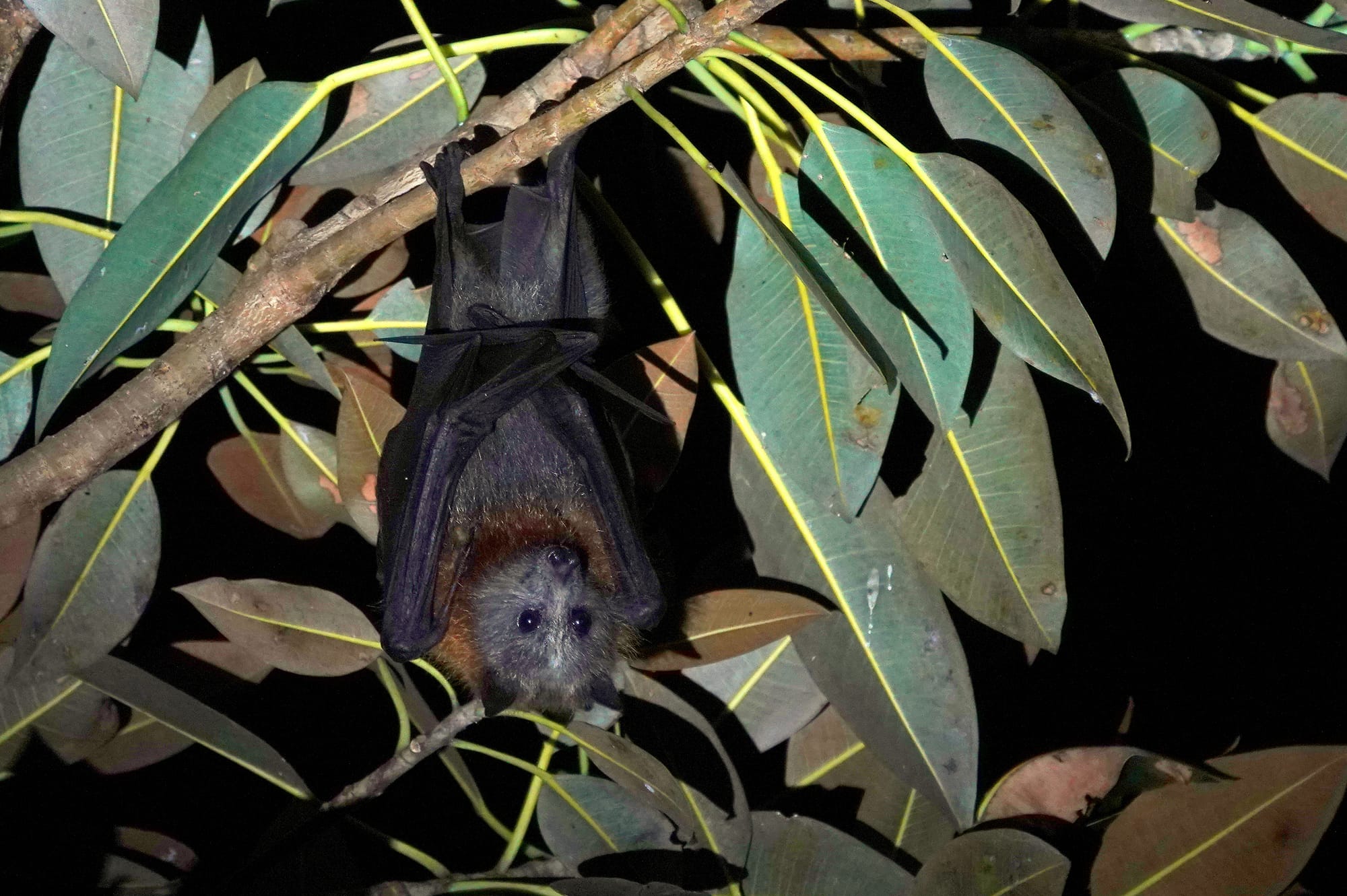
And the first thing to say is that bats and humans don't readily mix, due to the risks of transmitting viruses that are dangerous to humans such as Hendra virus or Lyssa virus. I am absolutely not suggesting that you hang out in close quarters with local bats.
What I am suggesting is that we all have a role to play in protecting and restoring the habitat of these vital pollinators.
Without Grey-headed flying foxes, the great forests of Eastern Australia would collapse, and we would lose all the benefits they bring. These benefits include aesthetic value, nice places to walk and meet interesting critters – all the things that we count when we think about our beautiful escarpment and forests. They also include the vital but under-appreciated 'ecosystem services' of producing oxygen, precipitating rainfall, and mitigating the risk of landslide and fire. All these are at risk if Grey-headed flying fox populations collapse.
From the reading I've done, I've concluded that there are several local tree species that it would be valuable to grow, to provide additional bat habitat and food, in areas where it is safe to do so.
Take a look at this list and see if you can grow any of these plants, perhaps in a park or as part of planting in local bush regeneration projects:
- Grey Ironbark (Eucalyptus paniculata), a great feed tree that flowers well many years, but can be unreliable. It's a staple on the streets of East Corrimal.
- Spotted Gum (Corymbia maculata), uncommon in the area except on Drummond Hill in Wollongong, but a very abundant producer of flowers.
- Swamp Mahogany (Eucalyptus robusta), a coastal tree and prolific producer of flowers, which appeal to Grey-headed flying foxes as well as many native birds, including the endangered Swift Parrot.
- Coast Banksia (Banksia integrifolia), which have very energy-rich flowers.
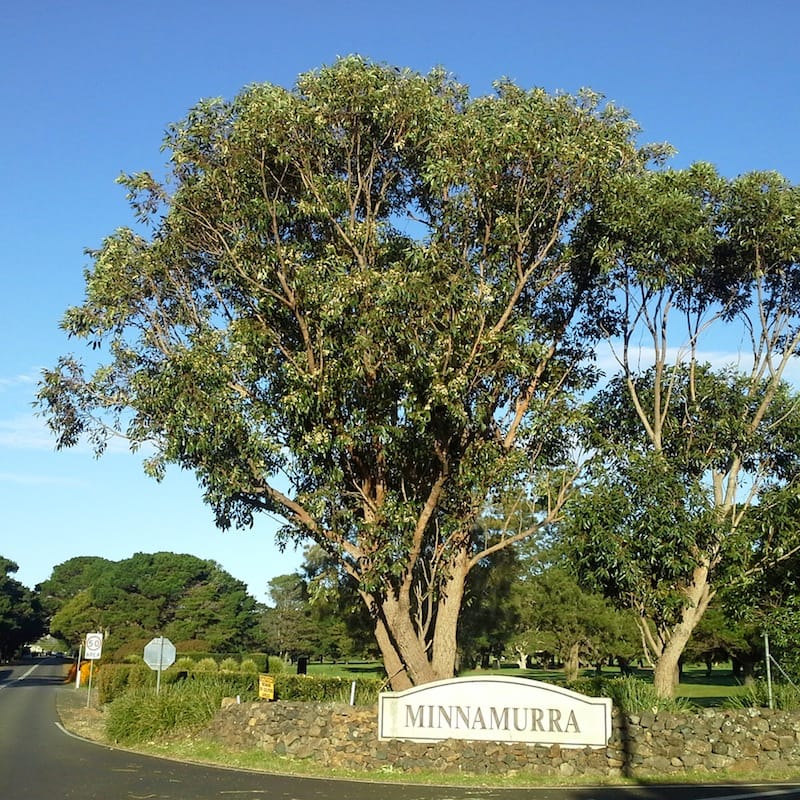
Beyond this list, any of the large fig trees of the area are valuable in providing Grey-headed flying fox food through their prolific fruit. As per the image above, Moreton Bay Fig (Ficus macrophylla) is an excellent food tree for bats. It does require an enormous area to grow though!
I conclude with a note about exotic plant species that benefit the Grey-headed flying foxes. In particular the Tree Grevillea (G. robusta) provides huge nectar benefits to local bats, even though it is out of area. Perhaps we should think carefully before removing Tree Grevilleas, in view of their habitat value.
References
Eby P and Law B, 2008, Ranking the feeding habitats of Grey-headed flying foxes for conservation management: a report for The Department of Environment and Climate Change (NSW) @ The Department of Environment, Water Heritage and the Arts, date accessed 24 October 2026.


