

Bat carers sound alarm as 'entire generation' of grey-headed flying foxes at risk
Here's how to help both the bats and the wildlife carers trained to deal with the crisis

Bats are having an absolutely awful year.
In January, more than 500 bats were killed during a heatwave, and now, along the east coast of New South Wales (with reports also coming in from Victoria) a mass starvation event is occurring that could lead to the loss of a generation of grey-headed flying foxes.
The effect on the ecosystem could be devastating as flying foxes are keystone pollinators. The mass casualty event is taking a toll on volunteer wildlife carers who are, quite literally, picking up the pieces. And now, in trying to help, well-meaning residents could be putting themselves and the animals they aim to assist at risk.
Like many things in nature, finding a balance is incredibly tricky.
A sudden increase in calls
Trista Thorpe, Flying-fox & Microbat Coordinator at the Shoalhaven Bat Clinic, said the first indication that things were amiss came in late September, with reports of bats in backyard mulberry trees during the day. “Any bat away from its colony and out during the day and alone generally means something is wrong."
Trista said, “Between 21 and 26 September, we responded to 17 bats displaying the same behaviours and if not able to be rescued initially, they died within 24 hours.”
Since then, the clinic has responded to more than 500 dead or distressed animals.
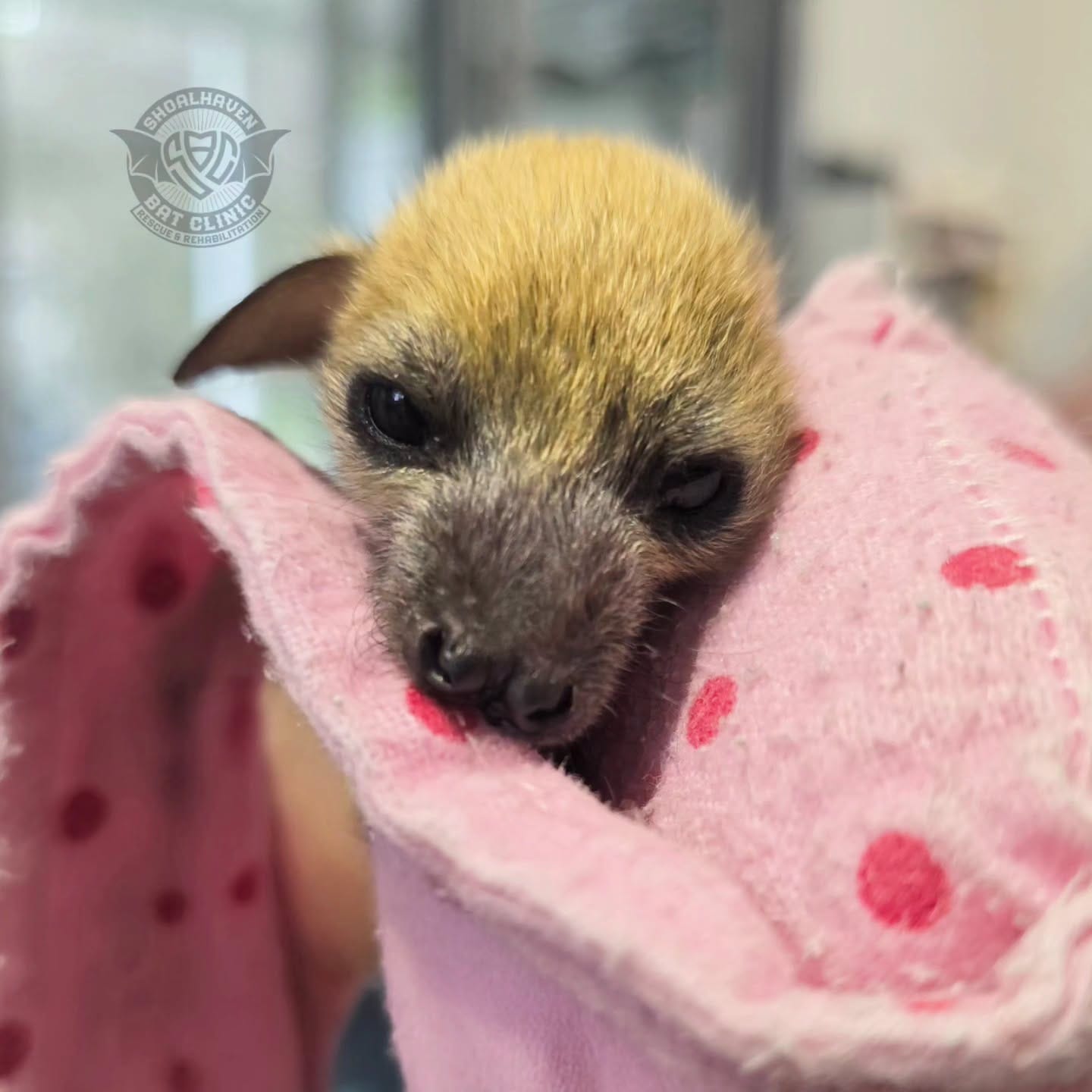
“We are seeing large numbers of premature babies, more than I have ever seen before.”
Many females are too malnourished to carry their babies to term and are giving birth early to undeveloped and stillborn pups.
“We are seeing large numbers of emaciated and sick adults coming in to care and over 300 known to have passed, however, I suspect the actual total is much higher...
"Sadly, this event has almost wiped out an entire generation of grey-headed flying foxes,” she said. "With so many pups losing their chance at life and so many breeding adults losing their lives.
"A flying fox can only produce one baby per year, having a six-month gestational period and then rearing that baby for up to six months again. That means repopulation is very slow."
Food shortages
Necropsies performed determined that the deaths were a result of dehydration and emaciation. The dryer and warmer winter this year, combined with excessive flowering last year, has resulted in minimal nectar content, a major food source for flying foxes.
“The flying foxes have other competitors such as birds and insects fighting all for the same food source that was scarce to begin with, “ Trista explained.
When asked whether the influx of bogong moths could be part of the puzzle, Trista said, “There’s no evidence, but my observations are that they’ve been consuming nectar from the same trees, so it’s possible they contributed to it depleting quicker. But I don’t think there was enough [nectar] to begin with.”
The problem with helping
It’s heart-wrenching watching disasters like this unfold, and tempting to step in.
While only 1% of bats carry the Australian Bat Lyssavirus, it is almost always fatal to humans and NSW Health reports that, "In the two weeks from 28 September to 10 October, 43 people were assessed by NSW Health after being bitten or scratched by bats." This is a significant increase from the 10 reported in the same time last year.
It's important to remember, though: there is no risk if you do not touch or interact with bats.
“Many well-meaning and kind hearted people are hanging fruit and trying to feed them, which has resulted in the additional reports of bites or scratches,” Trista said.
“An animal who does bite or scratch a person is required under DPIRD regulations to be euthanised and tested, so you are actually helping them more by keeping your distance.”
“Feeding wild animals needs to be done very delicately so as not to increase risk to them or humans, ensure it does not encourage the abnormal behaviours they are already displaying and that is does not to create a dependency."
Who cares for the carers
On Sunday, in response to incidents of abuse from a frustrated and scared public, Shoalhaven Bat Clinic posted an impassioned plea on their Facebook page:
“Who looks after us? The emotional toll the death numbers are taking and the physical exhaustion of the task will meet a limit some time. We continue beyond our means because it's about the bats and that's what we care about.’
Trista told me, “I personally feel useless in these times and responsible for not being able to get to each of them [the bats] when they need me. Most of us dedicate so much of our lives to these animals and the volume of death we are enduring takes its toll mentally and physically.”
What you can do
Growing Illawarra Natives coordinator Emma Rooksby last week offered advice on how locals can help in their own gardens.
Trista added, “Continue to report these abnormal behaviours and requests for rescue or assistance. Be patient with us as we try to prioritise each job by criticality and get out to each."
"We are volunteers, who have put off all our other personal commitments and jobs to manage this mass event and doing the best that we can.
"Don't touch or handle any bat unless trained and vaccinated. Don't feed bats without consulting with a professional first.”
You can assist the Shoalhaven Bat Clinic directly through their donation drive or by volunteering to assist in non-animal related tasks such as food prep and rescue line management.
Contact Shoalhaven Bat Clinic on 0418 427 214 and WIRES on 1300 094 737 to report any sick or injured bats


