
Summer listening sorted: Podcast delivers Postcards from Port Kembla
A new documentary podcast explores behind the scenes at Port Kembla
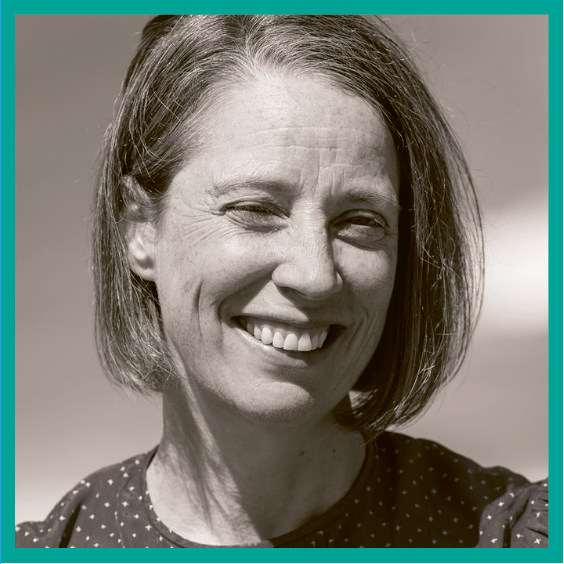

The “perfect outsider” – a radio journalist who moved to the region in 2014 – Jennifer Macey has created a documentary podcast about Port Kembla and the waves of change that shaped NSW’s third largest port.
“I hope that people feel like they are immersed in the place,” Jennifer says.
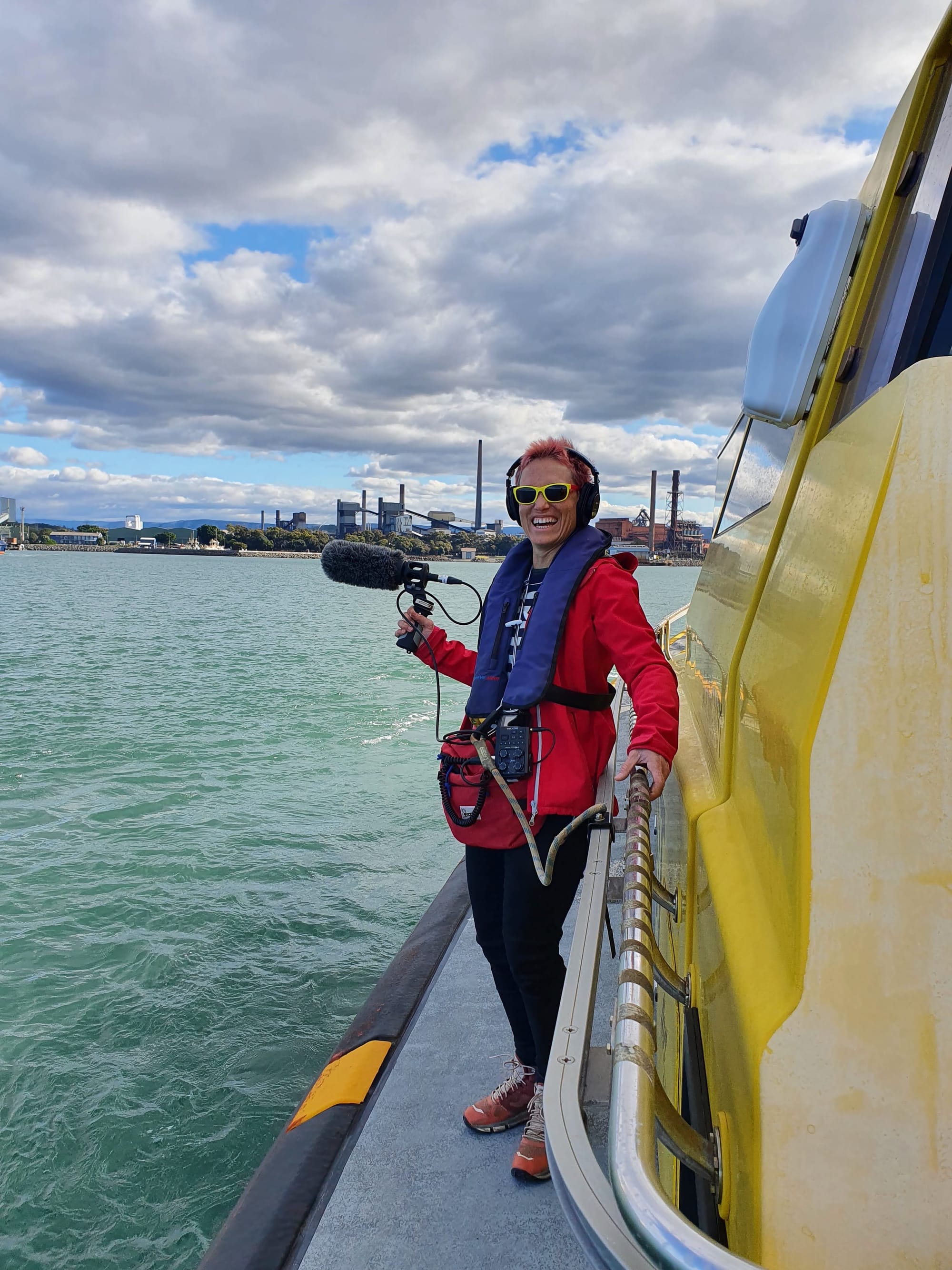
“So you will hear the seagulls shrieking. You will hear the sound of the boat engine. You will hear the sound of the water crashing on the breakwater. You will hear the constant industrial hum of the grain terminal or the coal terminal or the steelworks.”
Being launched at the Servo on Sunday, November 1, the podcast is part of her PhD geography research at the University of Wollongong, an exercise in narrative journalism that takes its cue from Pulitzer-prize winner This American Life and the early era of podcasting, before the term came to symbolise two talking heads.
“I hope that it creates that experience for a listener that you feel like you're actually there,” Jennifer says.
Six episodes deliver snapshots of history and geography in a friendly format that speaks directly to the listener, allowing Jennifer to share her enthusiasm, to say: "Look at what I've found out, let me tell you all about it!
“Sometimes I feel like I'm the perfect outsider who comes in with fresh eyes.”

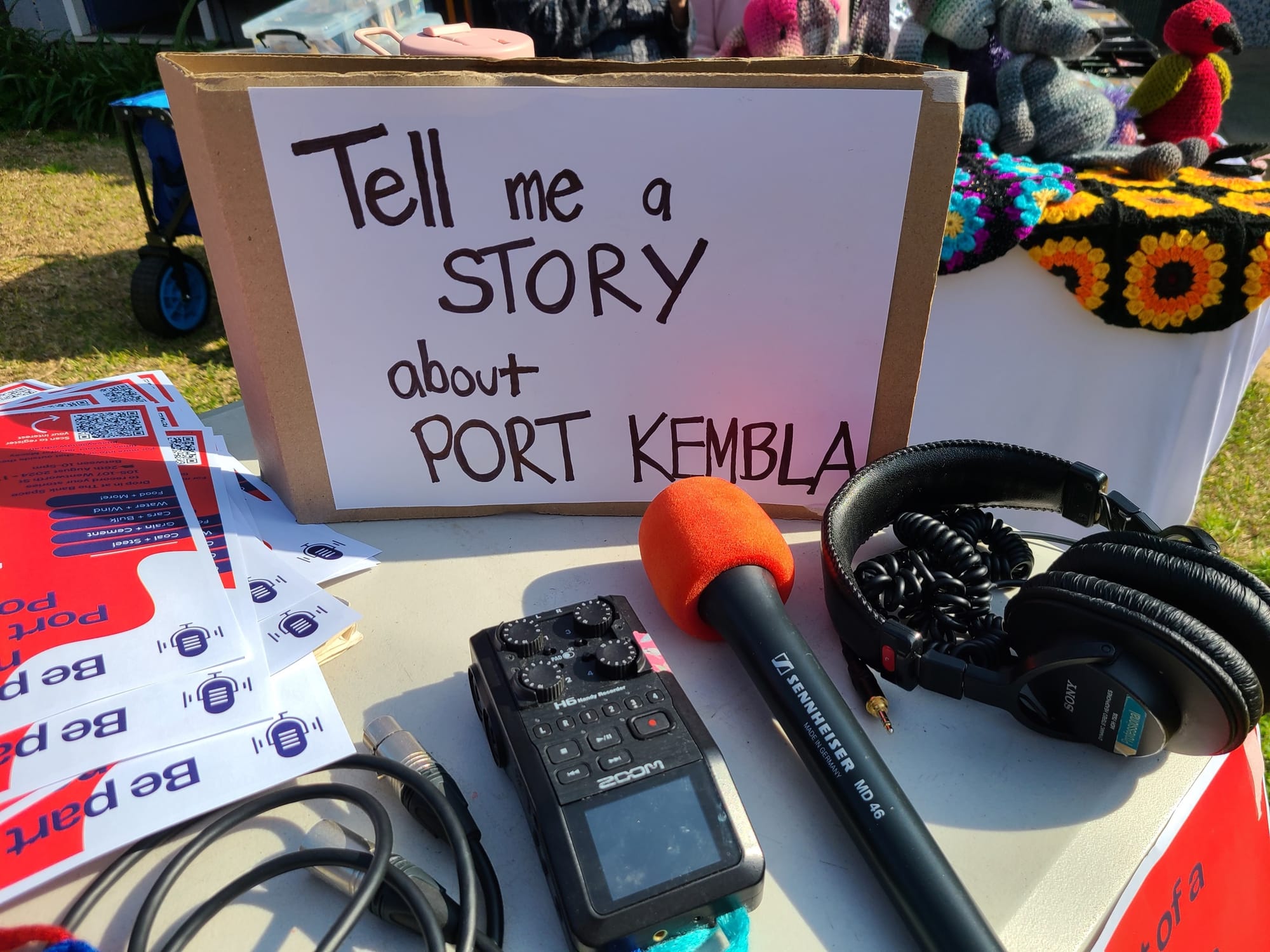
Jennifer Macey has spent years collecting stories about Port Kembla as part of PhD research.
To learn about what happens in Port Kembla, Jennifer boarded a boat to watch a harbour pilot scale a ship at sea, met Australia’s first female lifesavers, hunted for an old coal mine in the rainforest, interviewed Wollongong’s first Vietnamese refugees and listened to Wadi Wadi Elder Aunty Carol Speechley telling the Five Islands Dreaming story.
Each episode has a theme: water, coal, steel, grain and cars.
“We move from Indigenous Dreaming stories to the present day, one episode at a time. So each episode deals with a different time in history.
“Every episode sounds like I'm sitting down and writing a postcard to someone, and I really like that because postcards are also a geographical artefact. It’s narrative-driven, multi-layered, small stories within an hour.
“I'm very pedantic about the sounds because it's a geography podcast, so I don't fake sound – it has to be from the actual location.
“The other day, I was recording the sound of the boat ramp, when these guys pulled up and dropped a boat into the harbour, and I just said, "What are you guys up to?” Classic journalist …
“They were divers and they were going to do maintenance and repair on the pylons that go under the water. I had my microphone rolling. In the background, I'm like, ‘What? You're swimming next to a 300-metre ship that's 15 metres under the water!’ You hear my exclamations, my wonder and awe at the work people are doing – things that you wouldn't even know exists.”
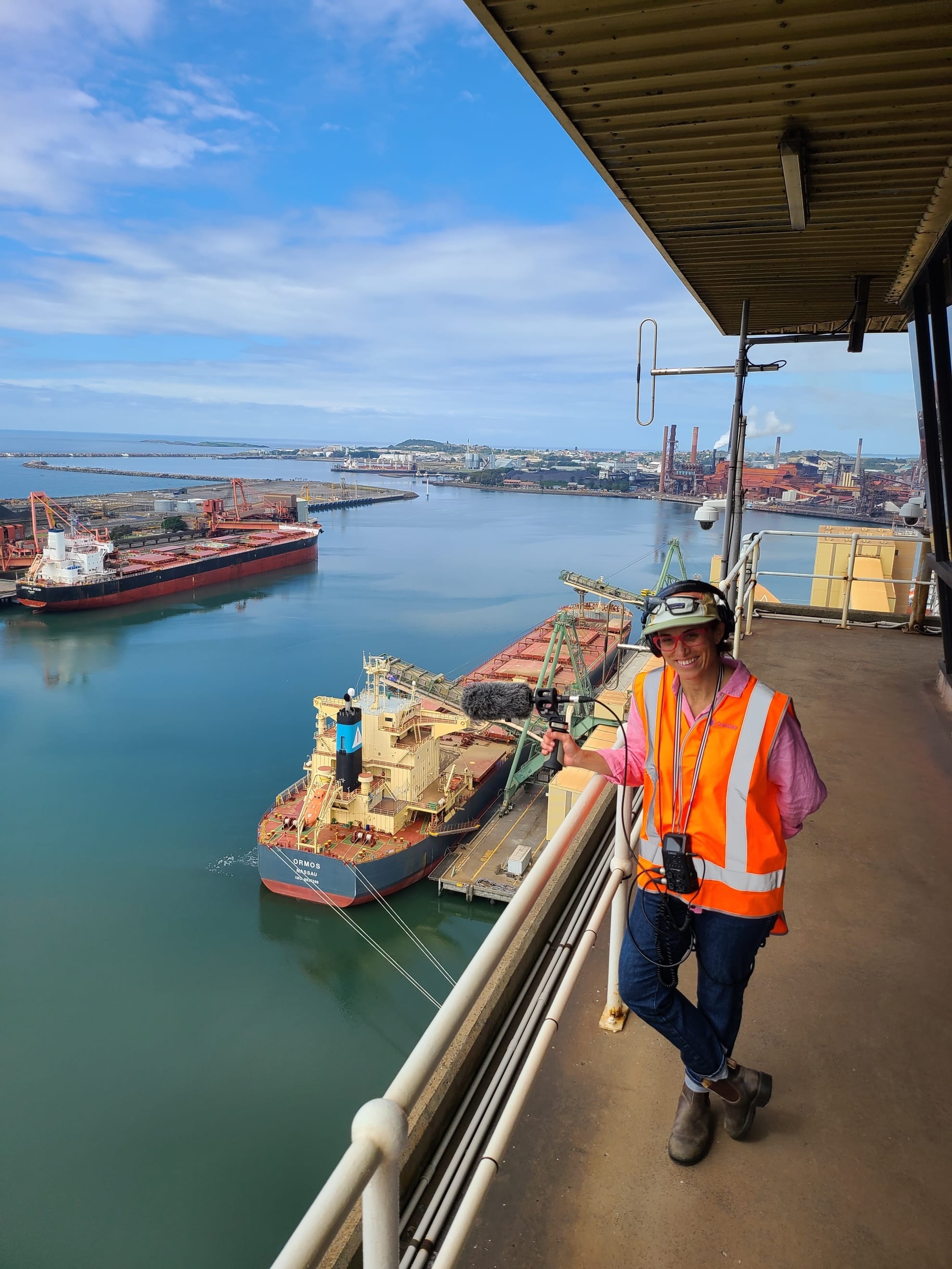
Jennifer hopes the podcast will prove perfect summer roadtrip material as she presents a fresh perspective on the port.
“The grain episode for me is about food. When I said that to the operations manager, Damien O’Connell, of the grain terminal, he said, ‘No, I'm in supply and logistics.’ Because he comes from a stevedorean background, like generations of wharf workers.
“But I've turned it into a food episode, so I start off with breakfast at the burek shop, lunch is roti with backyard gardener Narendra, and dinner is Korean fried chicken with Emma, who used to coordinate all the grain trains that came to Port Kembla, but is now a chef.”
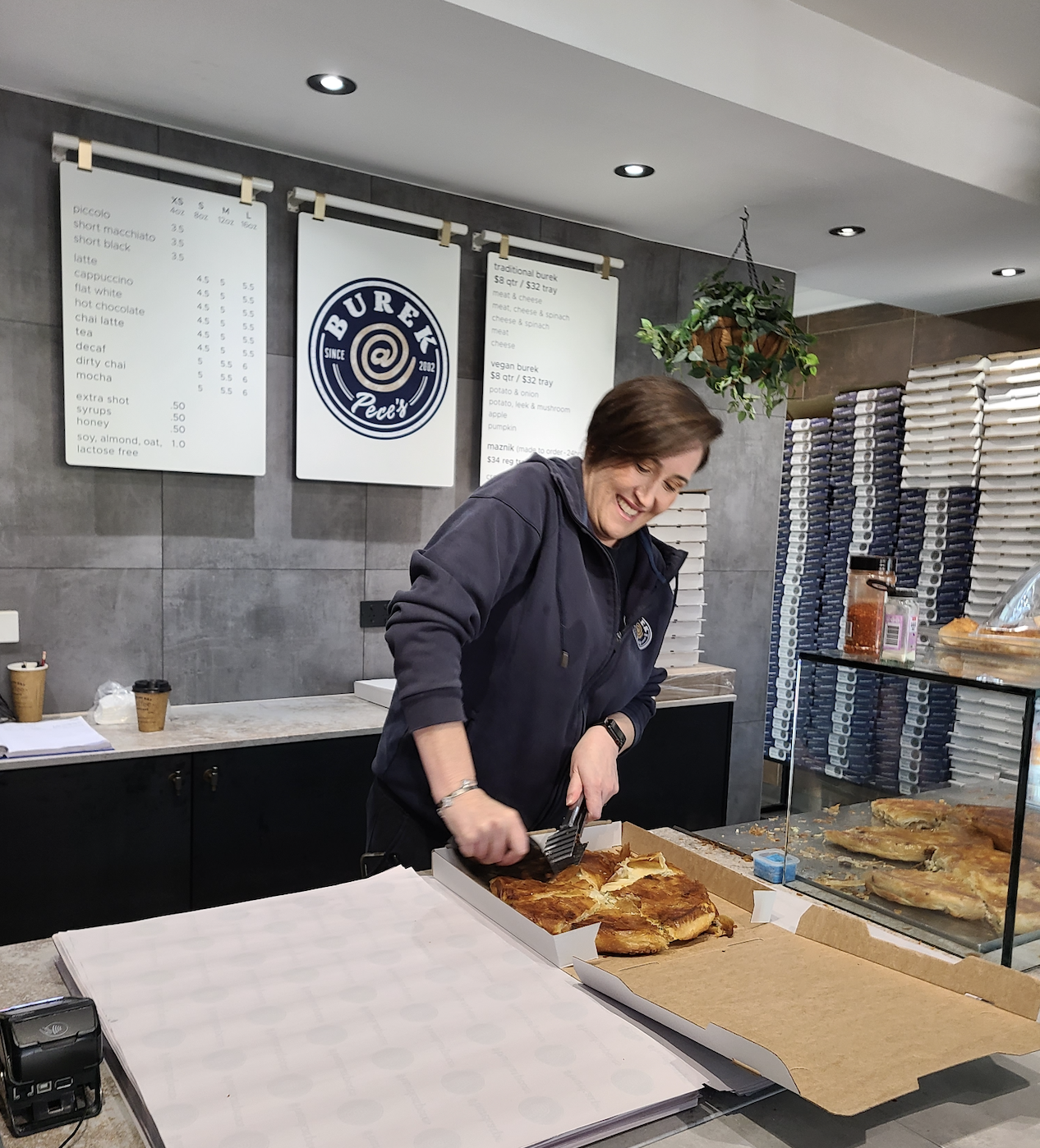
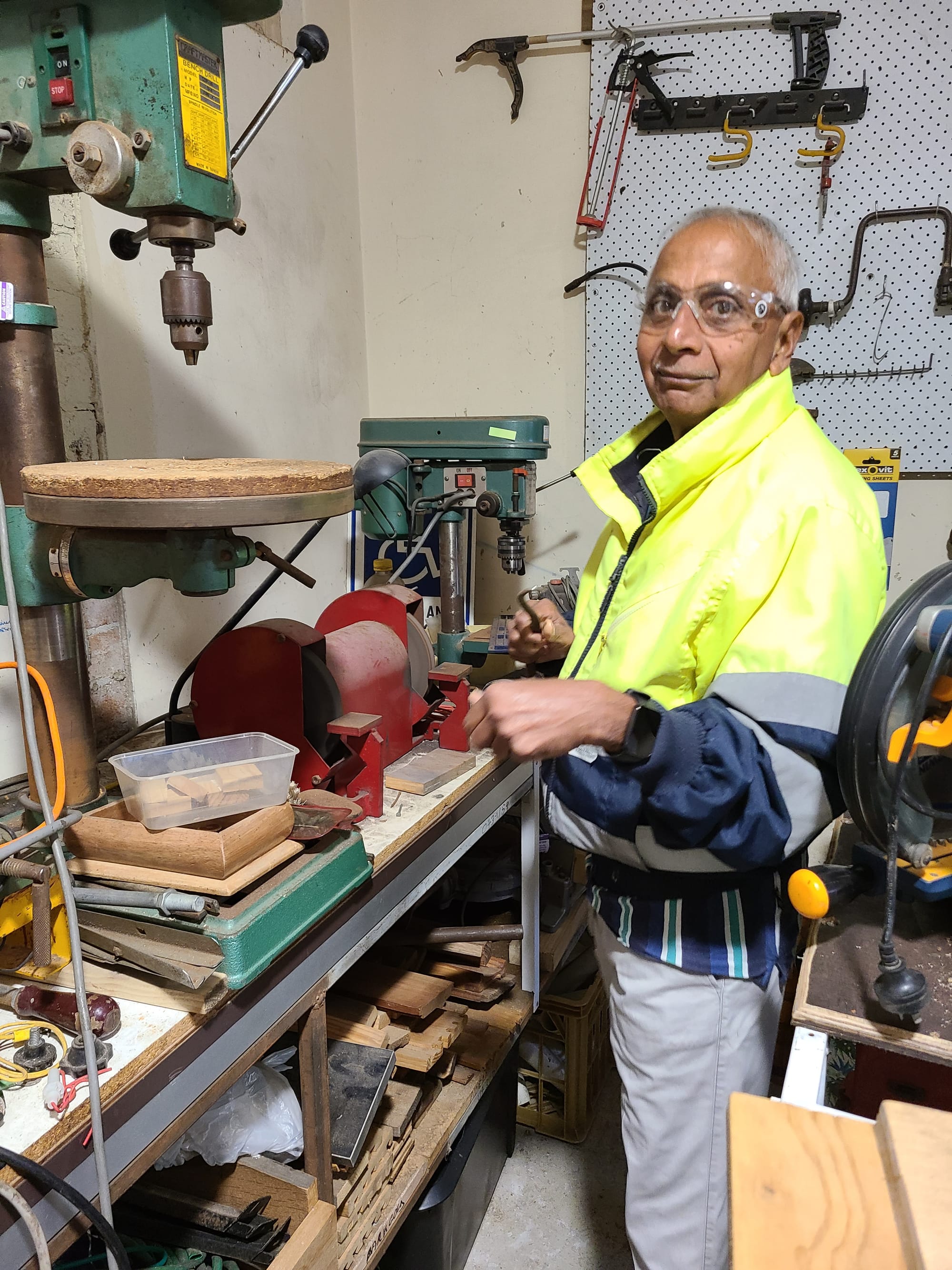
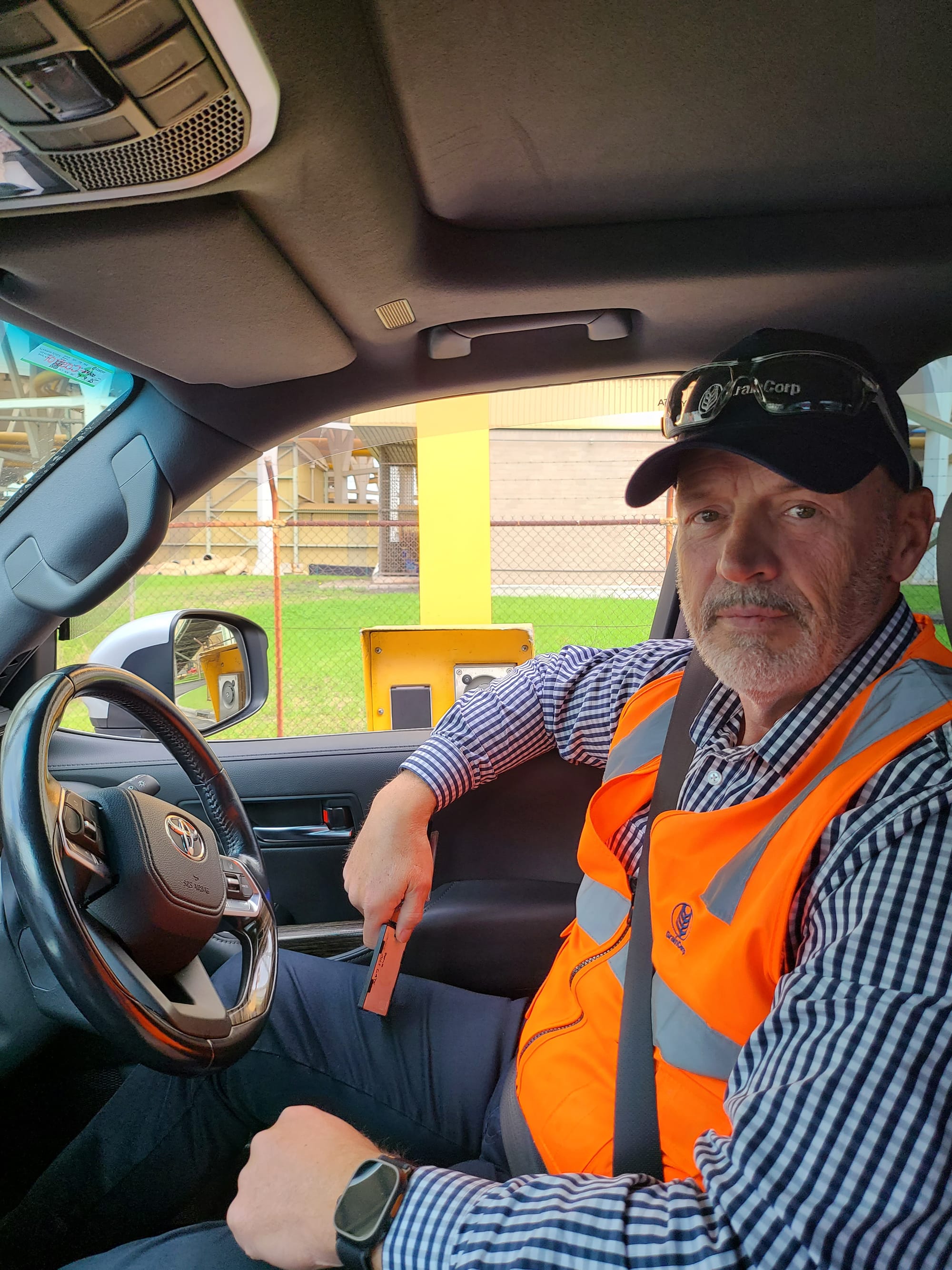
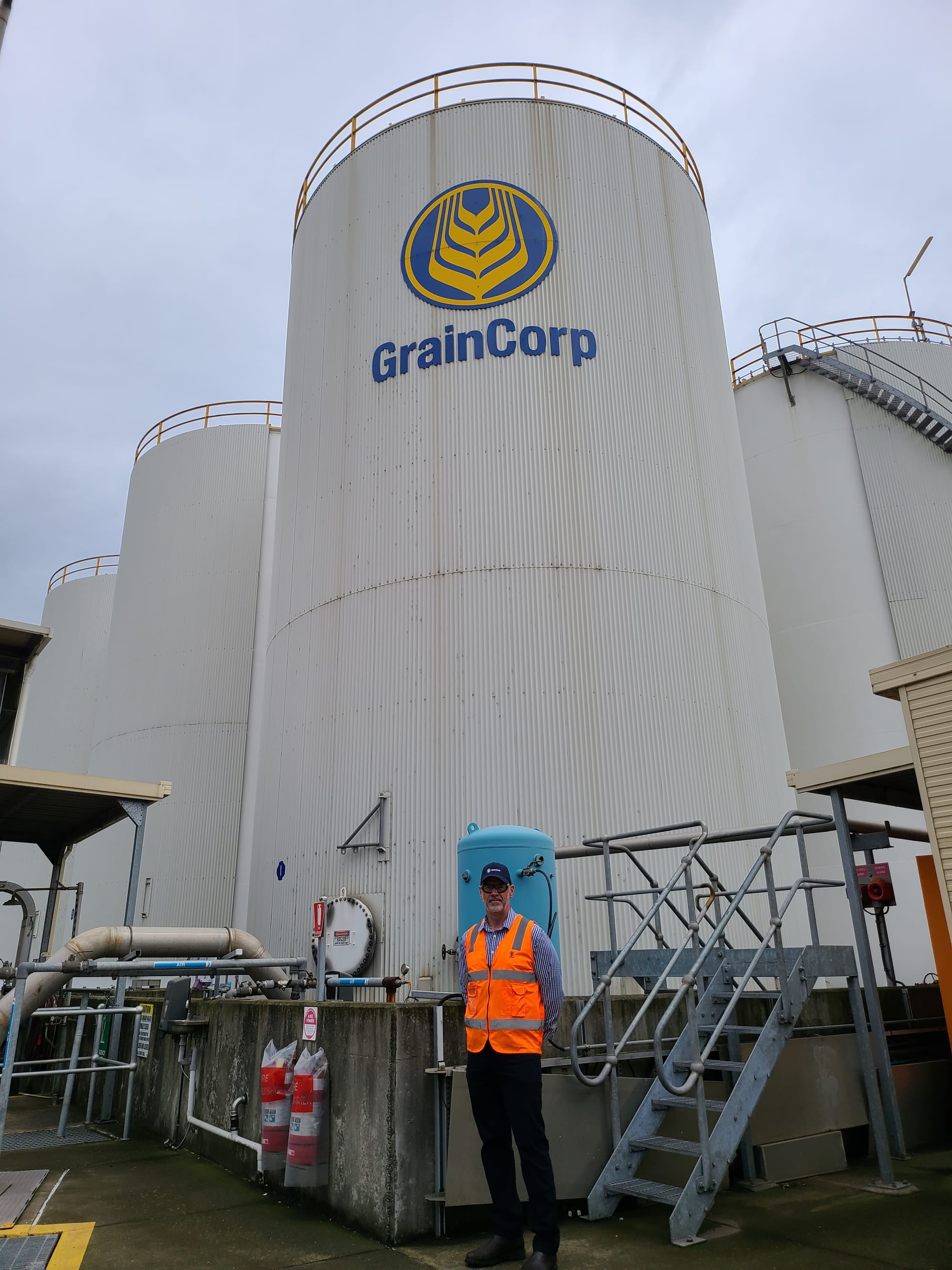
Anita Miserlioski at Cringila's Burek @ Pece's, Narendra Ayra (pictured at Port Kembla Men's Shed) and Damien O'Connell at the GrainCorp PK Grain Terminal. Photos: Jennifer Macey
Jennifer did 80 oral history interviews in between freelancing and teaching journalism at UOW.
“I've had many, many cups of teas, and I've often brought cake along to my interviews. People have invited me into their homes and their lives and told me their life stories. So it feels very warm and inviting.”
She spoke to people from many cultures, including the Illawarra’s Greek, Italian, Macedonian and Vietnamese communities.
“I learnt how how brave they were and how hard it was … because that's my family's experience, too.”
Jennifer’s parents were from Germany; they met on the boat to Australia. She grew up in Queensland, speaking German at home (“I couldn't speak English when I went to kindergarten”) and recognises the resilience of migrant mothers, such as those who arrived speaking only the Calabrian dialect of Italian. “But they grew these incredible gardens. They managed the household budgets. They cooked this incredible food.
“We're a living example of the best bits of multiculturalism, and it's not just the food; it is the innovation. It is that social movement and economic and innovative culture that's been brought along with it.”
Like her subjects, Jennifer is shaped by two worlds, her parents’ homeland and modern-day Australia.
“My dad left school when he was 14, but they would always read the broadsheet newspapers, they always had the radio on. They would watch the 7 o'clock news.
“I grew up during the peak of the Cold War. I was deeply interested in post-war history and then communism. I was fascinated by this woman I would hear on the radio, Monica Attard reporting from Moscow for the ABC, and I thought, ‘I want to do that.’”
She did: Jennifer lived and worked in Germany for international broadcaster Deutsche Welle Radio, then at the ABC for 10 years, leaving to freelance about 12 years ago.
“It was around the same time that podcasting started to boom. Apple had just installed the podcasting app…
“I jumped on that bandwagon.”
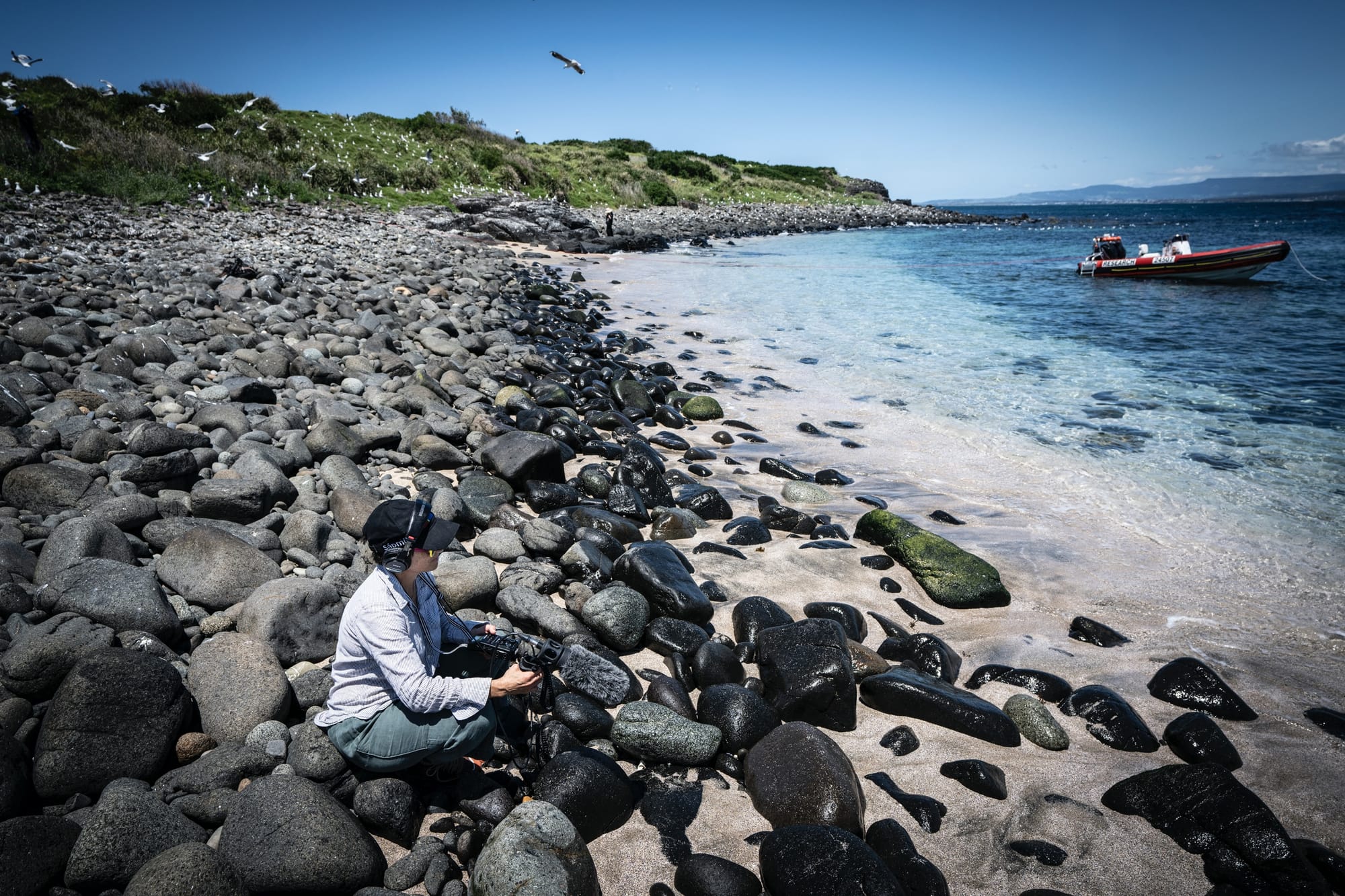
Recording the sound of seabirds at Big Island. Photo: Paul Jones
Jennifer and her family moved to an old miner’s cottage in Bulli where, to reduce emissions, they began a journey that ended in hosting Assistant Climate Change and Energy Minister Josh Wilson at the Electrify Bulli launch at their now fully electric home.
“I have been covering climate change as a journalist for such a long time that it infuses everything that I do,” Jennifer says. “There are hints of it [in the podcast], but I haven't gone for a deep-dive.
“In the coal episode, I put the questions to the coal miners in terms of an industry that is being phased out – some are actively campaigning for renewable energy like Darryl Best but others point out that the coal is used to produce steel and the alternatives are not scalable or viable yet.
"One coal miner has a completely electric house with solar panels, battery and drives an electric car – they understand there are better ways to make electricity but stress that the Illawarra mines metallurgical coal for making steel. So it's a complex and nuanced problem.”
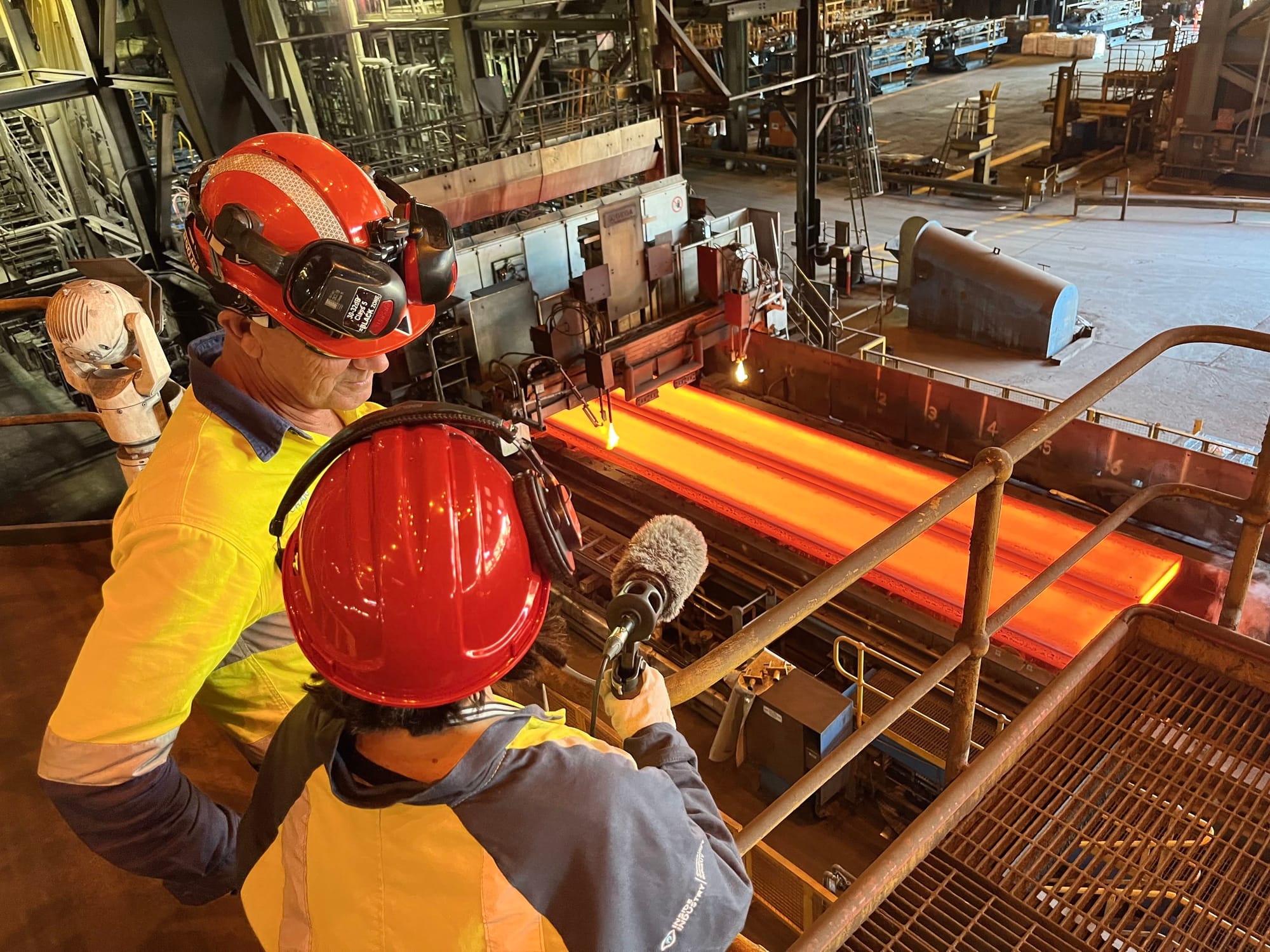
Jennifer took a tour of the steelworks. Photo: Martin Feld Bluescope
The podcast is part of an Australian Research Council funded project, supervised by Dr Chantel Carr of UOW and Professor Chris Gibson of USYD. It features a logo by Luke Player, sound production by Cinnamon Nippard and music by Shining Bird keyboardist Russell Webster, who's taken inspiration from the sound of seagulls and the steelworks.
"He’s blended that into the opening theme song," Jennifer says. "It's just stunning.”
Podcast launch
All are welcome at November 1’s launch (4-6pm at The Servo, Port Kembla), then Postcards from Port Kembla will be free to listen to on Spotify or wherever you get your podcasts.


