
Between two homelands, at the table and ready to talk food and wine
Meet the Illawarra Flame's new food and wine writer. Originally from Italy, Sofia Cavalli tells how a deep connection with agriculture has shaped her passion

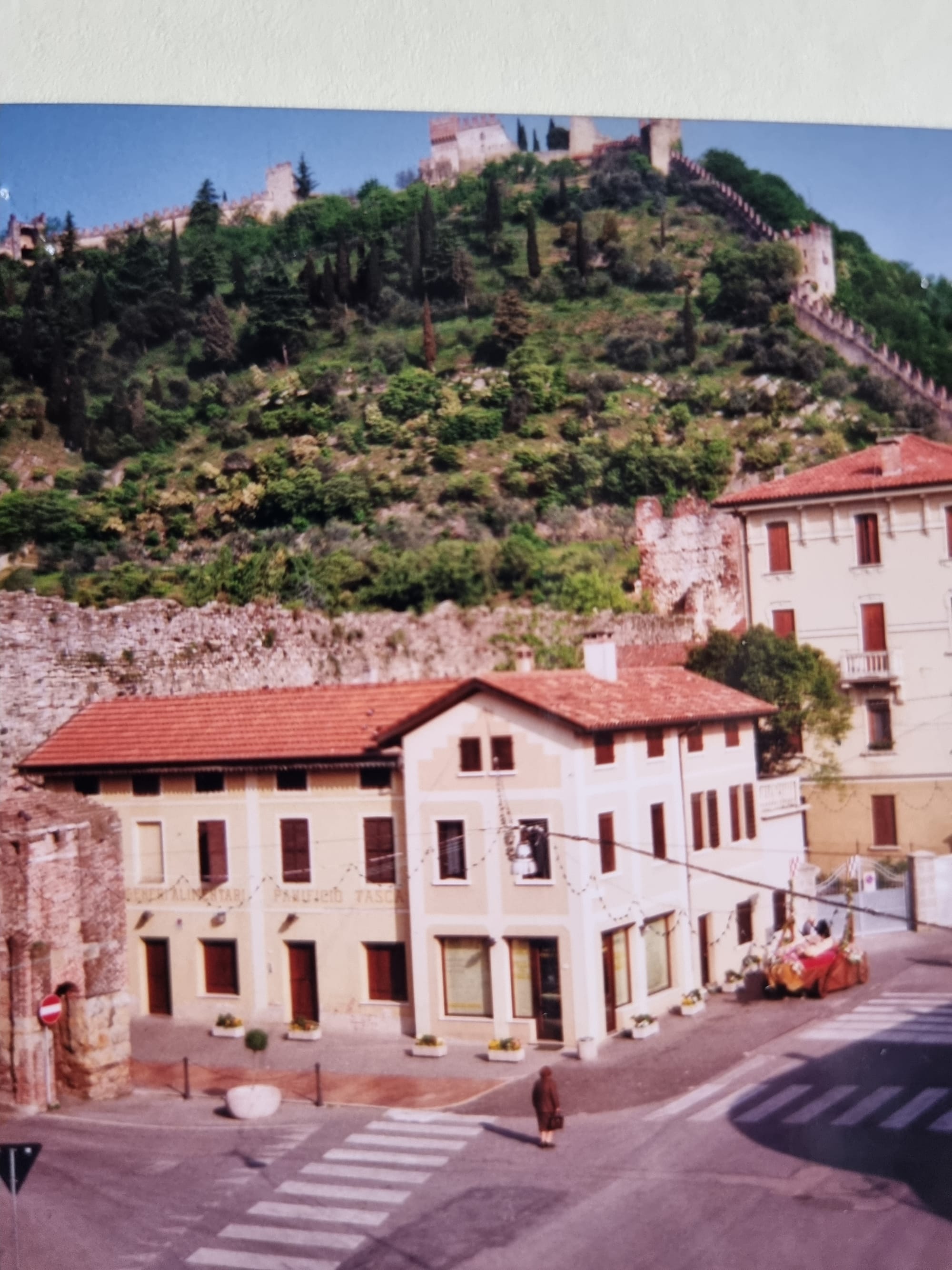
I grew up cradled in the Venetian countryside a stone's throw from Venice and a stone's throw from the Dolomites, in a town called Marostica. I have been welcomed by this wonderful Illawarra community for a decade now, and what I brought with me when I moved here, in my four suitcases and in my genes, was above all a passion for food, wine and the land.
My mother was a cook. She owned a fresh pasta shop, selling pasta to individual customers and restaurants in the area, but also sauces and gastronomic dishes prepared fresh each day, in the traditional way, just as my grandmother would have made them. I grew up in that shop, with the habit of nibbling at something all day long (the reader can imagine how I developed quite an appetite, what we Italians call una buona forchetta – a good fork).
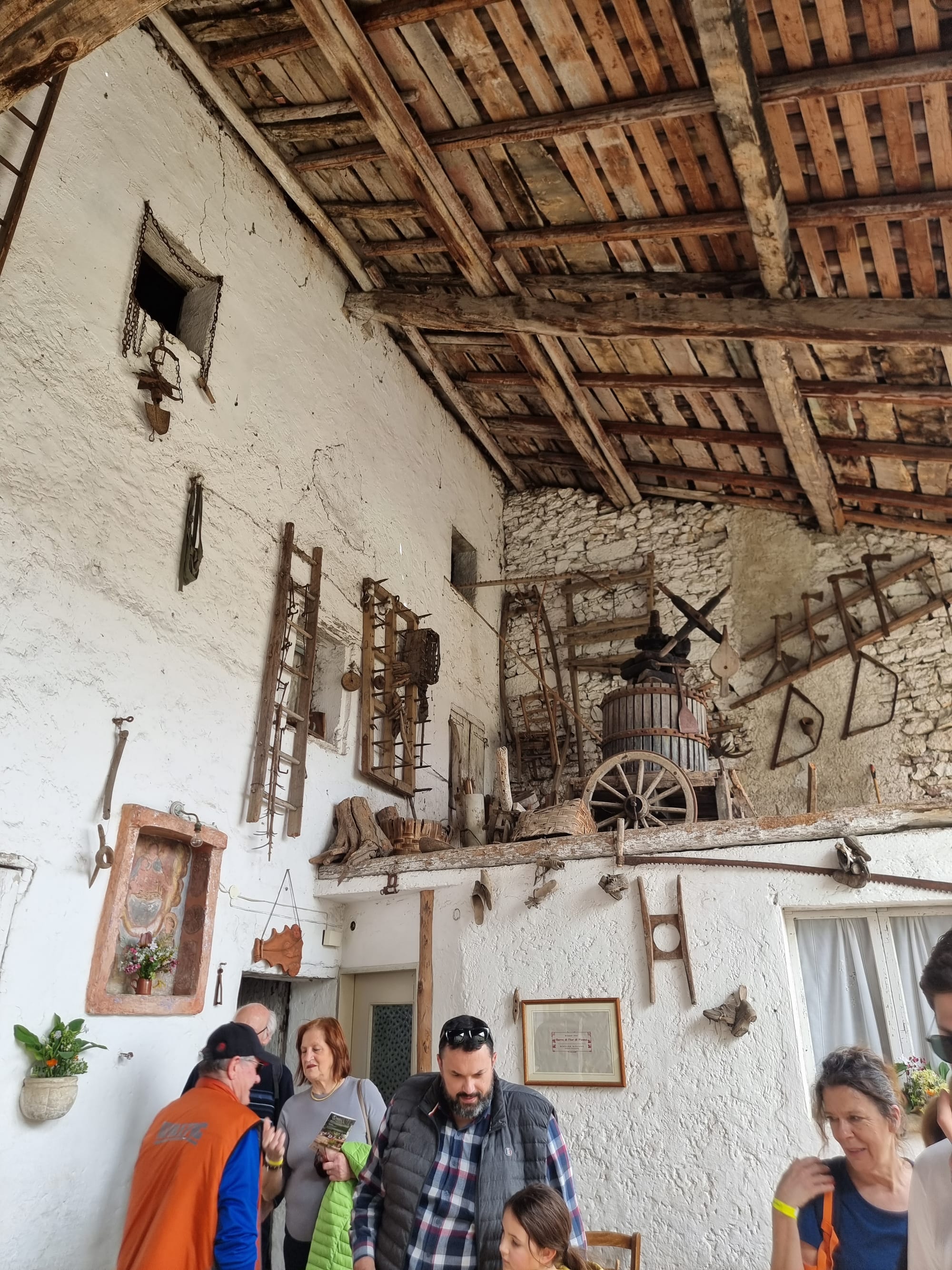
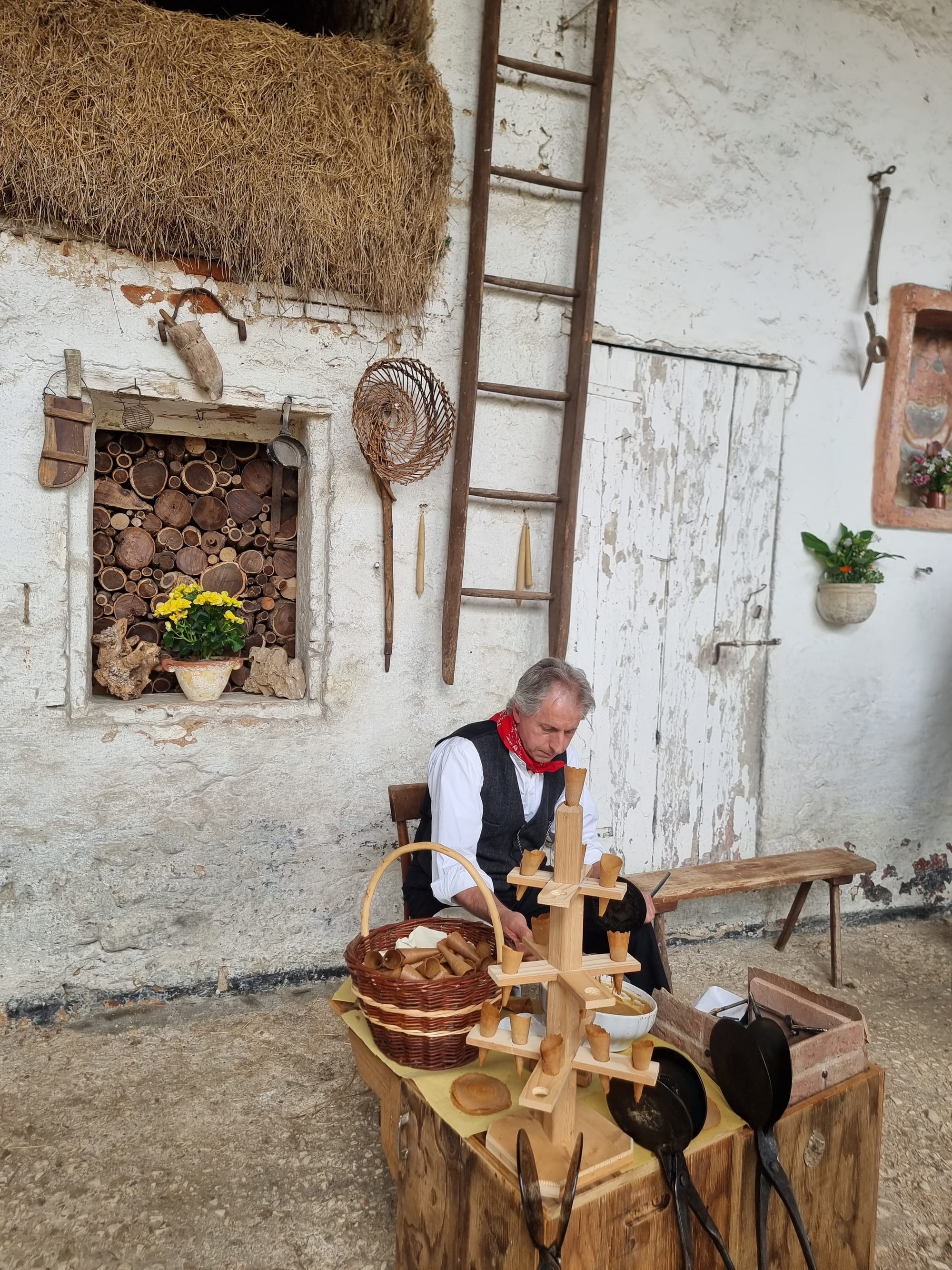
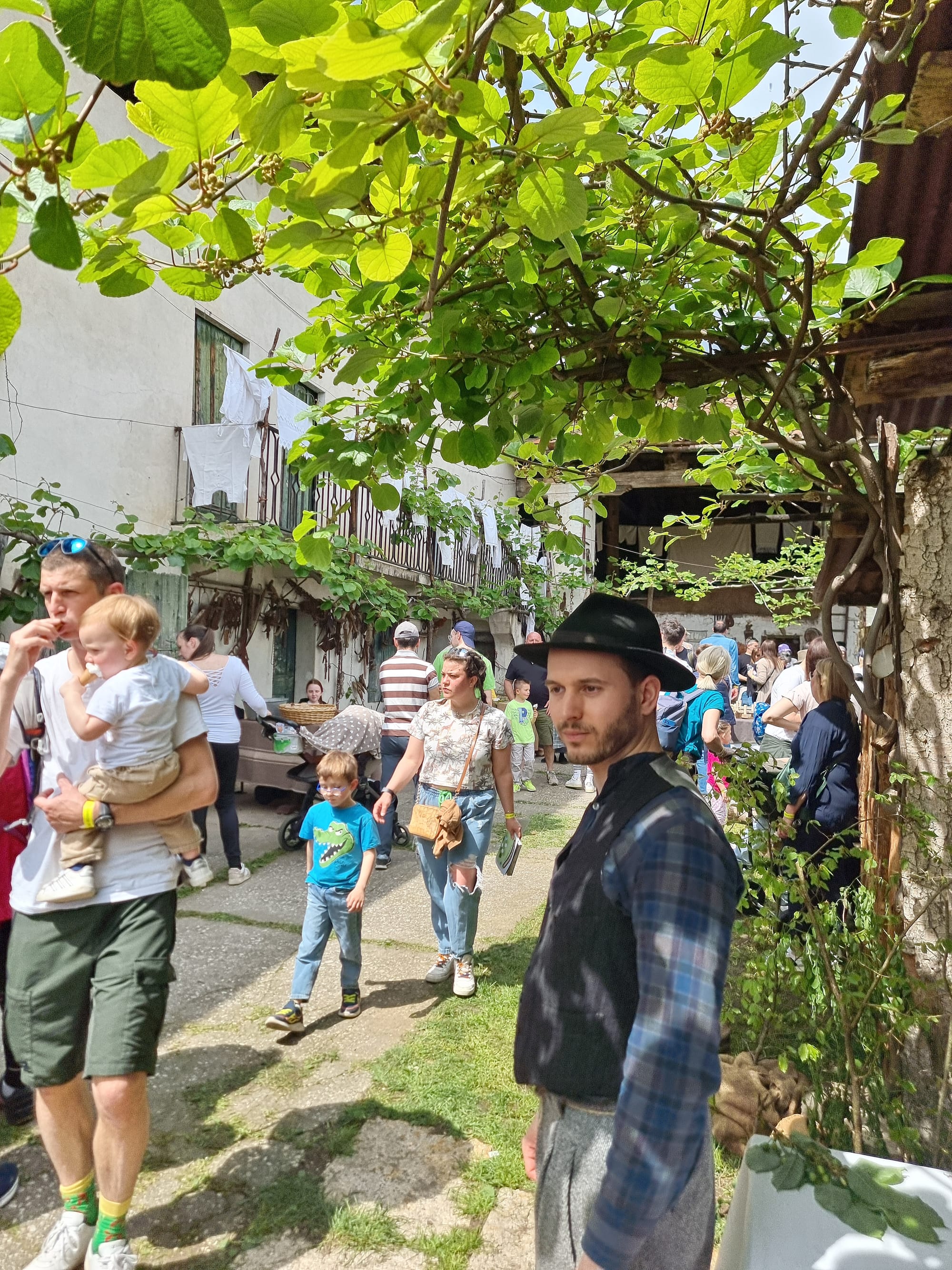
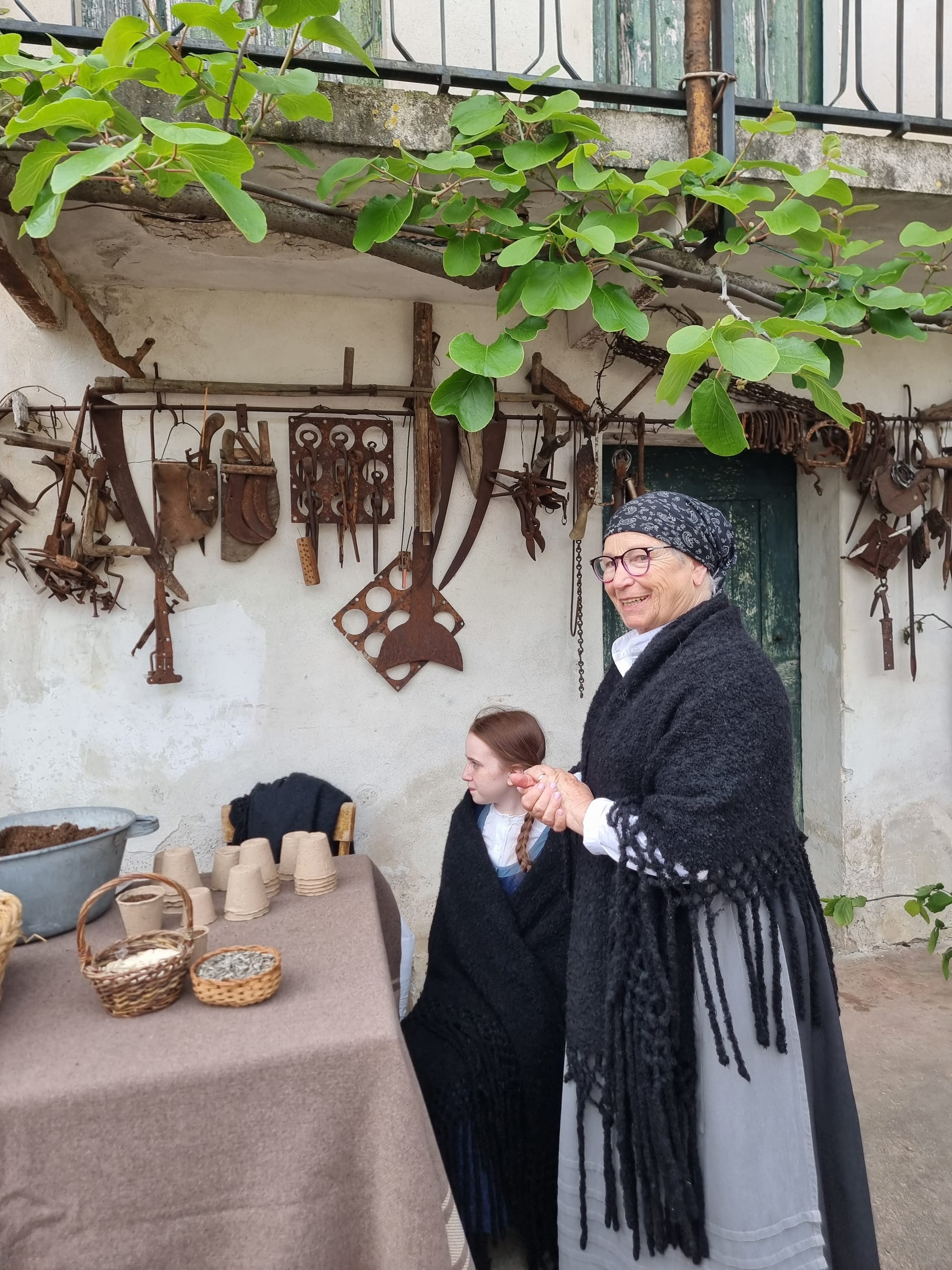
Growing up, my friends were farmers and winemakers. As teenagers, there was the grape harvest, the picking of olives for oil, the haymaking, village fairs and harvest festivals, especially those celebrating grapes, complete with barefoot grape-stomping.
I don't wish to go on too long. I simply wanted you to imagine the bucolic setting in which my passion developed, and to give you a sense of how, for me, food is a connection to the land and its traditions, but also to conviviality, friendship and culture. Agri-culture.
When I moved to Australia, people told me: "Oh, how badly you'll eat!"
Nothing could have been further from the truth.
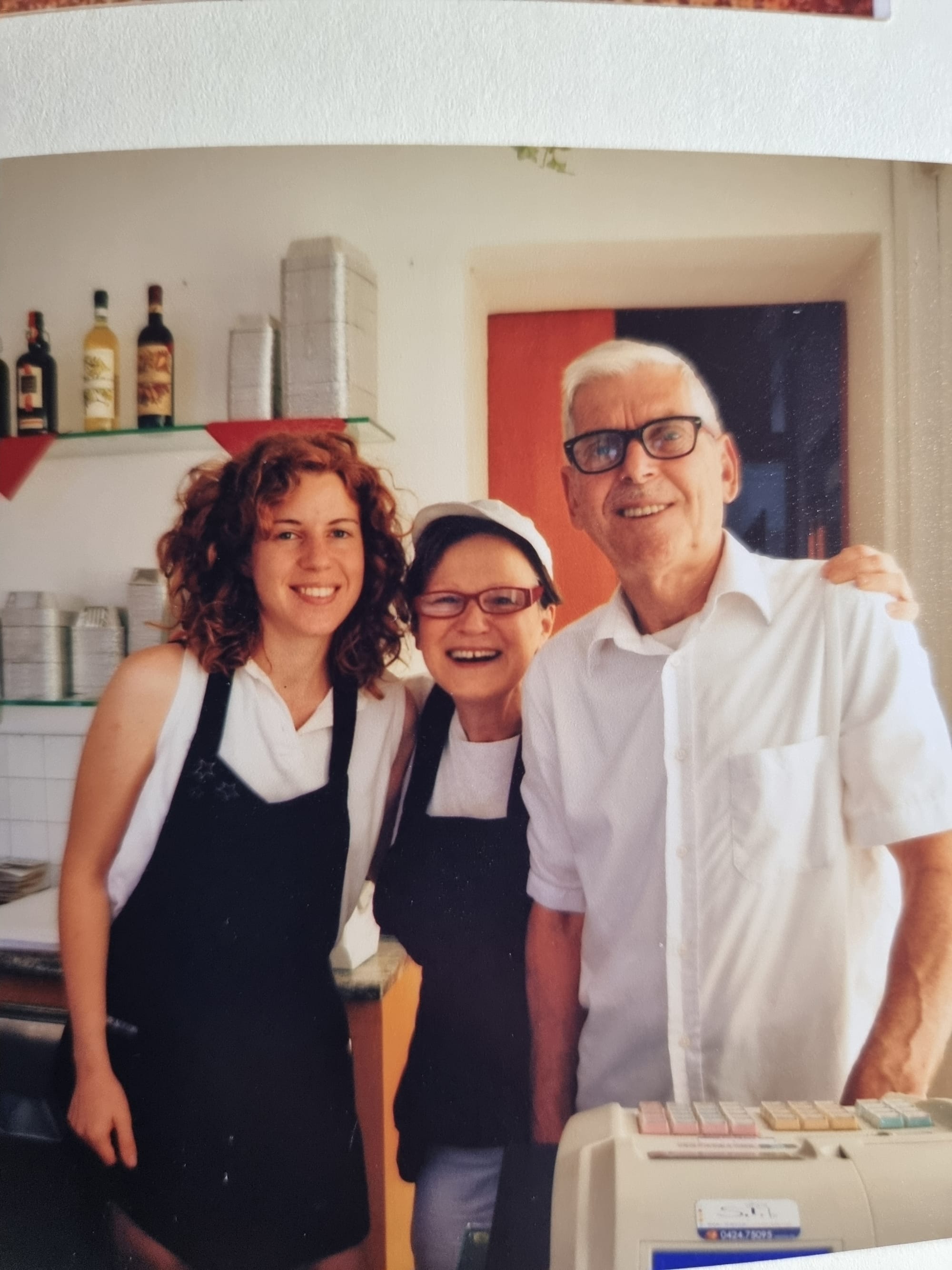
Sofia - pictured with her parents - grew up in a country town near Venice.
Since arriving here, I have never ceased to marvel at the inventive talent and creative sensibility of Australians in the kitchen, and at their openness to different cuisines, cultures, experiences and, quite simply, the imaginations of their chefs. Cooks, or perhaps better said, artisans?
In Absolute Friends, John le Carré explores a peculiar paradox of belonging: Those who have two houses have two houses. But those who have two homelands have none. After all, how can one have two mothers?
Yet there is a particular freedom in belonging neither entirely here nor there. The freedom of the outsider, whose perspective is shaped by distance, curiosity and observation. Perhaps this is why so many people who live between cultures find themselves drawn to writing, art and storytelling.
When I'm in Italy, I'm half-Australian. When I'm in Australia, I'm-half Italian.
Food has always been my crossroads. My way of travelling between these two worlds, of finding belonging while remaining free to explore.
And wine, perhaps more than anything else, fascinates me for its intimate relationship with the land. Its ability to tell the story of a place, its climate, its people and its traditions.
For many, wine may just mean the bottle you find at a Dan Murphy’s. But behind each label there is, first and foremost, a territory with unique conditions of soil, climate, air and light, and a unique laboriousness, because the differences in working the land in the vineyard, in the choice of varietal, in the intensity of intervention in the vineyard, create unique wine expressions.
But then there is the philosophy of the vignaiolo, or vigneron, a much more poetic word than the English winemaker, because wine is not a product formulated like Coca-Cola: it is living matter, of which the vigneron is the midwife, but also the creator, just as one creates a poem.
The main difference with Australia is that here we have somewhat lost our connection with agriculture. Most Australians live in cities, large or small, and even in rural areas, there is a separation between residential areas and the land used for grazing and crops (also because of the vast spaces, compared with Italy) that does not exist in Italy.
As a result, we experience firsthand the value of traditional crafts, such as those of the farmer, shepherd and winegrower, with the result that we savour that precious liquid – that living matter, that expression of terroir – from a perspective that is more artisanal than industrial.
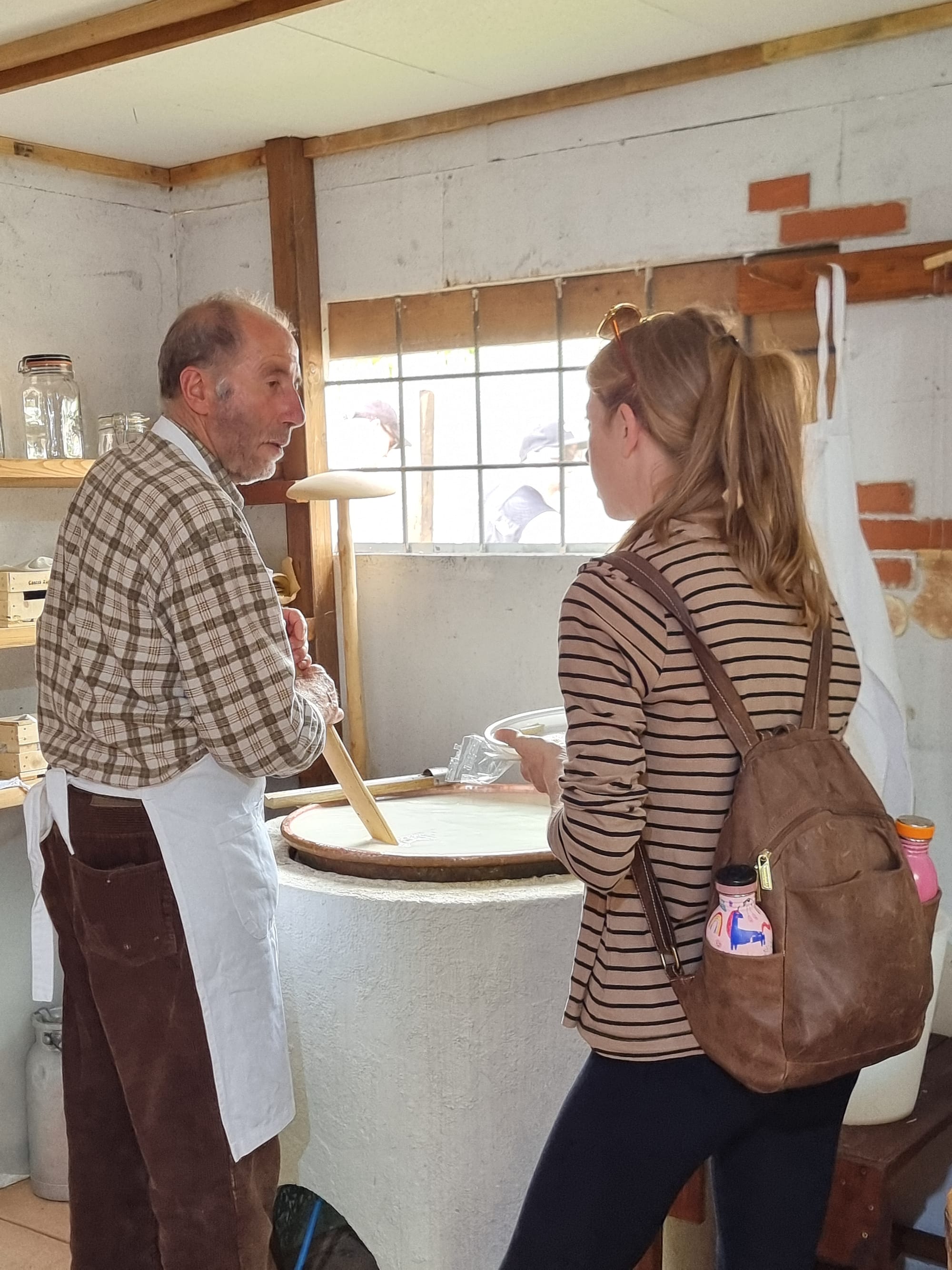
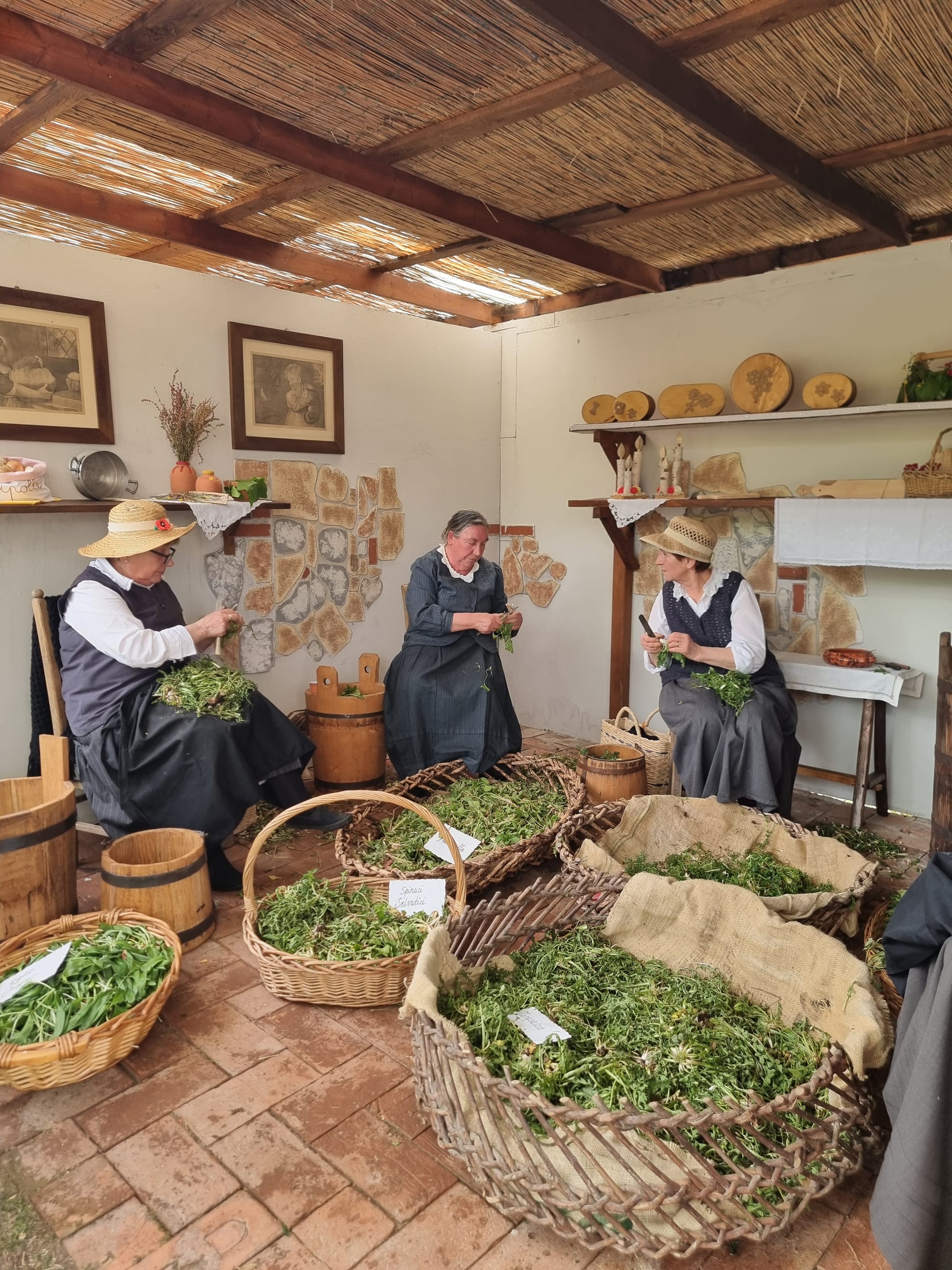
But things are changing: more Australians are becoming interested in the land, in the provenance of products and ingredients, in their history in relation to the people and the philosophy of cultivation, and in their craftsmanship – from the Latin ars, artis: art, ability, craft (in an increasingly digital world that gives us the dreadful illusion that everything is ready and served to us immediately).
I would like to be, in a way, the ambassador of this growing interest.
Through a series of articles for The Illawarra Flame, I hope to explore the places that move me, the people behind them and the stories they have to tell – all through the eyes of someone who is both a local and a perpetual visitor.
And where better to begin than the Illawarra itself, a region that has given me so much to discover, and continues to surprise me with the creativity and passion of its people?
My first stop will be Park Road Wine in Bulli, a delightful discovery where food, wine and hospitality come together with imagination and craftsmanship.
Keep an eye on these pages for that story, and for many more to come. There are still so many tables to sit at, wines to taste and people to meet. And I intend to follow my curiosity, and my appetite, wherever they take me.