

Bird flu risk rises as gulls gather on Five Islands
The arrival of one bird with H5N1 avian influenza could trigger a mass outbreak in the nature reserve off Wollongong's coast

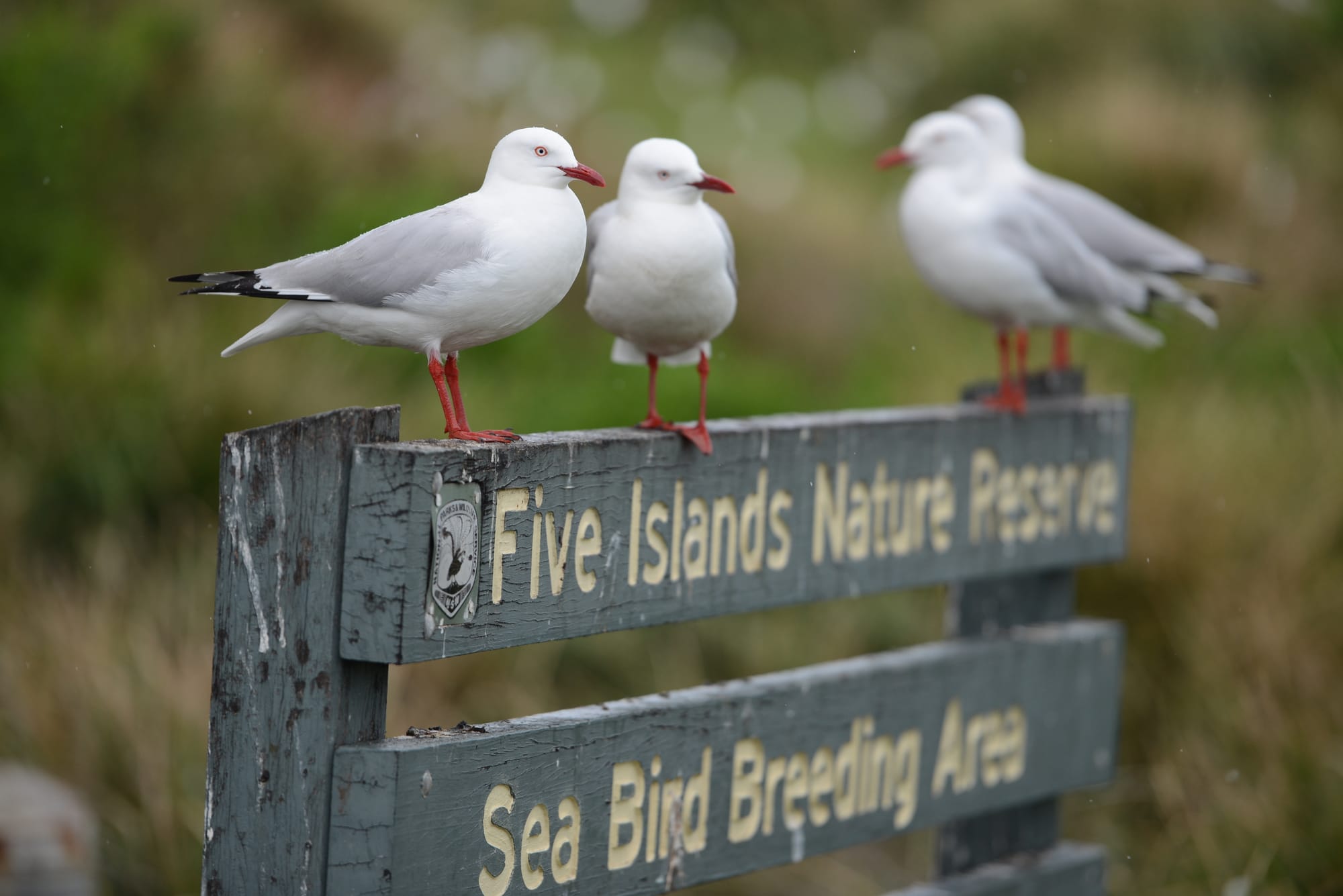
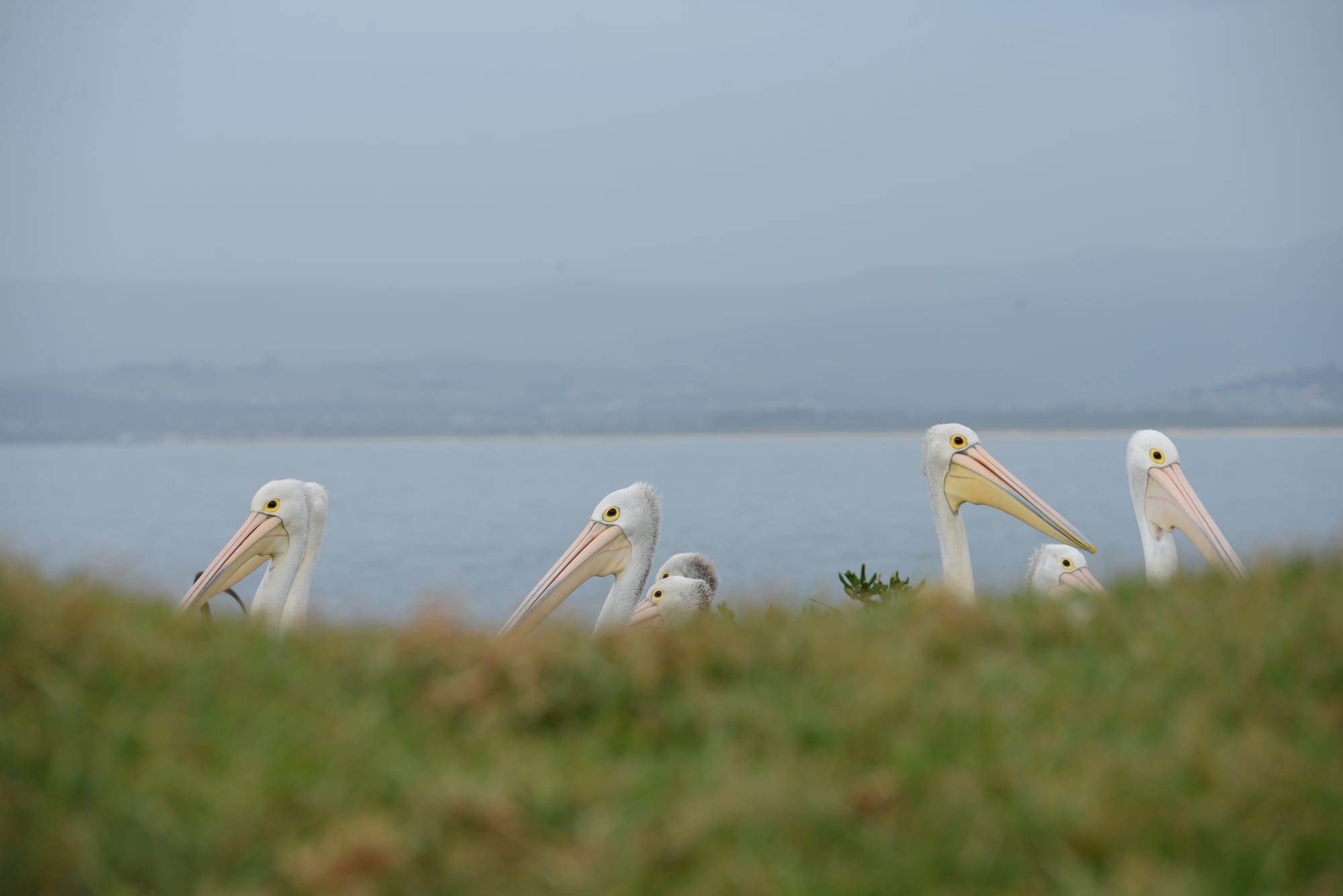
Thousands are silver gulls are heading to Big Island for breeding season. Petrels, shearwaters, ibis, little penguins, pelicans and terns too. But this spring, amid the annual explosion of new life in the Five Islands Nature Reserve, there’s a risk it could become the epicentre of a local outbreak of H5N1 avian influenza.
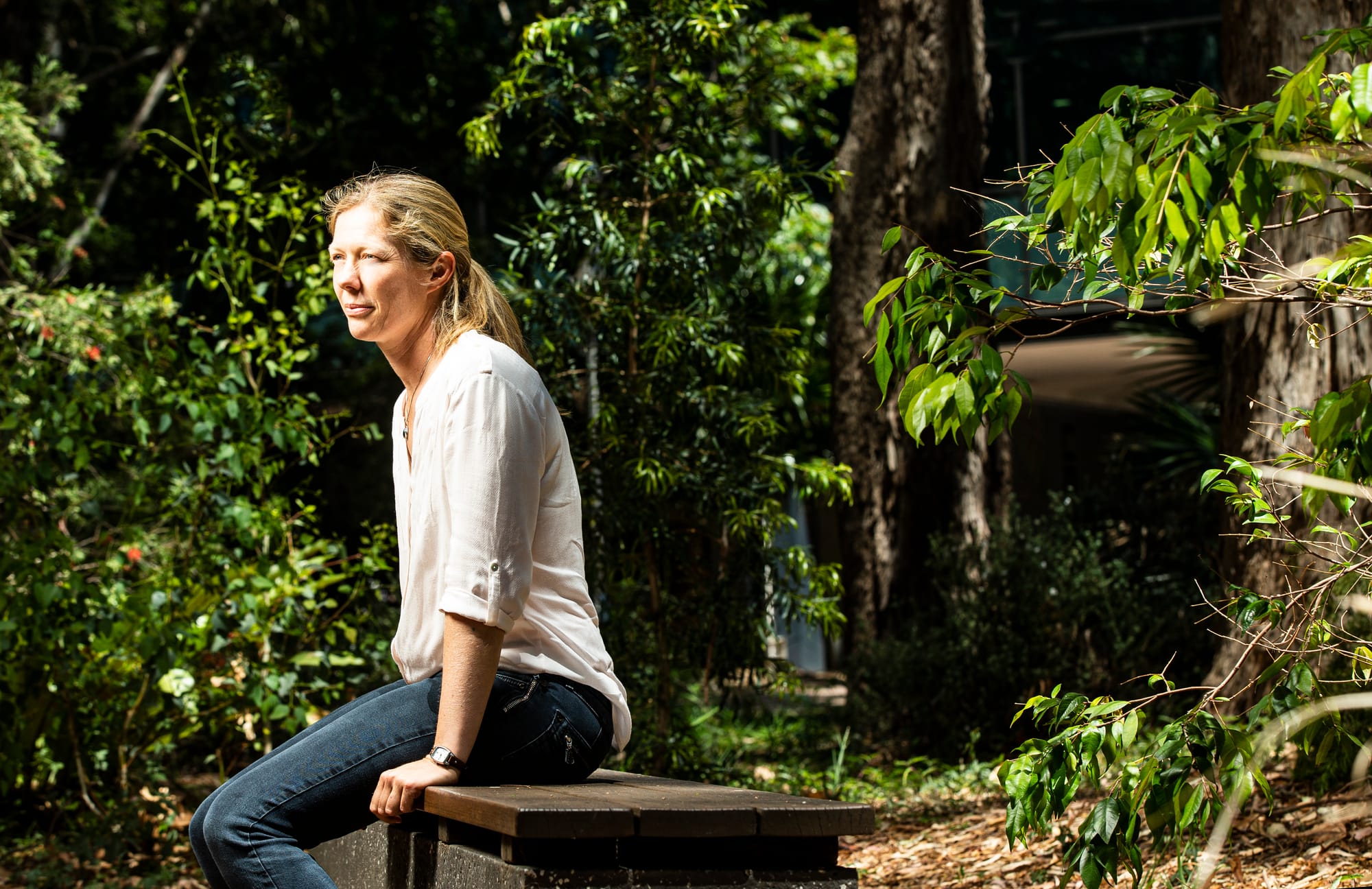
Predicting the arrival of bird flu is “a waiting game”, said Dr Bethany Hoye, a senior lecturer studying wildlife-microbe interactions at University of Wollongong.
“It all depends when some infected bird gets into a dense breeding population.”
The H5 strain has caused mass mortalities in poultry and wild birds overseas, but taken about four years to reach Australia. Now it's down to chance whether the virus arrives in Wollongong in weeks or days, with no effective treatment and Lake Illawarra’s iconic black swans among the species most vulnerable.
“There's a bit of disbelief in the community,” Bethany said. “Is it really going to come, and will we really see lots of birds die? I guess that's something that we probably do need to get used to the idea of."
Case numbers rising
WAs logged the nation's first case of H5 bird flu on 19 June. By August 10, Australia had 231 confirmed detections in wild birds, including four in NSW:
- Two giant petrels: Mid North Coast (Hawks Nest)
- A single greater crested tern: Western NSW (Wentworth)
- A single greater crested tern: South Coast (Narooma)
Greater crested terns breed on the Five Islands, albeit in smaller numbers than silver gulls, and all these seabirds are coming into their breeding season now, Bethany said. “Late August, early September is when they start to really aggregate and lay eggs in large numbers."
Bethany has led long-term research on silver gulls – aka seagulls – at the Five Islands, looking at their movement and behaviour, antimicrobial resistance, and anthropogenic diets. For our beloved chip thieves of beachside cafe legend, and many other wild species, vaccination is impractical.
The situation is different for Australian species in captivity, with a vaccine roll-out announced today, and in New Zealand, where scientists are vaccinating the kakapo, a flightless parrot.
“For the silver gulls, at its peak, there were 50,000 breeding on Big Island – and that's just Big Island, and that's just one species," Bethany said.
“The numbers are huge, and they're probably not going to form an orderly queue in the old David Jones building for vaccination.”
Spring alert for virus
The risk of H5 arriving in the Illawarra is highest in spring.
“We know the gulls at this time of year will move from all over the country back to their breeding sites," Bethany said.
“They fly about 70k's an hour when they're really busy.
“We've tracked birds flying from the Melbourne area, across the Snowy Mountains, quick little stopover at Lake Jindabyne, and again at Lake George, before coming to the Illawarra, 650k's in a day or so, with some rests on the way.”
Add breeding behaviour to the mass gathering, and the risk rises again.
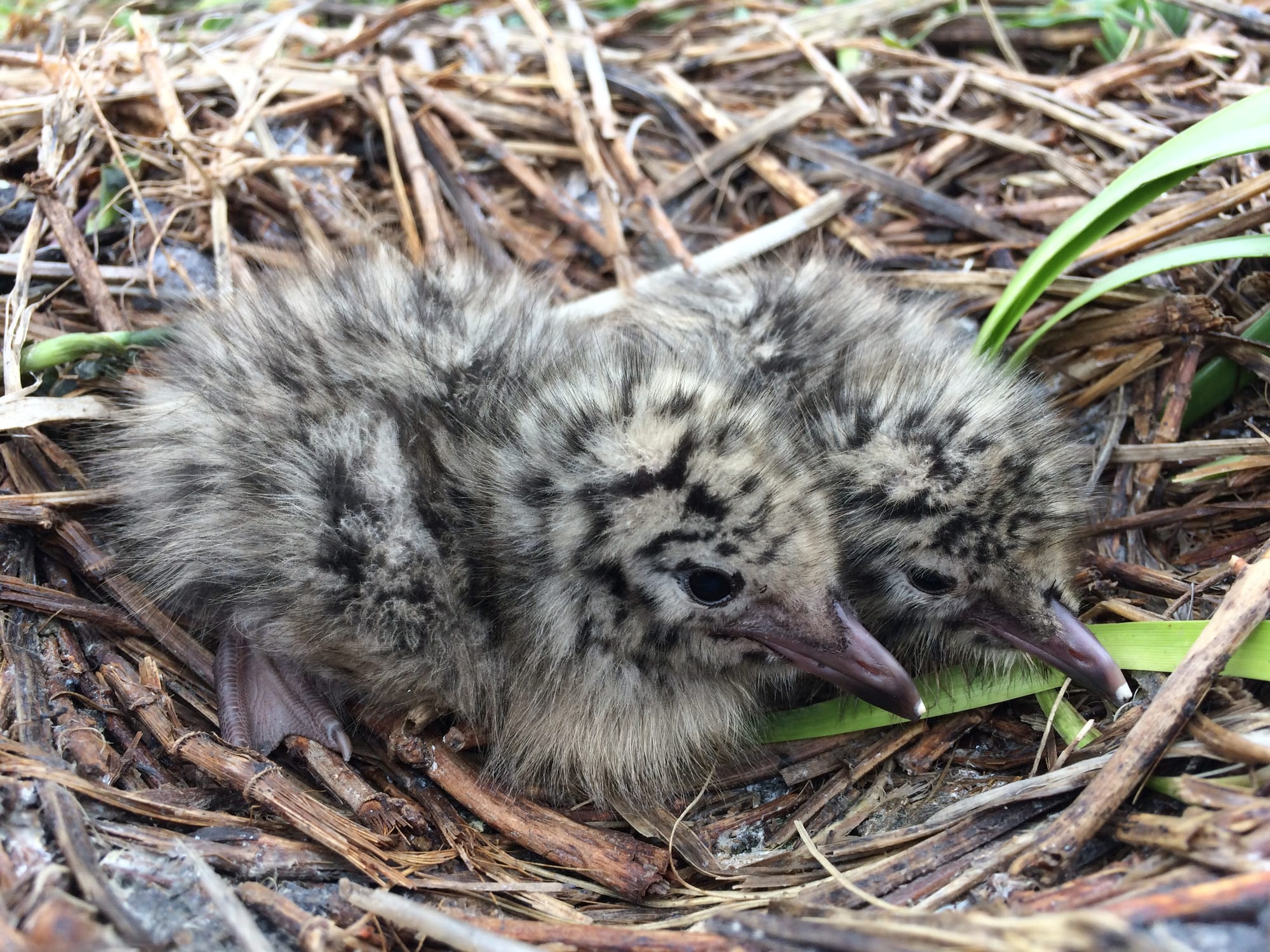
“You tend to see what they call epizootics, so outbreak situations, during the breeding season in many colonially nesting seabirds – just because they're really close to one another, they're highly territorial, so they squark at one another. Then when the chicks hatch, you have all of these mostly immunologically naive individuals entering the population, and so then they're really susceptible to infection.”
Pets at risk
The first sign of H5 for Illawarra residents is likely to be dead birds washing up on the coast. Across the country, people are being warned not to touch sick birds or carcasses but to report them to Emergency Animal Disease Hotline on 1800 675 888.
While the chance of infection in people is low, dogs, cats and pet birds may be at risk, particularly in backyards below the flyway between the Five Islands and rubbish tips at Kembla Grange or Dunmore.
Eventually, it may come to a pet lockdown.
“There will be a time when that's necessary,” Bethany said. “But you don't want to people to have lockdown fatigue … save that sort of lockdown behaviour for when there's really large case numbers in the vicinity.
“You might not want to have your pet bird outside if there are hundreds of cases of dead birds. The gulls fly in a really fixed flight path between the Five Islands and the tip through September till December-ish, and so they're passing over houses in that space, dropping droppings the whole time.
“So if you were having outbreaks on the Five Islands or at Shell Cove or at Kembla Grange, then if you were one of those houses under that really obvious flyway, you probably wouldn't want your dog running around in the backyard encountering seagull poo.”
Looking after chooks
“If you've got backyard chickens, as many of my neighbours do, really pay attention to the local situation,” Bethany said.
Anyone under the Islands-Tip flightpath should consider keeping poultry inside during an outbreak and deal swiftly with signs of infection, she said.
“Keep an extra close eye on each of your birds so that you're aware of any changes in them that can be dealt with rapidly, rather than getting to the point that it's spread through your whole flock.”
Another unprecedented virus
Across her 20-year career, Bethany has not seen anything like the wildlife devastation wrought by H5. For her PhD, she worked in the Netherlands on ancestral versions of the virus, which caused outbreaks among swans. But these were localised and contained. Now it’s not only birds, but seals, which roost on Martin Island, and marine mammals such as dolphins that could succumb to sickness.
“It's quite unique in my lifetime,” Bethany said. “I think there's potential for people to be seeing a lot of our beautiful wildlife suffering through this.”
Taking part in BirdLife Australia's annual survey, the Aussie Bird Count from October 19–25, could help researchers track the effects of H5, she suggested.
“Keep an eye out for the birds that actually come through it, so that we have some good stories. It's also really worth knowing what comes through well.
"I think the glimmer of hope on the horizon is that in the UK they self-declared freedom from this strain of influenza earlier this year and lifted this idea of needing to have preventative housing of poultry.
"They're seeing annual waves of infection when breeding season comes around, but they're not nearly as deadly as they were the first time… It will be a few rough years probably, but there are some signs that it's possible to come through on the other side."
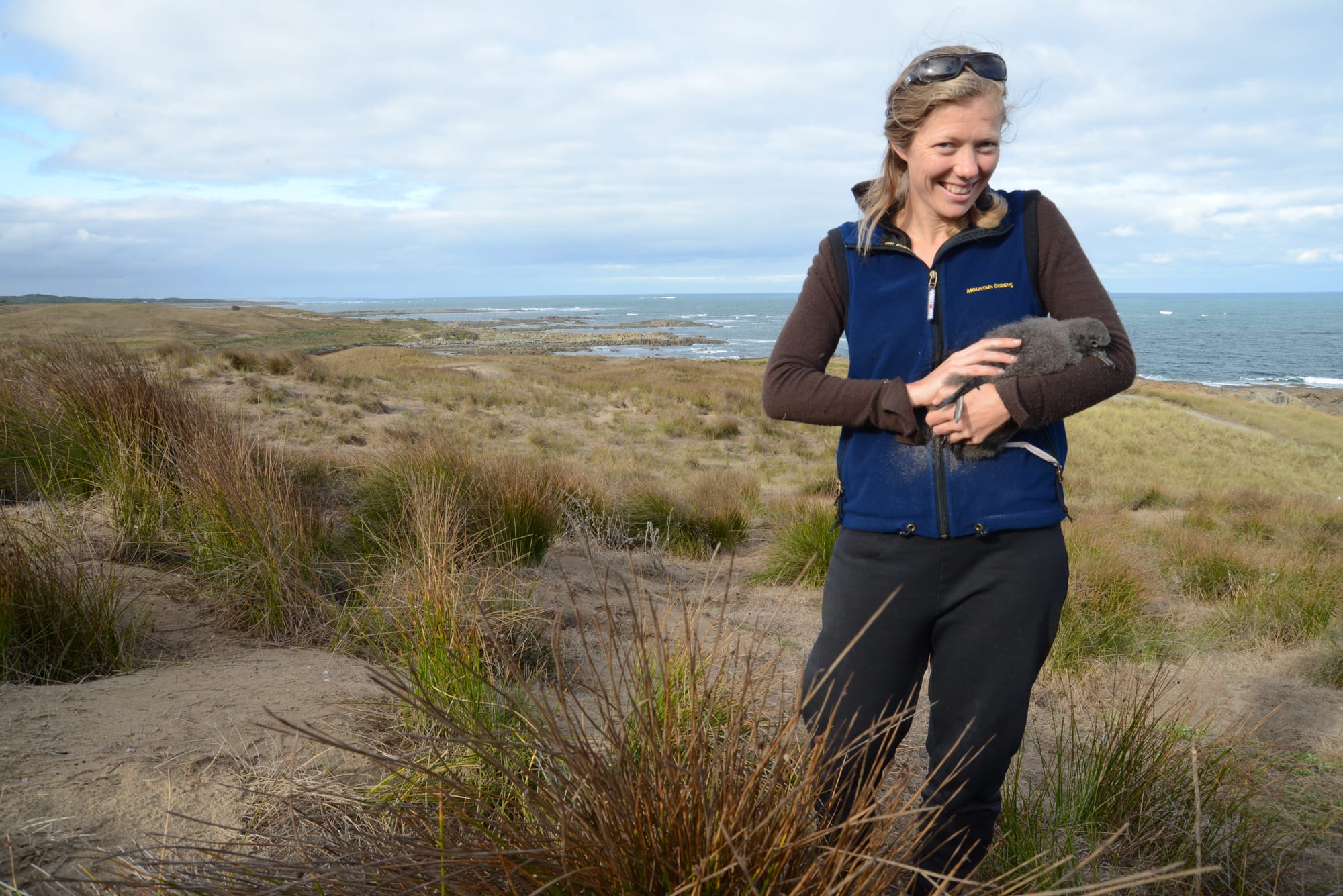
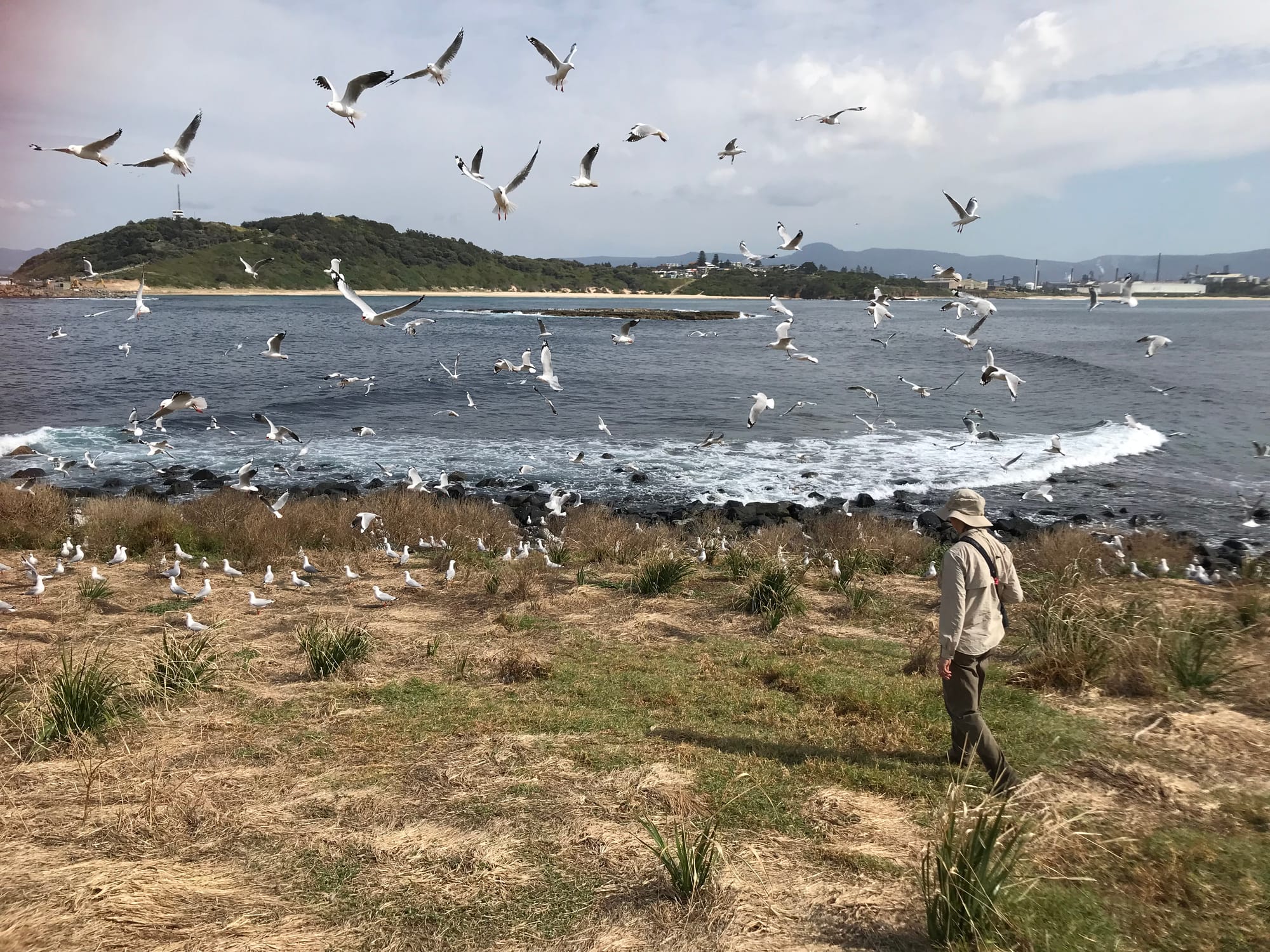
Dr Bethany Hoye with a short-tailed shearwater chick and at Big Island. Photos: Margaret Bennet, supplied
If you see a group of sick or dead wildlife:
- Avoid contact and keep your distance.
- Record the date, time, location and take photos.
- Report it to the Emergency Animal Disease Hotline on 1800 675 888.
Stay up to date via the federal and state government’s webpages.


