

Economist reveals 'gob-smacking' inequality to not-for-profit providers
Australia Institute senior economist Matt Grudnoff presented 'stark' proof of rising inequality to Community Industry Group's event on World Social Justice Day
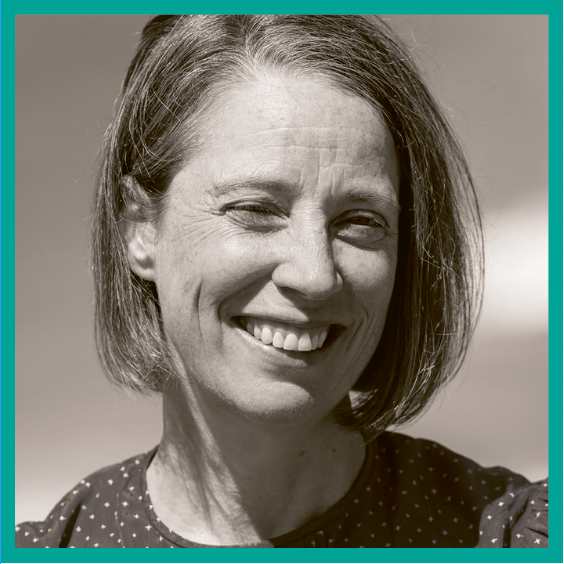
In one traditional lifetime, fairness in Australia has flipped. Over the past 70 years, inequality has taken off and the Australia Institute’s senior economist, Matt Grudnoff, warns of what may happen if the problem isn’t fixed.
“I'm most concerned about the democracy and the fact that people are feeling less and less like it's working for them, because the economy is not working for them, and that they'll move to more extreme positions,” Matt told the Illawarra Flame.
“The USA is Australia in 10 years’ time. They are more unequal than us, and if we continue to head in that direction, then that's where we're heading politically.”
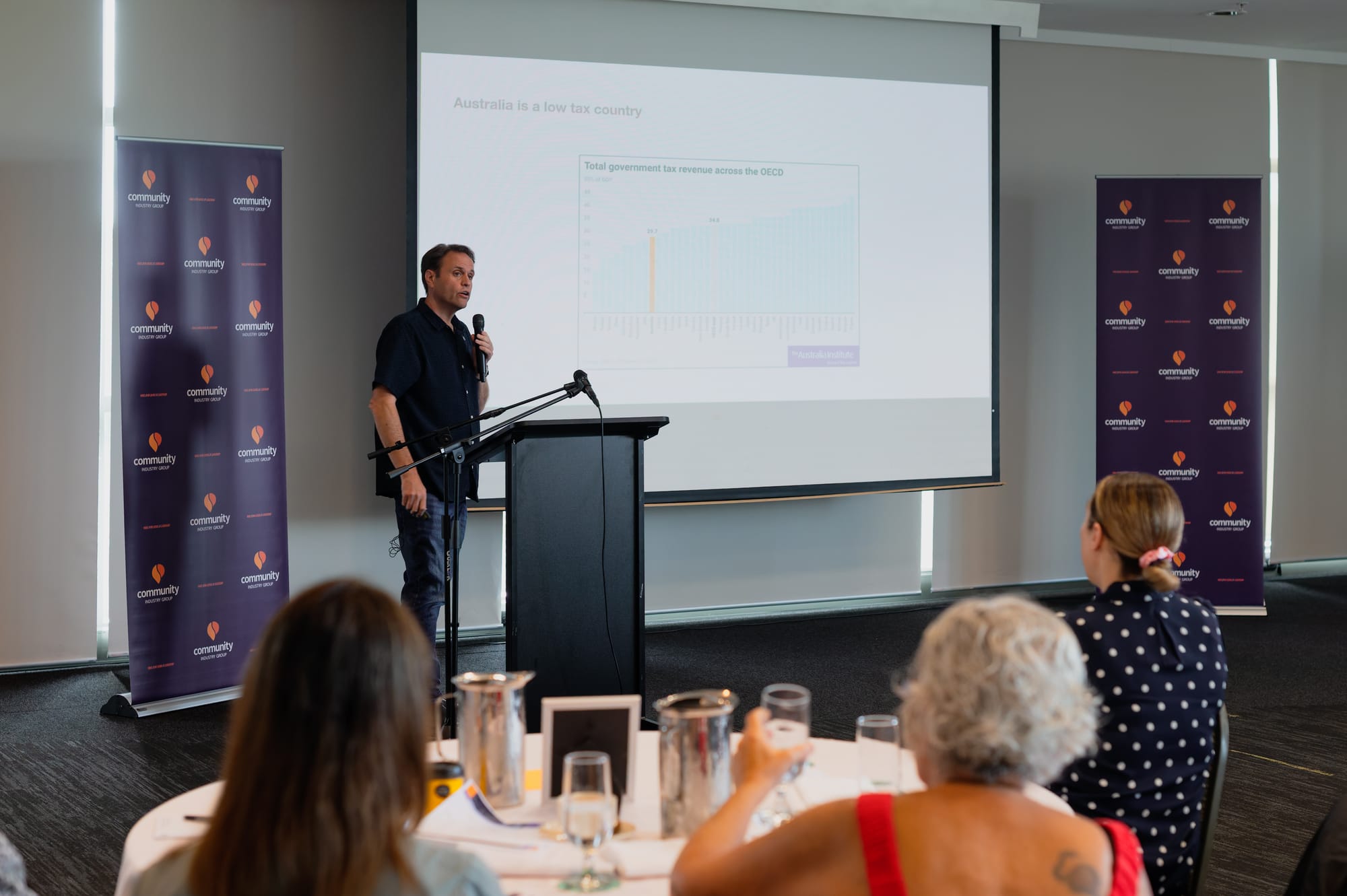
Matt was speaking after giving the keynote speech at the Fairer Australia workshop on 20 February, World Social Justice Day, at UOW’s Innovation Campus. Eighty-five people attended, representing 46 organisations brought together by Community Industry Group, the peak body for not-for-profit social services across southern NSW.
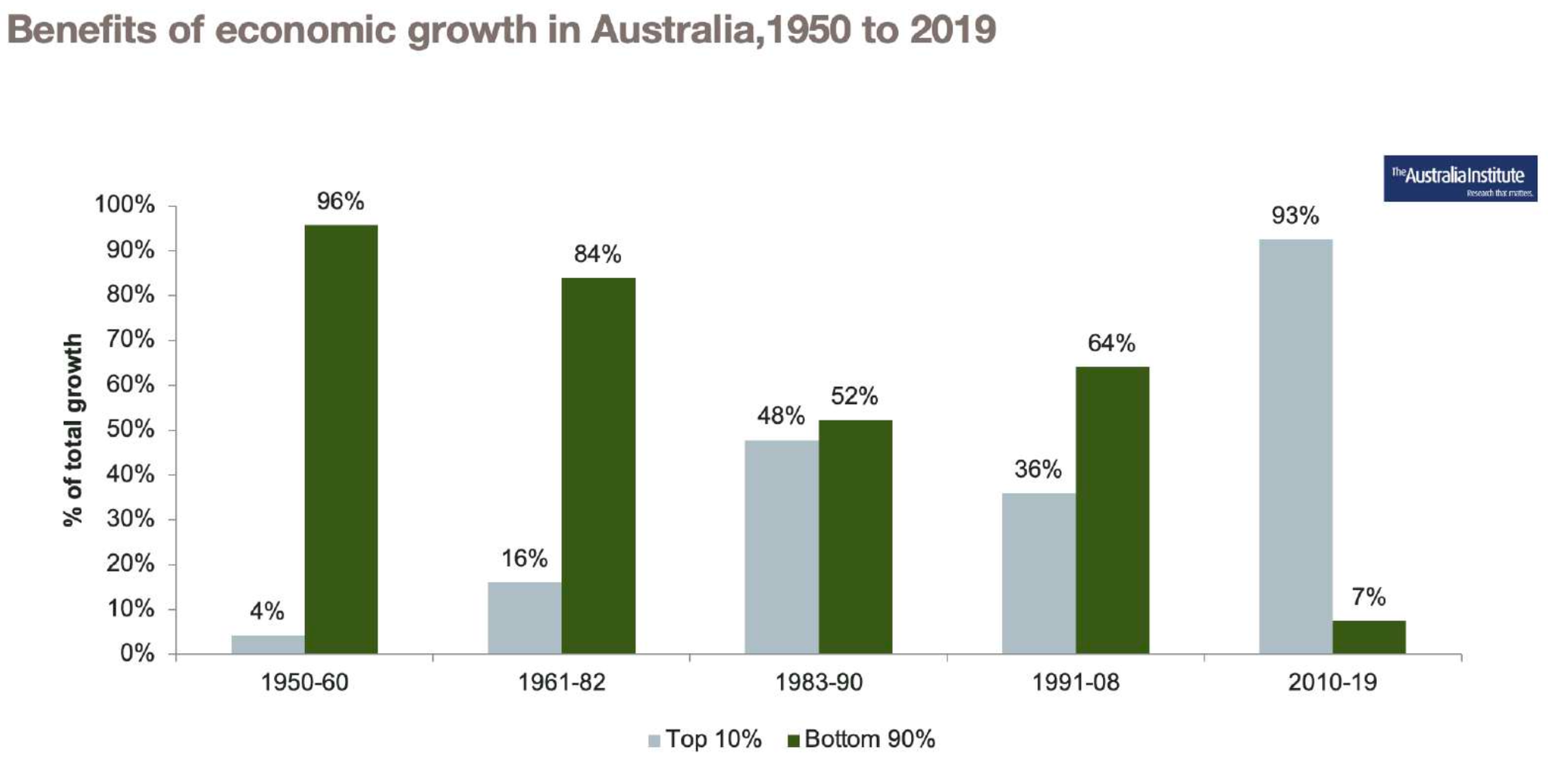
Opening with findings that CI Group’s senior policy specialist, Ed Birt, would later describe as “gob-smacking”, Matt shared a slide titled Benefits of economic growth in Australia, 1950-2019.
“In the 1950s golden age of economics, 96% of the benefits of growth went to the majority. Only 4% went to the top 10%,” Matt said.
When Matt revealed the chart’s final period – 2010-2019, from the global financial crisis (GFC) to just before the pandemic struck – a murmur of shock rippled through the room.
People who often battle for continuity of funding to help society’s most disadvantaged, who rely on the goodwill of volunteers and donations of basics such as long-life milk, saw data backing up what many instinctively knew: economic injustice is real.
“I saw that and I didn't believe it,” Matt told the assembly of social service providers. “We went back and checked this data so many times, because it was really, really odd, right? So the top 10% over that period got 93% of the benefit.
“Only 7% went to the rest, 90% [of earners].
“So when you think, is inequality getting worse? Yes, it's getting worse. Is the economy growing? Yeah, absolutely, it's growing. But that benefit isn't flowing to everybody. It's flowing to a very small group.”
To fix this and fund more essential services, the economist listed four tax changes he said would not affect middle and lower income Australians but could raise an extra $110 billion in annual revenue, starting with a 25% tax on gas exports.
“It's not going to affect the price of gas in Australia; it’s only a tax if you want to sell it overseas.
“That would raise $17 billion,” Matt said.
The rest would come from taxing the top 5% “wealth holders” and reforming superannuation tax concessions, capital gains tax and negative gearing.
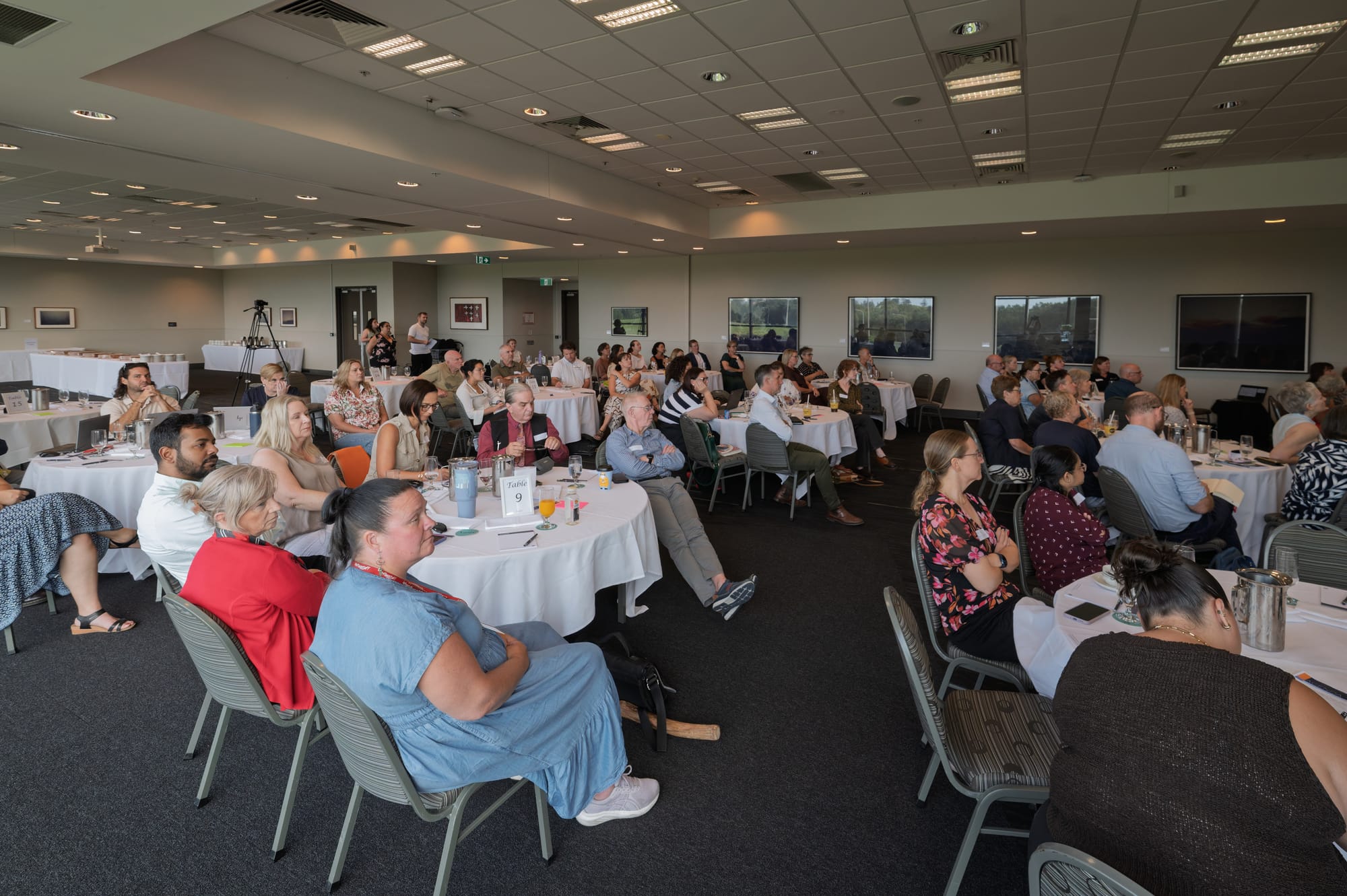
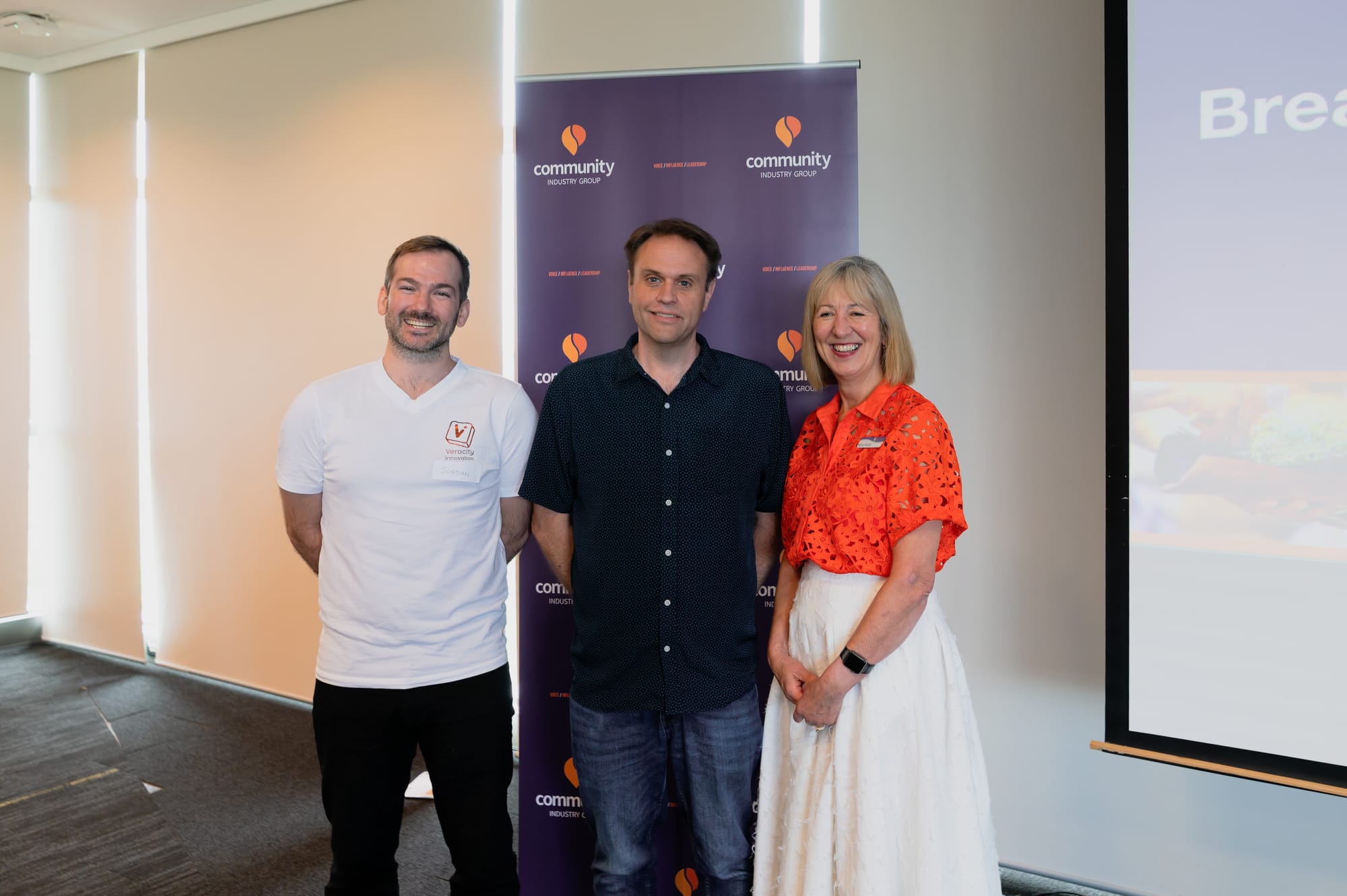
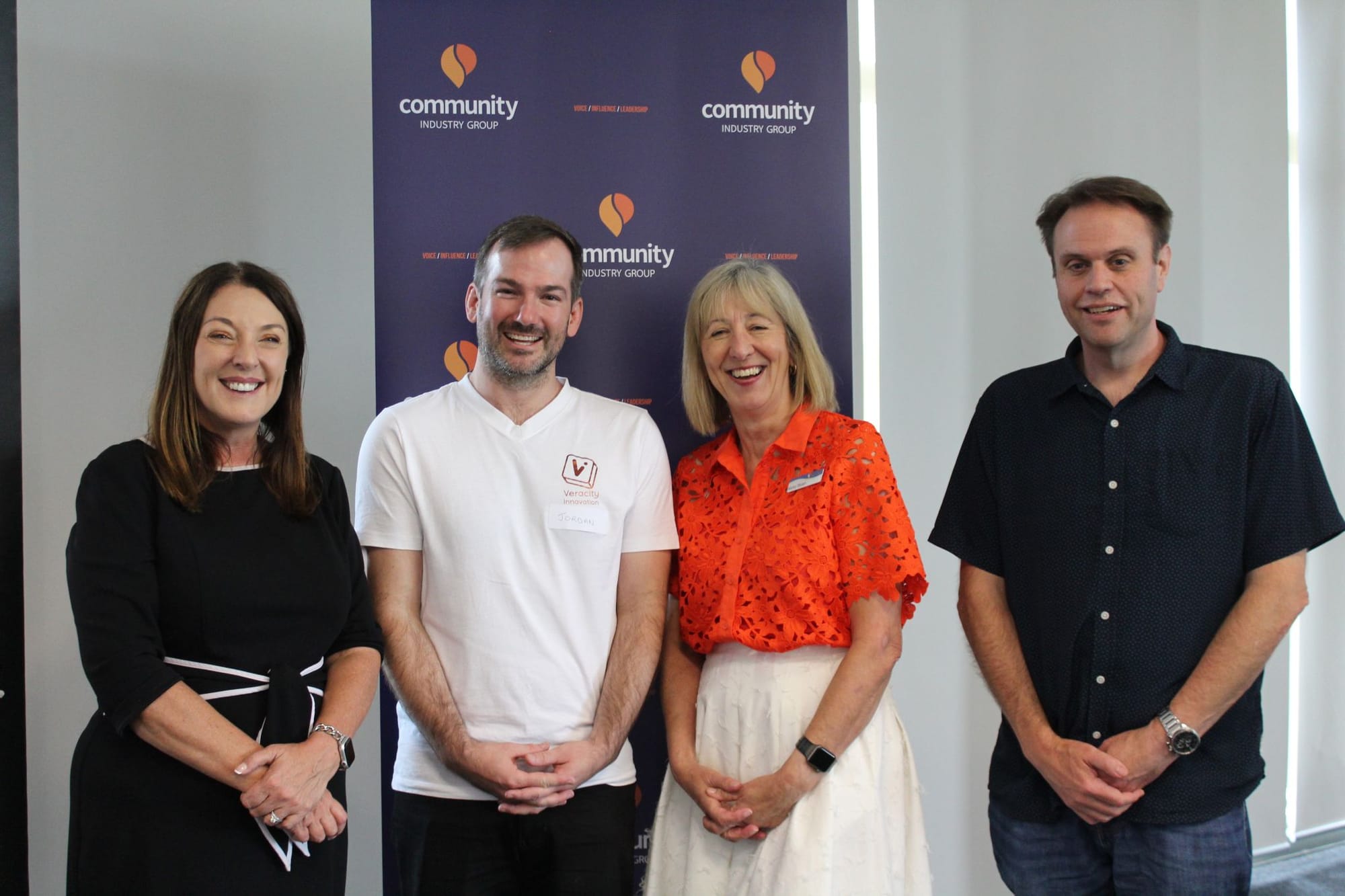
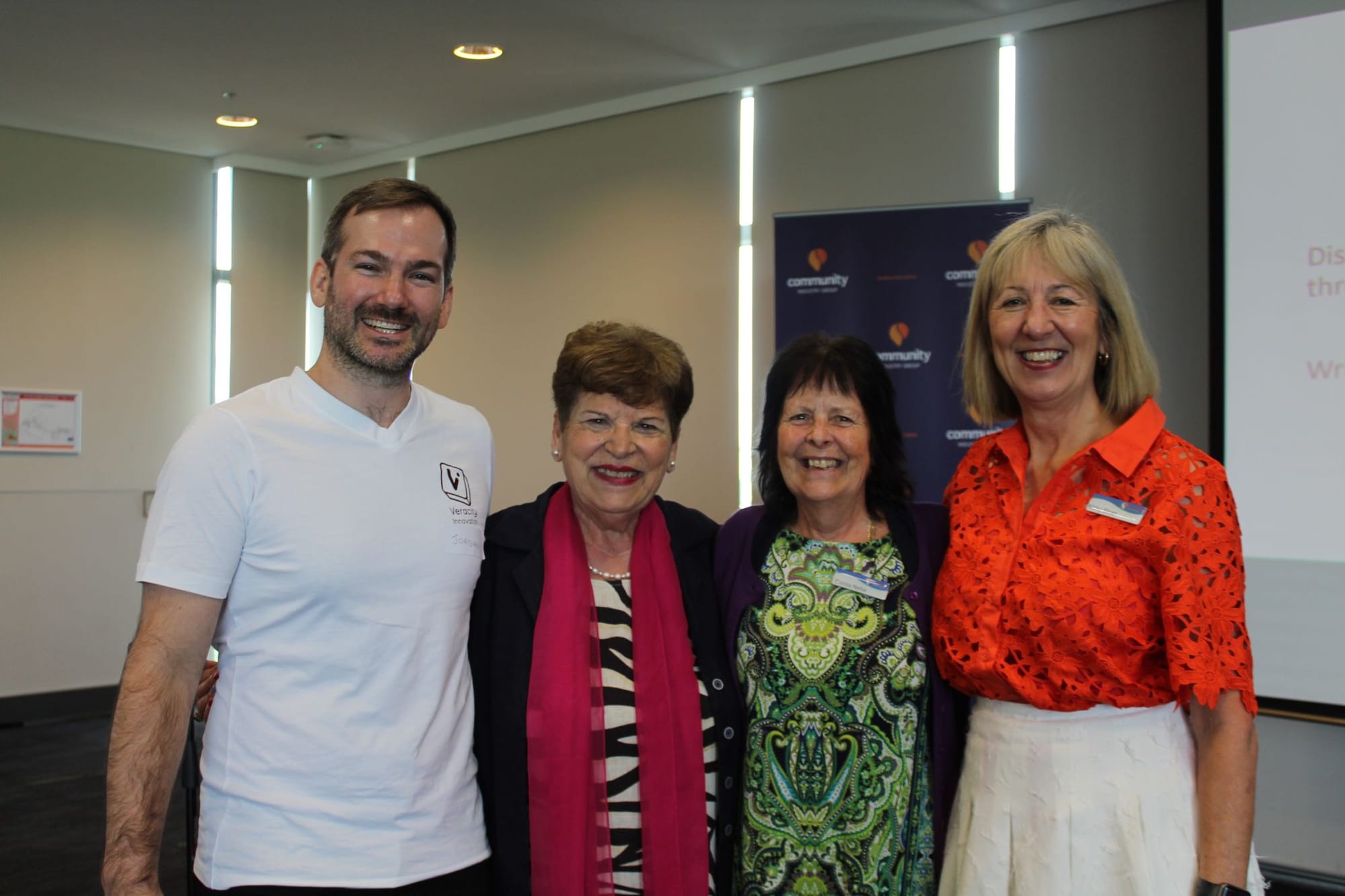
Representatives from 45 organisations gathered to hear from (left to right) Veracity Innovation's Jordan Campbell, the Australia Institute's Matt Grudnoff and CI Group CEO Nicky Sloan.
To hear Matt’s talk, recorded as an episode of Community Matters podcast, CI Group CEO Nicky Sloan invited leaders including social justice stalwart Dr Aunty Barbara Nicholson, who served many years on the Aboriginal Deaths in Custody Watch Committee and now publishes the Dreaming Inside books by prison inmates. She was also Wollongong Citizen of the Year in 2024.
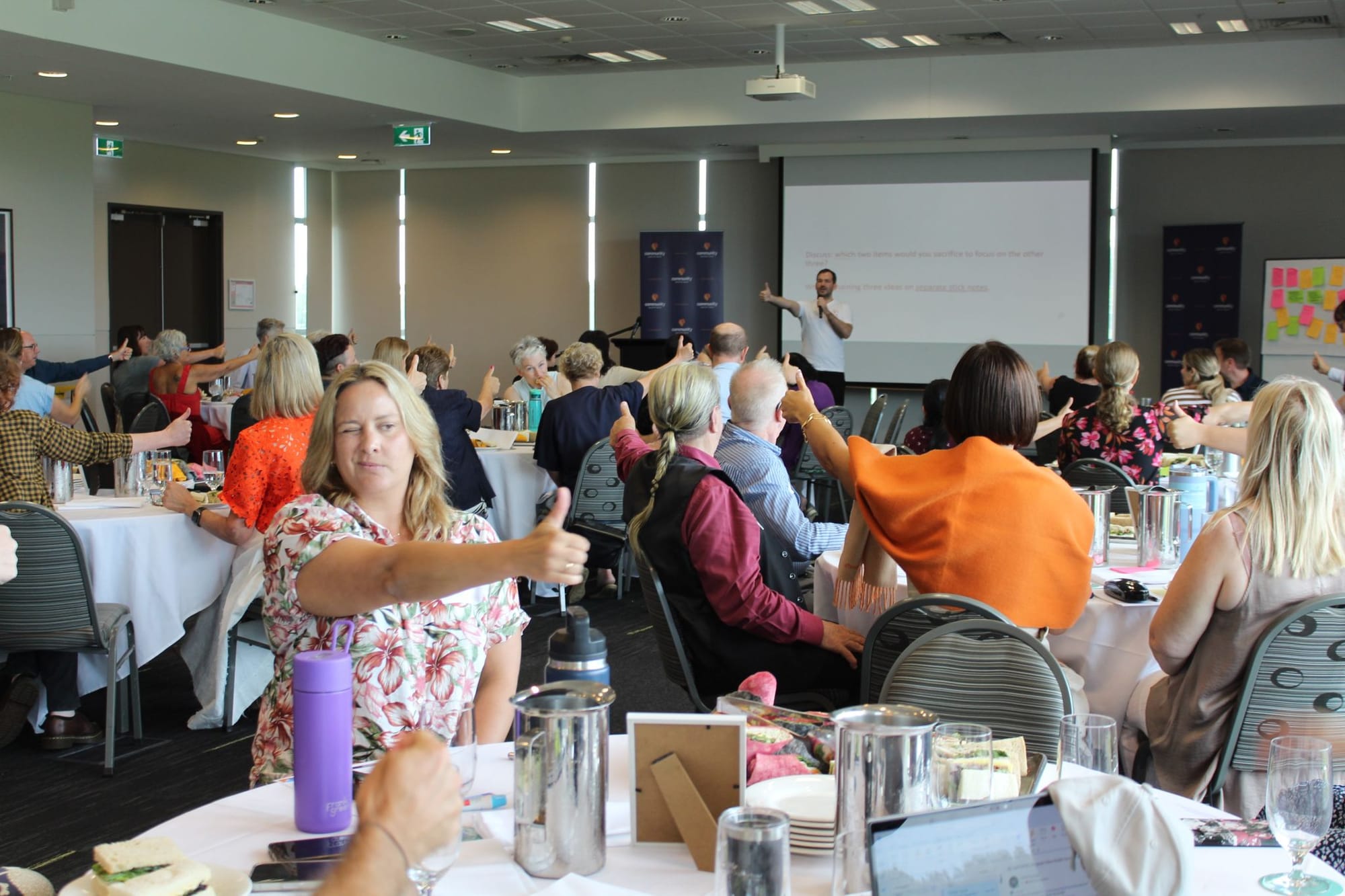
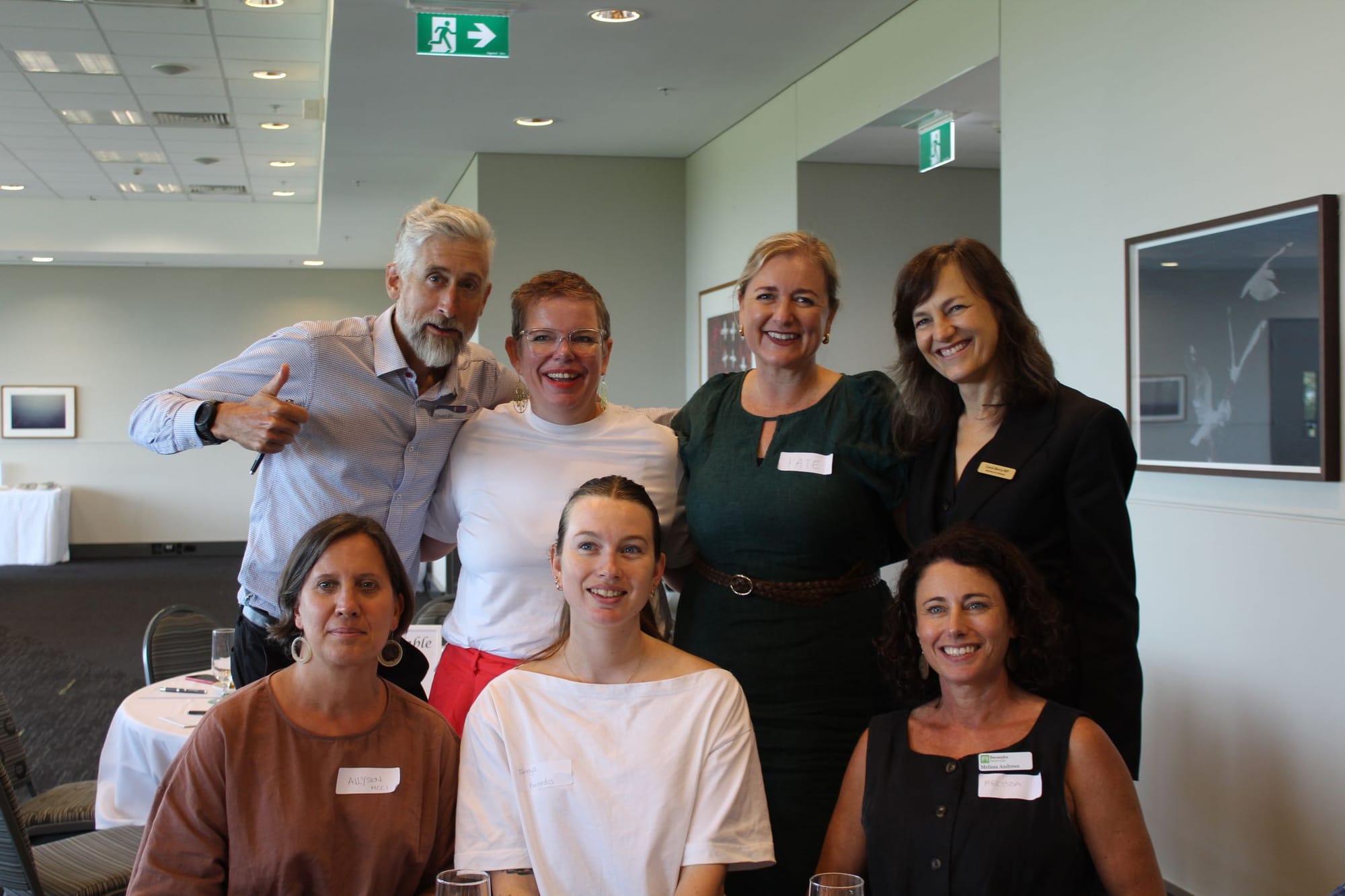
All three Greens city councillors, Jess Whittaker, Deidre Stuart and Kit Docker, attended, as well as two federal Labor MPs: Whitlam's Carol Berry, who took a front-row seat, and Cunningham's Alison Byrnes, who attended the second half, a brainstorming session with suggestions for a fairer country ranging from a universal basic income to a school breakfast program.
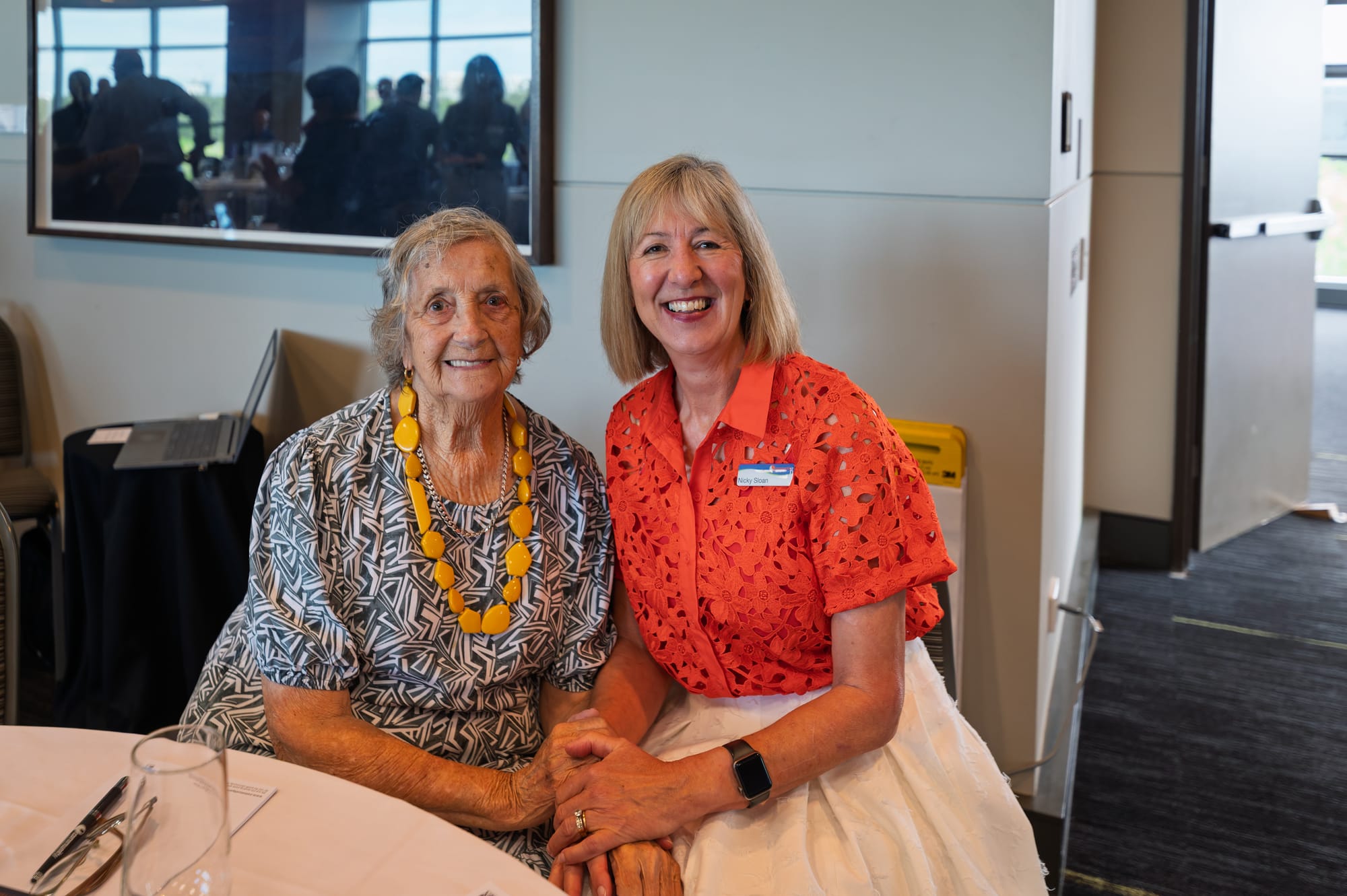
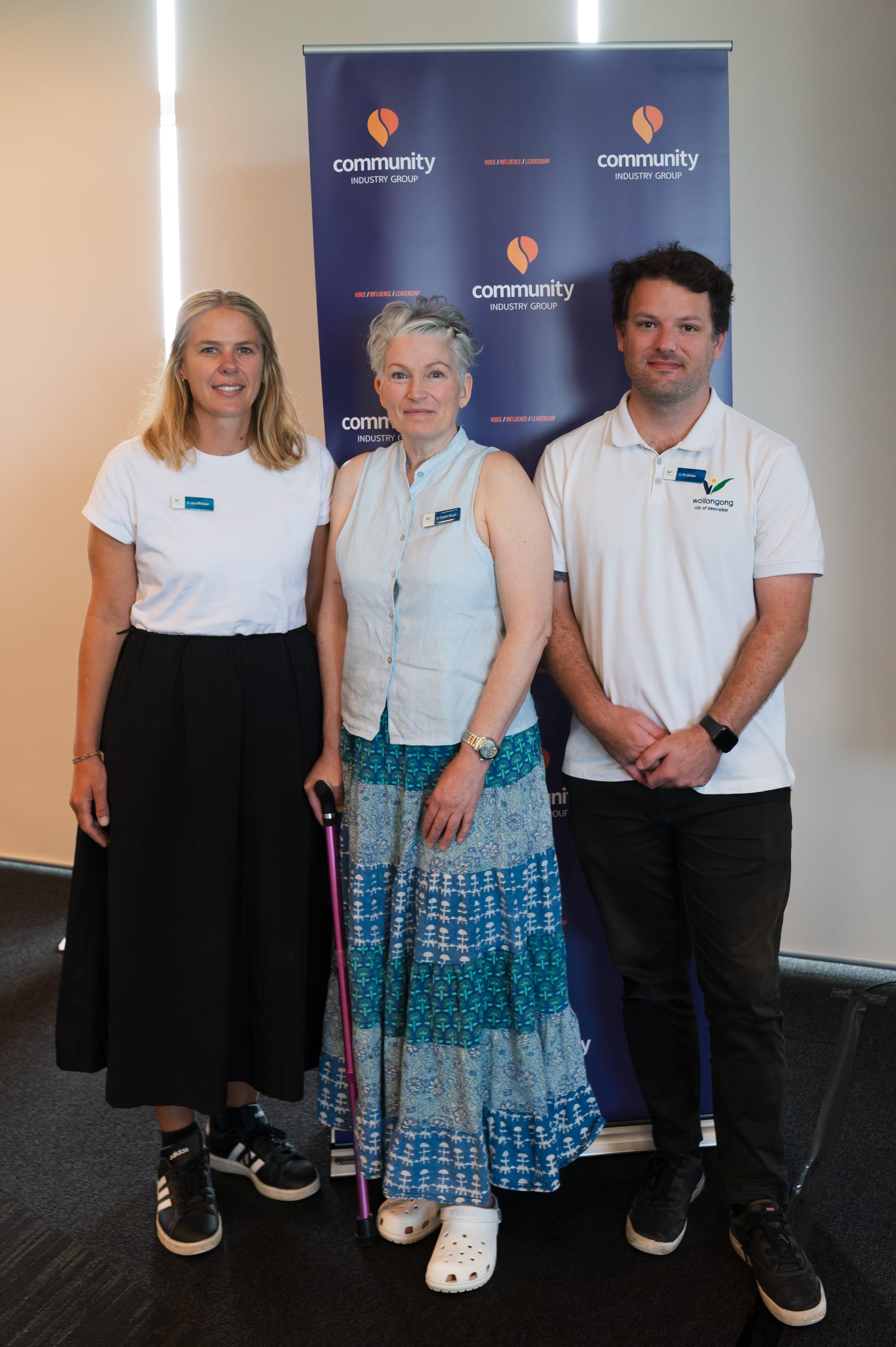
Dr Aunty Barbara Nicholson (left) and CI Group CEO Nicky Sloan; Wollongong City Councillors Jess Whittaker, Deidre Stuart and Kit Docker.
“The community sector is such an important sector – it's on the front line,” Matt said afterwards.
“Everybody's always talking about the cost of living crisis. We're talking about how people are struggling, and it's true – and the community sector is the sector that does more than any other to help people who are currently in crisis.
“Politicians like to talk about how it’s important, they feel people's pain – and I'm here to try and get the sector more funding to do more of the great work that they do.”
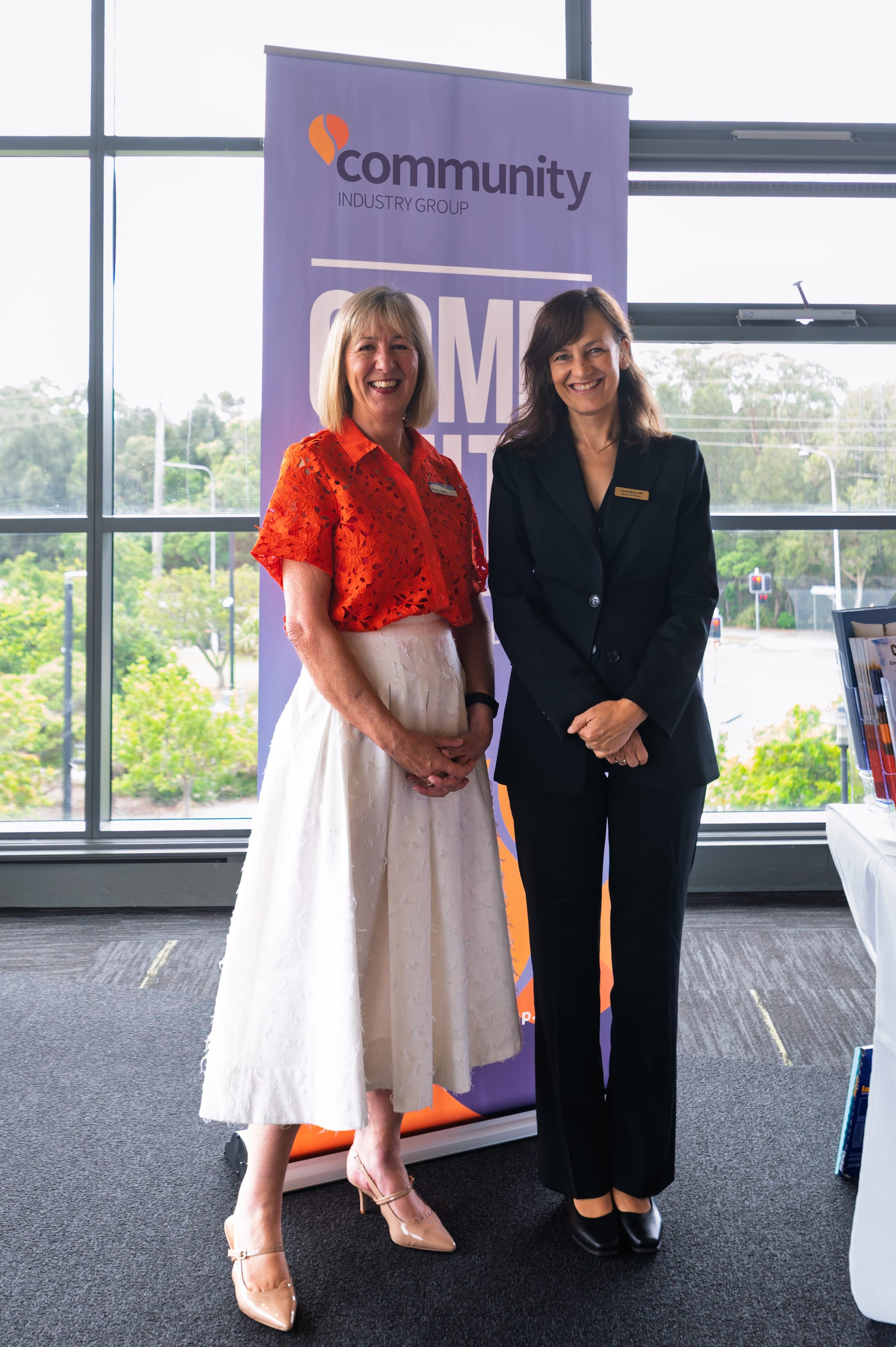
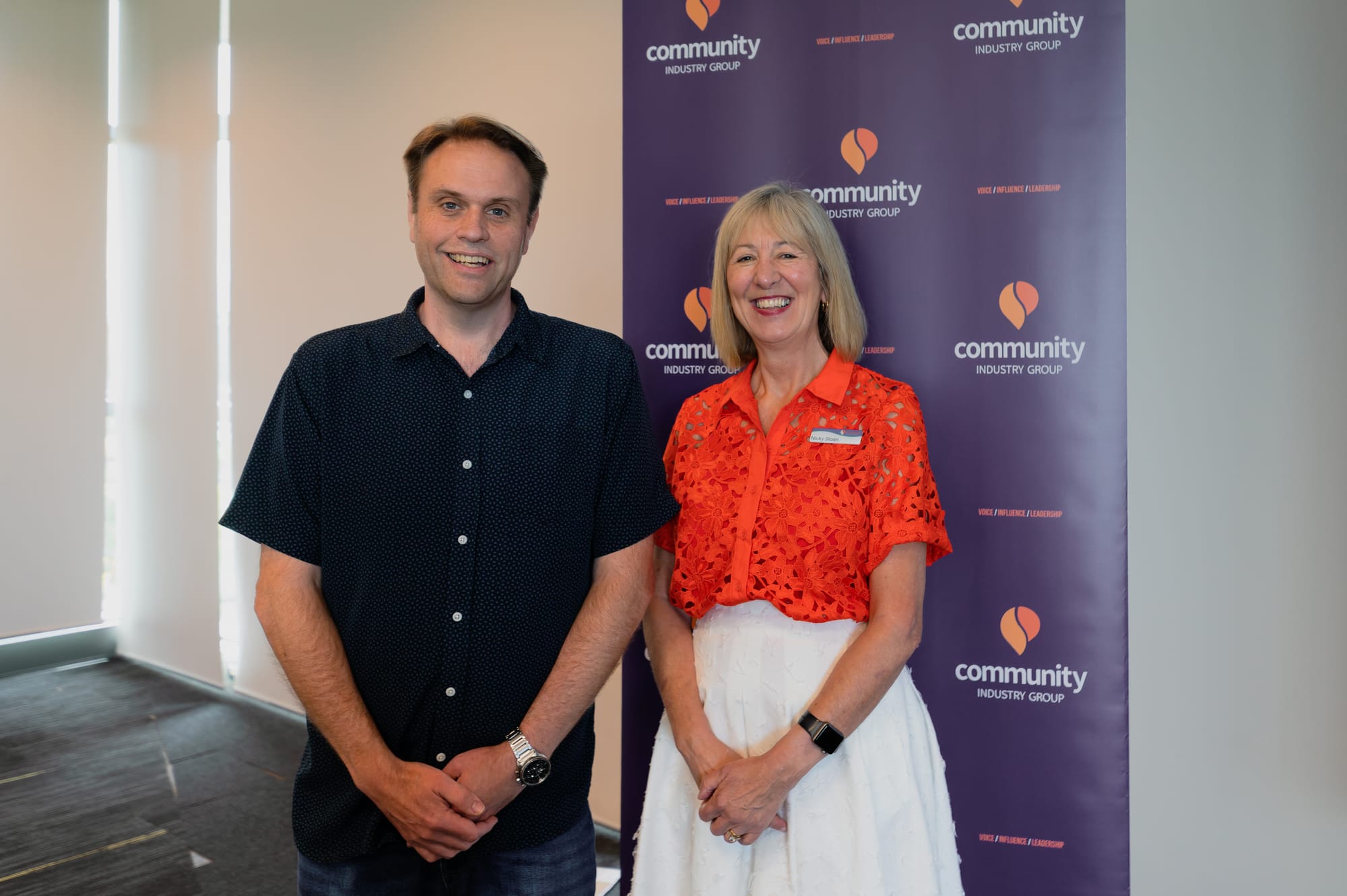
CI Group CEO Nicky Sloan and Whitlam MP Carol Berry.
Carol Berry told the Illawarra Flame she found the data on uneven wealth distribution “stark” but motivational. “How do we continue to make Australia fairer? I think these are the debates we need to be having,” she said.
“Fundamentally, we're a country that believes in fairness and believes in social justice, and that's not a static conversation. That's one that needs to continue to evolve… How can we continue to think about revenue and think about the distribution of taxation revenue in order to ensure that everybody benefits?”
Asked if she supported more tax for the super-rich, the Whitlam MP said: “Yes. I think that we need to continue to think about [it] – and the Labor government's very committed to this as well, our most recent superannuation changes reflect that. It’s important that we think about the distribution of income, so that everybody can participate in our economy and our society. Part of that is to have progressive taxation policies, which successive Labor governments have always had.”
Carol, who prior to winning the seat of Whitlam in 2025 was CEO of the Disability Trust, encouraged everyone who attended the workshop to contact her if they needed help. “I'm absolutely passionate about social justice, so it's one of the things which really motivates me. It's one of the reasons I put myself forward to be in parliament.”
Cunningham MP Alison Byrnes congratulated CI Group for bringing together such “passionate advocates”.
"It was really fascinating to hear their ideas around how we can better support vulnerable people,” she said.
"Their thoughts around improving social cohesion were also incredibly timely given the difficulties being experienced around the world, and I really want to thank everyone who participated in making this such a valuable day, particularly the young people who gave such engaging input."
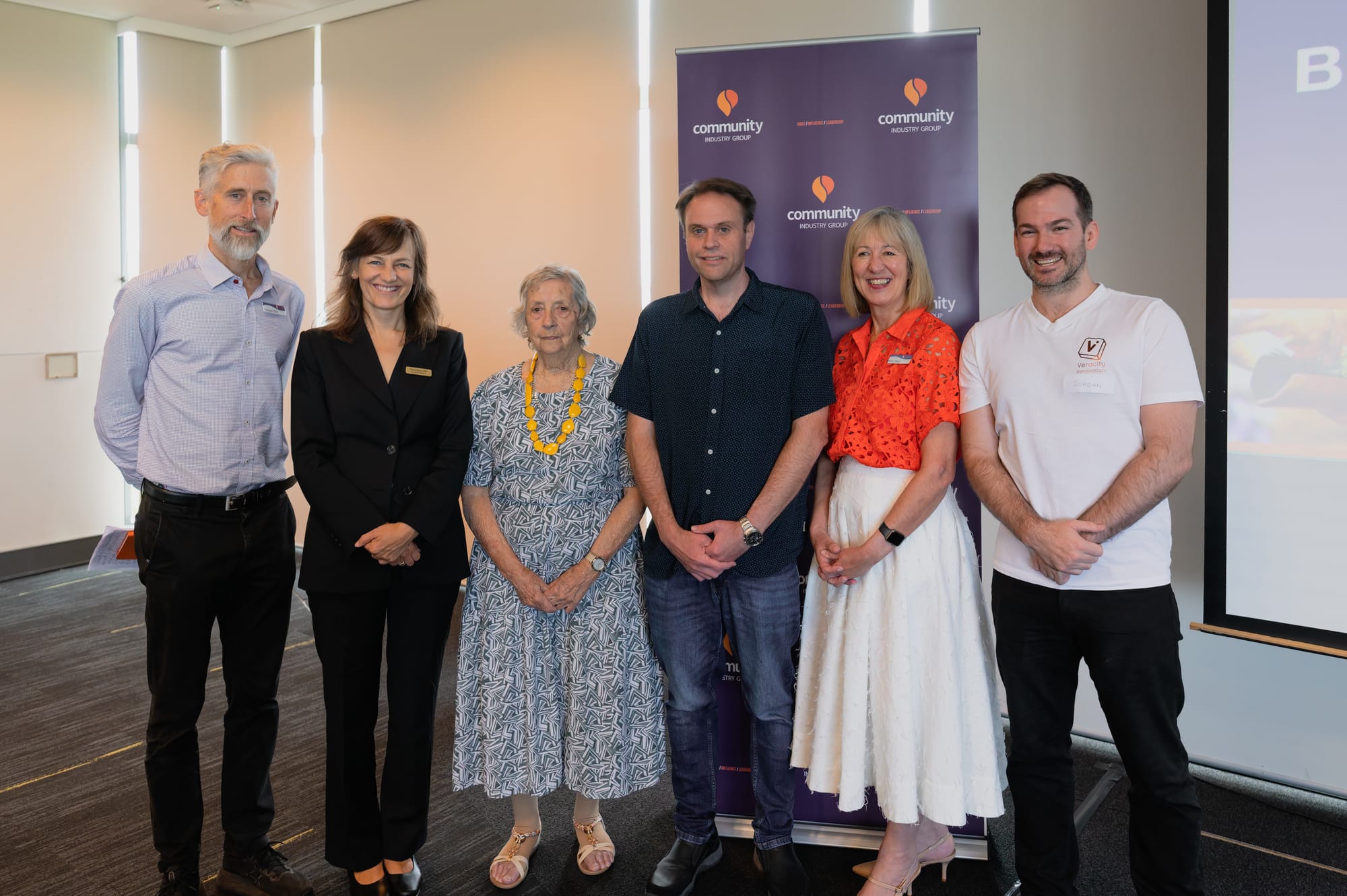
From left: Ed Birt, Carol Berry, Dr Aunty Barb Nicholson, Matt Grudnoff, Nicky Sloan and Jordan Campbell
Matt Grudnoff encouraged those wanting to drive change to contact their local member. “Politicians respond to the public … that’s how democracy works,” he said.
The Fairer Australia presentation followed a week of public outrage after a Sky News interview in which One Nation leader Pauline Hanson made comments about Muslims that were later censured by the Senate as “inflammatory and divisive”.
Polls show support for One Nation is rising.
In addition to looking to the US, Matt told the Flame the United Kingdom was an example of how economic decisions – such as the UK's post-GFC “austerity measures” and Brexit, “cutting off its closest, huge trading partner” – can drive populism.
In Australia, he sees warning signs in the housing affordability crisis and price-gouging by big business such as supermarkets. “The benefits of the economy growing are going to a smaller and smaller group,” he said.
“Inequality drives the cost of living crisis, and if we don't do anything about inequality, we will just drive that cost of living crisis, and it'll become even worse.”
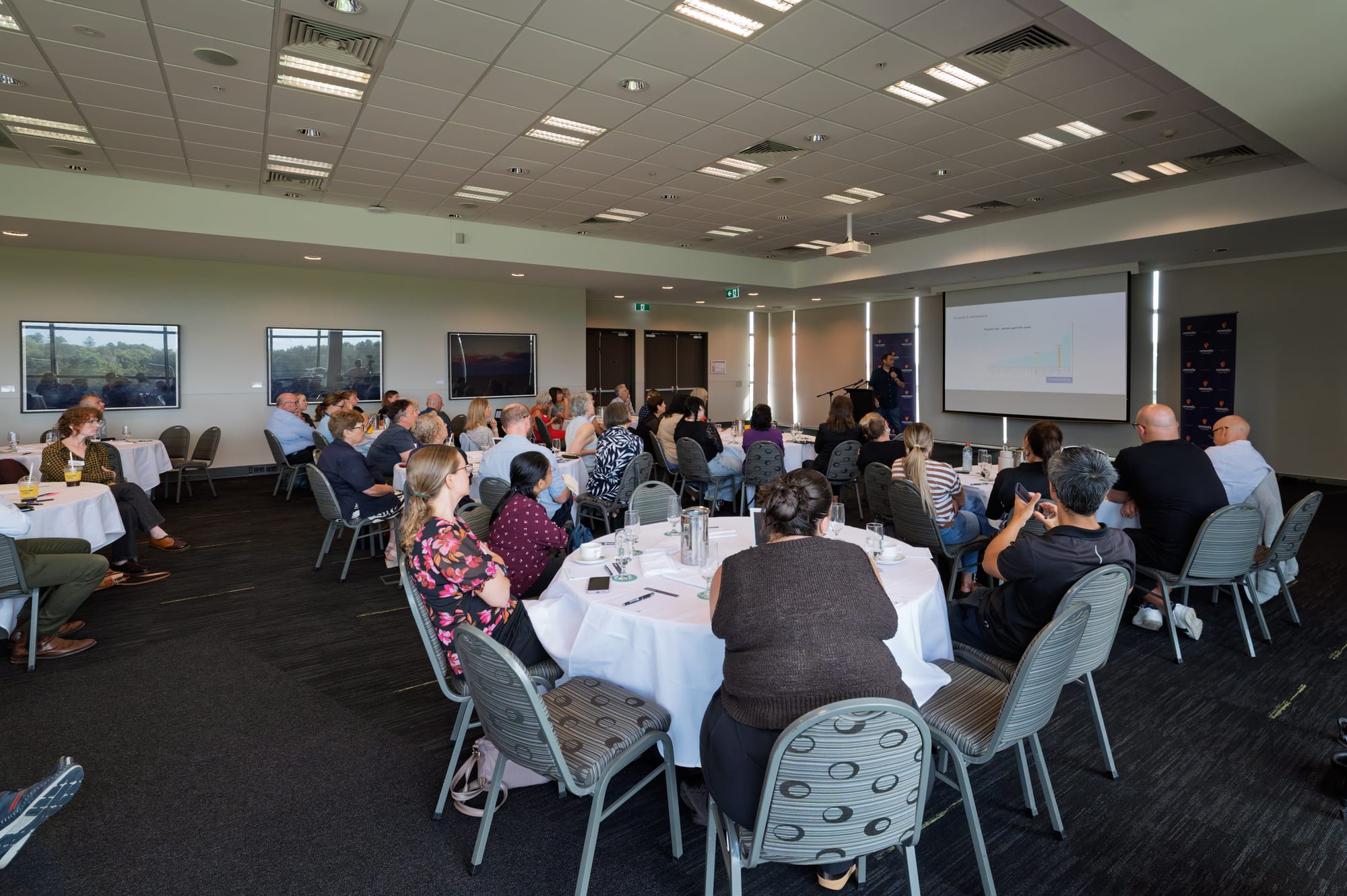
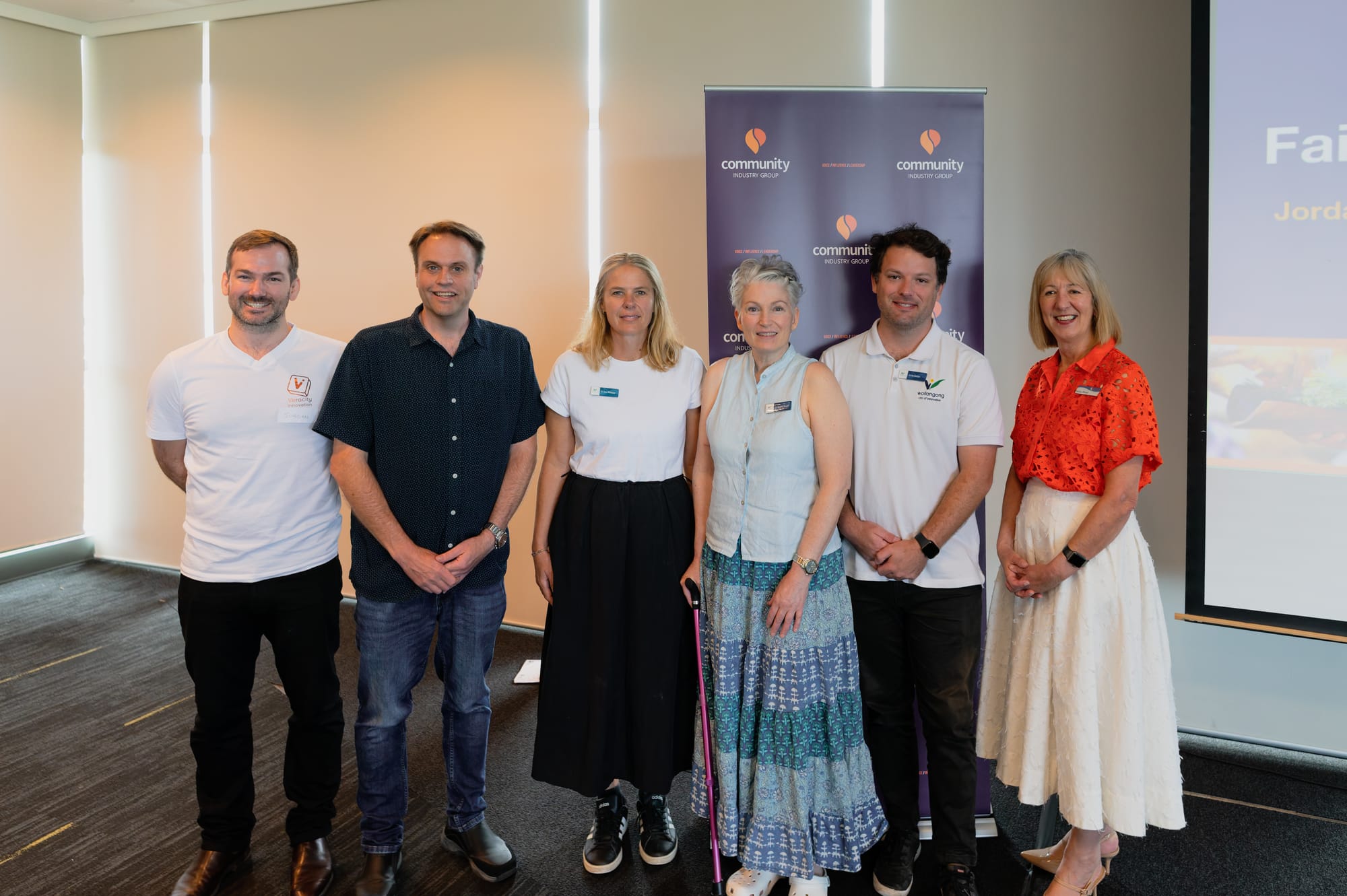
Photos: CI Group and Tyneesha Williams


