

From Malta to Wollongong: a celebration 75 years in the making
Diaspora of the Mediterranean islands gathered to acknowledge the achievements of their community pioneers

While Australians debate whether the nation should be monocultural or multicultural, the region’s proud Maltese migrant community continues to do what it's always done: rejoicing in Australian life while continuing to share and celebrate the traditions of their country of birth.
It was exactly 75 years ago, in the winter of 1951, that the first group of post-war Maltese migrants arrived in the Illawarra region, to put down new roots and make a new start.
Back then, labels such as multiculturalism were decades away. For this first batch of Maltese migrant pioneers, labels didn’t matter. They were just excited to be welcomed (in the most part) to a place very different to the islands they’d left behind, and alongside them many others who’d made the same journey.
Sadly, almost all of those first Maltese migrants are gone but their stories and memories live on.
On June 27, nearly 450 people packed the Fraternity Club at Fairy Meadow to celebrate the 75th anniversary of the arrival of Maltese people and culture in these parts.
Remembering trailblazers
There were memories of the earliest trailblazers Lorry Pavia, John Mallia, Joe Cassar, Joe Margo, and so many others who decided very early on their arrival in the Illawarra to create a Maltese club and community centre.
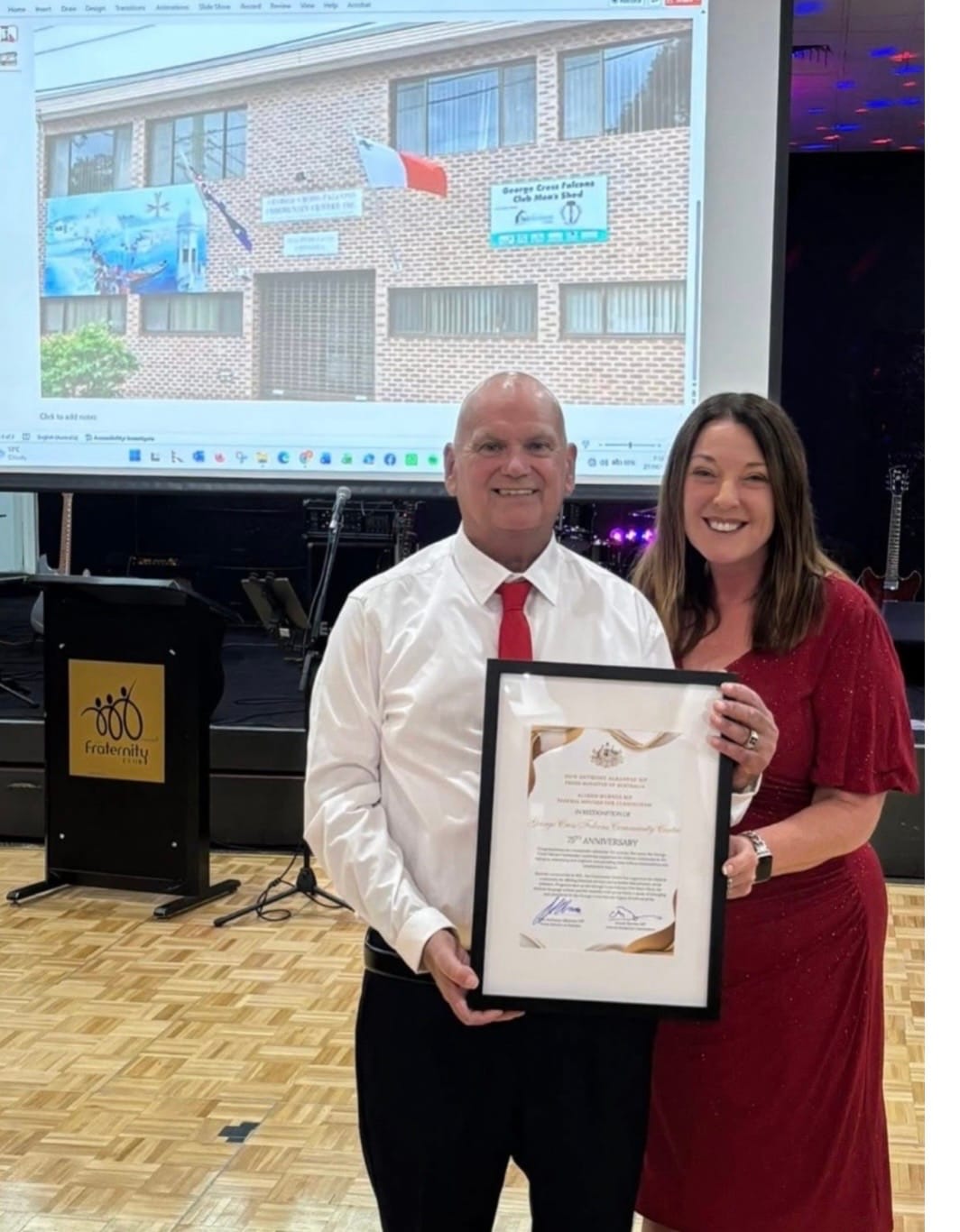
Louis Parnis, president of the George Cross Falcons Community Centre, picks up the story.
“On the 10th of June 1951, a group of Maltese who’d recently arrived in Cringila found themselves missing their families and activities they were accustomed to, like church feasts and other celebrations.”
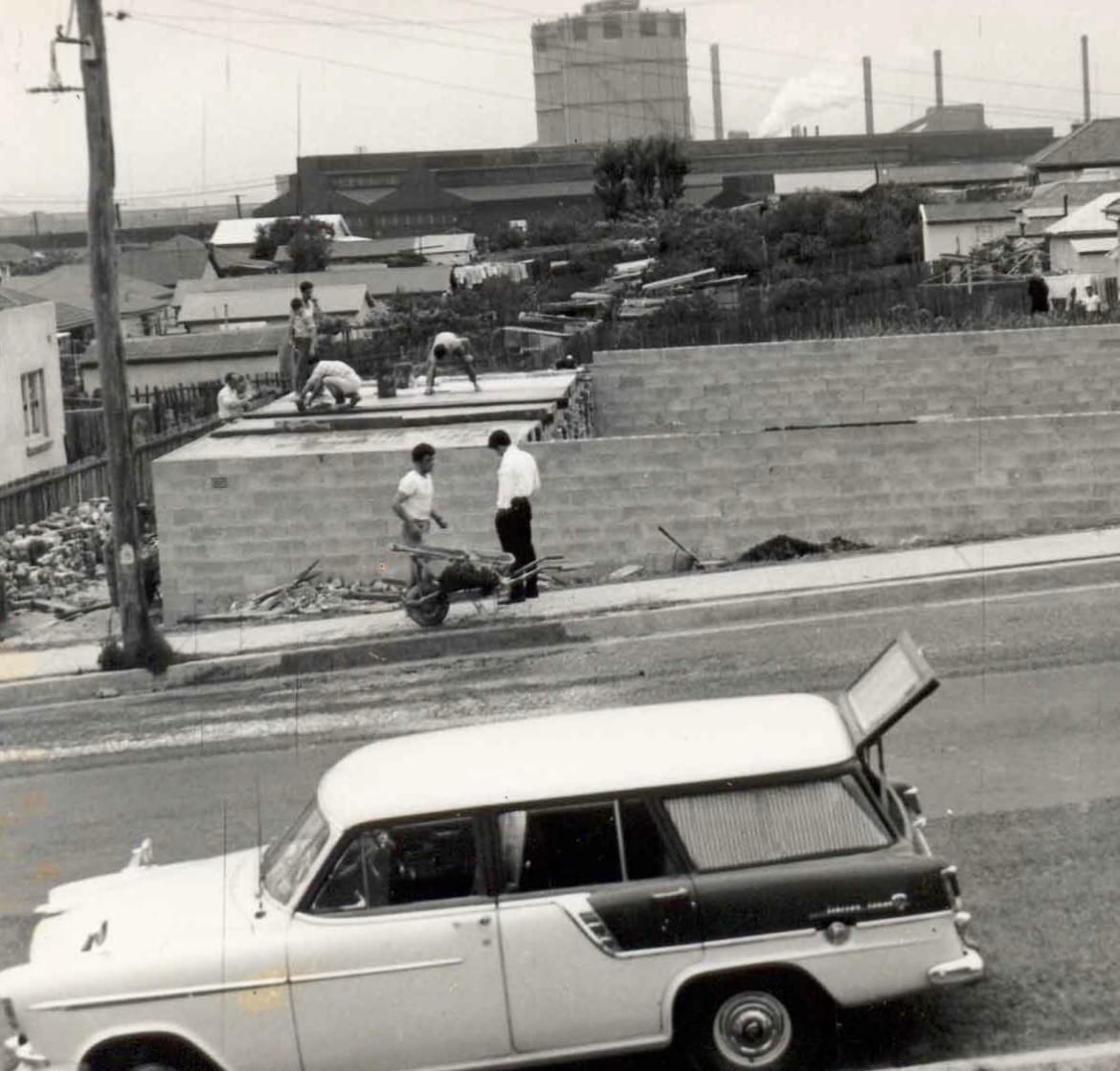
Louis said the George Cross Association was quickly created. A small committee meeting was held in a tin shed scout hall across the road from where the club now stands in Lake Avenue, and one of the first decisions was that each club member would pay a small weekly fee (the equivalent of about 10 cents) to create a building fund.
Regular dances and film screenings boosted fundraising efforts, and in 1953, two blocks of land were purchased for 200 pounds each, and in the years that followed, the club rooms were built almost entirely by volunteers, buying one cement bag at a time as money came in. Word has it that the only paid worker was a Hungarian electrician.
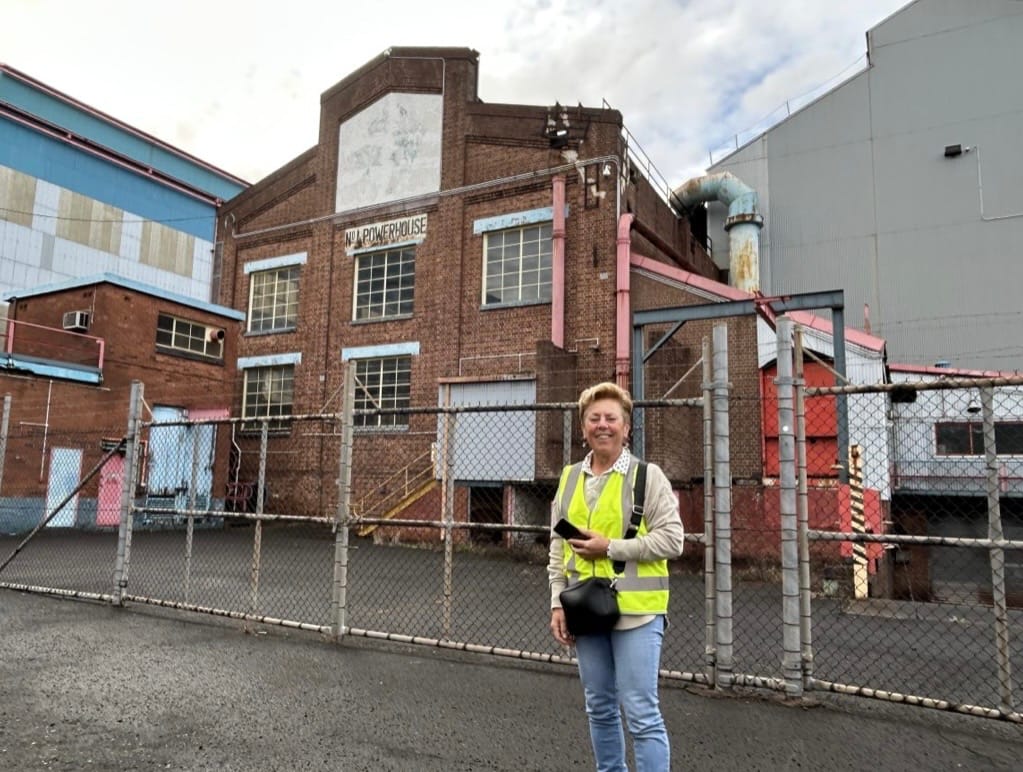
Franca Facci, who heads the Migrant Heritage Project, says the story of Wollongong's Maltese migrants deserves to be told alongside those from Britain, Italy, Germany, Holland, Poland, Greece, Spain, and every other nationality which has sought out “a better life” in the Illawarra. Her vision, and that of her team, is to create a museum of people, country and industry on vacant BlueScope land at Port Kembla.
Franca said Wollongong’s Maltese migration story was no different to so many others. “Their club was a welcoming place to gather with other Maltese people, a place to find consolation, to talk about the home country, to share new experiences, and help each other out. It was also a place where you could find familiar food, hear music, dance and play bocce, and where someone might be able to help you find work and learn English.”
Welcoming newcomers
Maltese migrants who settled in Wollongong and could speak English would go to Sydney Harbour to welcome the new arrivals when their ships docked at Circular Quay. They’d bring them direct to Port Kembla to find them accommodation and employment, mainly at the steelworks.
This "welcome service" was offered to all Maltese newcomers, and without fail, every new arrival was signed up as a new member of the George Cross Association.
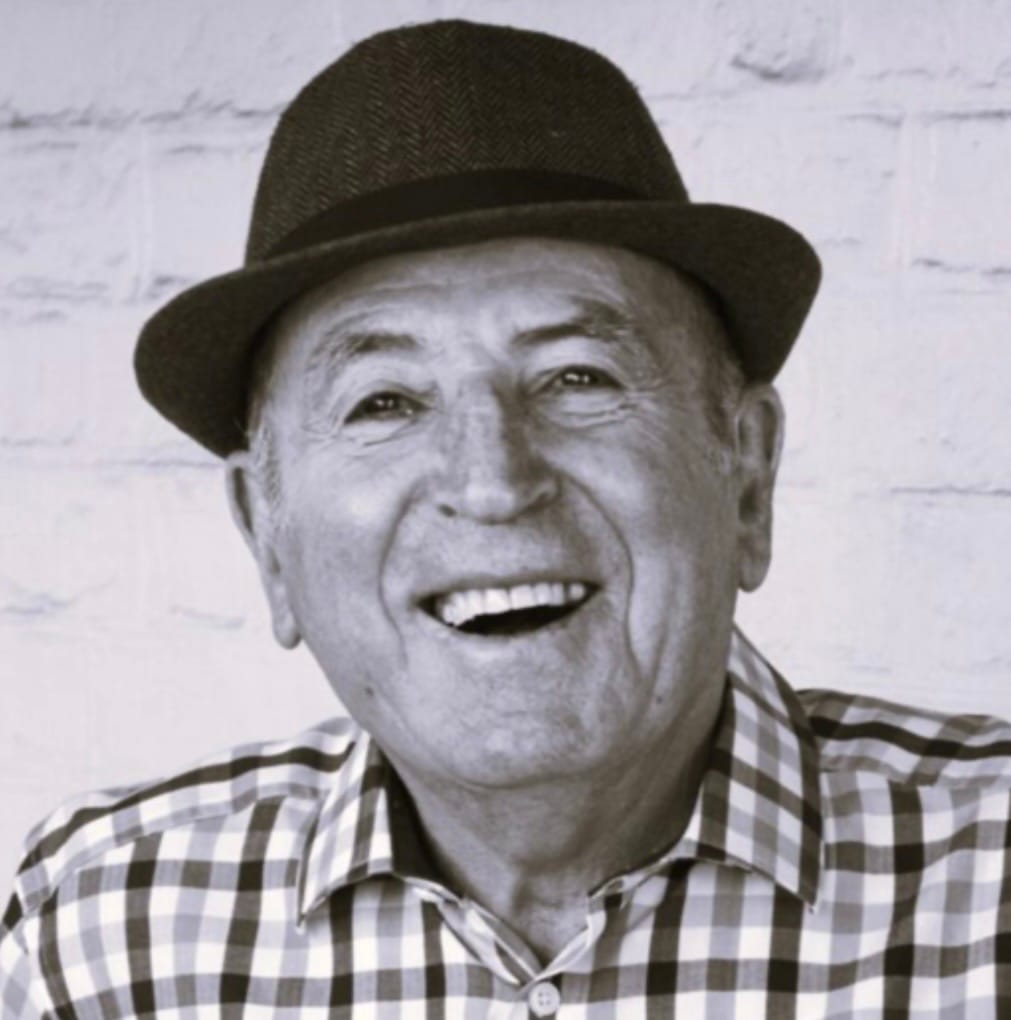
Among the second wave of Maltese migrants was the late George Bartolo OAM, who arrived in Wollongong in 1959 seeking a two-year adventure. Even before setting foot in Australia, he was already helping migrants as an interpreter on the voyage.
Most people who packed the ballroom at the Frat for the 75th celebration knew George, or were well aware of his remarkable contribution as a member of the George Cross Club. He volunteered as a translator for newcomers, helped secure funding for the club building and organised the club’s first soccer team.
In 1966, he was elected president, and from 1962 until its last publication in 2013, George was Wollongong’s representative on the Maltese Herald, a national weekly publication.
George’s influence was everywhere. He was a foundation member of the Maltese Community Council of NSW, represented the local Maltese community on the Good Neighbour Community Project and organised the inaugural migrant section of the annual Wollongong Show.
He was also a founding member of the Illawarra Ethnic Communities Council, later to become the Multicultural Community Council of Illawarra. George received many awards, including an Order of Australia Medal in 2018. He died in March 2025 but his memory lives on.
Awards aplenty
Multiple awards were presented at the recent 75th anniversary celebrations – five in total.
The most prestigious, a congratulatory message from Prime Minister Anthony Albanese, was presented to Louis Parnis by Member for Cunningham Alison Byrnes.
The PM’s message read: “Congratulations on a remarkable milestone. For 75 years, the George Cross Falcons Community Centre has supported the Maltese community in the Illawarra, welcoming new migrants and providing them with accommodation and employment support. The community centre has supported the Maltese community by offering essential services and activities that promote social cohesion. Programs such as the George Cross Falcons Club Men’s Shed, the Maltese language school, and the monthly craft group foster a sense of belonging and contribute to the George Cross Falcons’ legacy of cultural pride.”
Alison Byrnes MP added her congratulations to Louis, Elizabeth and their team of volunteers, praising the organisers of “one of my favourite performances - the father and son Elvis tribute show duo Paul and Anthony Fenech.”
“In 2025, Louis organised Wollongong’s first regatta where we cheered the participants on with ic-cuqlatja made by the Men’s Shed. The regatta is happening again in 2026, on the 20th of September at Wollongong Harbour,” Alison said.
In accepting the awards, Louis said they were only to be seen "as good, if we continue to do the good work we’ve started”.
Ensuring the younger generation stay connected to the organisation, the president of 21 years has introduced a 3D printing room, sponsored by Community Bank Wollongong Bendigo, “making sure our young generation get the opportunity to learn new skills”.
Louis also encouraged members of the public to visit the Museum of Art in Cringila and to pay their respects at the Shrine of Remembrance, a monument built to remember the Maltese soldiers who fought together with the Australian Army during World War I.
The early challenges
Through the Migrant Heritage Project, which captures thousands of stories from the region’s multicultural past, Franca Facci recounts some of the many challenges which faced the region’s new arrivals.
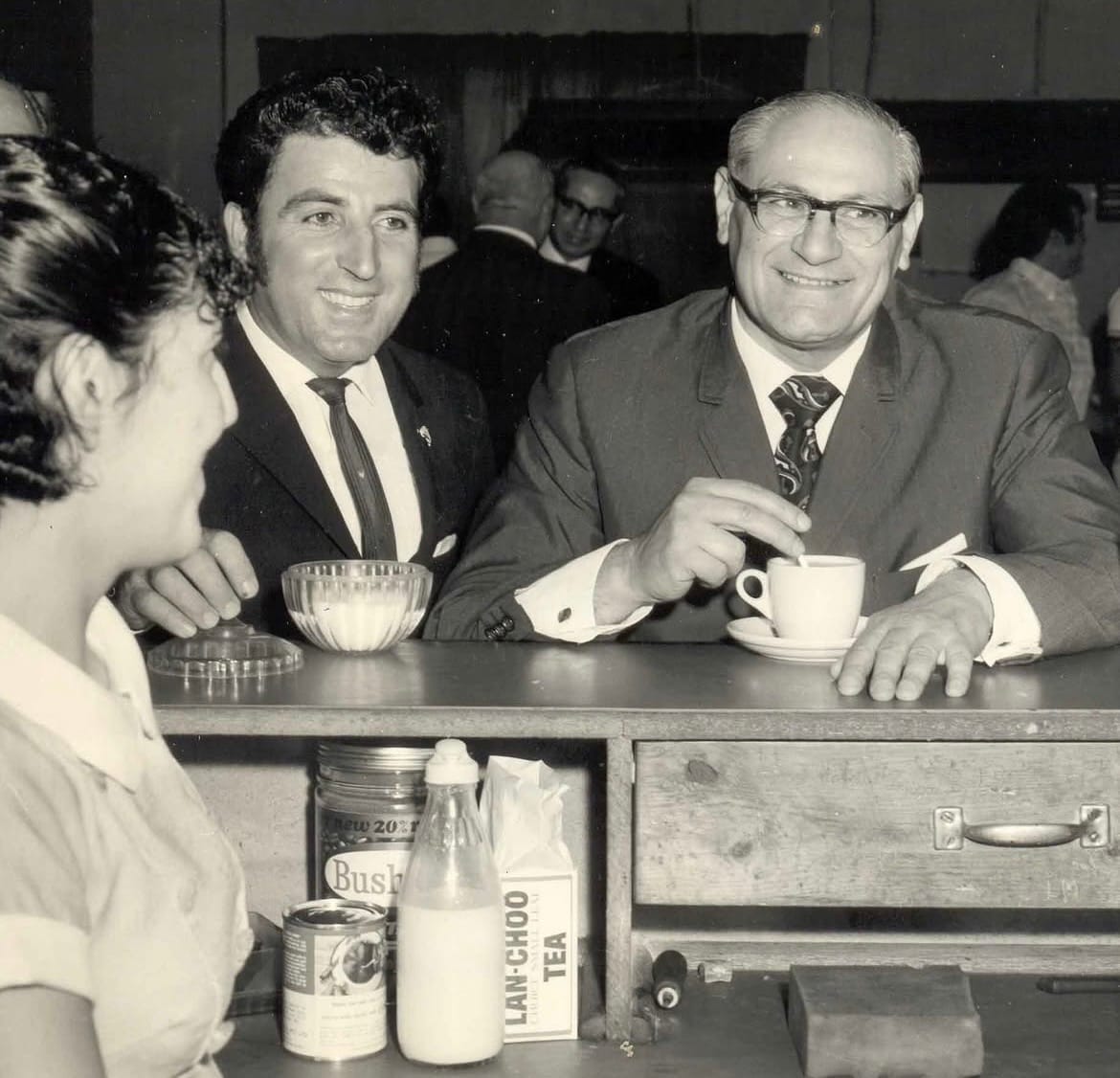
“We don’t need reminding that in the 1950s and beyond, racism and discrimination was quite visible, and many Australian clubs and venues rejected new migrants,” Franca said.
“RSLs explicitly excluded anyone who was non-British. Doormen and bouncers often prohibited southern European and Asian migrants from entry on arbitrary grounds 'just to keep the peace', and there was a great deal of pressure to force many migrants to abandon their languages and culture, openly criticising people for speaking their own language.
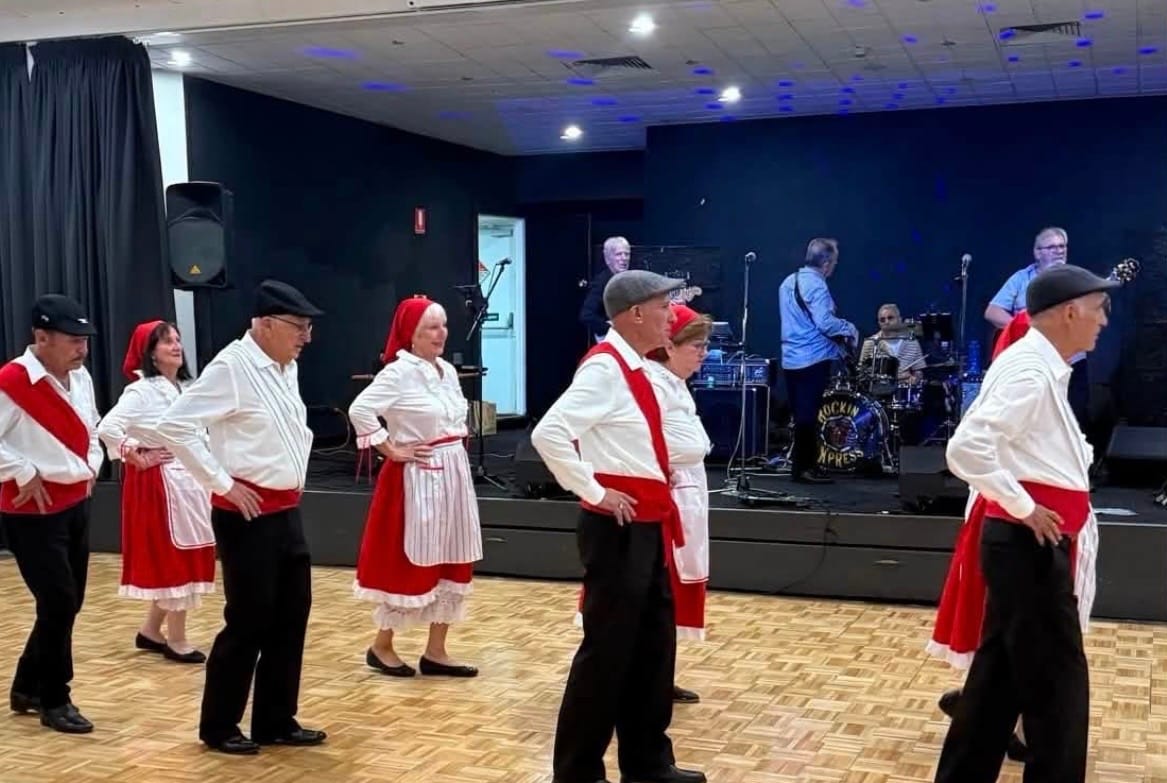
Feeling that sense of exclusion, many migrant communities felt the need to gather together, creating clubs, associations and meeting places.
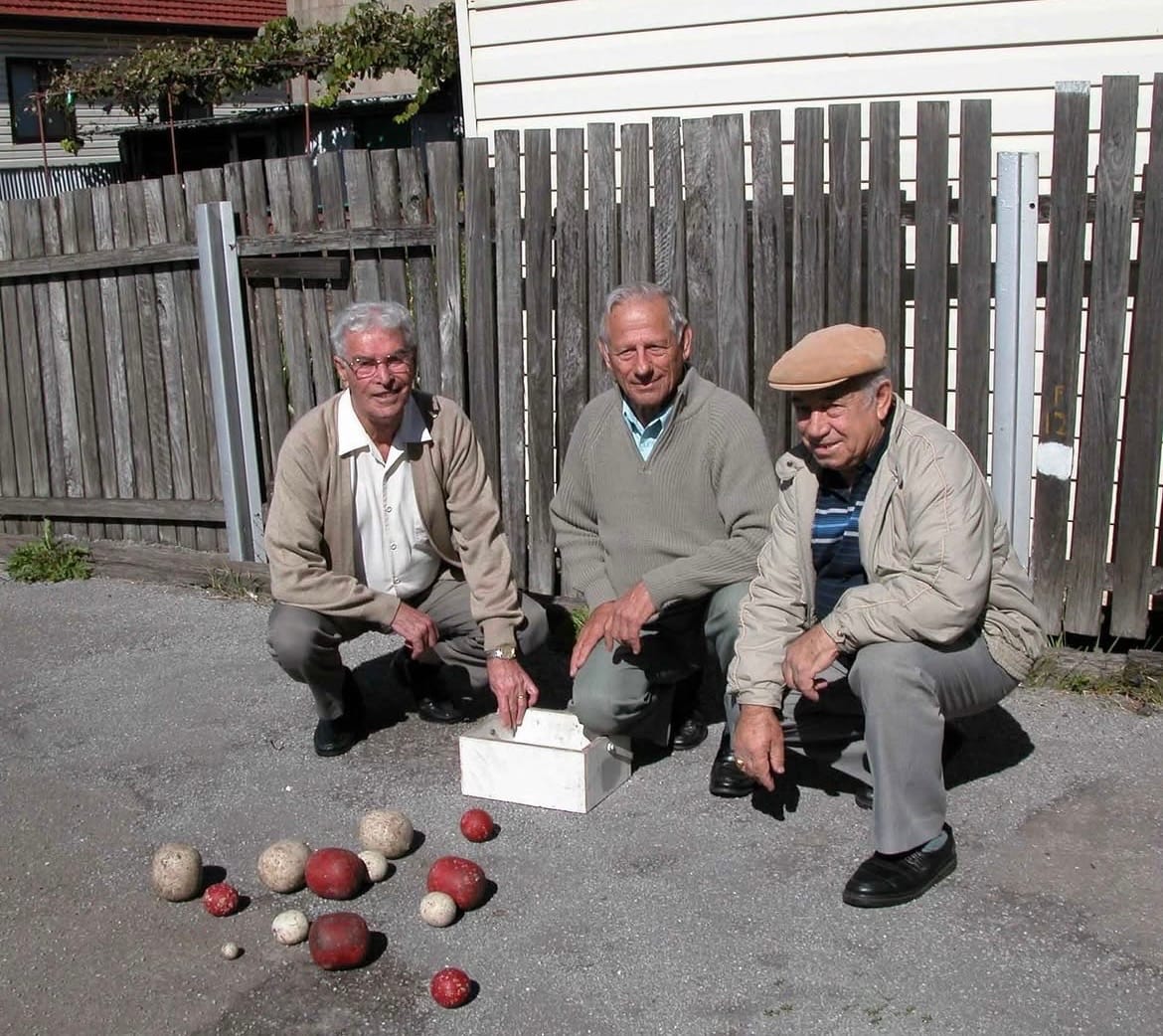
Standing proud
Franca says the local Maltese community can stand proud as a migrant group which has maintained tradition while embracing change and a new home.
“The club has morphed over time but it has always held its doors open for the broader community which has been its salvation. Now, many people living in Cringila and surrounds, from a range of different backgrounds, visit the club as their local venue.
“Their social clubs have served as life savers for many who in the early years were lonely and missed their homes and village. But they were never exclusive, and they have played an important role as places to experience other cultures, food and languages, as well as contributing greatly to the local economy.
“As the early migrant community has aged, many clubs now provide socialisation and meeting spaces for older people to reminisce and share stories while enjoying a meal. The Maltese George Cross Falcons Club and its members deserve to be congratulated for maintaining a community space that welcomes everyone, wholly managed by volunteers.”
Louis Parnis and his hard-working committee are always trying to refresh the activities available to their members.
“In September last year we introduced a popular regatta for boat racing on Wollongong Harbour in partnership with Wollongong Surf Life Saving Club,” Louis said.
“It was wonderful to see the harbour packed and full of activities. It was a great success.”
This year’s regatta, to celebrate Malta’s Independence Day, will be held at the harbour on September 20 from 9am. Racing will start at around 10.30am and everyone in the Illawarra is invited to attend.
This story is part of a series celebrating the many people who've contributed to our region. The Illawarra Flame is a proud media partner of The Migrant Heritage Project – find out more about their work at mhpillawarra.com.au


