

Gong's 'good people' raise $5k at UN lawyer's Gaza talk
Last night’s talk raised over $5000 for PANZMA and exposed the horrors of war by a UN Commissioner investigating it and a Sydney neurosurgeon who travelled to Gaza to help
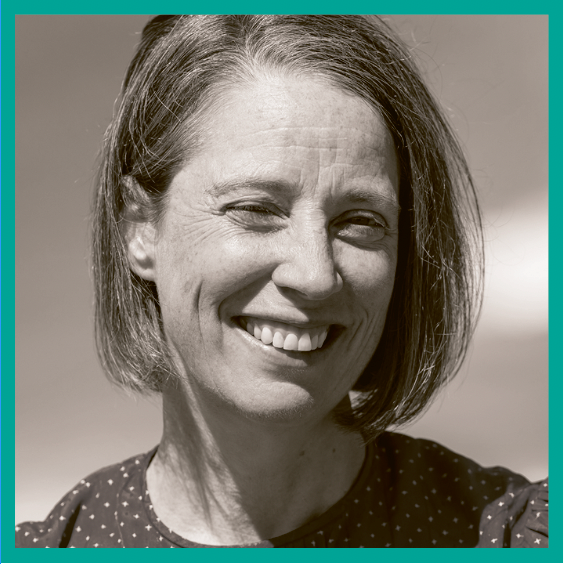
Wollongong has a history of standing up for injustice and United Nations Commissioner Chris Sidoti thinks that spirit is alive today.
“It continues to be a city in the Illawarra, a region with a proud tradition of social activism, and yes, the industrial scene has changed, and that means the trade union scene has changed. But people don't walk away from their history.”
Australia's leading human rights lawyer was in Wollongong last night for his third talk in two years. This time, he presented on the war in Gaza's terrible toll on children. Organised by the Association for the Promotion of International Law, “The Essence of Childhood Has Been Destroyed” event drew a crowd of 225 – including federal Labor MPs Alison Byrnes and Carol Berry – to the ballroom of Fairy Meadow’s Fraternity Club, while another 152 people watched on a livestream.
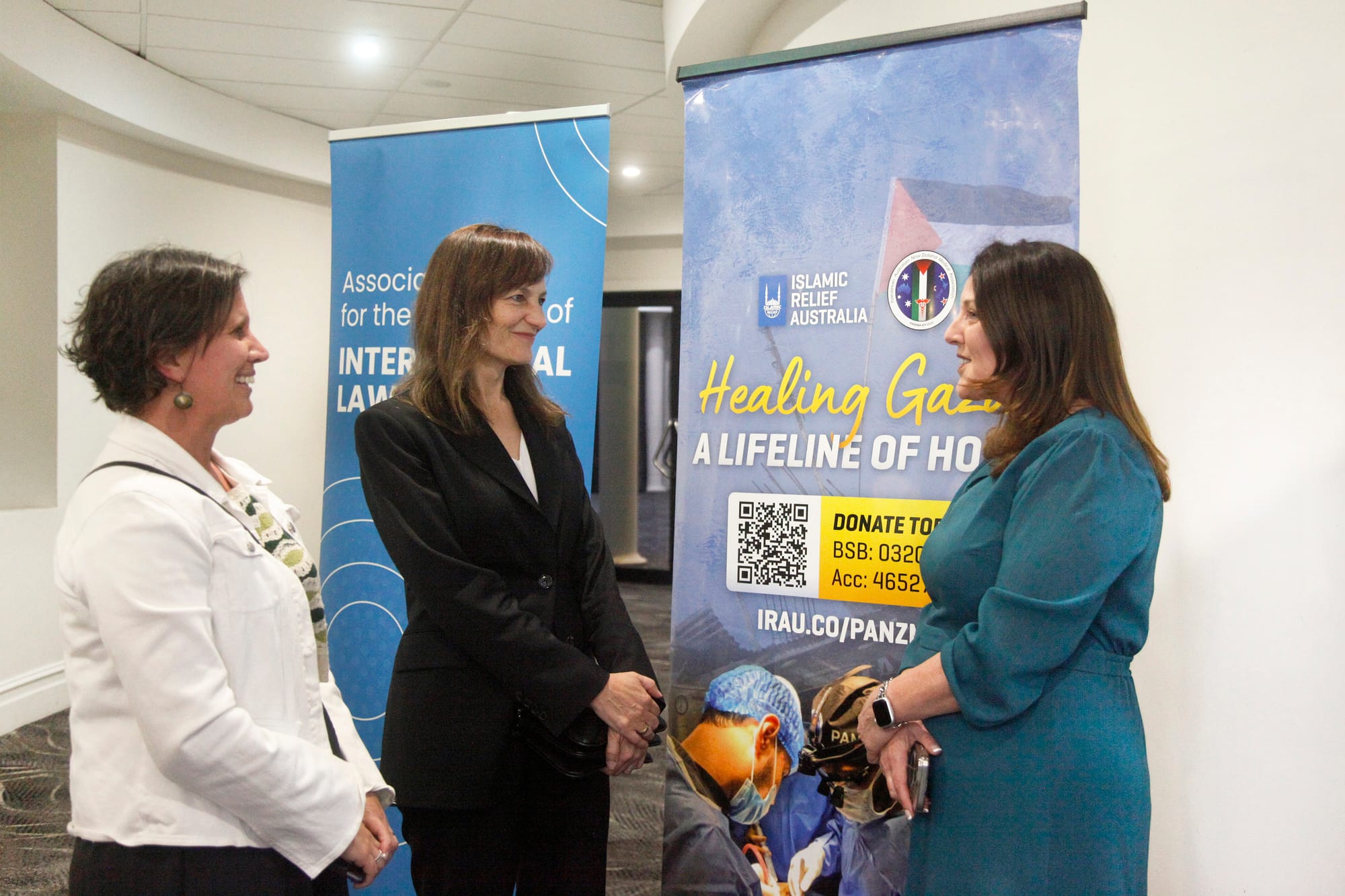
In an exclusive interview ahead of his talk, Chris told the Illawarra Flame he keeps coming back because of Wollongong's “good people”. These include South Coast Labour Council secretary Arthur Rorris and Sally Stevenson, a former citizen of the year who has led the Illawarra Women’s Health Centre Women’s Health, volunteered in Gaza with Médecins Sans Frontières and now advises the Palestinian Australian New Zealand Medical Association.
“They're the two individuals and groups that have been most actively engaged,” the UN commissioner said. “I try to go wherever I get invited is my approach.”
Chris serves on the Independent International Commission of Inquiry on the Occupied Palestinian Territory, including East Jerusalem, and Israel. His speech last night included statistics and human stories from their recent report The essence of childhood has been destroyed: Israel’s deliberate targeting of Palestinian children in the Occupied Palestinian Territory since 7 October 2023.
“In many respects, the fate of Palestinian children in Gaza has come to be personified in the story of Hind Rajab,” he told the audience.
In January 2024, Hind was the last survivor of an Israeli military attack on her family car. A Palestinian Red Crescent Society ambulance that tried to come to her aid was also attacked and two paramedics killed.
“This five-year-old girl, for several hours, slowly died without rescue,” Chris said.
“Forensic Architecture counted over 300 bullet holes in that family's car, fired at some stage during the course of that afternoon, and Hind died.
"Hind was one of 21,283 identified Palestinian children who had been killed since 7 October 2023 in Gaza, as of the 26th of August this year. That is about a week ago – 21,283. Let me emphasise that that is the number of identified bodies of children who died as a direct result of the violence.”
The number does not include Palestinian children who have died of treatable illness, malnutrition, starvation or whose bodies are still under the rubble, he said.
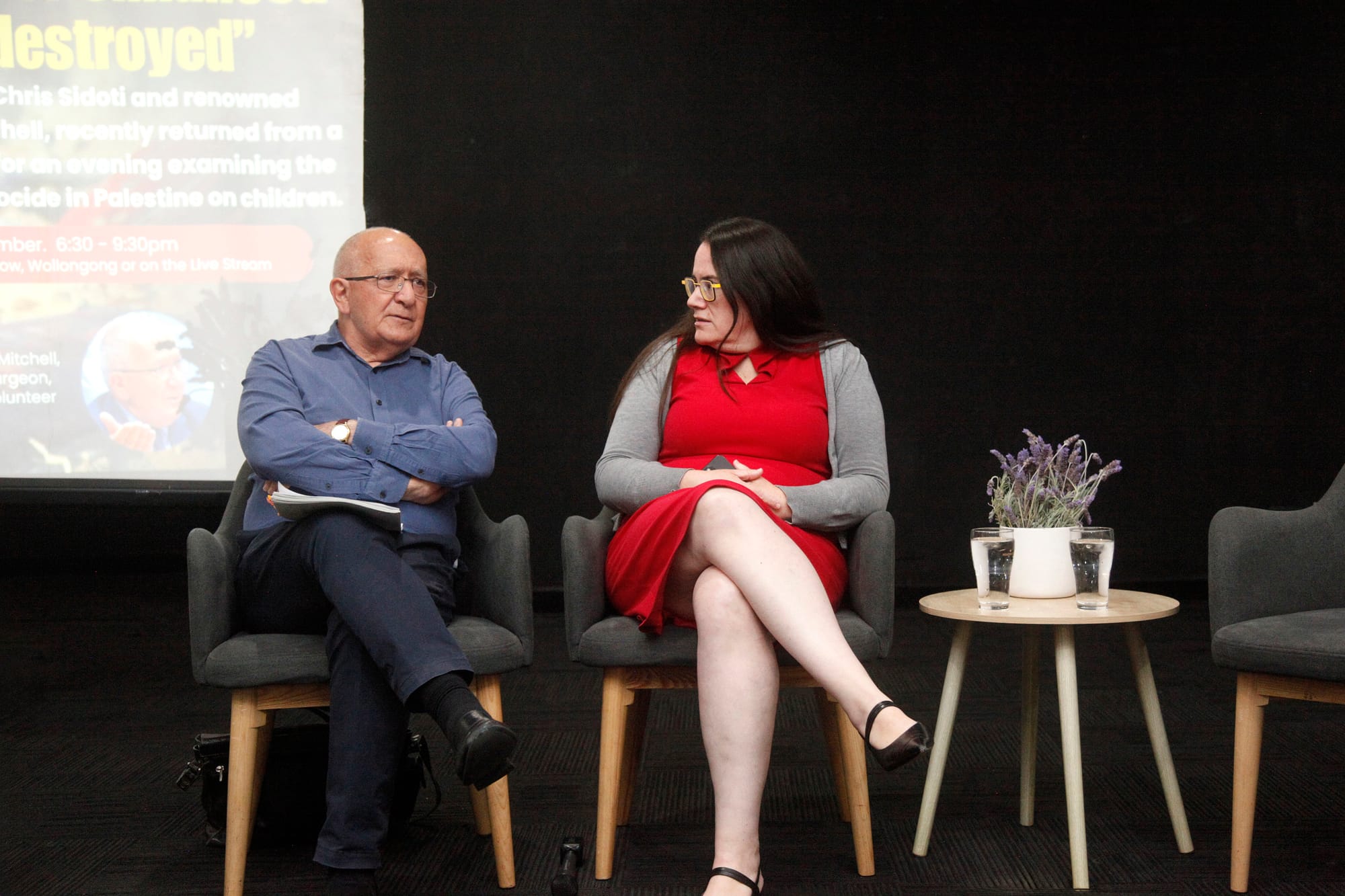
Chris spoke alongside Sydney neurosurgeon Dr Ruth Mitchell, who shared her experience of working alongside Palestinians doctors on a recent mission to Gaza.
"When I think of the children of Gaza," she said, "the way that their bodies are being destroyed, the way that their childhoods are being stolen, the way that their families are being eroded, the way that their limited tiny bits of land are being taken and taken and taken, losing their things, their pets, their plants, their flowers, their schools, they're having their kites taken away from them – and when they go home from hospital, it is to a tent. When I think of them, I think we must all redouble our efforts. And there's something for everyone to do."
The audience also heard from dentist Dr Colm Galvin, a member of the Australian Healthcare Alliance for Palestine, and local girl Fatima, the daughter of Safaa Rayan of Wollongong Friends of Palestine, who delivered a powerful reading of a 2014 poem by Michael Rosen called Don't Mention the Dead Children.
After the speeches, in a discussion moderated by emcee Yossra Aboul-Fadl, several audience members directed questions to Chris, seeking his advice on workplace to international law.
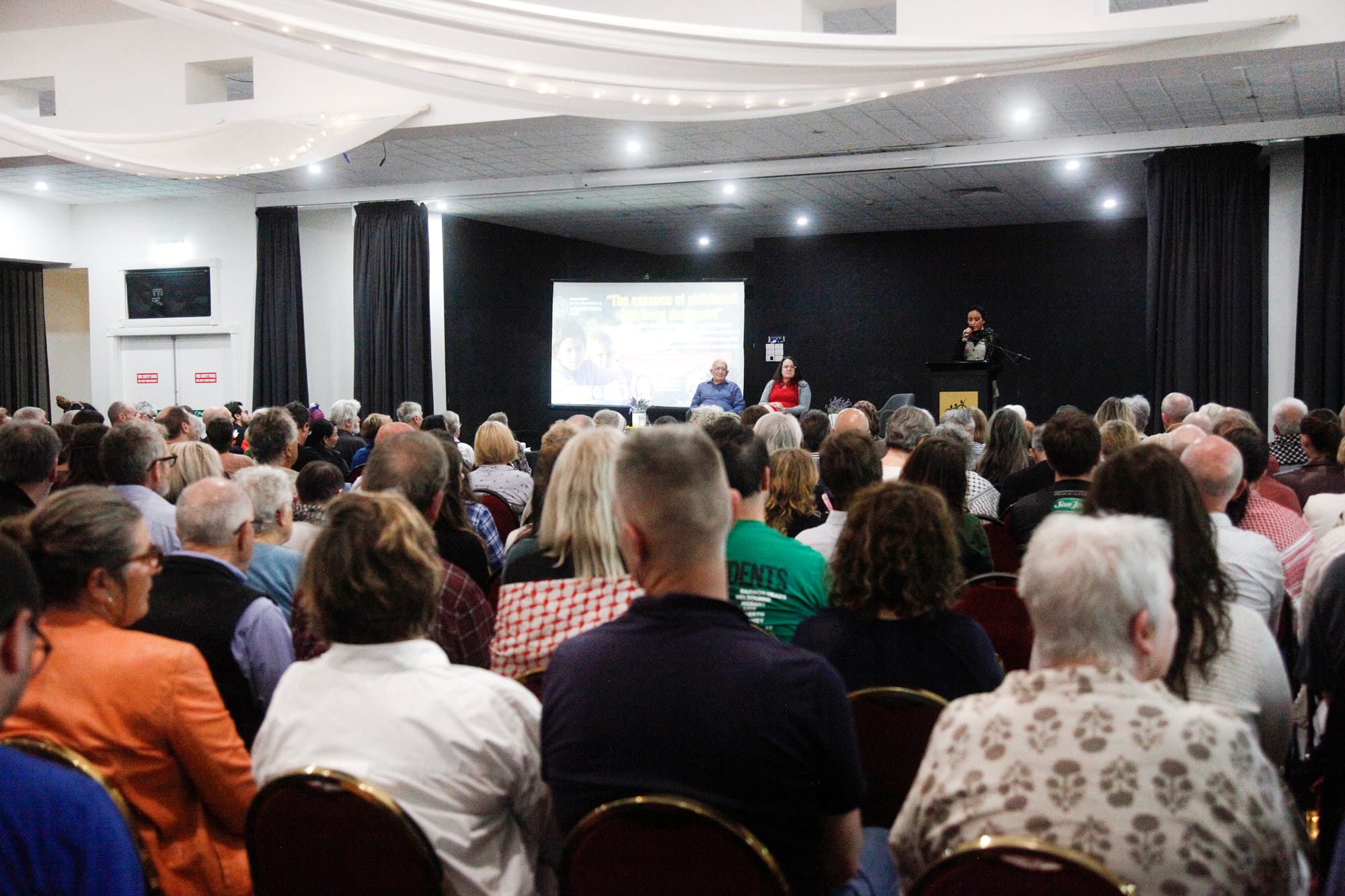
Yossra Aboul-Fadl emceed the evening. Photo: Ruth Barbato
Lifelong advocate for human rights
A former Australian Human Rights Commissioner, whose work included investigations into the Stolen Generation, Chris began his career more than 50 years ago at Sydney University, where he was the student council president.
“I was politically involved,” he said. “They were active, contentious days, the anti-Vietnam War conscription and apartheid were issues while I was at university… I had had a Catholic school education, and that had had a strong emphasis on Catholic teaching and tradition on social justice and human rights. So I guess philosophically, theologically and practically, I had been involved in these issues from very early, and have continued to do so.”
Working as a human rights lawyer has been "enjoyable and fulfilling", he said.
“Any job's challenging. Yes, there are lots of challenges. There's lots of difficulty. One of the difficulties always finding the resources to be able to do what needs to be done, and that's the case with the commission of inquiry as well.
"Because the UN is almost bankrupt, and we have to do our work, which has been voluminous and effective, we have to do that work on the smell of an oily rag. Nothing like the resources that we were promised, and we keep on getting promised, and we never see.
“So resources, particularly for human rights work, is always a huge challenge, but even more challenging than the resourcing is the experience of dealing with people who are experiencing huge suffering in their lives, suffering beyond the level that anyone in Australia could imagine, even the poorest and most disadvantaged Australians.
“When I've worked with Myanmar, I've worked with Afghanistan, I've worked with Palestine – the suffering in those places is beyond the experience of any Australians I know, except those who have come from those countries as refugees."
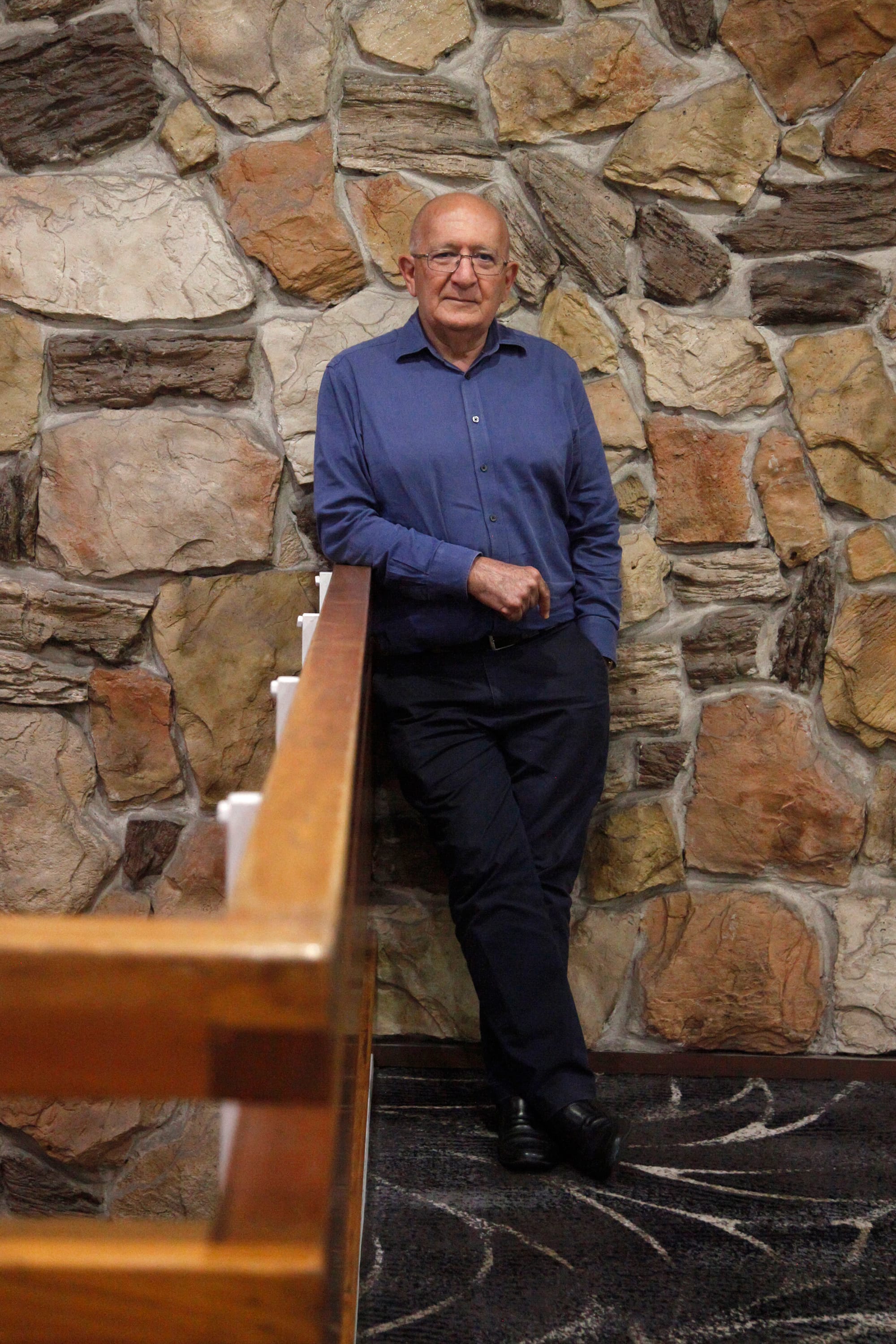
Despite the suffering he’s seen, Chris remains hopeful.
“There is first a conviction that change occurs, and that's not a belief; it's an evidence-based conviction. Change is always occurring. We have seen it in the past. We are seeing it now. In fact, we are seeing now change at a rate that is faster than the the planet has ever experienced. So there is no doubt that change has, is and will continue to occur.
“The only question is whether the change is for the better or for the worse, and I see my job as contributing to the effort of making change positive rather than negative."
One change he’d like to see is governments listening to a wide spectrum of people.
"One of the concerns I have is that the government and governments generally – I'm not going to make this an exclusively Albanese government comment – governments generally listen to the loudest voices, the best politically organised voices, the most influential voices, and they are not the only ones that need to be listened to. Governments need to listen to a broad spectrum of views and a broad spectrum of experience.
“And one of my disappointments is that the government seems to have been listening more to a relatively small group than to a wider group.”
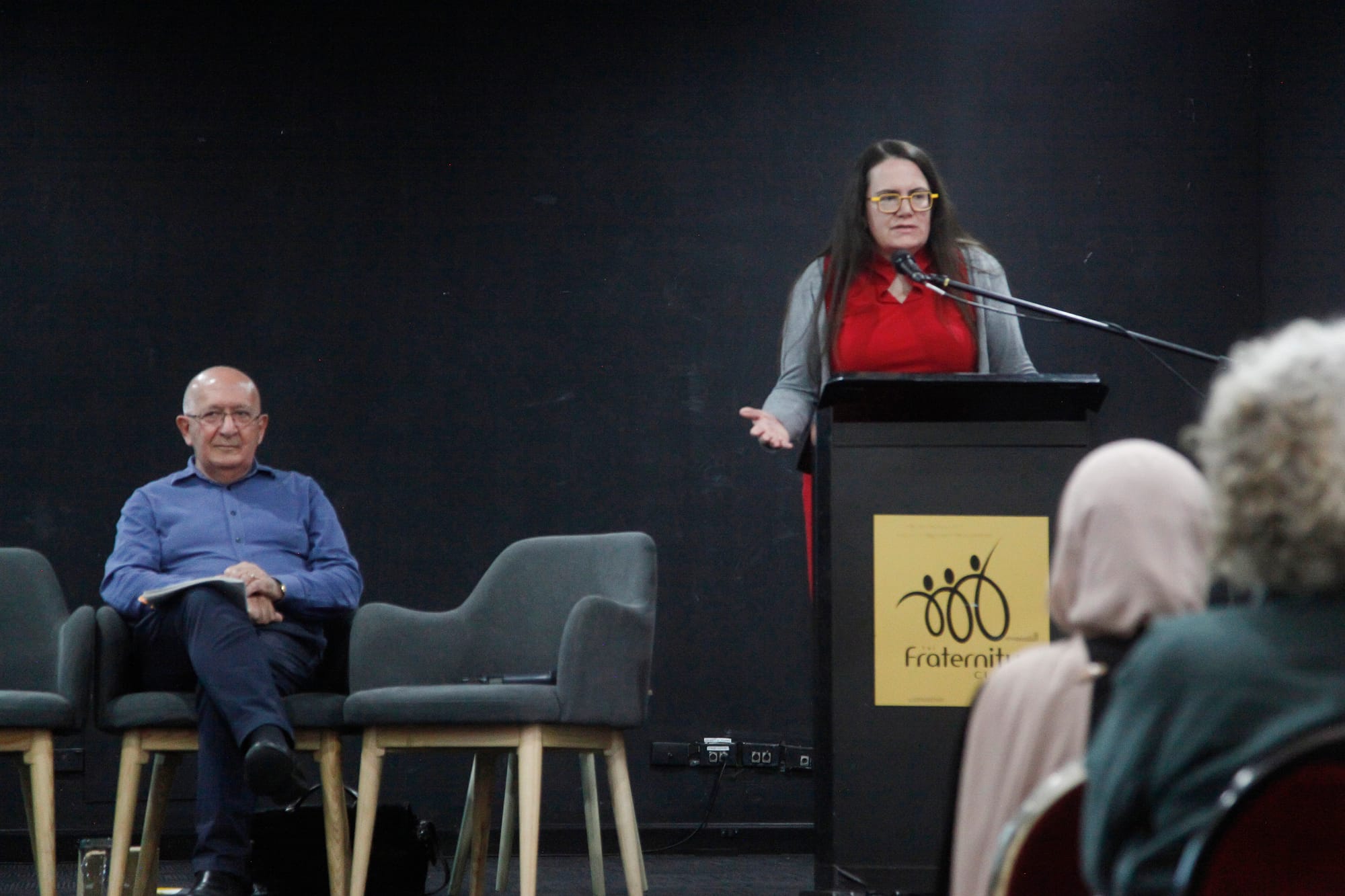
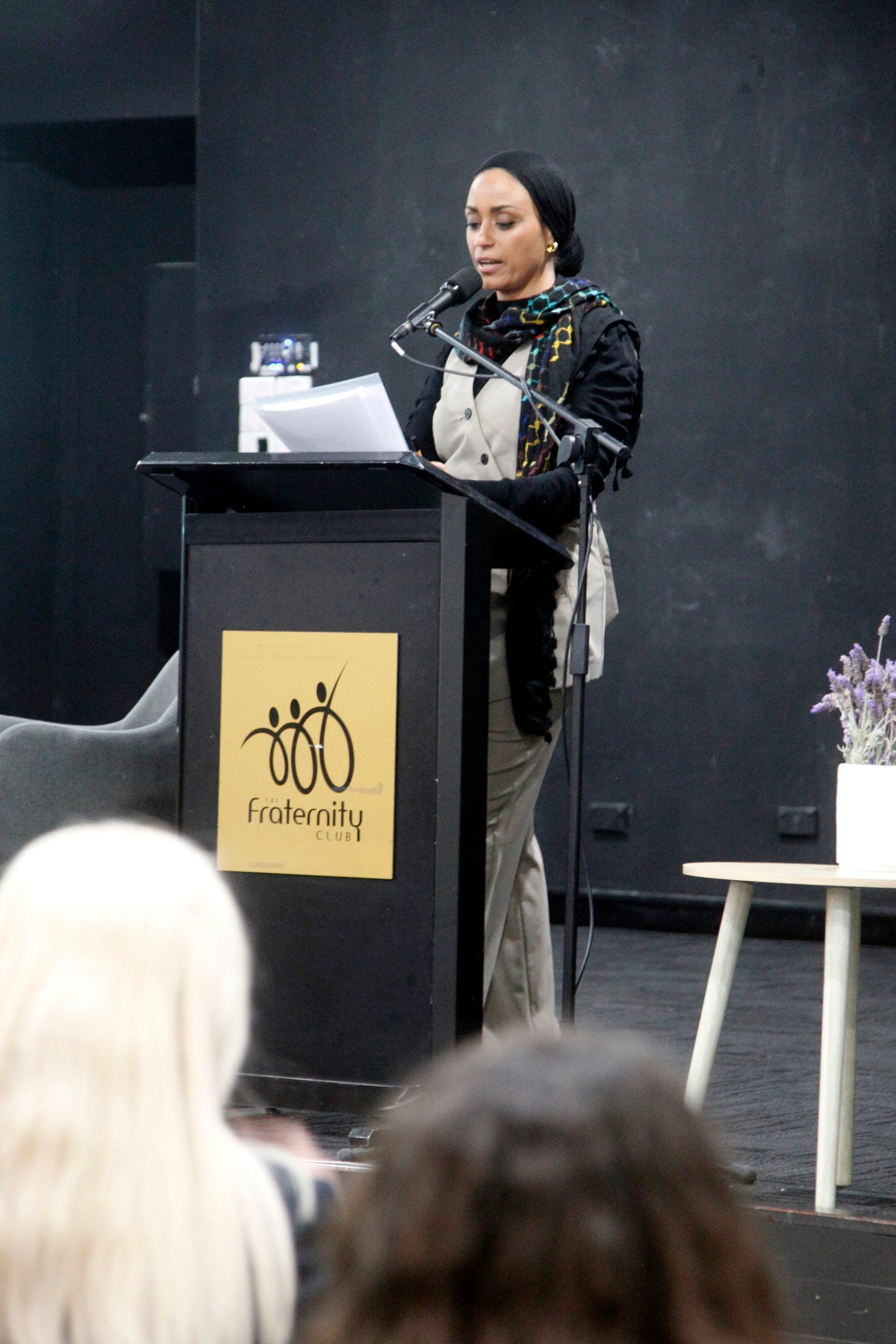
L to R: Chris Sidoti, Dr Ruth Mitchell and Yossra Aboul-Fadl.
Wollongong City Council is currently running a world-first community engagement trial with Canva, which aims to source wider feedback and has had more than 6000 responses. “Peace and unity” rank at the top of people’s wishes for Wollongong and the world, taking 32% of the vote.
The UN commissioner thinks this speaks well of Wollongong.
“There is a long history in this place, that the city of Wollongong and the Illawarra region of social activism, social awareness. I think it comes from the the enormous diversity of people in the Illawarra, and a diversity that should never be underestimated as part of the strength of of this country as a whole.
"And you know … has Pauline Hanson ever been to Wollongong? She might be shocked at what she sees, and she might be shocked at what she hears, because Wollongong and the Illawarra are testaments to what we gain from the enormous diversity of experience and expertise and perspective that Australians have.”
Among the Wollongong Goals recently submitted is a suggestion we should sort out Australian problems before anything overseas.
“It's not a one or the other imperative,” Chris Sidoti said.
“In fact, the best way we can sort out Australia is to sort out what's happening overseas, and vice versa. The two go hand in glove. Our future is as part of this planet, whether people like that or not. And the planet is more than Australia.
"And if we are going to have a future for this country, it's only going to be as part of planet Earth, so it's in our interest in sorting out Australia to contribute to sorting out the rest of the planet.”
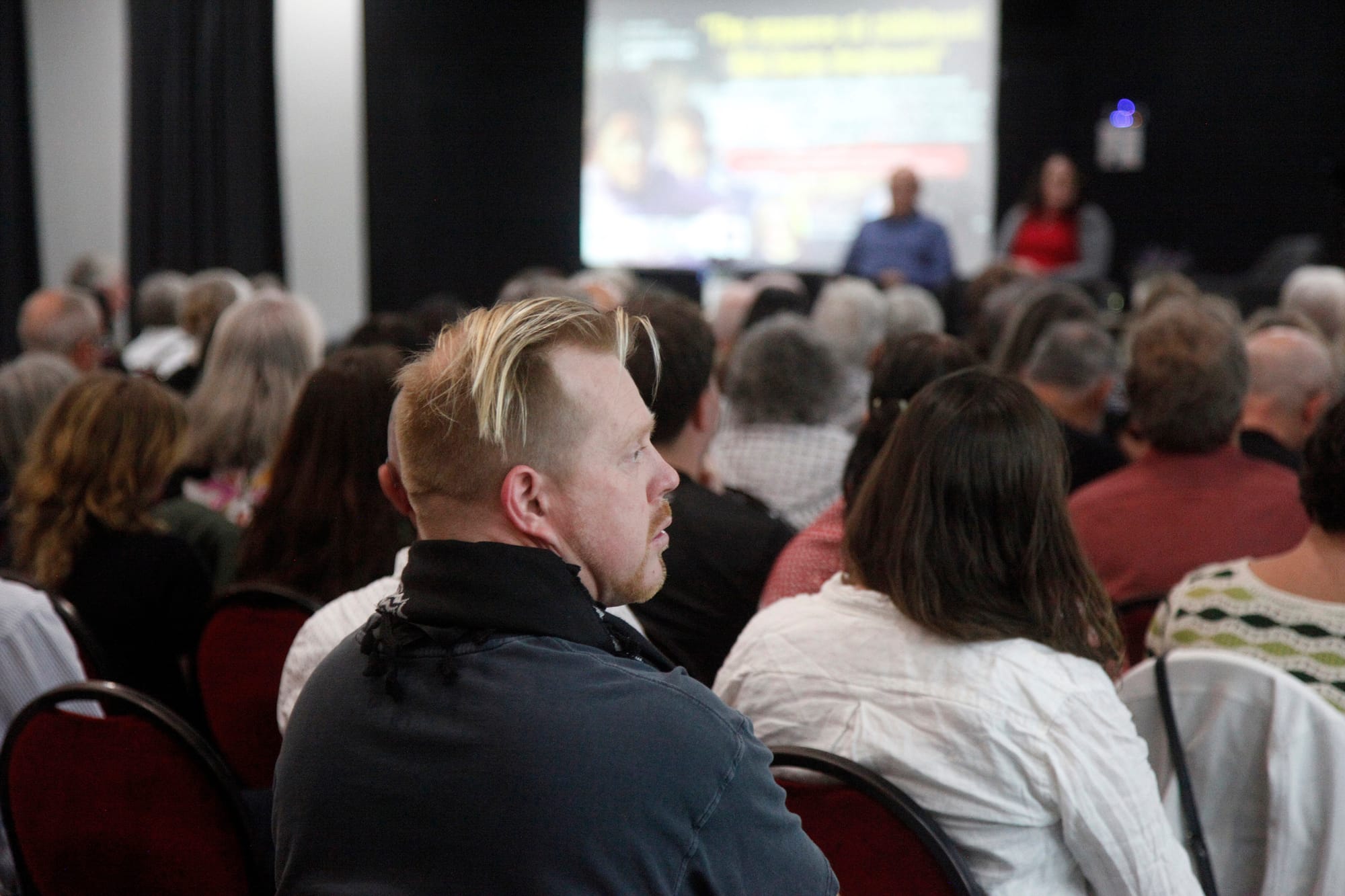
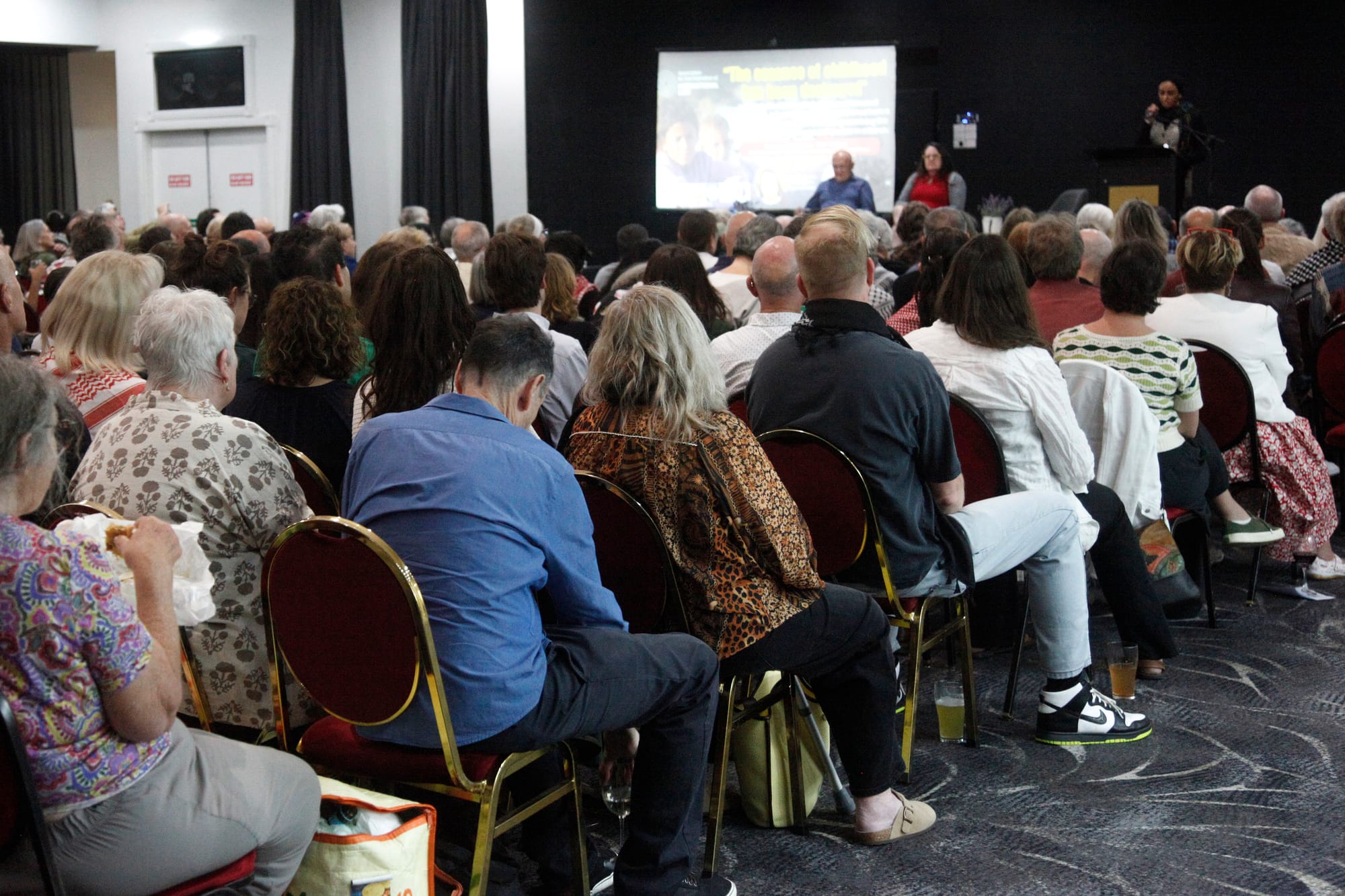
The Association for the Promotion of International Law hosted the event, with support from the South Coast Labour Council, Wollongong Friends of Palestine, Wollongong Against War and Nukes, and the University of Wollongong’s Future of Rights Centre. Photos: Ruth Barbato
Wollongong's event raised $5205 for the Palestinian Australian New Zealand Medical Association (PANZMA).
Read more
 Genevieve Swart
 The Illawarra Flame
5/9/26: Attendance numbers updated.


