
Spring see-saw shows Wollongong in a whole new light
Spring brings changeable weather to Wollongong – you can photograph the same location many times and capture completely different shots
We had a fairly mild winter with stable weather throughout much of it, especially during the last half of the season, but spring has been a mixed bag so far. After we ticked over from August to September, the weather was quite unstable and unpredictable, looking a little like Tassie weather at times and swinging between winter and summer conditions frequently.
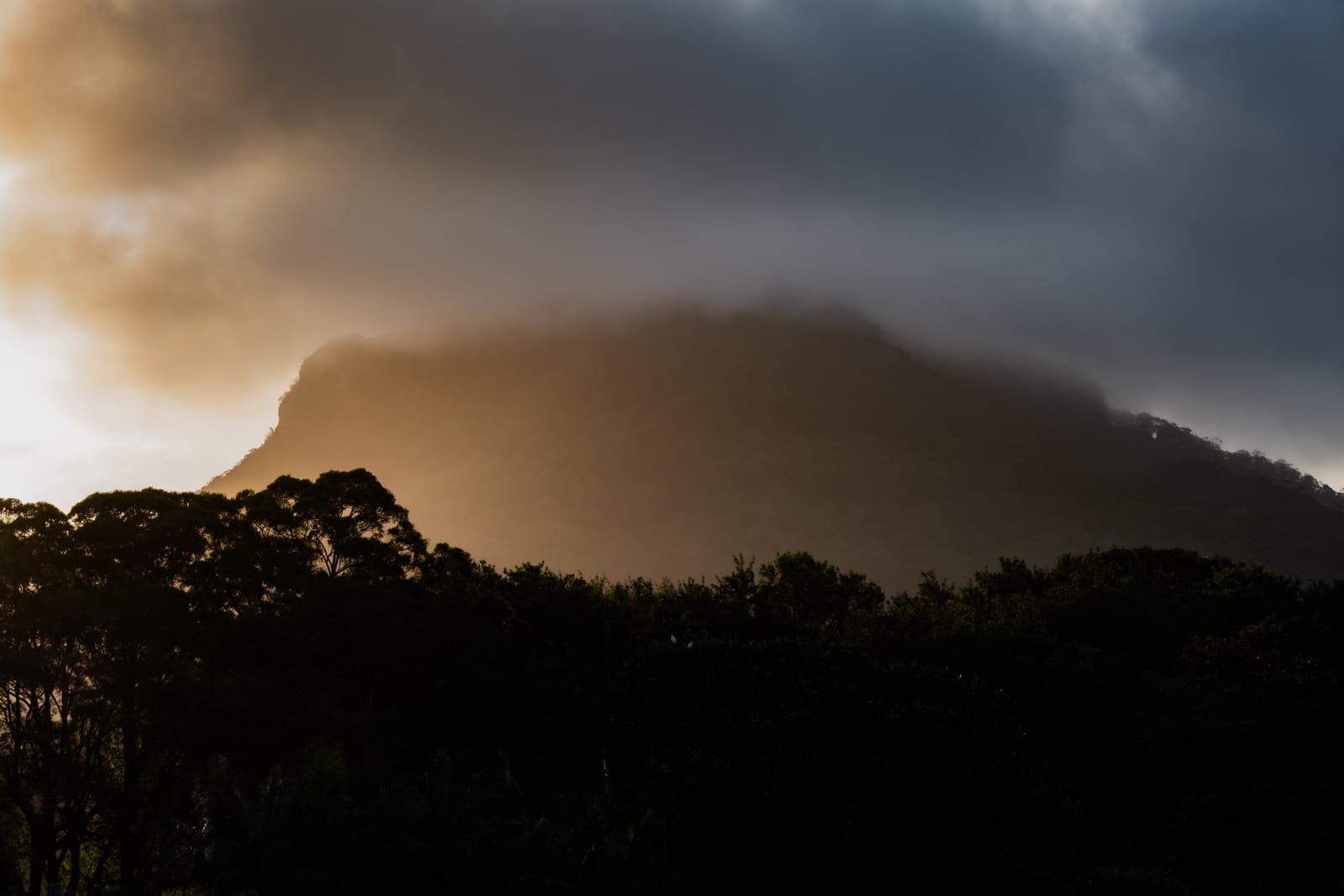
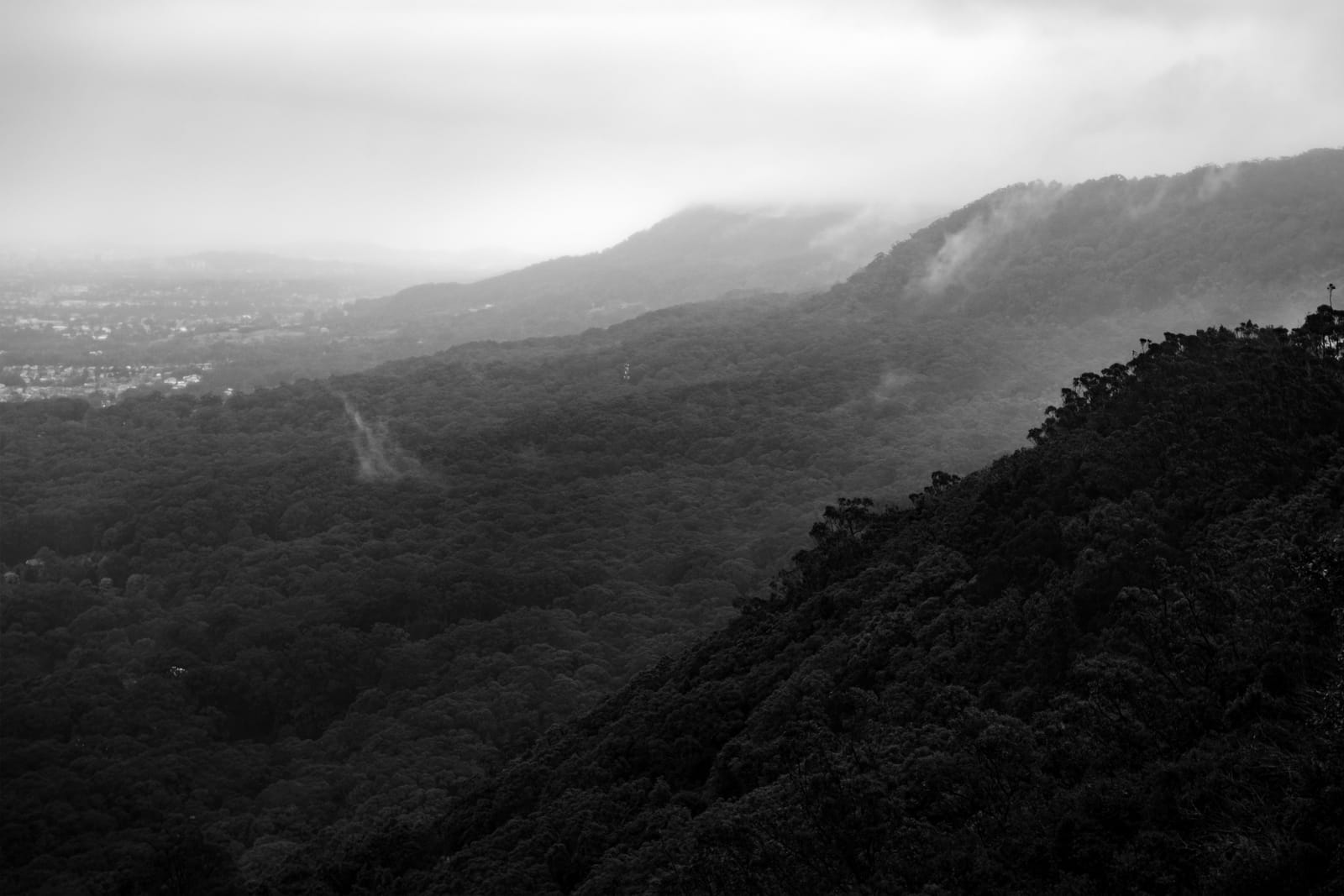
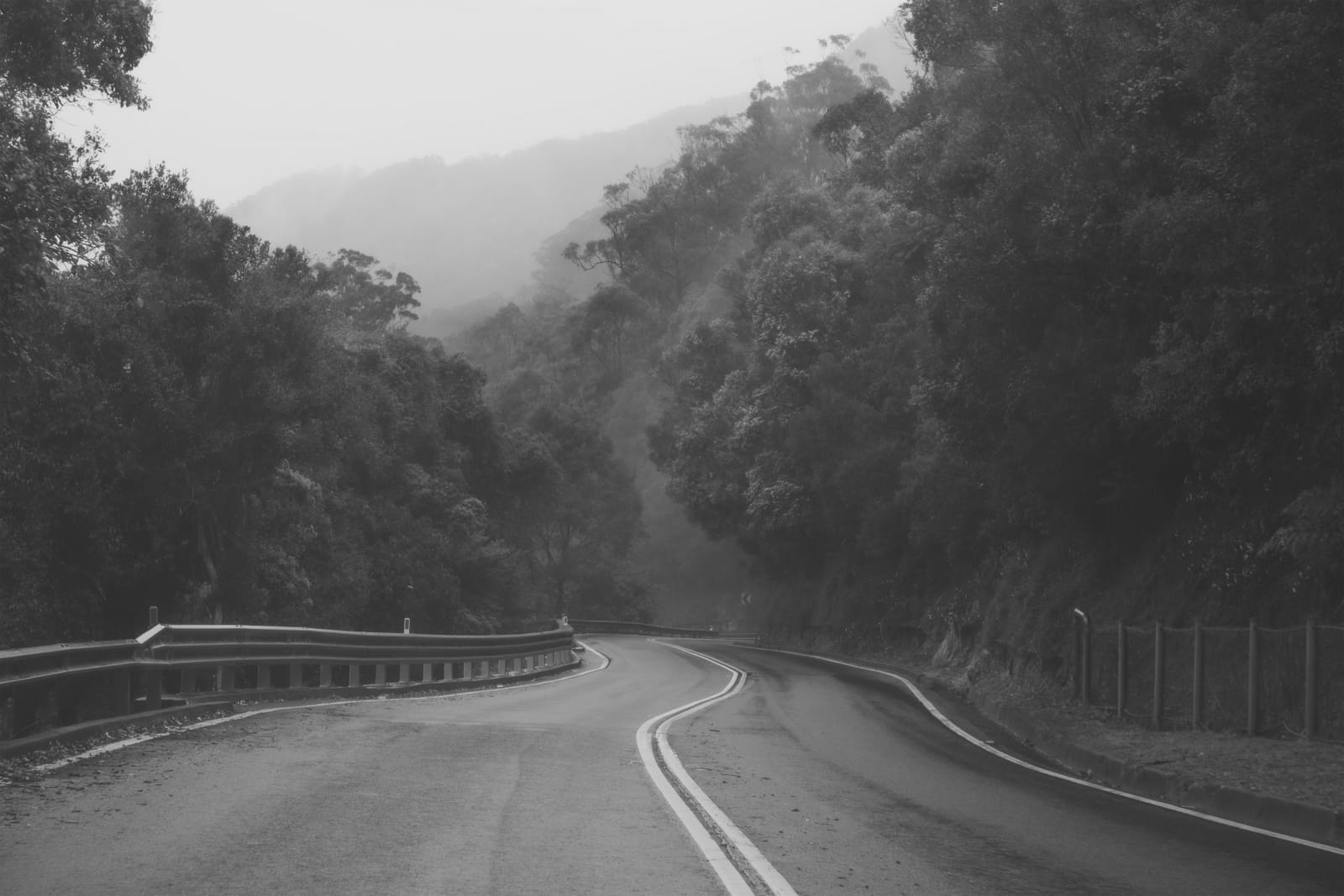
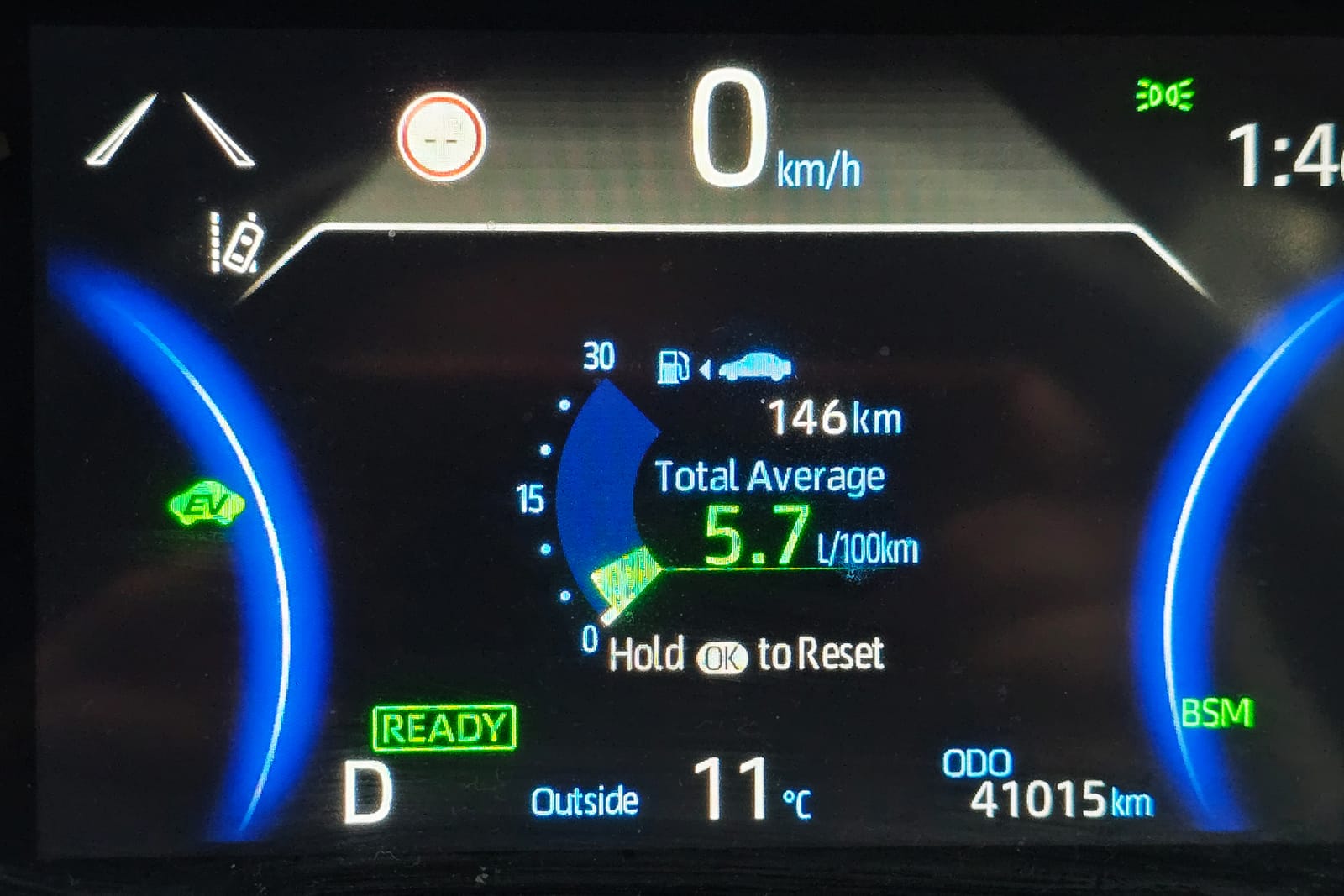
We had days in the mid-30s followed by a southerly change, with temperatures dropping to around 13 degrees. One weekend we even had a daytime temperature of just 10 degrees at Bulli Tops. Apart from the temperature variations, we have also had a great variety of conditions, with hazy and humid days, dry hot days, strong winds, fog covering the escarpment tops and even a few rumbles from storm clouds. All these conditions are certainly welcomed by most photographers.
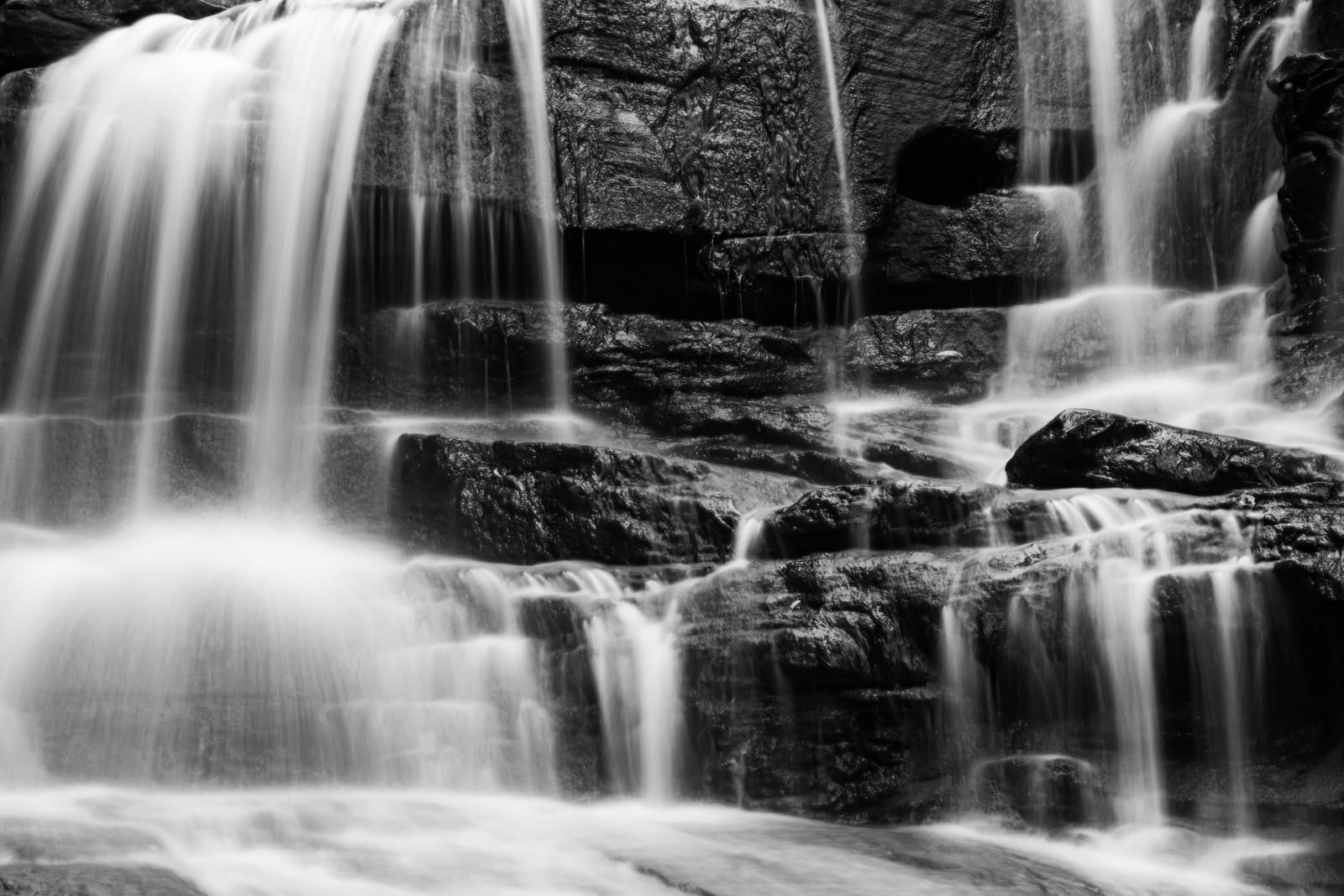
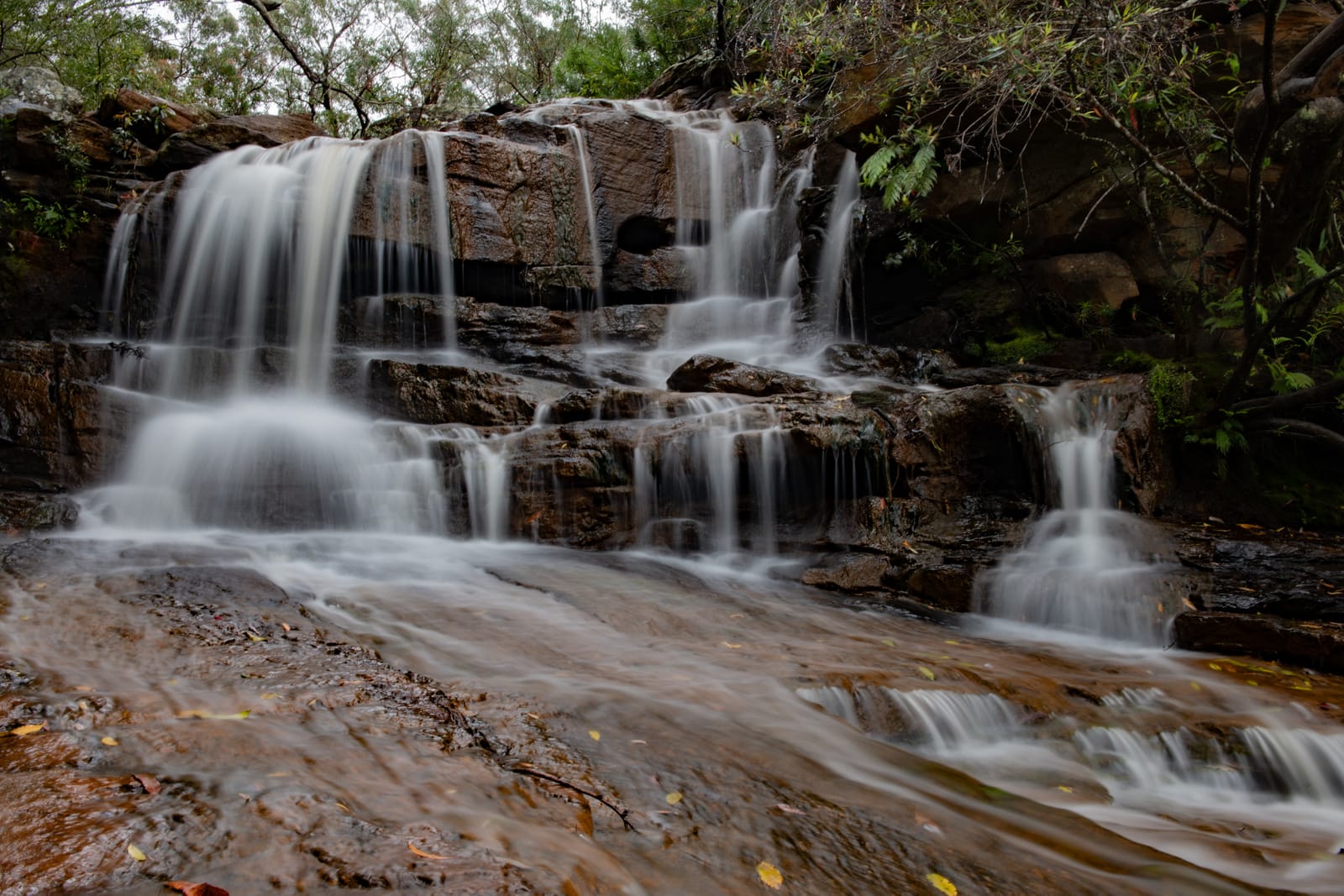
After a dry winter, it is also great to see a few wet days and some big downpours, mainly at night, helping to get our waterfalls flowing again and green up our beautiful countryside. The Illawarra always looks its best after some good rain, especially the escarpment range.
So, what is causing all this unstable weather?
Spring can quite often bring very changeable weather to Wollongong as we transition from the cooler, drier months into warmer summer conditions. We can see warm westerly winds one day, a humid north-easterly the next and then a strong southerly change bringing much cooler air from the south.
This can produce dramatic temperature changes across the Illawarra, particularly on top of the escarpment. Westerly winds can bring warm, dry air across the mountains, while a southerly change can arrive suddenly, dropping temperatures by more than 10 degrees in a matter of hours.
The warmer ocean temperatures along the NSW coast are also providing plenty of moisture for the atmosphere. When weather systems move through, this extra moisture can help produce showers and heavier downpours, sometimes giving us quite a bit of rain in a short period.
For me, this sort of weather is what makes spring interesting. You never quite know what you are going to get. A warm, sunny morning can quickly turn into a stormy afternoon, while a change moving up the coast can produce showers and fog on the mountains.
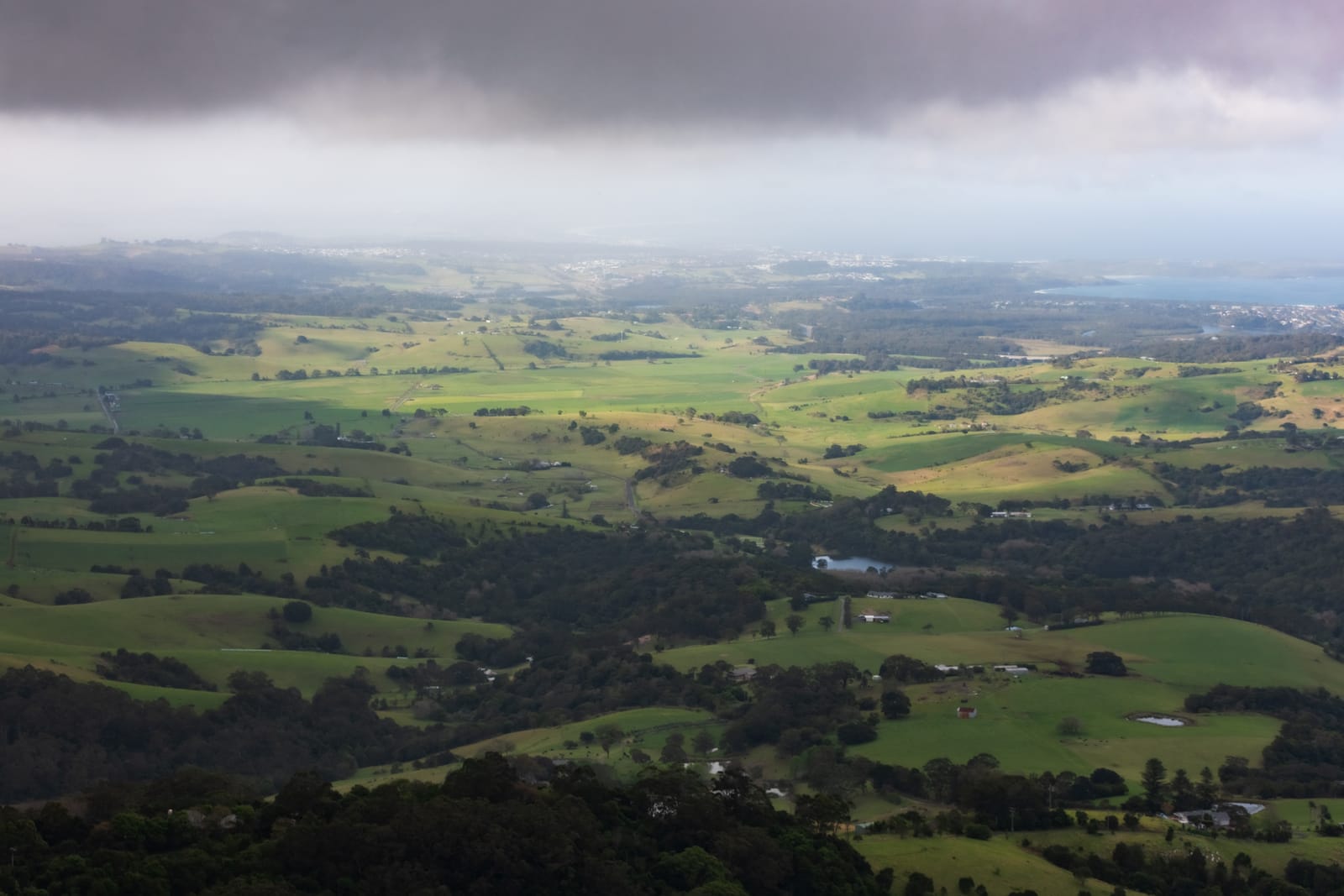
From a photography point of view, I certainly don't mind a bit of unpredictable weather. The more change we get, the more opportunities there are to get out with the camera. The Illawarra has such a diverse landscape, from our beaches and coastline to the escarpment, rainforest, waterfalls and rolling green hills, and different weather conditions can completely change the look of the landscape.
Spring might be a mixed bag so far, but for photographers, it provides an array of different opportunities. The trick is knowing what the weather is doing and where to be when it changes.
The best advice I can give for photographing changing weather conditions is to always have a camera handy, keep an eye on the weather and, most importantly, know your local area.
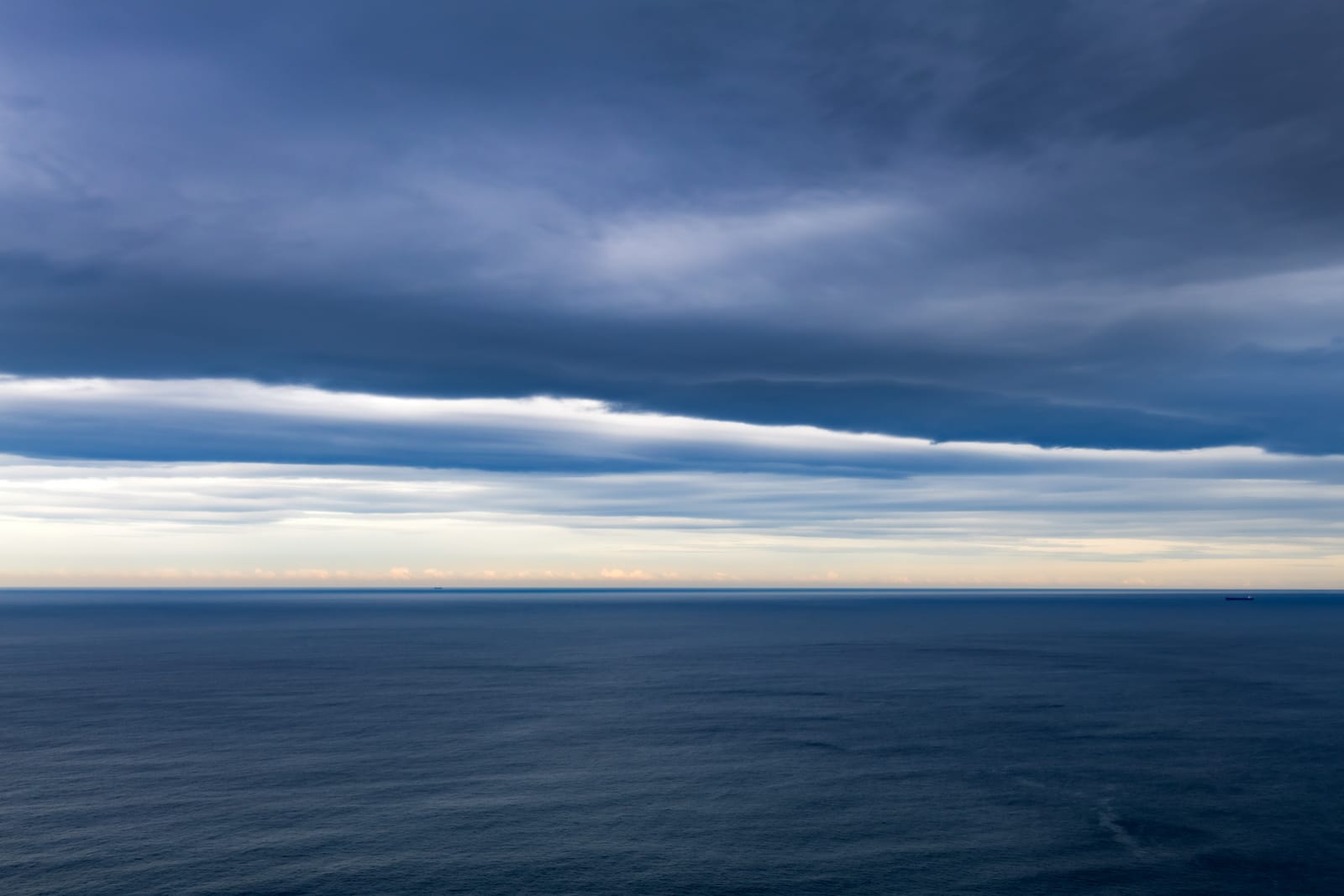
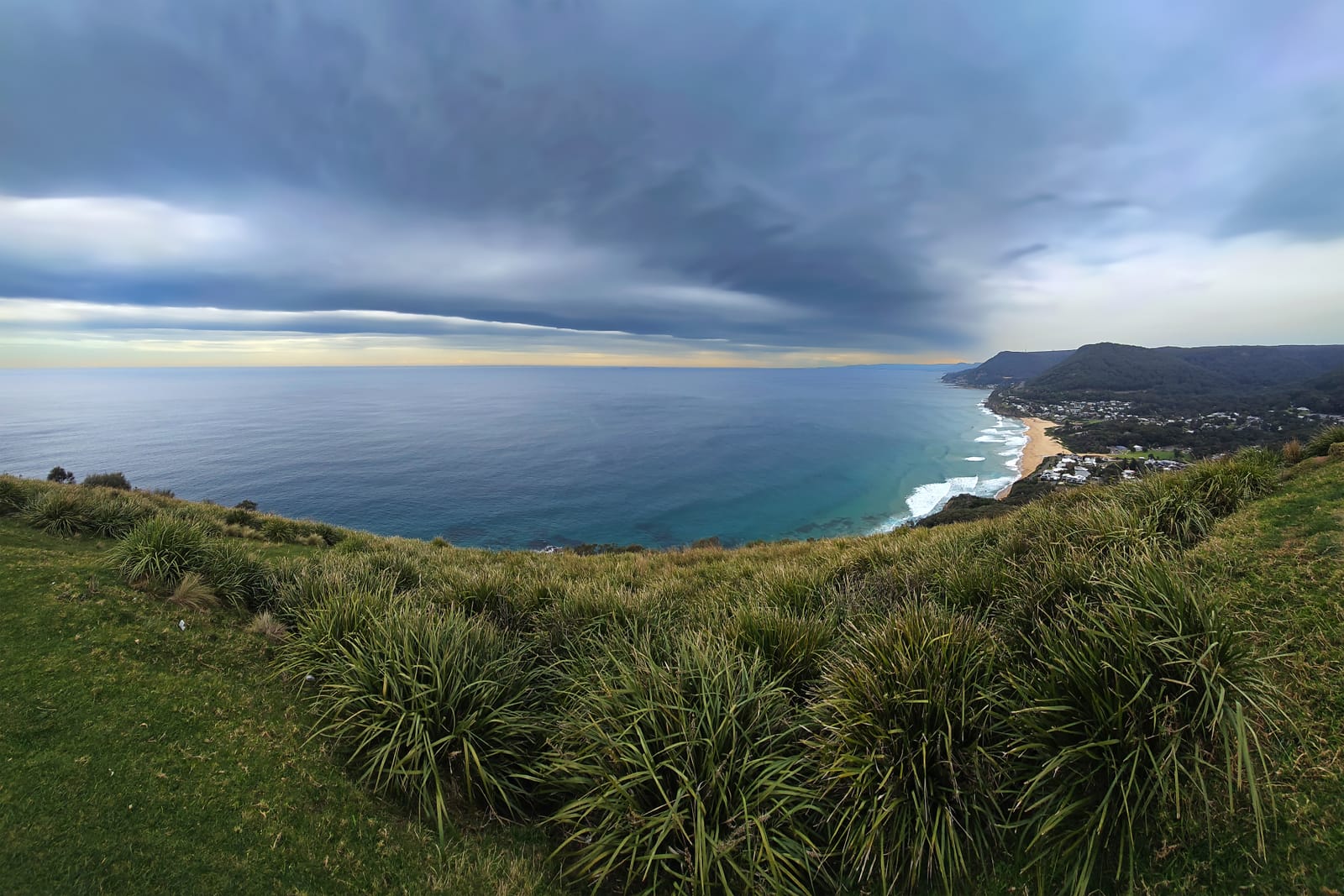
On a sunny day, you can take your pick of locations, as almost everywhere around Wollongong can produce a great photograph. If a strong southerly is on the way, it may be worth heading up to somewhere like Sublime Point or Mount Keira if you like capturing fog. After some good rain, a waterfall may be the place to be, while a cold or unsettled afternoon can produce some great clouds and dramatic light that may be best captured beach or the lake.
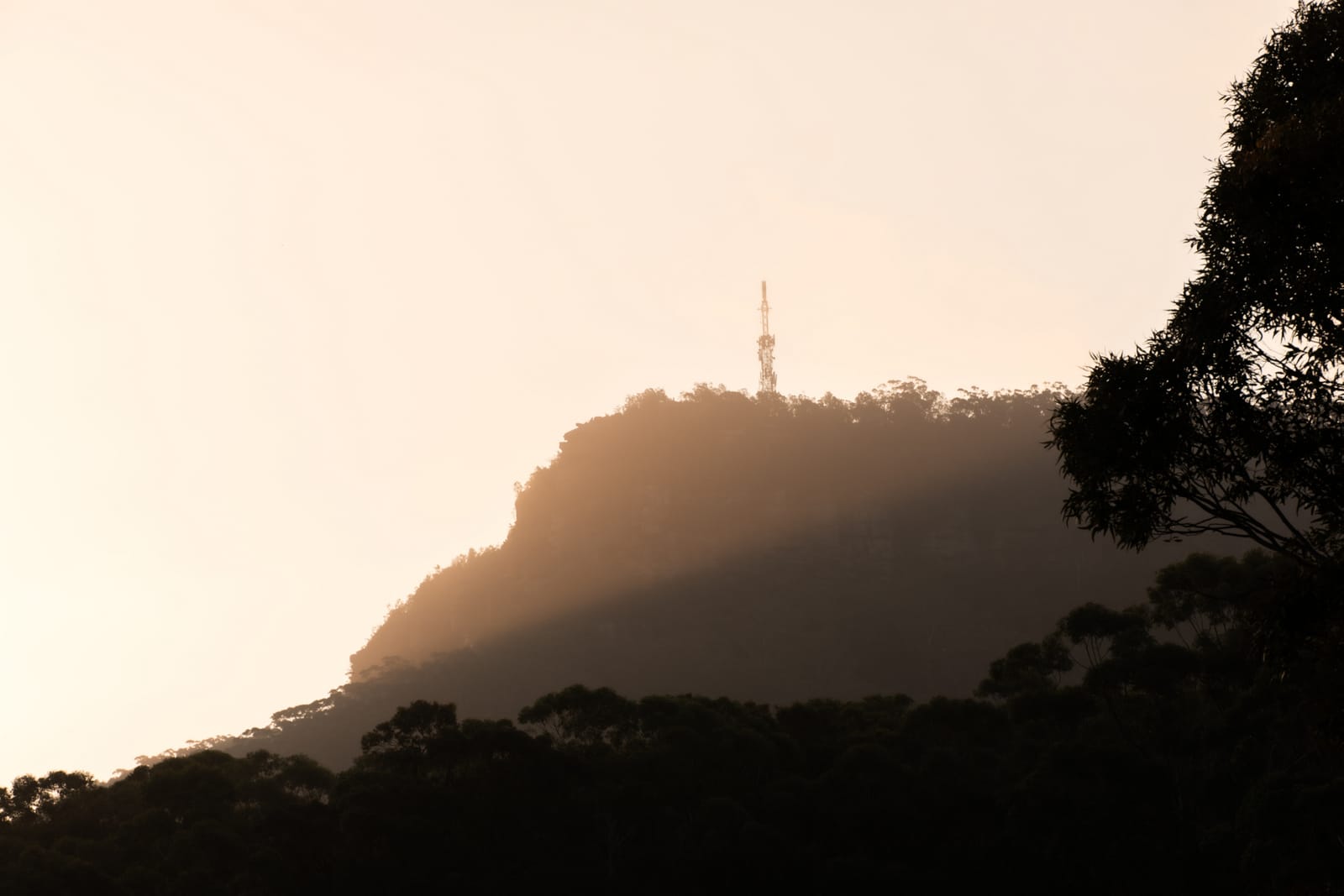
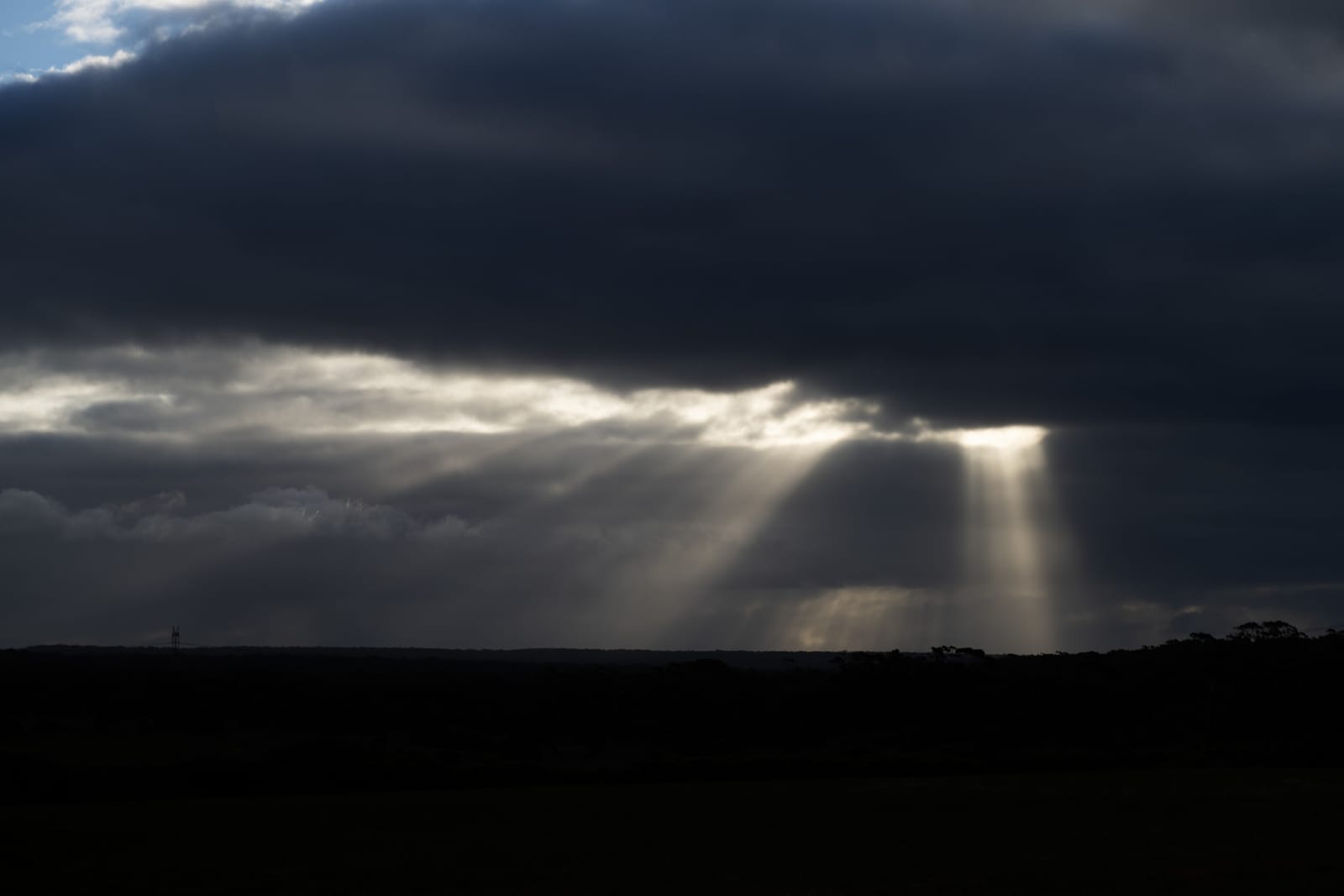
And don't write off a good sunset just because the sky is overcast or hazy. Some of the best sunsets can happen when there is plenty of moisture and cloud around, with the setting sun breaking through and lighting up the sky.
For me, that is one of the great things about photographing the Illawarra. You can photograph the same location many times and capture completely different shots. The weather, the light, the clouds and the fog can completely change the scene. You just need to be ready when it happens.