

Grape expectations
The Illawarra is home to a few plants with grape-like fruit – but don't think you can add them to a platter

I'm sure the terrible double entendre in the title of this piece has been used many times before! But I'm hoping it's just acceptable in the context of Illawarra native plants, where the local 'grapes' are more or less unknown.
As a couple of local plants with some grape association are flowering or fruiting right now, it's a good time to introduce them.
First cab off the rank is a little vine that Growing Illawarra Natives is often asked about, as it is common in gardens and natural areas. It can even come across as a little pushy or weedy.
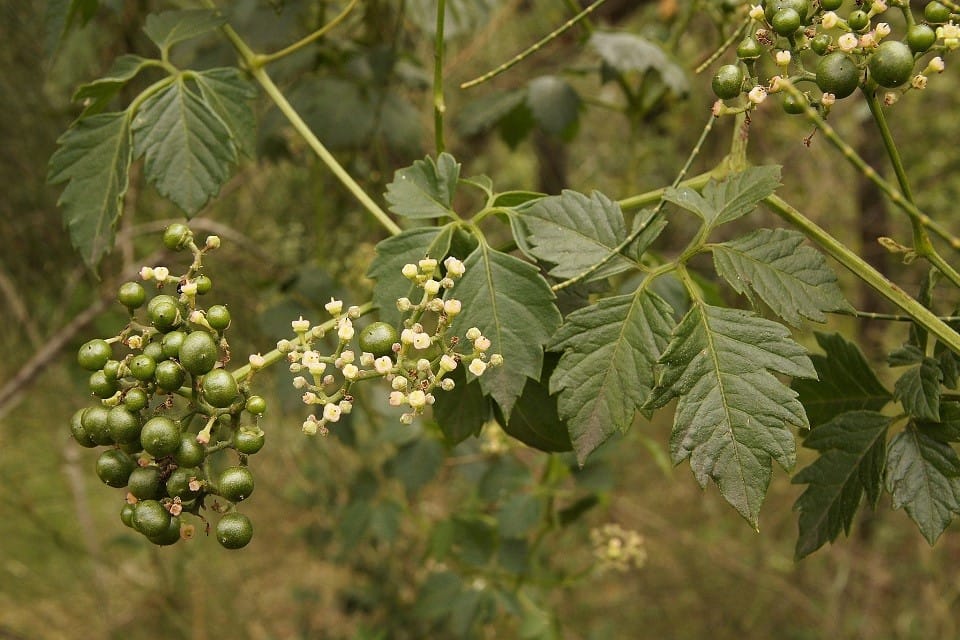
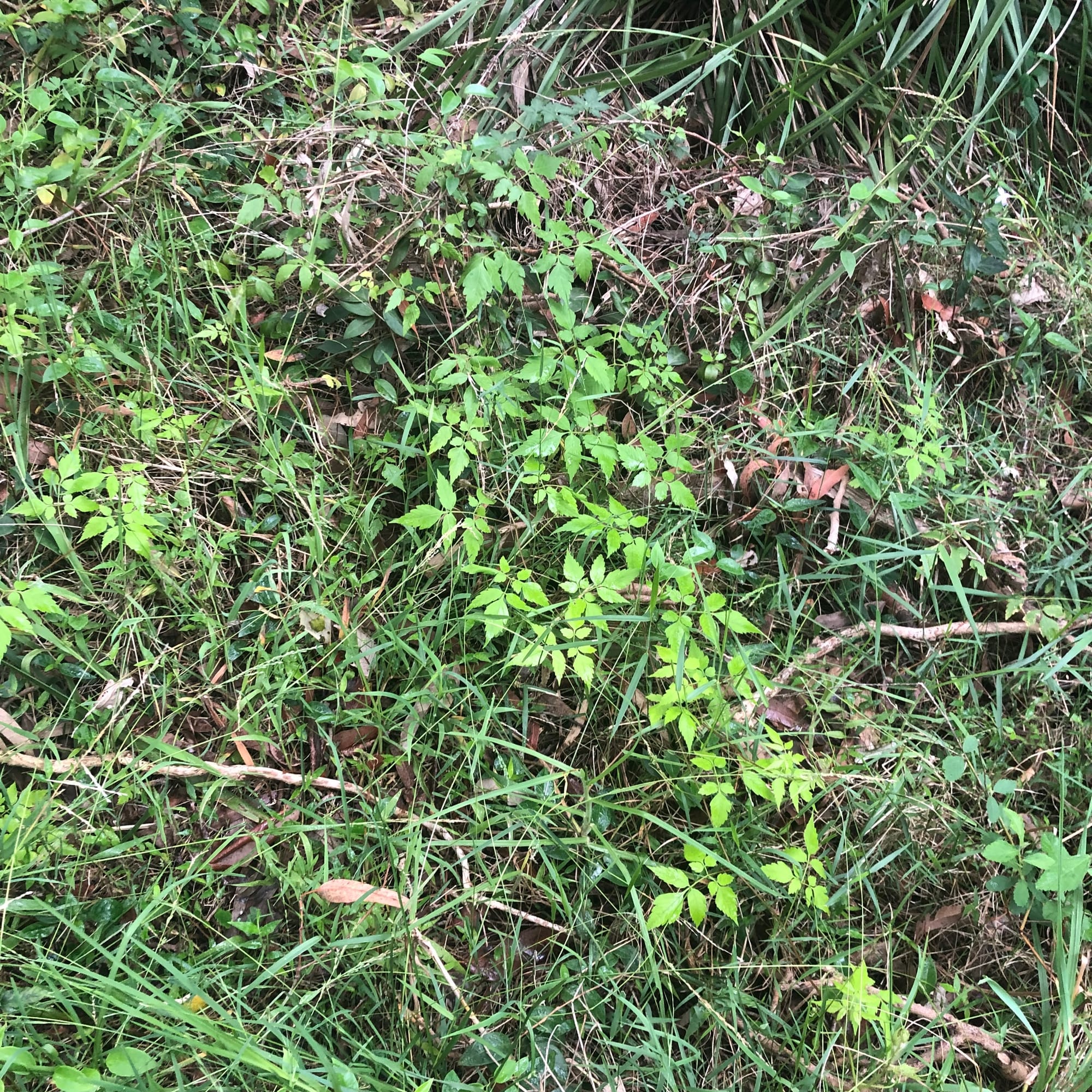
This vine is the Slender Grape or Causonis clematidea (previously known as Cayratia clematidea), which has distinctive compound leaves with five leaflets. Its spreading inflorescences, containing many tiny creamy-white flowers, develop into bunches of grape-like fruit. While they are green at first, as in the image below, they ripen to a shiny purple-black.
Unfortunately, as with all the local plants that have the word 'grape' in their name, they are not edible by humans, although birds are happy to eat them.
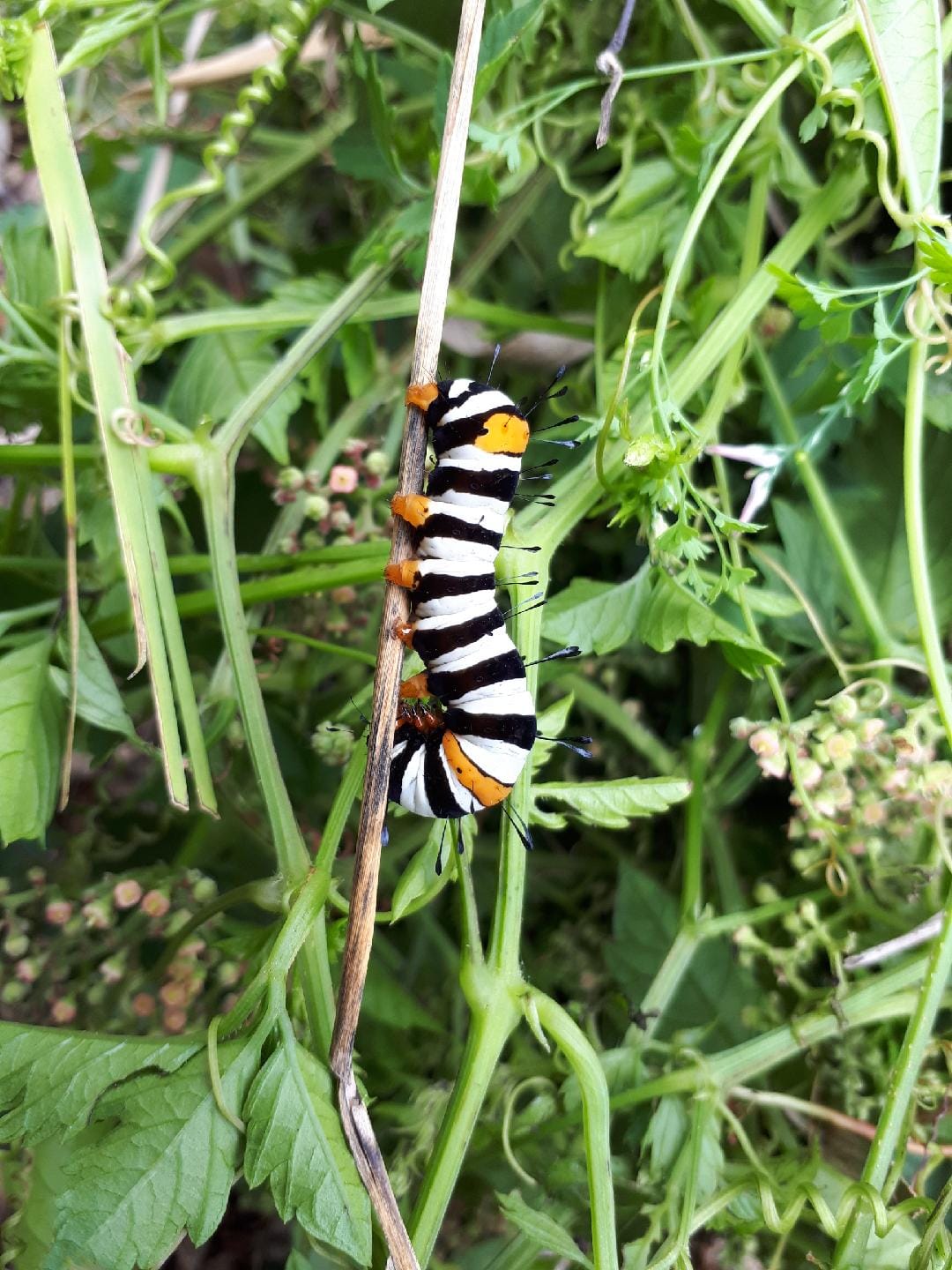
Where Slender Grape really comes into its own is as a habitat plant for moths and butterflies. The stunning caterpillar of Joseph's Coat moth (Agarista agricola) just loves this plant.
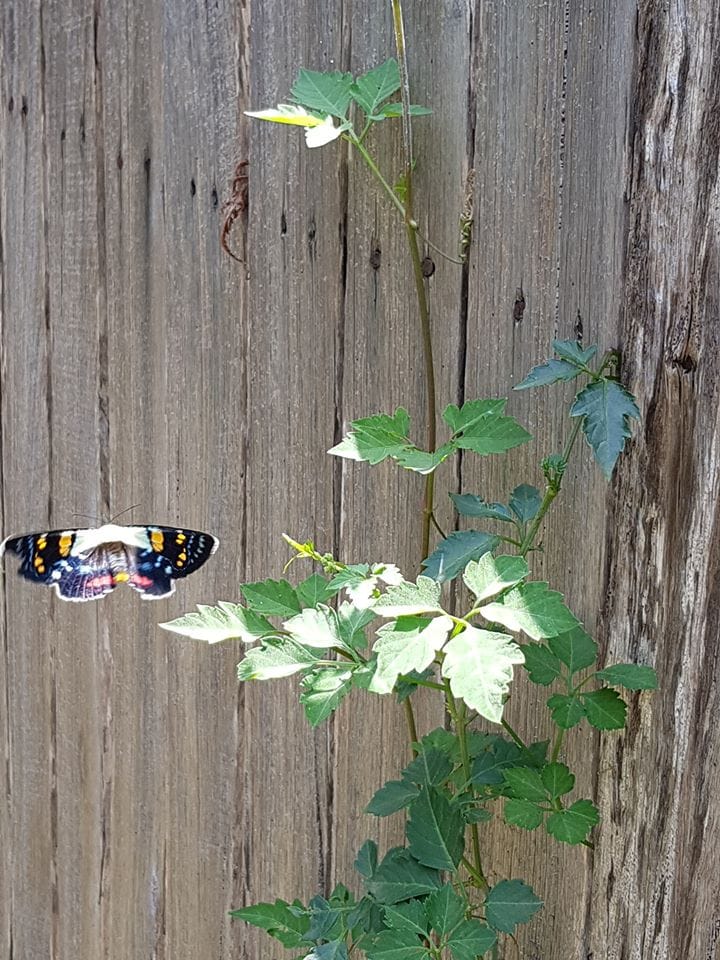
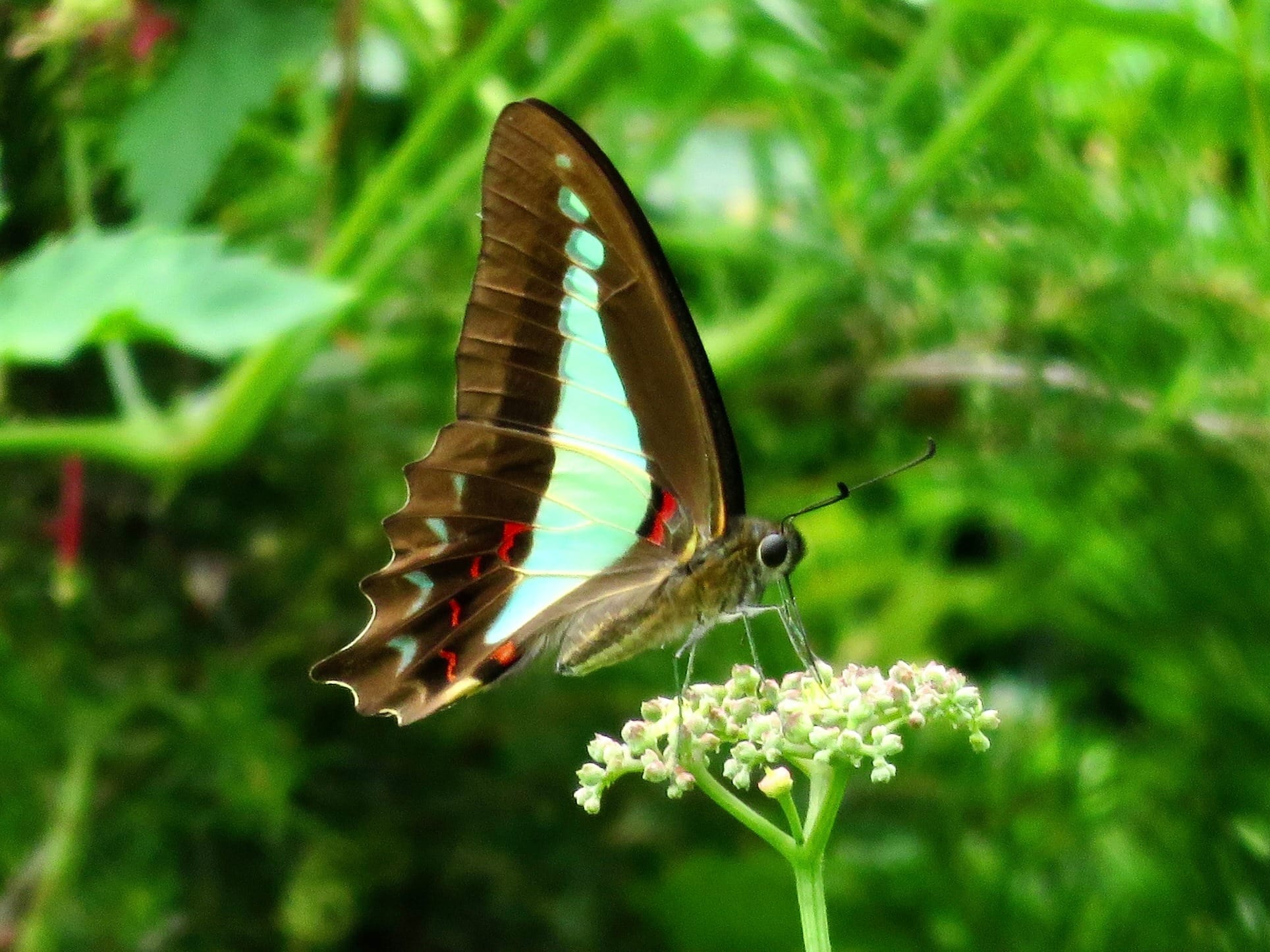
Growing Illawarra Natives has also collected images from local photographers of several other caterpillars and butterflies, including the well-known Blue Triangle butterfly, interacting with Slender Grape.
One tip with Slender Grape is to avoid confusing it with the introduced and invasive weed Balloon Vine (Cardiospermum grandiflorum). This latter has leaves with nine leaflets. It is common along the motorway that runs through the Illawarra. You can find more about this horrible weed and how to control it at the Weeds Australia website.
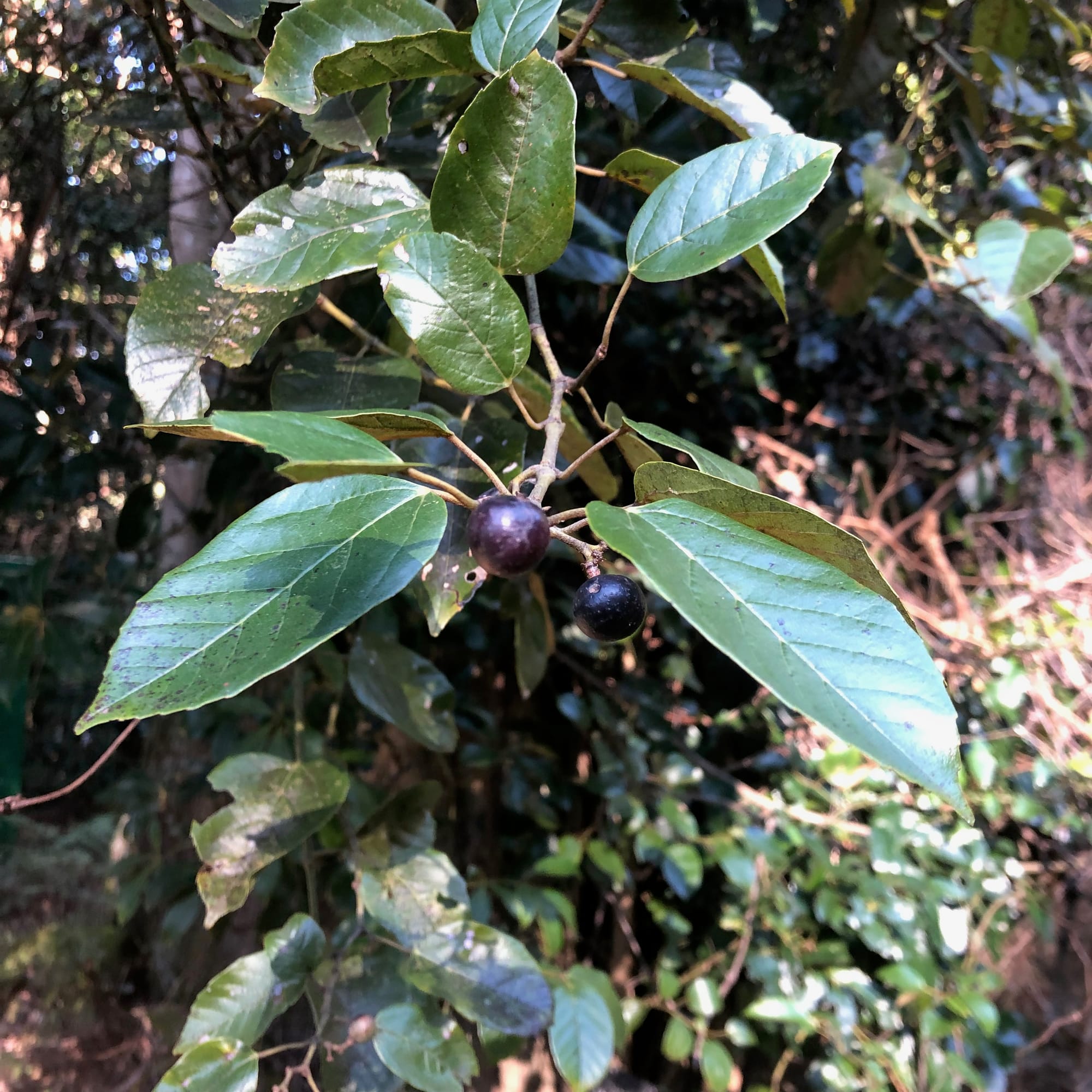
Another local 'grape' plant (again, don't get too excited about the potential to eat the fruit!) is Kangaroo Vine, also known as Native Grape. (The scientific name is Apocissus antarctica, recently changed from Cissus antartica – what's with all the name changes for these grapes, hey?)
The fruits on this vine are the same size and colour as regular table grapes (Vitis vinifera). You can even eat them, but they are very astringent. There may be some potential to experiment with them in cooking if you can find a few.
The vine is common in rainforest along the escarpment, such as at the Mount Keira Scout Camp, and in coastal rainforest such as at Bass Point, where specimens can be large and bulky.
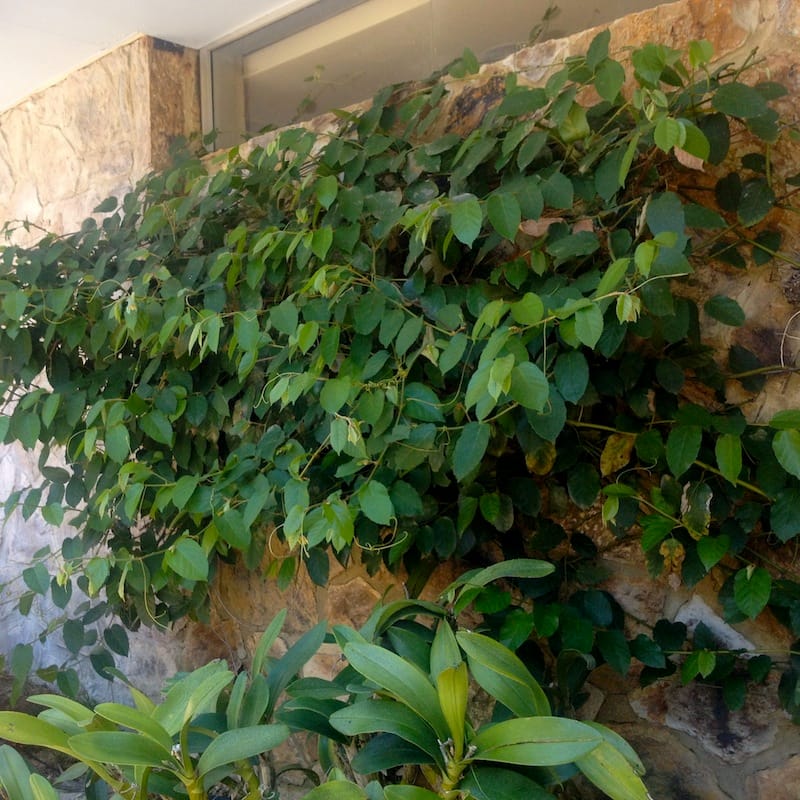
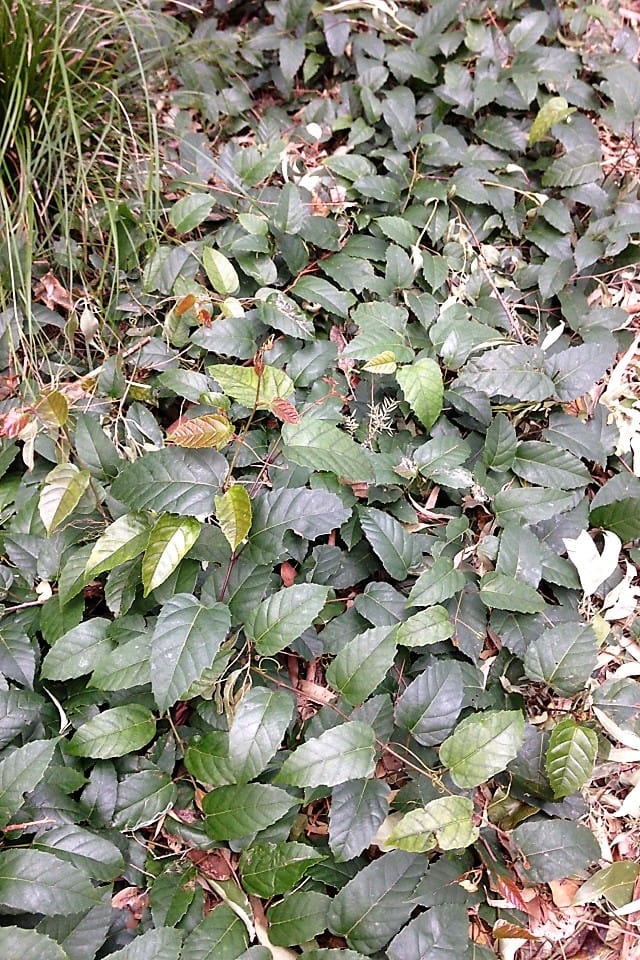
This vine sometimes even behaves as a ground cover, as can be seen at Wollongong Botanic Garden in the woodland area.
About the writer
Emma Rooksby is a volunteer bush regenerator and environmental educator who helped establish the Growing Illawarra Natives website. She is passionate about protecting and restoring biodiversity in the Illawarra.


