
How many deer roam the Royal
The size of the introduced species problem is hard to calculate in Australia’s oldest national park


Last week's cull in the Royal National Park accounted for 48 deer – so how many deer are left?
The answer sounds like a rather bad pun: no idea.
"NPWS does not have an exact population estimate for deer remaining within the Royal National Park," a National Parks and Wildlife Service (NPWS) spokesperson said yesterday.
"Deer are highly mobile animals that move across large areas of bushland and adjoining tenures, which makes it difficult to determine a precise population figure at any given time. Control operations are informed by ongoing monitoring and field observations, with programs adjusted over time."
What we do know is that local deer numbers are "high": the South East Regional Strategic Pest Animal Management Plan for 2024-2028 shows Wollongong has the area's highest abundance of rusa deer (Rusa timorensis).
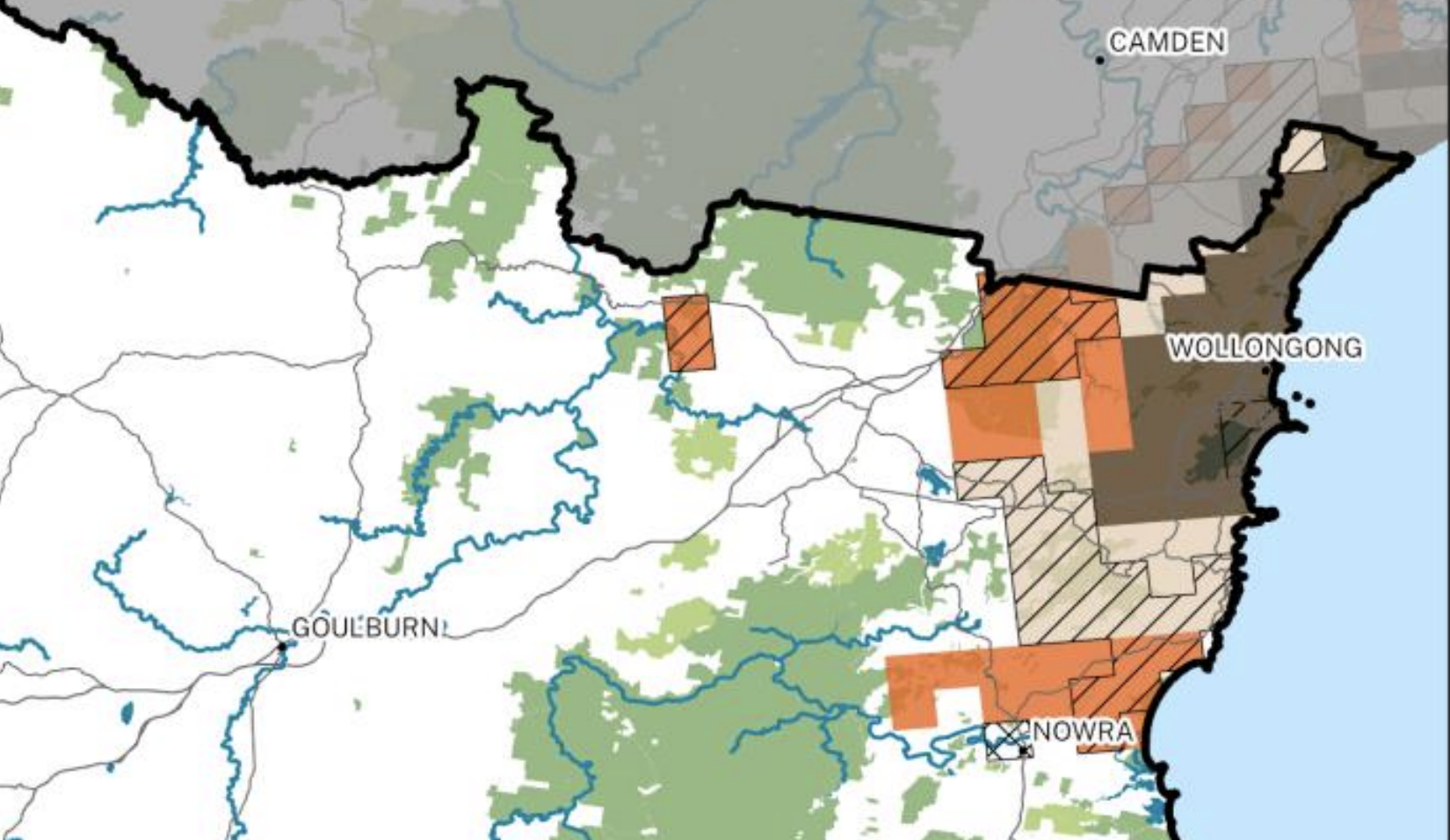
As reported last week, much of the Royal's 15,000 hectares was closed to bushwalkers and picnickers from 26-28 May as NPWS had planned aerial and ground shooting operations. However, rain hampered efforts.
"Due to wet weather conditions, the operation was only able to proceed on Wednesday 27 May 2026," the NPWS spokesperson said.
A total of 48 deer were culled, with 36 shot from the air and 12 from the ground.
"The aerial control program involved a single aircraft. It was staffed appropriately to ensure public safety and support operational requirements," the spokesperson said.
"The deer cull does not operate to a fixed target number of deer. Deer are only culled where it is safe, appropriate and humane to do so, in line with strict operational and animal welfare protocols."
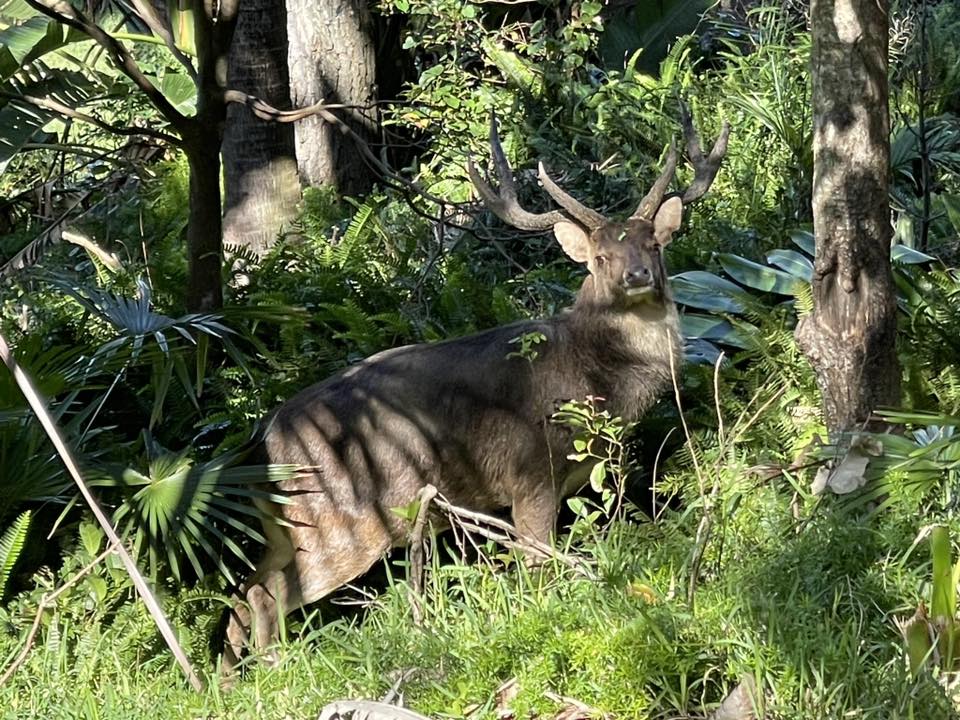
Male rusa deer weigh up to 135kg, with antlers just under a metre long, according to FeralScan's Deer Identification Guide. Native to Indonesia, these deer were introduced to our region in the late 19th century and now threaten native plants and animals, such as the Royal's fragile population of platypus, recently established as part of a rewilding project.
A 2022-23 ecological health scorecard for the Royal National Park, Heathcote National Park and Garawarra State Conservation Area found that rusa deer were most common in the southern section, which is where the wilderness meets suburbia.
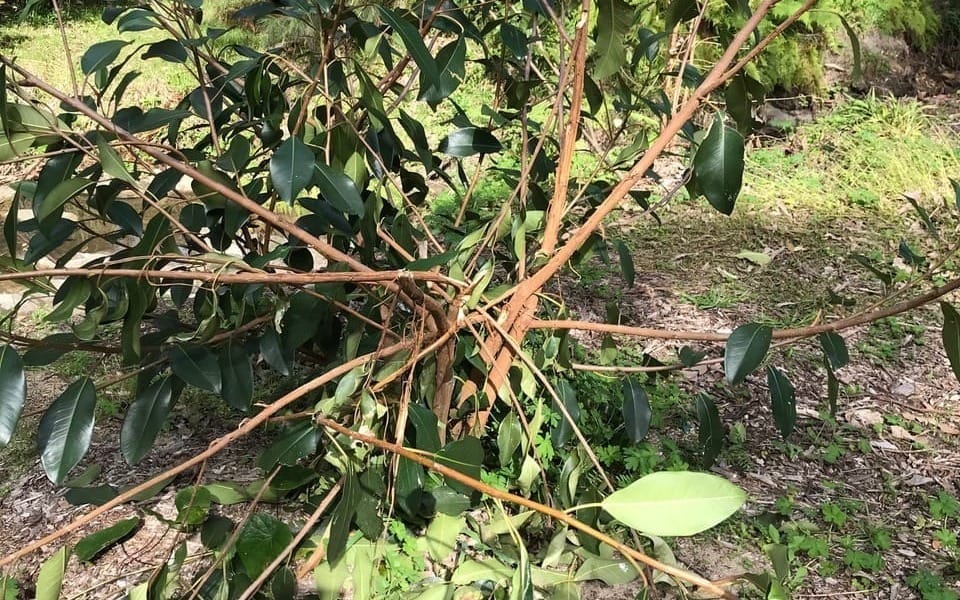
For decades, Landcare and Bushcare volunteers in Helensburgh and Stanwell Park have battled to protect their patches from deer, which may spread weeds and destroy native vegetation by trampling, grazing and ringbarking young trees. Hard hooves also contribute to soil erosion and compaction. Deer may also transmit foot-and-mouth disease.
NPWS works with Local Land Services, which manages the Illawarra Wild Deer Management Program. Since the program began in 2011, it has removed more than 7400 deer from the region.
An NPWS spokesperson said: “There is no practical biological control currently available for feral deer control."
Warning: no entry
From 4 May-29 June, NPWS is closing parts of the Illawarra Escarpment State Conservation Area, Macquarie Pass National Park, Dharawal National Park and Dharawal Nature Reserve for ground pest-control operations to reduce numbers of feral deer, pigs, goats and foxes. The areas off-limits from 6pm to 6am Monday to Thursday (outside of school and public holidays) are:
- Mount Kembla
- Mount Kiera (including Mt Keira Summit Park, Scout Camp, Girl Guides and Illawarra Rhododendron and Rainforest Garden)
- Maddens Plains (including Sublime Point Lookout)
- Macquarie Pass NP (including Calderwood Trail)
- Dharawal NP/NR (including management and fire trails 10Q, 10A and 10)
Look for closure warning signs at entrances to the shooting areas and find more current alerts here.
Report sightings
Residents can report deer sightings via the Feralscan website. Injured deer should be reported to NSW Police or the RSPCA. Contact the Police on 131 444 to report illegal deer hunting. Council’s website has more information.


