

Not so fast: Should streets become 30km/hr zones?
Road safety is never out of fashion, and it's not too late for Illawarra residents to have a say on how to save lives

Would you support a lowering of speed limits on Illawarra's suburban streets to 30km/hr?
That’s one of the many potential life-saving strategies being considered as the NSW Government seeks community input into its 2031 Road Safety Action Plan.
A road safety forum held in Wollongong late last month was told speeding was involved in 41 per cent of fatalities in NSW. Most fatalities occur in regional and rural areas.
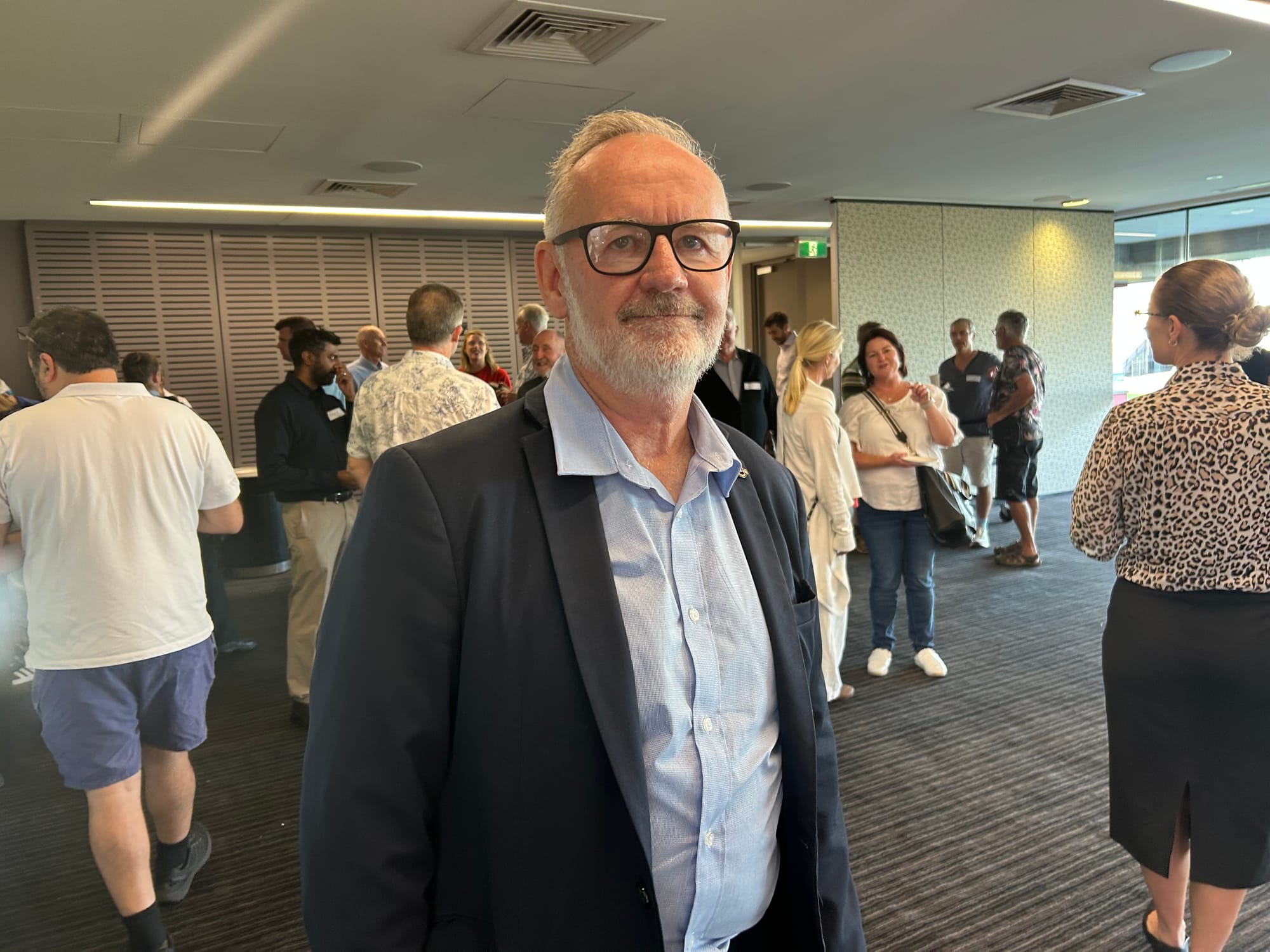
NSW Centre for Road and Maritime Safety chief Bernard Carlon said lowering speed limits had saved lives in places such as Greater London, where more than 50 per cent of roads have a 20 mile per hour (32km/hr) speed limit.
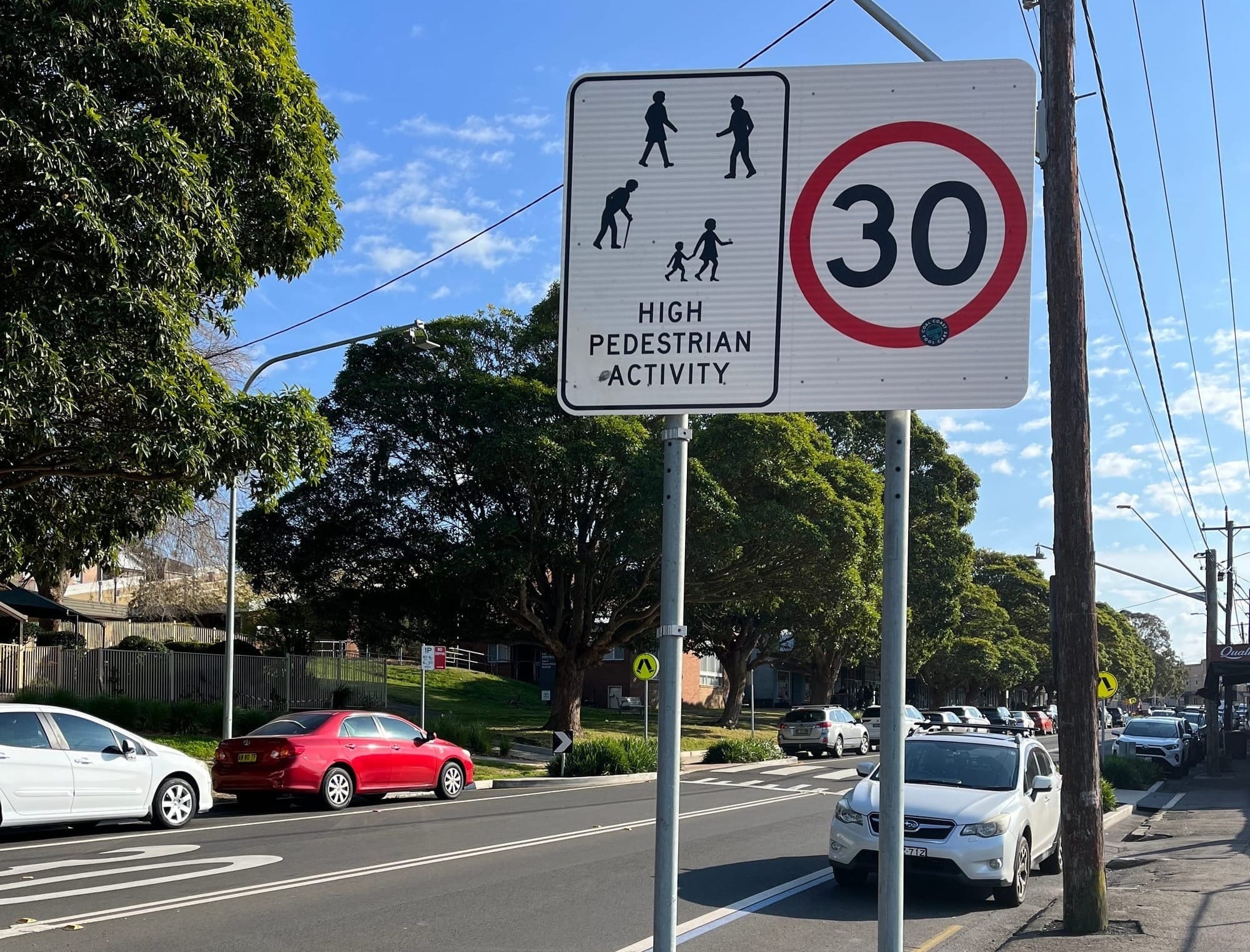
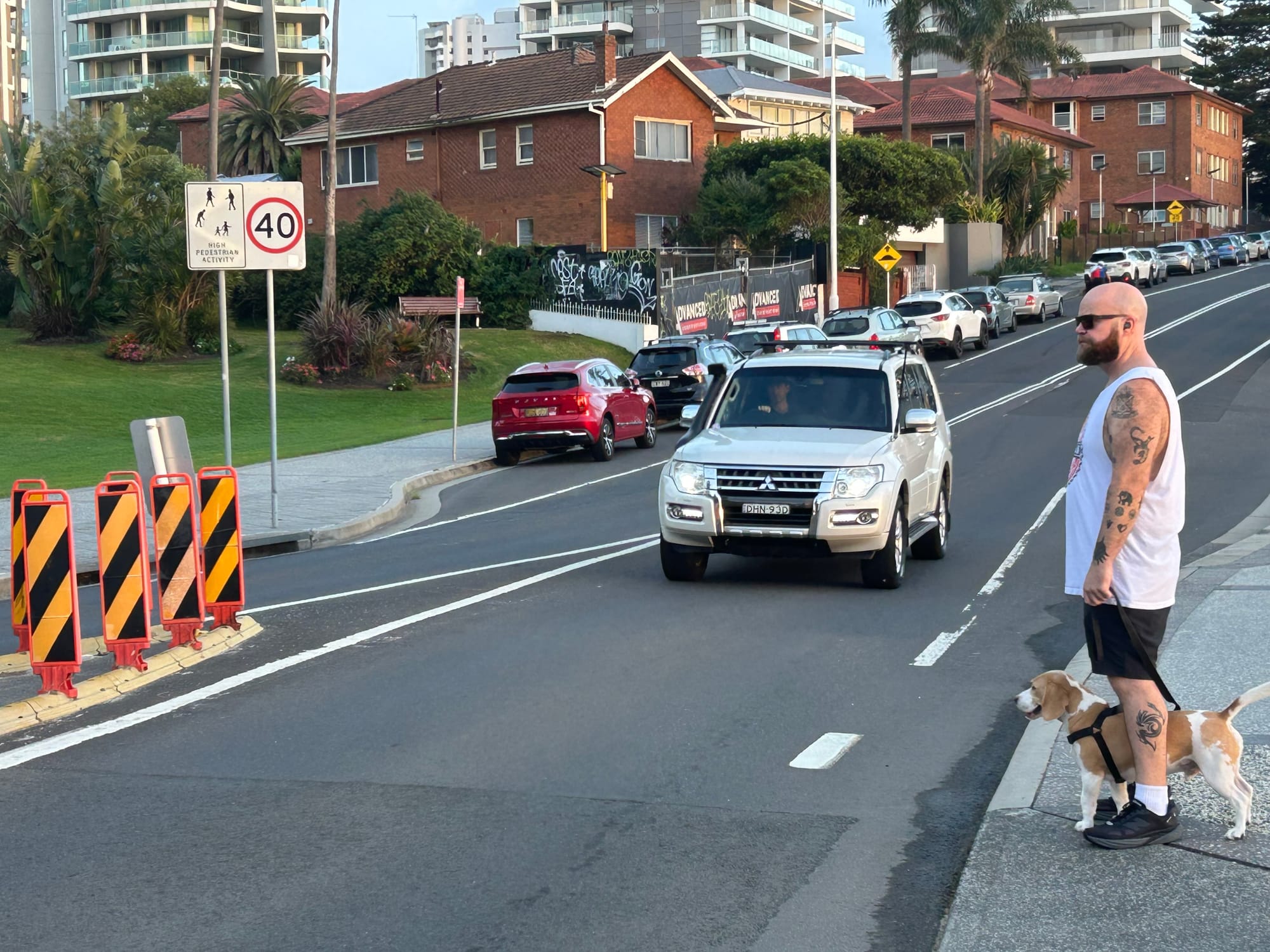
In Australia, Mildura and Cootamundra have cut speed limits in town centres to protect pedestrians. Locally, there’s a 30km/hr speed limit in streets around Warilla Grove, Shellharbour Village, Lower Crown Street and Helensburgh town centre.
Bernard Carlon said the old adage “speed kills” is as true today as ever.
“If a person is hit by a car travelling at 50km/hr, they're twice as likely to die as someone struck at 40. The likelihood of a fatality is reduced by another 25 per cent if the vehicle is travelling at 30km/hr.”
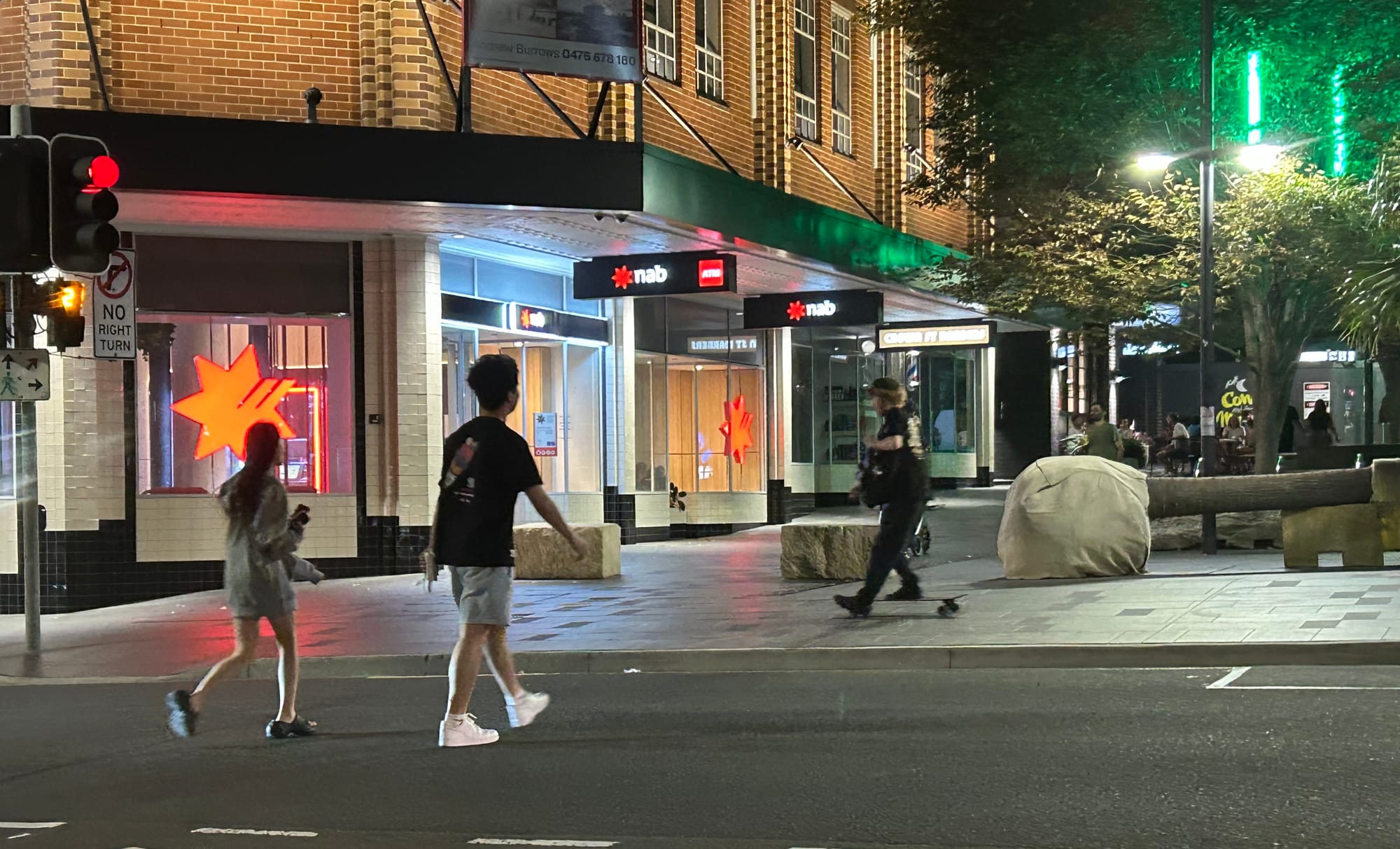
Bernard said the Wollongong forum focused on our most vulnerable road users, including making it safer for young people to drive, and “designing our urban areas to protect our older cyclists and pedestrians who want to move around their communities safely”.
Worrying trends
Over the past three years, road trauma has trended upward, increasing across all road user groups, particularly among older people, and with a growing proportion of deaths and injuries occurring in regional towns and centres.
Most attendees at the Wollongong forum, part of Transport for NSW’s consultation on shaping its new five-year road safety strategy, supported lower speed limits.
Healthy Cities Illawarra CEO Kelly Andrews said the worrying statistics on increased road trauma must be addressed.
“There was a good discussion around how we change social norms around speed and risk, like we did in the 1980s around drink-driving. It became socially unacceptable, and this is what we need for speed,” Kelly said.
“There was interest in looking at safer, lower speed limits in neighbourhood streets to reduce injury and make it safer for people to walk and cycle.
“Police also need more resources for enforcement of speed but also road rules in general.
“Obviously from a healthy cities point of view, we’d like to see more investment in public transport, and active transport, recognising that the roads are there for the throughput of people in many modes of transport, not just cars.”
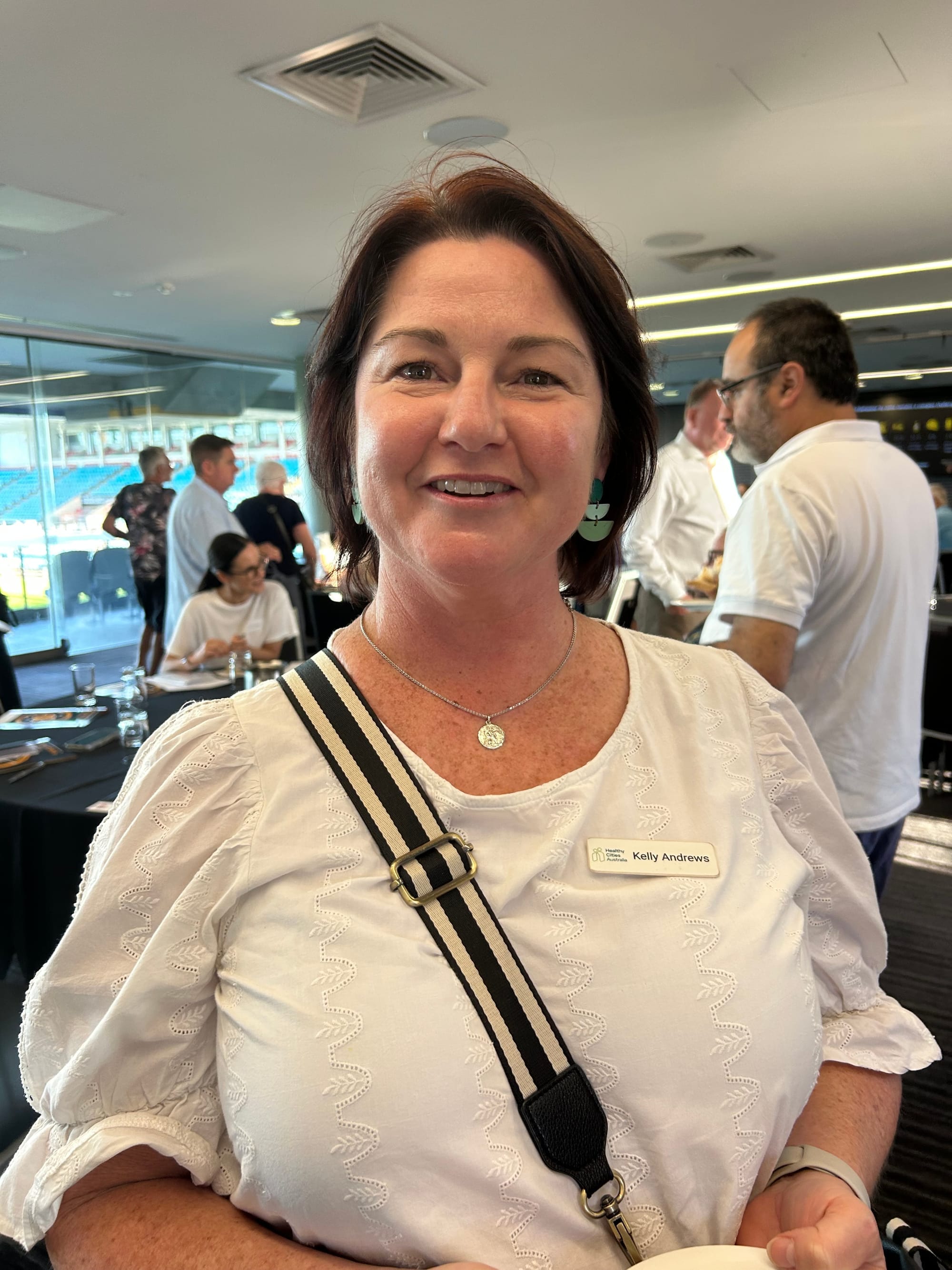
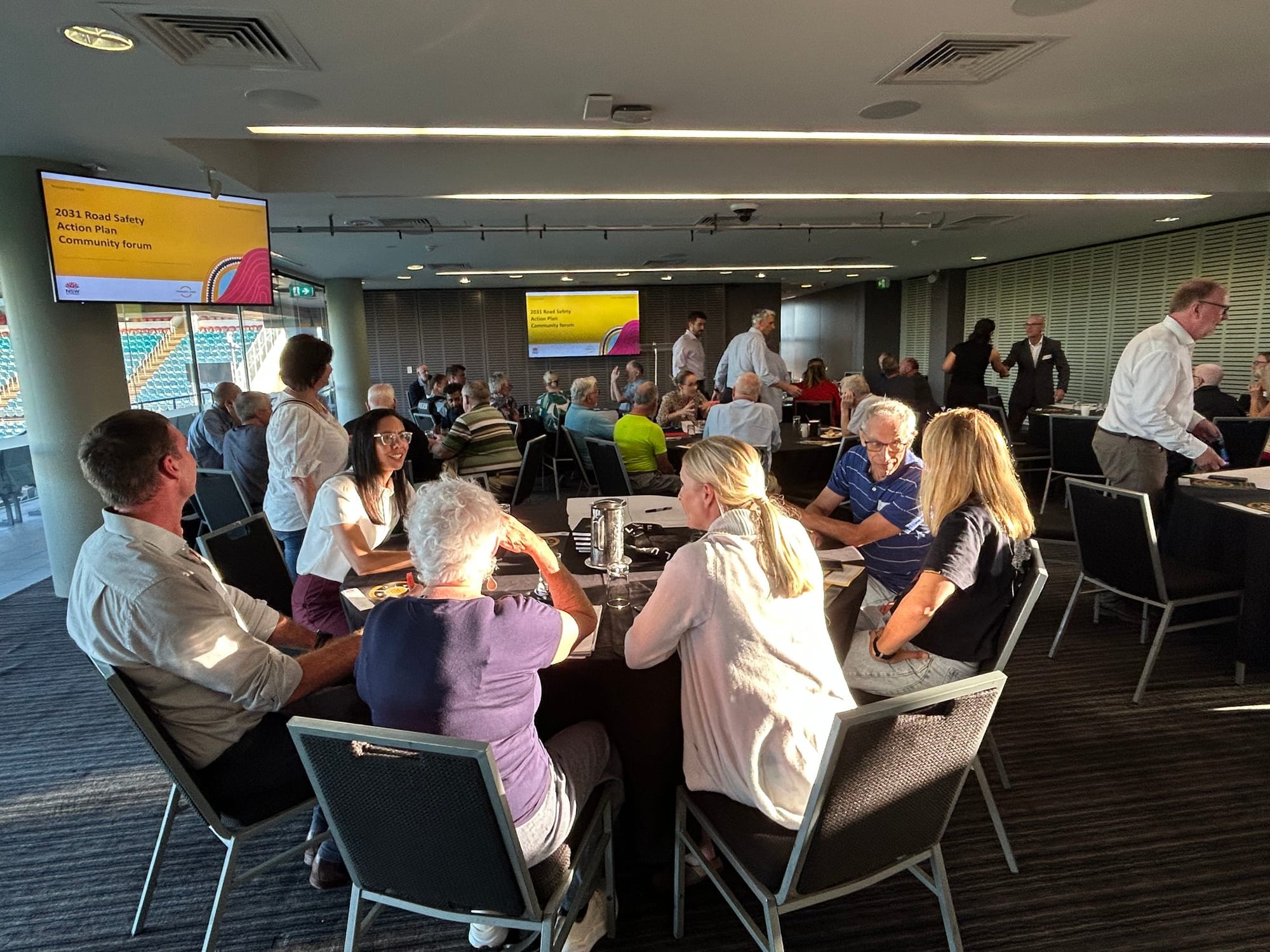
Kelly Andrews says motorists need to change their attitude to speeding. Right: The Wollongong Road Safety forum.
Getting people out of their cars
Greens Cr Jess Whittaker, who also attended the forum, is pleased the campaign for 30km/hr residential streets is gaining momentum in urban areas.
“The Transport for NSW presentation reinforced for me that slowing down cars in Australia would have massive safety, community, environmental and economic benefits,” Cr Whittaker said.
“We also need to do more to get people out of their cars and using public transport. By providing increased frequency of services and free or very cheap ticket fares, we could easily prevent many accidents on our roads by simply reducing our dependence on cars.”
Those views were supported by long-time active travel advocate George Takacs, who wants to see more people where they can, walking or cycling to work. He also wants motorists to take greater care and show greater awareness of pedestrians and cyclists.
Bradley Chapman of Corrimal took a long list of concerns to the road safety forum. Where he lives, he said there weren’t enough footpaths.
He said getting more people on public transport was important but he said “the Illawarra rail line has been a known problem for decades”.
“We know Corrimal is a big growth area, but even now our roads can’t cope. Traffic on Railway St is a big bugbear.”
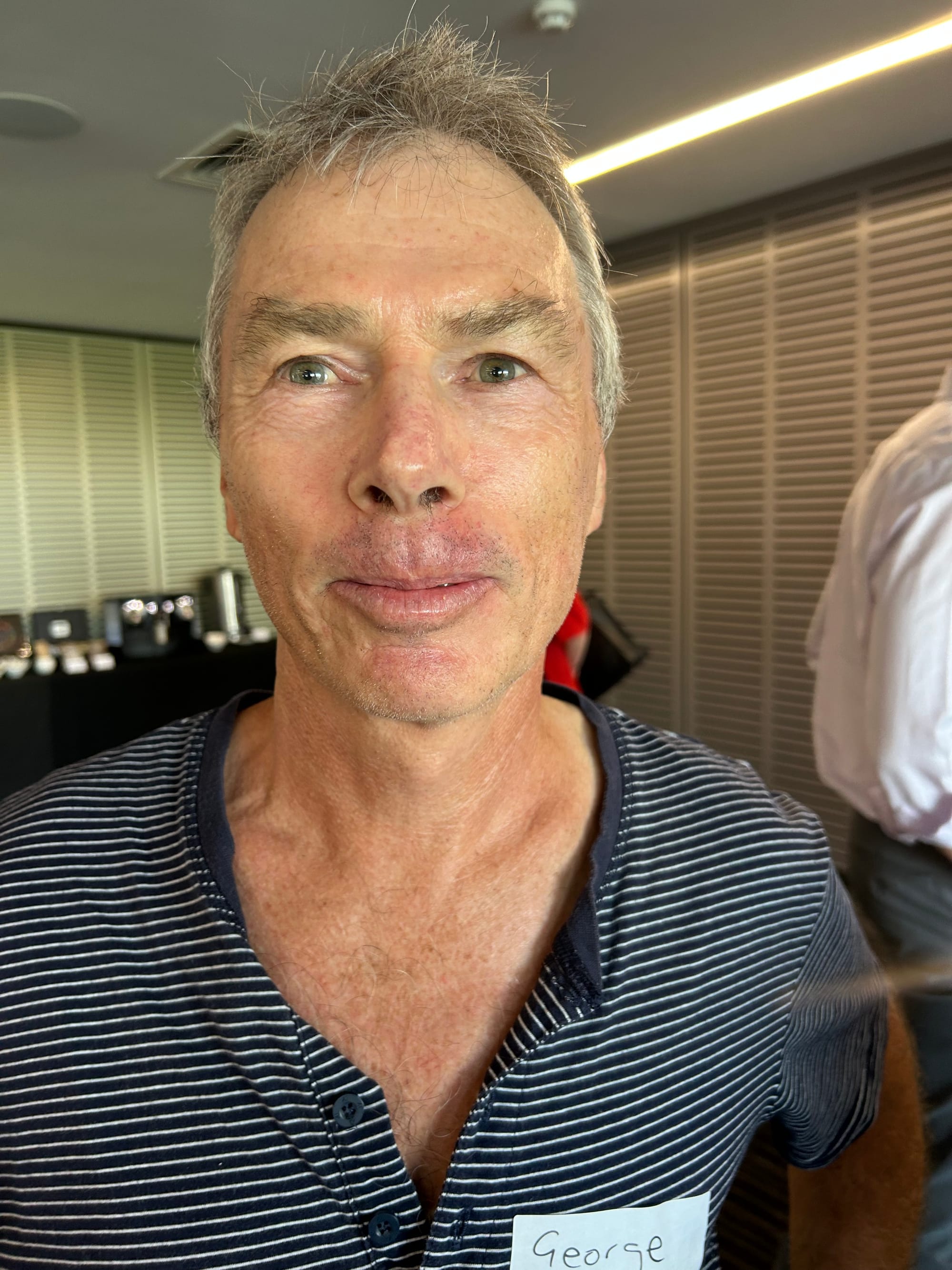
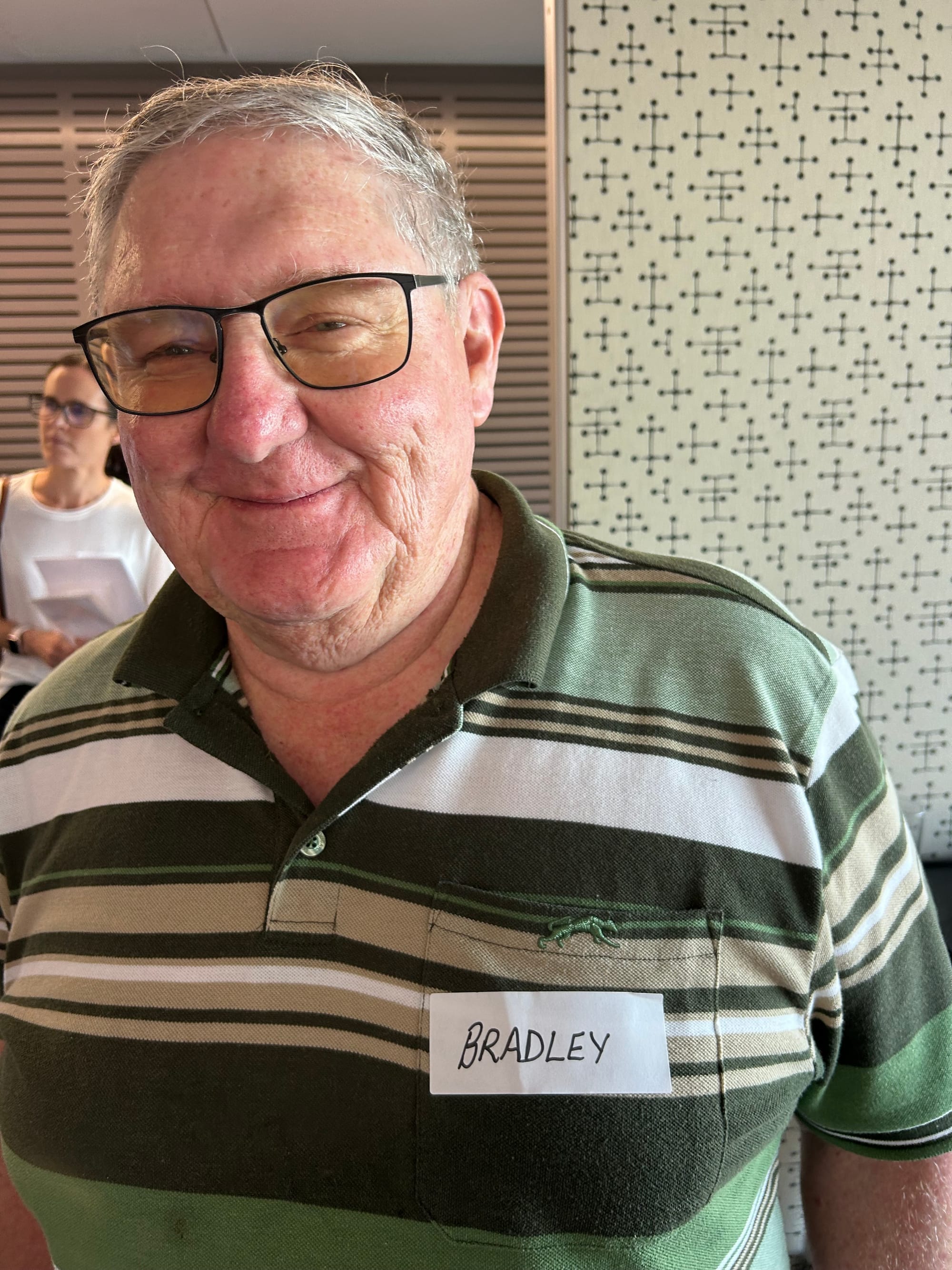
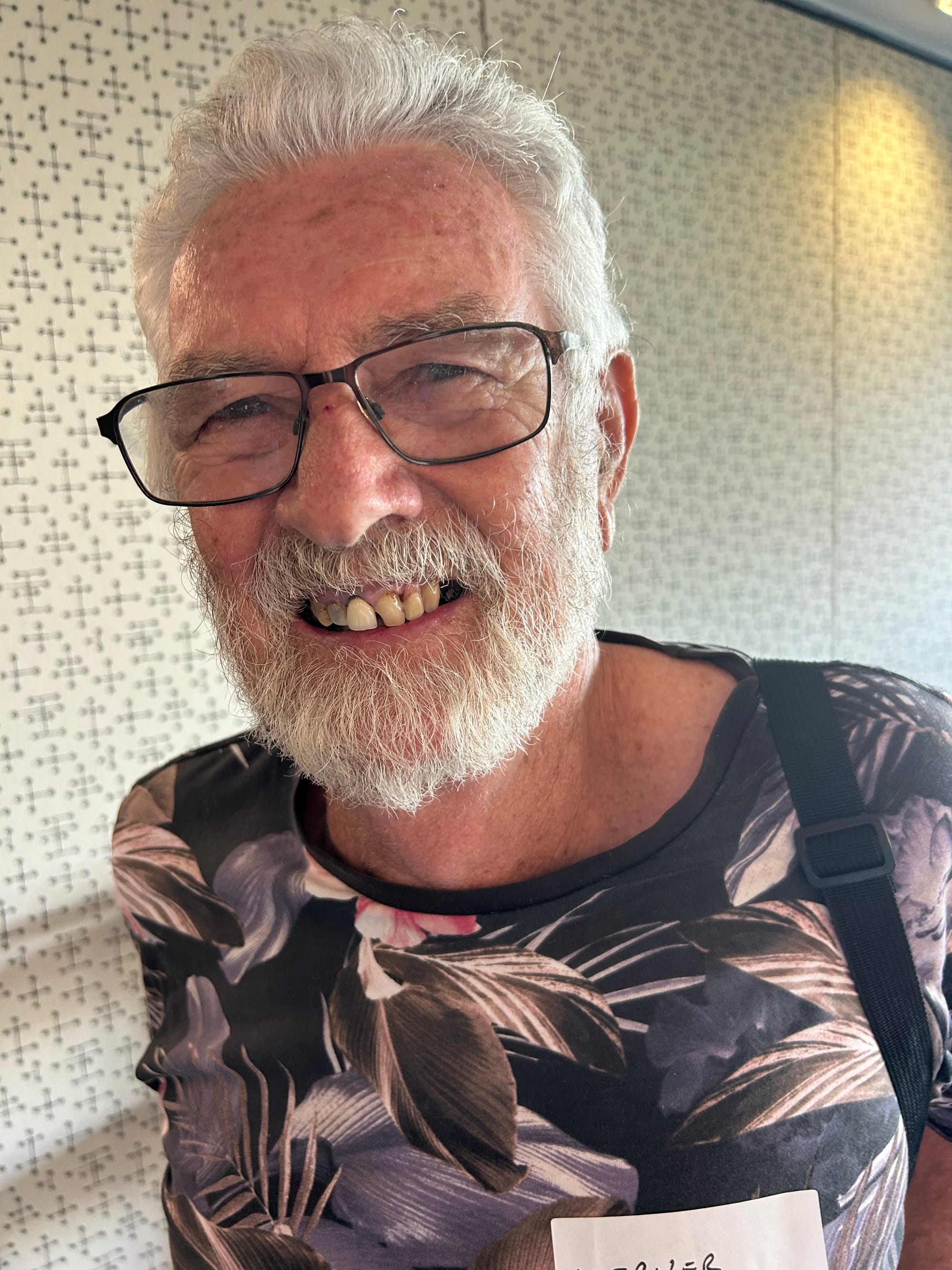
L to R: George Takacs, Bradley Chapman and Werner Steyer, who says better road safety education should be prioritised.
Better education needed
Werner Steyer, representing the Kiama Bike User Group, is concerned that there isn’t sufficient education about how to use roads safely.
“People simply don’t understand the road rules. The only education we get is that ‘we’re going to fine you',” he said.
Werner said those planning our roads need to do a better job by consulting with communities.
“It’s great they’re starting to build roads with bike tracks, but too often those cycleways just don’t connect.”
Long-time transport expert Dr Philip Laird said the forum raised many important issues which needed to be addressed as a priority.
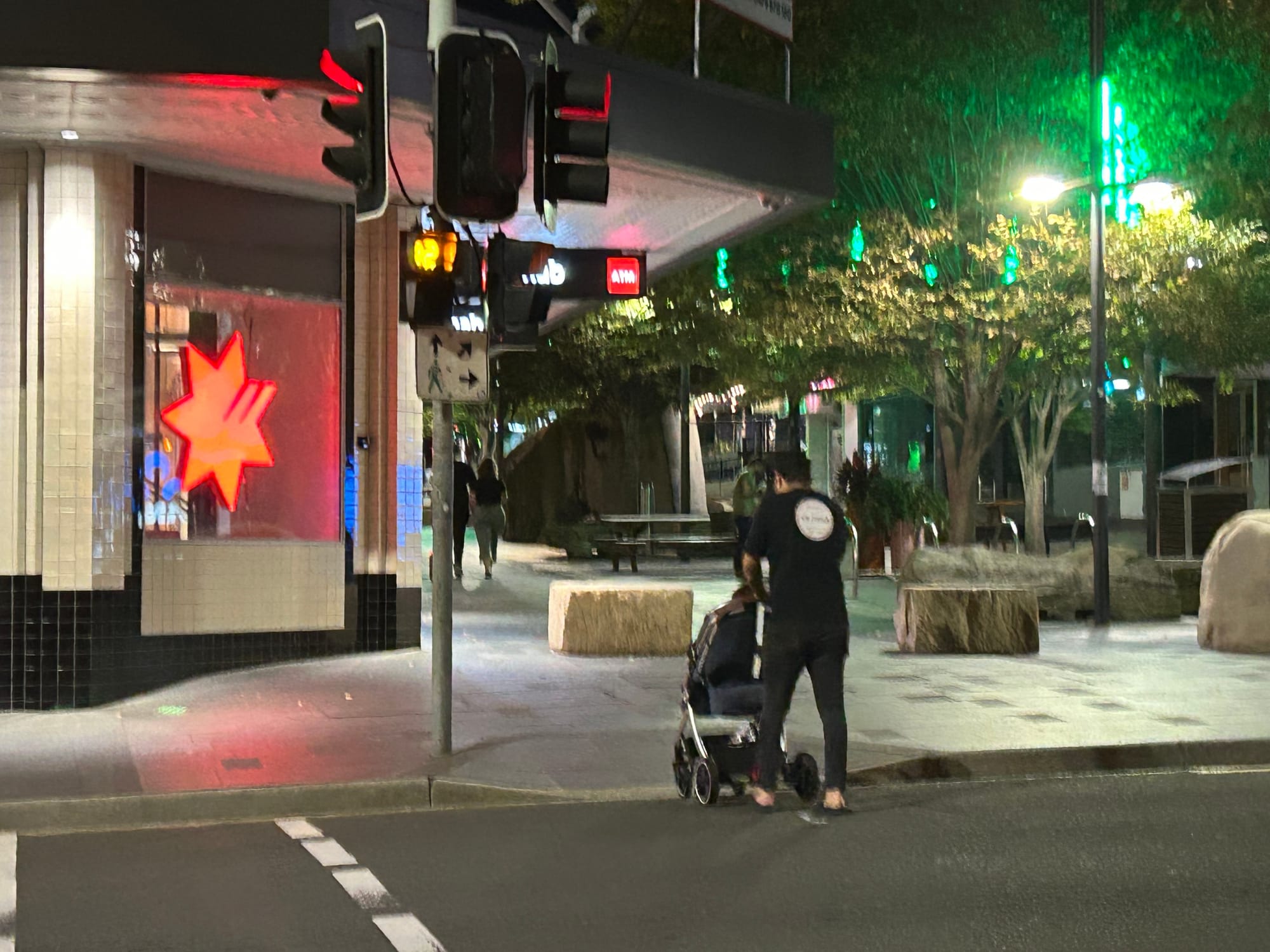
“From our discussion group, more traffic calming would be in order, along with a better deal for pedestrians at traffic lights,” Philip said.
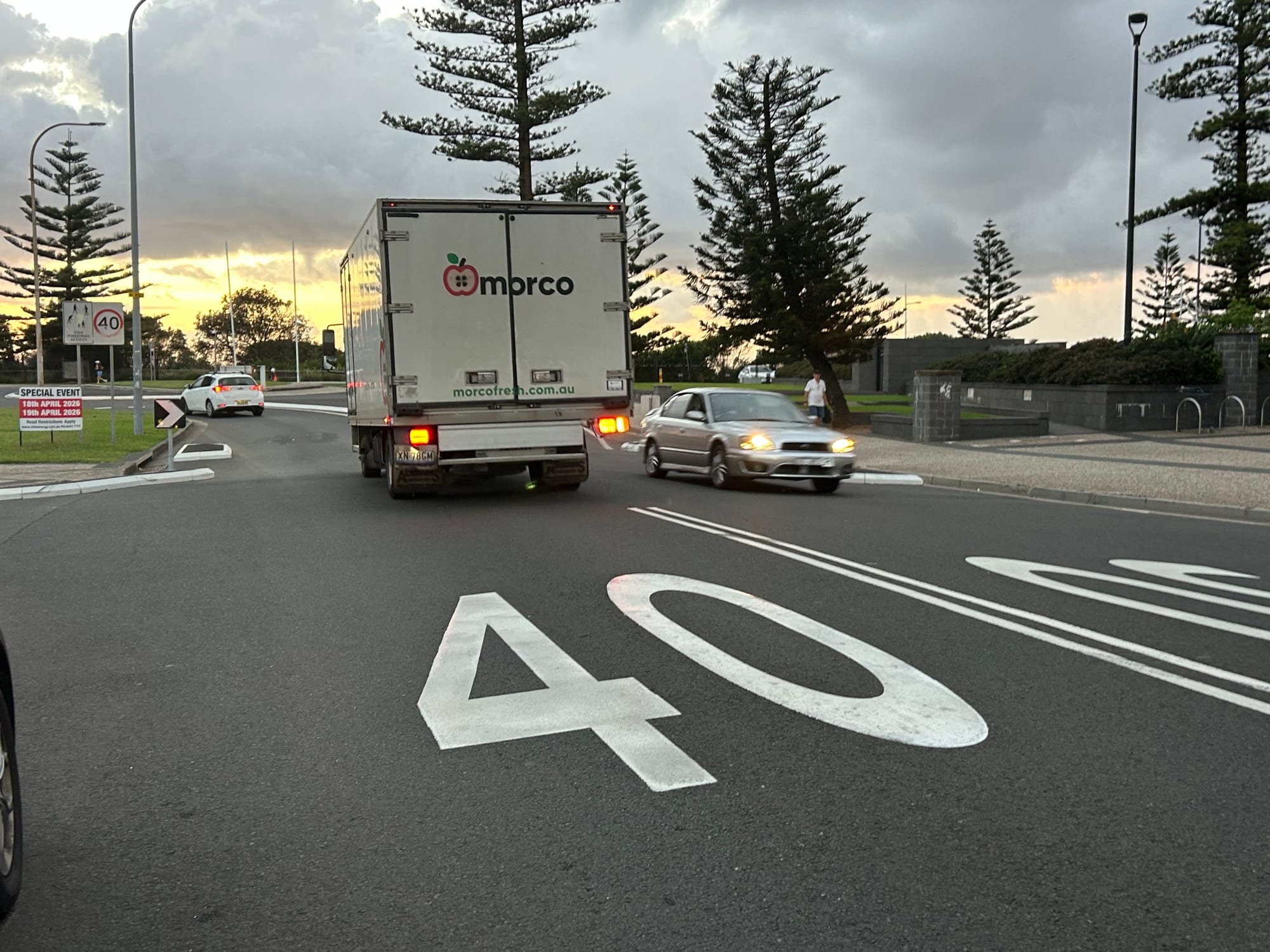
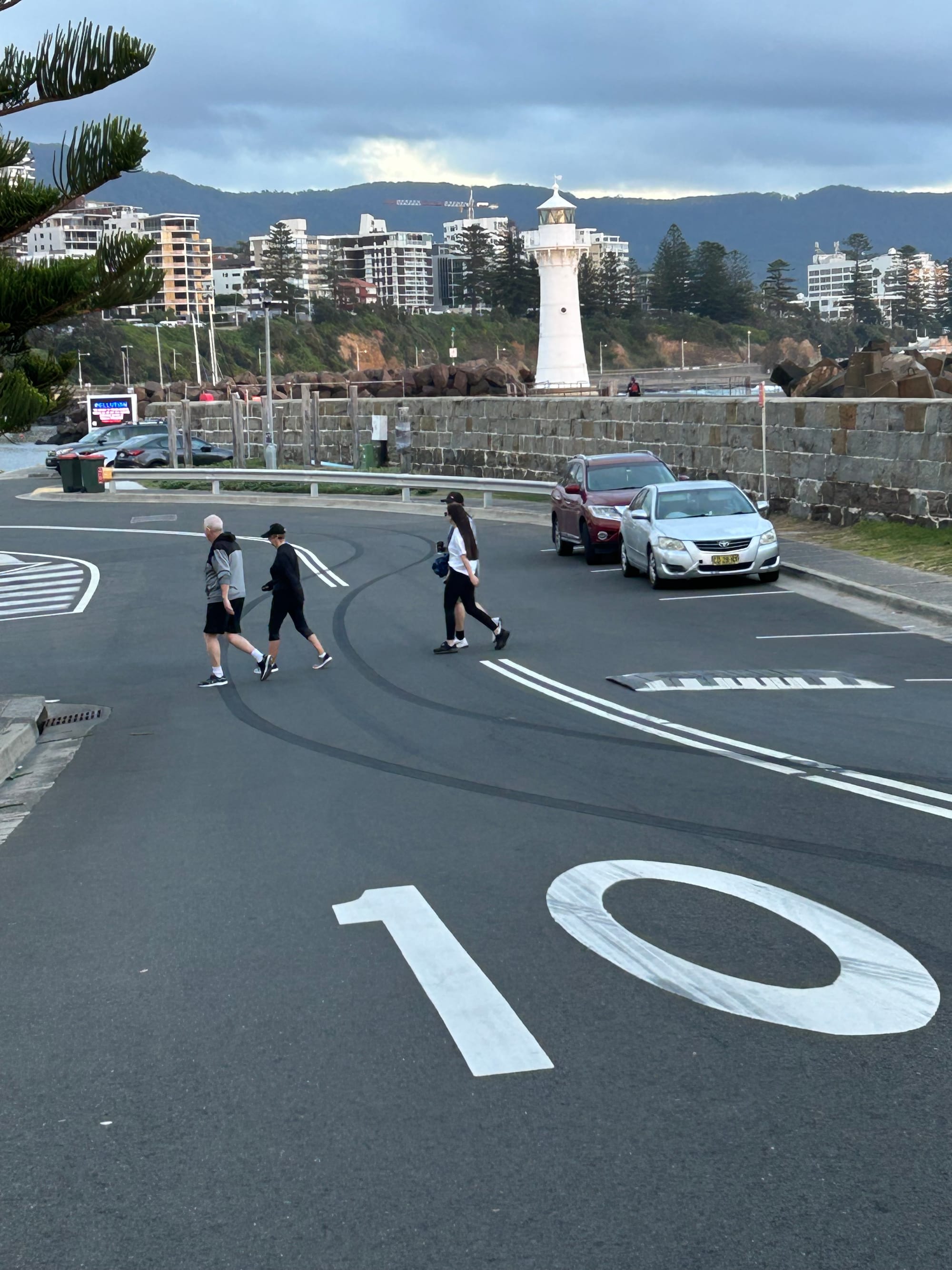
“There’s also too much non-compliance with speed limits, including outside schools, and some bike storage downtown would be useful, as would more cycleways and footpath.
“We also need ‘managed motorway systems’ with average speed cameras working, and stats on the number of fines issued, not only on Picton Road, but also on Mt Ousley Road and the section of the M1 to Masters Road.”
E-bike dangers
The increased use of e-bikes and e-scooters and dangers associated with their use has been a hot topic during the Transport for NSW consultation.
Arnold McLean has accused the authorities of being too slow taking action to address the problem.
“Notably the delay before introducing and applying regulations on e-bikes and e-scooters and other active transport forms.”
The aim of the new 2031 Road Safety Plan is to halve the number of deaths on NSW roads by 2030.
Arnold McLean believes many lives would be saved if road safety was included in the school curriculum “by educating school leavers as to the paramount need to drive safely.”
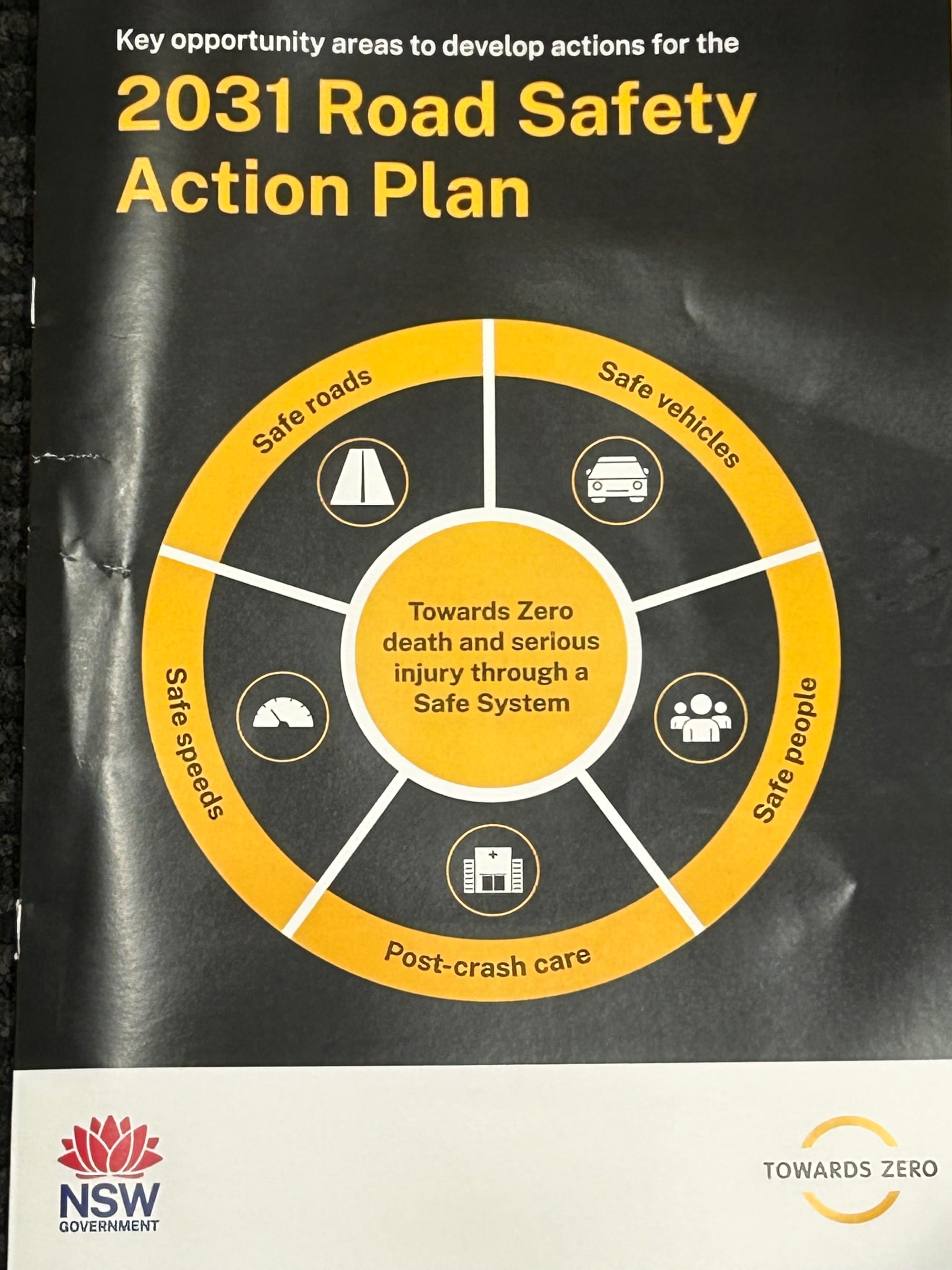
The community still has time to contribute ideas to the new Road Safety Action Plan. The consultation closes on Thursday, May 7.


