
Rat poison is killing off rodents' natural predators
Yes, a random rodent can cause chaos, but wiping out the wildlife that keeps such critters in check is not the way to go

Let’s be honest – no-one wants to come face to face with a mouse in the kitchen or have a rat run over their feet while having a quiet vino out the back (ask me how I know). But before you reach for the poison, here’s something to think about.
It’s a bit of a mouthful to say ‘‘second-generation anti-coagulants’’, so we’ll stick with SGARs. Designed to kill rats and mice by preventing their blood from clotting, SGARs are also killing native wildlife and pets who either consume the baits or, in the cases of our local owl species, eat the poisoned rodents.
Everything from snails and slugs, birds, various lizards, possums, native rats, antechinus and even our four-legged friends who cannot resist a nibble on a forbidden substance, are at risk from primary poisoning.
Unlike first-generation anticoagulants (FGARs), SGARs are much more potent, long-lasting, and can remain in a poisoned animal’s body for weeks. When a predator or scavenger eats the dead or dying rodent – and death can take 5-10 days or even longer and the toxin can remain at dangerous levels even during decomposition – they are then at risk of being poisoned themselves.
Up the food chain it goes
This is secondary poisoning, and we’re seeing its consequences right across the food chain. Birds that regularly feed on rodents, such as kestrels, kites, currawongs and kookaburras are all at risk.
Owls are particularly vulnerable. As natural rodent hunters, they can consume multiple mice or rats in a single night. If those rodents have ingested SGARs, the owl receives repeated doses.
Research from BirdLife Australia is showing seriously worrying results, especially when it comes to one of my favourite nocturnal visitors, the threatened powerful owl. Liver samples taken from deceased powerful owls showed that 37 of the 38 samples collected contained anticoagulant rodenticide. Also, 60% of the birds had levels high enough to cause them impairment, such as slow reaction time, putting them at higher risk of being taken by a fox or a cat or of being hit by a car. Ten per cent were affected enough to have killed the bird outright.
What worked for us

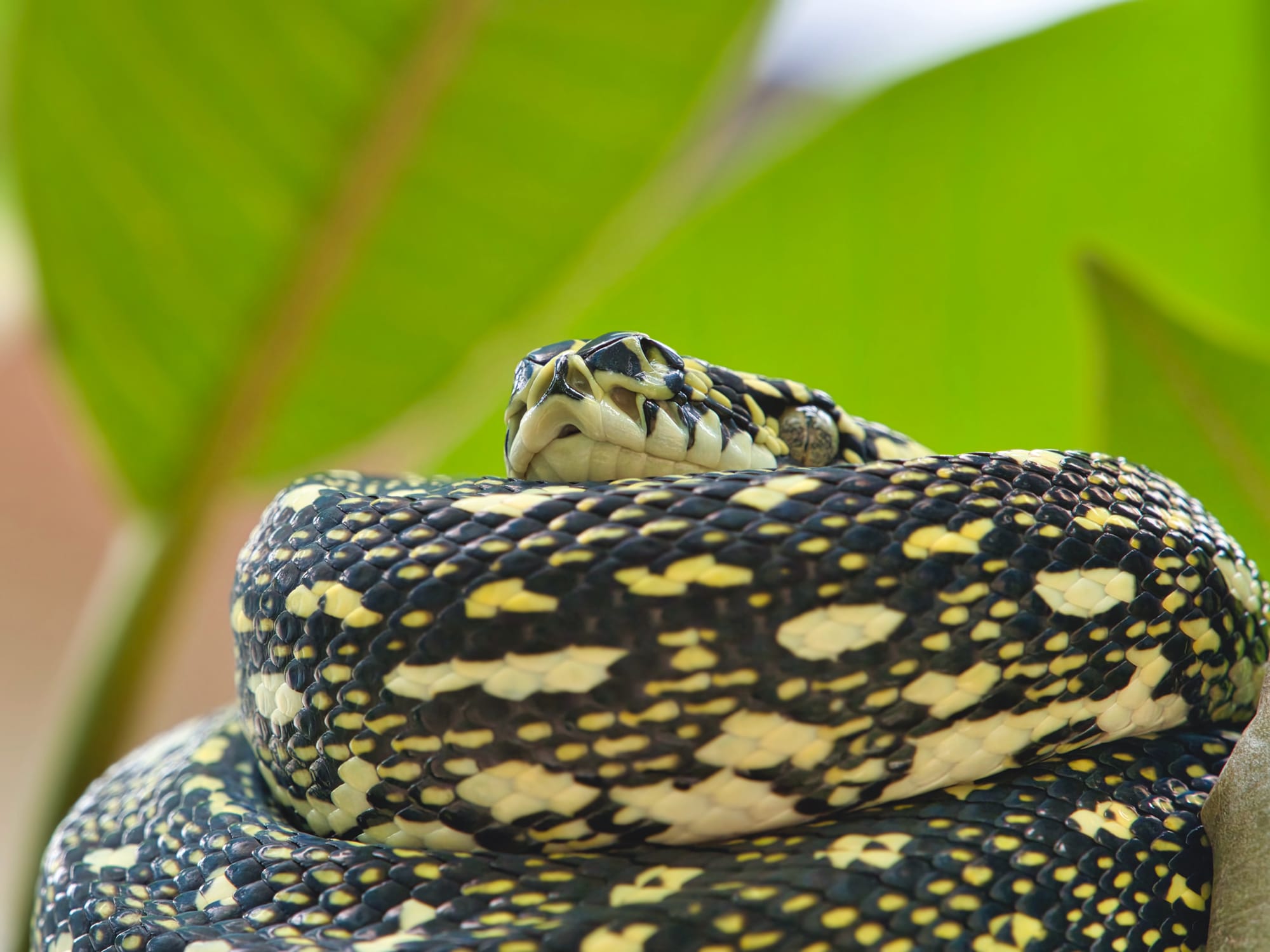
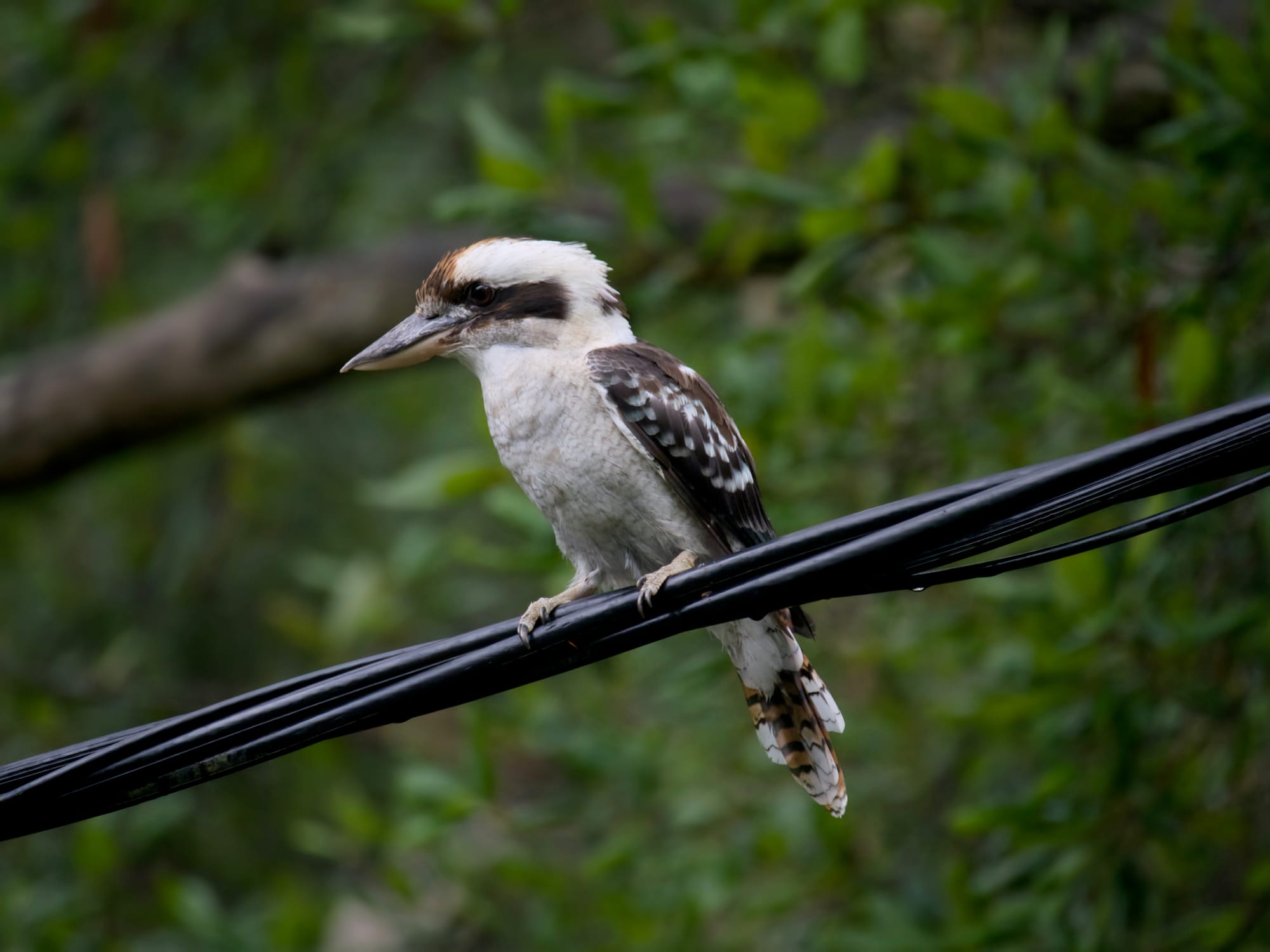
Tawny frogmouths, diamond pythons and kookaburras are excellent pest controllers but as a result are at risk of secondary poisoning. Photos: Amanda De George
As someone living surrounded by bush, with our fair share of rodents and very regular visits from tawny frogmouths, boobooks and kookaburras, here is how we manage without poisons.
Apologies to our dogs, but we just can’t leave their food outside. Between the rats and the bandicoots, it’d be eaten anyway. Any chicken feed, bird seed, guinea pig feed all has to be stored in thick plastic tubs, lids on at all times. That goes with human food too.
Rats can squeeze through gaps as small as a 20-cent coin, so check for holes in walls and into the roof cavity and openings around pipes. A bit of steel wool and sealant can go a long way. This also works well to keep possums out of the roof cavity, where they always seem to party, at 2am, with boots on.
Of course, letting nature do its thing works a treat. Leaving trees in place, especially those with hollows, and adding possum and wildlife boxes will encourage visitors to form the local pest patrol. Our resident tawnies are known to take mice, and a diamond python is often seen sporting a large rat-shaped bulge. A single owl family can consume countless rodents a year.
And if things get out of hand, there are poison-free options. Humane catch-and-release traps and even snap traps work well and don’t affect the entire food chain.
So yes, a random rat eyeing off a deck-based cheese and wine night is annoying. But I reckon wiping out the wildlife that keeps these critters in check is too high a price to pay.
You can read more about SGARs here.
The Australian Pesticides and Veterinary Medicines Authority (APVMA) is seeking submissions on the proposed regulation of these dangerous poisons by March 16.
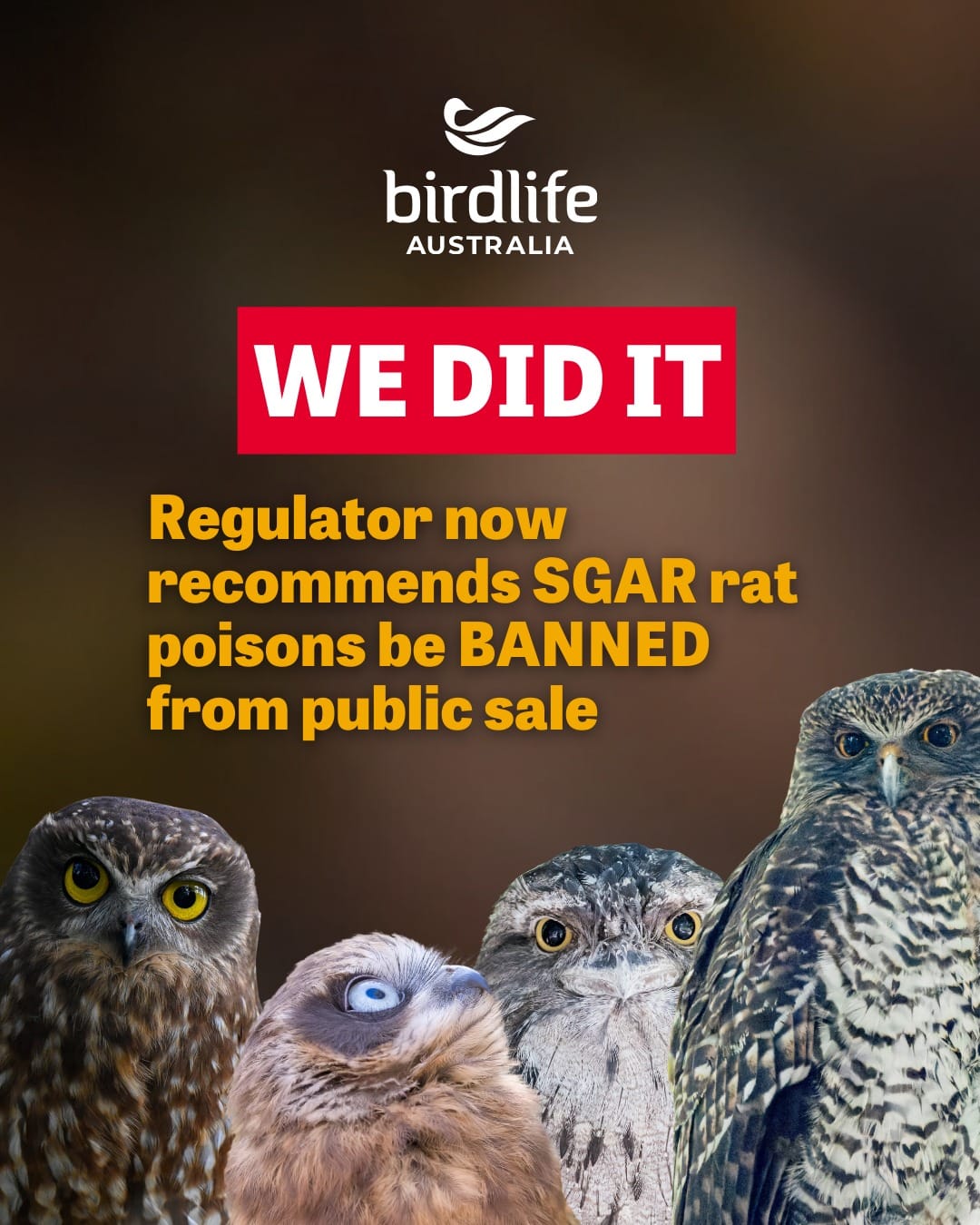
Yesterday, BirdLife Australia announced a win in the campaign to remove SGARs from retail sale. While APVMA is now recommending a ban on the public sale of bird-killing rat poisons, this still needs to be signed off by the Minister for Agriculture, Fisheries and Forestry. BirdLife said if the regulator's recommendation is approved and implemented, it could mark "one of the biggest conservation wins for Australian wildlife in recent years". Stay up to date here.