
Sandpaper Fig hitting it for six in the flavour stakes
'Ficus coronata' generally needs a good year with lots of regular rain to produce the tastiest fruits
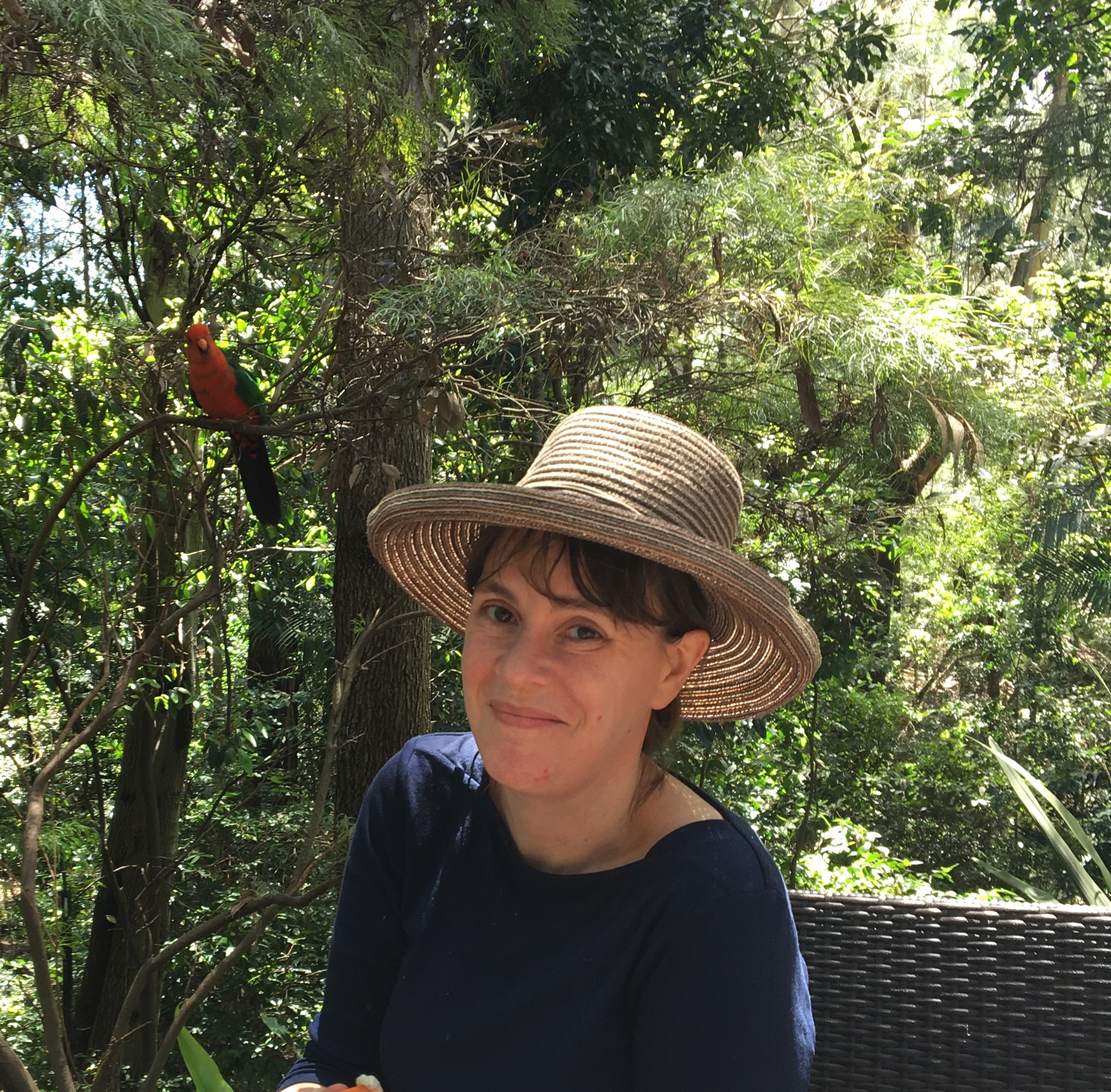

It's almost the end of spring and some of the local fig trees are producing fruit. In particular, the Sandpaper Figs (Ficus coronata) are starting to do their thing.
This species is the smallest of the local fig trees, and is often overlooked or even disparaged as it is common and widespread. Indeed, it often pops up in gardens where birds or bats have pooed out its seeds. And, of course, sandpaper is in the news – so why shouldn't the most relevant local plant feature this week!
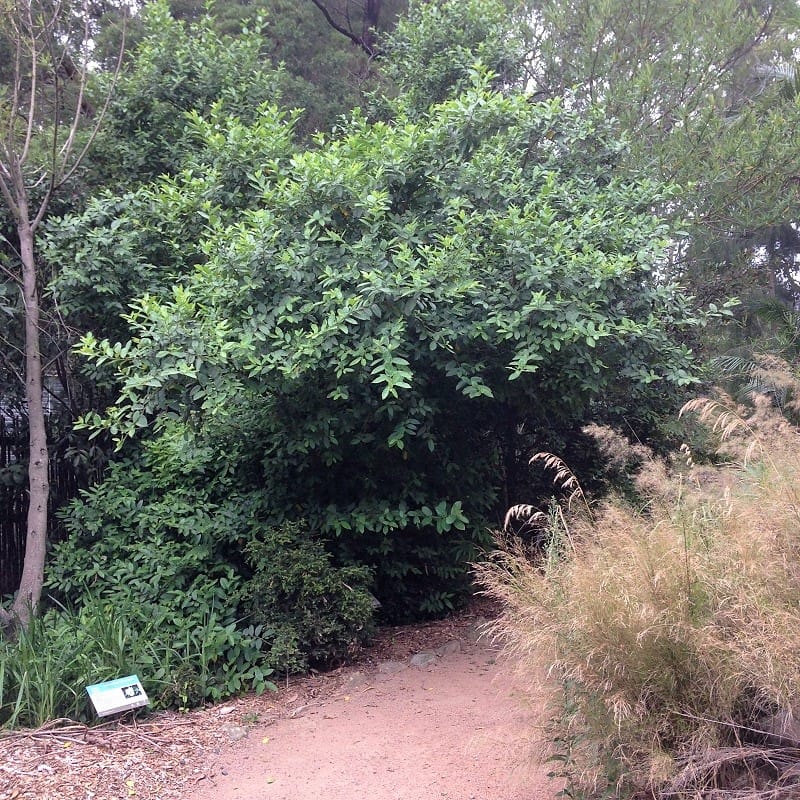
Sandpaper Fig is a beautiful small to medium-sized fig tree, and it does not have a strangling habit, unlike most of the local fig species.
It particularly favours the areas alongside creeks and damp gullies. It is really common in riparian zones, and can be found coming up by the dozen in suitable conditions.
One of its most distinctive characteristics is that of bearing fruits along its trunk and larger branches (botanically speaking, they are known as syconiums, comprising a fleshy receptacle with the fruit developing inside it).
The image below shows some of the fruits and foliage, while the image at the top of the article shows fruit growing on a tree's trunk. (That tree, in case you're interested, is in Wollongong Botanic Garden's Tower bush tucker garden, where it's easy to see and appreciate the plant and the fruit.)
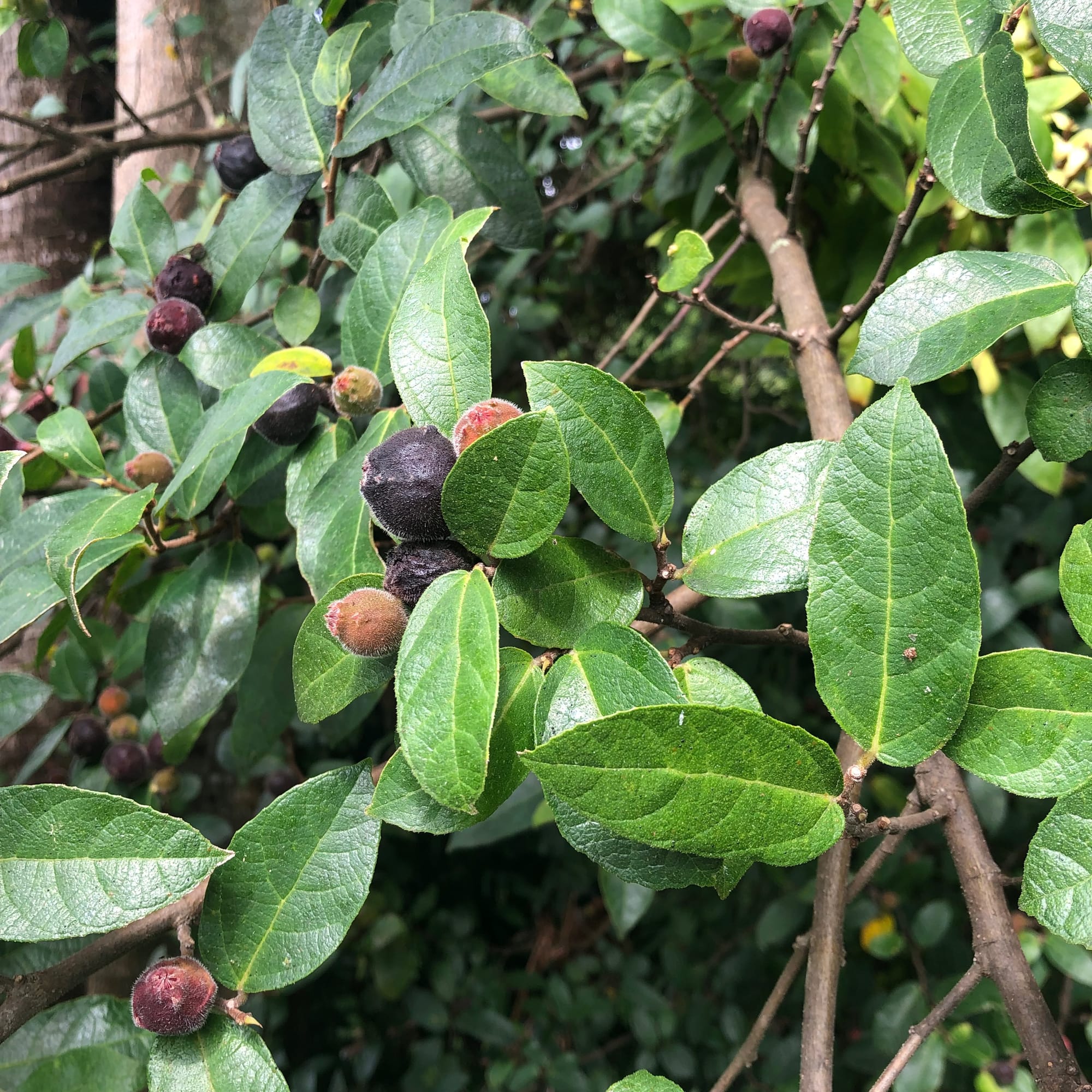
Now, I'm the first to say that the flavour of Sandpaper Fig fruit is... variable. Some plants just have much tastier fruit than others. And a good year with lots of regular rain generally results in plumper, less fibrous and generally yummier fruits.
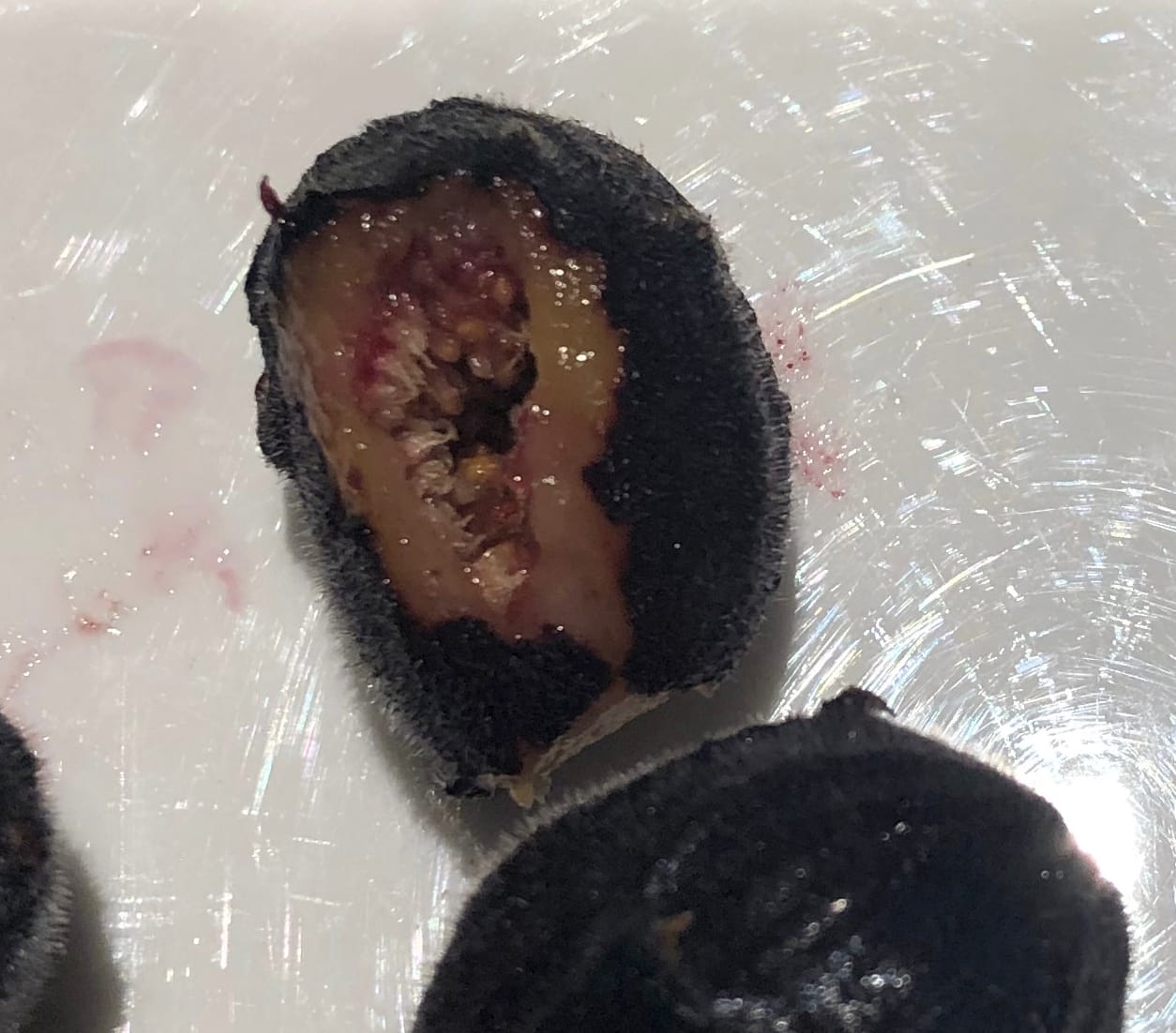
The fully ripe fruit in the image above appeared in spring 2023 and were the most delicious figs I've ever eaten. A blind taste test with a few friends confirmed that the flavour was excellent. It's just a shame that there weren't more figs to go round.
And of course we need to share with our fauna friends, including the Brown Cuckoo-dove, Australasian Figbird, Green Catbird, Olive-backed Oriole, and Topknot Pigeon, not to mention the hungry Grey-headed Flying Foxes.
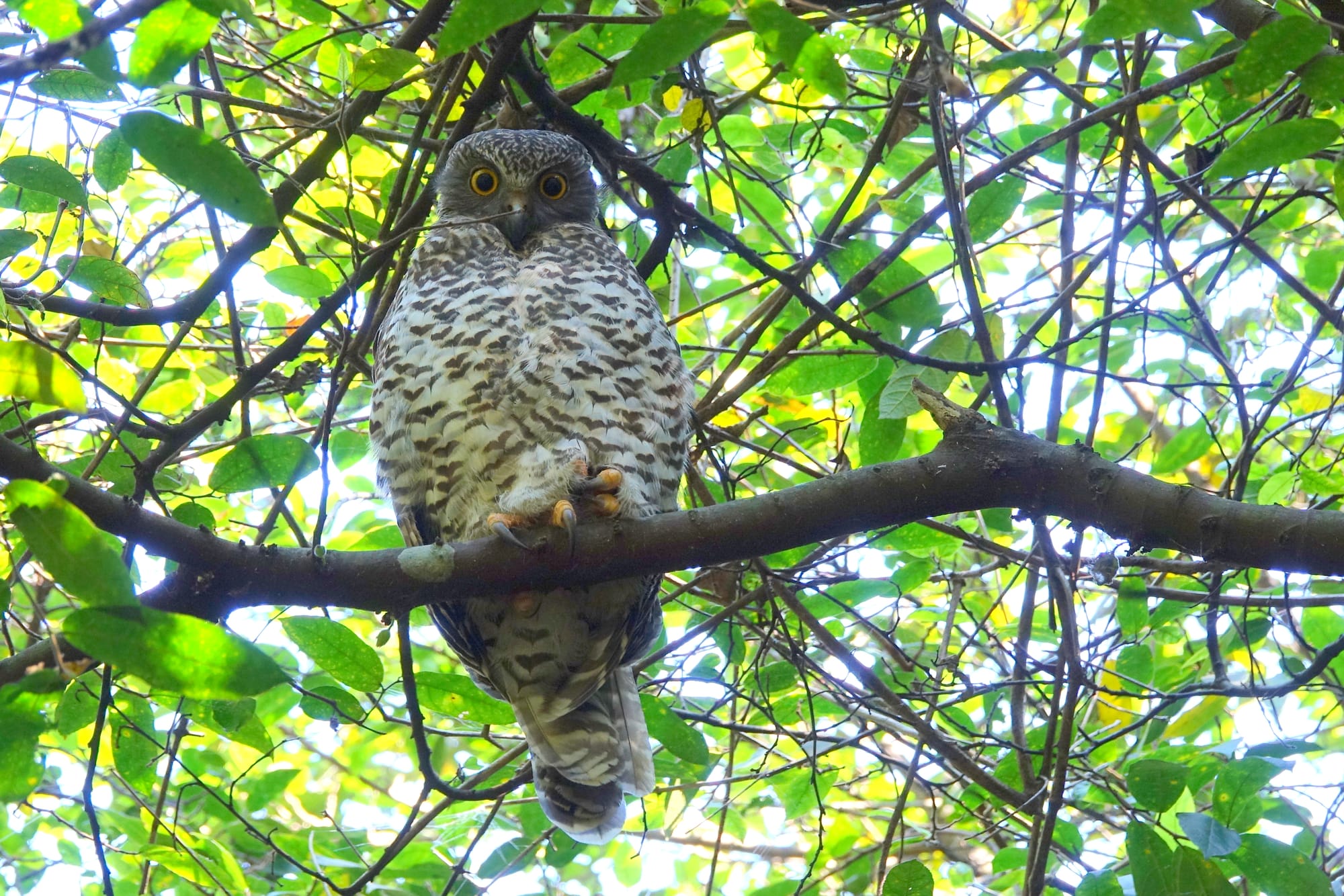
They can also make good roosts for local birds such as the threatened Powerful Owl pictured below. That's reason enough to plant more of these trees, especially along water courses where they'll help stabilise banks and discourage erosion.
I haven't tried many of this year's crop, but somehow I don't think they'll be as good as 2023!


