

Self-starter drives an electric truckload of innovation
Two old friends came together to help a new small business hit the road. Verdline is now one of the state's first all-electric transport providers
Chanel Vaccari and Ryan McBriarty met at Little Athletics when they were children. While both went on to study at the University of Wollongong, it would be a couple of decades before they ran into each other again – this time in the fast-paced and competitive world of commerce.
Here, having a trusted Wollongong connection proved a big help.
Chanel is a broker, and Ryan is an entrepreneur who last year began looking to finance his dream start-up: an emissions-free freight business for Sydney.
“Ryan came to me with this great idea, and we funded the first electric truck for him,” Chanel said. “Now he's flat-out. He’s a great guy, very driven – when you speak to him, you're like, this person's going places. I know that he's going to do really well.”
Now living in Lilli Pilli, Ryan has spent 12 years working in human resources, including with aviation, rail and stevedoring companies. This year, he hit the road as the founder of Verdline, driving a Foton T5 EV, a battery-electric light-duty truck with a 220-kilometre range.
When his truck arrived in February, diesel cost $1.80 per litre.
Then the fuel crisis hit.
“I was a little bit nervous, to be honest,” Ryan said, as EVs suddenly made the headlines and demand for his service accelerated.
“The fuel crisis didn’t have anything to do with the initial decision phase, but it obviously has created a lot of attention.
“There's a lot of unknowns in this, because it's not just a new business. It is arguably a new market."
Ryan has been operating for a month, moving goods for an e-mobility company, events and exhibitions, as well as odd jobs ferrying everything from gym gear to baths around Sydney. When he has to stop and charge the truck, it’s admin time, catching up on emails and invoicing.
The Foton T5 remains a novelty at truck stops.
“I use all the Ampol chargers around Sydney to charge up and ran into the team that are looking after the national infrastructure project rollout in one of the Ampols in Caringbah,” Ryan said.
“They came running over – they were so excited to meet me, and they got a photo in front of the truck, because it was their very first experience of someone using the truck commercially with all their chargers. It was quite a cool moment.”
Ryan aims to build a fleet, all based on the success of the original truck that his old friend from Little Athletics helped finance.
“It was nice to have a familiar face at the start of the journey,” he says. “Chanel was great from the very first day, such a great support.”
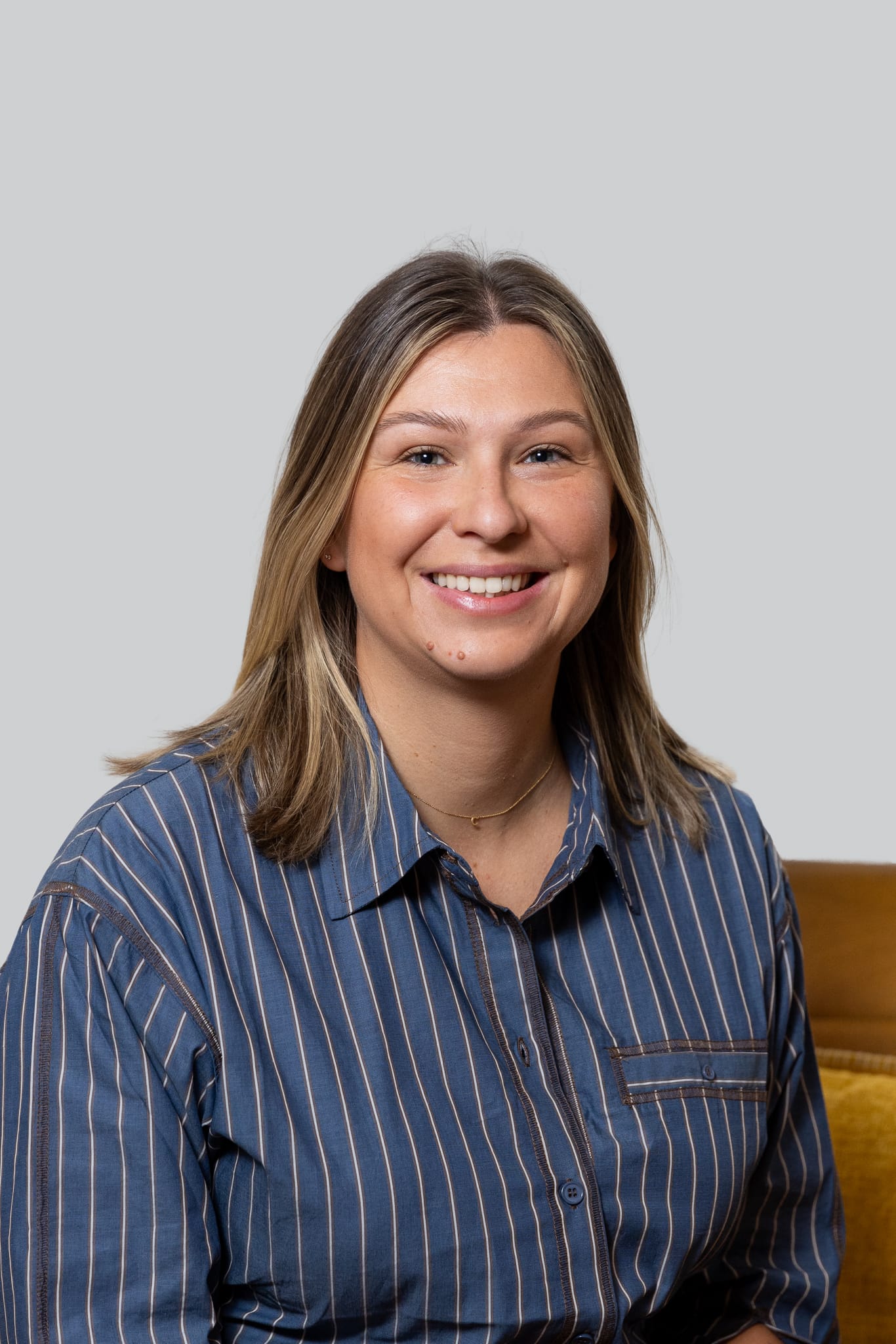
Local broker Chanel Vaccari volunteers on NICC's executive committee. Photo: Scribbly Gum Photography
Insights from a broker
A Coalcliff resident, Chanel is a broker at Translease who volunteers as the membership officer at the Northern Illawarra Chamber of Commerce (NICC). She studied mathematics and finance, then worked for Macquarie Bank.
Since 2012, she has specialised in vehicle and equipment finance, and watched how the long tail of the pandemic, cost-of-living pressures and the Middle East war are affecting businesses.
Many of her clients are transport operators, including small businesses, which are most at risk in the fuel crisis.
“Businesses like landscaping, farming and transport, I've seen be quite affected if they've got quite a few trucks or tractors or in their fleet, and they're having to take on that extra expense,” Chanel said.
“It’s very varied as it really does depend on what you're doing."
But one trend is a particular concern.
“We've had a lot of clients come to us with cashflow problems,” Chanel said. “Some of what I'm seeing is a lot of ATO tax debts, so clients are falling behind in payments to the ATO, and they're using the ATO money to help with cashflow.
“Some of these people that are missing their payments are usually good clients with no issues.
“For us, it's then about trying to help.
“In situation like this, I have moved the debt to a small business loan so the client can claim the interest as a tax deduction as interest with the ATO is no longer tax deductible.
"Also, I am assisting with small business loans or overdrafts so clients can access money to improve cashflow. There are lots of ways to help depending on the client’s scenario, which as a broker, we really need to understand.”
Businesses have been struggling since Covid, she added. “It has taken that long for small to medium businesses [to recover] and then to see this situation happen in the economy – it is having a real impact and I do get concerned.
“This isn't a good trend – debts with the ATO or not being able to make your payments on time. It’s not good for business, because that's when businesses start folding if they can't get on top of things.”
Before the fuel crisis, Chanel's clients were talking about equipment upgrades. Now that’s on hold and instead she’s helping businesses adapt.
“With one client, we've saved him about $40,000 a month in repayments just by restructuring his current finance commitments,” she said.
Last month the government announced zero-interest loans were available to bolster supply chains in some industries, but Chanel doesn’t think this is well known.
“They need to get the word out … I think this is great for business to be able to access these funds as long as the processing times are quick, as businesses that are struggling need these funds ASAP.”
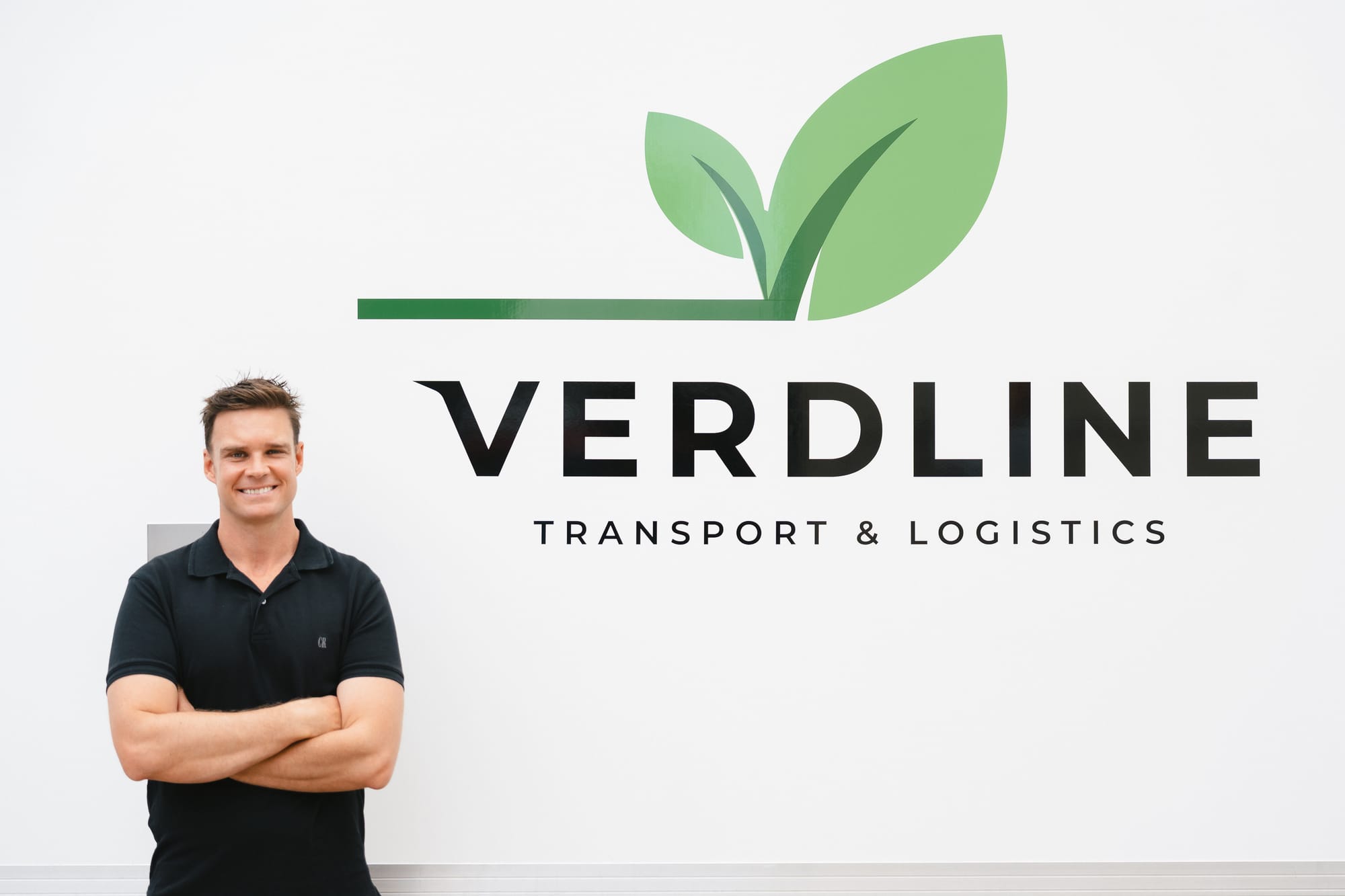
Business owner Ryan McBriarty beside his Foton T5 EV, a battery-electric light-duty truck with a 220km range.
The pivot's back in business
Last week Dr Ethan Nikookar, a supply chain expert at the University of Wollongong, told the Illawarra Flame that disruption is becoming the new normal. He said businesses should move beyond resilience to become "antifragile", to innovate, adapt and take advantage of new opportunities, as breweries did when switching to making sanitiser during Covid.
Chanel said Ryan’s vision of zero-emissions freight is a great example of innovation meeting the moment.
“Because what will happen in the next couple of years is that the government transport operators will move to be more green. He’s getting on the front foot, and he's seeing that this is going to happen, and he's starting up a transport business based around electric trucks.”
While Ryan is climate conscious and being emissions free is a major selling point, Verdline was chiefly inspired by recognising a gap in the market.
“I always had a dream of driving the Tesla semi when they arrived – they're still about three or four years away. But I realised, what am I waiting for?”
"Knowing that the Tesla semi is going to be here in a few years is obviously a clear signal that the industry is heading that way. Woolworths were doing it for their own deliveries, but there was no dedicated business-to-business electric freight provider in Sydney, and potentially Australia.”
Ryan, 35, said having a young family was another reason he decided to follow his dream of starting a business, with the flexibility it brings.
“I've started small intentionally. So I am driving the first truck myself. It's a brand-new industry for me, brand new job, I'm getting operational experience.
“There's a lot of people who think that diesel is still cheaper to run as a business. I do disagree, from what I'm seeing. I think the resale value of an electric vehicle is going to be a lot higher than diesel, which is the differentiator.
“I actually spoke to my dealer yesterday, and he said he's now got 140 trucks on back-order, and he said that charging is going to go from empty to full in about six minutes within the next two to three years.”
There’s been so much interest that Ryan is sharing his story via Instagram.
“I went to the Blue Mountains the other week, and there were chargers on the way up and on the way back. That was 100 emission-free kilometres there and back for road transport, which probably hasn't been done yet. So I'm doing loads of things that are brand new to the industry.”
Read more
The pivot's back in business: As disruption becomes the new normal, a supply chain expert recommends entrepreneurs look beyond resilience to emerge stronger 'like a phoenix'


