

State to seek independent advice on Peabody’s plan for more mining in catchment
The Department of Planning, Housing and Infrastructure will ask the Independent Expert Advisory Panel for Mining for advice in assessing a proposal at Helensburgh's Metropolitan coal mine

A controversial plan to extend coal mining further under the Woronora water catchment has progressed but will be subject to further scrutiny by independent experts before the state government makes its final decision.
“The Department will seek advice from the Independent Expert Advisory Panel for Mining in our assessment of the Metropolitan coal mine Modification 4 proposal,” a spokesperson from the Department of Planning, Housing and Infrastructure confirmed this week.
This decision satisfies a request from Wollongong City Council.
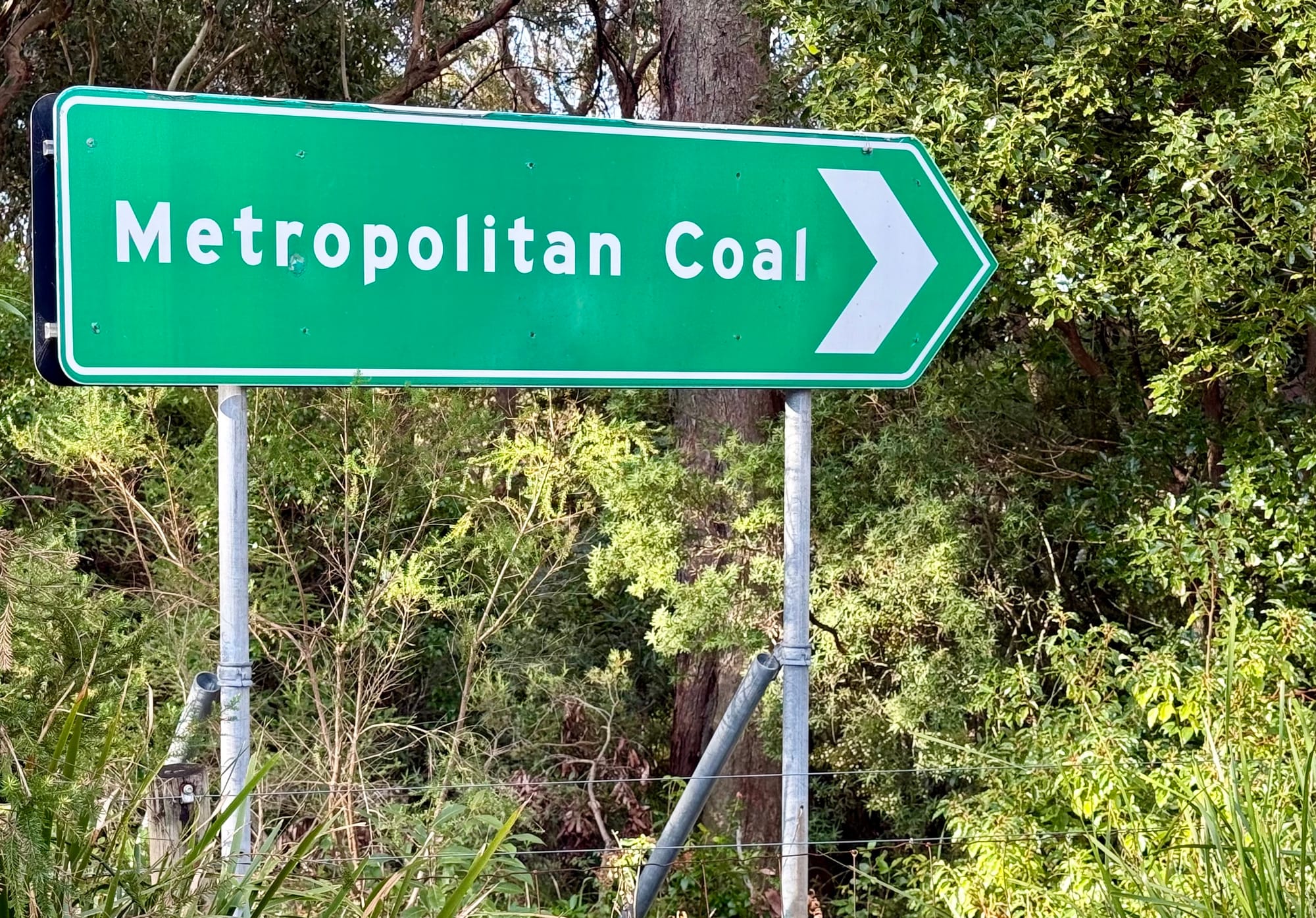
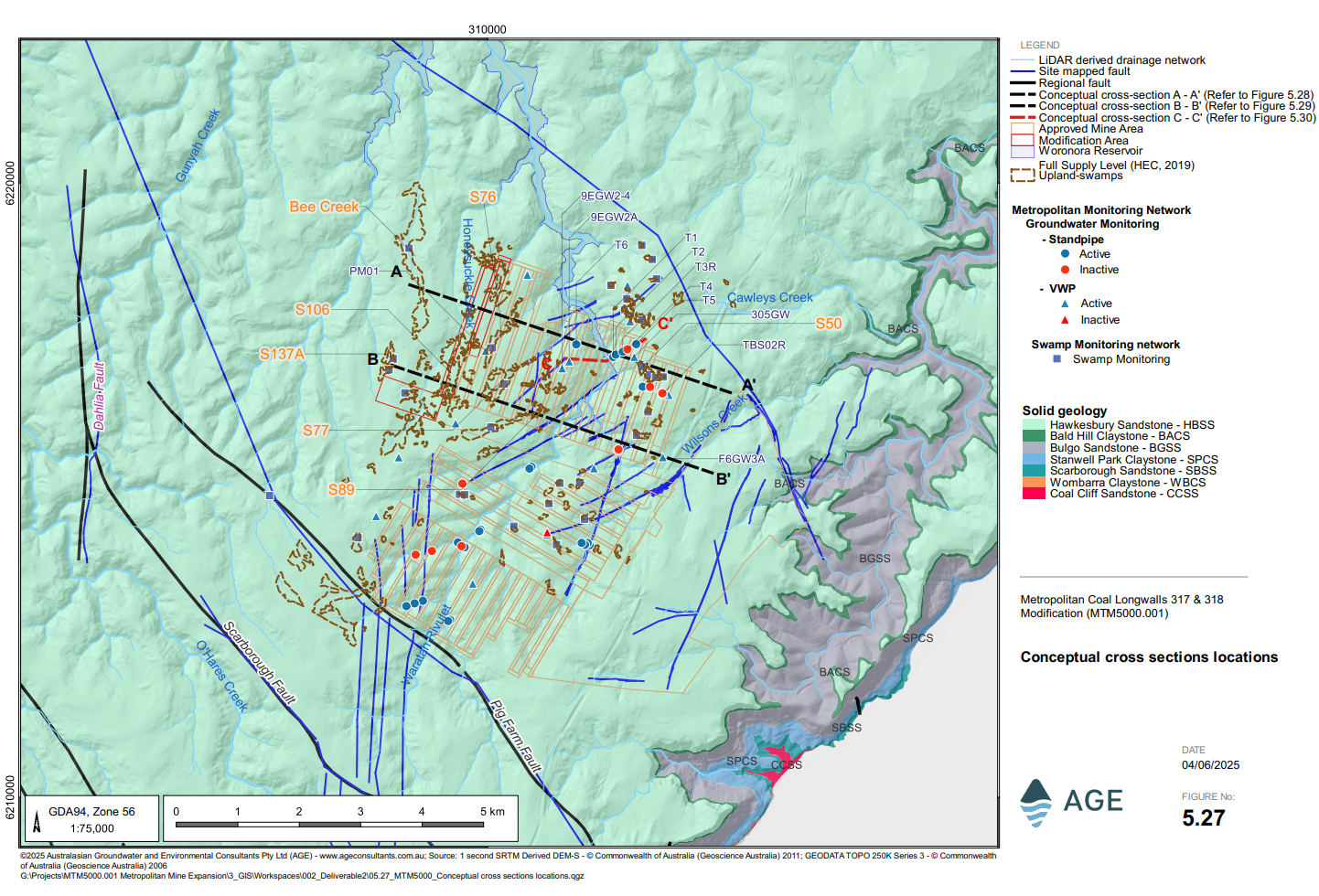
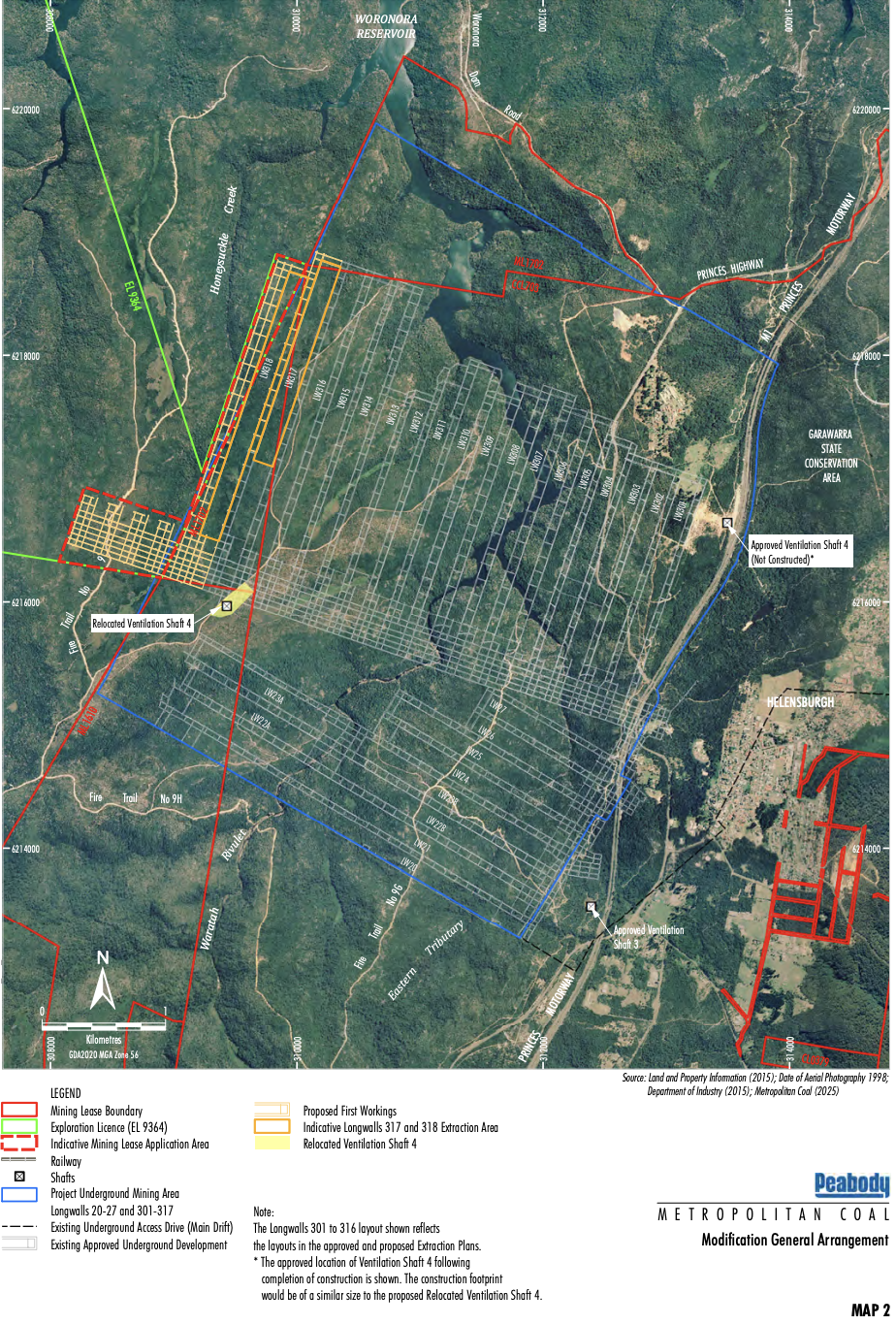
Metropolitan – owned by global coal giant Peabody – applied last year to extend an existing longwall, add a new one, dig a ventilation shaft and build a new access road west of the Helensburgh mine.
When the proposal went on public exhibition last August, NSW Planning received more than 200 submissions, including 140 objections. Wollongong City Council filed a 'comment', asking that an advisory body look at Peabody’s plans for longwalls 317 and 318, “as a precautionary peer review measure”.
In its submission, Council wrote: “The Independent Expert Panel produced the 'Initial Report on Specific Mining Activities at the Metropolitan and Dendrobium Coal Mines' as the first part of their Terms of Reference. This report found that Metropolitan Coal Mine had approximately 500,000 litres per day of surface water and groundwater seepage going into the mine workings, instead of Woronora Reservoir or creeks.
“The report also noted that groundwater, surface water and subsidence issues are very complex and difficult to understand.
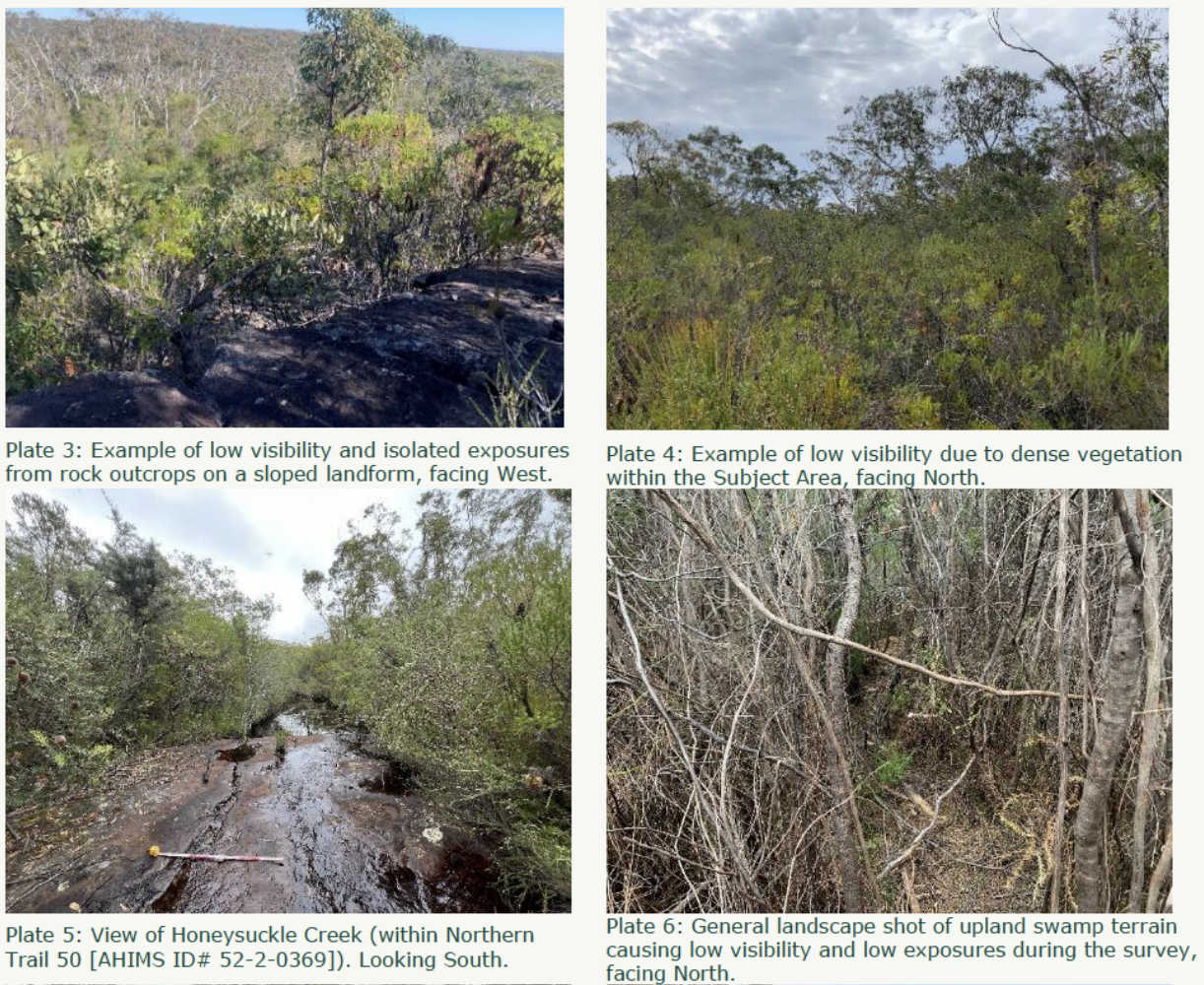
“The Independent Expert Panel for Mining in the Catchment should review the proposal’s potential impact upon the quantity and quality of water available in the catchment for drinking water supplies in Woronora Reservoir and for the health of the creeks and upland swamps.”
Council also wanted the panel to investigate the cumulative impact on the Greater Sydney Water Catchment Special Areas.
In its recently published response to council’s submission, Metropolitan Coal says council got it wrong.
“This is not a correct reading of the Independent Expert Panel for Mining in the Catchment (IEAPM) report,” it said.
“The section referenced by Wollongong City Council is a discussion of mine groundwater make only (i.e. not surface water).”
The mine added that council had quoted a report with errors that has since been updated to state: “The average daily water inflow for the last 3 years is generally less than 0.2 ML/day and displays no evidence of a connected fracture regime to surface or correlation with rainfall.”
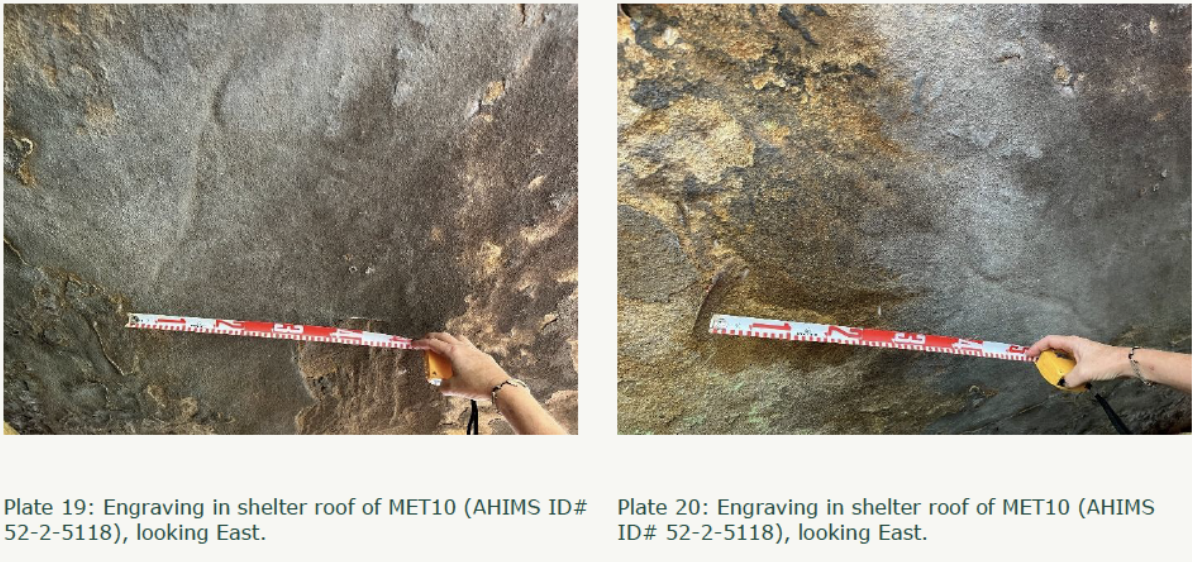
Council also expressed concerns over subsidence damage to Aboriginal heritage and culturally significant sites, including caves, rock art and rock engravings. It described the mine’s mitigation measures as “highly underwhelming”.
“No attempt appears to have been made to work with the community to explore and consider the cultural value of the sites and to explore and understand the potential cultural meanings within the artworks,” council said.
In the mine’s response, Metropolitan committed to engaging “a suitable specialist” to prepare a Cultural Values Assessment. It revealed that more surveys, including drone flights over cliffs and steep slopes, have taken place this year. Targeted ground surveys of places that may have rock shelters are also planned.
The mine noted its challenges in managing Aboriginal cultural heritage sites. “For most Aboriginal heritage sites, there are often no suitable remediation measures as these can often be more intrusive and harmful to heritage value than the effects of the subsidence, which as described above is usually an extension or acceleration of pre-existing natural weathering processes,” the response stated.
In a statement provided on April 29, a Peabody spokesperson said: "Updated analysis confirms inflows remain below 0.2 megalitres per day, with no evidence of a connected fracture regime to the surface and no impact on WaterNSW’s ability to meet raw water quality supply standards from the Woronora Reservoir. Ground movement has affected around 2 per cent of recorded cultural heritage sites, which is well below the NSW Government approved threshold."
Panel to advise state government
The Independent Expert Advisory Panel for Mining is a collection of 17 academics and professionals with expertise in mining, water and the environment. Its chair is Prof Jim Galvin, an emeritus professor of mining engineering at UNSW.
Founded in 2018 as a temporary body focused on Sydney’s drinking water catchment, the panel is now a state-wide scientific advisory body.
It's made up of a mix of experts, including a number with experience in mining, engineering and hydrogeology, as well as environmental professionals, such as Travis Peake, a member of the NSW Native Vegetation Panel; Nathan Garvey, a Fellow of the Environment Institute of Australian and New Zealand; and Dr Ann Young, a retired University of Wollongong academic and the author of Upland swamps in the Sydney Region.
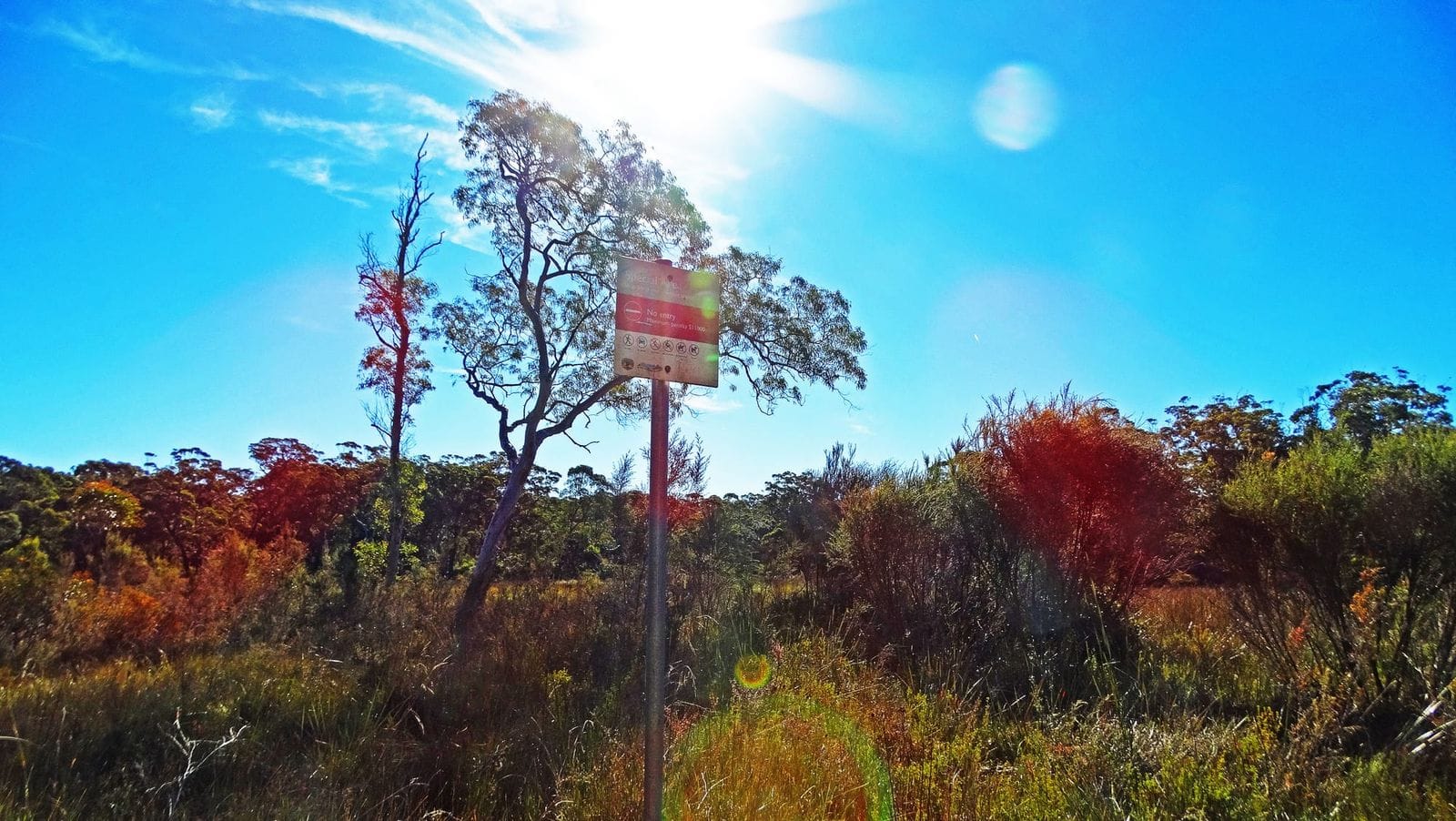
Metropolitan Coal responds to IESC
After the development's exhibition period last August, the federal Department of Climate Change, Energy, the Environment and Water asked the Independent Expert Scientific Committee on Unconventional Gas Development and Large Coal Mining Development (the IESC) to provide advice, which it did in November 2025.
The IESC said: “Given the sensitivity of the protected swamps and the difficulty of reversing potential impacts, the IESC considers that the only effective way to minimise or mitigate potential impacts is to avoid longwall mining beneath all swamps and waterways in this near-pristine catchment of Woronora Reservoir.
"The proposed Adaptive Management Plan (AMP) cannot protect these significant water resources because impacts are likely to materialise too late to mitigate them.”
However, Metropolitan Coal has hit back, claiming that the IESC got its facts wrong too.
“This conclusion does not take into consideration the extensive monitoring and reporting that Metropolitan has implemented since 2009,” the mine said, adding that it has successfully implemented Trigger Action Response Plans to avoid impacts and assess compliance with performance measures.
“The statement that ‘the impacts are likely to materialise too late to mitigate them’ is not an evidence-based conclusion and ignores a significant body of evidence to the contrary,” the mine said.
To review the IESC advice, Peabody engaged two expert consultants: HydroAlgorithmics' Dr Noel Merrick, a groundwater modeller, hydrogeologist and geophysicist, and Emeritus Professor Bruce Hebblewhite, a mining engineer with over 45 years' experience, now retired from UNSW, and the interim chair of the Independent Expert Advisory Panel for Mining.
Next steps
The state significant development has progressed to assessment stage. The next two stages will be ‘recommendation’ and ‘determination’.
A spokesperson for the Department of Planning, Housing and Infrastructure told the Flame it will review all submissions and responses. “The Department will then carry out a whole-of-government assessment before making a final determination, which is estimated in mid-to-late 2026.”
The proposed modification would not extend the approved mine life beyond 2032.
In a statement, a Peabody spokesperson said: “Metropolitan Mine is a major contributor to the Illawarra economy, supporting around 400 mining families, supplying approximately 25 per cent of the coal needed for the Port Kembla Steelworks. The modification represents a routine two-year continuation of a steelmaking coal mine that has been operating for more than 138 years."
BlueScope has supported the modification, noting the “critical Importance of Local Metallurgical Coal Supply for the ongoing production of iron and steel at the Port Kembla Steelworks”.
29 April: This article has been updated with the latest information from Peabody.


