

The 'academic black sheep' now powering jobs and industry
Dr Tamantha Stutchbury has led business incubation hub iAccelerate in helping 600 companies to start up and scale up
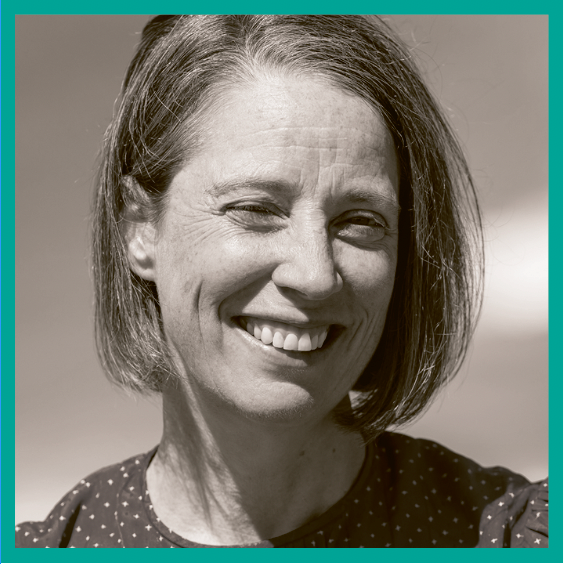
Wollongong’s 2026 local woman of the year is a champion of diversity and a driving force behind the title "City of Innovation".
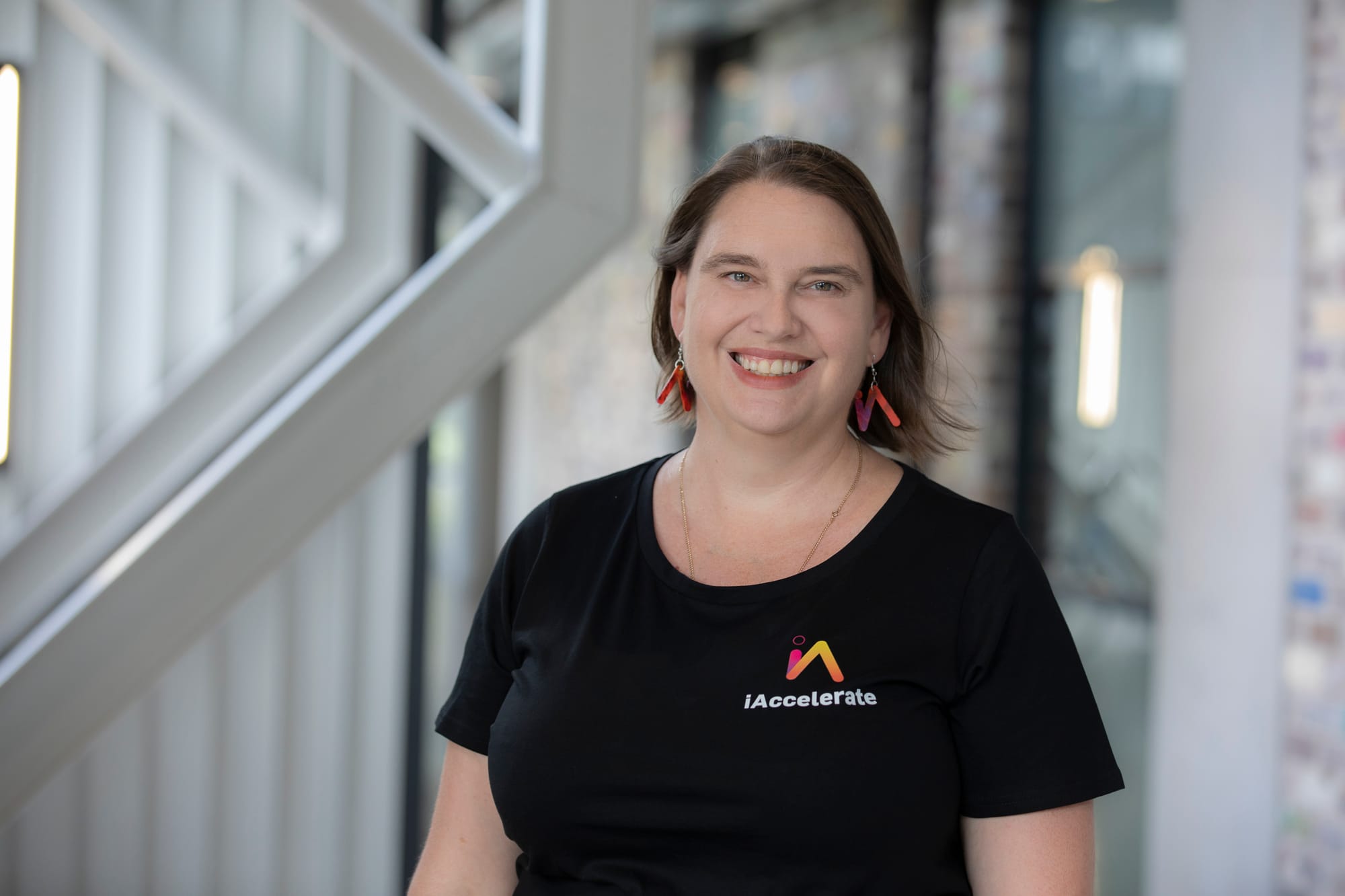
Dr Tamantha Stutchbury – or Tam, as she’s widely known – has been the director of iAccelerate at the University of Wollongong since 2023. In that time, and with a staff of just five, she has led the business incubation hub in helping 600 companies to start up and scale up, creating more than 1100 jobs and adding more than half a billion dollars to the economy.
Remarkably – but not surprisingly, considering Tam’s career-long quest for gender equity – about half of iAccelerate’s companies have at least one woman founder.
“Jobs and growth makes a huge difference,” she says.
“But the fact that there's that cultural shift, and the fact that I've been able to do that in the most inclusive way I know how, is what I'm most proud of.”
Tam was recognised locally during NSW Women's Week in March and internationally last August, when she accepted the female entrepreneurship empowerment prize at the 2025 Triple E Awards in Prague. Both awards recognised two decades of lobbying for women's voices to be heard, including as co-leader of the university's LIFT program for women in entrepreneurship and STEM (science, technology, engineering and mathematics).
“Gender equity and STEM promotion was always with me – that's been a theme throughout my career,” Tam says.
There is, however, more work to be done.
“We know that most of the people making investments are men, and they are only investing 2 per cent of their wealth in women-only start-up companies … So a lot of women-only companies are failing not because they're a worse idea, but because they can't attract the funding.”
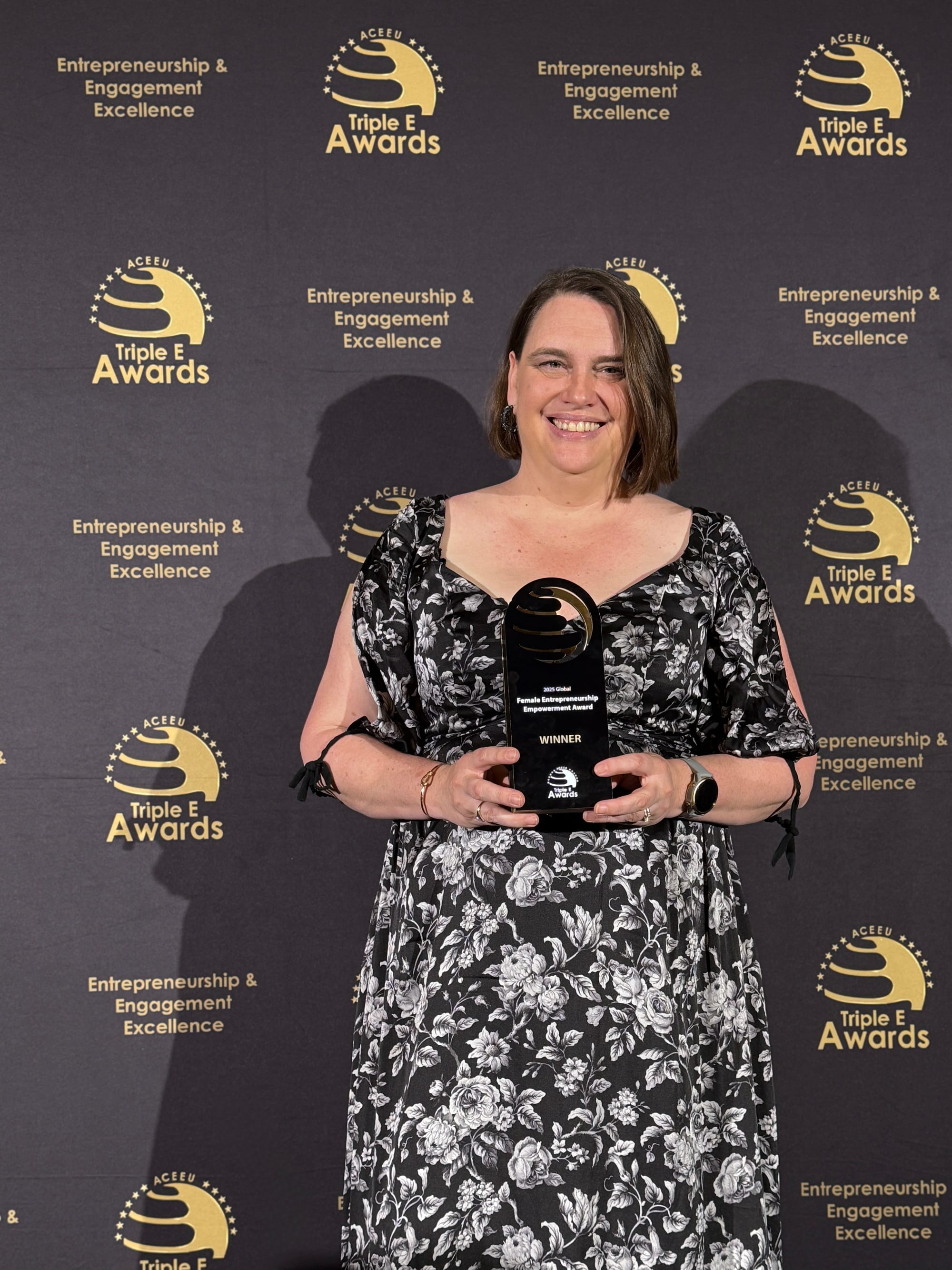
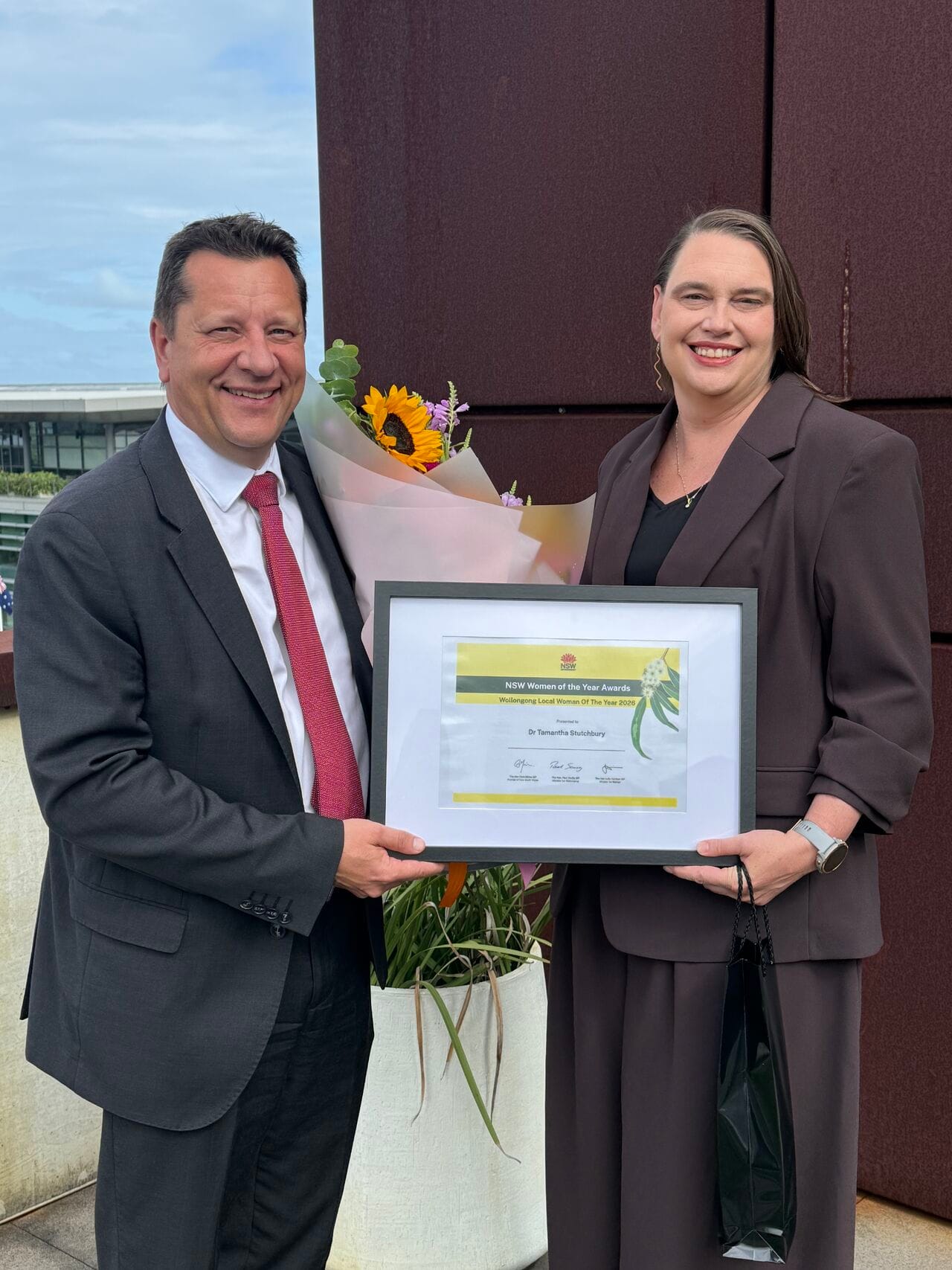
Dr Tamantha Stutchbury at the Triple E Awards in Prague and, at right, with Paul Scully, the Member for Wollongong, holding her Wollongong local woman of the year certificate.
‘The academic black sheep’
Tamantha Stutchbury was born in Wentworthville, NSW. Her first life-changing memory is of leaving Castle Hill primary and moving to Victoria’s Yarra Valley.
“I went from what was the biggest primary school in NSW to a tiny country school where every class was a composite, so a huge amount of culture shock there.”
Young Tam was “a bit of nerd”, her adult self recalls with pride. “I'd been pulling really good grades, and so I was the academic black sheep. My sister has now, later in life, become a primary school teacher and got a degree, but at the time, I was definitely the black sheep,” she says, laughing.
“A high school teacher encouraged me and sent me to a STEM day at Melbourne Uni. And from then on, I think that was my path, to continue studying the sciences.”
Tam carries that teacher’s gift of self-belief to this day and praises the power of educators to inspire the next generation, particularly girls in science.
“My husband's a high school chemistry teacher. And you see the cards and stuff written by students – teachers are so important and so undervalued,” she says.
“We don't have the workforce we need if we avoid 50 per cent of the population – we need everybody that wants to work in innovation to be working in it, to fit our future years.”
First in family to go to university
By the time Tam came to take her HSC, the family had returned to Sydney and she was on a pathway to uni, studying physics and chemistry. But her results were just shy of qualifying for the pharmacy degree she'd dreamed of.
"I was the first in my family, and didn't realise there was any other way to get into uni,” she says.
Instead, a new degree in medicinal chemistry came up and Tam remembers UOW's welcoming open day as the clincher. “Wollongong uni gave me a safe place to land.
“My parents both left school at 15. So higher ed was unknown and highly intimidating to me.
“My mum worked for a couple of years as a stenographer and worked for Allen's Fruits until she had my brother, and was the caregiver for our whole life. My dad was in air-conditioning; he was a sheet metal worker by trade, and then moved up into management. So both of them didn't go past their leaving certificate at school.
“They're incredibly proud. My mum has collected every one of my business cards on my way through.”
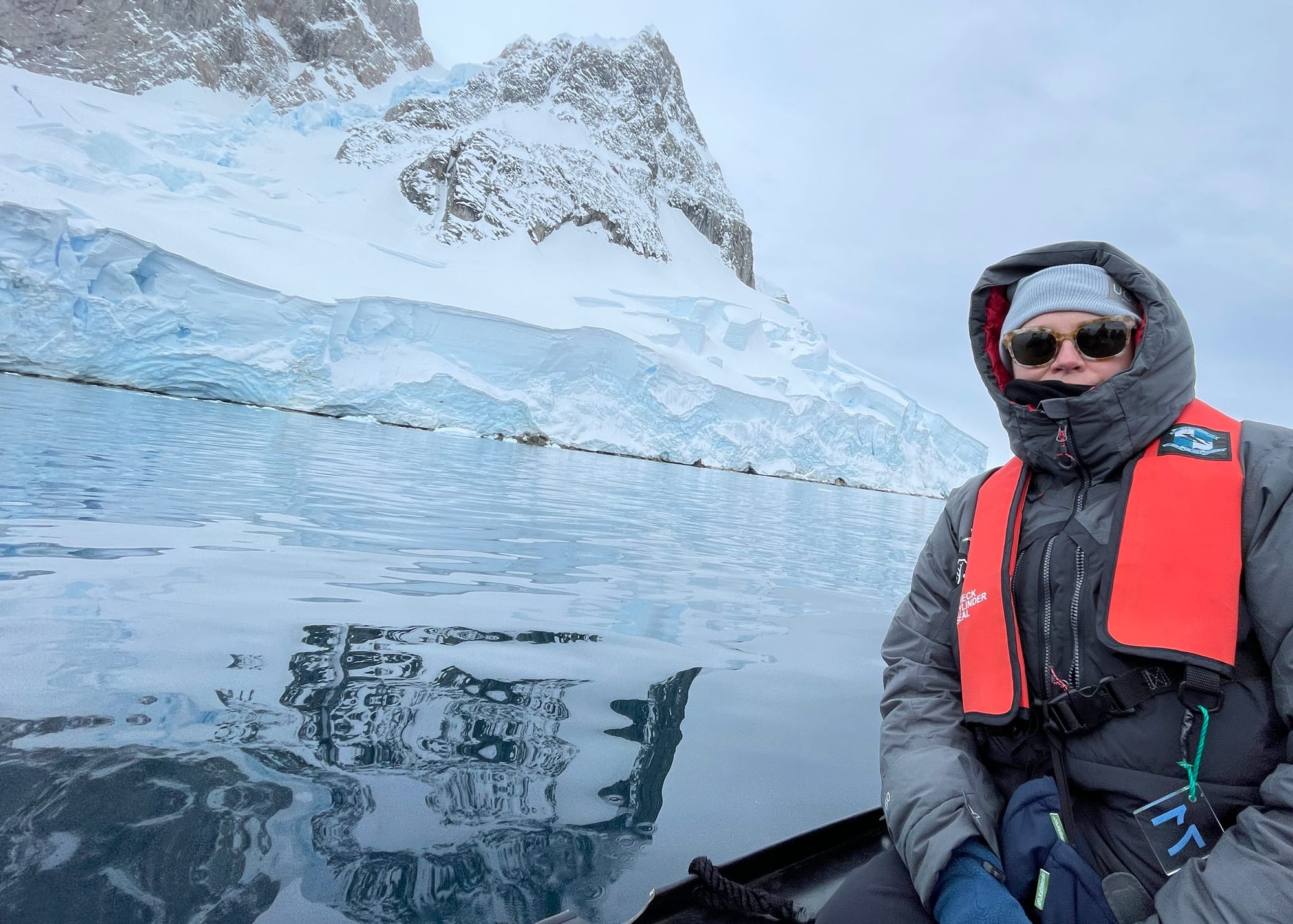
The iAccelerate director travelled to Antarctica in November 2023 as part of the Homeward Bound global leadership program for women in STEM
Motherhood marks a turning point
Tam did her PhD in biochemistry then worked in developing a new cancer formulation, doing pre-clinical assessments.
Ironically, the limitations of motherhood opened up a new path and, when her youngest was about two years old, Tam chose a job with work-life balance.
“I got to know about commercialisation and setting up start-up companies, because we were trying to spin out our therapeutic into a start-up … so I moved and joined the commercialisation side of the university.
“I had two beautiful step-children with my husband, and then we had two children together …
“I just wanted a steady job.
“So the first thing I did – as a woman with imposter syndrome – was decide that whilst having four kids that I needed to get an MBA to prove that I could do the corporate side of things.”
She still remembers the sense of “failure and grief” at leaving the research world. “Definitely there was a bit of mourning in there.”
She even wondered whether to continue using her Dr title. “I take being a role model for people in my world really important. Everyone knows me as Tam … so I don't use it in egotistical way. But I don't take it off either.”
“My 30s was definitely a time of transformation. I'm an extrovert, so I'll always speak up, but it's whether or not I worried about it overnight, whether what I'd said in a meeting kept me up at two in the morning.
“When I hit my 40s, I think I got better at letting that go.”
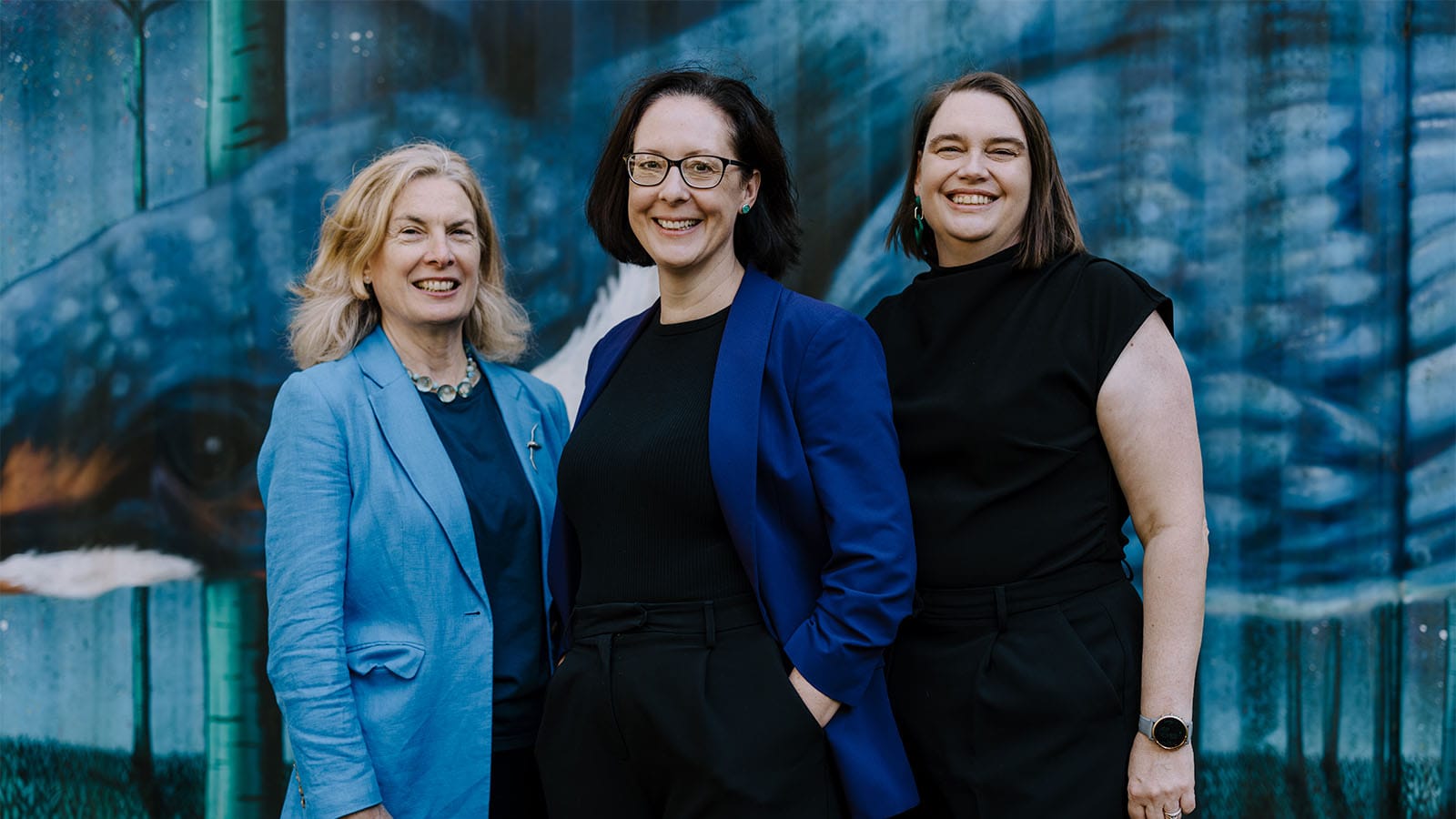
Women in STEM, from left: Distinguished Professor Sharon Robinson, Professor Martina Sanderson-Smith and Dr Tamantha Stutchbury. Photo: UOW
Challenging stereotypes
As her career progressed, the gender divide grew, from an undergrad degree with even numbers of men and women to being outnumbered 4:1 at PhD stage. Next came “challenging experiences” in the 1990s, when professional women battled prejudice in “hierarchical, male-driven institutions”. “The fact that we [women] were lesser in an intellectual sense was just the norm.”
Tam took heart in global role models such as Jane Goodall, Ruth Bader Ginsburg and Julia Gillard. “Amazing women – people that just want to change the world.
“Sharon Robinson, who's UOW’s most senior female professor, has really encouraged me throughout my career, and I have a small group of women who go out and have dinner. We support each other.
“I've had amazing male mentors too; I’ve been incredibly lucky and I hope that I give back in the same way.
As a senior leader, she feels a duty to speak up, with no fear of making a “career limiting move”.
“If I see something, I will call it out.
“I often, quietly, behind the scenes, do a lot of mentoring… I try and manage the outward, loud advocacy and the quiet advocacy to balance both of them.”
One of her goals remains to change the narrative of what makes a successful entrepreneur. “We still have that very male-dominated, tech-heavy view of what an entrepreneur is – that an entrepreneur is about doing something to make money.
“But you can also be a social entrepreneur – that's about making a difference.”
Having different genders, cultures or abilities in business is vital, as groupthink makes problem-solving harder, Tam says. “I believe that to be true for every start-up and every board and every company. I think diversity is the key.”
What's next
There may be a third career stage after research and commerce. Tam and her husband have recently become grandparents; she’s doing a company directors course and considering volunteering on boards. One day, post iAccelerate, she wouldn’t rule out another field once dominated by men.
“It's hard to go into politics at 50,” Tam says. “But I think we need many more women and many more scientists around those decision-making tables.
“If someone said you could become the senator for the Illawarra, in a heartbeat, I would do it.”
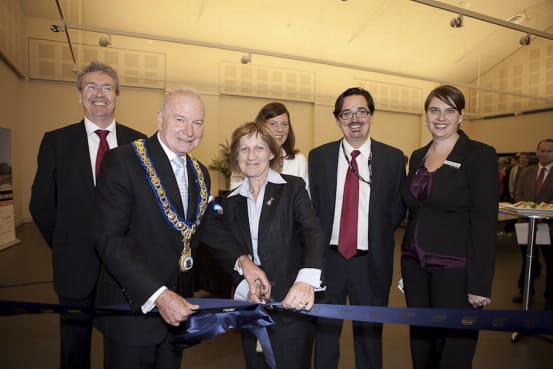
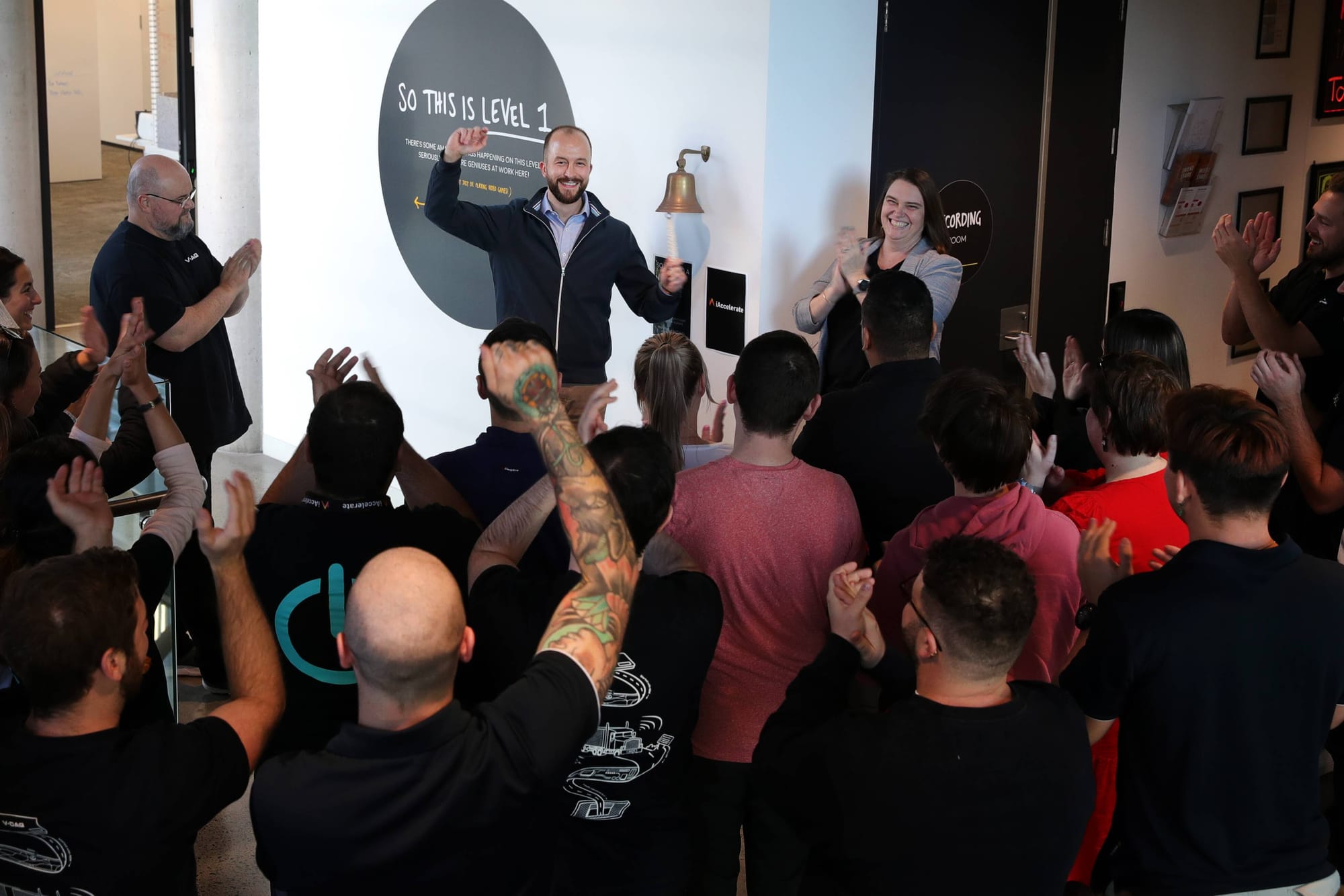
Career highlights: In 2012, Lord Mayor Gordon Bradbery attended the Startpad official opening event with Paul Wellings, Elizabeth Eastland, Judy Raper, Brenden Logue and Tamantha Stutchbury. At right: Tam celebrating with Sicona CEO Christiaan Jordaan when the iAccelerate resident company raised AU$22 million in a Series A funding round in 2023


