

Would a universal school lunch program work? Have your say
Researchers want to hear what parents and carers think of a plan for school meals to boost health and wellbeing, and ensure everyone is fairly fed

If you are tired of the daily grind of packing lunchboxes, you are not alone. A new survey reveals that Illawarra parents are feeling the burnout and overwhelmingly support the introduction of a universal school meal program for their children.
“There is huge support for school meal programs,” said public health nutritionist Dr Katherine Kent, a senior lecturer at the University of Wollongong who is spearheading the survey with Macquarie University researchers and Healthy Cities Australia.
Their 10-minute questionnaire aims to capture community voices to advocate for better nutrition and food systems across our region. So far, the response has been resounding: of the more than 400 parents and carers who have already participated, over 85 per cent want to see a school meals program introduced.
As a mother of school-aged children herself, Katherine knows the appeal for stressed parents.
"My children this morning said, ‘Mum, can we have a lunch order today from the the school canteen, because we know you've retired from packing lunch boxes’,” she said, laughing.
“I’m low on time and I'm low on inspiration. So, on a personal level, I would love my children to receive a healthy meal at school each day.
“For many parents, the benefits are beyond just saving time. About a third of parents said that they looked forward to their child sitting down and eating a meal together. ”
Katherine is also concerned about addressing a darker reality in our community: food insecurity. Recent local research shows that one in three households with children struggle to put food on the table, a burden exacerbated by the current cost-of-living crisis and rising fuel prices.
“We know from international models that school meal programs are a really wonderful way of feeding children fairly at school,” Katherine said.
“Every child is treated the same regardless of whether they come from a high-income household or a low-income household. The idea that no matter how tough those children might be doing it at home, they will have at least a serving of fruits and vegetables a day and a healthy meal while they're at school… the impact that would have on vulnerable children across the Illawarra is really something to consider.”
Currently, parents estimate they spend between $5 and $5.50 a day packing a lunchbox. Surprisingly, the survey's preliminary data shows parents would actually be willing to pay slightly more – averaging $6 to $6.50 – for a school-provided lunch, recognising the nutritional value, time saved, and reduction in wasted food.
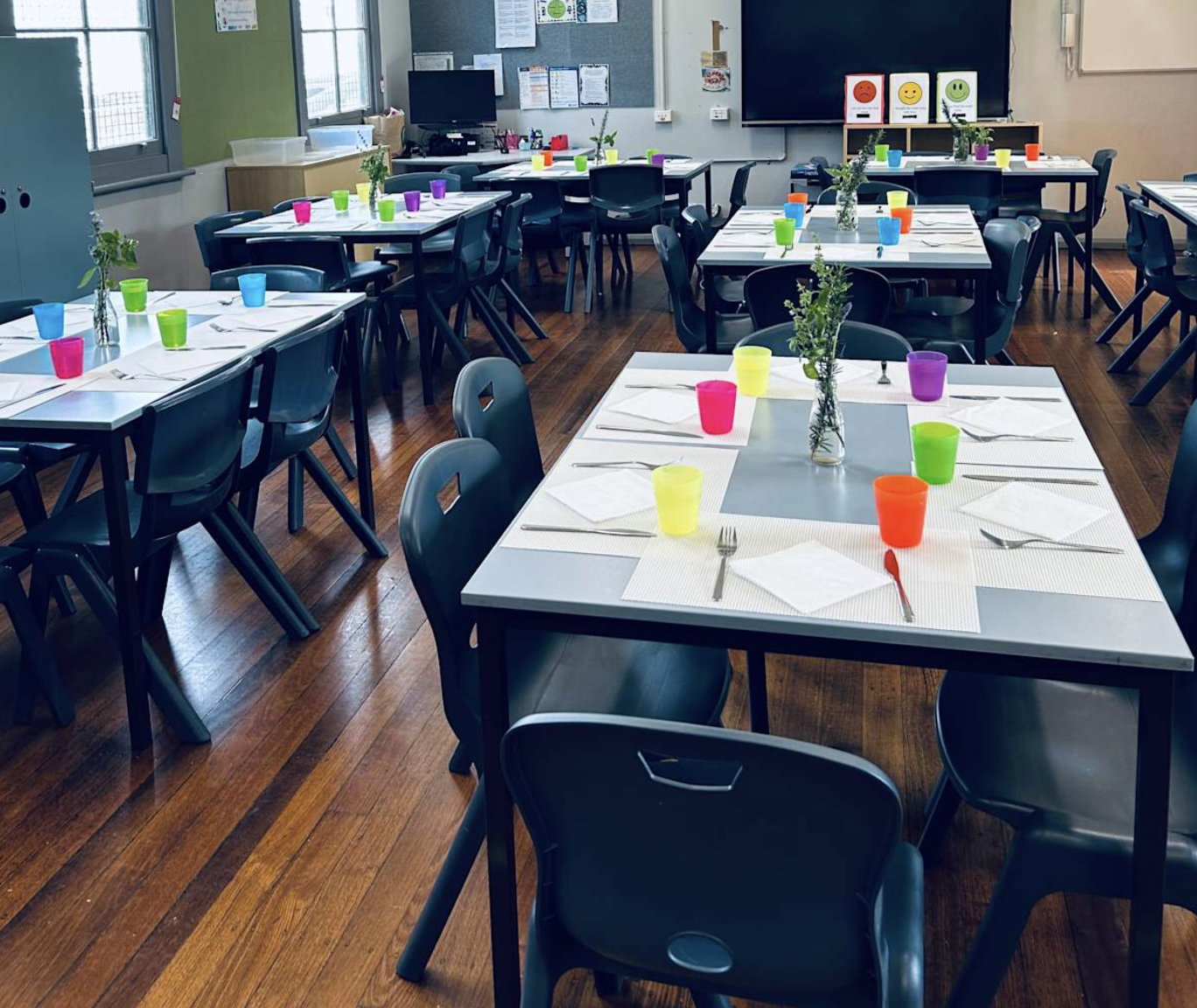
A major inspiration for this advocacy is 2025’s school lunch pilot program at Berkeley Public School, a ground-breaking project that school principal Melanie Bowden told the Flame was “really positive” for children, teachers and parents.
While parents in the current survey expressed concerns about relying on highly processed foods or a "slop on a plate" model, the Berkeley trial proved that nutritious, appealing meals can be successfully delivered on-site.
The benefits witnessed at Berkeley extended beyond nutrition. Katherine noted that the social connections forged over shared meals were a standout result. “They were all laughing and talking and engaging with the educator... I was really blown away about how joyous they were sitting around and eating that food together,” she said.
Children were exposed to new foods, learned to use cutlery properly, and developed crucial social skills in a supportive environment.
While some local schools currently rely on informal, precariously funded breakfast programs run by volunteers and charitable teachers, advocates are pushing for a formalised, government-supported model similar to successful programs operating in Tasmania.
To make this a reality, community support is essential as researchers hope to use data from the survey to lobby local, state and federal governments, capitalising on the current development of a national food security strategy.
“We know that feeding children at school is an excellent way to improve attendance, which is a huge priority area for the Department of Education, and we know that it can improve their learning and their well-being,” Katherine said.
The survey will remain open for another fortnight as researchers hope to reach their final goal of 500 respondents. Illawarra parents are encouraged to have their say and help shape the future of food in our schools.
To take the survey, follow this link.

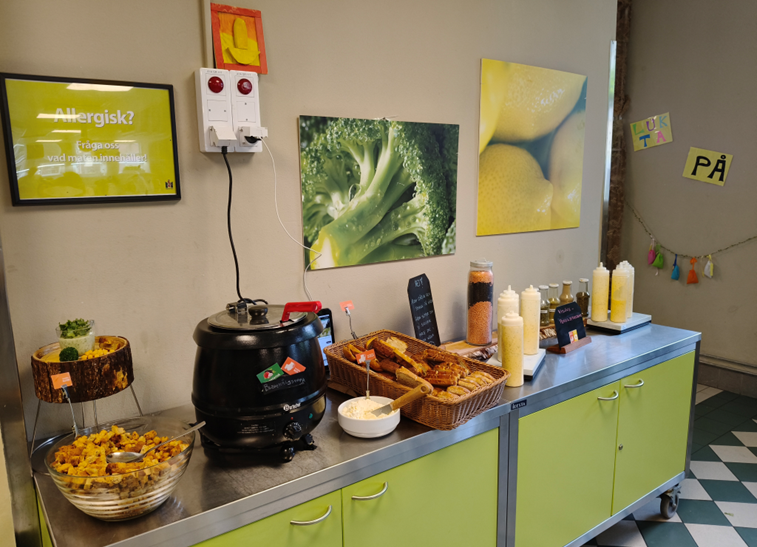
A school lunch set-up in Sweden, a source of inspiration for local researchers


