
Activists celebrate win as councils back call to make polluters pay for climate costs
While the world was divided over fossil fuels at COP, this week NSW councils backed a motion for big polluters help pay for climate costs

After countries failed to agree on a deal to tackle climate change at COP31, the Local Government NSW conference delivered a win for climate activists in Wollongong this week.
But it was a fairly close call.
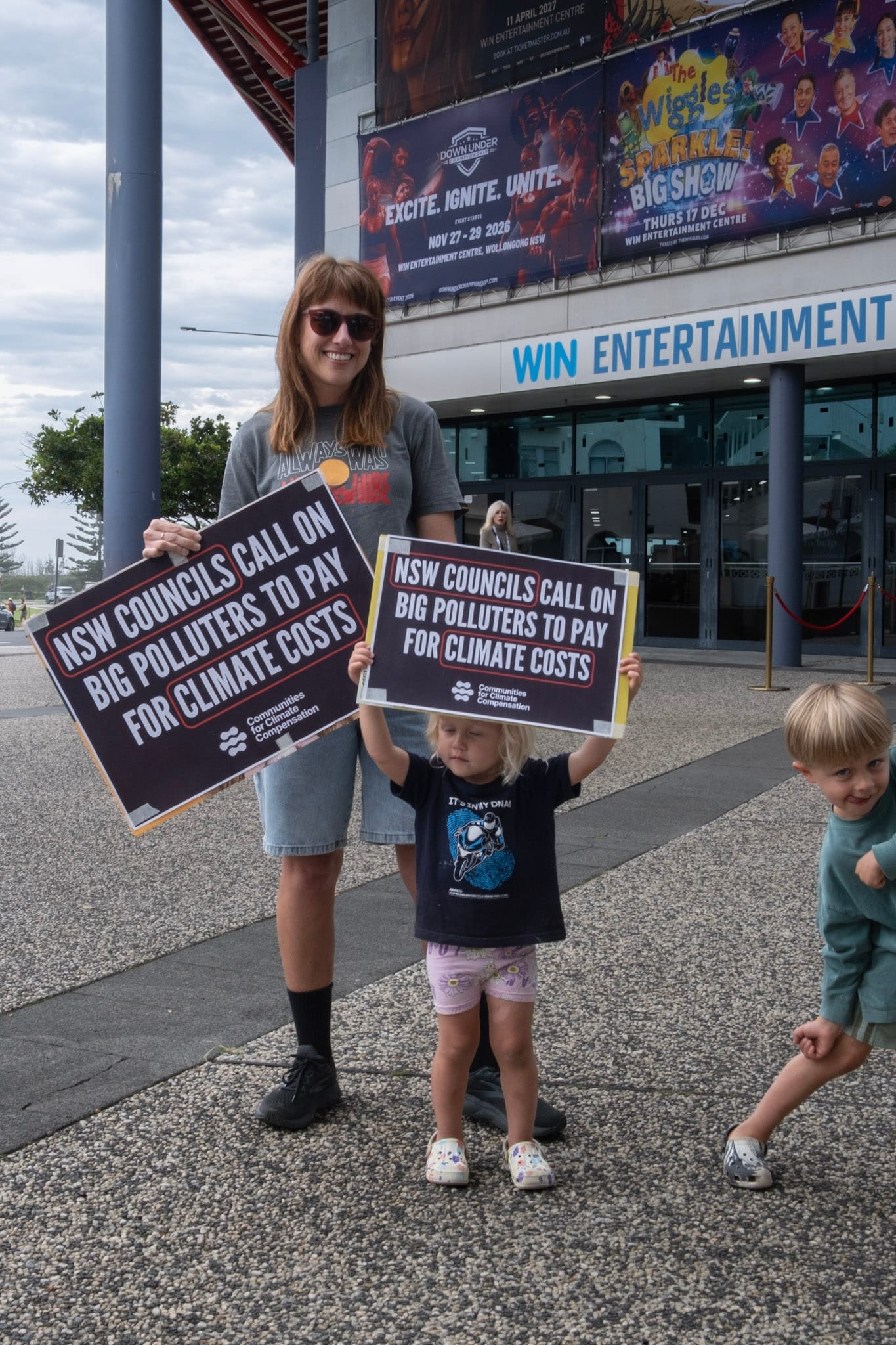
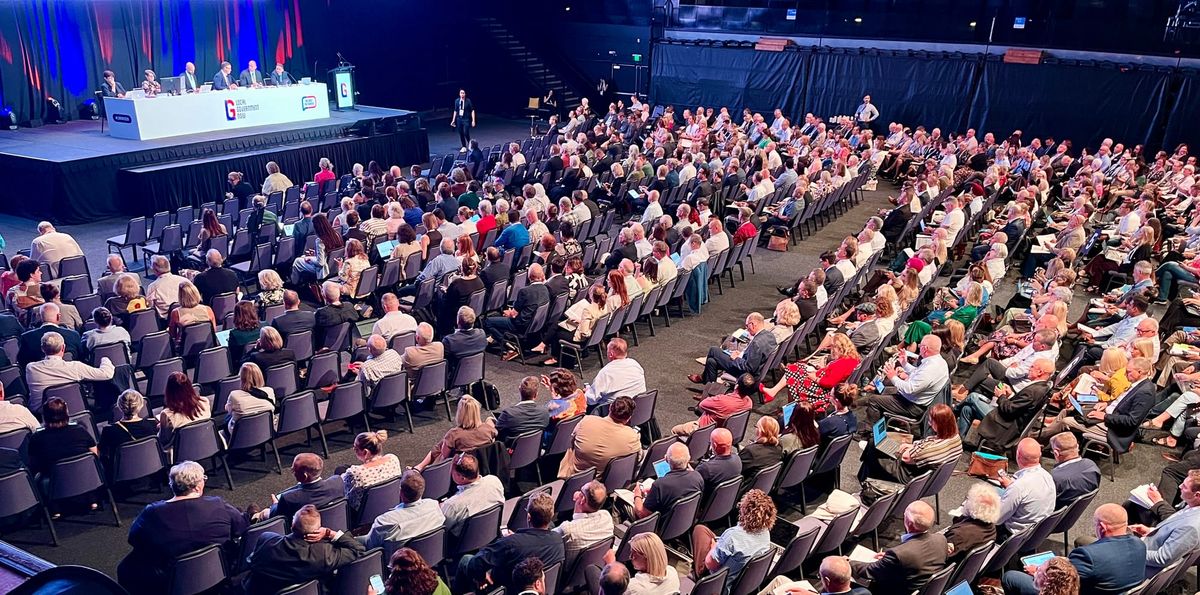
On Monday morning, as more than 900 mayors and councillors from across the state filed into WIN Entertainment Centre, a small group gathered outside, holding signs that read: “NSW Councils call on Big Polluters to Pay for Climate Costs.”
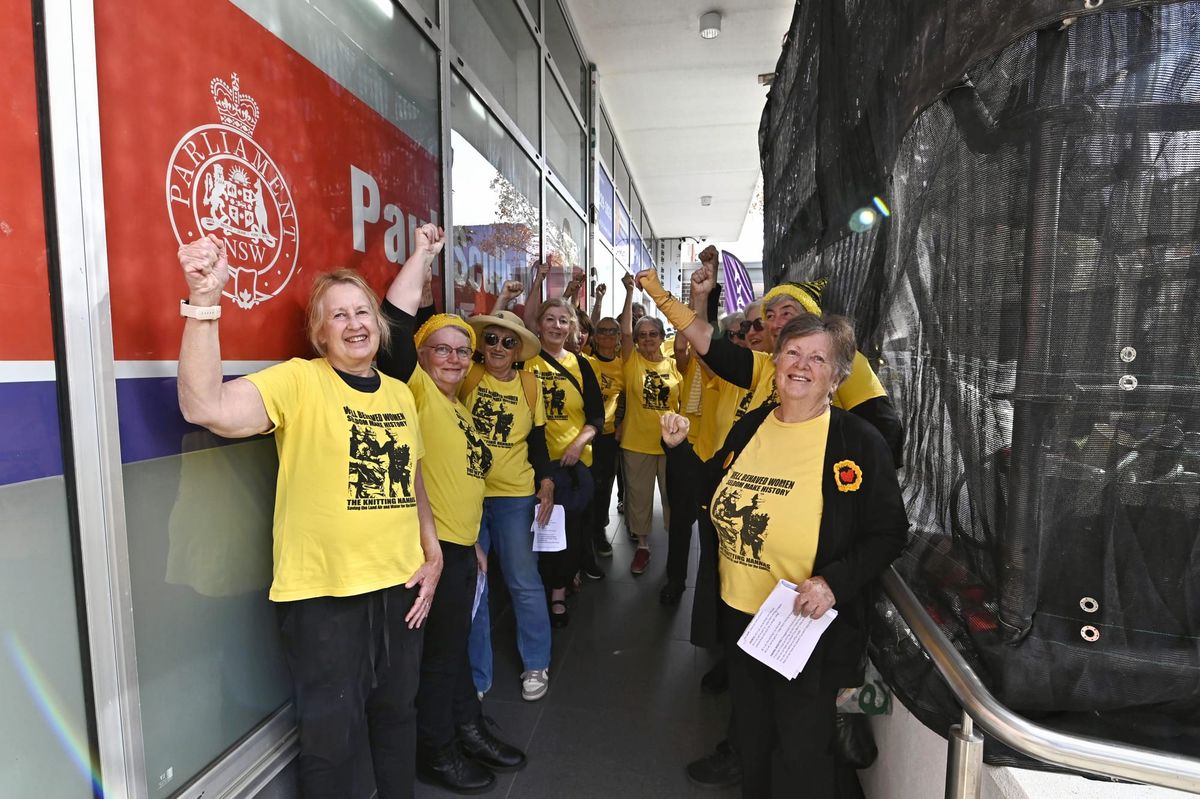
“We're here to ask the New South Wales local government councillors today to vote for motion 88,” said Anne Kelly, a member of the Illawarra Knitting Nannas Against Greed (IKNAG), supporting the Wollongong Climate Compensation Fund team.
Motion 88 by Bayside Council – which covers the area around Botany Bay in Sydney’s south – called for sustainable funding for local government climate resilience.
“The motion is calling for a climate compensation fund levy,” Anne said, “on big export polluters – who are contributing to climate change, natural disasters in Wollongong and across the globe – so that councils will be able to access funds from the levy to pay for things like the clean up after the 2024 floods, and for things like the iconic buildings at North Wollongong Beach, which are under threat from rising sea levels and increasingly severe storms.
“Council is paying over $10 million for that work, and paid approximately around 5.6 million in the early days after the 2024 floods.”
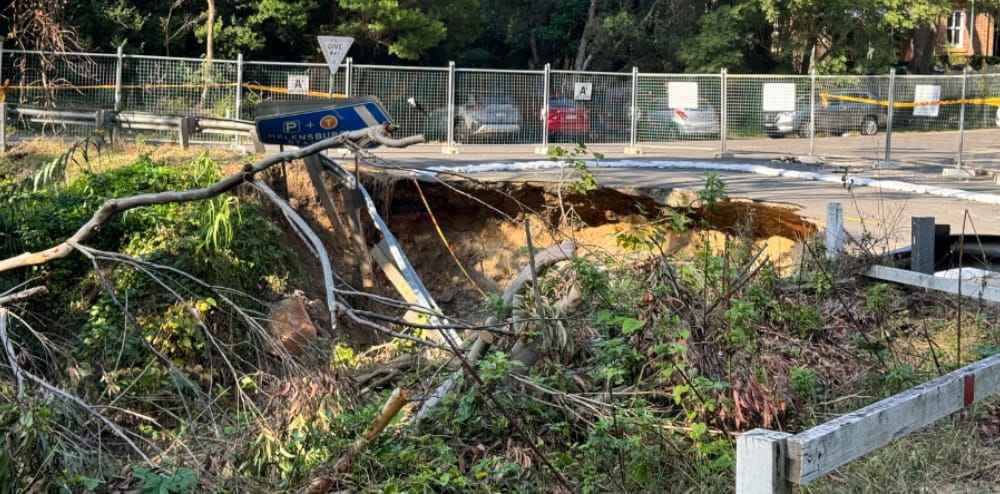
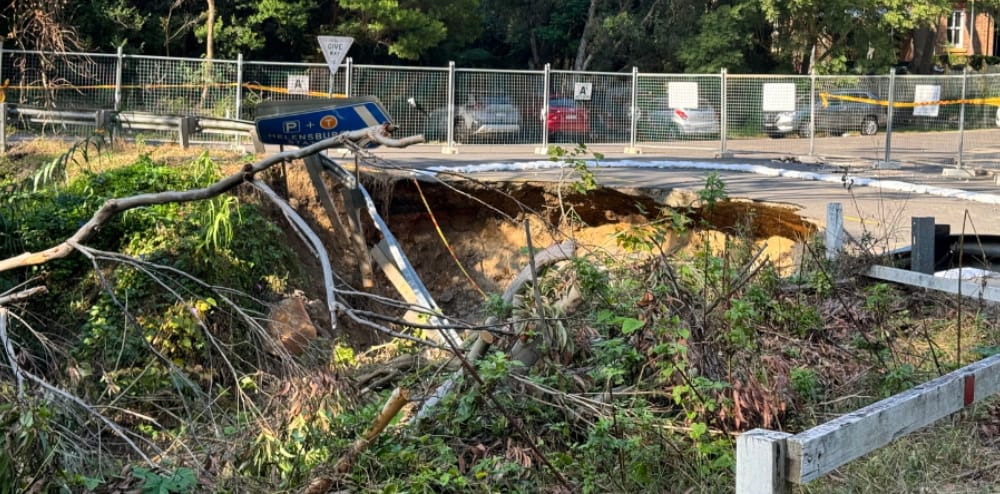
In fact, Wollongong City Council is still dealing with the fallout from the April 2024 storm disaster – just two weeks ago, councillors finally awarded the tender for the reconstruction of road embankments to restore two-way access to a key intersection near Helensburgh Station.
What activists want
Anne said: “If we can get a levy put through to get the motion to the federal government to get the levy set up, that will not only help support councils financially with the immense costs of climate change adaptation and clean-up, but it'll also reduce costs for ratepayers and all residents.”
The “polluters pay” principle – that coal, oil, and gas corporations contribute their fair share amid the rising costs of climate change – already has support in Wollongong, where households are leading the charge to clean energy through the Electrify 2515 research pilot, a project launched four years ago by volunteers that has since inspired 100 communities across Australia.
“In Wollongong, over 500 people have signed a petition to put to Wollongong Council, and over 22 councils around Australia have already passed a motion calling for making big polluters pay,” Anne said.
The question on Monday was if a majority of NSW councils would support the motion. This was unclear due to the diversity of the state, which stretches from country to coast, encompassing councils with vastly different priorities, from water buybacks in the west to whale carcass disposal on the east coast.
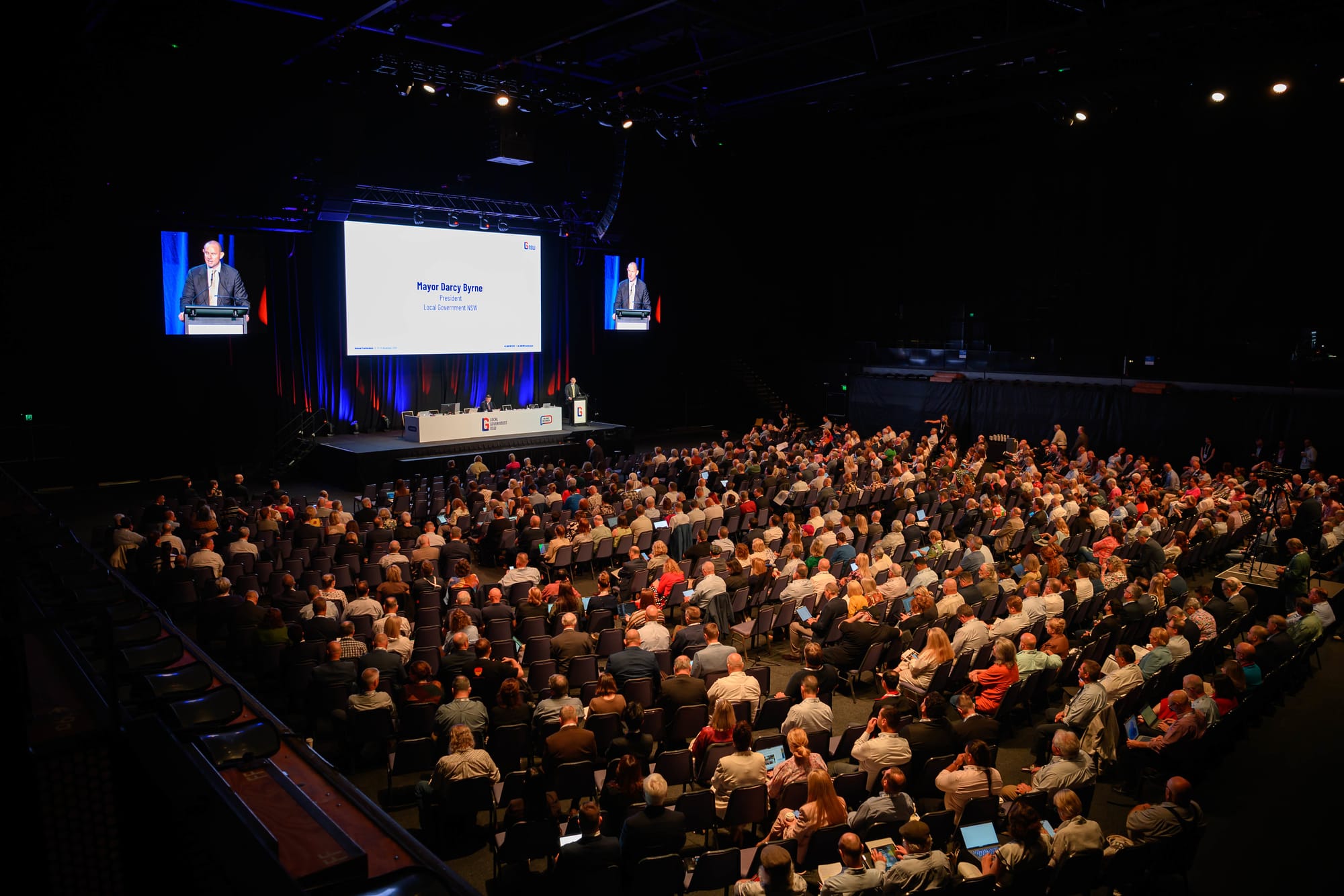
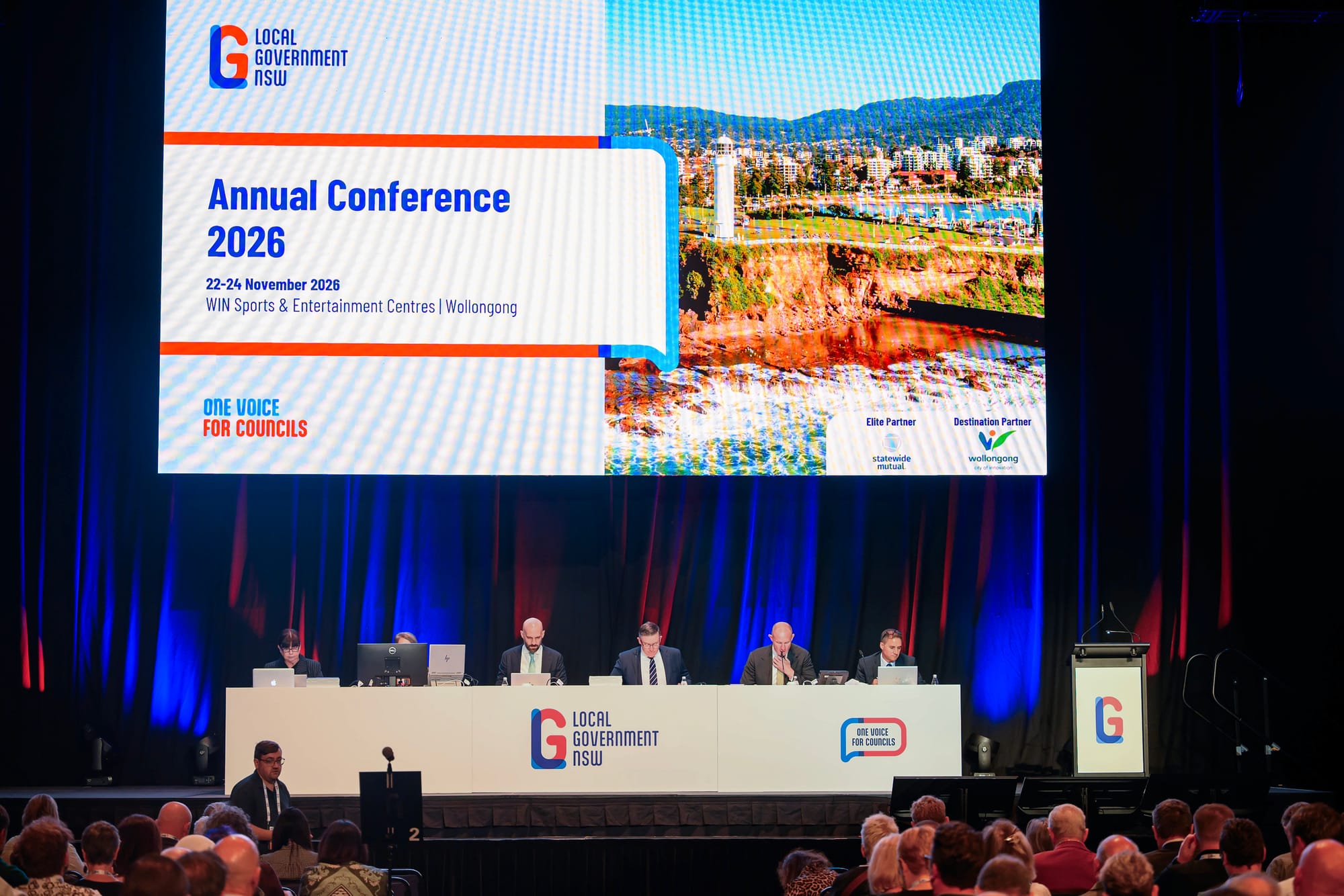
More than 900 delegates from across the state attended this week's conference of councils. Photos: LGNSW
Different priorities across the state
More than 100 motions were debated at the LGNSW conference, which operated like an enormous council meeting, its timekeeping turbocharged by electronic voting devices and a digital countdown clock.
Motion 88 was eventually debated on Monday afternoon, with Bayside Labor councillor Soraya Kassim opening discussion.
Cr Kassim said she spoke for both coastal and inland councils affected by climate-related storms, erosion, inundation, heat-related drought and bushfires.
“We would like to have a fund which is sustainable and equitable by having it funded by fossil fuel industries, which are contributing towards the cost which we are currently bearing,” she said.
Speaking against the motion, independent councillor Lukas Butler from Dubbo Regional Council criticised the plan to penalise coal, oil and gas companies. "We enjoy a great economy because of what they do," he said.
“Now, with every industry, there can be a downside for sure, but I don't see the point of penalising them in order to help us with some idea that this might be causing climate change. So if, for instance, you really wanted to make a difference, you'd have to talk to China.”
Cr Butler concluded by saying penalising fossil fuel companies would “hurt Australia” and have “no noticeable benefit to the world”.
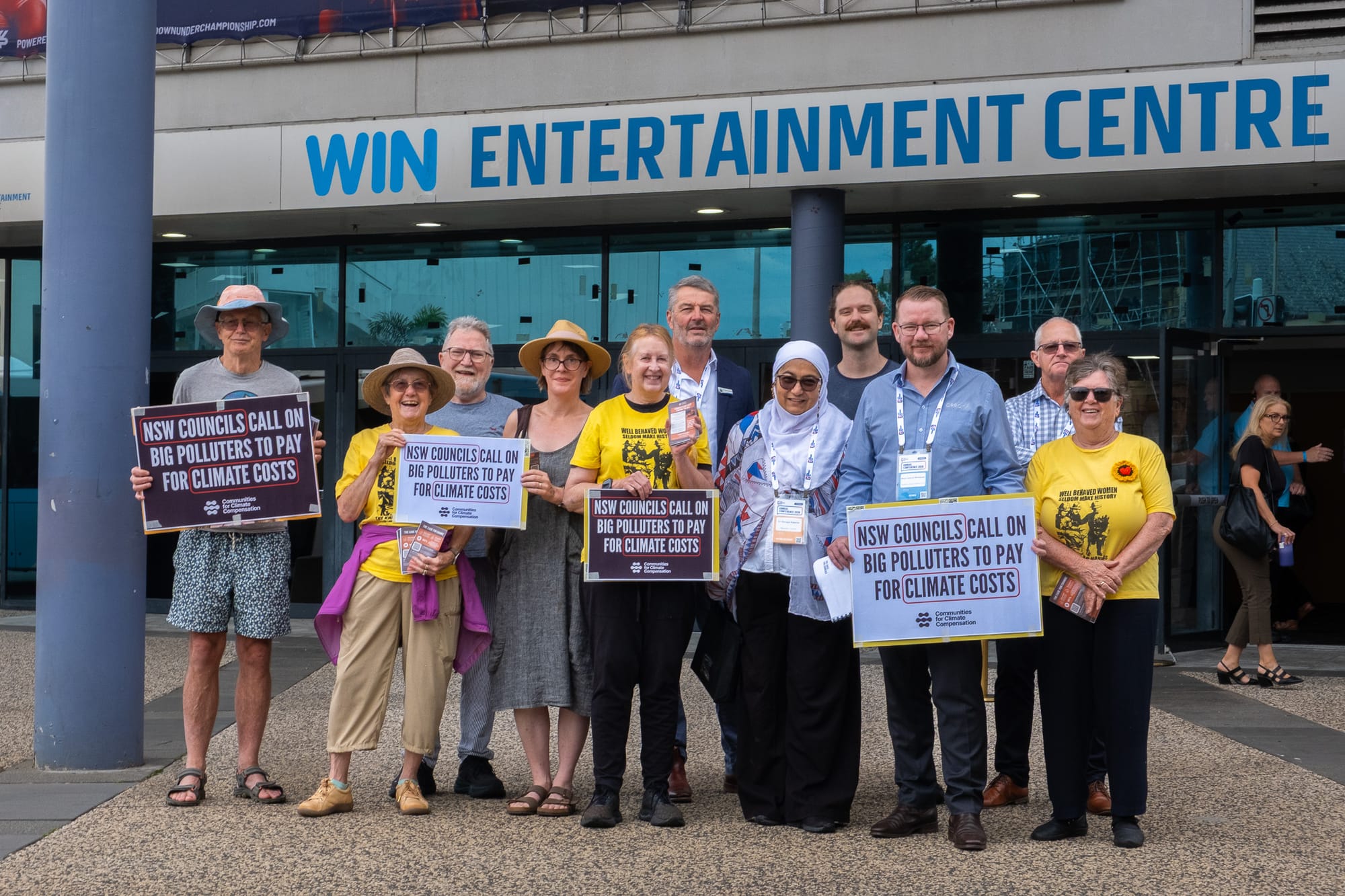
Activists with IKNAG's Anne Kelly and Bayside Councillor Soraya Kassim (at centre). Photo: Communities for Climate Compensation
Disasters affect 4 in 5 councils
Bayside Greens councillor Peter Strong urged delegates to support the motion so councils had “reliable funding” to repair roads and get local services running after disasters.
“Between 2019 and 2023, natural disasters affected 434 of Australia's 537 councils. That's four in five,” he said. “It's time the big polluters pay their fair share.…
“Councils also have to prepare for the next flood, the next heat wave, the next storm. Right now, too much of that cost lands on local ratepayers.”
Another councillor spoke against the motion, saying: “Maybe we should actually just have a fund for disaster recovery that helps all councils with all disasters, and not trying to do a shadow emissions tax on different companies.”
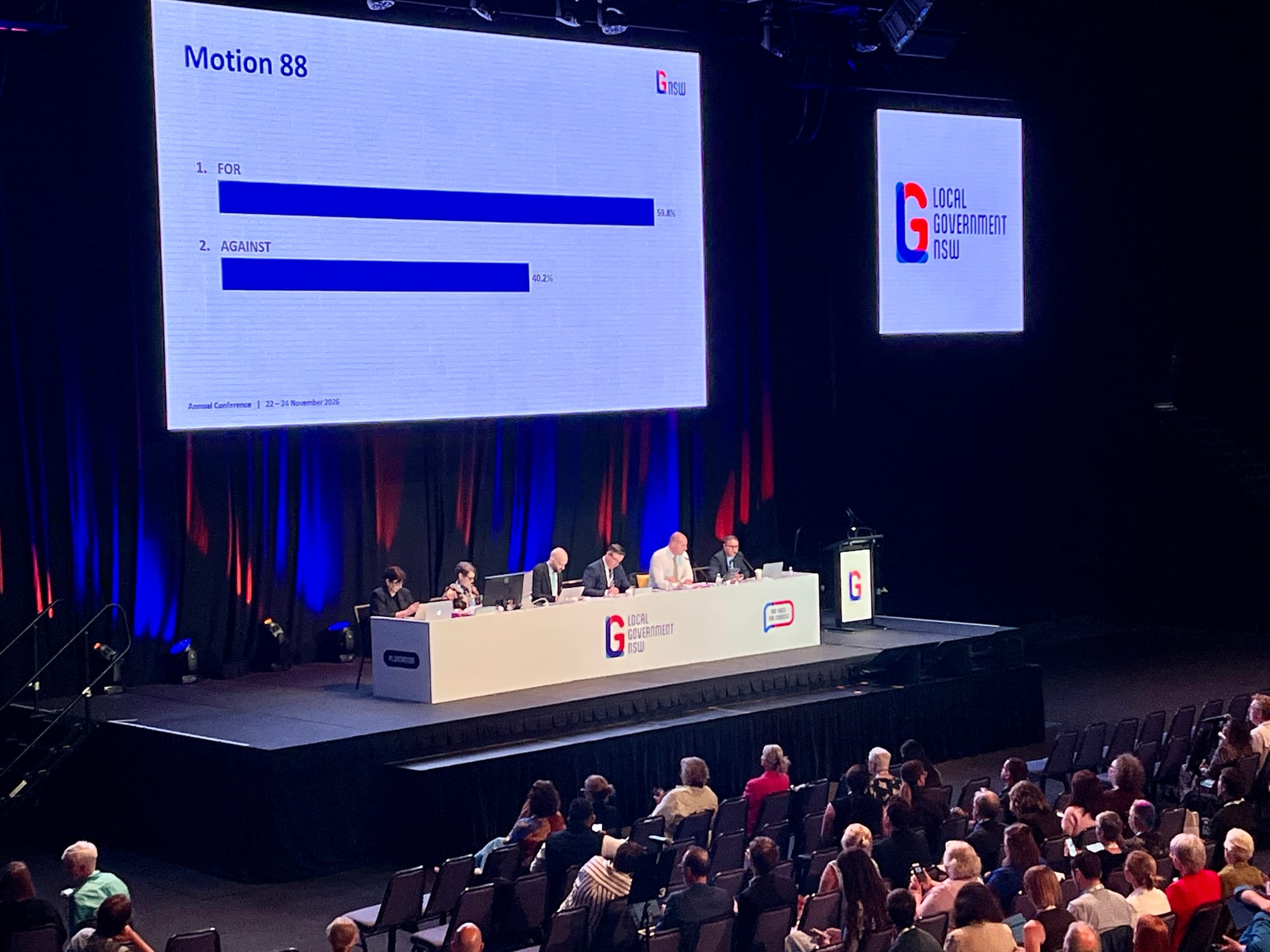
Motion 88 was carried with 59.8%. Photo: Illawarra Flame
When a show of hands didn't reveal a clear winner, delegates had 15 seconds to vote via their electronic devices while the digital clock ticked.
The motion was carried, with 59.8% of the vote.
'Landmark' moment
Shortly afterwards, Communities for Climate Compensation issued a media release celebrating the “landmark” achievement.
The news comes as Australia emerges from a stormy spring, its wettest on record for an El Nino year, and with another band of rain tracking east this weekend.
Numerous reports have highlighted the costs of climate change. Sources have included the NSW Auditor-General (which estimated climate disasters caused $349 million in damage to council infrastructure in 2021–22), Deloitte Access Economics (which predicted natural disasters will cost Australia $73 billion by 2060, under a low emissions scenario) and the Climate Council, which in September published its Rising Seas, Rising Bills report, finding sea level rise and storm surges will cost Australians $855 billion this century.
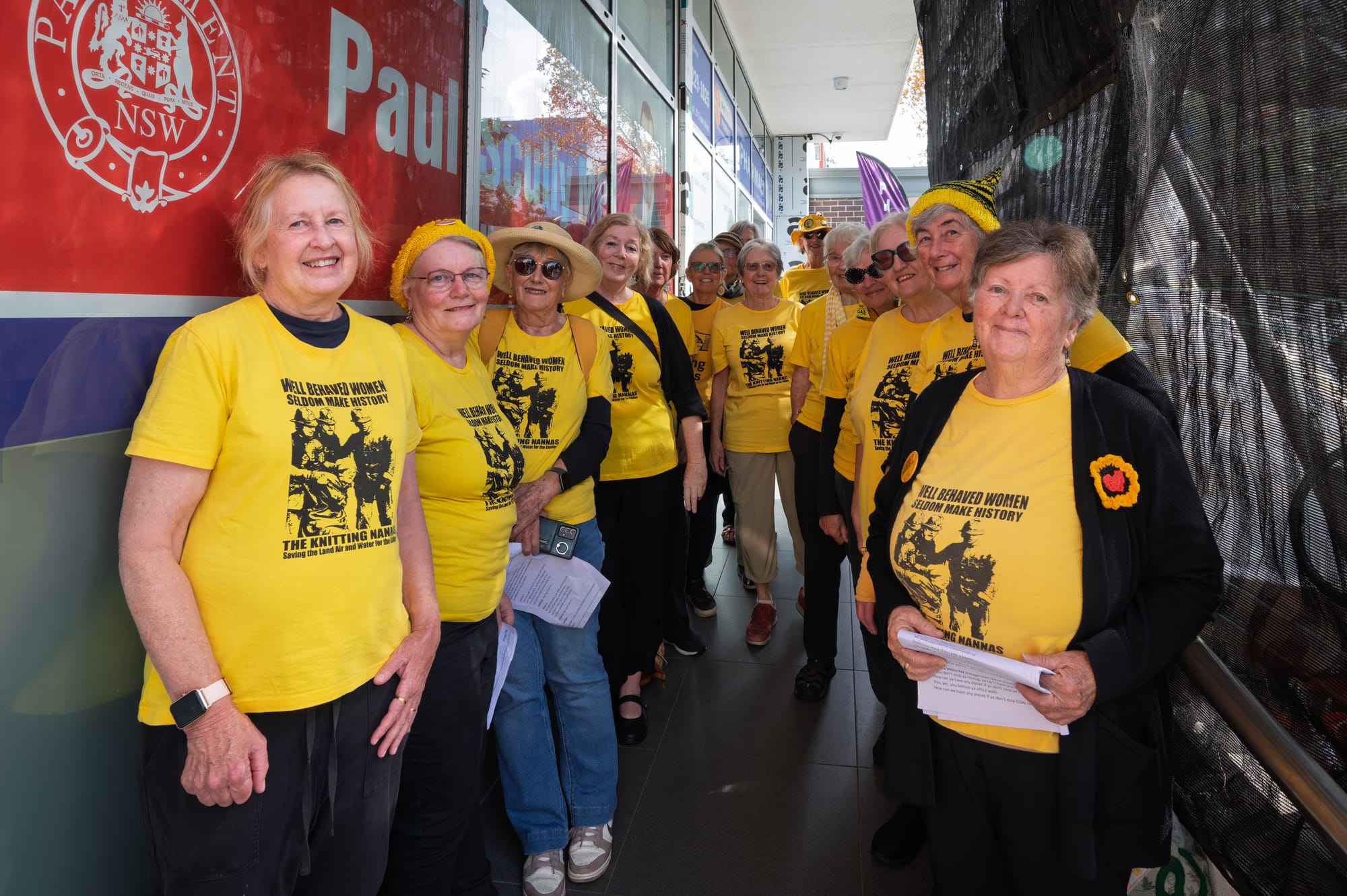
Anne Kelly (at left) with IKNAG at a protest in Wollongong this year. Photo: Tyneesha Williams
Next steps
Anne Kelly said the Illawarra Nannas are “very disappointed” with the outcome of COP, where the world's nations were divided over split over fossil fuels and climate finance.
IKNAG's climate action will now on the local campaign to encourage more people, businesses and social clubs to join the Climate Compensation network and sign a petition, calling for Wollongong City Council to pass a motion that coal, oil, and gas corporations pay their fair share for the rising costs of climate change.
The aim is to table the petition in “early 2027”.
Read more
 Genevieve Swart
 Wollongong City Council
 Genevieve Swart
.


