

As opportunity departs, here's another train of thought on The Timetable
There's still a chance the Illawarra could get extra local services without upsetting the odd rail trip from Woonona to Kingsford Smith, writes Matt Dickson in today's op ed

The South Coast Rail Corridor is a complicated character.
One minute it's offering fast express links between a regional centre and a large capital city.
Next thing, its providing local public transport within an emerging metropolis and its suburbs.
At the same time, its connecting this emerging metropolis with other regional towns and centres.
And all the while its being used to haul stuff from a port, an industrial centre and major mining operations.
We recently witnessed an impressive display of coordinated community activism that successfully forced a government to jettison a very significant rail infrastructure overhaul on the eve of its implementation.
This campaign struck with speed and precision, and sent the NSW Government into an embarrassing state of disarray and puzzling self-congratulation on their capacity to listen to the people. With a state election looming next year, and key local electorates facing high degrees of uncertainty, the timing was impeccable.
Curiously, The Timetable itself was only very briefly available on the General Transit Feed Specification (GFTS), and very few people I have spoken to who actively objected to The Timetable have even seen it.
One person who is a regular user of the GFTS, and has studied The Timetable in depth is Graham McCabe. Graham is a long-term Illawarra resident and a professional traffic engineer and transport planner, who has decades of transport industry experience in both the public and private sectors.
In terms of its specific impact on Illawarra residents, Graham observed that The Timetable would have increased travel time between Wollongong and Central by 6 minutes, but trips to Martin Place would actually have been 15 minutes faster than current journeys. Passengers travelling between Wollongong and Sydney Domestic Airport would have a 6-minute longer trip and would be required to change trains at Sutherland or Hurstville where they would have to wait at the same platform for the connecting service.
Amidst the furore and noise of the protest, The Timetable appeared to have no significant benefits at all for the Illawarra, but Graham has identified a few things that would have had major benefits. For people travelling within the Northern Illawarra, The Timetable offered a train stopping at all stations between Thirroul and Wollongong every 20 minutes outside weekday peak periods and on weekends.
During weekday peak periods, local commuters travelling between Wollongong and Thirroul would have had a train stopping every 10 to 15 minutes, and trains to and from Sydney would have run every 10 to 15 minutes. Outside weekday peak periods and on weekends, it offered two trains per hour to and from Sydney.
These adjustments to the rail timetable would have had further effects on the local bus network, enabling a frequent bus service between Thirroul and Helensburgh via Stanwell Park every day of the week.
If we pause for a moment and consider the South Coast Rail in its role as a provider of local public transport within an emerging metropolis and its suburbs, these benefits are potentially very significant.
A train stopping at all stations between Thirroul and Wollongong every 20 minutes on weekends could be a game changer. If you know there is a train every 20 minutes on a Sunday afternoon, you might consider using it instead of driving. After all, using the train eliminates the search for a carspace, saves fuel, allows that extra beverage, avoids road rage, and can be kind of fun – as long as you know there will be one coming soon, what’s not to like about that?
As more people realise these benefits and start using the train more often, this will remove more cars from local roads and have a direct positive impact on alleviating traffic congestion, which is fast becoming our biggest transport problem in the region.
Wait a minute – have Illawarra residents just inadvertently chosen worsening long-term local gridlock in exchange for slightly faster occasional trips to the airport? Really?
Hey, don’t stress about it because there is still a real possibility of getting those extra local trains and reducing traffic congestion without upsetting the folks up in The Shire or seriously hampering the odd rail trip from Woonona to Kingsford Smith.
Graham McCabe maintains that it is currently feasible to reorganise the local rail timetable without changing services between Waterfall and Sydney. This Timetable Option 2 could include:
- Two local trains stopping at all stations between Waterfall & Port Kembla every hour in both directions running all day (7 days);
- Two express trains between Wollongong & Sydney every hour in both directions outside peak periods (7 days);
- Three express trains between Wollongong & Sydney every hour in both directions during peak periods (weekdays);
- Two trains between Kiama & Wollongong every hour in both directions (7 days).
Greater service frequency between Wollongong and Waterfall is limited by existing infrastructure, including the single track through Coalcliff Tunnel, limited passing loops and level crossings at Woonona, Bellambi and Corrimal, and rectification of these all require major investment.
Single track and limited passing loops between Unanderra and Kiama also pose major impediments to increased service frequency, and the NSW Government has now pledged a $6.8 billion infrastructure program to rectify these problems and to extend electrification to Bomaderry.
This major rail infrastructure project is desperately needed to support the rapidly growing populations and emerging town centres in West Dapto, Shellharbour City, Kiama and Nowra, and an extension to the centre of Nowra itself would be worth throwing in too.
The campaign that squashed The Timetable has demonstrated that well timed and coordinated community activism can directly influence policy and decision makers. Maybe we could keep working together to harness that very same energy and resourcefulness and use it to push for solutions to achieve better public transport, less traffic and better places for everyone in the Illawarra.
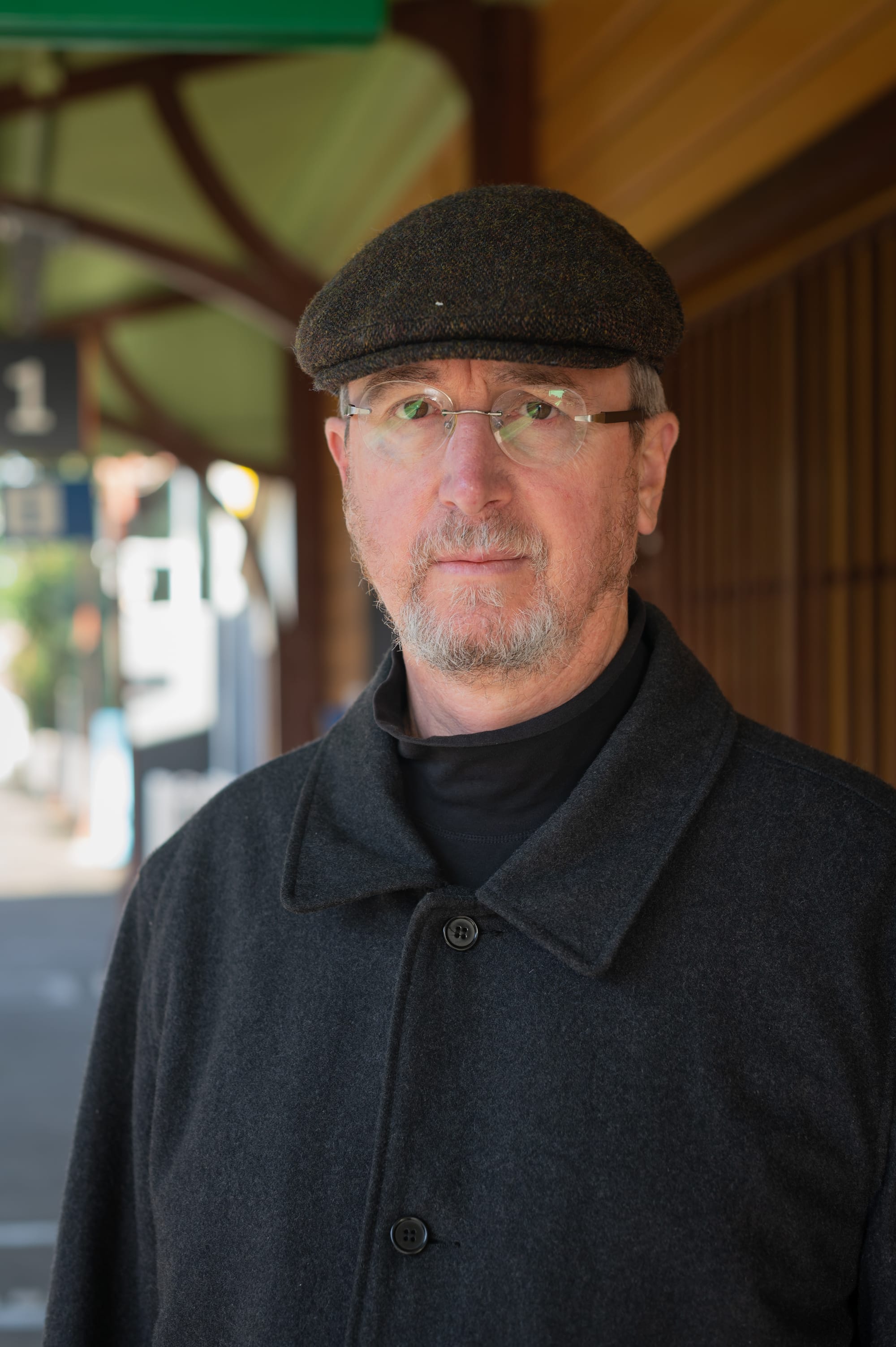
About the writer
Matt Dickson is a local architect who volunteers as part of the Illawarra Public Transport Action team working to improve train and bus services in the Illawarra. If you want to get involved, email serveorganiselearn@gmail.com


