Save Our Swamps petition delivered to parliament
While Helensburgh's Metropolitan Mine awaits an expansion decision, activists are objecting to the use of offsets to permit swamp damage


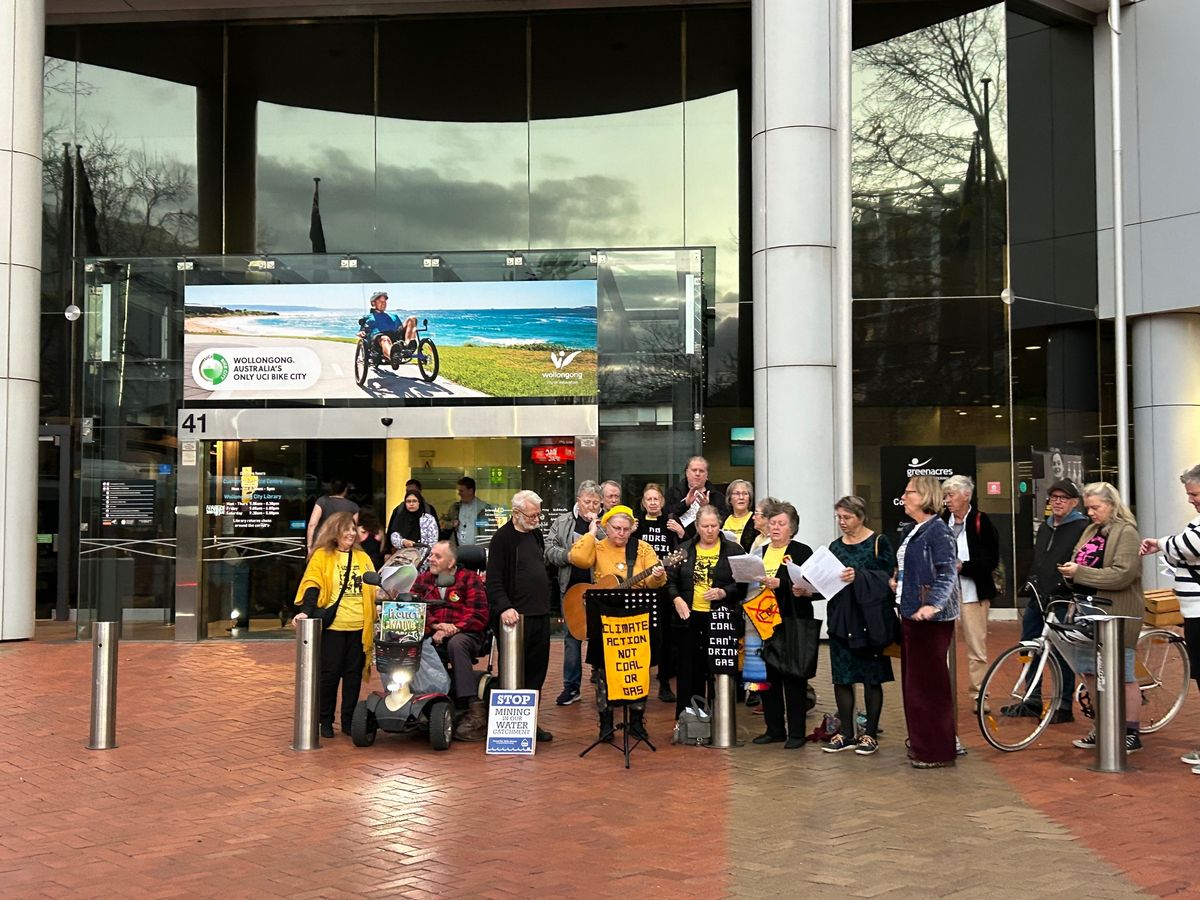
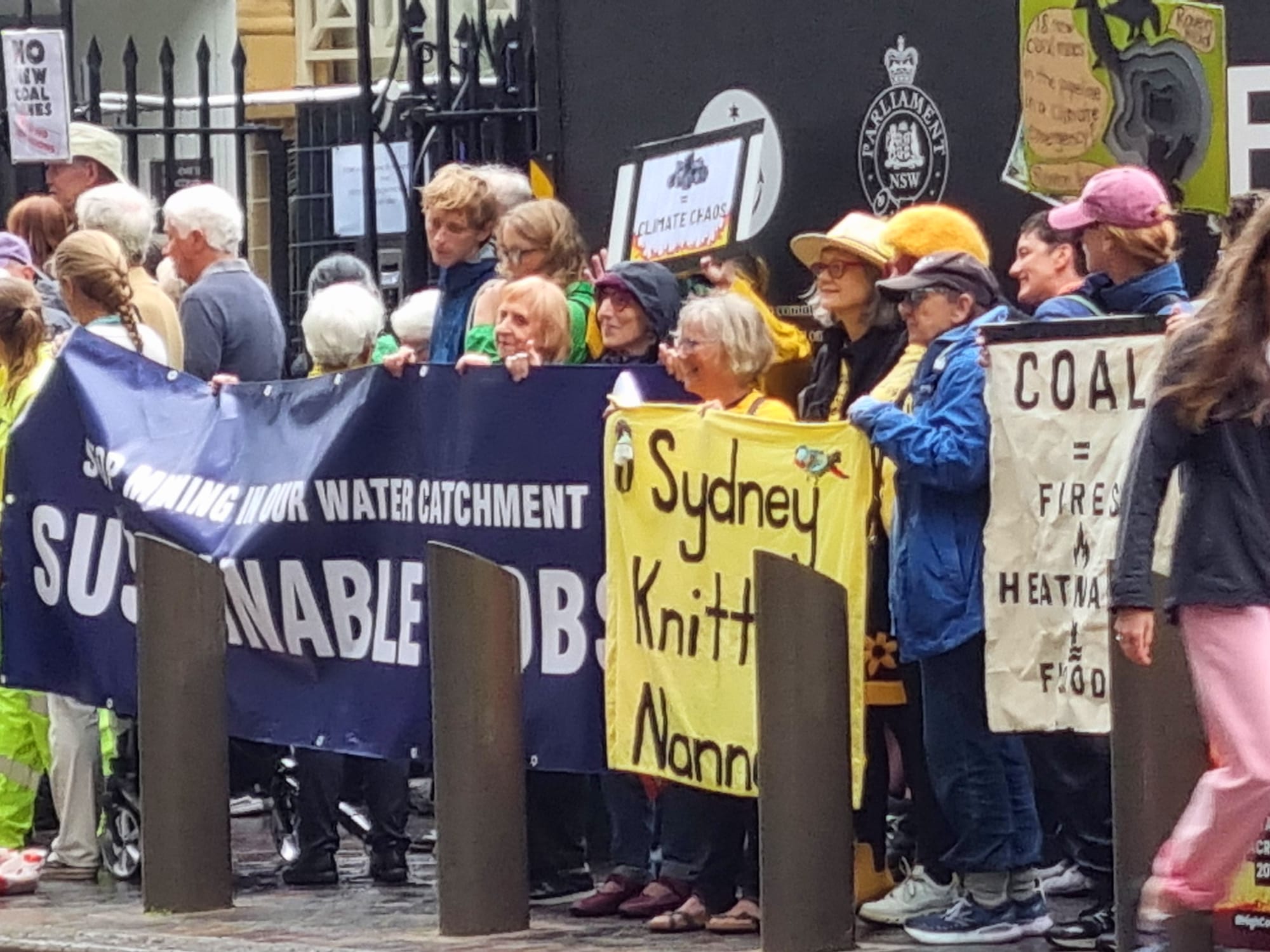
The Illawarra Knitting Nannas Against Greed (IKNAG) took their parody song Bye bye coal to Sydney this month, joining Greens supporters at a climate rally outside NSW Parliament.
As part of the October 13 protest, activist Catherine Reynolds delivered her ‘Save Our Swamps’ petition, signed by 1730 people, including Sutherland Shire Mayor Carmelo Pesce, councillor Kal Glanznig and the CEO of the Nature Conservation Council, Jacqui Mumford.
“I'm very grateful to the Greens MLC Cate Faehrmann for raising the issue in parliament,” Catherine told the Flame.
Her petition was prompted by Peabody’s plans to expand its Helensburgh Metropolitan coal mine under the Woronora Special Area. Signatories are calling on the government to protect the drinking water catchment, including six swamps that play “a vital role” in filtering water.
“I started the petition as a way of alerting local residents to the fact that Peabody thinks it is okay to buy biodiversity offsets to make up for irreversible damage to swamps in the Greater Sydney water catchment,” Catherine said.
“I think we have achieved this aim in part, but many people still have not heard about the modification [to longwalls 317 and 318] or the predicted impacts.”
“I've spoken to people who knew nothing about the mine under the water catchment and they thought I was pranking them. They were horrified when they realised it wasn't a joke.”
Pointing to a study in the Journal of Environmental Management titled “Australia’s temperate highland peat swamps face a death by a thousand longwall cuts”, Catherine said: “New research – by Joe Cairns, Tanya Mason and David Keith – has found that over 45% of swamps at the Woronora Plateau are at risk of collapse if undermining there continues.”
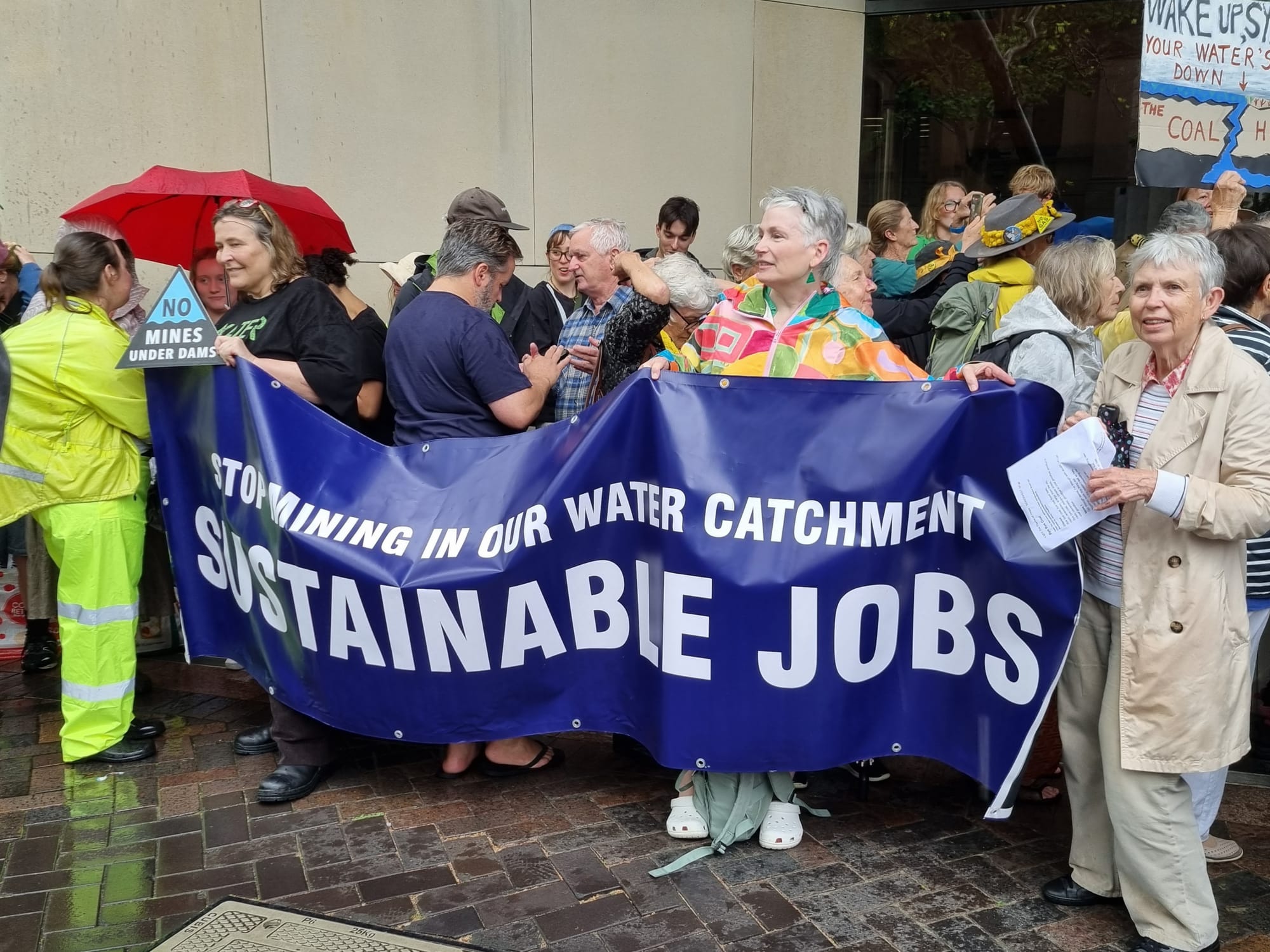
Catherine Reynolds (at left) holding a banner with Greens councillor Deidre Stuart (centre). Photo: Anne Kelly
'Death by a thousand longwall cuts'
The study, published in December 2025, says some swamps in Sydney's drinking water catchment date back more than 15,000 years, and we’ve now reached a “crossroads moment” in their management that could affect generations to come.
“Persistent impacts from longwall mining on peat swamps in the southern coalfields of NSW will result in ecosystem collapse and loss of ecosystem services for many human generations into the future,” the study says.
However, Peabody, the US company that owns Metropolitan, has dismissed the paper.
“The research quoted by the petition organiser was not conducted at or near Metropolitan Mine, does not apply to our operations, and should not be cited in any discussion of Metropolitan Mine,” a company spokesperson said.
“Metropolitan Mine has been designed to minimise impacts on upland swamps, with avoidance prioritised where possible over offsets. Any offsets, if required, would be assessed in accordance with current NSW policy.
“The proposed modification widens pillars between longwall panels and shortens longwall 317 near Swamp 106, keeping predicted ground movement below the level at which cracking is predicted to occur.”
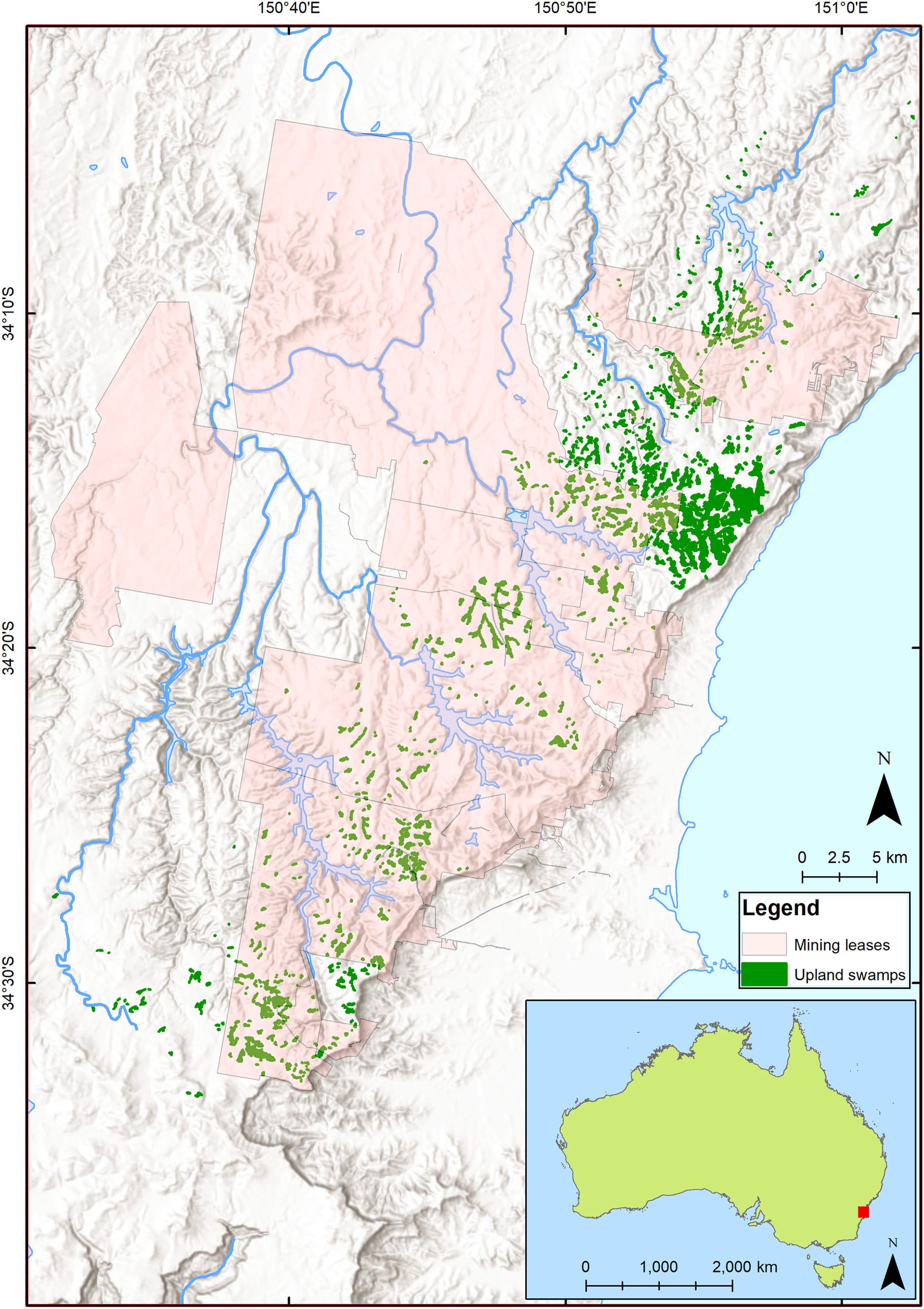
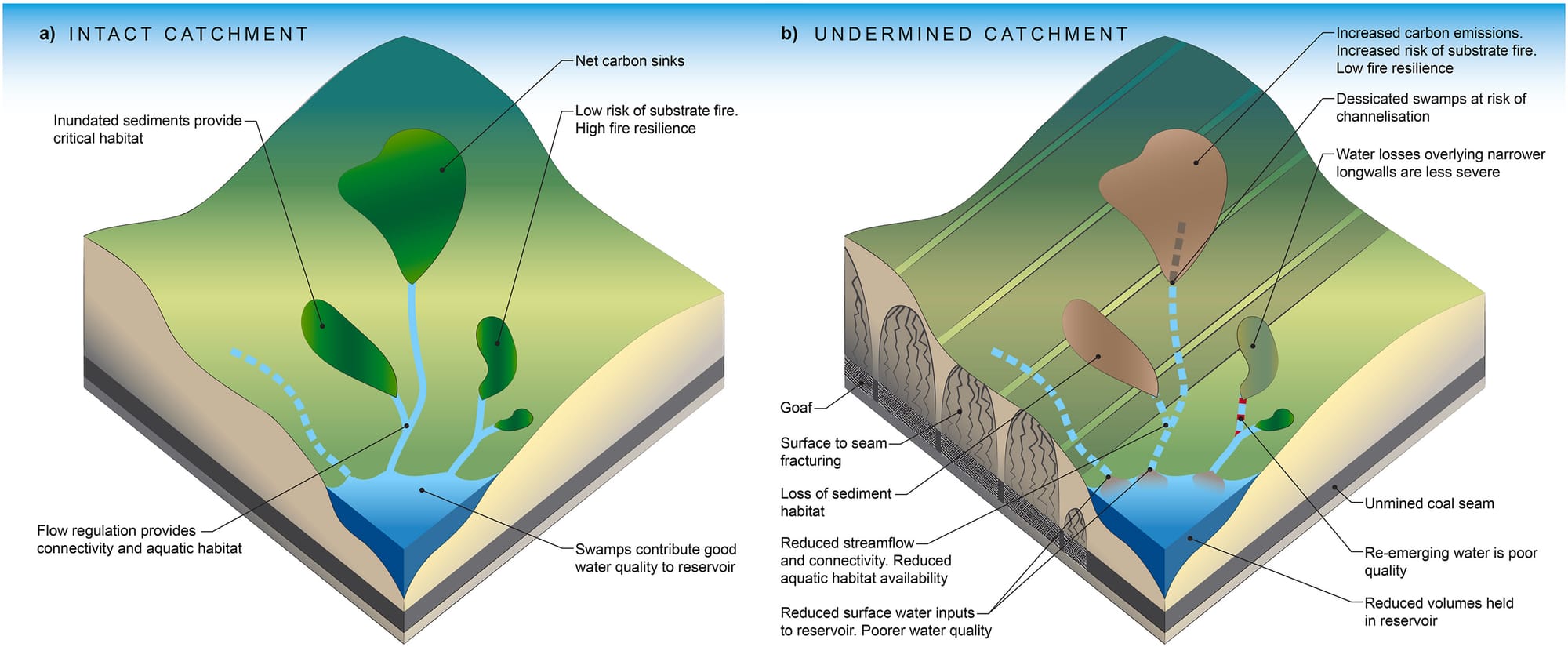
The research paper is not a site-specific impact assessment but its study area is the Woronora Plateau, where the Metropolitan Mine operates. Source: Australia's temperate highland peat swamps face a death by a thousand longwall cuts
Application still under assessment
Helensburgh’s Metropolitan Mine is in the Heathcote electorate, where Labor’s Maryanne Stuart is the state member.
In response to October’s petition, Stuart said the Metropolitan proposal for metallurgical coal mining at longwalls 317 and 318 remains under assessment.
“This assessment will consider the technical details of the project including any potential impacts to water courses and nearby swamplands and all submissions raised during the public exhibition,” the Heathcote MP said.
“As part of their assessment, the Department of Planning Housing and Infrastructure requested that the Independent Expert Advisory Mining Panel provide advice on technical aspects of the assessment.
“I am very aware of the community’s interest and I am keeping a close eye on everything.”
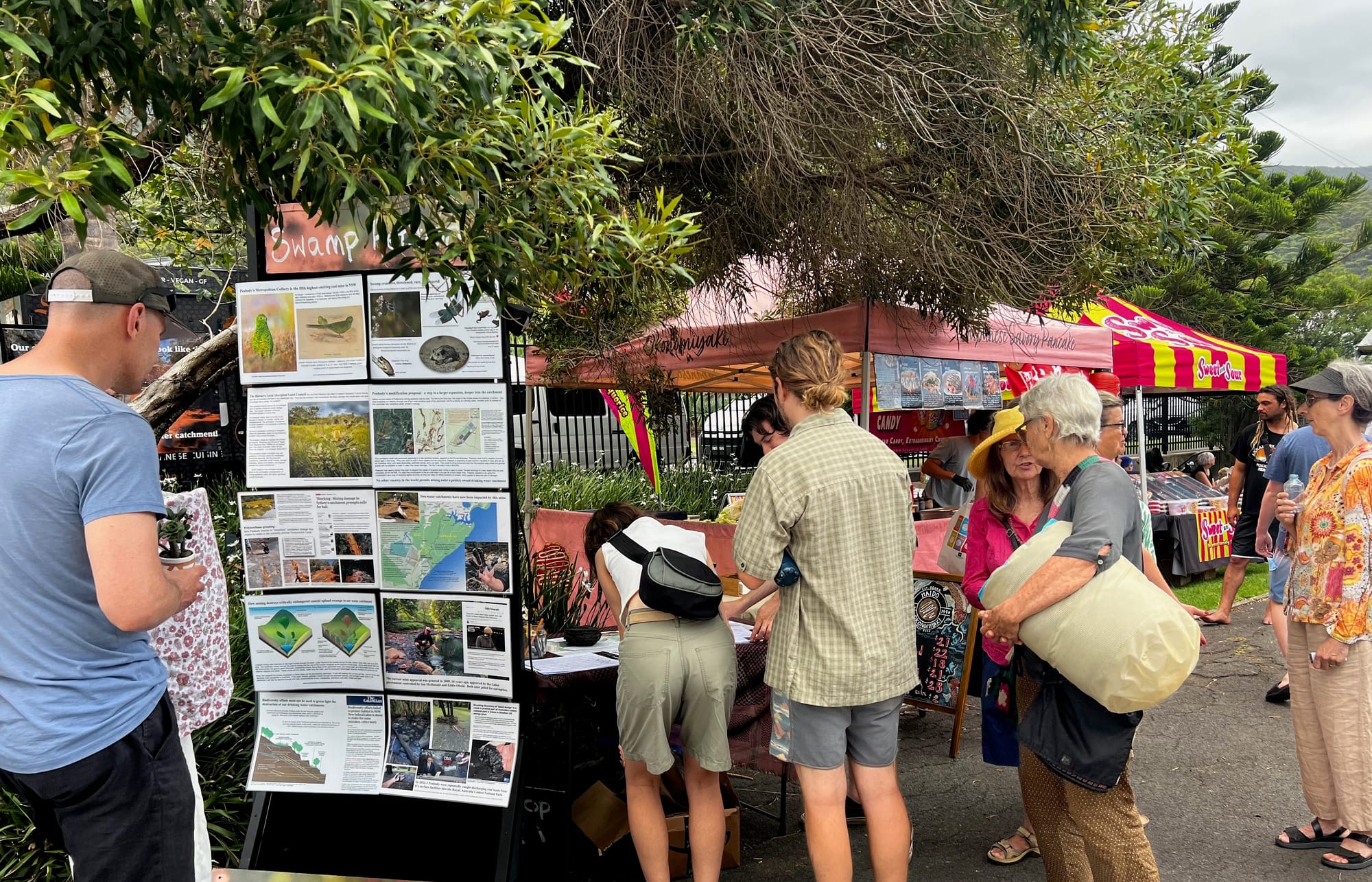
People signing the Save Our Swamps petition at Coledale. Photo supplied
With less than five months until the March 2027 NSW Election, the matter could become an issue for voters as residents of Helensburgh, Otford, Stanwell Park and Coalcliff receive all their drinking water from the Woronora Dam. The reservoir also supplies thousands of Sutherland Shire residents with some of their water.
The new Greens candidate for Heathcote – retired ABC journalist Nick McLaren – says it’s time to suspend expansions in the catchment.
“Having visited the Woronora Special Area twice now and seeing first-hand the impact of underground mining on surface streams, upland swamps and Aboriginal archaeological sites, I believe it’s time for a moratorium on new mine extensions in the water catchment,” McLaren said.
“This should be put in place until the science is able to show definitively that any environment impacts of continued mining will be negligible.
“I support submissions to NSW Planning from WaterNSW, Wollongong and Sutherland Councils raising concerns about potential adverse effects on water quality and calling into question the long-term security of our drinking water supply.”
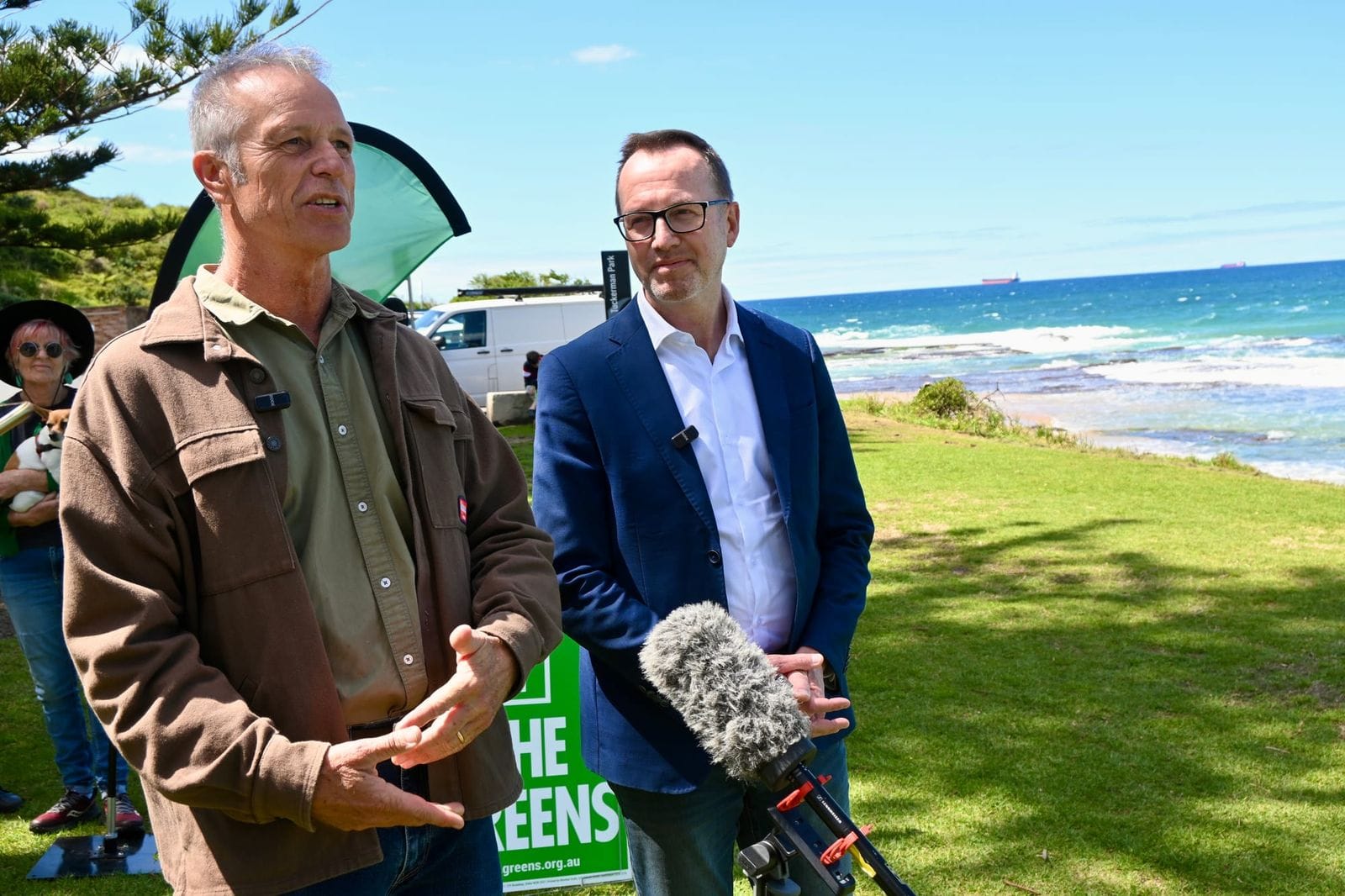
Nick McLaren, at left, with Greens leader David Shoebridge announcing his campaign for Heathcote in September. Photo: Illawarra Flame
Current application is only ‘stage 1’
Metropolitan's Modification 4 is a state significant development application that been under consideration for more than a year. It is currently with the Independent Expert Advisory Mining Panel and advice is expected by the end of 2026. The modification was recently revealed to be ‘stage 1’ of a far bigger Metropolitan Continuation Project, which aims to extend the mine’s lifespan by 12 years, add 22 longwalls and extract about 31 million tonnes of coal.
October's Save Our Swamps petition is new, but concerns about the effects of subsidence in the catchment are not.
Nic Clyde, NSW coordinator of Lock the Gate Alliance, a Save Our Swamps supporter, said: “For more than a decade, Lock the Gate has stood side-by-side with Illawarra and Southern Sydney communities fighting to protect their drinking water catchment and the magnificent swamp ecosystems threatened by Peabody's longwall coal mining.
“We agree with the community and the Independent Expert Scientific Committee, a federal government advisory body, which advised that ‘the only effective way to minimise or mitigate potential impacts is to avoid longwall mining beneath all swamps and waterways in this near-pristine catchment of Woronora Reservoir’.”
The Illawarra Knitting Nannas Against Greed (IKNAG) singing Bye Bye Coal as part of a Wollongong protest in May 2026.
Extension would secure 400 local jobs
As part of Peabody’s response to the Save Our Swamps petition, a company spokesperson said: “Since the modern Project Approval was granted in 2009, Metropolitan has monitored dozens of upland swamps throughout the mining process, including groundwater and vegetation behaviour. To date, no swamps have experienced a change to vegetation health or population densities as a result of mining.
“Consistent with these evidence-based outcomes, of the 41 upland swamps assessed as part of the modification, 35 were classified as negligible potential risk and six as low potential risk.
“Mining occurs around 500 metres below the surface and there has been no evidence of connective fracturing extending from the mined seam to the surface.
“Under the independent NSW assessment process, potential swamp impacts and proposed mitigation measures are considered alongside the modification’s benefits, including securing 400 local jobs and the continued supply of more than 40% of Metropolitan’s coal to the Australian steel industry.”
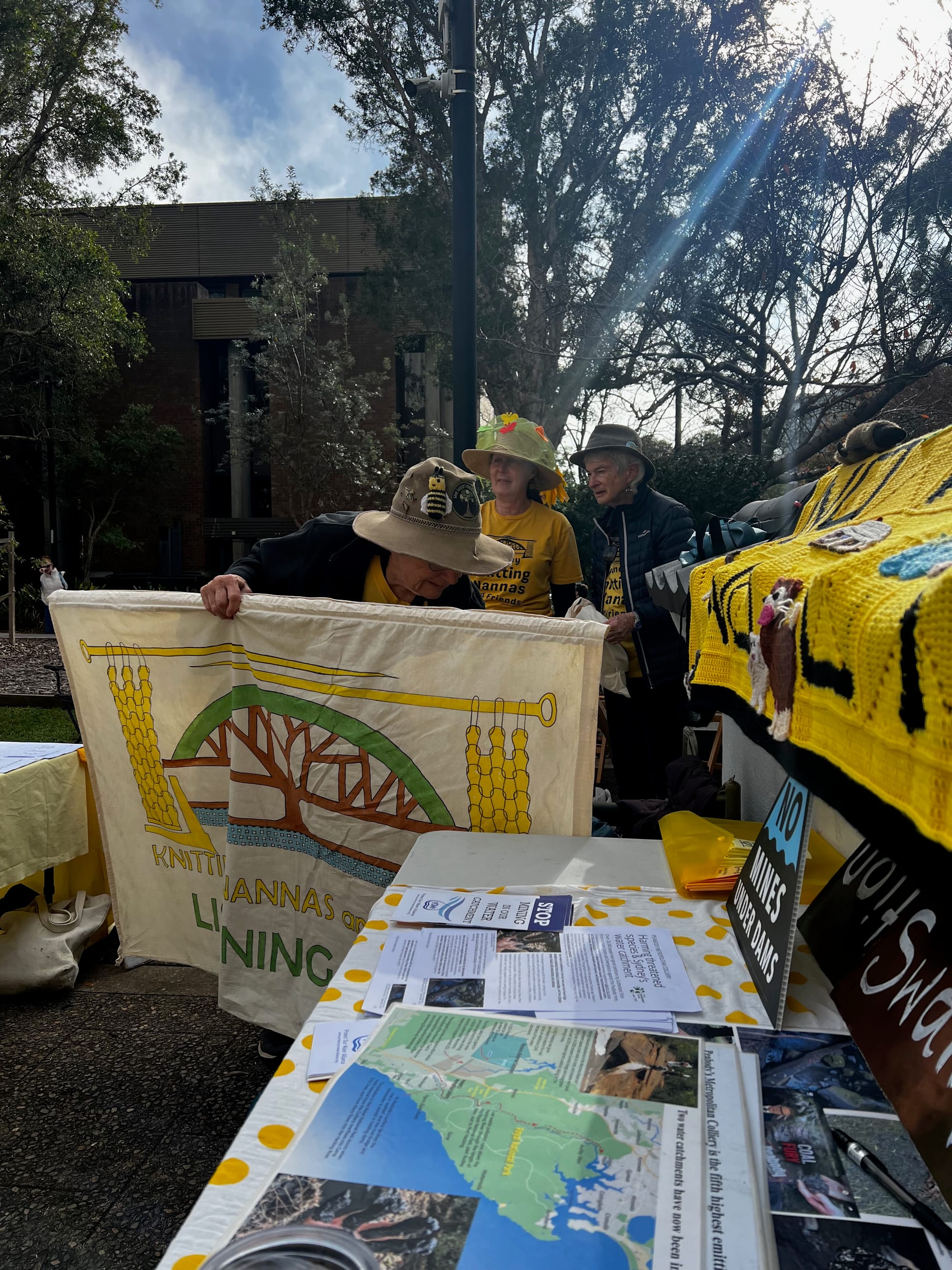
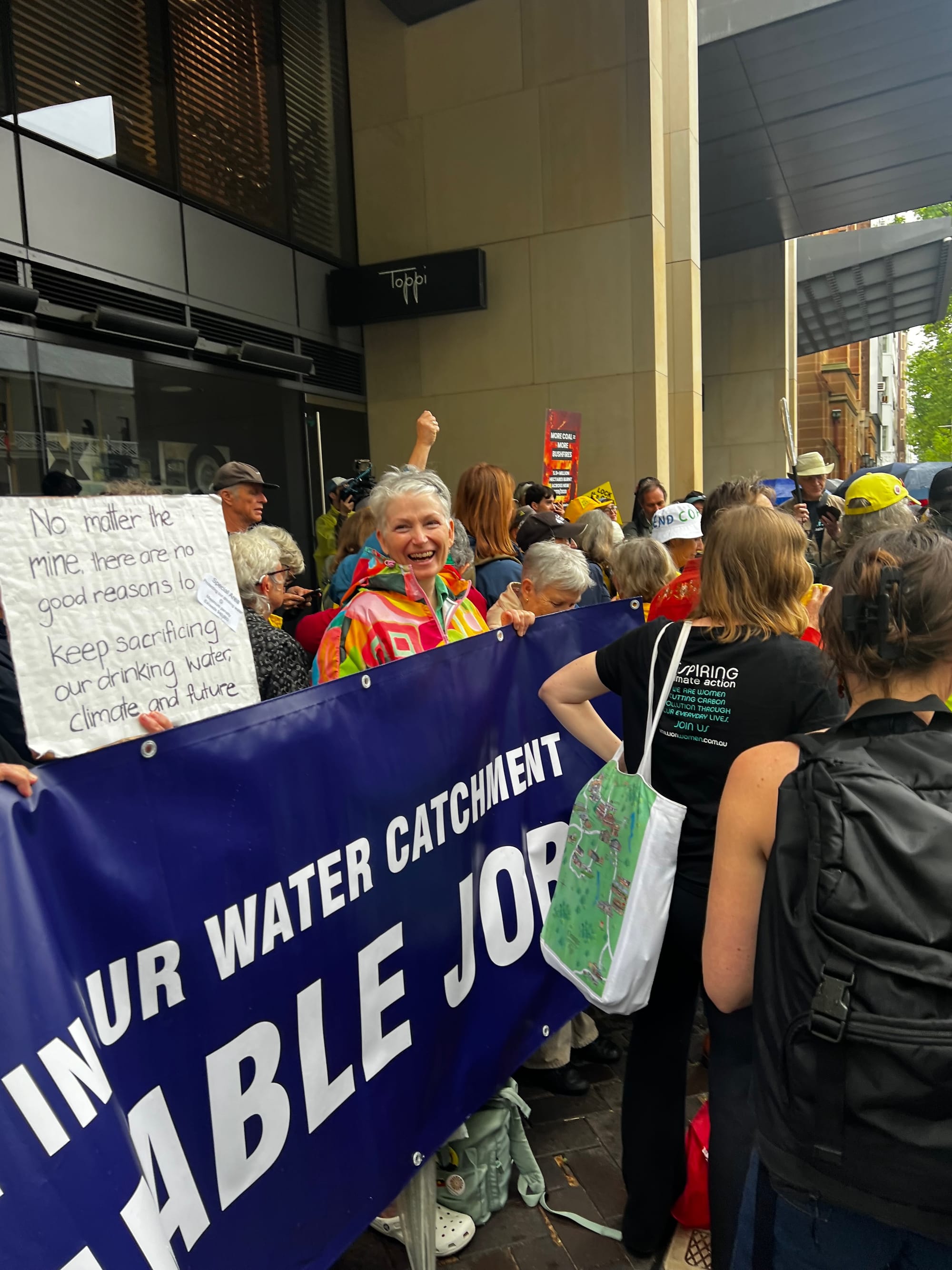
Left: Knitting Nannas gathering petition signatures at Sutherland. Right: Wollongong councillor Deidre Stuart at the rally outside parliament on October 13. Photos supplied
'Avoid longwall mining beneath all swamps' – experts
The “swamps face a death by a thousand longwall cuts” study is not a site-specific impact assessment of Metropolitan's Modification, but its study area is the Woronora Plateau, where the mine operates.
Government reports do present project-specific advice.
In a May 2026 response to Metropolitan Mod 4, the NSW Department of Climate Change, Energy, the Environment and Water (DCCEEW) Water acknowledged that predicted subsidence at Swamp 106 was lower than at Dendrobium Swamp 14, but stated: “Lower predicted subsidence does not, by itself, establish that the shallow groundwater regime, substrate saturation, or downstream baseflow contribution would be maintained.”
In its response to DCCEEW Water, Metropolitan Coal agreed “that swamps could be impacted where connective cracking to deeper strata does not occur".
The Independent Expert Scientific Committee on Unconventional Gas Development and Large Coal Mining Development (the IESC) gave project-specific advice that went further. It stated:
“Given the sensitivity of the protected swamps and the difficulty of reversing potential impacts, the IESC considers that the only effective way to minimise or mitigate potential impacts is to avoid longwall mining beneath all swamps and waterways in this near-pristine catchment of Woronora Reservoir.
"The proposed Adaptive Management Plan (AMP) cannot protect these significant water resources because impacts are likely to materialise too late to mitigate them.”
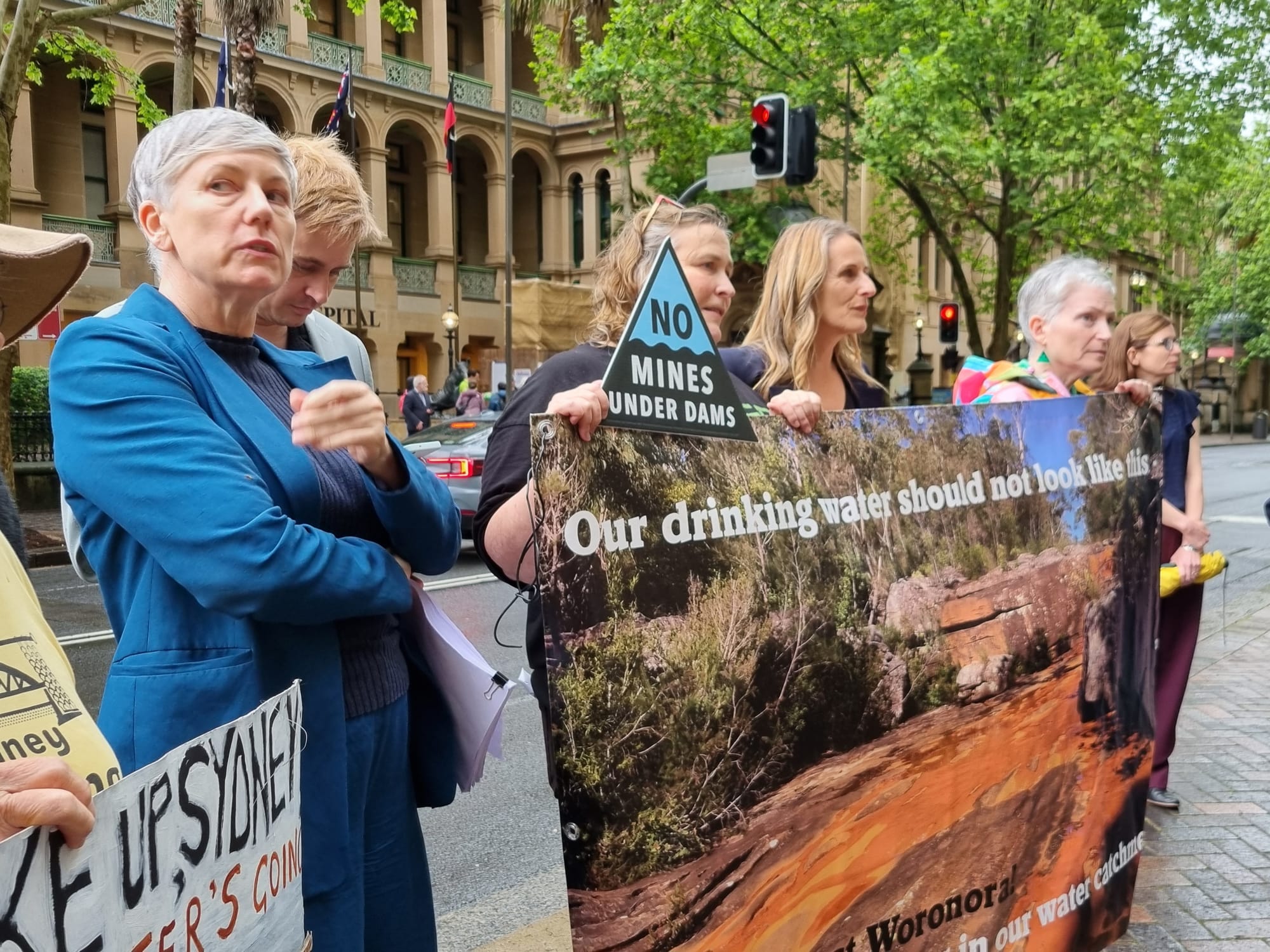
Activists delivered the Save Our Swamps petition to Greens MLC Cate Faehrmann in October. Photos supplied
Read more
 Genevieve Swart
 Genevieve Swart
 Genevieve Swart