

Beetling About in a Diverse Microhabitat
Part 1 of 'A Diverse Microhabitat' by Helensburgh entomologist Dr Chris Reid of the Australian Museum
I’ve talked quite often about poo, probably more often than some of you care to know. For which apologies, but… here’s another poo story. Eat your breakfast first.
The insects associated with poo are diverse, poo is easy to obtain, it works well as an attractant and at least some of the insect groups attracted are well-known – so poo makes an easy way of measuring a portion of biodiversity (all living things).
We know that the major disposers of poo are dung beetles (scarabs of the subfamily Scarabaeinae) – that’s the same things as the famous Egyptian scarab. We cognoscenti call them dungies. The Egyptian scarab is a ball roller, but most of our 500+ species are tunnellers and just shove the stuff in. Kick away horse dung on a track in Dharawal NP and you’ll probably see tunnels going straight into the ground. But they are generally not active in winter, when flies take over – so our trapping is from October to March.
Different dungies live in different places, as they have adapted to different substrates (sand, clay, alluvial soils etc), different vegetation types (rainforest, woodland, heath etc) and different ‘hosts’. So finding a certain type of dungy can tell plenty about the environment.
Surprisingly, attraction to native hosts is only recently being worked out. This is largely because most researchers have been trying to get as many species as possible as easily as possible and it turns out the most favoured bait for most species is the generalist feeder (omnivore) called human and poo of that animal is easy to obtain (for the faint-hearted pig is also good). However, this misses out potential poo specialists, such as those feeding on rotting fungi, rotting fruit or poos of native animals.
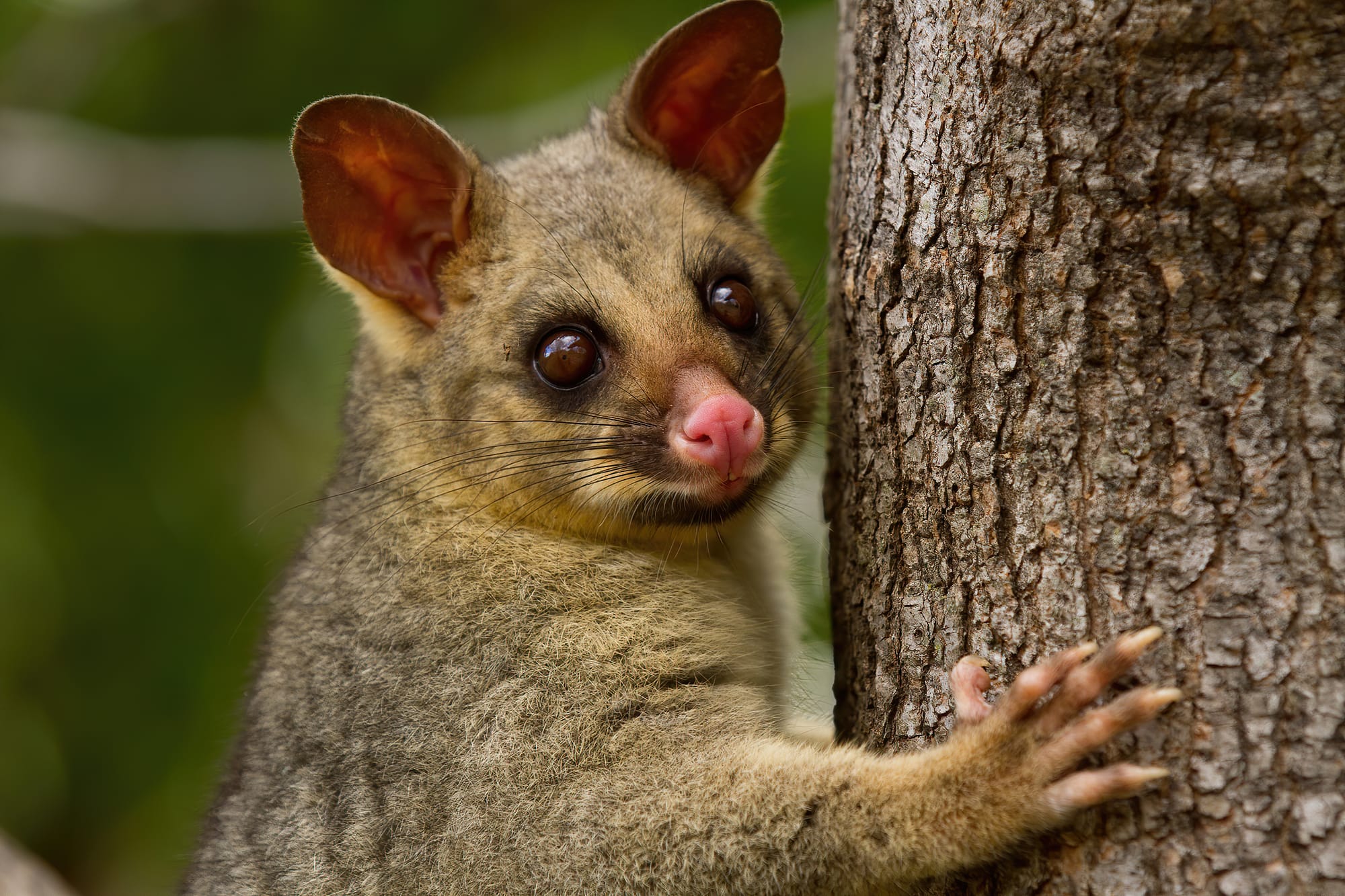
For example, last October we had a brush-tailed visitor to a bottle brush at the edge of the driveway, and every morning there was fresh poo. Nothing was known about dungies and possums. So I wrapped some up in a cloth, suspended it over a pot buried in the garden and waited to see what happened. The result was remarkable – in one night 14 specimens of a species, Onthophagus yourula, that had only been discovered and described in 1990 and of which there were only 13 specimens in the Australian Museum. It seemed likely that Onthophagus yourula is a possum specialist.
The Mossman to Manly ‘North Shore’ of Sydney has, besides some swanky houses, several bush reserves which have become isolated islands bordered by sea and houses. These reserves retain small populations of bandicoot, brush-tailed possum and swamp wallaby. My Honours student Matilda Rosas has just completed a study to see if the reserves retain any associated fauna associated with the poos of these animals. Thanks to local zoos and animal carers, including our very own Symbio Wildlife Park, we were able to obtain a steady supply of each through the summer.
I’ll report on the results in part 2.
Thanks to Matilda Rosas for comments and information and to Symbio for poo.


