

Our Royal family: Platypus project proves wildly successful
Platypus are back in the Royal National Park – here's where to find them

If you go down to the Royal National Park today, you could be in for a big surprise at Wattle Forest Picnic Area, just south of Audley.
After being locally extinct for 50 years, platypus are back and breeding, and this is the place to spot them.
Thanks to three years of rewilding work by University of NSW researchers, there are more than 20 of the shy little monotremes paddling about in the Royal. Sightings can be reported via the Platy Project to add to our scientific knowledge – which has come a long way since these egg-laying mammals with bills like a duck and tails like a beaver were thought to be a taxidermy prank.
Yet even with today's technology, platypus are hard to track.
"They're really quite a challenging animal to monitor," said lead researcher Associate Professor Gilad Bino, who found a new young male hatched in the park during a recent survey.
"Any animal that we're catching, we glue little transmitters on – that gives us like a short window, just to know where they're hanging around and foraging," Gilad said.
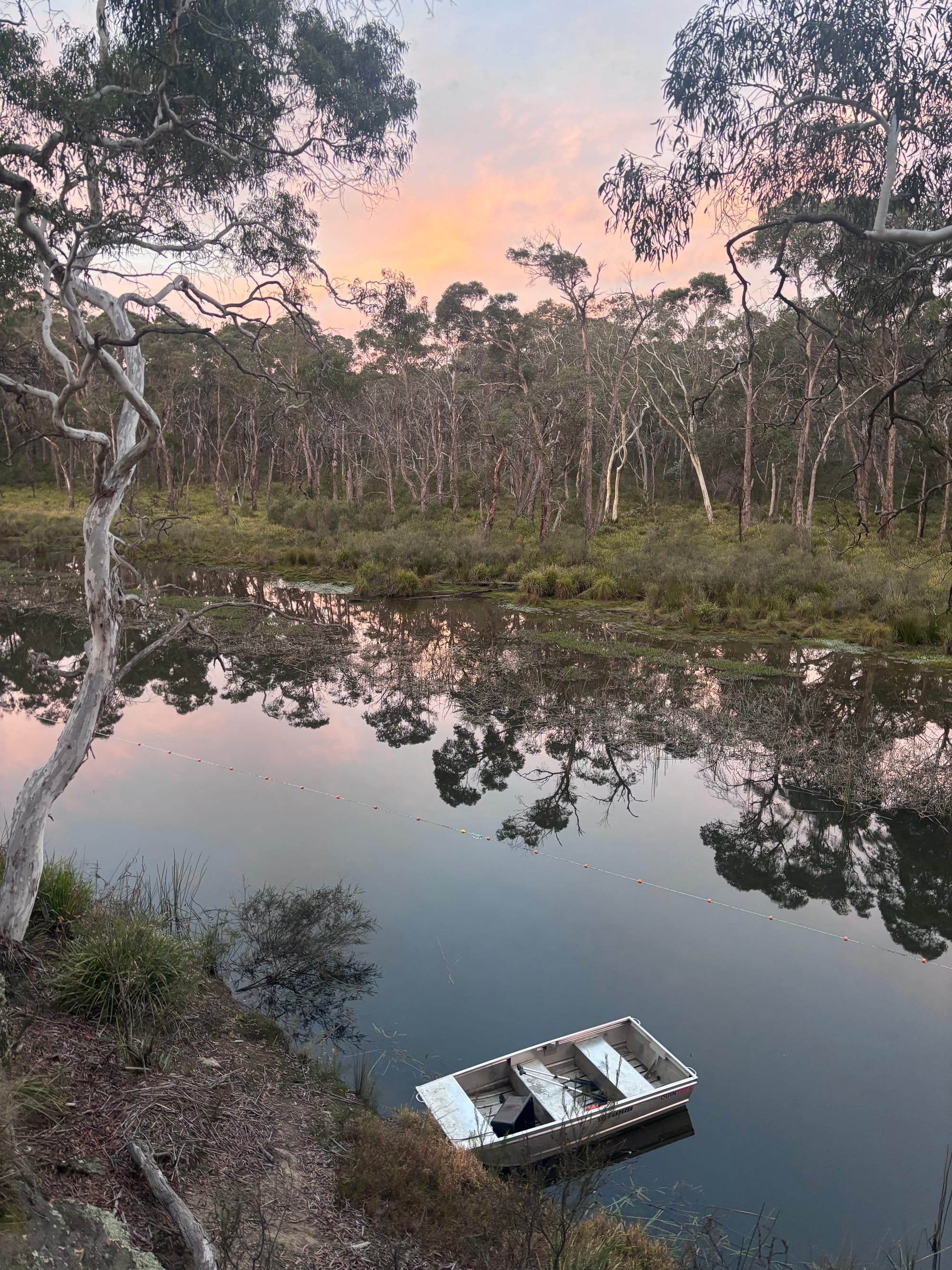
“It's really all along the Hacking River, even past the upper weir pool. One easy, accessible location is Wattle Forest Picnic Area, where some people have observed platypuses just swimming past there in the afternoon, around dusk.
“That’s a good spot, but obviously you have to be patient, and if you're lucky, you get to see them.”
Since May 2023, scientists have reintroduced 17 platypus to the Royal, sourced from wild populations round the state. At least four have hatched in the park while one, named Chaos, was found dead last year.
“It sustained some sort of trauma,” Gilad said. “We don't really know what was the cause – it may have been trampled by a deer or maybe some debris fell on it.”
Uncle Dean Kelly has named each platypus, including the four hatchlings, who are Gili (Flame), Djumalung (Platypus), Djurawalinjang (We grow together) and Narjong (Freshwater).
The release of Hydra in the Royal National Park in 2026
'Water quality is great'
The project is the first successful platypus translocation in NSW and, overall, Gilad said it is going “very well”, with Absinthe, Duckie, Hydra and Dawn recently added to the population.
“We introduced the first 10 in May 23 and then in May 25 we introduced three more individuals, two females and one male, and then we've now just completed another round of introduction, introducing two males and two females.”
In spring and autumn, researchers check the water quality in the Hacking River and Kangaroo Creek.
“We do also water bug surveys, so macroinvertebrates, the prey of platypuses,” Gilad says. “It’s been three really good years – plenty of water, a very healthy food web, and water quality is great.
“The high survival rates and the ongoing breeding has been like a great indication that the platypuses seem to be quite a resilient species, and that they're like able to be translocated.
“It really lays the groundwork for future conservation efforts.”
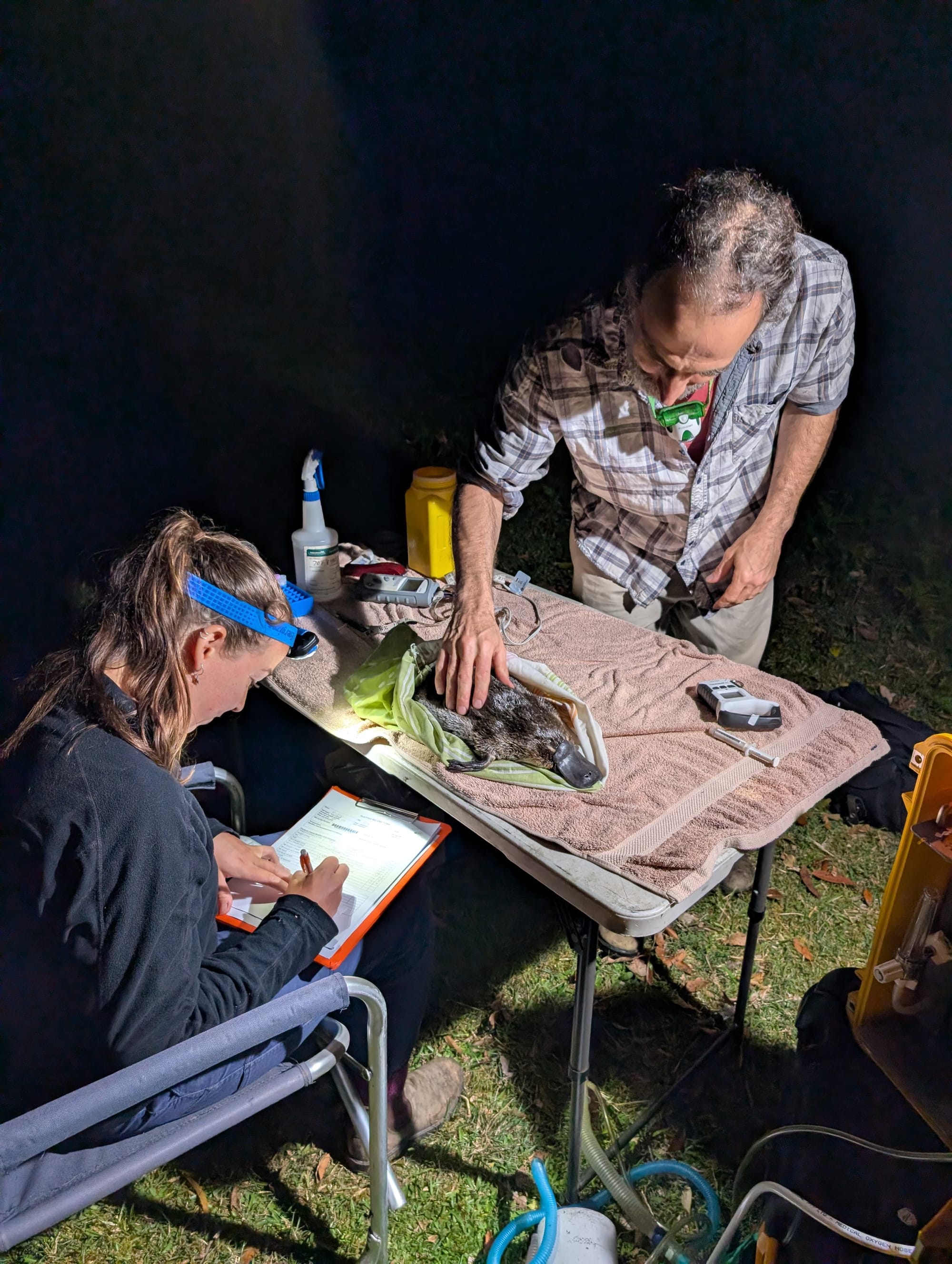
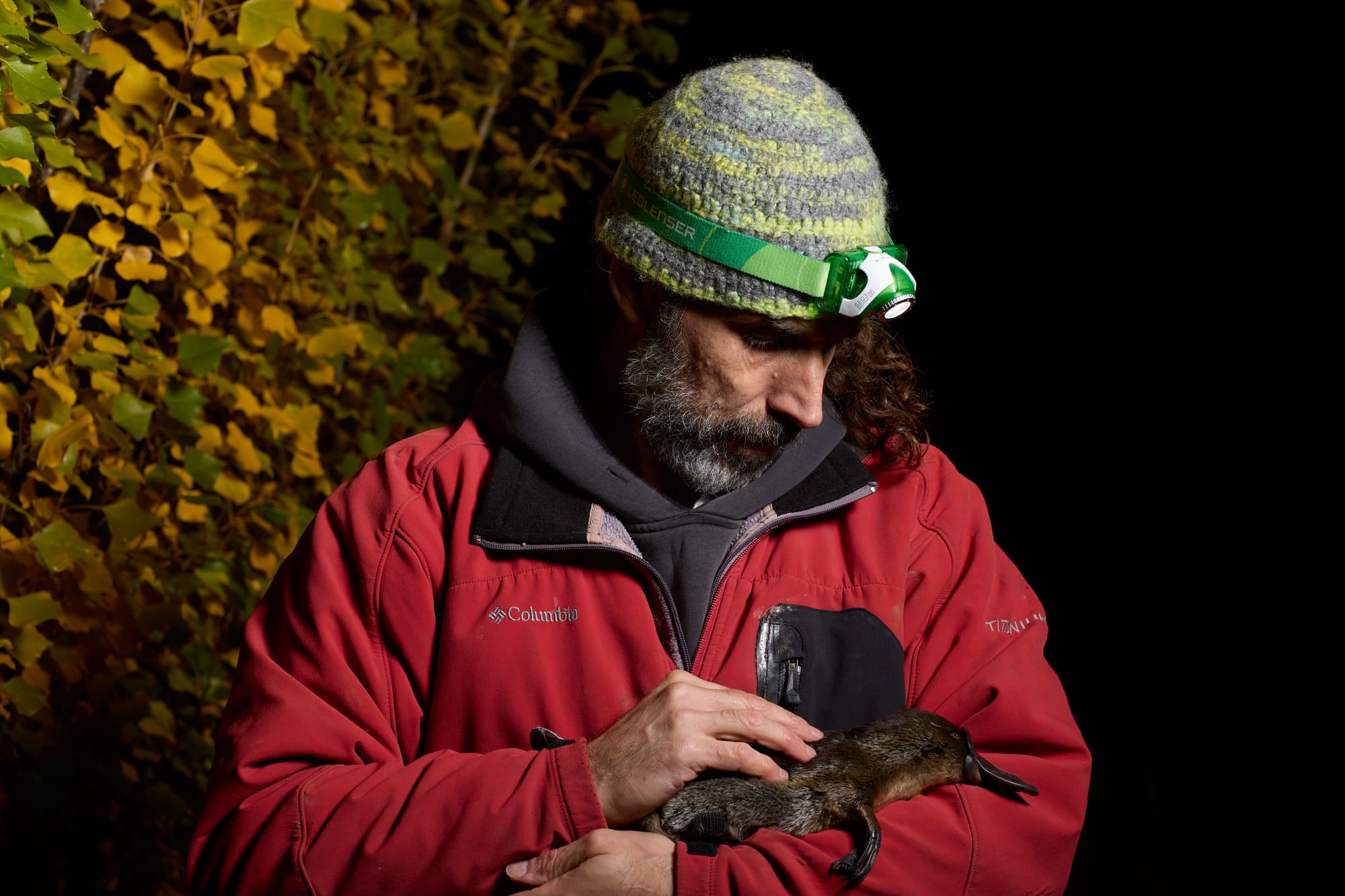
Dr Gilad Bino and Gilad and his colleague, Dr Tahneal Hawke, at work
Top gear: a tinny, nets and pillow cases
The latest four animals come from the central tablelands and the southern highlands area, about a five-hour drive from the park, “because we don't want to hold them for too long”, Gilad said.
Relocating platypus involves an intense capture period of round-the-clock work.
Gilad and his colleague, Dr Tahneal Hawke, set out at noon for a location within five hours’ drive of the Royal National Park, then launch their tinny and set nets in a pool, with depths of 1-3m being prime habitat for platypuses.
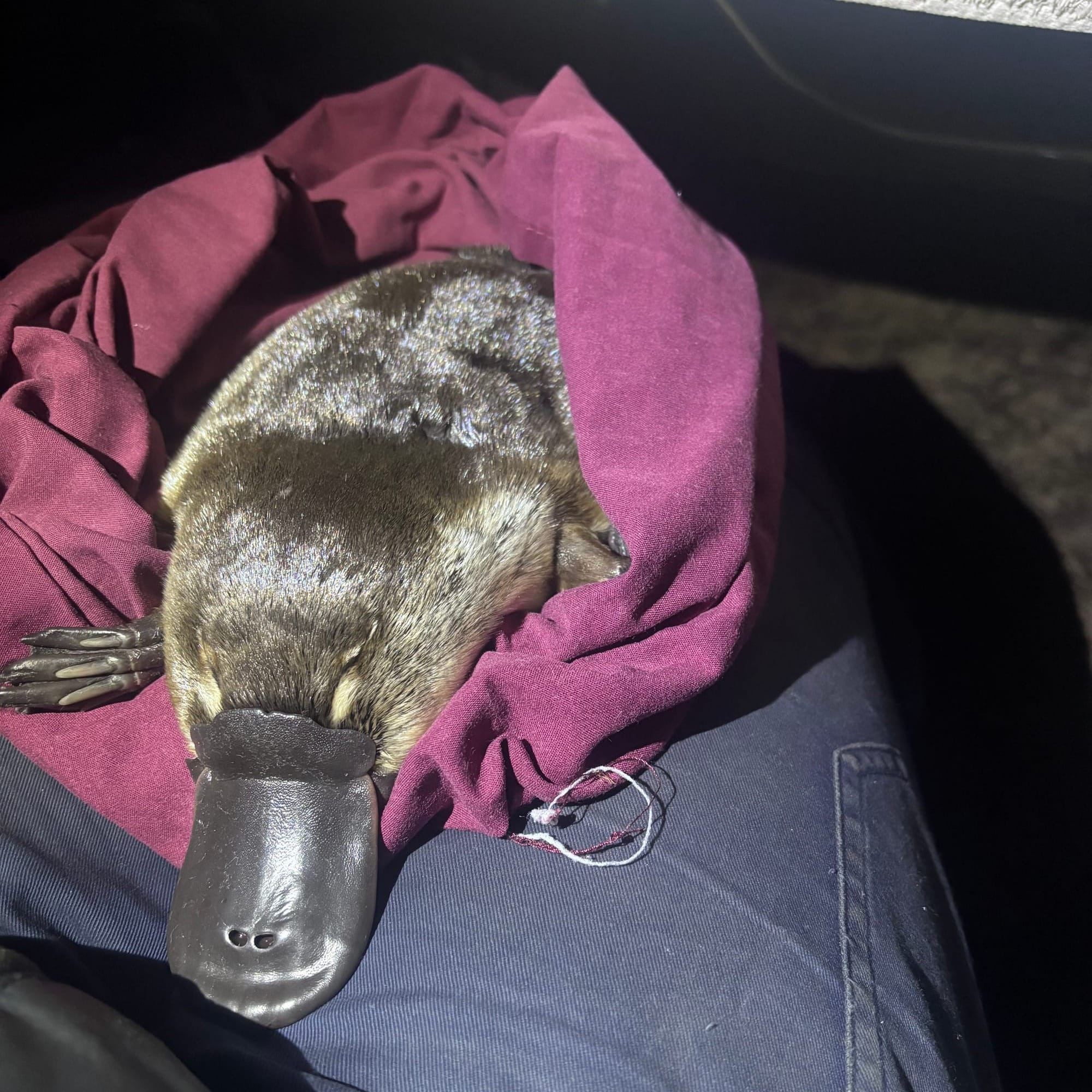
“We continuously monitor the net physically and with a spotlight. When a platypus gets caught in the net, it surfaces. We quickly go out with the tinny, retrieve the platypus, put it in a pillowcase, and then we do all the checks that we need at the site. So we sedate the animal, and while it's fast asleep, we look, we attach those little transmitters using glue to the fur, then [put it] back in the pillowcase, and then quickly drive back to the park and release it, usually at about 2am or 3am.
“They're very well settled when they're in the pillow. I guess it reminds them of a nice snug burrow.”
One more round next year
Gilad thanks the volunteers at Friends of the Royal for their support and honours student Madison White, who helped track the four new arrivals in May.
“It's been really heartwarming to hear about people actually spotting platypuses in the park,” Gilad said.
“Platypuses are such a flagship for waterways – the important role that they serve is to, I guess, reinforce in all of us a bit more of a sense of responsibility over our waterways, and a desire to care for our natural environments that we’re so dependent on.”
Next year the scientists plan to reintroduce three more platypus.
“After that we're going to continue to monitor the population and condition of the waterway, and integrate this operation and conservation framework into ongoing national parks management.”
Risks remain
The platypus aren’t out of the woods yet. They may be eaten by foxes or trampled by deer. The park’s high abundance of rusa deer may also impact river banks, erosion and vegetation, which can have cascading effects on the health of waterways.
The UNSW scientists support National Parks’ recent deer cull in the Royal, which was closed from 26-28 May for aerial and ground shooting. Rain hampered the operation, which accounted for 48 deer.
“I support any attempt at mitigating any threats to the park,” Gilad said.
Siltation and erosion in the upper catchment also pose a risk to the platypus, as well as urban runoff and industrial pollution. It was a chemical spill on the highway in the 1970s that’s thought to have washed into park streams and wiped out resident platypuses.
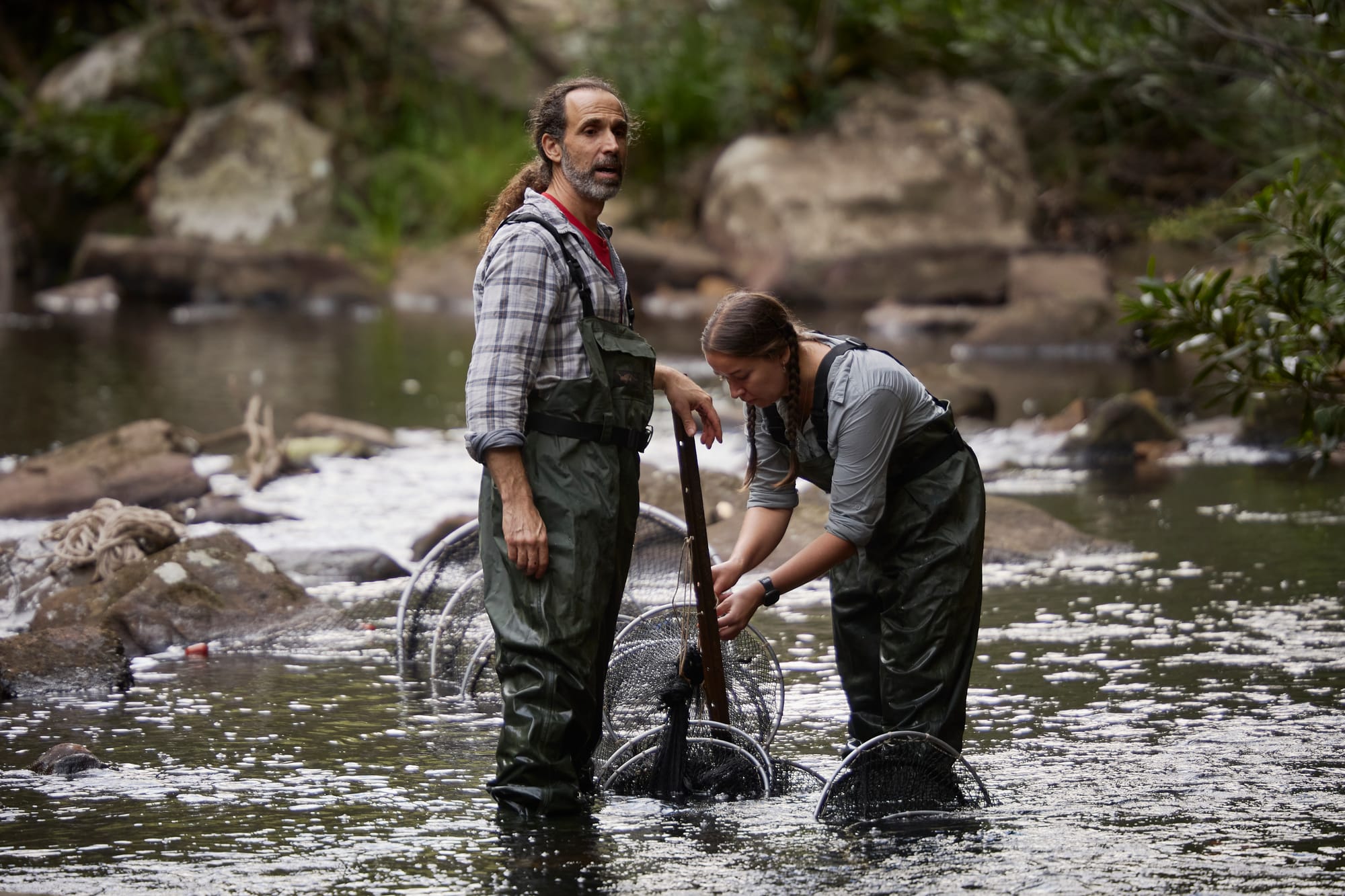
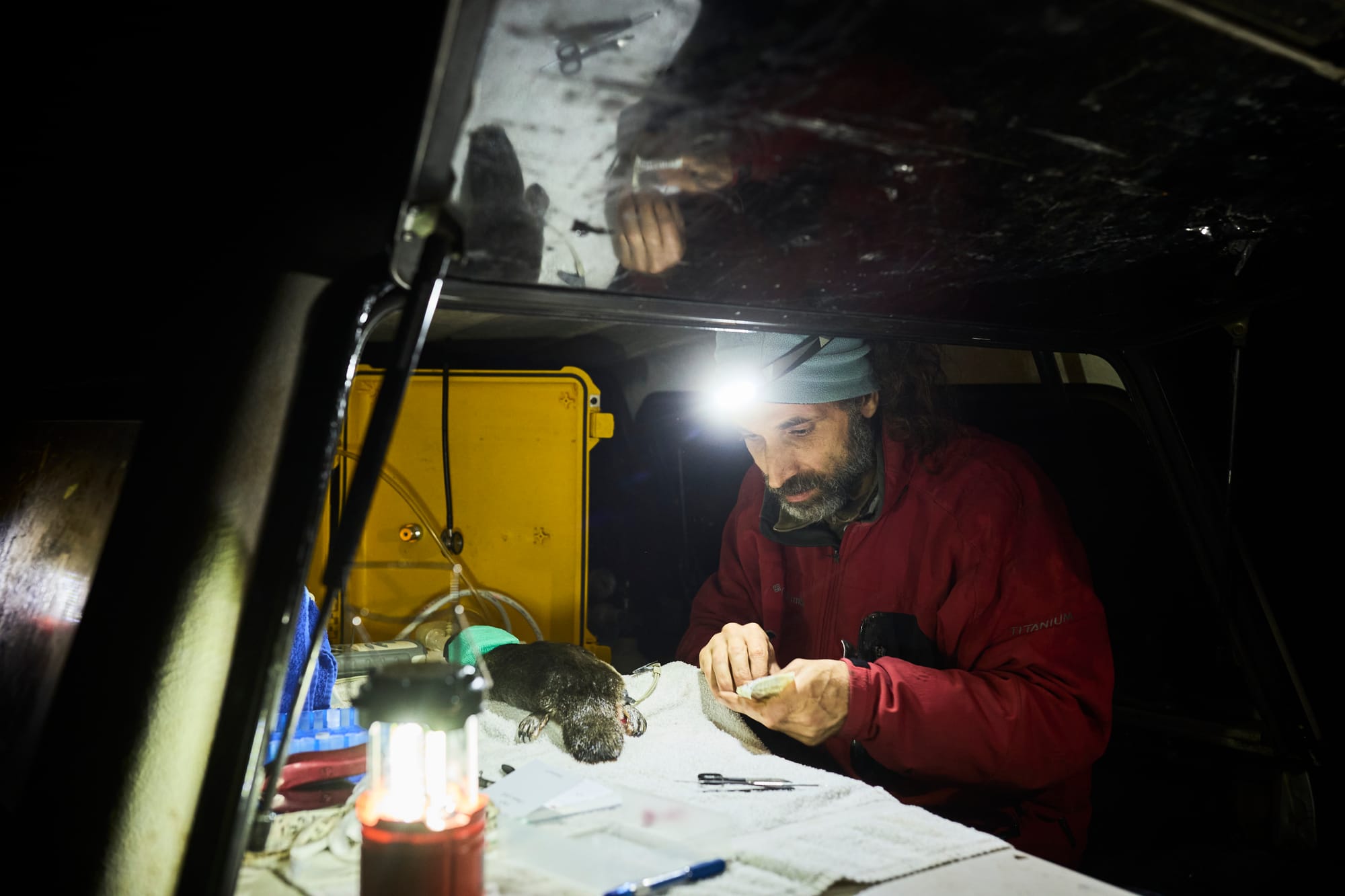
Researchers conduct checks in autumn and spring
In 2022, a series of spills from Helensburgh's Metropolitan coal mine polluted Camp Gully Creek, which feeds into the Hacking. Last year, the NSW Land and Environment Court ordered the mine pay more than $500,000 in fines and fees. The Environmental Protection Authority has imposed stricter environmental licence conditions on the mine.
Today, the mine’s owner, Peabody, is funding UNSW’s Platypus Conservation Initiative with a $630,000 grant.
“Without their financial support, we wouldn't be able to do it,” Gilad said.
The team reached out to several organisations, he said, including the NSW Government, but failed to find funding to reintroduce the iconic species. “Peabody stepping in to give it that financial support has been instrumental, obviously, in moving into this second phase.”
A spokesperson for Peabody said: "By supporting the dedicated UNSW research team, Metropolitan Mine is helping restore an iconic species to its natural home. Results to date show encouraging progress toward a self‑sustaining platypus population in the Royal National Park, neighbouring our operations."
Gilad believes involving all the catchment’s stakeholders in the conservation project is critical. “I see benefits in terms of bringing [the mine] into this kind of project … hopefully they share the responsibility for the positive outcome of the platypuses, and more broadly, making sure that the way they are operating does not jeopardise the condition of the ecosystem.”
In the long run, with the Hacking River fragmented by the town and highway, Gilad thinks scientists may need to continue reintroducing platypus to keep the population viable, albeit only a couple of animals once a decade.
“Any fragmented population, irrespective, would have to have in the long-term continuous input from other sources, even just to maintain genetic diversity.”


