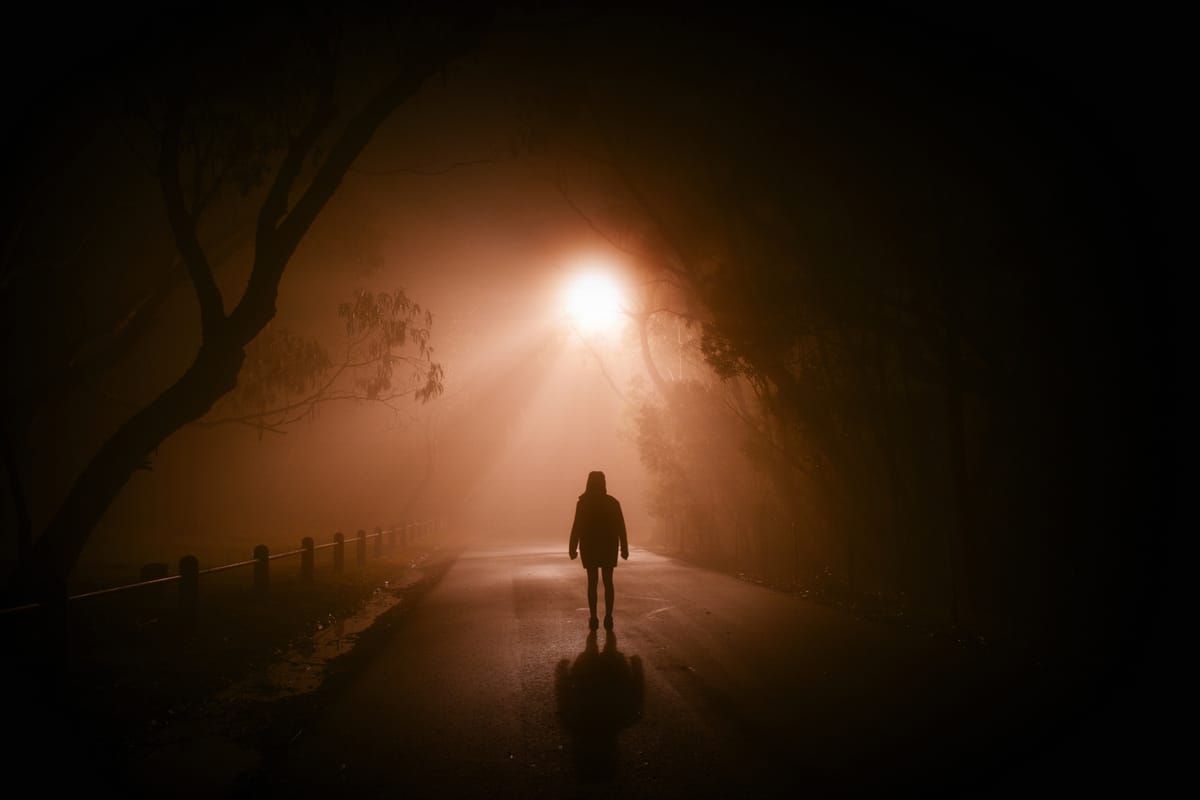

Escarpment, we are reading you - cloud and clear
Several different types of fog are commonly seen along the Illawarra escarpment - leading to great photographic opportunities
The peaks of the Illawarra escarpment are regularly shrouded in a thick blanket of fog, typically forming in the wake of a cold front, after storms or most commonly when warm, moisture-laden coastal air collides with the escarpment and rises up its steep slopes.
Certain areas are particularly prone to fog, with Bulli Tops and Maddens Plains among the region’s most notable locations.
Records collected over a 15-year period between 1975 and 1990 found the escarpment peaks were covered in fog on an average of 31 days each year.
However, from my experience hiking and photographing throughout the region, the number of foggy days over the past five years appears to have been considerably higher. By comparison, Sydney, only a short distance to the north, averages around 10 foggy days annually.
Several different types of fog are commonly seen along the Illawarra escarpment, including orographic fog, also known as upslope fog, advection fog (sea mist) and radiation fog. Of these, upslope fog is the primary contributor to the dense fog often experienced whilst driving along the expressway.
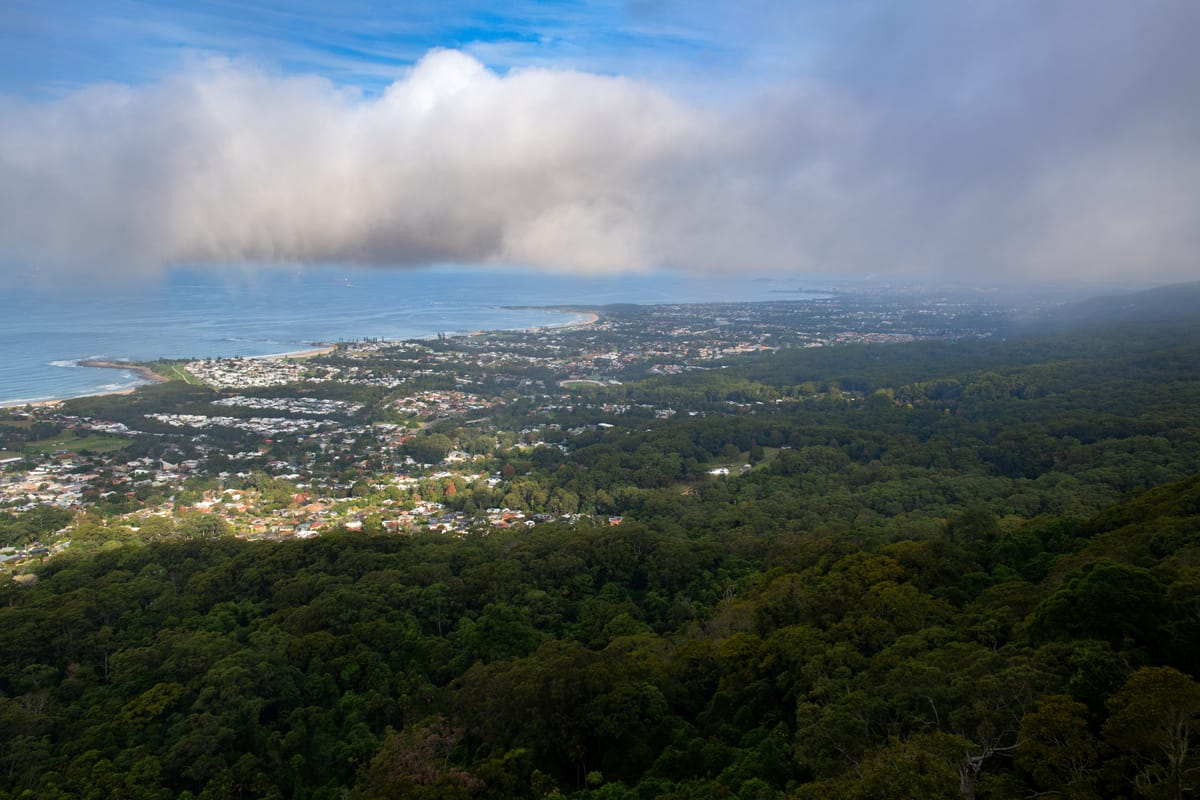
Upslope fog develops when prevailing easterly or north-easterly onshore winds push moist ocean air toward the escarpment. As the air is forced up the steep terrain, it expands, cools and condenses into a thick cloud.
One of the region’s most spectacular weather phenomena occurs during periods of strong onshore winds, when fog surges dramatically up the escarpment. Watching the cloud race up the mountainside before spilling over the plateau is an unforgettable sight and one of the Illawarra’s most impressive natural displays.
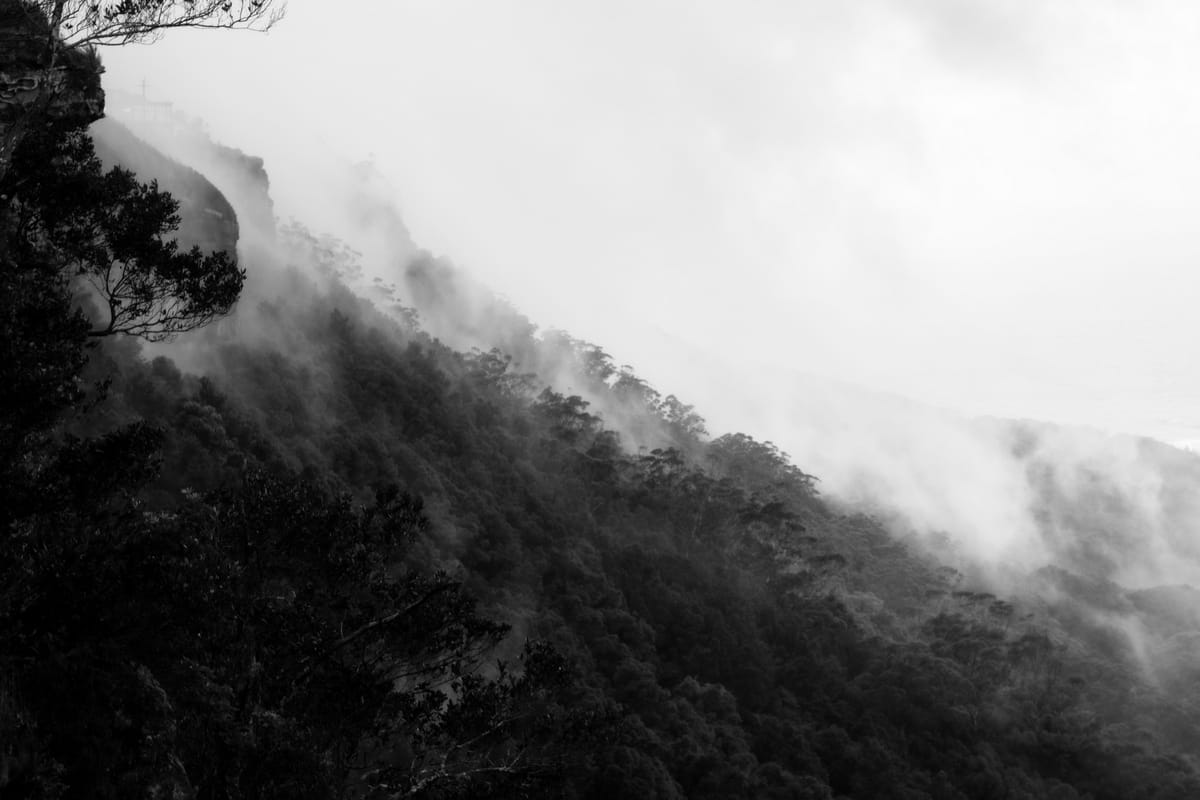
For photographers, the Illawarra offers exceptional opportunities to capture dramatic fog scenes thanks to its accessible lookouts and regular fog events.
Some of the best locations include Bulli Tops, particularly between Sublime Point and the Wollongong visitor information centre, where fog can move up the escarpment at remarkable speed.
Having your phone or camera ready to also capture video is worthwhile, as the movement of the fog can be an impressive spectacle.
Other standout locations for fog photography include Stanwell Tops, Broker’s Nose, the summit of Mt Keira, Mt Kembla and Robertson further to the south.
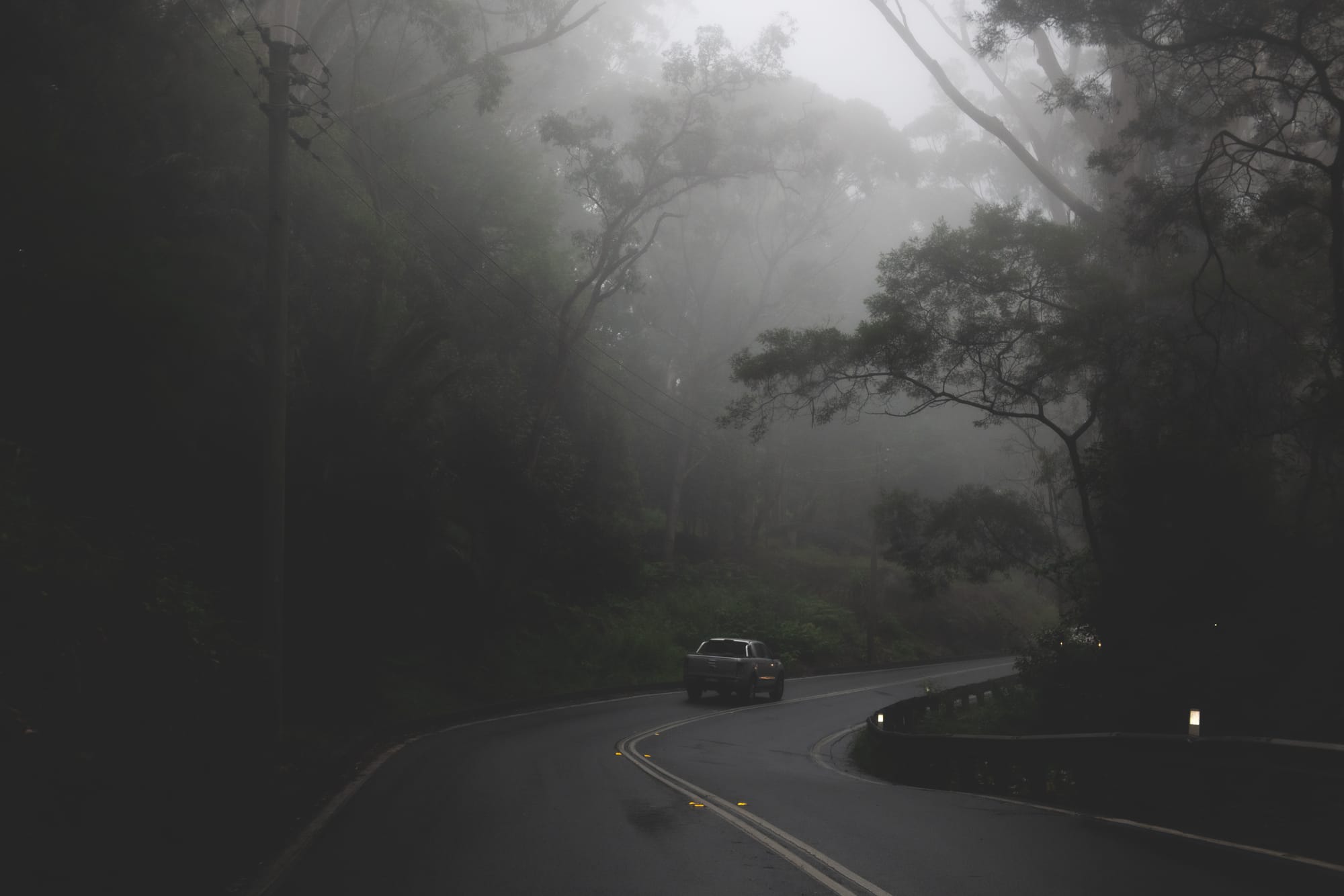
Fog also provides photographers with a fantastic opportunity to create atmospheric images in soft, even lighting. It can add depth and mood to a scene while helping define distinct layers within a composition.
During early morning fog events, be prepared for the sun to break through the cloud, creating spectacular lighting conditions. If photographing in the evening or at night, carrying a tripod and using a low ISO setting will help produce cleaner, sharper images.
Zoom lenses can also help enhance the fog effect by allowing you to isolate subjects and compress the scene, making the layers of mist appear more dramatic. I often shoot at around 200mm in foggy conditions and look for lone or unusually shaped trees, rainforest vegetation, leading lines such as laneways, firetrails or old fences, and historic buildings emerging through the mist.
The final tip is to see what your images look like in black and white as fog and black and white often work very well together.