

Festival ends in climate hope
Illawarra authors Claire O'Rourke, Sarah Hamylton and Tim Flannery closed the 2026 South Coast Readers and Writers Festival on an optimistic note
After a stellar selection of authors tackled the big themes of our time – including war, justice and belonging – Professor Tim Flannery closed the 2026 South Coast Readers and Writers Festival on an optimistic note, citing China’s clean energy rise and US President Donald Trump's “bumbling approach” as reasons for hope.
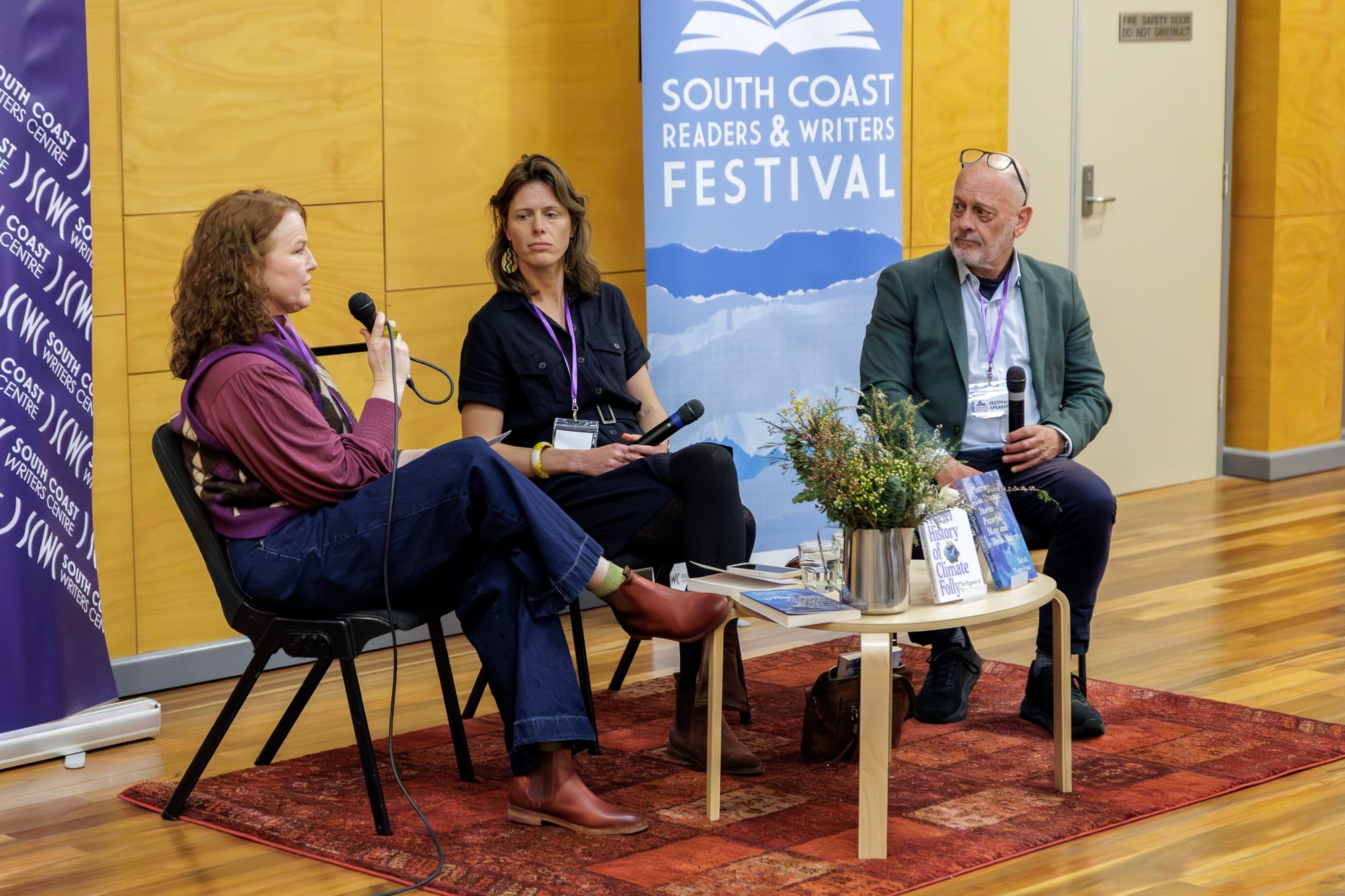
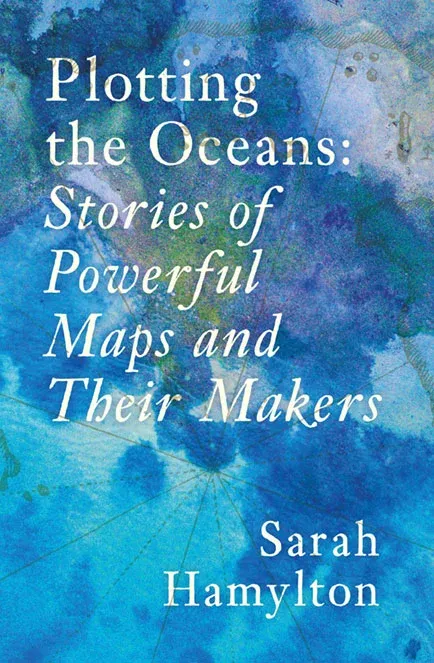
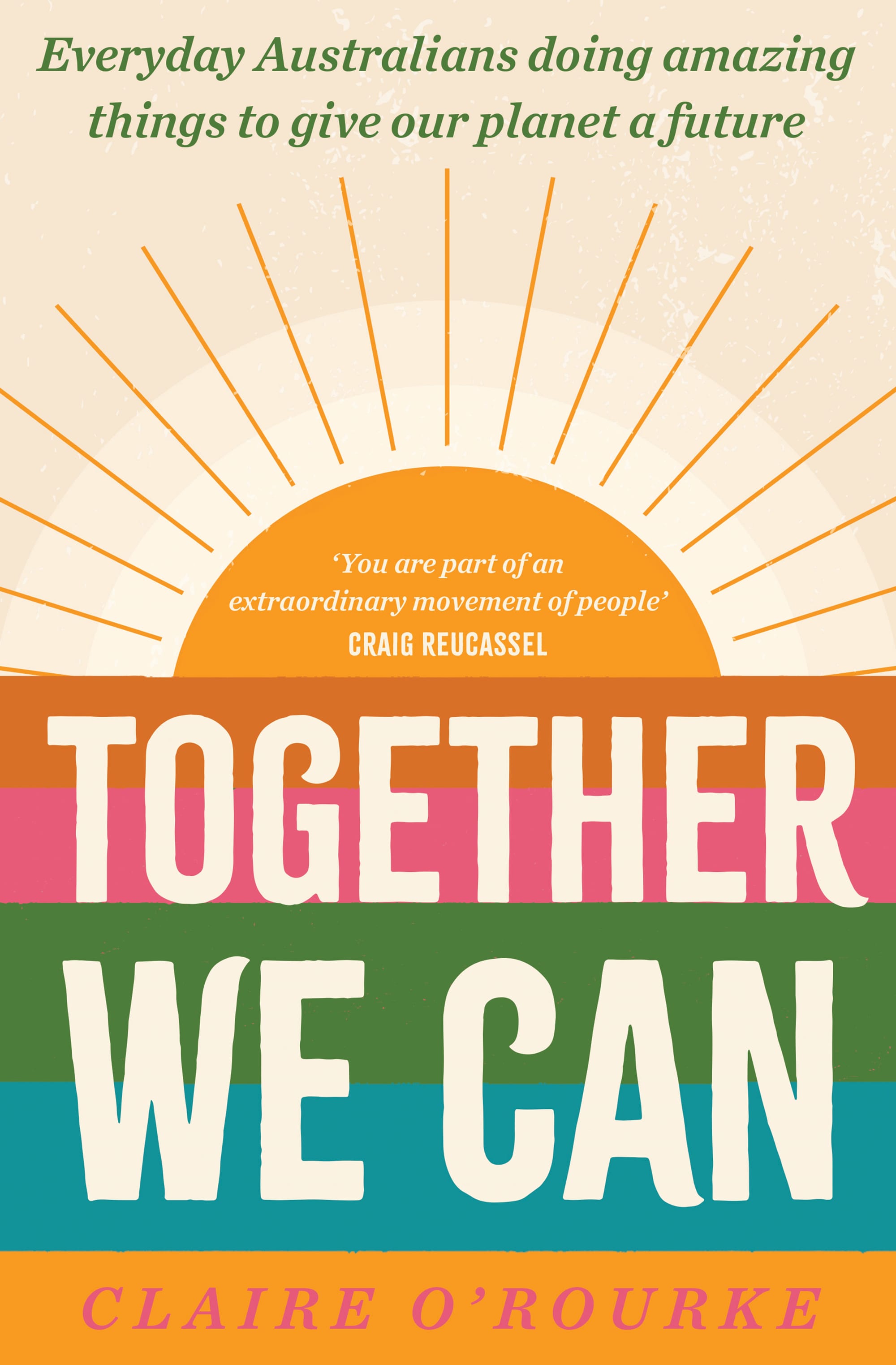
More than 100 people came to Thirroul Community Centre last Sunday afternoon to see Tim – the Climate Council's chief councillor, 2007’s Australian of the Year and author of more than 30 books – in conversation with Associate Professor Sarah Hamylton of the University of Wollongong and Together We Can author Claire O’Rourke.
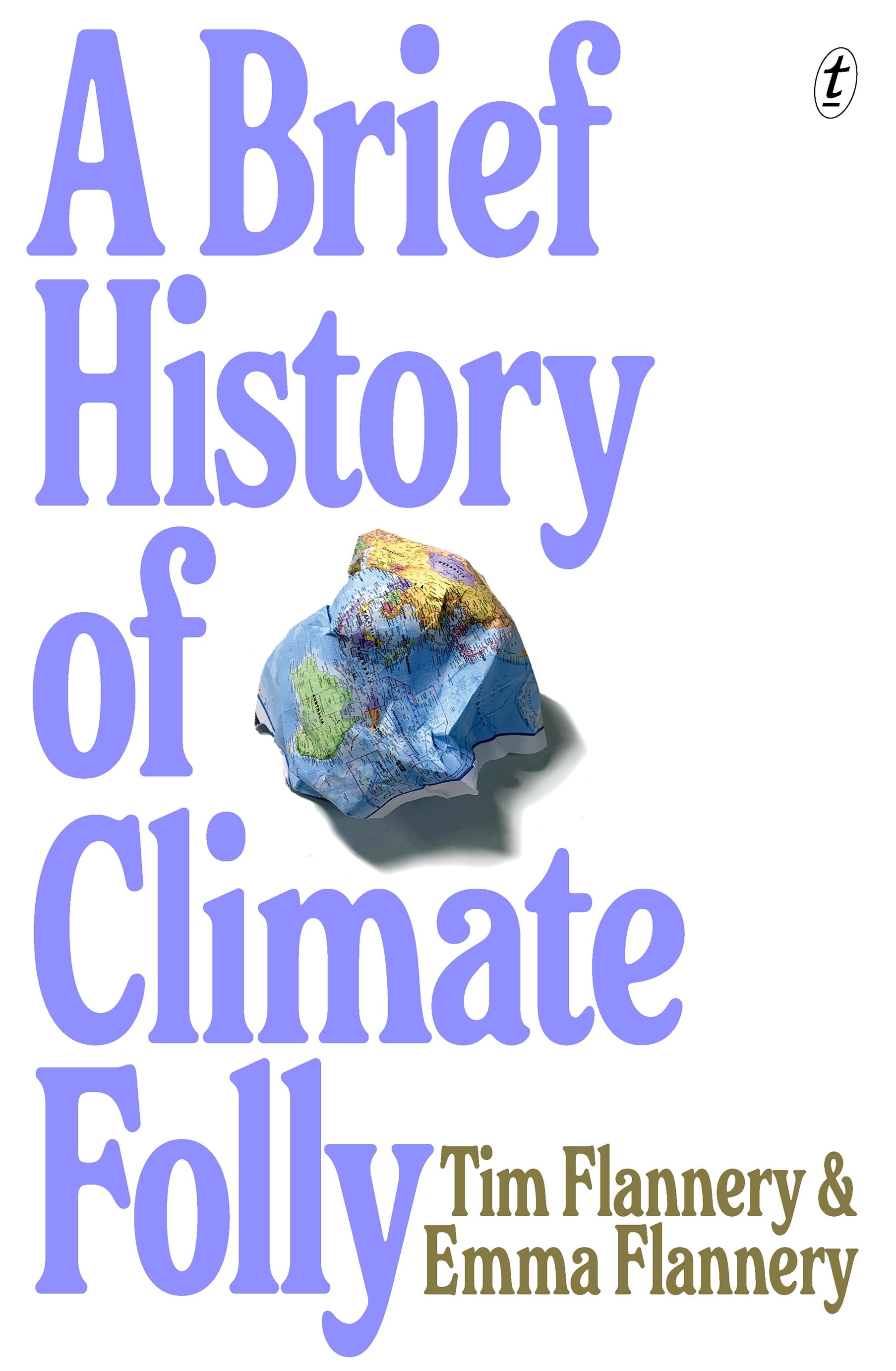
In the July 26 ‘Climate and Cartography’ session, Sarah told the audience inspiring her students was the main motivation for her first book, Plotting the Oceans, a history of maps that explores how they shape perceptions. Tim said one reason for his latest – A Brief History of Climate Folly, written with daughter Emma – was to highlight that geoengineering projects to address climate change are happening, some in Australia, and that most people are unaware of this.
“But also, I got to the point of writing so many serious books about climate change, I was driving myself crazy, and I thought at least this book might offer me a chance to have a laugh,” Tim said.
“And it's full of absolutely mad cap things.”
The book covers all sorts of schemes to control the weather, from shamanism to “highly dubious” cloud-seeding to Cold-War plans to nuke the Arctic ice cap.
“We are again facing an upswing in people who claim that they can alter the climate for the better, and I thought, well, perhaps one way of dealing with this is to go back over history and look at what's happened in the past,” Tim said.
“We can laugh at these schemes, we can decry them – but we cannot ignore them. Because at the moment, CO2 levels are at a height where the last time we saw this in earth’s history was four million years ago.
"We are facing a real climate crisis, and I don't think any of us has the right to rule out all of these geoengineering proposals. They need to be rigorously assessed. They need to be looked at, understood what they actually offer, rather than just waving them through.”
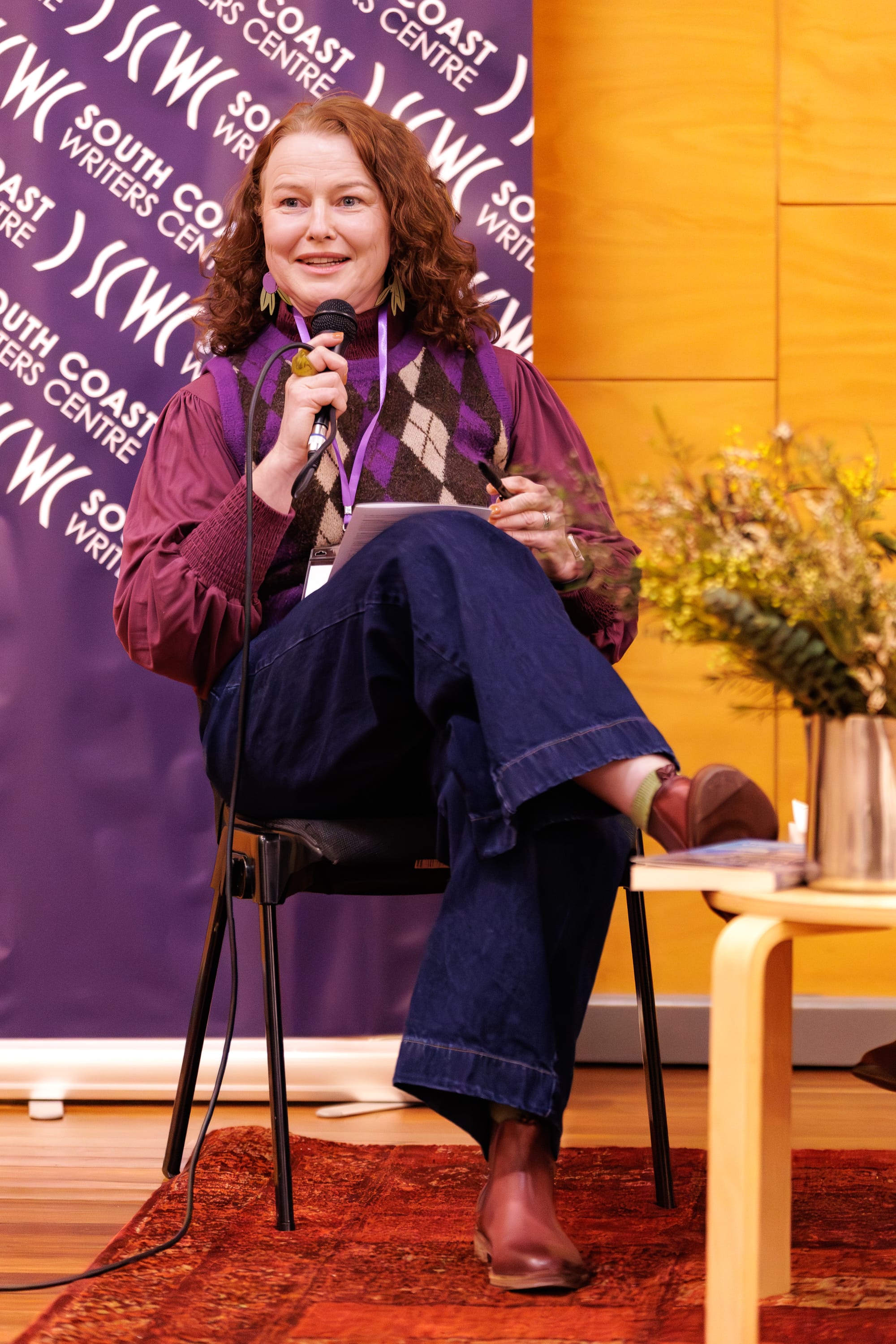
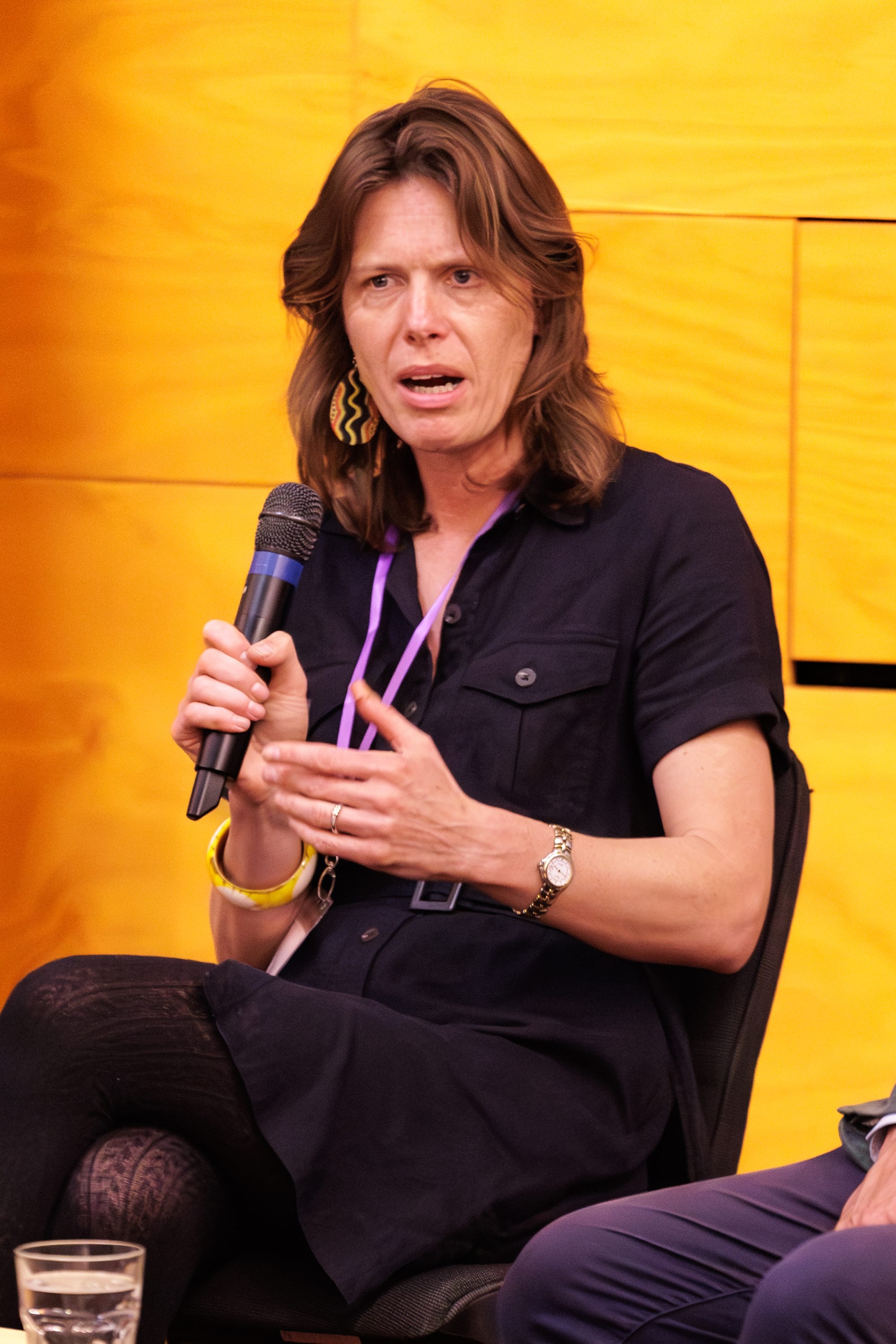
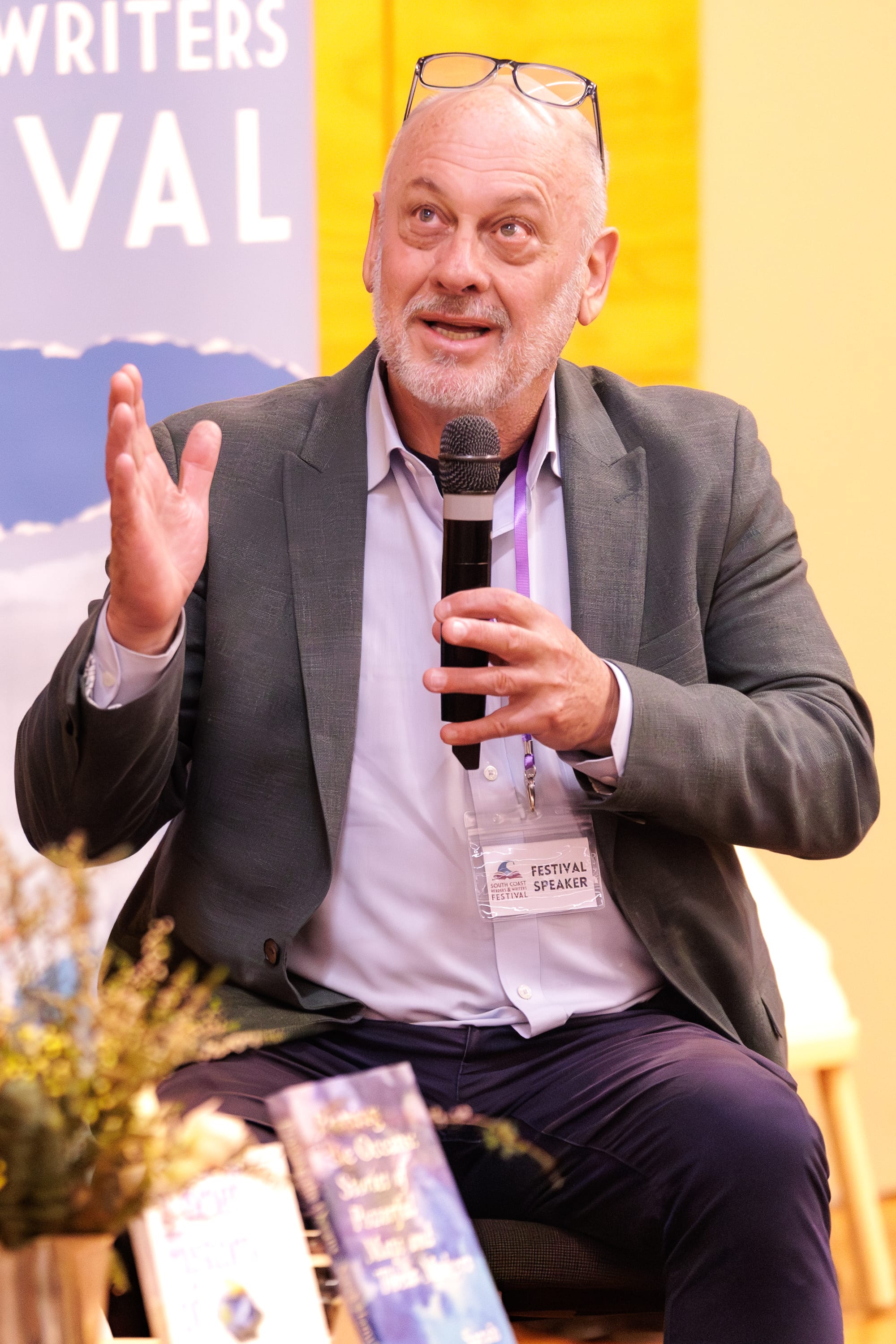
L to R: Claire O’Rourke led the conversation with authors Sarah Hamylton and Tim Flannery. Photos: Ironbark Photography
China features in the book for two reasons, he explained.
“One is this incredible energy transition that they've been forging now for many years. The reason China embarked upon that was that they had no fossil fuels beyond coal. They had to import all their oil and gas, basically, or most of it, and they wanted to be self-sufficient.
“Fast-forward now to 2026, and China has built the the industrial capacity we require to decarbonise the world.
“We could be going very fast at that. But the old fossil fuel powers, the United States, Russia, the Middle East, are trying to cling on to the power that they've had and slow this transition. I don't think they can do it. I think China … because of the issues of scale and cost … will just bulldoze everything before them.
“We'll still have a problem, because the emissions have been so high for so long that we will live with really severe climate consequences, unless we can do something.”
Tim told the audience that China’s plan to plant billions of trees to stop the expansion of their rivers looks like a success. “It's one of the few projects globally where you're planting forests at that scale that are working … Globally, we draw down about two billion tons of carbon per year. Most of that is through reforestation, and most of that reforestation is through China.”
In one of several instances of literature echoing life – thanks to prescient programming by festival director Sarah Nicholson – the climate discussion took place on National Tree Day, as volunteers gathered at Lake Illawarra to plant seedlings for a greener future. It was also a day when Europe battled extreme heat and wildfires, with blazes in France and Spain forcing more than 300,000 people to flee. The Rural Fire Service (RFS) has since sent its first firefighters to France.
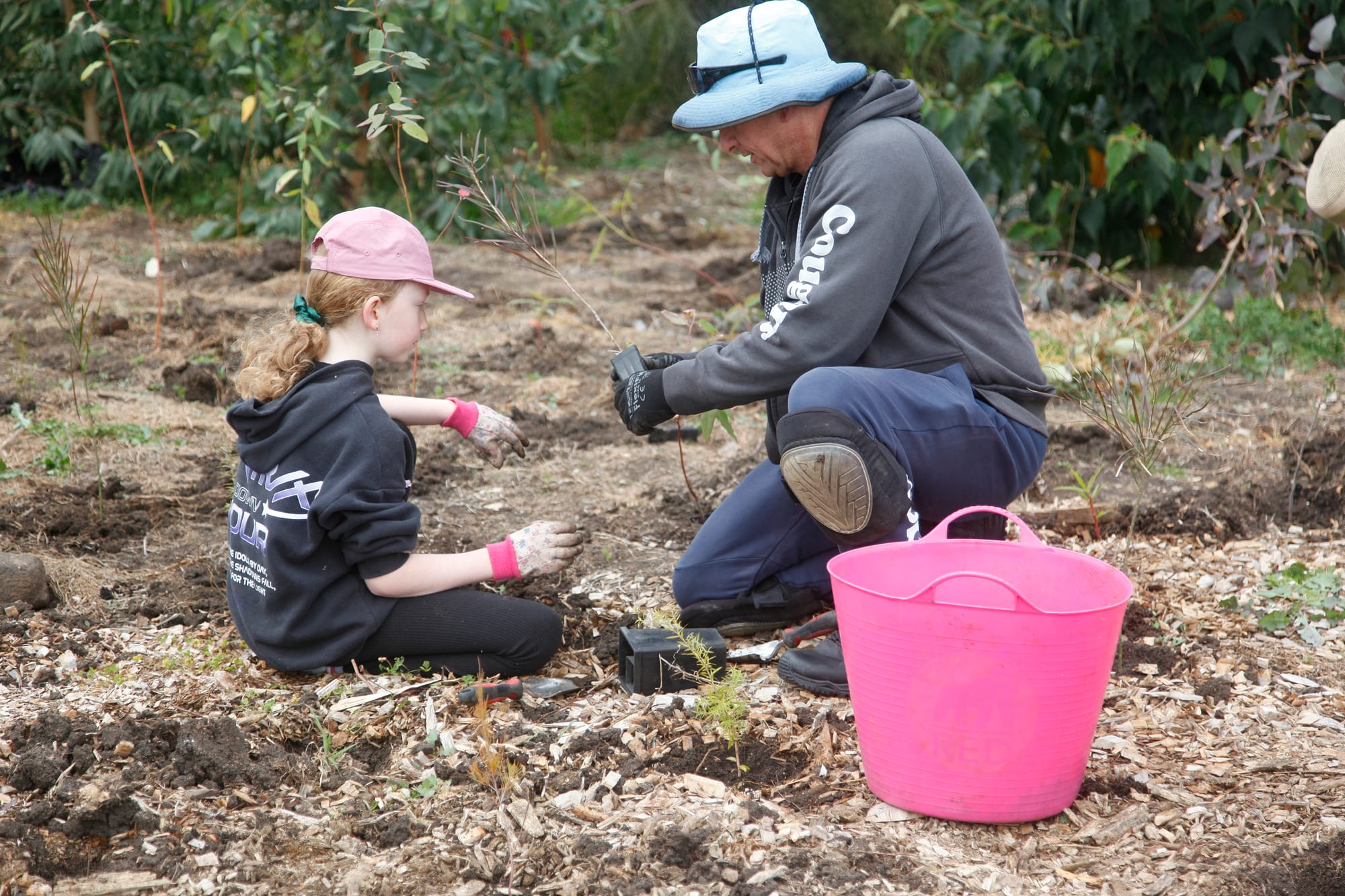
While the panel discussed reforestation, volunteers were planting natives at Lake Illawarra. Photos: Ironbark Photography, Ruth Barbato
At the end of the session, Claire asked the scientists what gives them hope.
Sarah Hamylton said her students are “a source of inspiration” to her.
“They genuinely have a lot of passion for the environment. They care, and they come up with some excellent creative ideas about how to do science.
“One of the reasons I became an environmental scientist was I genuinely enjoyed being in the field and being out there among nature. And you know, it's nuanced what we see out there. We're not just monitoring and tracking doom and gloom.”
Sarah said ideas about sea level rise – a subject in James Bradley’s crime novel, Landfall, which featured earlier that day – were sometimes “unnecessarily dramatic”.
“My latest book that I'm working on at the moment is about low-lying islands, of which Australia has about 100 in its waters,” Sarah said. “The actual overwhelming trend I'm seeing is that those islands are expanding. And if one beach seems to be missing sand, you walk around the corner, and lo and behold, the next beach is expanded.”
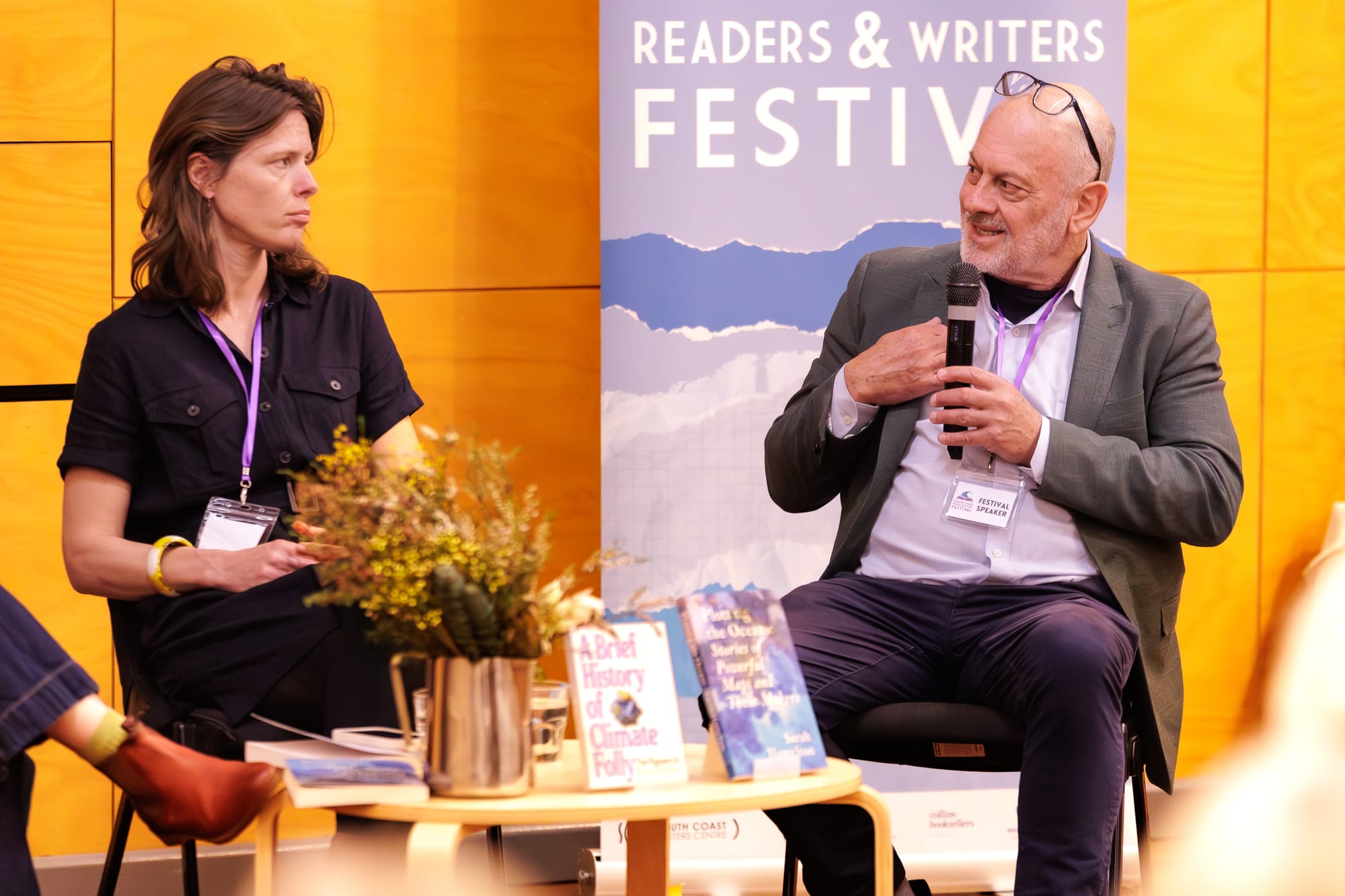
“What gives me hope,” Tim Flannery said, “is, for a start, the Chinese have now really geared their entire economy around a clean energy solution for the planet … and that seems to be paying off.
“And the other thing that gives me hope is the the incredible bumbling of President Trump.”
Speaking at the same time as Kiama volunteers hosted a popular EV Open Day, Tim said that the result of the US president's actions – “attack the Middle East, put up the price of oil, make sure China sells more electric vehicles” – can be seen everywhere today.
“This bumbling approach is also giving me some hope that maybe … the smarts are on the good side, for once.”
Read more
- See more photos in 'Conversations inspire readers and writers at Thirroul festival'
- Volunteers dig in for Tree Day transformation at Lake Illawarra
- Meet the Owner EV Day comes to Kiama


