
Illawarra perfectly poised to create better ideas for living: CEO
Kylie Flament is constantly thinking how we can live better and cleaner with more community contact and just having 'enough'
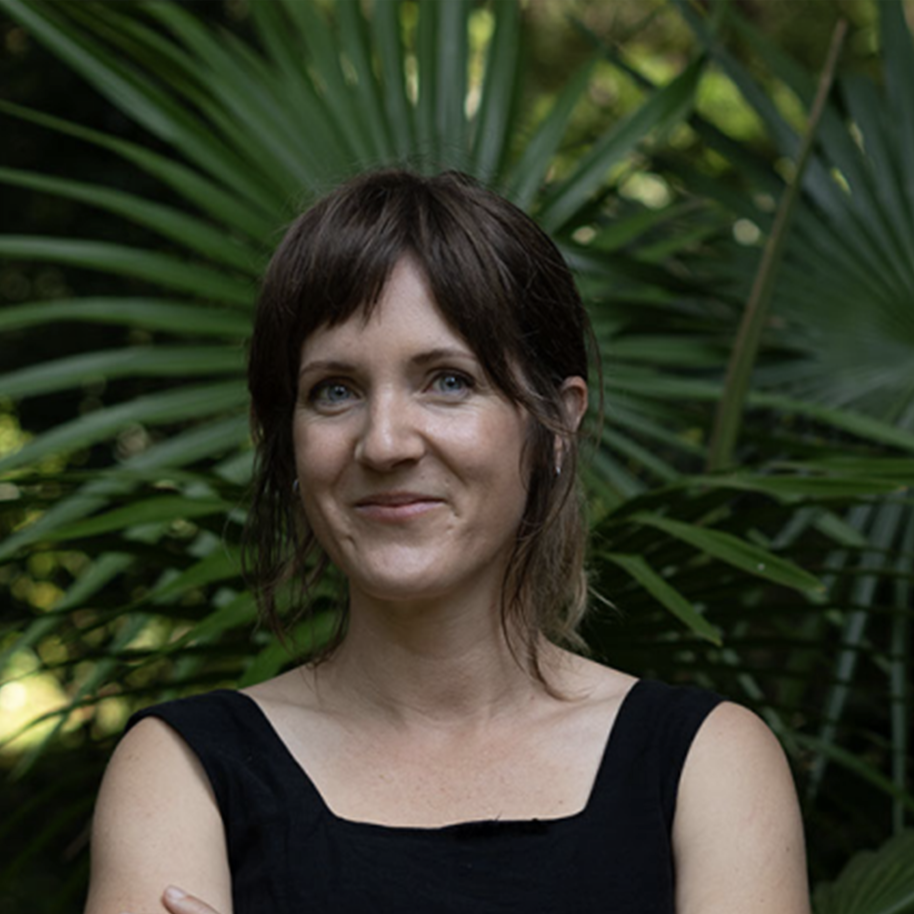
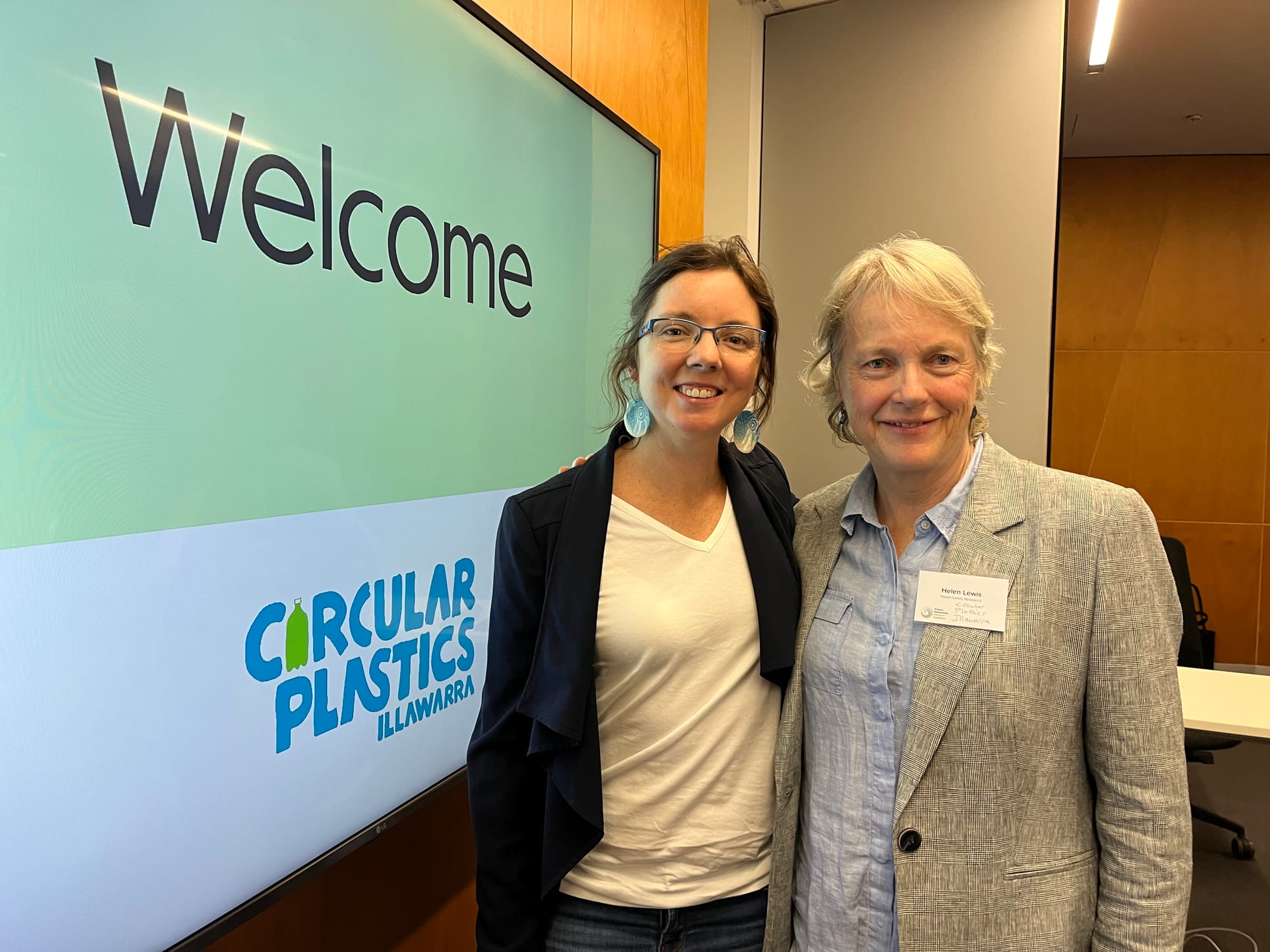
Kylie Flament’s journey towards a circular economy might have begun with a glimpse of rubbish.
“I remember standing over my bin in our Sydney apartment thinking, 'most of this is soft plastics and food. There’s got to be a better way.’”
Or it might have started with her grandparents' op-shop in Aotearoa/New Zealand when she was a child. But it was in Sydney that Kylie started experimenting with household waste management and found that “each step makes the next step easier”.
Now a Wollongong local, Kylie led Green Connect for five years, and currently runs the Social Enterprise Council of NSW and ACT.
Kylie has become interested not only in where our unwanted things go, but in the systems that determine what we value in the first place.
“I was always fed the line throughout my business studies and my business career that you can either make a difference or make money. Not both.”
But Kylie argued that business could be designed to create environmental and social value at the same time.
She calls this “impact stacking”, and points to The Reconnect Project in Sydney, which trains and employs neurodivergent young adults to repair and refurbish laptops and phones. Devices are either resold or passed through charities to people experiencing digital exclusion. This single intervention keeps electronics out of landfill, creates meaningful employment and gives useful technology another life.
“It’s good to recycle things, but that really should be the last resort,” Kylie says. “Whenever you buy something, think about where it came from and where it will go. Can it be reused, repaired or repurposed?”
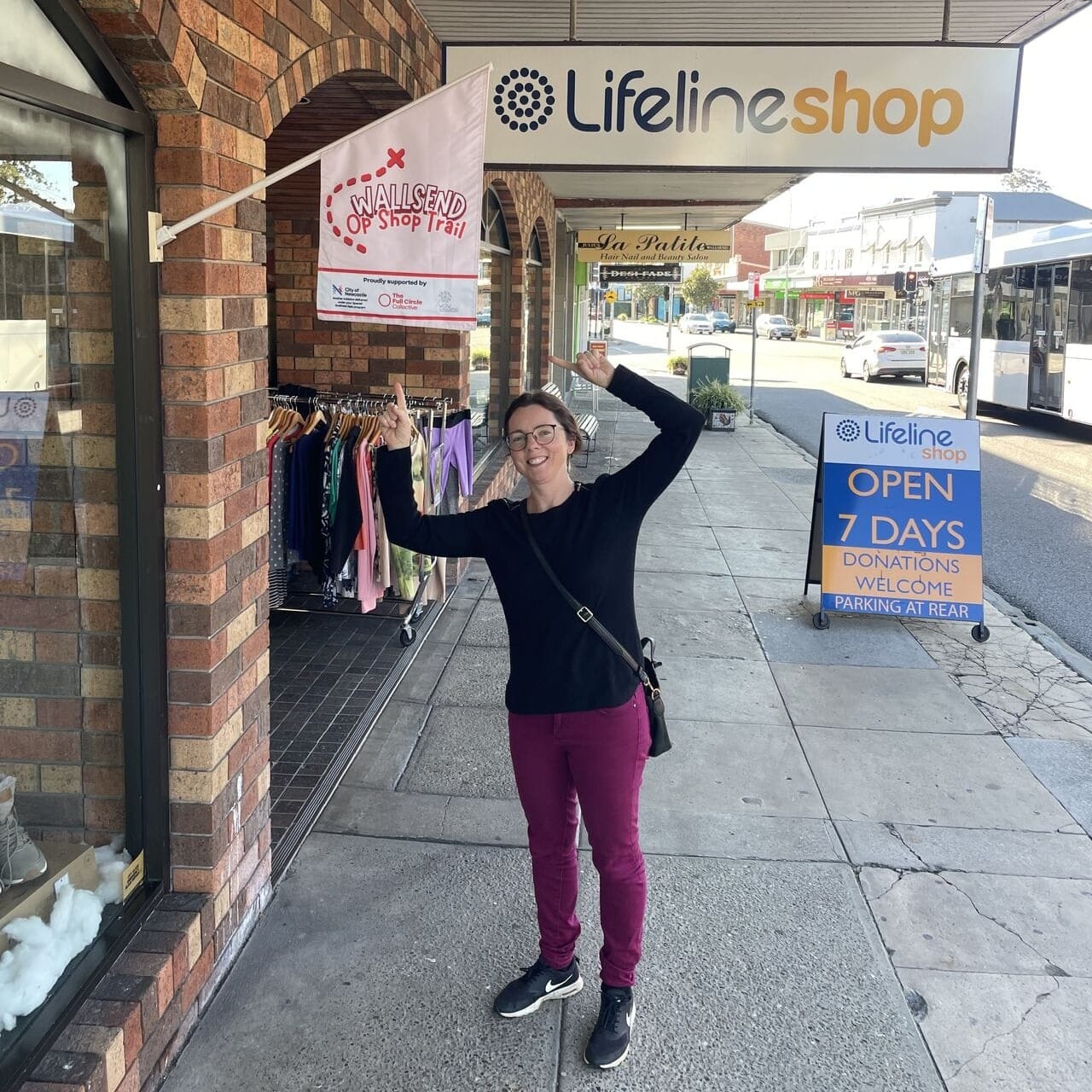
A testing ground for other ways of doing things
Kylie believes the Illawarra is particularly well placed to experiment.
“Wollongong, like Newcastle, has cheaper storage than Sydney, we are highly accessible, we are a really good testing ground for new ideas. The Sydney Comedy Festival – all the comedians come and test their material in Wollongong first!”
Wollongong and Newcastle are industrial cities with histories of labour, making and collective organisation, where practical skills co-exist with lively creative communities. Perhaps those traditions of solidarity, improvisation and experimentation are themselves useful infrastructure for a circular economy.
“I think we are sustainably minded here in Wollongong. We walk out our front doors and see the ocean or the escarpment. Nature is present at all times in our lives.”
Kylie describes her role as “cross-pollinating”: harnessing shared knowledge and passing it between projects, so each new venture doesn’t have to start from scratch. Materials can circulate and knowledge can, too.
“We have so many great resources in the Illawarra: natural resources, human resources. We have everything we need, we just haven’t quite figured out how to use it and how to share it.”
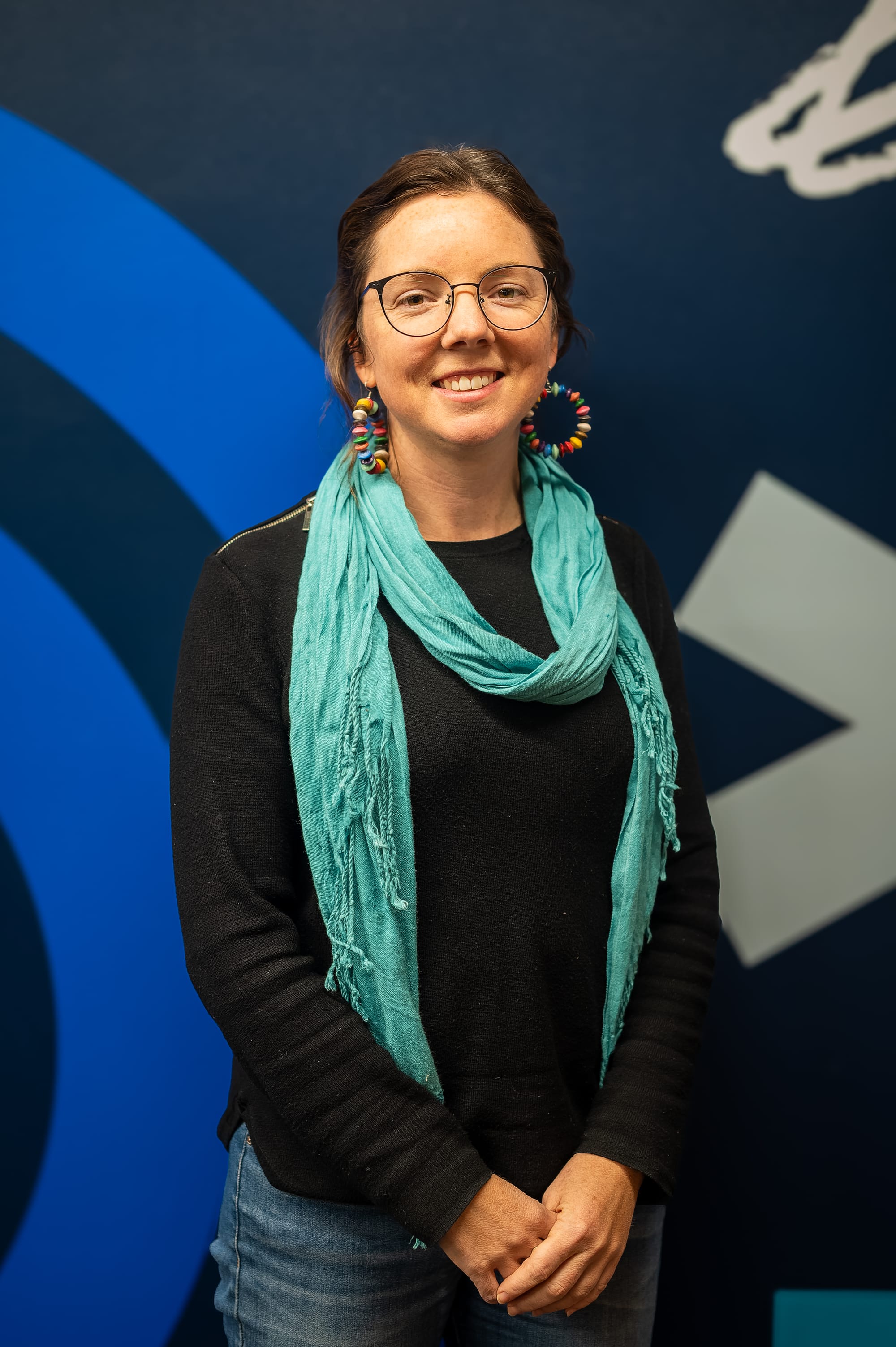
From circularity to enoughness
“You don’t need to own things,” Kylie says. “You can just borrow them.”
A book swap creates conversations between people who have read the same book (I tell Kylie she has to come along to my friends’ book swap group!) A community garden circulates knowledge as well as food. Sharing with a neighbour can turn a material exchange into a social relationship.
“We’ve got some really tough times coming our way socially, environmentally and economically,” she says. “We’re going to either turn on each other, or, we can turn towards each other and really have a hyperlocal focus.”
I asked Kylie what she imagines for the Illawarra 50 years from now. She pictures food growing throughout the region, people knowing where it comes from, and repair, reuse and refurbishment as ordinary daily life. Things would be designed with longevity in mind, and people would know their neighbours.
Kylie has a word for the shift she is describing: enoughness. “You can get off the machine that is constantly telling you that you’re not enough, and that you need to buy this thing to be skinnier, richer, prettier, whatever,” she says. “You are enough, you have enough and you do enough. Then you can turn back to the community and figure out how we can do this together.”
Dr Danièle Hromek, a Budawang/Dhurga/Yuin and Burrier/Dharawal designer, has brought the Indigenous economic principle of enoughness into contemporary Australian design practice: an approach grounded in sufficiency rather than excess, considering Country, resources and future generations.
Kylie similarly acknowledges that relational ways of living are not new ideas brought to the Illawarra by sustainability movements. On Dharawal Country, cultures of reciprocity, collective life and care for Country long predate phrases such as “circular economy” or “sharing economy”. Contemporary circularity has older knowledge to learn from.
Turning towards each other
Kylie is clear that this cannot all be loaded onto individual shoppers and households.
“We can choose a paradigm of enoughness, but we will need politicians who are going to pull those little levers to incentivise that paradigm,” she says.
For Kylie, political decisions should be judged over generations. She points to the Indigenous principle of considering the consequences of decisions for seven generations into the future. (The concept originates from the historic constitution of the Haudenosaunee Iroquois Nations.) She mentions how countries such as Wales, Germany and Aotearoa/New Zealand have legally enshrined the rights of future citizens into their laws. Australia is lagging.
“What are we doing in the best interests of the next seven generations, not just us now?”
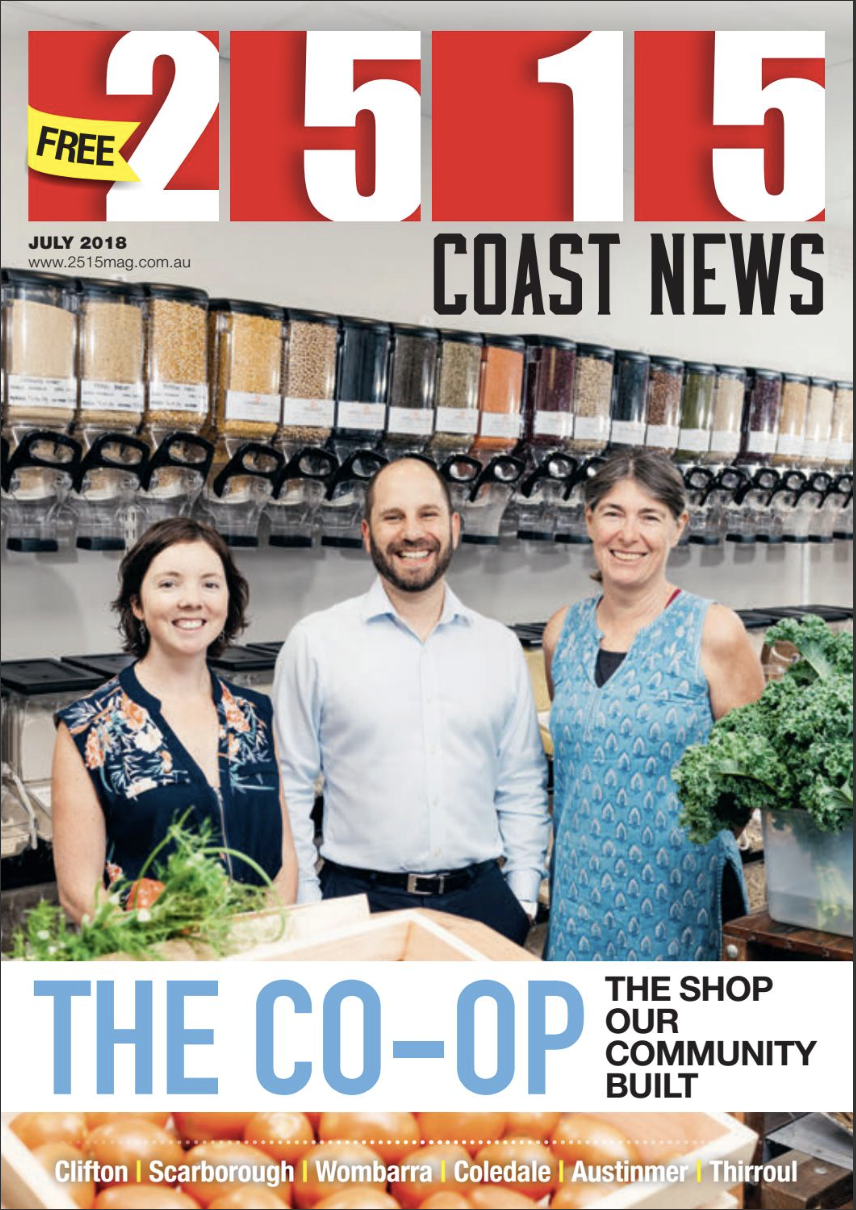
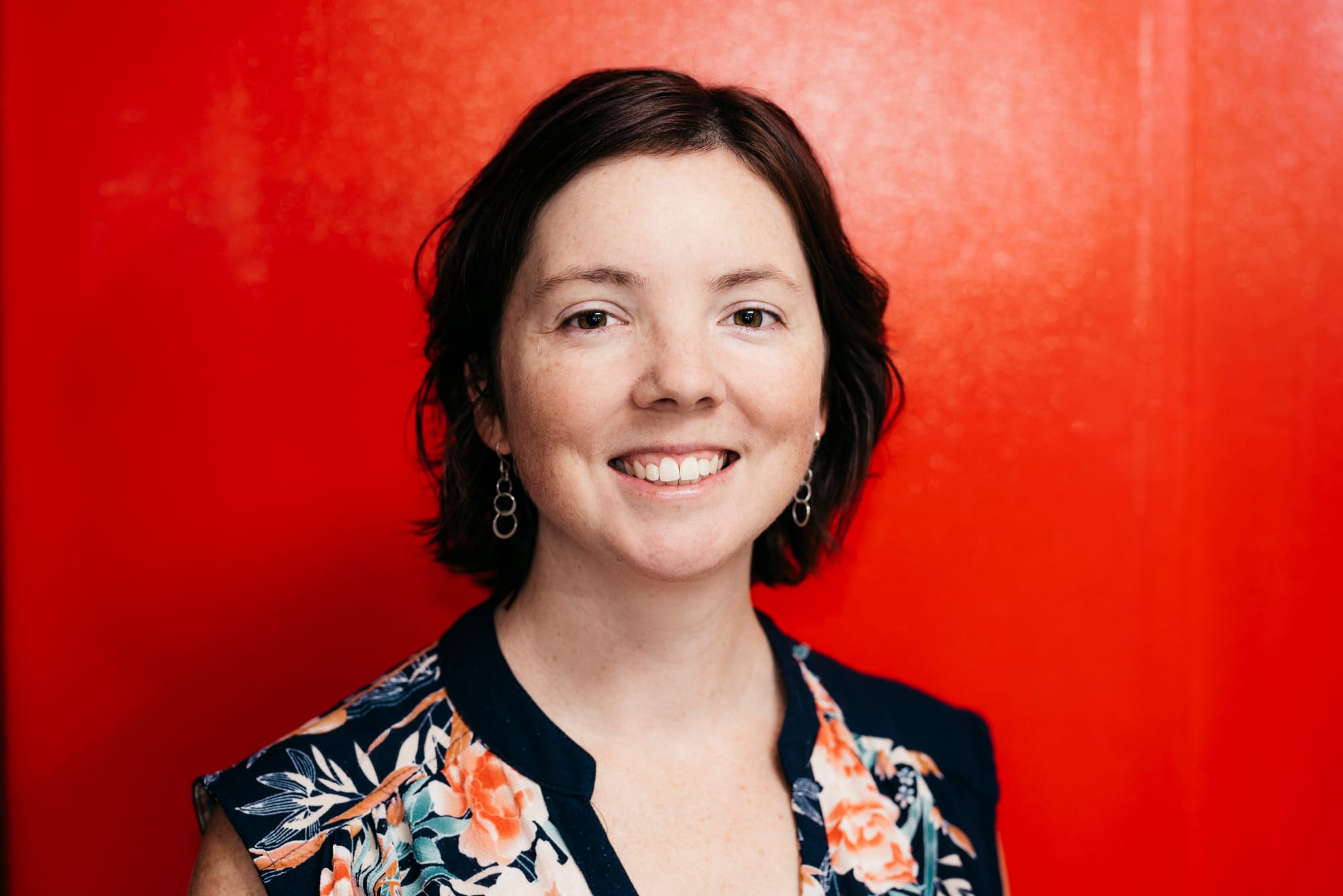
Kylie served as one of the volunteer directors of Thirroul's Flame Tree Food Co-op in 2018. Photos: Anthony Warry
Kylie remembers first giving things away online. Leaving an unwanted object at the front door for a stranger to collect initially felt strange. After doing it a few times, someone collecting an item left behind something of their own: a homemade jar of jam.
“That was worth more to me than anything I could ever buy at the supermarket. That sense of community and belonging doesn’t come from social media,” Kylie says. “It comes from imperfect neighbours in an imperfect world and figuring stuff out together and being generous again.”
Kylie says a circular Illawarra begins with recognising all the other things that might circulate with our stuff: knowledge, skills, generosity, care — and a sense that we already have more to work with than we may realise.
As Australia navigates cascading environmental and economic pressures, perhaps the question is whether our legal frameworks are fit for the world we are handing down. Wales, Germany, and Aotearoa/New Zealand have independent future commissioners and the legal personhood of ecosystems. Watching other democracies grapple with the constitutional rights of unborn citizens suggests it might be time to bridge the gap between ancient Indigenous Care for Country – what some might call enoughness – and modern governance.


