
Plastic Free July's key takeaway? A mug library
What we learned in Plastic Free July, by Jadzia Wolf and Helen Lewis, volunteers at Circular Plastics Illawarra
Single-use plastic products are not just a waste problem – they also impact our health and the natural environment by generating microplastics. The Australian Microplastic Assessment Project’s (AUSMAP) online map shows that even beaches that look relatively clean may contain thousands of microplastics, and we are consuming these too. There are over 16,000 chemicals used to create plastics, which leak into our food and our bodies upon exposure.
These are some of the learnings from Kal Glanznig’s new film The Plastic Country, a timely release for Plastic Free July 2026. On 17 July, we held a free community film screening in the Wollongong Library Theatrette, one of the first in Australia.
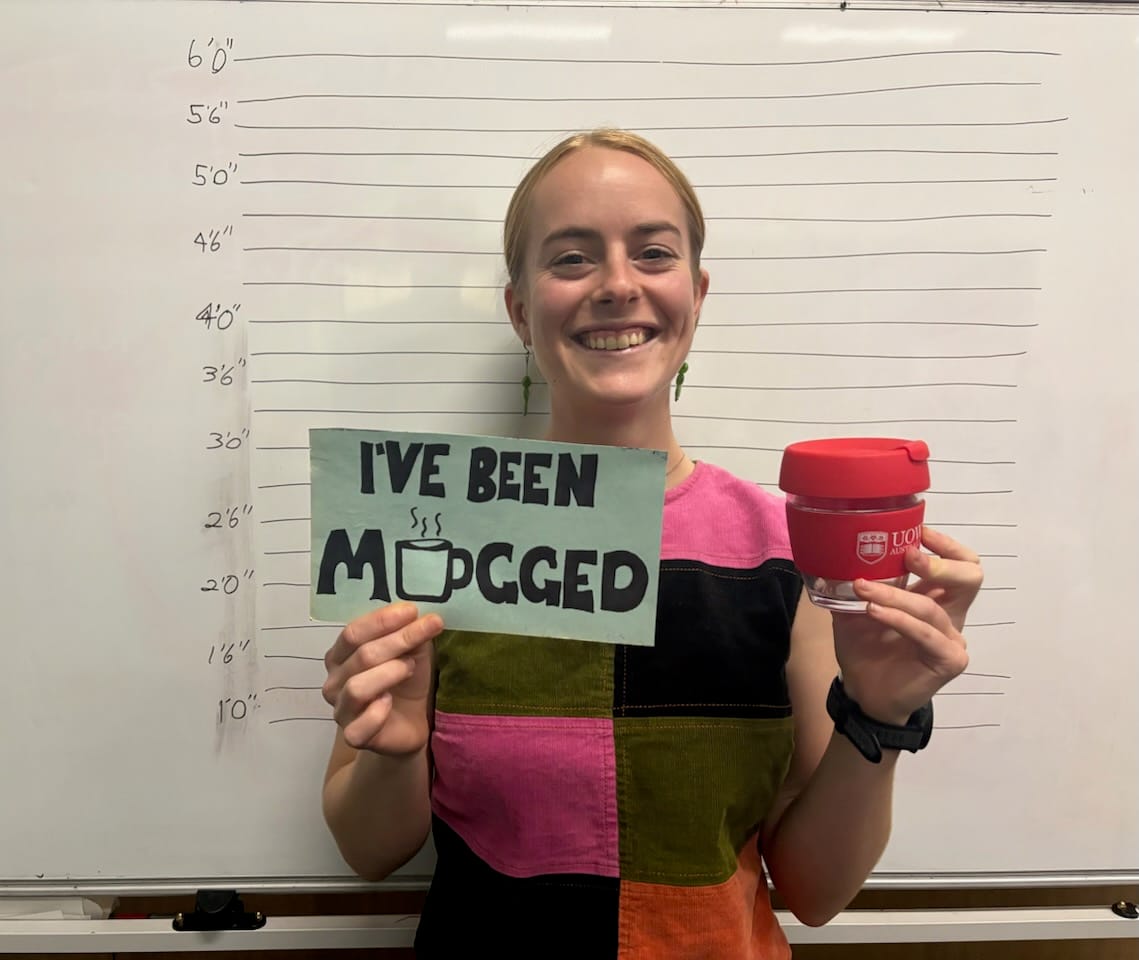
Naturally, the film raised feelings of concern but also appreciation for the work being done by Kal and other advocates who are driving change in their own communities, including in the Illawarra! In the spirit of local action, attendees were encouraged to bring along any underused mugs or Keep Cups to the screening to donate to a local Mug Library at the University of Wollongong.
Mug Libraries are a way of reducing the need for single-use coffee cups by offering a reusable option that can be taken away and later returned to stay in the loop at a particular cafe or within a network of cafes.
Australians use almost 1.5 billion single use coffee cups each year, generating an enormous amount of waste.
The plastic lining in paper takeaway cups releases microplastics, which are consumed along with your coffee. Reusable mugs are both more sustainable and a healthier option.
Using donated mugs instead of buying new ones means getting the most out of the things we already own for minimal cost. At the time of writing, the Mug Library is nearing an initial trial period at the university.
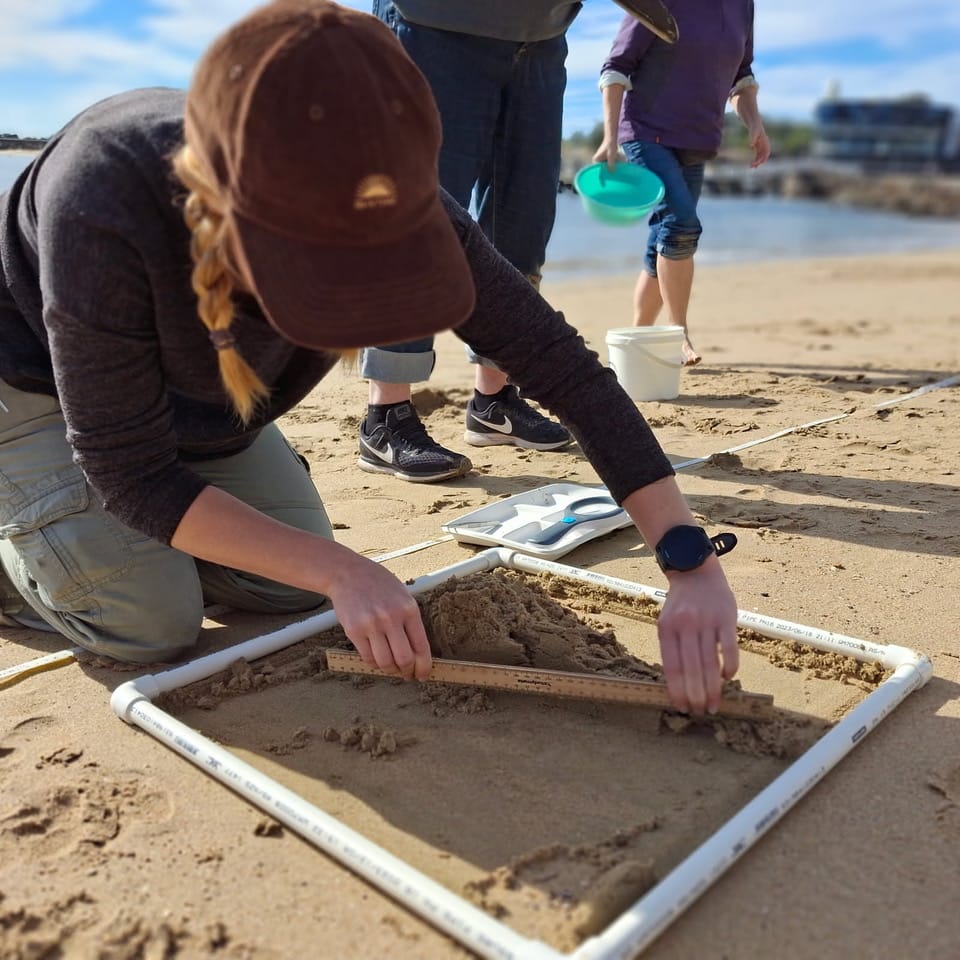
Also on the Plastic Free agenda was an AUSMAP survey conducted in Belmore Basin, testing for microplastics on one of Wollongong’s iconic shores. These surveys involve randomly selecting four quadrants along a transect of beach followed by the separation and analysis of the contents. AUSMAP provides the training and kits for anyone to participate in important citizen science in their local area.
The main type of microplastic found at Belmore Basin was blue rubber crumb from the nearby playground. On the whole, microplastic levels were relatively low.
As always, Plastic Free July was a great opportunity for individuals, groups and local businesses to share strategies to reduce plastic use, from supermarket packaging to cleaning products and the clothes we wear.
We also saw the launch of the Illawarra Environment Network, a public directory of all of the groups in the Illawarra working across environmental protection, renewable energy, climate change and sustainability.
If you’re looking for a way in to this space or are curious about who is doing what in your community, this is a great place to start!
For more information about Circular Plastics Illawarra, visit the website


