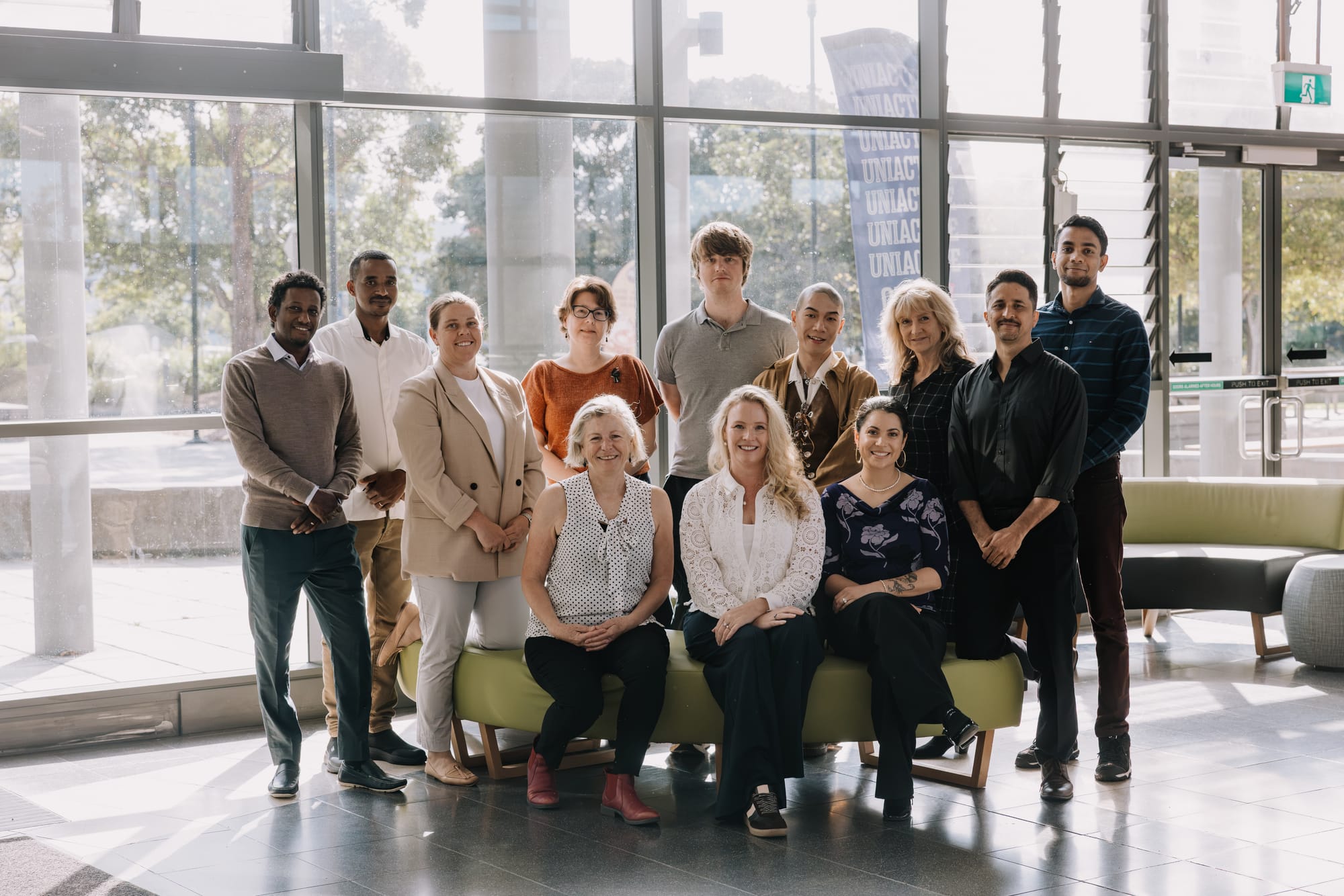

Project receives $15.4m to transform palliative care
Palliative care needn't be saved for your death bed – there are benefits to starting sooner, a new UOW-based program aims to show
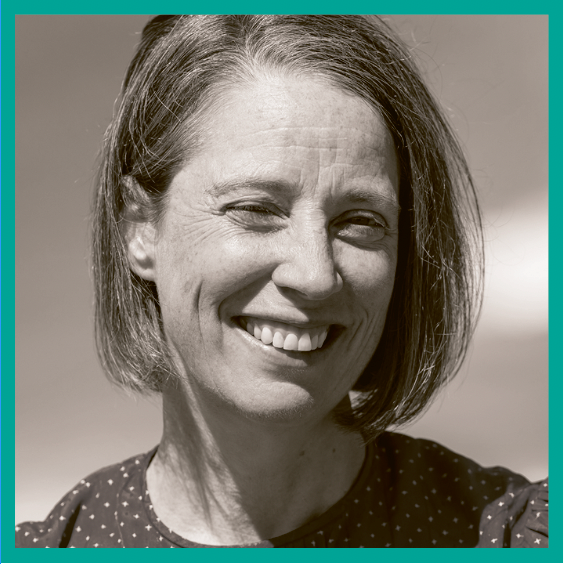
Senior research fellow Dr Arjun Poudel understands the need for palliative care from both a professional and personal perspective.
“I lost my dad a few years ago with prostate cancer,” he says. “If we could have identified the diagnosis earlier on, and we could have initiated palliative care well ahead, he would have lived a better quality of life.”
Arjun is originally from Nepal (fortunately his family have not been affected by the recent devastating floods). His father fell ill during the pandemic but was unable to find relief – Nepal lacked resources and travel restrictions meant he could only get to India for treatment in his final months.
“If he would have been on palliative care with all those wonderful pain medications and symptom control measures in place, he would have had a good, dignified death,” Arjun said.
Now, as part of the Palliative Care Outcomes Collaboration (PCOC), Arjun is working to ensure others have the best care, right from the start.
It's end of life changing stuff.
Last month, the federal Department of Health, Disability and Ageing awarded PCOC's new project – known as PCOC+ – funding until 2030.
The Member for Cunningham, Alison Byrnes, said: “I am pleased that the Albanese Labor Government is delivering $15.4 million over the next four years through the Palliative Care Outcomes Collaboration (PCOC) grant round to the University of Wollongong.”
She praised the team's goal “to improve the quality of palliative care services across inpatient, hospital consultation and community settings”.

Relief would come sooner
An old French word, ‘palliative’ means to give relief but not cure. Today palliative care is associated with giving people with a terminal illness, such as cancer, comfort and dignity in their last days before death.
But the PCOC team think it should start months or even years sooner – from the moment of diagnosis in a GP’s surgery.
Chiefly, this would benefit patients, Arjun said, but it could also help our hospital system by keeping people at ease at home and reducing emergency admissions that contribute to the complex issue of delayed discharge, aka 'bed block’.
On any given day there are more than 100 people across the region stuck in hospital – medically ready to leave, but lacking aged care placements or in-home support services.
"We know that far too many older people in our community are ending up in hospital for far too long,” Cunningham MP Alison Byrnes said.
“Understanding how and why this happens, as well as strengthening the pathways to quality palliative care, will help to ensure local families can get the support they need, close to home.”
While most people would prefer to die at home, less than 15% do, according to data from peak body Palliative Care Australia. What’s more, less than half of those who die of a life-limiting illness receive palliative care.
Innovation at UOW
PCOC has been working to build a better system for 21 years. Based at UOW’s Innovation Campus, it has grown from a small pilot to a 19-strong local team working with more than 230 services across Australia.
“It's not just hospitals; it's general practices, primary health networks, consumer groups, clinical groups, subject matter experts,” Arjun said.
Up until now, their studies have focused on better palliative care in hospital. But Arjun said researchers saw a gap: “If you want to clean a river, you have to clean the source first – GPs are the first point of contact of a patient.
“Hospital is a place where you go when your symptoms are deteriorating, when there's a crisis in place. But if you could identify those patients earlier on in primary care, like general practice space, the patient can get more benefit.”
Changes and challenges ahead
There have been major advances in palliative care since Arjun completed his PhD in pharmacy at the University of Queensland more than a decade ago.
“Wonderful achievements have been made,” he said.
“A simple example is the opiate medications, which used to be more drowsy and more nauseating – just a general example. It was nasty for a patient who still is battling with cancer already, and other chronic diseases. Nowadays, the pharma industry has evolved a lot, and those medications have minimal side effects.”
One challenge is that – despite initiatives like August’s Dying to Know Day – there’s still a taboo about discussing palliative care. “Most people, their thinking is like 'it's for when I'm dying'. It’s not the case – it can start way ahead.”
Palliative care should not be seen as giving up or a last resort, Arjun said.
“When we say palliative care, it's not that we are giving up on you. Just we are initiating the best care that you can get for your chronic disease.”
PCOC+ will develop tools to help patients and GPs tackle difficult conversations, and Arjun sees scope to use AI models to improve screening and support systems.
Care need will grow
Ultimately, dealing with chronic and terminal illnesses will only become more problematic, as Australia’s life expectancy continues to rise.
“There will be a higher need,” Arjun said.
In November last year, the Australian Bureau of Statistics announced life expectancy at birth was 81.1 years for men and 85.1 years for women in 2022–2024. Over the past decade, life expectancy increased by 0.8 years for men and 0.7 years for women.
PCOC+ may help people make the most of this extra time.