

Surveys reveal remarkable biodiversity in Illawarra waterways
Samples are cross-referenced with existing species records, creating a catalogue of all living things that have come into contact with water samples
Whether it's boating on Lake Illawarra or jumping creeks and chasing waterfalls, the allure of the area's waterways is renowned on the South Coast and beyond. Lesser know is the astounding diversity of life that abounds just below the surface.
Government funding has unlocked new tools for exploring the region’s aquatic biodiversity. In partnership with Shellharbour City Council, Wollongong City Council is using environmental DNA (eDNA) to decode genetic clues left behind by fish, birds and other species. By discovering which species use which parts of our estuaries, we uncover a story of visitors, voyagers and vulnerability in a changing climate.
A relatively new concept, eDNA describes the tiny DNA fragments in the skin, hair and other parts of living things that are shed into their environment. eDNA fragments are collected using a minute filter attached to the end of a syringe, then sent to a laboratory for sequencing and analysis.
Samples are cross-referenced with existing species records, creating a catalogue of all living things that have come into contact with that water sample.
In line with their coastal management plans and with the help of students and community groups, Wollongong and Shellharbour councils sampled eDNA at 19 sites from the upper catchments to Lake Illawarra with the aim of assessing waterway conditions and how they are supporting biodiversity.
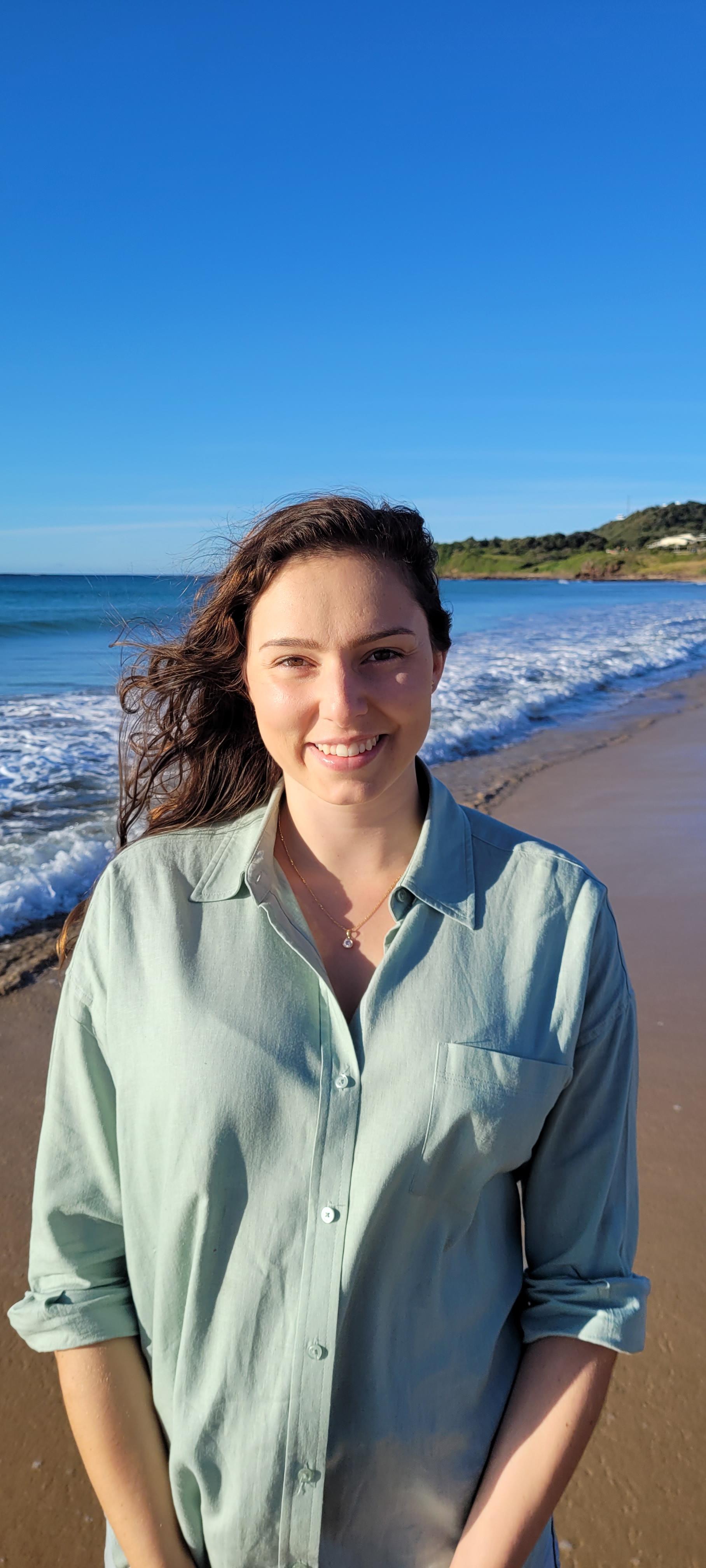
Wollongong council's coastal environment officer Dr Trudy Costa was excited to announce preliminary results at her Nature Talk in the Library for Sustainable Shellharbour.
“It turns out Lake Illawarra waterways support more than 2500 species of plants, animals, fungus, bacteria and other lifeforms, including platypuses, which have been spotted at Mullet Creek and Reed Creek,” she said.
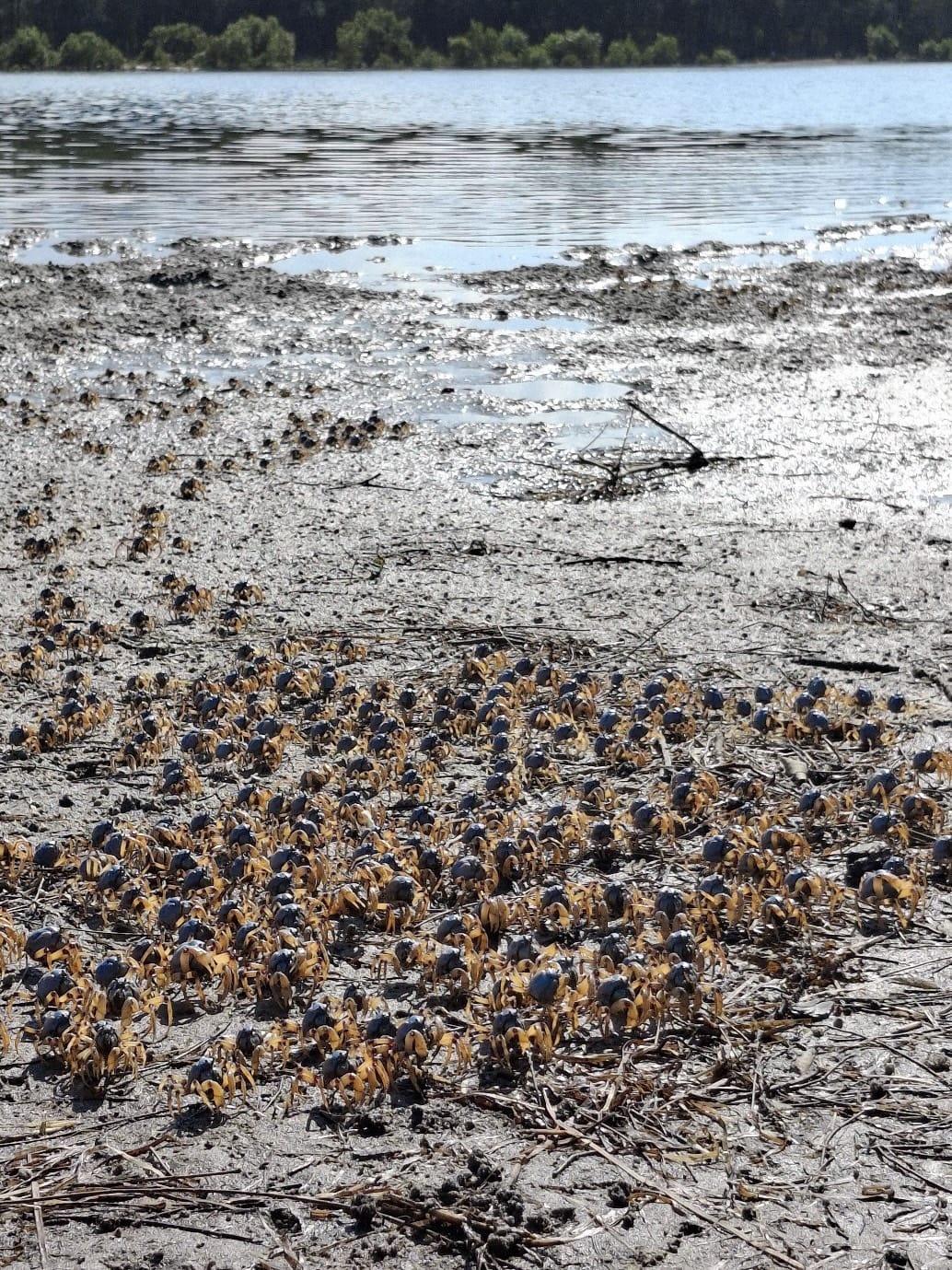
Samples revealed unwelcome visitors such as deer and cattle, which reduce water quality by trampling bank vegetation and defecating in or near waterways. The invasive mosquitofish was also detected across the sample area.
Microbes made up the lion’s share of samples, with groups such as fish and birds making up less than 10 per cent of individual samples. Microbes include bacteria, algae and other single-celled organisms, which new research show to be probably very important.
“Forty per cent of living things in all Lake Illawarra samples were microbes,” Trudy said.
“New studies have shown that microbes could be countering climate change more than initially thought by transforming greenhouse gases and nutrients, regulating their release into the water and atmosphere.”
The survey also tracked several migratory species that spend part of their lifecycles in the Lake Illawarra estuary. Trudy highlights two fascinating voyagers who travel long distances to complete parts of their life cycle.
“We found evidence of Australian bass, which hatch in the lake, then travel into the upper tributaries to develop into mature fish. Long-finned eels also travel downstream and out to sea to spawn, then die in the deep sea. Their larvae travel on ocean currents into the lake, then upstream to mature.”
The bizarre life cycles of these animals make them incredibly interesting, but also very vulnerable to environmental changes. The installation of weirs such as those at Mullet Creek and the Hacking River can disrupt the passage of migratory species. Migration also depends on environmental cues, which are becoming more unpredictable with climate change.
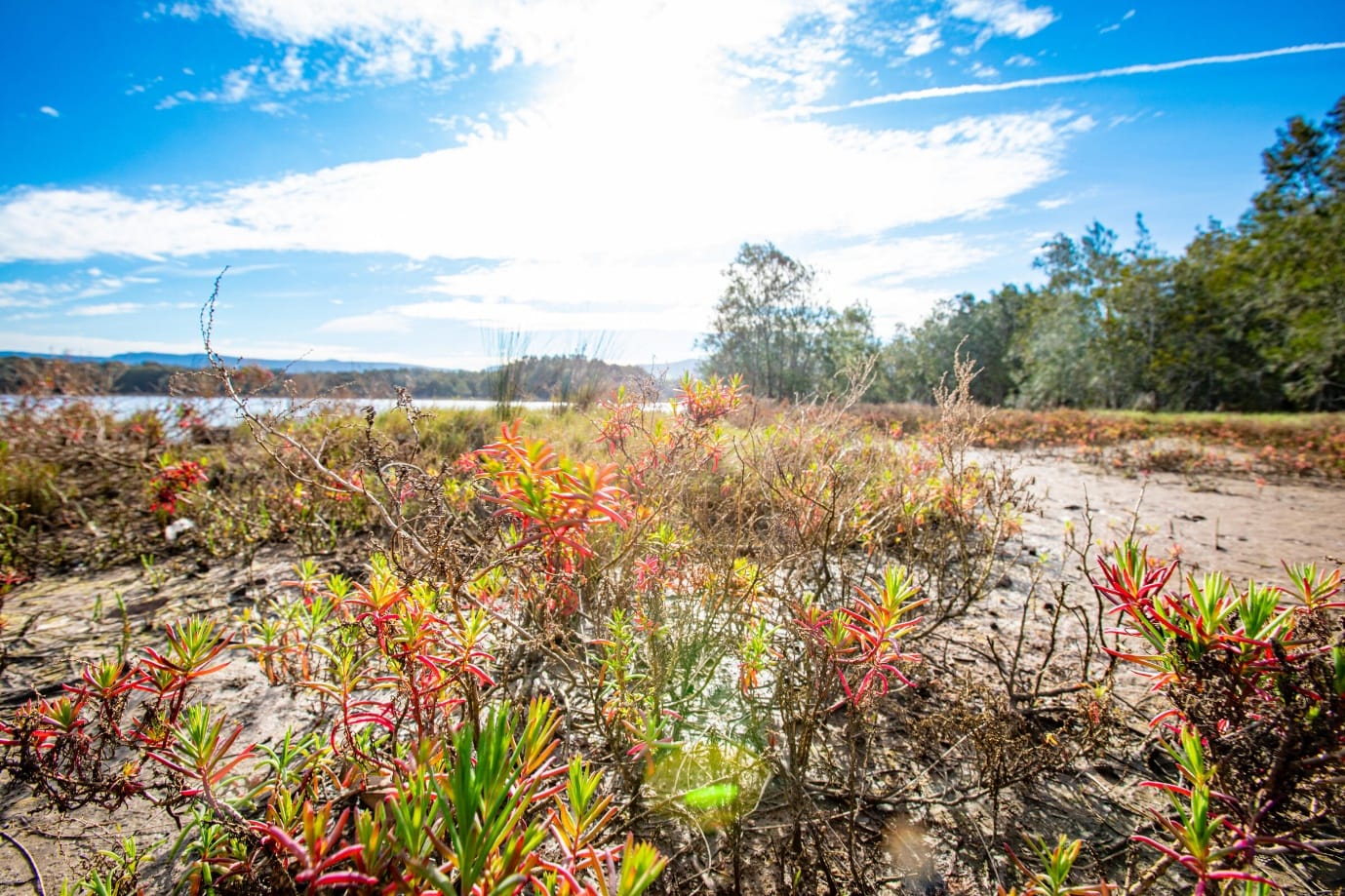
eDNA surveys are fantastic for understanding the diversity of life in regional waterways, providing fascinating insights into a story that is unfolding beneath the water.
By mapping DNA fragments to species records, coastal managers can understand what is using the waterways and where. This allows them to track how species assemblages in water and sediments respond to disturbances such as coastal erosion and development and informs their approach to managing man-made habitat changes.
Understanding how natural systems respond to environmental change will also inform climate adaptation. Statewide post-disaster assessments are using eDNA to map biodiversity and understand how extreme weather events such as the 2022 flood events in NSW can affect ecosystems.
The results will inform adaptive biodiversity management that protects vulnerable species into the future. Money for the grant came from the NSW Estuarine Asset Protection Program and the Coastal and Estuaries fund.
More information
You can find eDNA survey results for specific sites in the Illawarra here.
Generate biodiversity data by recording animal sightings on citizen science apps such as iNaturalist, ClimateWatch or Redmap
To hear about upcoming Nature Talks in the Library, sign up to the Sustainable Shellharbour newsletter.
Sources
- Water you mean there’s platypus in Wollongong?, Wollongong City Council
- Microbiome mediating methane and nitrogen transformations in a subterranean estuary, Environmental Biology
- A systematic review on environmental DNA (eDNA) Science, Ecological Indicators
- First DNA mapping of NSW estuaries provides new tool for fisheries management and species recovery, Southern Cross University


