

The mistletoe that doesn't need Christmas to creep up
It looks like an alien hand or foot and the pretty white fruit you'd expect are missing ... but this version is not all bad
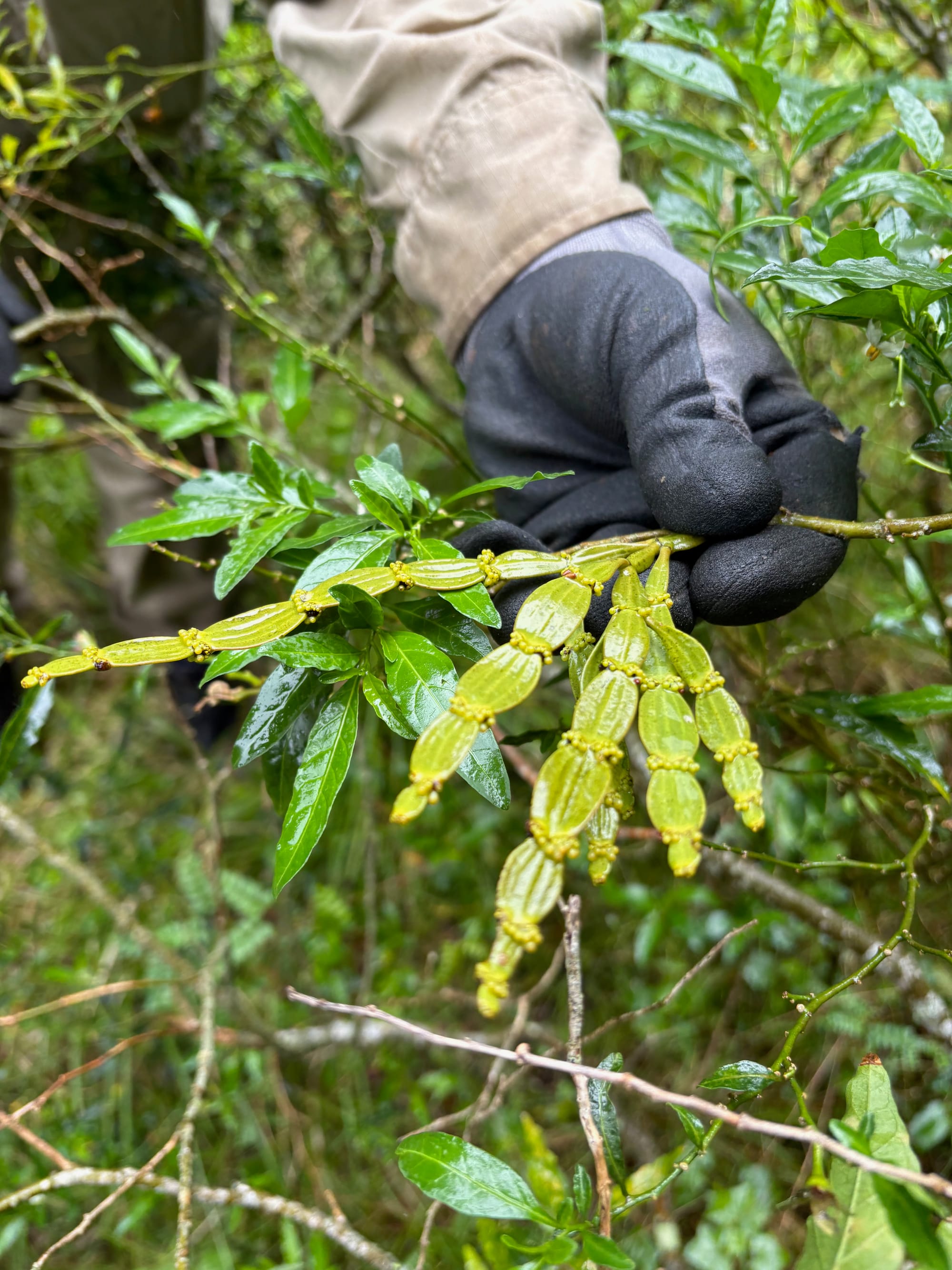
At a recent bush regeneration session, I and other local volunteers came across a most unusual parasitic plant – jointed mistletoe (Korthalsella rubra), also known as ruddy mistletoe or ribbon-stemmed mistletoe.
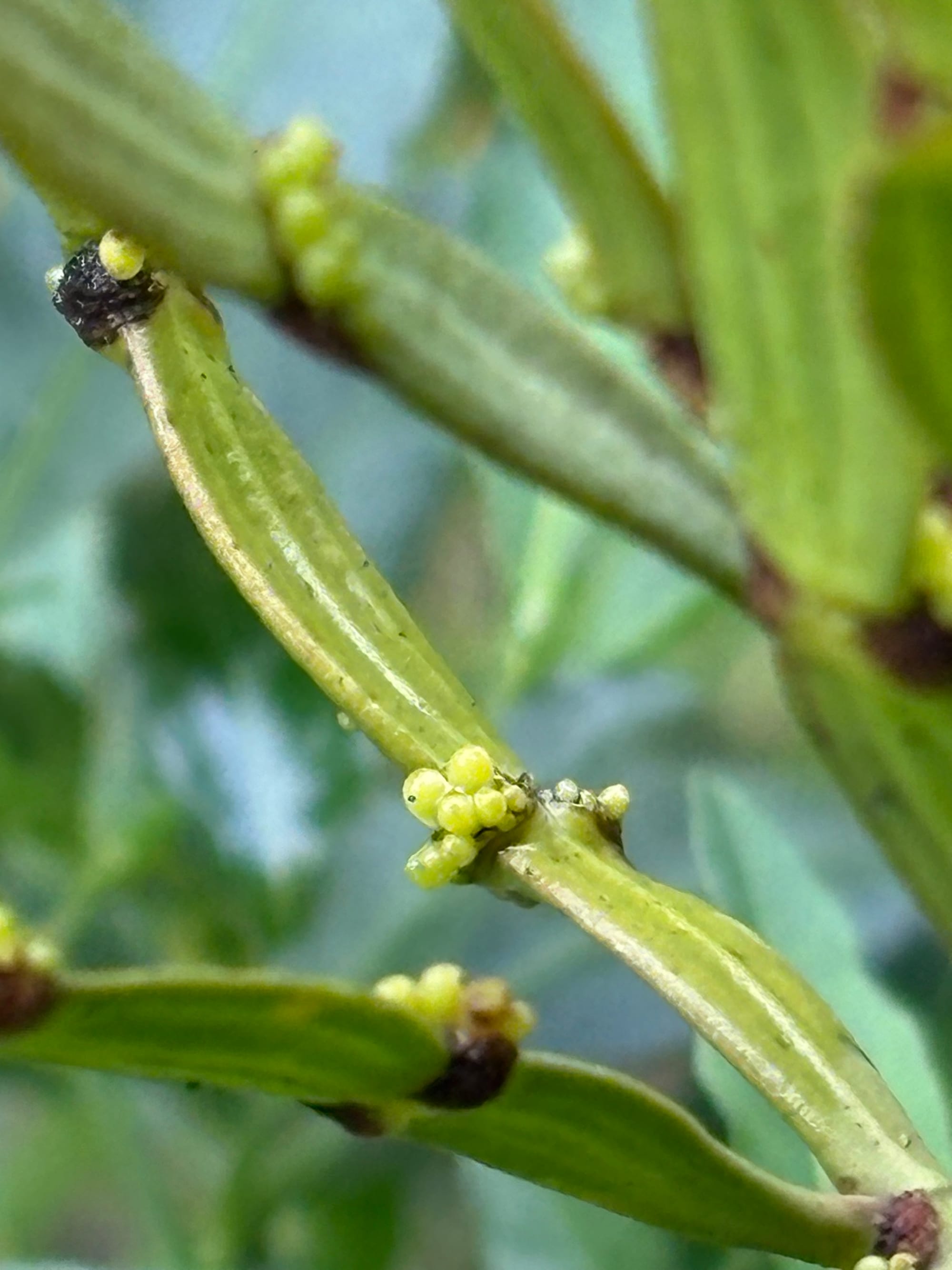
This mistletoe looks absolutely nothing like the northern hemisphere species featured in so many Christmas stories, with its pretty white fruit. Jointed mistletoe is notable for its broad, flattened leaf-like stems, punctuated at intervals by joint-like nodes. Overall, it looks like an alien hand or foot!
Mistletoes are parasitic plants, growing on a range of other plant species, usually without being fatal to their hosts. Hosts for jointed mistletoe include a range of rainforest trees; David Watson’s Mistletoes of Southern Australia lists 22 different host species.
In the Illawarra region, most reports of jointed mistletoe are on sassafras (Doryphora sassafras), a common and widespread tree across the region.
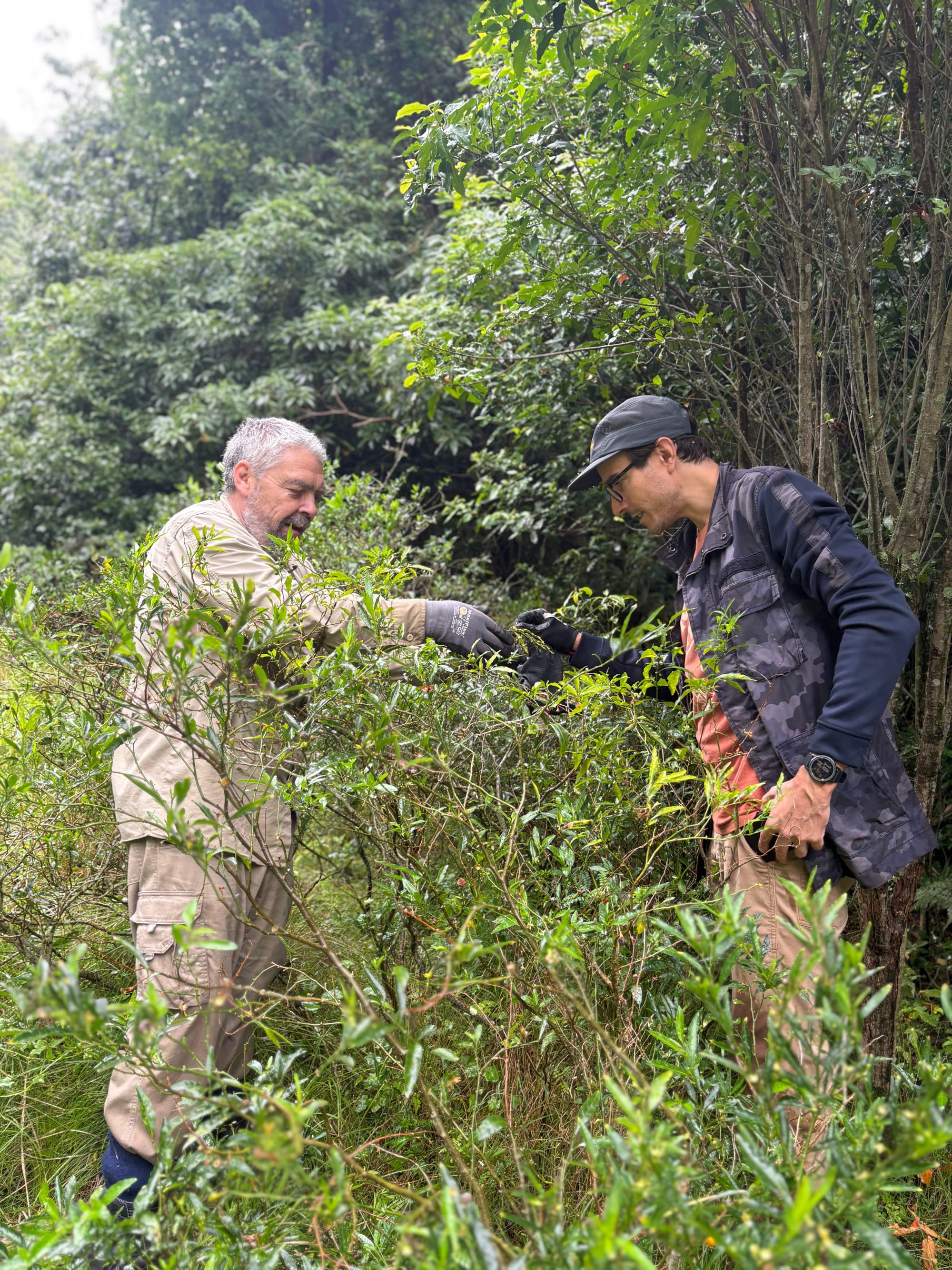
One surprising thing with this particular jointed mistletoe was that it was growing on a weed, the jerusalem cherry (Solanum pseudocapsicum), which is one of the most widespread weeds in the area we were working – at the Illawarra Rhododendron and Rainforest Gardens.
We had only just been talking about the benefits of working slowly, rather than gung-ho hack and slash, when we spotted the mistletoe.
Creepy or not, jointed mistletoe is one of many interesting things you might see if you slow down and spend some time in local bushland. And, contrary to common belief, mistletoes have major biodiversity benefits.
They attract additional birds and insects to the trees where they grow, giving a pollination and fertiliser boost as they do so. Watch out for mistletoes in trees near you; in urban Wollongong, you can often see erect mistletoe (Amyema congener) growing on the bottlebrushes (Callistemon sp.) widely planted on verges.
About the writer
Emma Rooksby is a volunteer bush regenerator and environmental educator who helped establish the Growing Illawarra Natives website. She is passionate about protecting and restoring biodiversity in the Illawarra.


