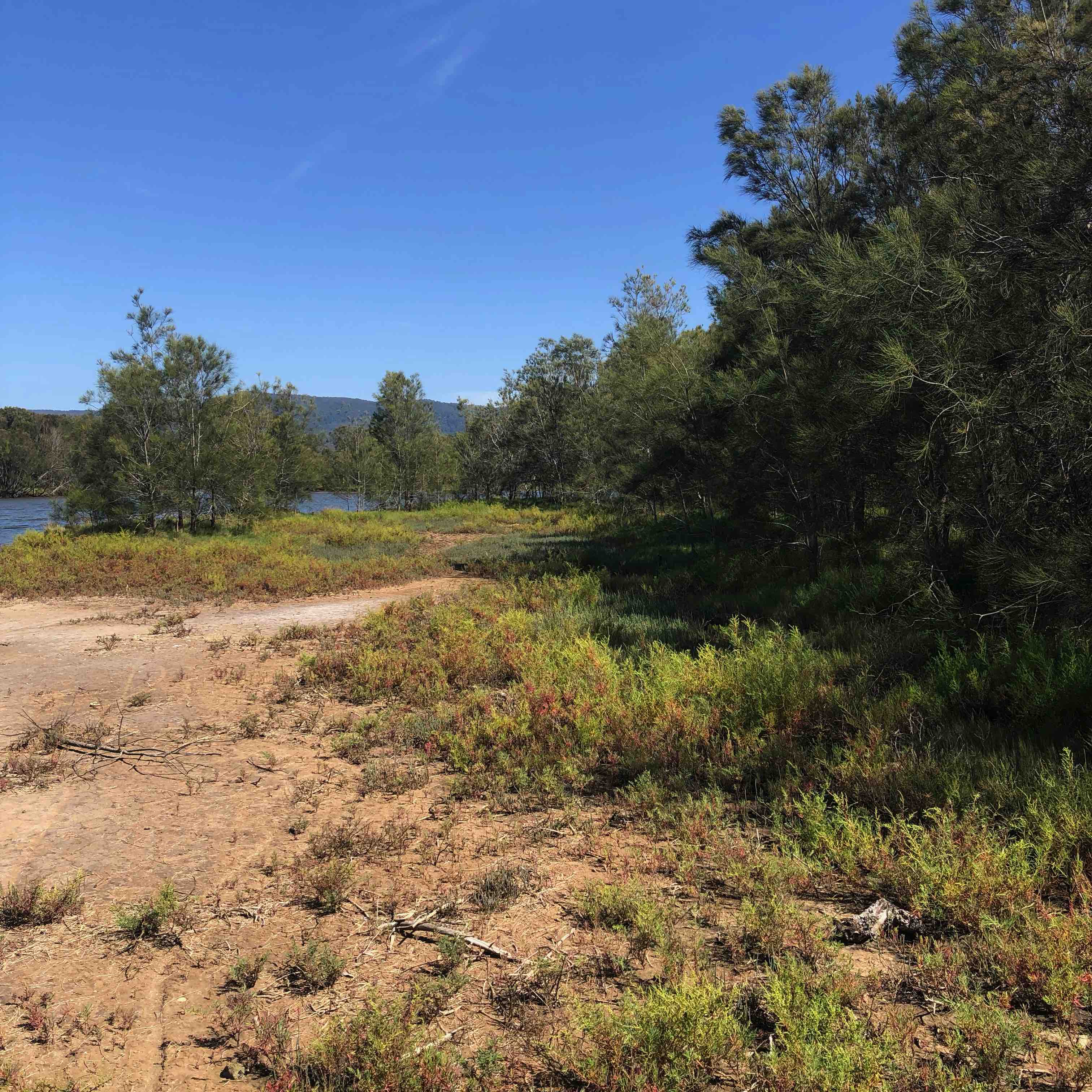

Diner beware: Truly special vegetation thrives in saltmarsh
Before you tuck into a dish with the succulent Samphire, read this advice from Growing Illawarra Natives co-ordinator Emma Rooksby
I had the shock of my life a few years back when dining in a local restaurant. Samphire, a delicious salty vegetable once common in English cookery but rarely seen in Australia, was on the menu.
My partner and I ordered it and had a lovely time imagining small artisanal samphire farms producing this yummy plant for local restaurants. It was cooked to perfection and tasted wonderful, like a savoury version of salted caramel ice-cream, if you can imagine that.
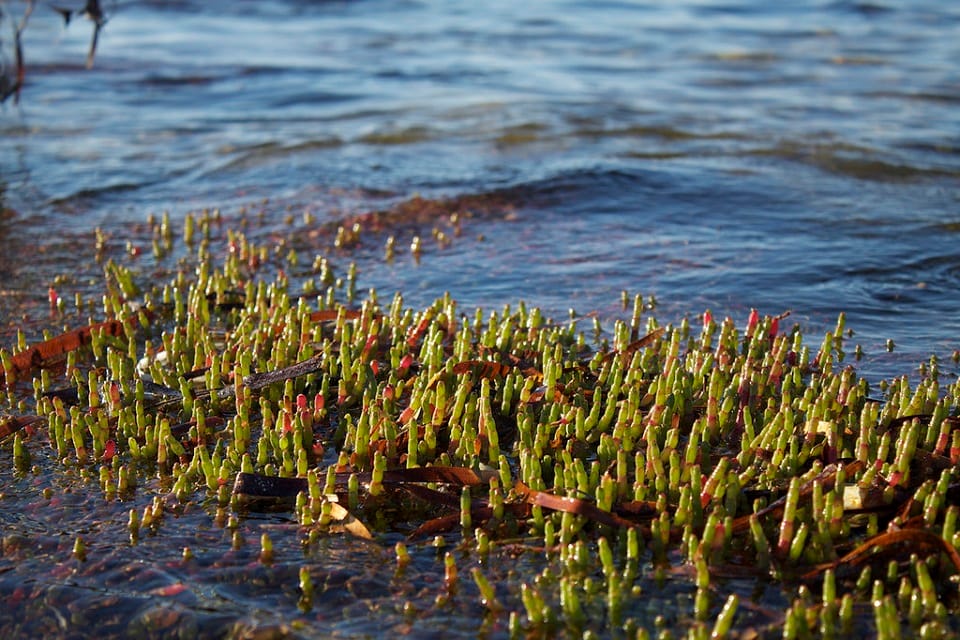
The shock came when we learned that the samphire we were eating had been collected from the shores of Lake Illawarra. Such a no-no! I almost rushed out and established a samphire farm on the spot myself to provide an ethical option!
Why, you ask? Well, in the Illawarra, and in many other parts of NSW and Australia, samphire grows in an endangered ecological community called coastal saltmarsh. Because coastal saltmarsh is endangered, there are really strict rules about collecting any kind of plant material from the places it occurs.
These rules are in place to protect the integrity and sustainability of coastal saltmarsh and the plants and animals that call it home. Luckily, there are ethical, farmed, alternative sources for some of the yummy plants that grow there.
Coastal saltmarsh occurs in the intertidal zone, between the low and high tide marks, in coastal estuaries and wetlands such as Lake Illawarra that are either permanently or intermittently open to the sea. (Lake Illawarra was once intermittently open to the sea, but is currently permanently open as a result of relatively recent management actions.)
The intertidal zone is home to many plants that are valuable for animals, and a couple that are pleasing to humans, including samphire and also Austral seablite (Suaeda australis), which is possibly even more delicious.
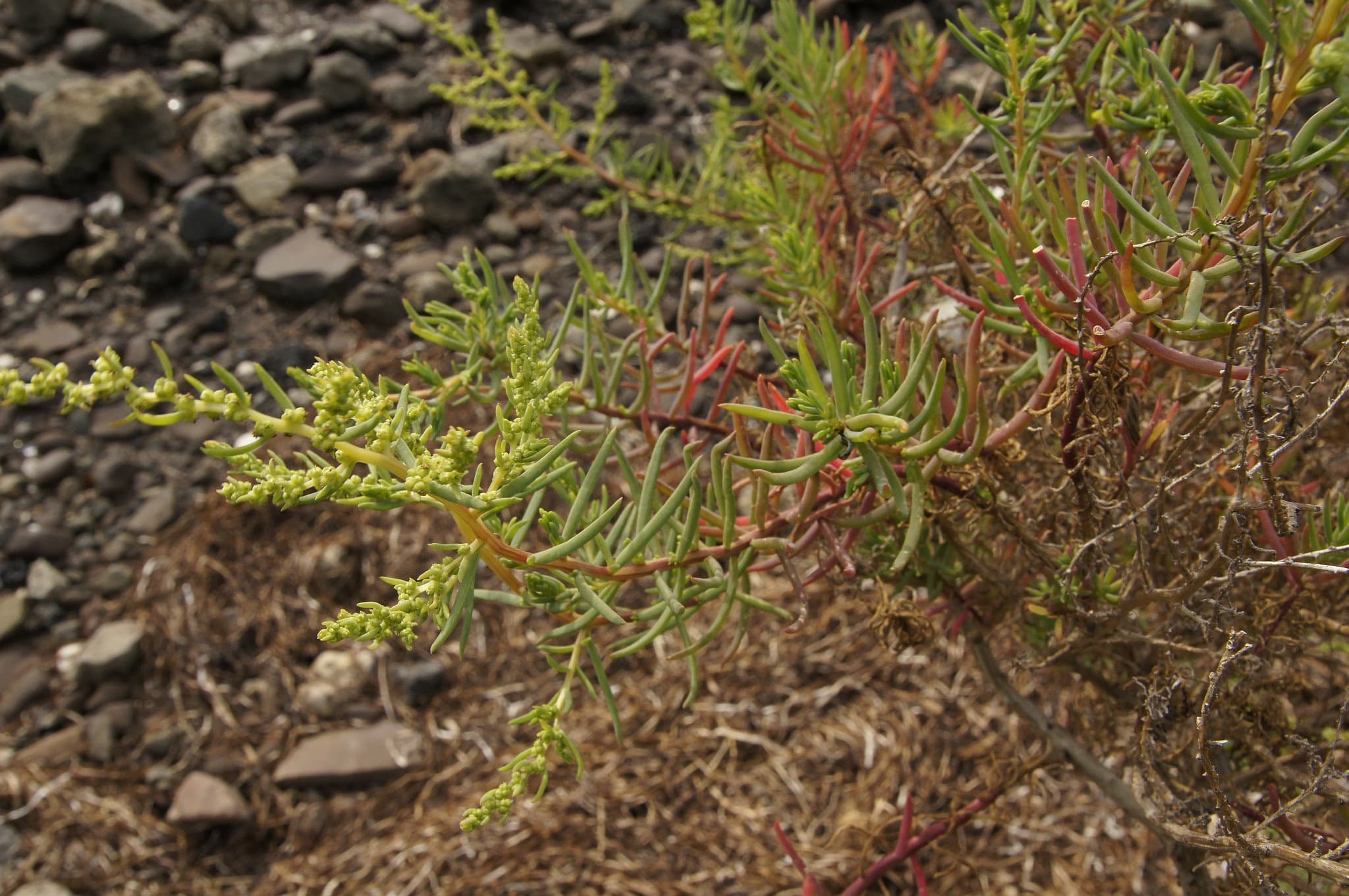
Leaving plants in place for the animals that use them is particularly important for an endangered ecological community such as coastal saltmarsh, which can only occur in a relatively narrow tidal band.
Samphire, for example, is eaten by the critically endangered orange-bellied parrot, which migrates to coastal mainland Australia from Tasmania each year.
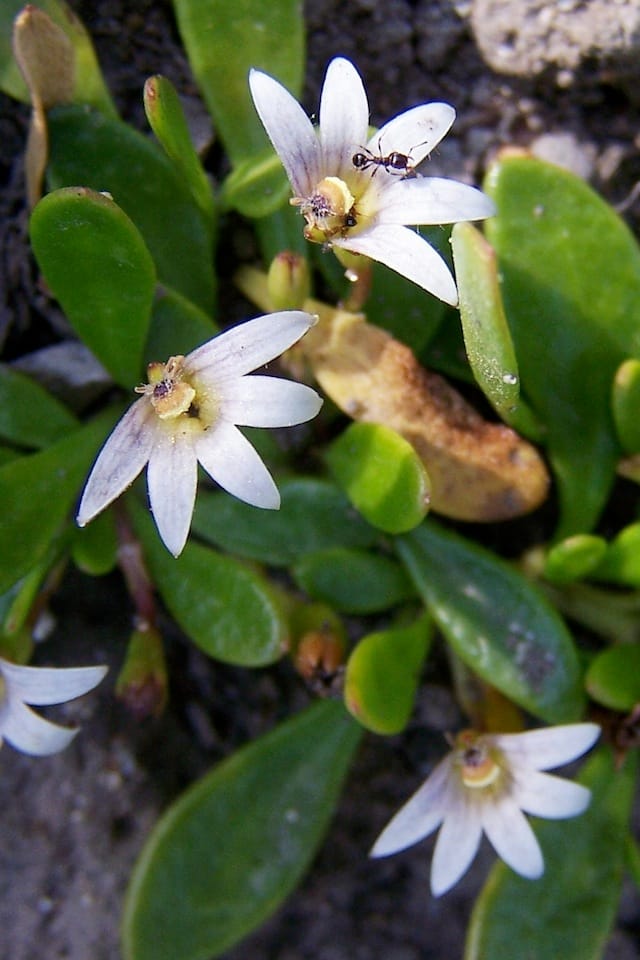
There are many documented threats to coastal saltmarsh and the plants and animals that comprise it. These include legal and illegal clearing and development, habitat degradation, weed invasion, climate change and sea level rise.
So we in the Illawarra are very fortunate to still have areas of coastal saltmarsh, particularly around Lake Illawarra but also in other areas such as Puckeys Estate.
Leave the edible plants for the birds and other animals that need them, and perhaps someone somewhere would like to start a little samphire farm?