

Finding the real world
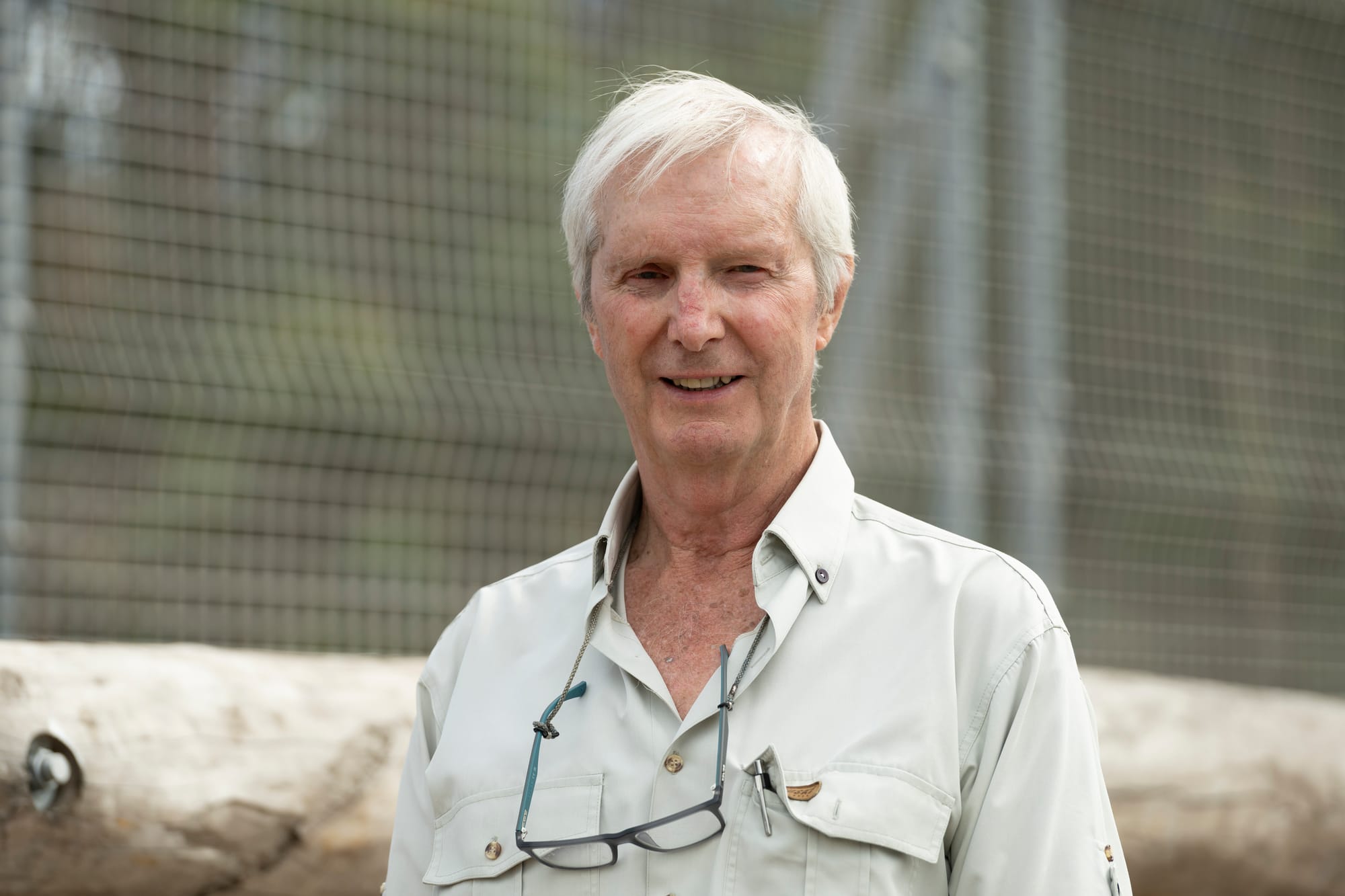
Chapter 2 in a series of opinion pieces on 'Bewilderment', by ecologist Bob Crombie

We live in societies and in the process create our own worlds, using language and folklore to impose arbitrary order on the complexity of the cosmos. This ordering of reality helps us to make sense of things by interpreting information in ways that are compatible with what is already known and believed.
In Japan, Goldilocks eats the porridge and sleeps in the bed, but instead of leaving suddenly when the Three Bears appear, she apologises profusely for her rude behaviour.
Our knowledge of all things is determined by our perception of them, and that perception is a construction based on local knowledge, beliefs, expectations and culture. We are only just beginning to appreciate how little direct access we have to the real world, if there is such a thing!
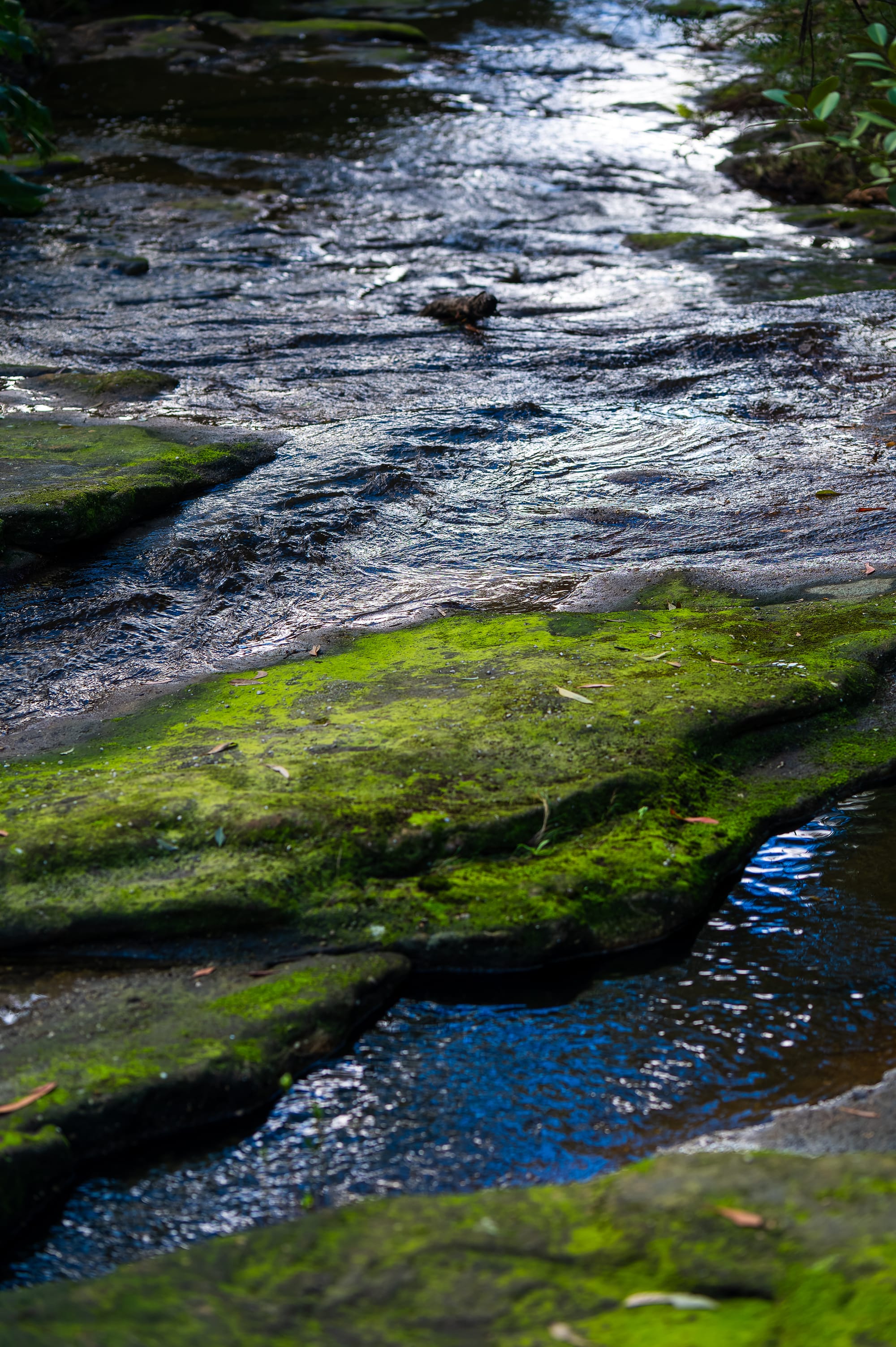
The reality of a rainforest, for instance, is perceived very differently by a logger, a greenie, a poet, a businessman or an Aboriginal person.
They may walk beneath the same trees, but they live in very different worlds, each of which is valid. There is no ‘correct’ version, is there?
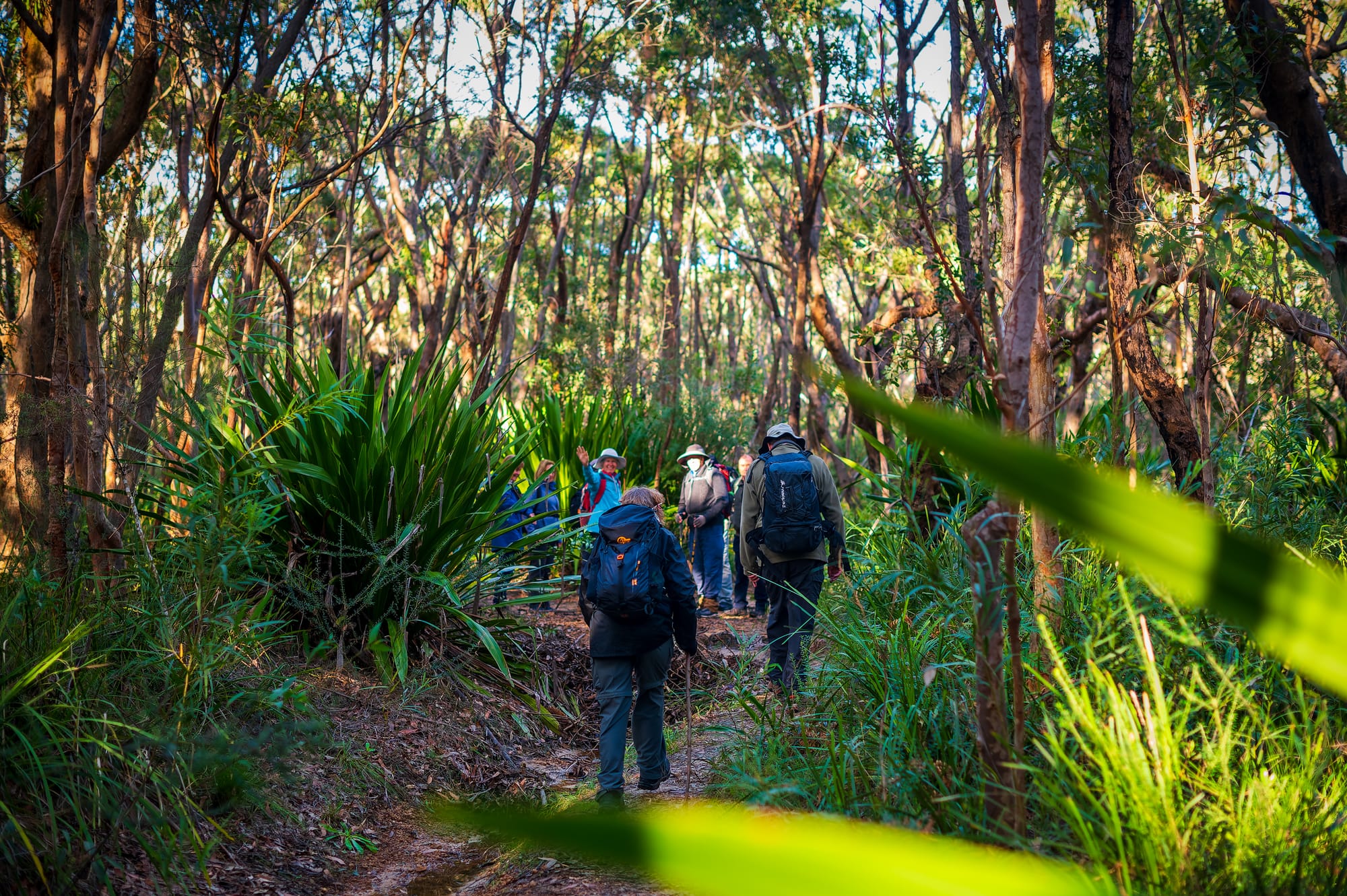
As an ecologist, I think that at its heart, modern ecology is a continuation of an ancient human quest for a deeper understanding of life, of the often invisible and mysterious web of essential relationships that connect living things to one another and to their surroundings. Our infant science has scarcely begun to unveil the tangle of bonds that exist between the species, forces, materials of the world and the cosmos.
Our scientifically trained observers insist on describing our global self-regulating ecological systems strictly in scientific words or vernacular, calling it simply the ‘biosphere’. Interestingly, there is an increasing trend among scientists to view things in a more poetic light. Imagine this scene: a natural systems ecologist or fire control officer ecstatically explaining the effects of a wildfire at a community debriefing session when a voice from the back interjects, “Hey! When you get to the part where my house burnt down, will you burst into song?”
Other cultures address this very same planetary ecological system with transcendent aspects of spiritual dimensions they perceive within it, and they use names that convey a sort of undisguised love, respect, and awe at its workings. In fact, many openly embrace it, as their own honoured blood kin: their living, nurturing, reciprocally affectionate Mother Earth. It was not so long ago that my ancestral society (Scottish-Celt) had a Mother Earth or Mother Nature. What happened to her? (There goes that voice from the back again, “What about my flaming house?”)
Is there something in this for us? Have we lost touch with various aspects of reality through our overly scientific, material perspectives of being?
Will a change of heart or perspective on our part lead to a change of behaviour for us, so that we will become less destructive, polluting and exploitive? Maybe so, maybe not, but it is worth considering.
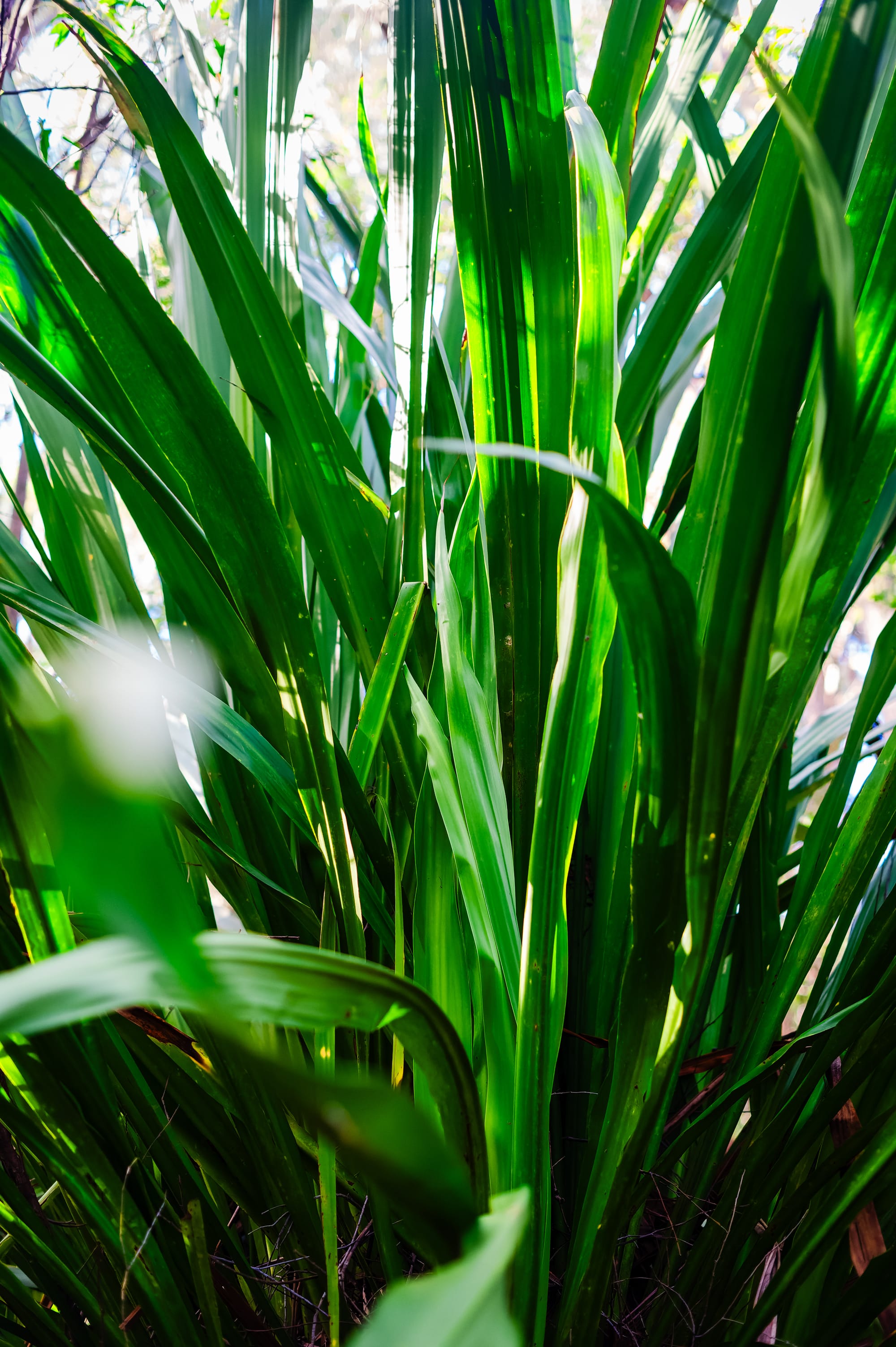
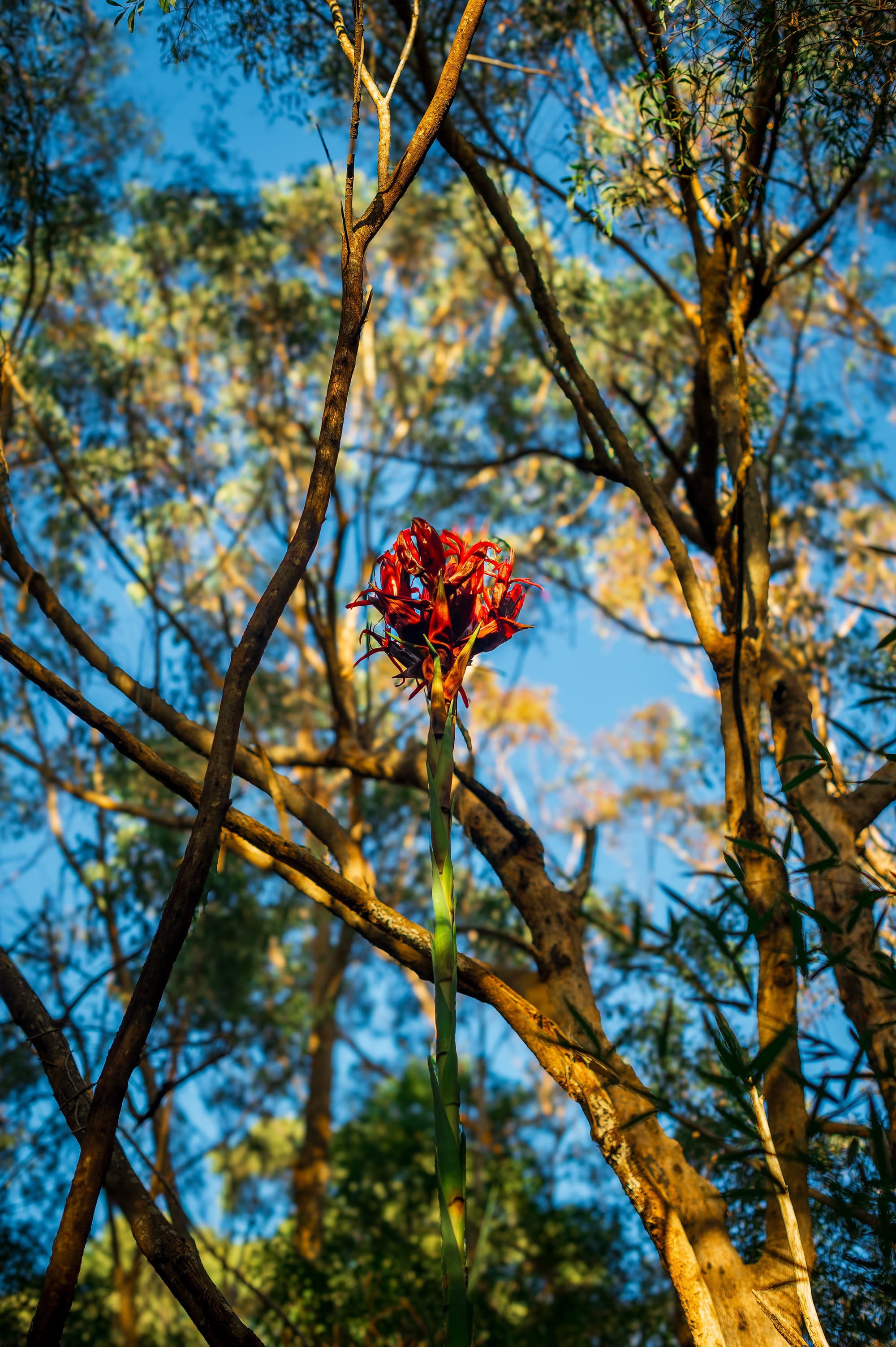
I contend that we need to develop the attitudes of humility, sobriety and reverence as essential if we are to achieve an ecologically sustainable relationship with our environment. Let us consider these things some more.
Reverence is considered as necessary for achieving a self-sustaining relationship with the environment, promoting well-being. Reverence is manifested when we recognise and live with nature as part of our humanity – for without some awareness and experience of that divine mystery, we cease to be human.
According to Henry Beston in The Outermost House:
“When we cease to appreciate the wind in the grass, the Pleiades, the frost on a winter’s morning, and these become lost from our spirit, then we become in a sense, an outlaw from the rest of life and the universe. We have neither the completeness and integrity of the animal nor the birthright of a true humanity.”
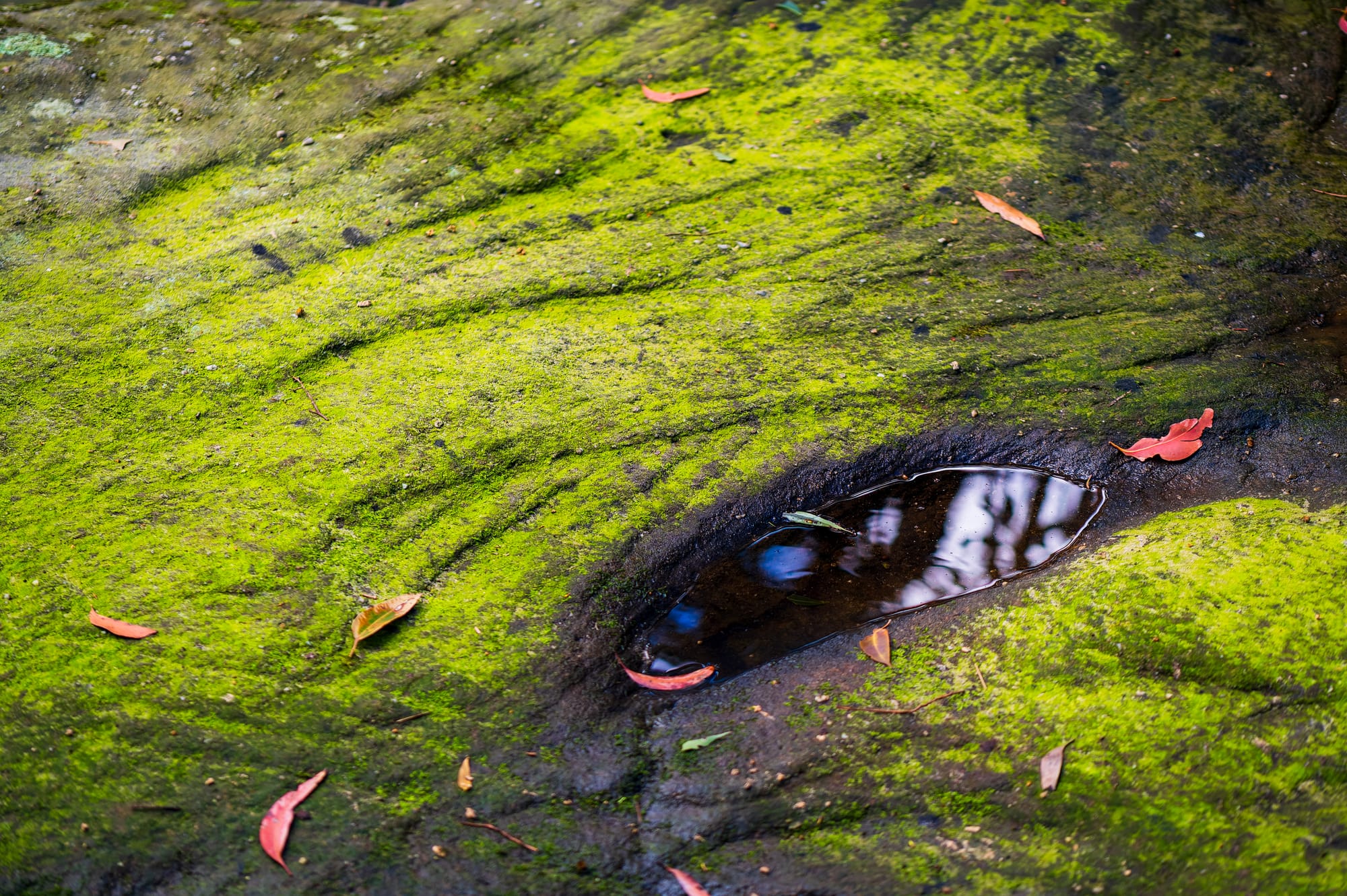
Our Earth came to constitute a home for Mankind only after it harboured life for a very long time – life that interacted with the earth, air and seas and became so interconnected with them that many now regard the whole Earth as a living organism. The sensuous qualities of its blue atmosphere and seas and green mantle are not totally inherent in its physical nature; they have contributions from the countless microbes, plants and animals that it has nurtured and that have transformed its inanimate matter into a colourful ‘living’ substance.
Mankind can exist, function, enjoy the universe and dream dreams only because the various forms of life have created and continue to maintain the very special environmental conditions that set the Earth apart from other planets and generate its fitness for life – for life in general and for mankind in particular.
People are dependent on other living things, and like them, must be adapted to their surroundings in order to achieve biological health and wellbeing.
Our ecology, however, involves more than interdependence and fitness as these are usually conceived. Humans are influenced not only by the natural forces of their environment but also, perhaps even more, by the moral and ethical, and social and psychological surroundings they select and create. We need to consider these things.
People are rarely passive witnesses of natural events. We do things to the world around us that set in motion forces that change the world, and thus our environment, our own lives and our civilisations. In this sense, we make ourselves, and the quality of our achievements reflects our knowledge, beliefs and our aspirations.
The destruction and conversion of the Amazonian rainforests into grazing lands is considered an achievement by many local politicians and businessmen. Our ecology naturally operates within the laws of Nature, but it is always influenced by people’s conscious choices and anticipations of the future. To understand this requires sobriety and humility.
The Iroquois of North America preceded their killing of a bear with a long, humble, sober and reverential monologue, explaining that they were motivated by need, not greed or the wish to dishonour. Such rituals and beliefs help to sustain a balance between their populations and the wild.
But the Iroquois were not just practising an unconscious ecological wisdom; they implicitly saw themselves as just one dependent creature among many.
A problem with the scientific vocabulary is that it has difficulty in preserving these people or conveying the power of their rituals and beliefs, which refer to the unknowable through the richly ambiguous symbols within poetry, dance, song and art. Scientific textbooks would have difficulty capturing the meaning of the Iroquois woman's hymn to the earth as she takes its clay and fashions and fires the pot, and she calls it ‘good’ not ‘beautiful’.
Ananda Coomaraswamy from Sri Lanka, an art historian, geologist and spokesperson for the United Nations, said that the sustainable contentment of innumerable people could be destroyed in a generation by the withering touch of our western civilisation and profit-driven capitalism. He has talked of local markets in Sri Lanka and India being flooded from other countries by a production in quantity with which the responsible local makers, who were artisans, could not compete. Such productivity undermined the very vocational structure of the societies, with their guild organisations and their standards of workmanship.
Coomaraswamy said that the artist was robbed of his art and forced to find himself a ‘job’; until finally the ancient society was industrialised and reduced to the level of such societies as ours, in which business takes precedence over life and community. Can one wonder that western nations are feared and hated by such people, not only for obvious political and economic reasons, but even more profoundly and instinctively for spiritual reasons?
Of course, the truth of the matter is not so simple, is it? The Indian guru Paramhansa Yogananda has said that many eastern societies and cultures have become corrupt and developed very difficult social and environmental problems. He has said they would do well to look to the west for solutions that they could adapt to their own culture and society, and that there is much about many eastern societies and cultures that should be changed, such as their caste system and their attitudes to female babies.
Yogananda said that we do not need prejudice and rejection of the west, but tolerance, acceptance, understanding, and cooperation, all products of humility. He believed the east and the west needed each other.
Now that you have considered this material, what position will you take on these issues? If they have changed your mind on some matters, how will you live with your new view? What changes will this require in your life? Would you also like to see changes to your society to accommodate your new perspective? What are these changes and how can they be carried out? Where does it stop? Is what we have learnt to be enjoyed or employed? How can you join in with Life and truly belong in this world?
I think that at its heart, modern ecology is a continuation of an ancient human quest for a deeper understanding of life, of the often invisible and mysterious web of relationships that connect living things to one another and to their surroundings.
Our infant science has scarcely begun to unveil the tangle of bonds that exist between the species, forces, materials of the world and the cosmos promoting life and wellbeing.
My next article will consider the connections between philosophy, stillness and bewilderment.
The Bewilderment Series
Chapter 1: Stillness and Bewilderment
Chapter 2: Finding the real world
Look out for chapter 3 next week


