
So much for winter: get clicking this spring
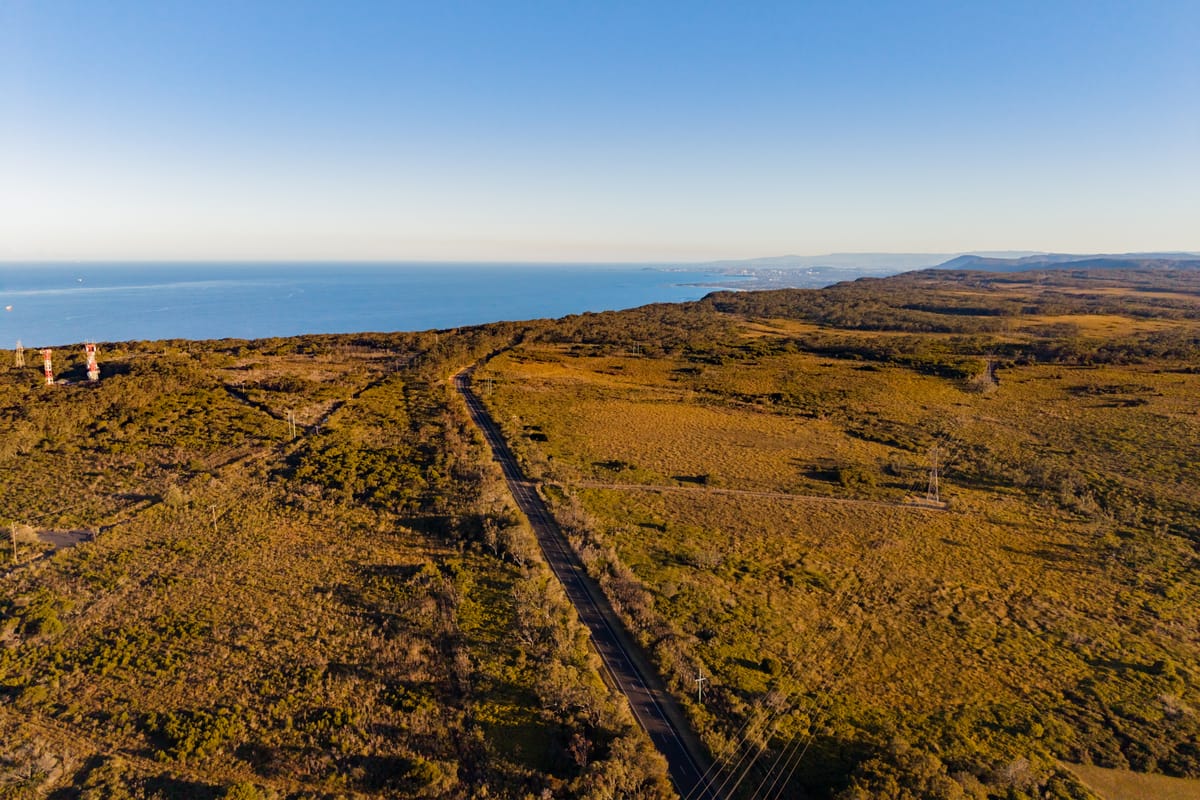
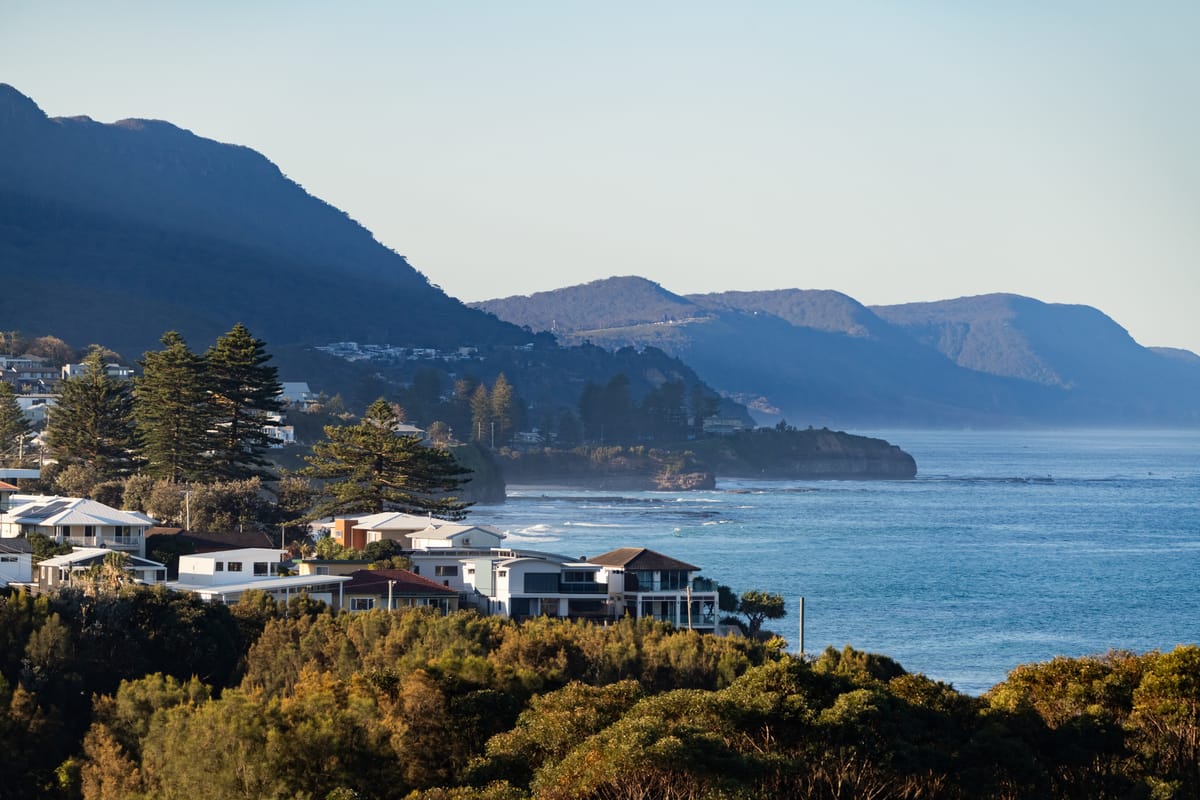
The drama was rare, but even on fine and stable days, there is much admire - and photograph - around our much-loved coastline
I love cold and wild weather, so unfortunately for me, this winter has been a relatively mild one, with temperatures well above average across much of Australia. I was hoping for a large late winter cold front to arrive so I could get out and chase some wild weather, but unfortunately, it never eventuated.
One of the major influences on our weather this year has been the development of a strong El Nino. El Nino typically brings warmer and drier conditions to eastern Australia, particularly through winter and spring, and this year has been no exception. The Bureau of Meteorology forecasted below average rainfall and above average temperatures across much of southern and eastern Australia for winter.
Here in the Illawarra, we have experienced plenty of clear blue skies, stable weather and lower-than-average rainfall. That pattern has continued into the beginning of spring. Persistent high-pressure systems have frequently dominated the weather pattern, helping to suppress cloud development and reducing the number of opportunities for the dramatic weather systems I enjoy photographing.
Another interesting feature of our local weather is the influence of westerly winds. At times, air flowing across inland Australia and the Great Dividing Range descends towards the Illawarra and the coast. As the air descends, it warms and dries, producing what is known as a foehn effect.
These winds can produce noticeably warmer and drier conditions along the coast and are another example of how strongly the landscape around Wollongong influences our weather. Foehn winds are a recognised feature of southeastern Australia and the Illawarra is highly susceptible to this effect.
With a lack of rain, storms and fog locally and no snow on the ranges of the Central Tablelands this year, most of the photographs I have taken have reflected the conditions around us. I love photographing wild weather, but I also enjoy photographing those beautiful, crisp blue-sky days.
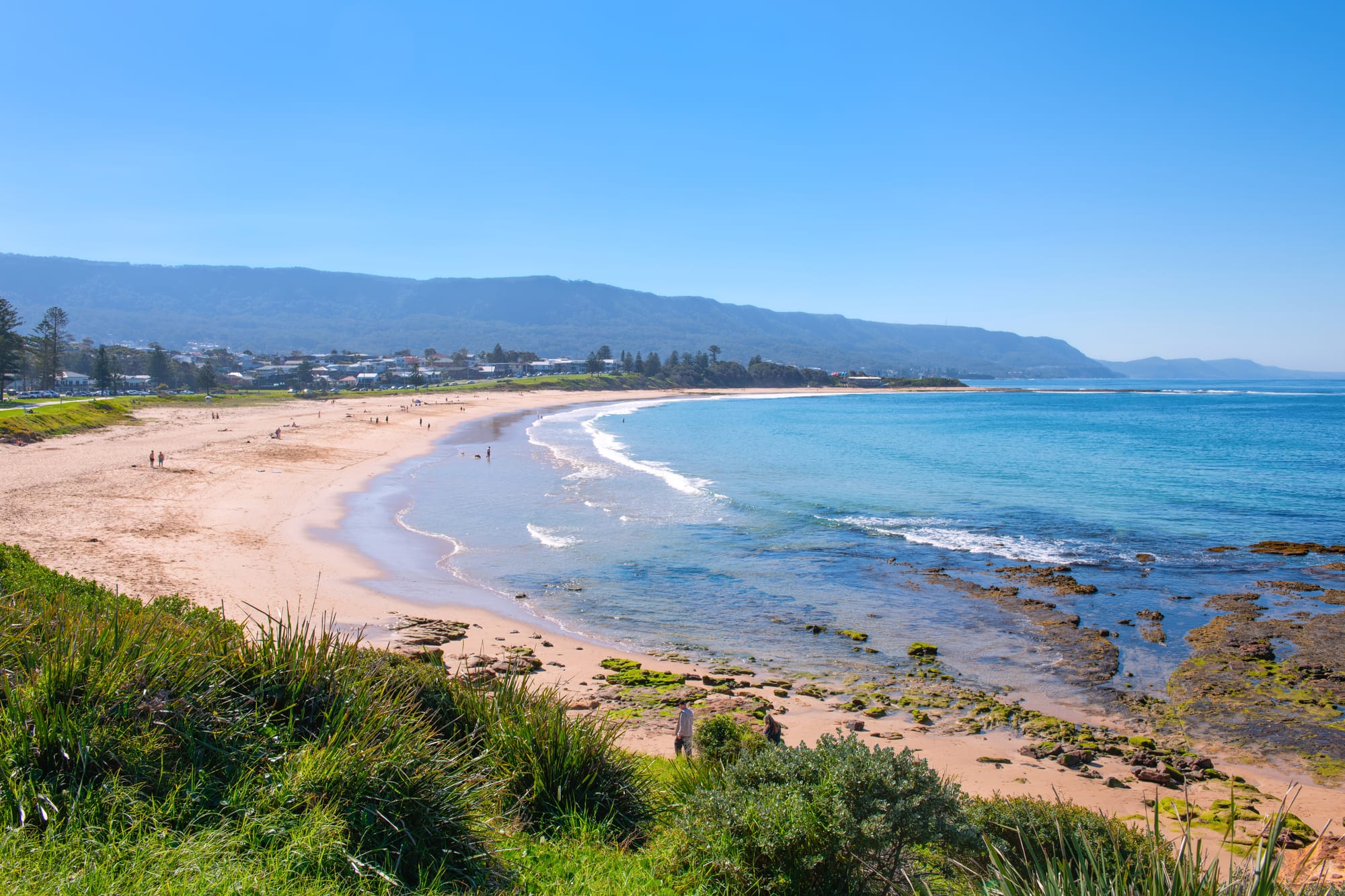
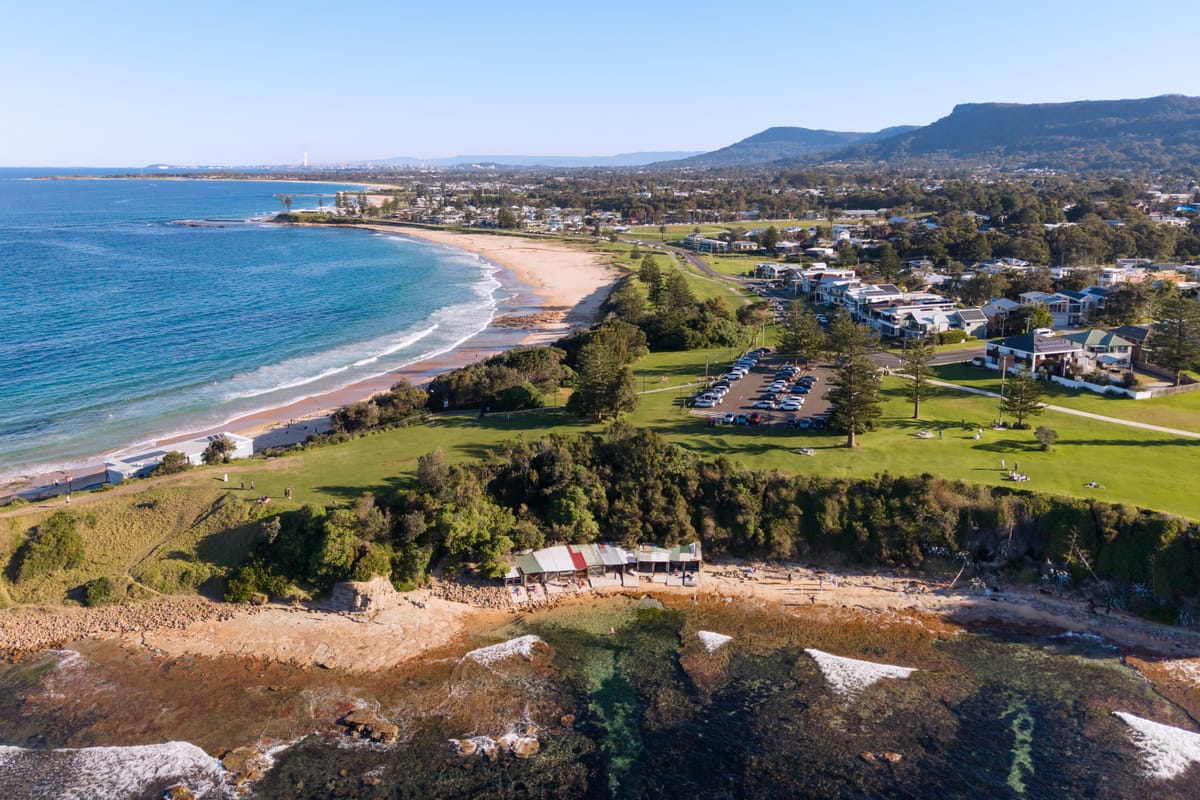
Wollongong really puts on a postcard-style show when the weather is at its best. The water sparkles in the sunlight, the escarpment appears lush and green, and the clear conditions provide a wonderful opportunity to showcase our region to visitors. From Wollongong Harbour to the Sea Cliff Bridge and Bald Hill, there are countless locations that come alive under a clear blue sky.
Photographing on a blue sky day can be a lot of fun in the Illawarra because we have an almost endless list of spectacular subjects to take advantage of. Some of my favourite locations include our many lookouts, with Bald Hill, Sublime Point and Mount Keira all offering fantastic views. Wollongong Harbour, the Botanic Gardens, Nan Tien Temple and our many beaches also provide plenty of photographic opportunities.
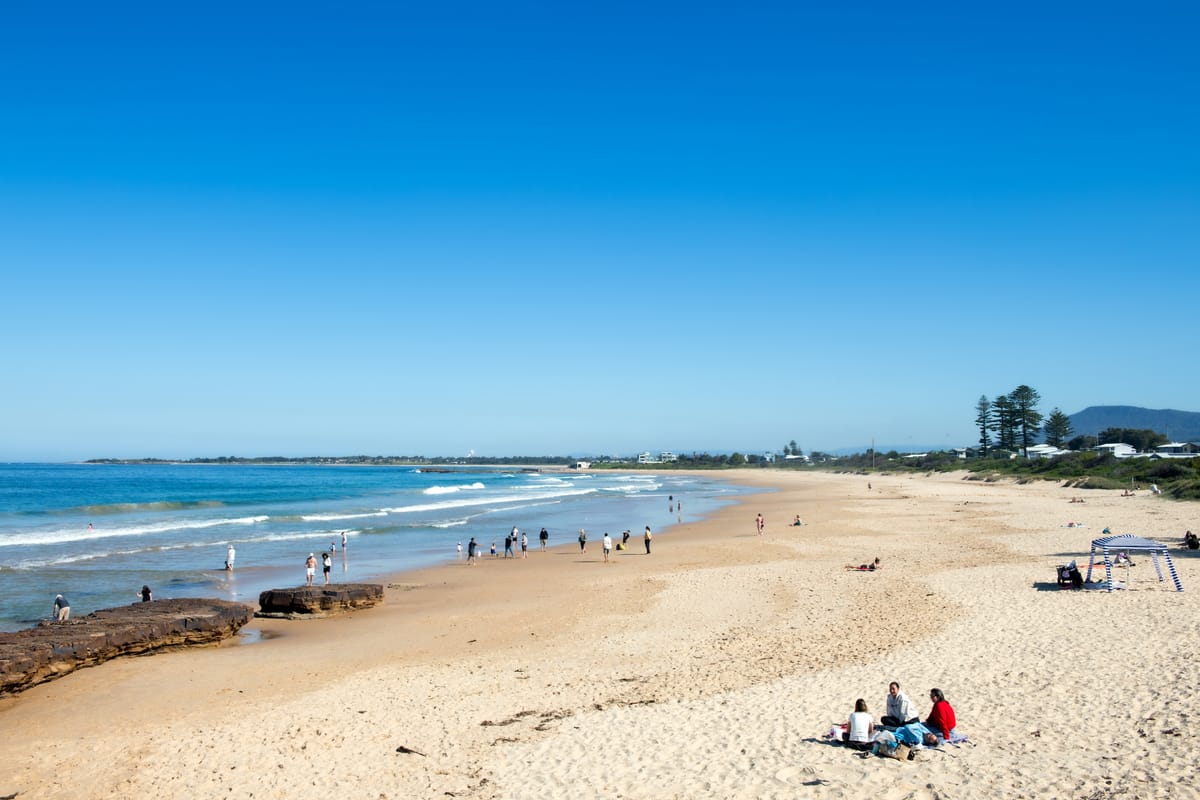
When photographing on a clear day, switch your camera to manual mode and select a low ISO, typically ISO 64 or 100. For landscape photography, I usually use an aperture of f/8, although f/11 or f/5.6 can also work well depending on the scene and the desired depth of field.
On a sunny day, I often find the best results come when the sun is roughly 90 degrees to the direction I am photographing. This side lighting can bring out texture, definition and colour in the landscape and can add considerably more depth to an image.
A circular polarising filter can also be extremely useful, particularly for enhancing blue skies, reducing reflections and increasing contrast. Ultimately, shooting in the golden hour on a clear day is the best time to capture beautiful soft, warm images with naturally diffused light. Golden hour happens just after sunrise and just before sunset and generally lasts about 45 minutes in Wollongong.
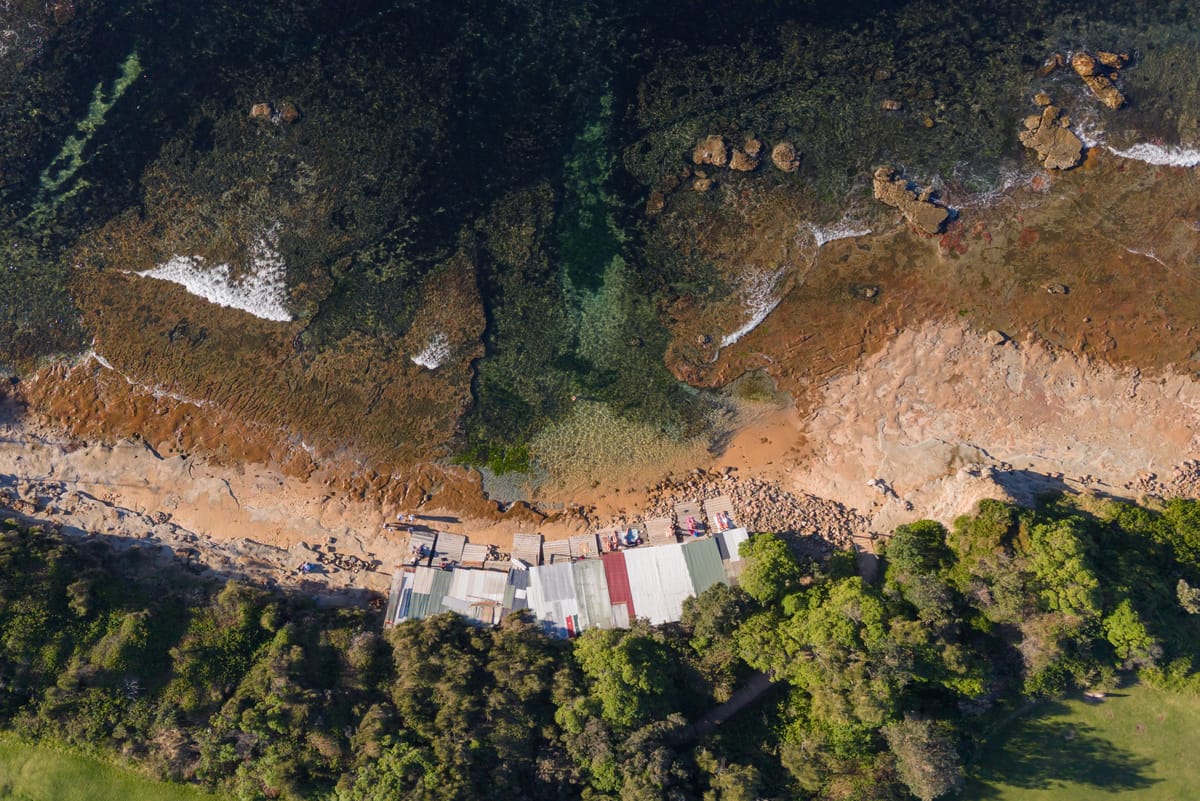
While I may have missed out on the wild winter weather I was hoping for, spring brings with it a whole new range of photographic opportunities. And here in the Illawarra, you never have to travel far to find something worth photographing.