
Superstars of STEM could visit your school
Want to inspire young minds? The Superstars of STEM program provides role models to uplift girls and young women
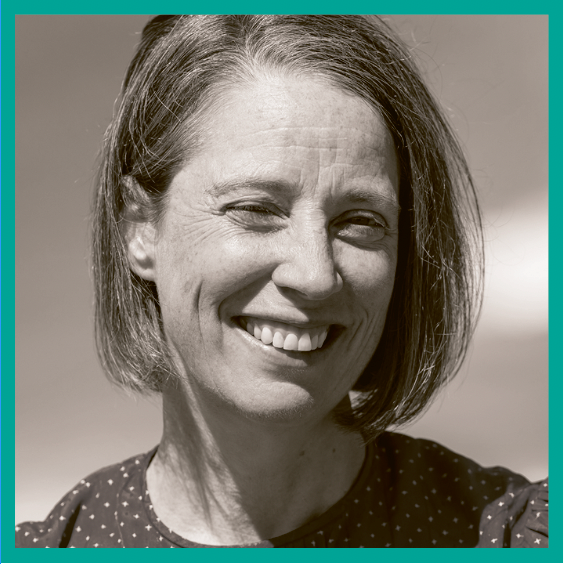
Helensburgh forensic scientist Nikki Keighran is a Superstar of STEM, one of four Illawarra women chosen to share their brilliant careers with schools and the media. The goal: to smash gender assumptions about who can work in science, technology, engineering and maths.
“We’re focused on trying to uplift the women in STEM,” Nikki says. “We’re still only sitting at about 16% of science-related roles in Australia, so we've got a bit of work to do.”
After a career that has taken her across the world, including stints at the Olympics and with the federal police, today Nikki works as a radiation protection advisor (aka “health physicist”) at the Australian Nuclear Science and Technology Organisation (ANSTO).
The other local Superstars of STEM – a national initiative by peak body Science & Technology Australia – are vaping expert Dr Jody Moller, medical scientist Dr Jennifer Baker and land specialist Kate Fairlie. From diverse fields, they prove scientists don’t simply work in labs.
“There are amazing roles that are very operational, very enabling,” Nikki says.
Who made that bomb? Which drugs did that athlete take? Which mine did that uranium come from? How safe is making radiotherapy medicine? These are all questions Nikki has examined, driven by a curiosity that began in childhood.
Nikki grew up in Moree, a regular country girl who liked to play with chemicals in the shed. “We used to blow up tree stumps,” she says, laughing.
“I had this amazing chemistry teacher, Mark Ash – he made science real, it wasn't just an equation on the board. He applied it.”
Inspired, Nikki went to UTS in 2000 to study forensic science, “a really fun degree”. Several students dropped out, reality being unlike TV’s CSI, but Nikki flourished, winning the Dean’s Merit Award, and spending 12 months with the Counter Terrorism Unit, blowing up cars and analysing samples for her honours thesis.
She attended testing days, learning how to analyse explosives for clues to the culprits. “Who made that bomb, where has it come from, what cookbook did it come from? That's really vital evidence in that sort of investigation … I became quite good friends with the NSW Police Bomb Squad.”
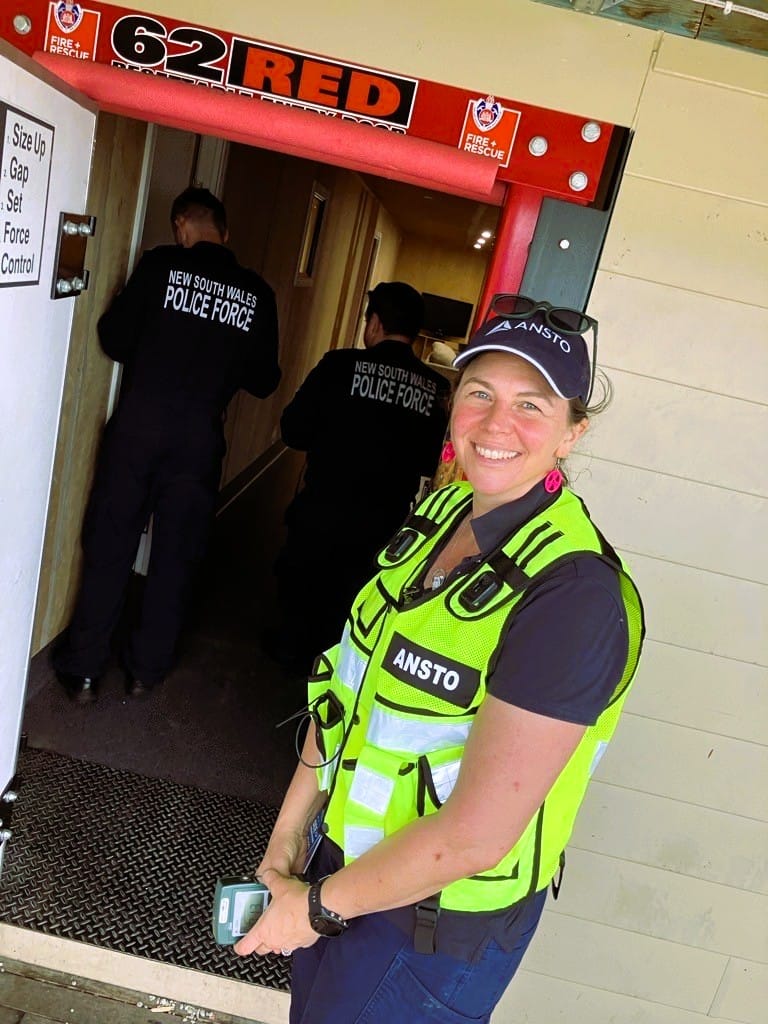
Nikki Keighran works at ANSTO as a radiation protection advisor.
After university, Nikki’s first job was as an applications engineer at Agilent Technologies, makers of high-end equipment for forensics labs. She was given a car, a good salary and sent around the world, including five years in Oxford.
“I loved it,” Nikki says. “I was going everywhere, doing 2000 miles a month in my car, just driving from one forensic lab to another.”
The highlight was six months as lead engineer supervising drug tests for the 2012 London Olympics. “I was leading out the engineering team in the drug control lab, which was the size of six tennis courts. We had masses of instruments pumping out like 6000 samples over that two-week period, so it was huge.
“Using your science for that interesting application of drug control and cheating, and athletes with performance-enhancing drugs, was really interesting. There's a lot more than what you’d think.”
Afterwards, Nikki felt Australia calling her home and became a crime scene examiner with the Australian Federal Police (AFP), where she worked for a decade on national security and international crime prevention, tackling drugs, terrorism and child pornography.
“You learn to deal with it with your black humour, and in policing there’s a lot of camaraderie in your team, and you handle those aspects as well as you can,” she says.
“I loved it. I survived … it’s a tough environment, very male-dominated industry, it’s a highly operational role.”
After having children, Nikki pivoted to a role with family-friendly hours. “It just got a bit too hard to manage,” she says, “but it's still probably the most amazing role I've ever held. It was just such a privilege to be able to make such an impact.
“We're taking tons and tons of drugs off the street, which reduces the impact on our health system, reduces the impact on the actual need for policing, and it just feels good to put a criminal away for doing real harm to our communities.”
In 2018, Nikki moved to the community-minded town of Helensburgh (or “Heavensburgh”, as she calls it) and took on a job in the emerging field of nuclear forensics at ANSTO.
“Australia is the third biggest producer of uranium, and that's going into all different reactors around the world, and so Australia realised [about 30 years ago] that we had responsibility to be accountable for that material, because that material potentially could be used for malicious purposes. We call that safeguarding – it's a big part of nuclear science.”
Nikki joined the team that kept chemical records, building a forensic library of mine samples. “If ever any of this material was used in something malicious or untoward, we would be able to indicate exactly where its origins are in Australia … It’s called fingerprinting uranium.”
The project forms part of the Non-Proliferation Treaty by the International Atomic Energy Agency.
“All of the mine sites have been very good in supplying samples,” Nikki says. “We've not had any incidents with with any of our material in Australia, but we're very immature in terms of our nuclear framework in Australia, we're still very young, having not moved past research to power yet.
“We've got our research reactor up at Lucas Heights, but you think of other nuclear industries around the world that are generating power – they're much more mature.”
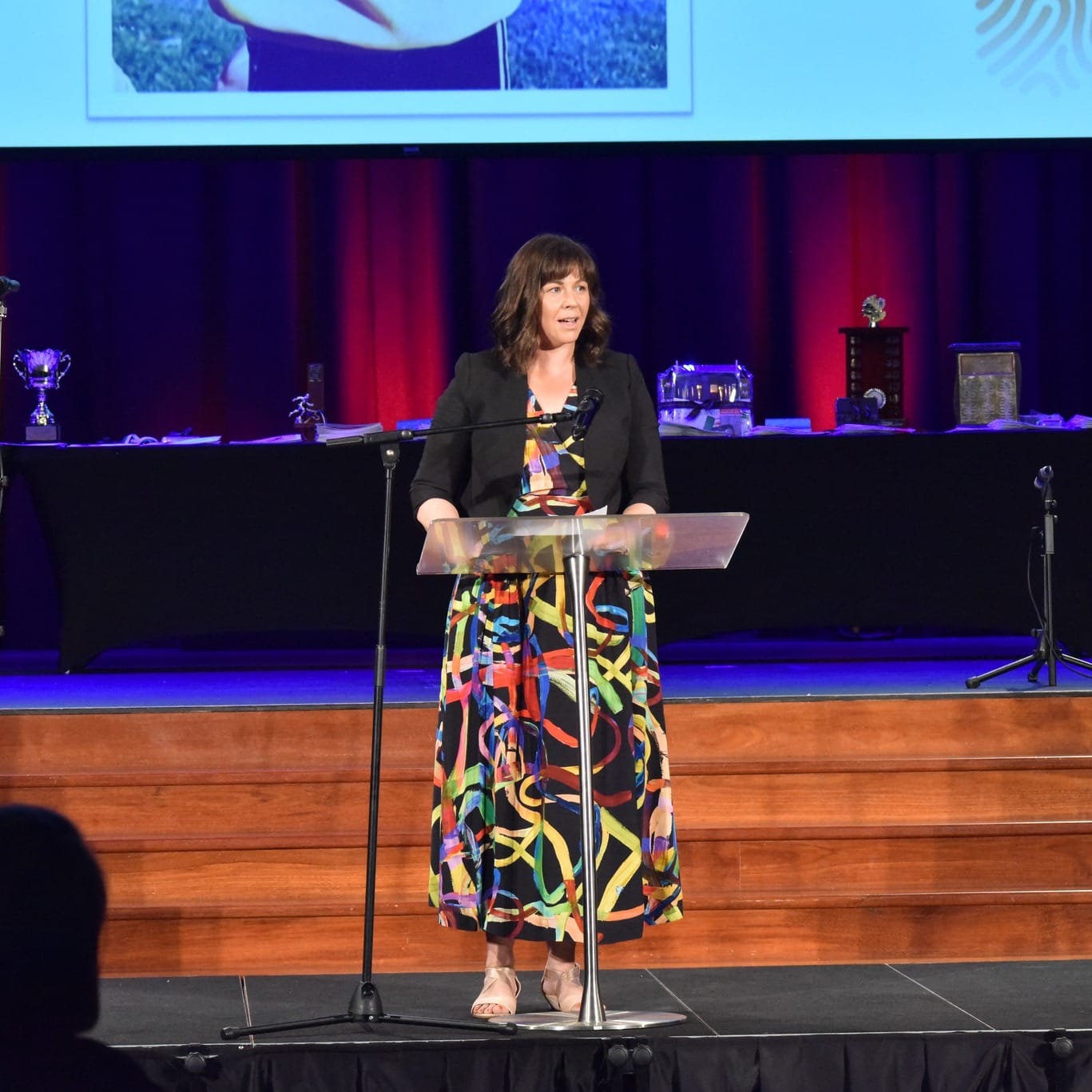
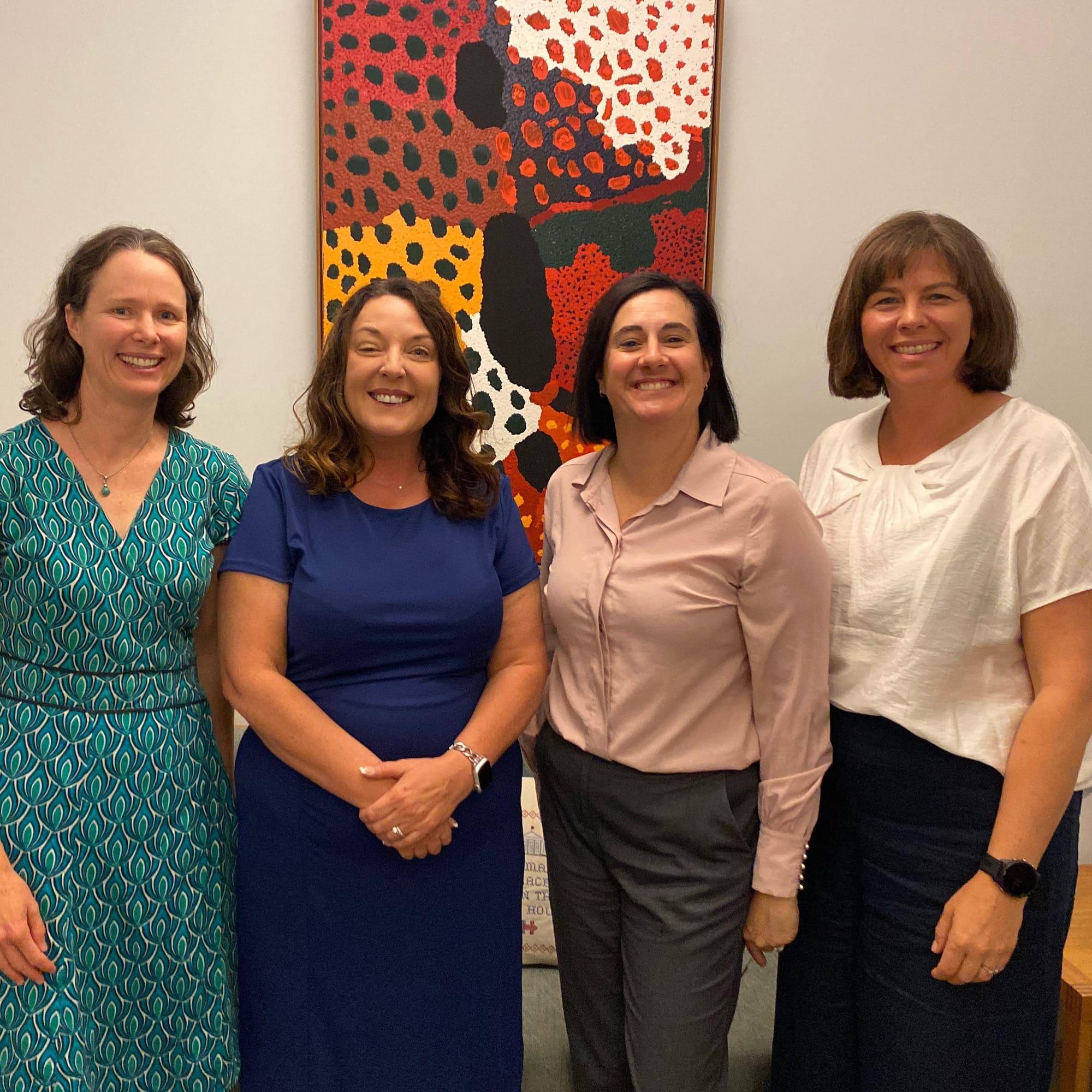
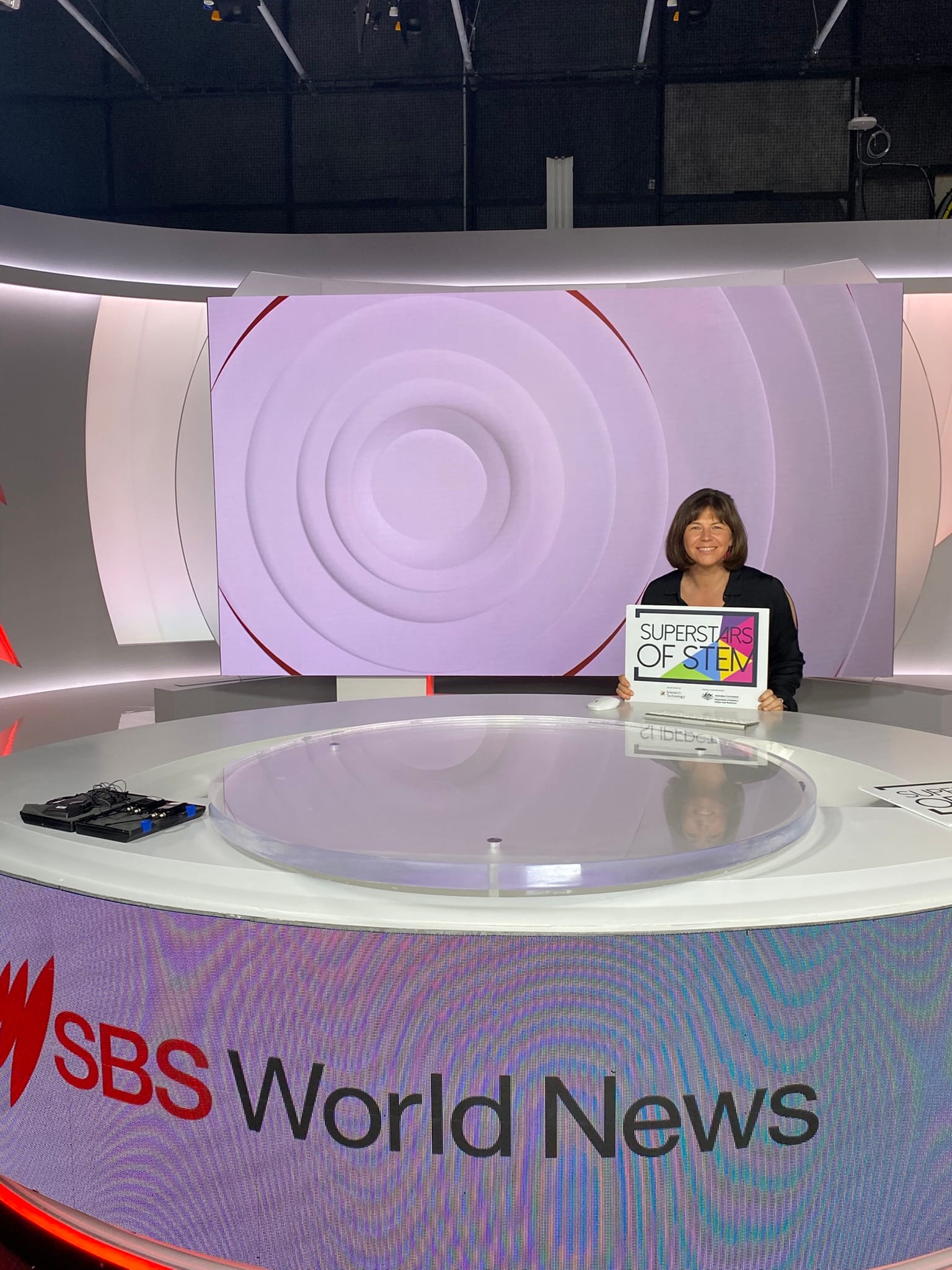
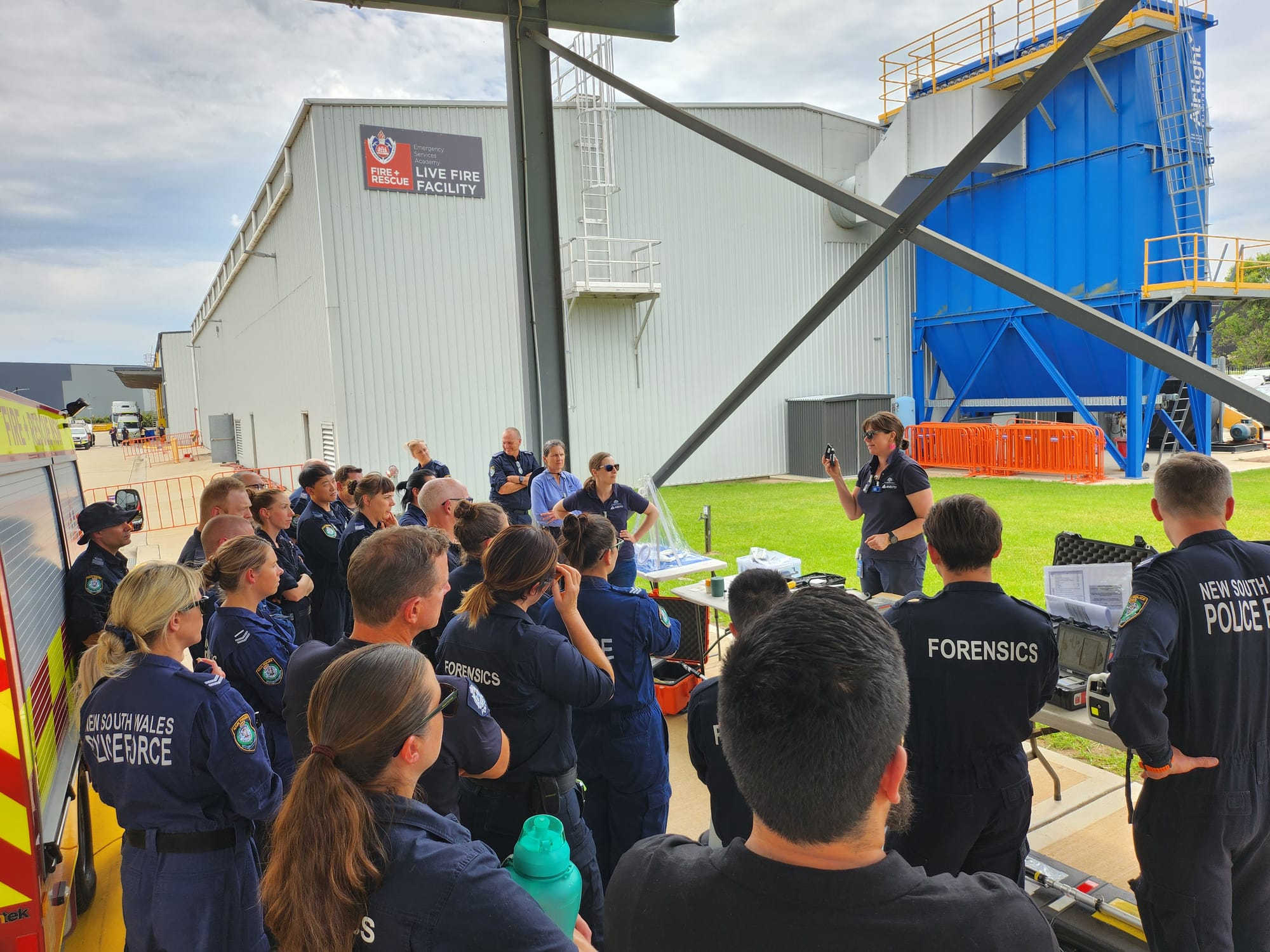
As a Superstar of STEM, Nikki gives talks, appears in the media and speaks to politicians (pictured above with Cunningham MP Alison Byrnes)
Australia’s only nuclear security incident occurred in 2023, when a young Sydney man started collecting periodic table elements in a cabinet in his bedroom. “There’s a few items on there that are very radioactive and quite hazardous, and you shouldn't be able to get your hands on them without a permit, but he did. It came in the post in a parcel pack.”
Nikki was the forensic coordinator assisting Border Force in that investigation, and in April last year, the 24-year-old man became the first person to be sentenced under the Nuclear Non-Proliferation (Safeguards) Act 1987 for importing and possessing nuclear material without the appropriate permits.
Nikki has since moved on to an emergency management role at ANSTO. “My job now is to analyse all the work that we do with radiation onsite, and the nuclear material, and make sure that we're being responsible, but also safe.”
She trains staff on how to manage and minimise radiation exposure, to protect people and the environment.
“I believe in nuclear science and technology. I believe in nuclear safety,” Nikki says. “We've got excellent nuclear engineers and physicists and specialists that are fantastic at what they do, and I think it's time to start opening the conversations up to expanding and maturing the industry.”
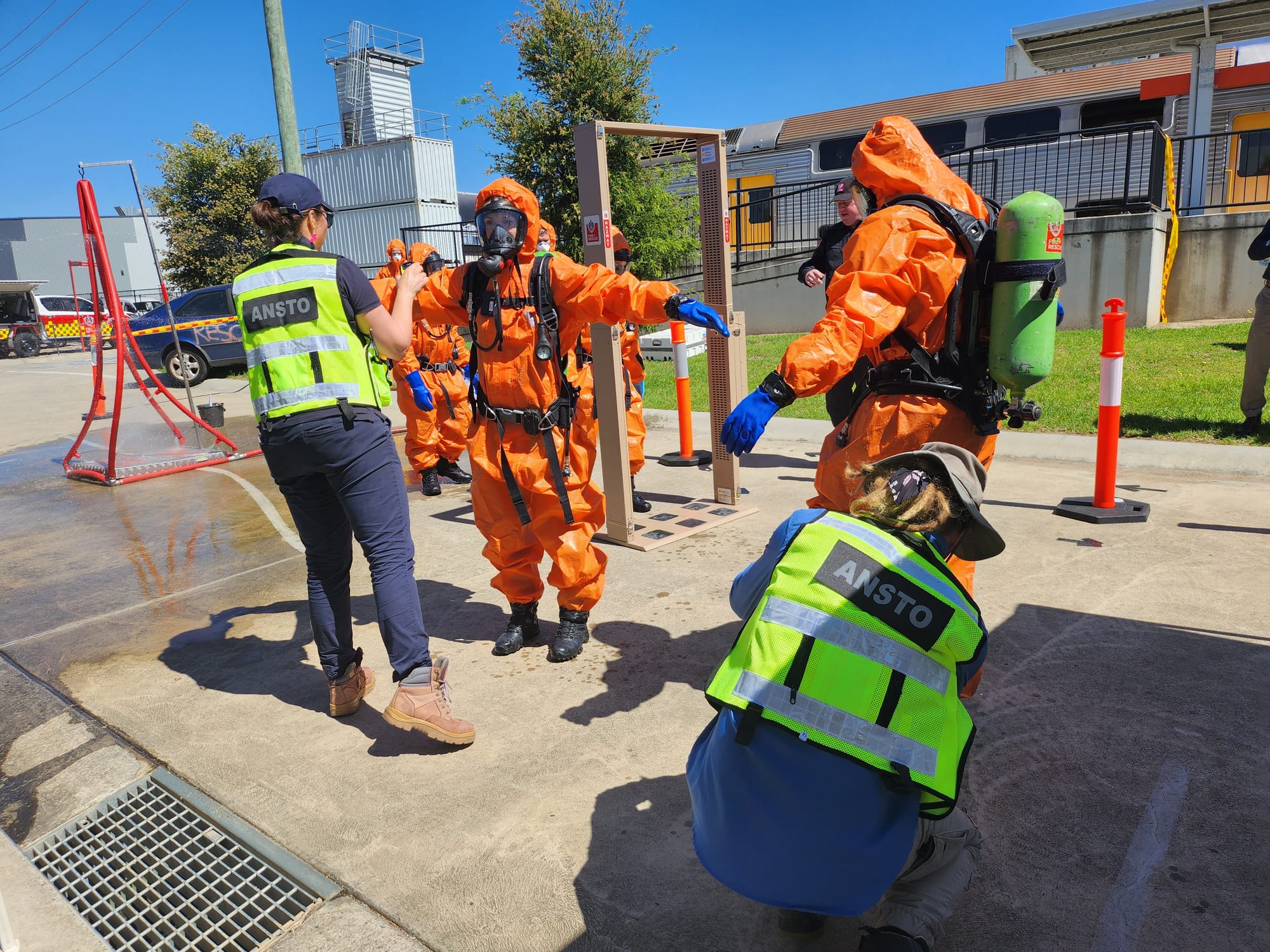
Nikki trains people to manage and minimise radiation exposure at ANSTO.
Nikki has two sons, one in primary and one in preschool, a “very supportive” partner and a cleaner once a fortnight.
“I work full-time, and I want to show that you can do it. You have to be passionate,” she says, drawing on “stick-to-itiveness”, a word coined by activist Erin Brockovich. “It's defined as that dogged perseverance, and that's what I tell people: you've got to find your stick-to-itiveness.
“It's not an easy path always, particularly not for women. But it is changing, and if you think about the rewards and the fulfilment and impact, that for me outweighs the challenge.”
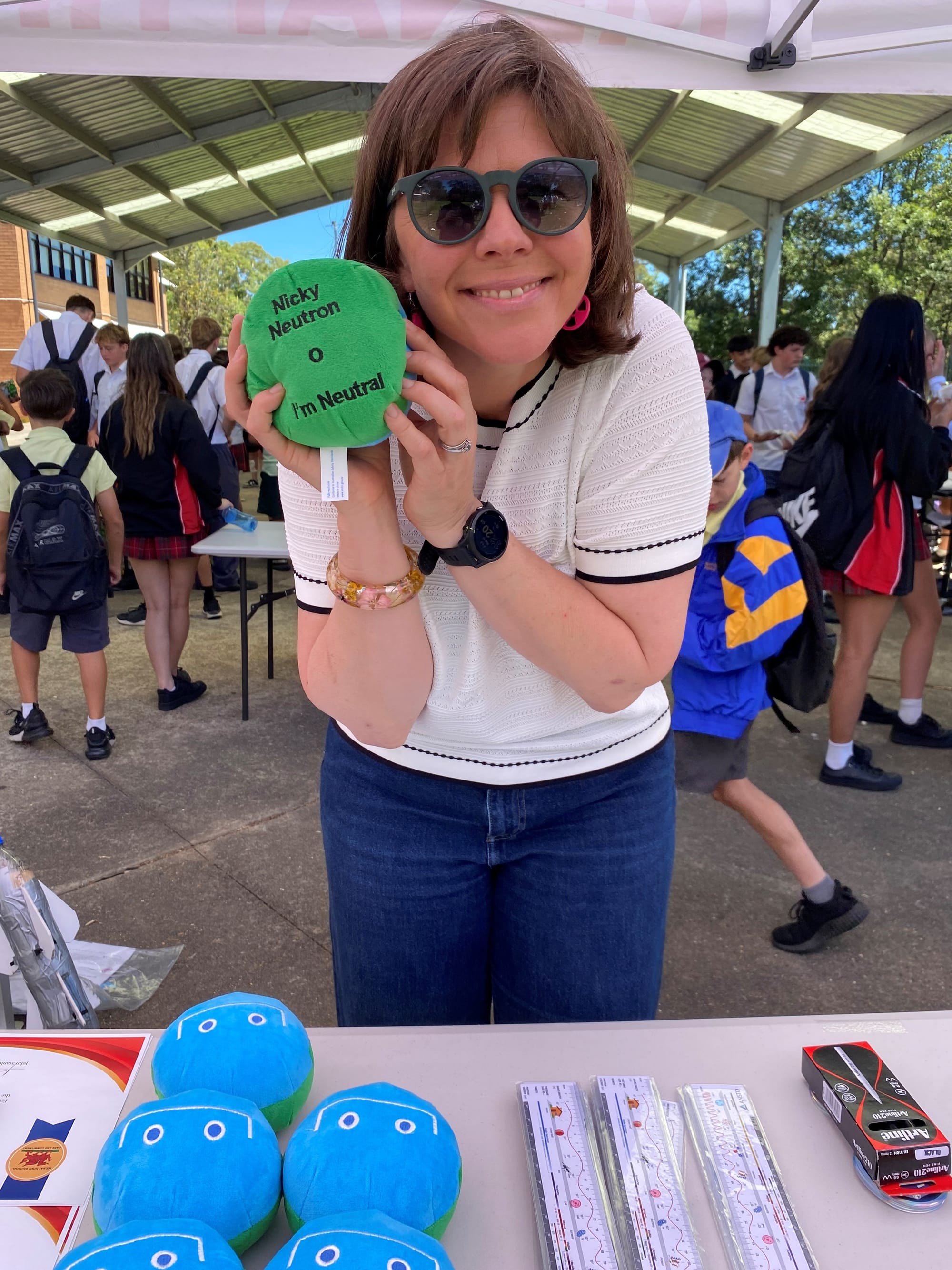
Inspired to learn more? Nikki is ready to visit any school to present a free workshop or talk about careers in STEM. “I can bring radiation detectors and give nice hands-on demos about radiation protection and applying it to nuclear science, which is really cool, and I can talk about nuclear security as well.”
For more information, or to arrange a school visit and learn about careers in science, please contact Nikki Keighran at keighran@ansto.gov.au. Alternatively, you can connect with the Superstars of STEM program through Science & Technology Australia to organise a STEM-focused school event and hear from inspiring women working across science, technology, engineering and mathematics. Follow Nikki on Instagram @Radiating Expertise or LinkedIn.


