

The common garden tree that is uncommonly toxic to dogs
We welcomed our newest family member, George, in late September and having been a dog-mum three times before, I was certain I had adequately puppy-proofed the house and garden. But we were about to find out just how wrong I was.

Puppies are a lot like toddlers, seemingly hell-bent on throwing themselves into dangerous situations and wanting to put everything in their mouth.
We welcomed our newest family member, George, in late September, and, having been a dog-mum three times before, I was certain I had adequately puppy-proofed the house and garden. We were about to find out just how wrong I was.
I knew to keep things such as chocolate and grapes out of reach, to not leave toys unsupervised and to keep him away from plants such as peace lilies and cycads (RSPCA has compiled this great list of common household dangers), but I was about to find out that one of our much-loved backyard trees was actually incredibly toxic to dogs and that most locals and very few vets know about it.
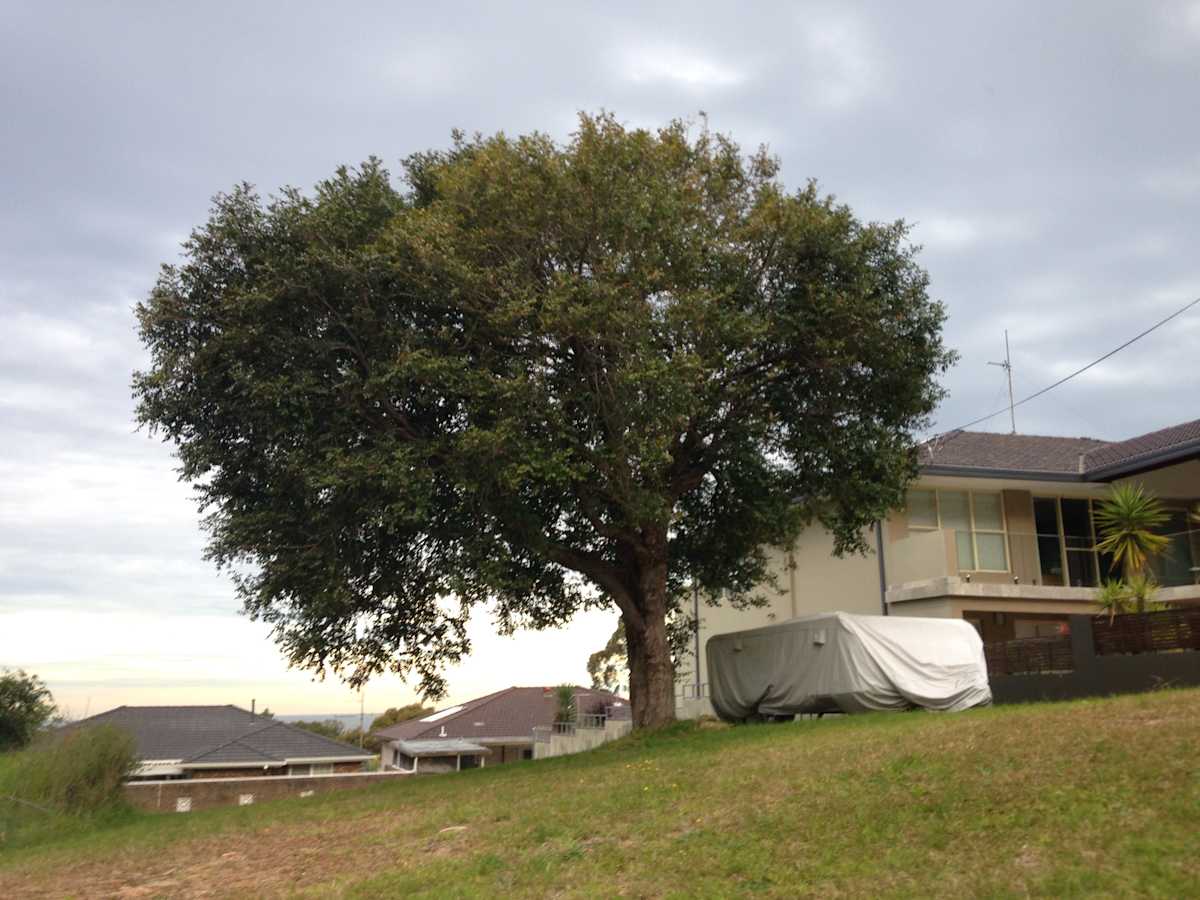
A tree to encourage wildlife
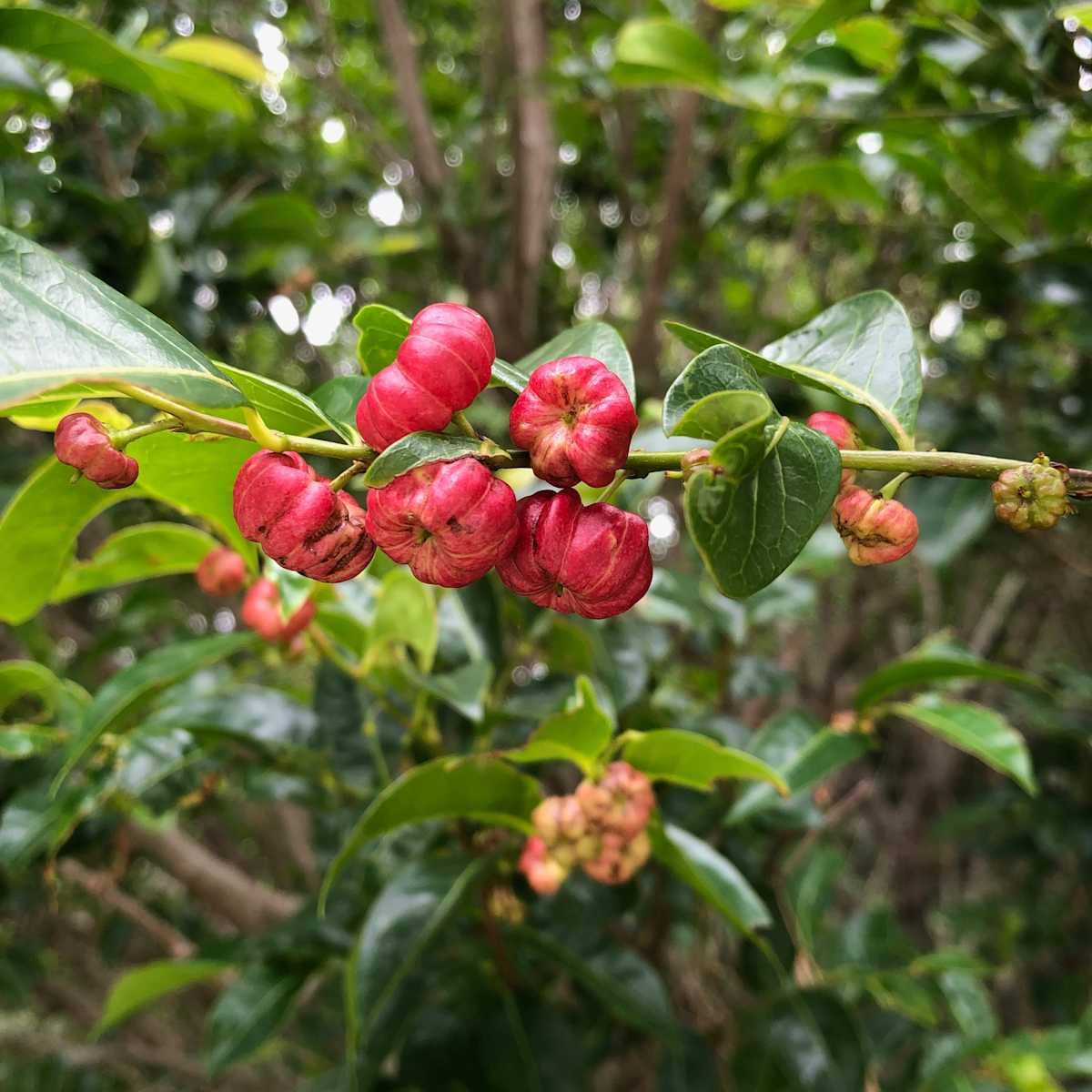
The cheese tree (Glochidion ferdinandi) is a gorgeous sprawling tree. We have three in our little backyard and they are an absolute hit with the wildlife. Right now, I have three tawny frogmouths perched up in the canopy, while possums love to nibble at the leaves, and king parrots, brown cuckoo doves and cockies are always nibbling at the small white and red fruits, which give the tree its common name. (If it was up to me, it would be called a teeny pumpkin tree as that more accurately describes the little fruit parcels.)
Illawarra Flame writer and Growing Illawarra Natives coordinator Emma Rooksby covered these widespread rainforest trees previously.
Gastroenteritis or something more sinister?
Our dogs spent their days playing in the yard, chewing on sticks that had fallen from the tree, scooping up the occasional fruit and digging at its roots. The behaviours were corrected and redirected and not really thought about again until our older dog started vomiting uncontrollably, urinating excessively – including indoors, something she never does – and she spent a day in hospital. It was treated as a severe case of gastroenteritis, and after several days, she fully recovered.
When George started exhibiting the same symptoms two weeks later, I searched online to see if the cheese tree was known to be toxic to dogs. I found only two references, the first a comment on a post about common plant toxins and a paper about liver failure in two dogs after ingesting the roots of the cheese tree. We raced to the vets.
A very dangerous, little-known toxin
Pooja Mehta, operations manager at the Australian Animal Poisons Centre, said that until recently, there were very few reported cases of ingestion in dogs, and its toxicity was not well recognised as a result.
“However, there have now been two reported cases in the Australian literature of dogs developing acute liver injury following ingestion of cheese tree material,” added Pooja, also the centre's clinical toxicology pharmacist.
“The Animal Poisons Centre has also managed a similar case earlier in 2025, when a dog developed liver injury following ingestion.”
Blood tests confirmed that George had suffered an acute liver injury, and he was first admitted locally and then transferred to Sydney as he developed functional liver failure. There is no antidote to the toxin, and treatment is supportive, the hope being that the liver is not too damaged to be able to heal itself.
Overall, he spent six nights in hospital receiving vitamin K, liver supplements, anti-nausea and IV support while the possibility of plasma transfusions was discussed. All we could do was wait to see if his liver would recover.
Happily, George was discharged on Boxing Day, but the healing process has been a long road. His liver results are just now normalising, and needless to say this has been a harrowing and a very expensive process.
As to how he ingested the toxin, we really can’t pinpoint it considering he had pretty much tried every part of the tree that was scattered around the yard.
“From the reported cases, it appears that toxicity has mainly been documented from ingestion of the roots,” Pooja said. “Unfortunately, there is not enough case data to confirm the toxicity of the rest of the plant but the risk cannot be excluded at this time.”
George was lucky. With prompt veterinary care and specialist treatment, his liver has continued to recover. Until more is known about the cheese tree’s toxicity, the best bet is to be very cautious, fencing off the tree if needed, particularly with puppies, who explore the world with their mouths.
Symptoms to watch for
Early signs of poisoning (of any type) can include lethargy, vomiting, diarrhoea, drooling, wobbliness, panting and changes in appetite and behaviour.
If poisoning is suspected, seek urgent assessment by a vet or contact the Animal Poisons Hotline (a fee is charged) 24/7 on 1300 869 738.


