Subscribe to Our Newsletter

Success! Now Check Your Email

To complete Subscribe, click the confirmation link in your inbox. If it doesn’t arrive within 3 minutes, check your spam folder.

Ok, Thanks

Sign up to win bird habitat plants

Creating more habitat for birds is something every one of us can do
Emma Rooksby  profile image
by Emma Rooksby
Using local native plants in gardening and landscaping provides additional habitat for native birds and other fauna. Gang-gang Cockatoos come regularly to this urban fringe habitat garden, wh
Using local native plants in gardening and landscaping provides additional habitat for native birds and other fauna. Image by Keith Horton.

We can all feel the weather warming at the moment and can see many plants coming into flower early. Birds are out and about looking for nests or even producing young.

At the same time we're hearing about bird flu arriving in Australia and wondering what it means for our avian neighbours. It can seem a bit overwhelming.

That's why Growing Illawarra Natives and The Illawarra Flame are teaming up to boost backyard bird habitat. Growing Illawarra Natives are giving away four native habitat plant packs. To have a chance to win, simply sign up as a Friend of the Flame (free or $5 a month) before Monday, September 13.

If you're already a subscriber, don't worry, your name is already in the draw!

Why a plant giveaway? It's a scary time now with bird flu on our doorstep and much uncertainty about its impacts locally. And while our options to manage the impacts of bird flu directly are limited, we can help reduce other pressures on bird populations.

Creating more habitat for birds is something that every one of us can do. Whether it's adding more local native plants to your garden, adding a few plants to a common area in a multi-dwelling development, growing them on the balcony or yard of your rental, or asking your school, childcare or shopping centre to add local plants, restoring habitat for fauna is one of the most important actions we can take.

These actions are their own reward as I can attest after 15 years of habitat gardening.
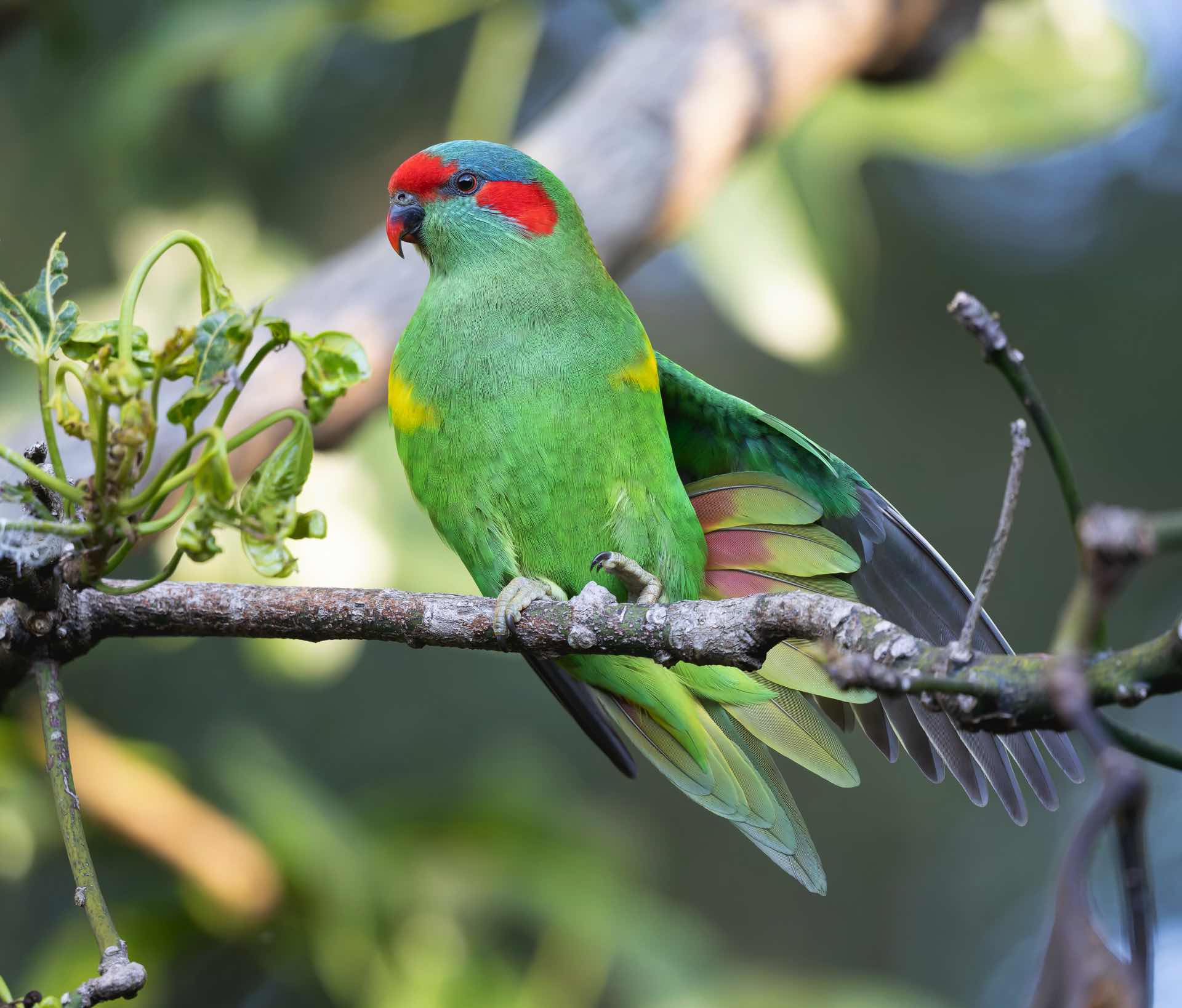
Bigger plants and trees can attract bigger birds. This Musk Lorikeet is hanging out in an Illawarra Flame Tree (Brachychiton acerifolius) in an urban garden. Image by Keith Horton.
A musk lorikeet hangs out in an Illawarra Flame Tree (Brachychiton acerifolius) in an urban garden. Image by Keith Horton

Each plant pack will include prickly orange thorn shrubs (Pittosporum multiflorum), which make great habitat for smaller birds such as wrens and thornbills. These small birds need places to hide from larger and more aggressive birds such as the noisy miners that dominate many urban spaces, so providing some dense and prickly shrubbery fits the bill.
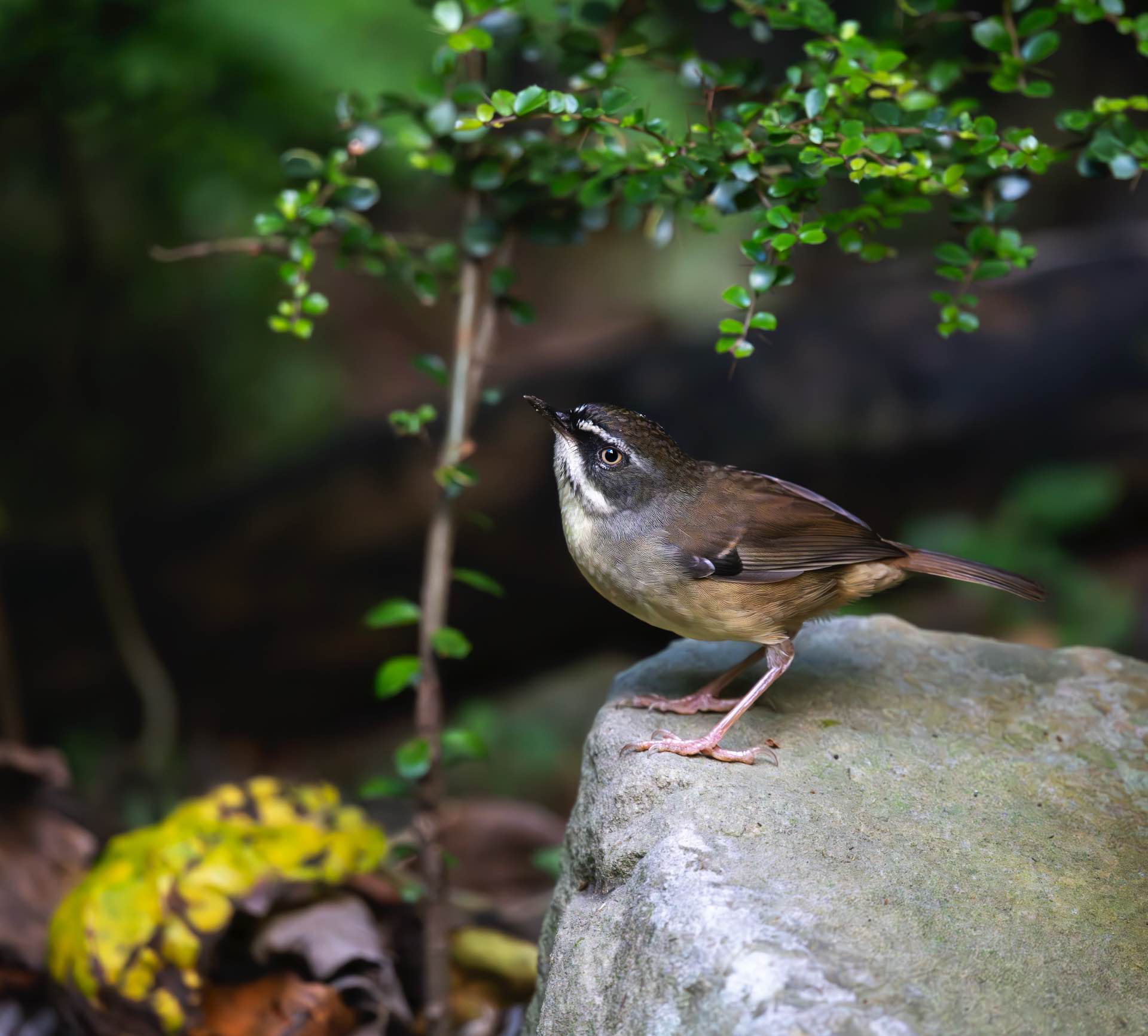
Orange Thorn providing shelter and decorative background for a White-browed Scrubwren. This was the first species of small brown bird that found its way into our regenerated urban garden. Image by Keith Horton.
Orange thorn providing shelter and decorative background for a white-browed scrubwren. Image by Keith Horton

Even a verge can be a good place to add habitat, though you may need to engage with your council first and work to guidelines they have in place. I talked with Ralph Stadus from the Illawarra Birders who told me about his street tree experience in Minnamurra.

Ralph has had a (non-local) paperbark (Melaleuca) tree on his verge for many years and said it was easy enough to balance habitat value with the overhead powerlines.

"Some careful pruning in early years to shape the tree into a flat fan shape and retaining all the lower branches has made it nice and dense,'' Ralph says.

''As a result, a number of small birds love it both for its flowers and to pick insects off it. Regular visitors are our family of superb fairy-wrens, New Holland honeyeaters and occasional yellow thornbills."
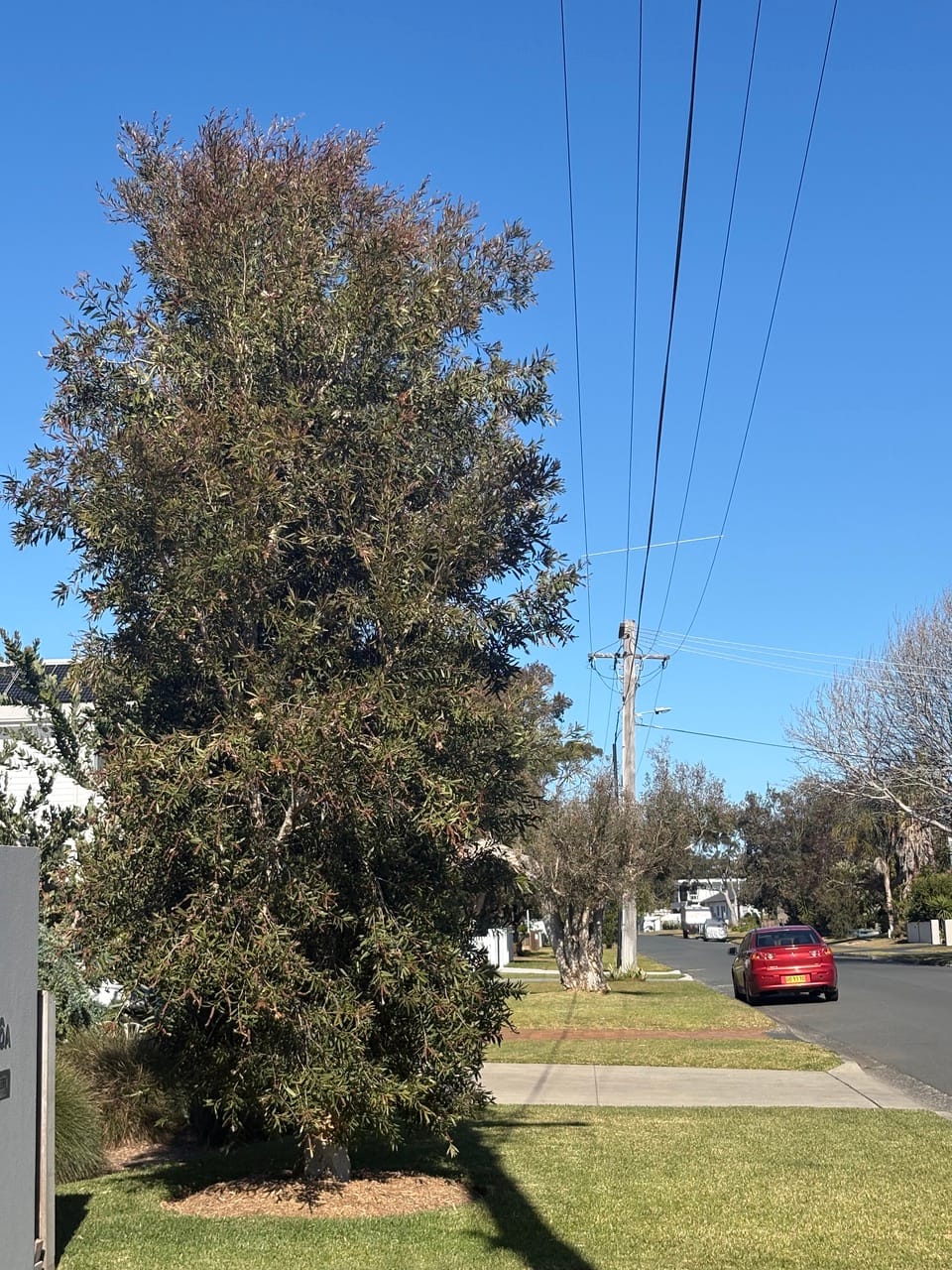
A carefully maintained Paperbark tree avoids clashing with overhead powerlines. Image by Ralph Stadus.
A carefully maintained Paperbark street tree avoids clashing with overhead powerlines. This works well on wide verges. Image by Ralph Stadus.

In case you need further incentive, the beautiful photographs below provided by Ewan Auld and Keith Horton show some of the birds that will benefit if we all grow more local native plants across the Illawarra.


To enter the competition, sign up to be a Friend of the Flame here.
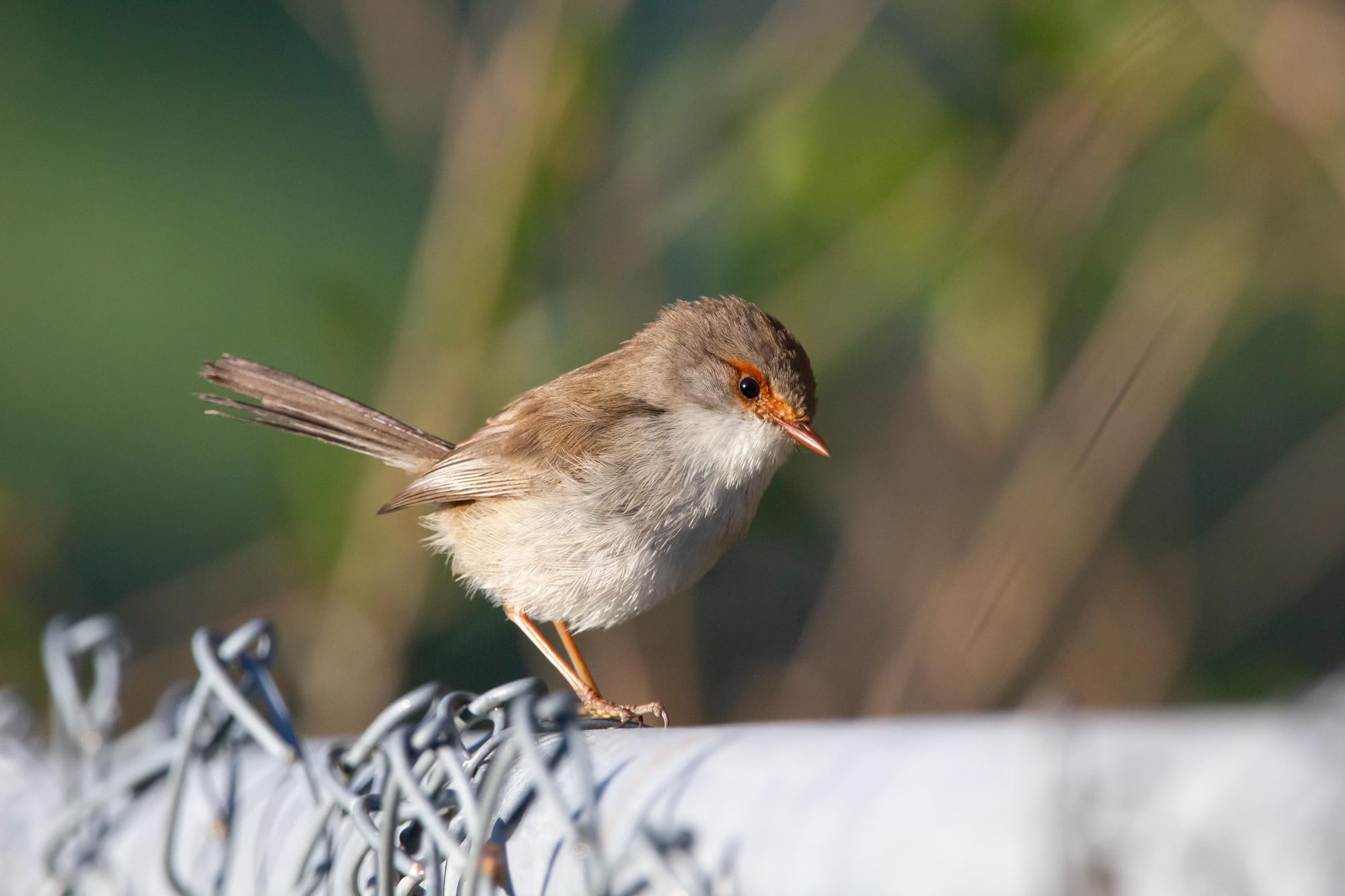
Superb fairywren female. Image by Ewan Auld.A female Superb Fairy-wren. This species is often seen in urban areas, including grassy lawns, but needs dense cover to thrive. It particularly likes overgrown gardens. Image by Ewan Auld.
A female superb fairy-wren. This species is often seen in urban areas, including grassy lawns, but needs dense cover to thrive. It particularly likes overgrown gardens. Image by Ewan Auld
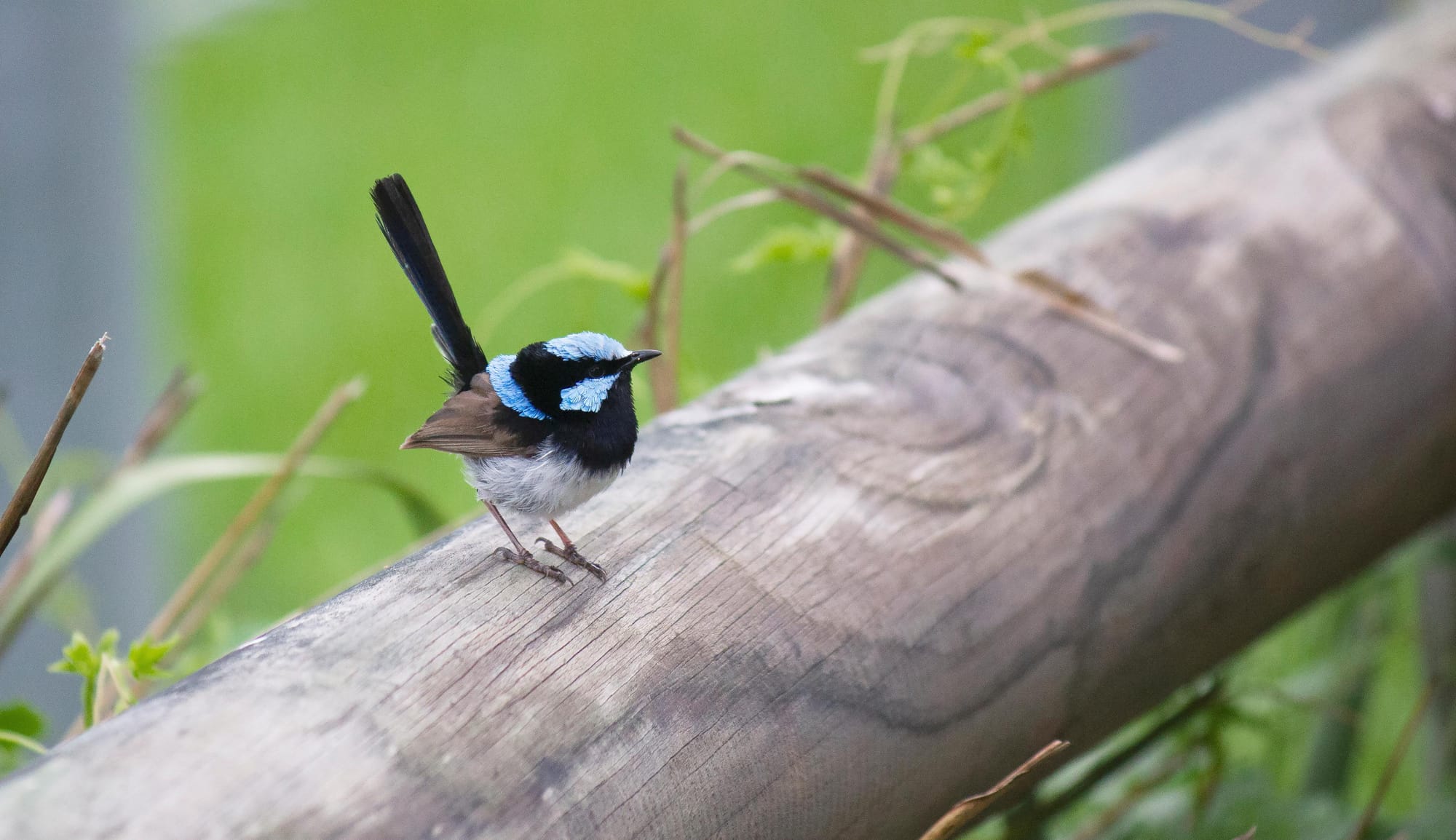
A male Superb Fairy-wren. Image by Ewan Auld.
A male superb fairy-wren. Image by Ewan Auld
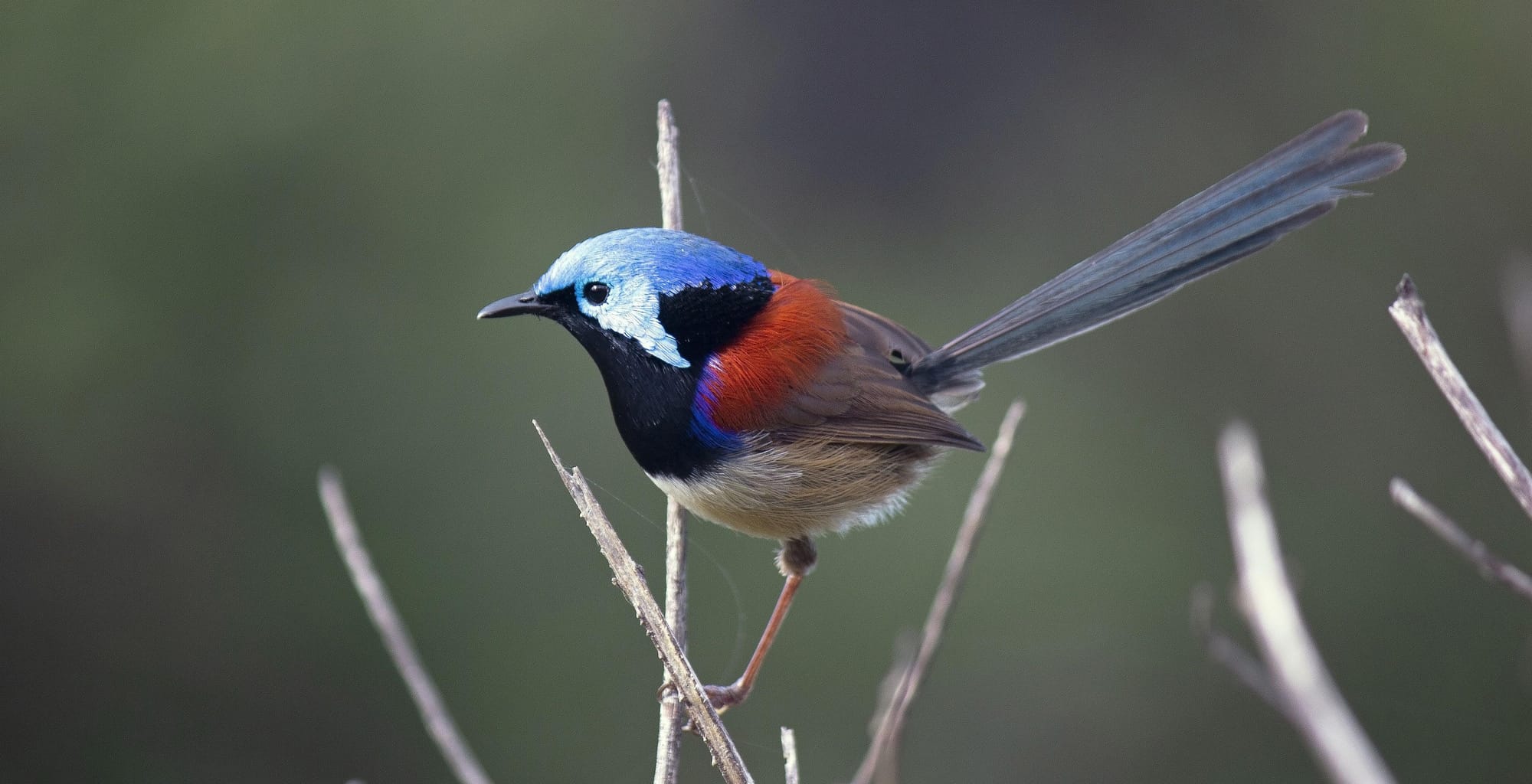
A male Variegated Fairy-wren. Variegated Fairy-wrens are present in Illawarra, but stick to denser forested areas than the Superb Fairy-wren, so are rarely seen in urban gardens. You may be able to attract them to a bushy garden adjacent to a nature reserve or riparian corridor. Image by Ewan Auld.
A male variegated rairy-wren. Variegated Fairy-wrens are present in Illawarra, but stick to denser forested areas than the Superb Fairy-wren so are rarely seen in urban gardens. Image by Ewan Auld
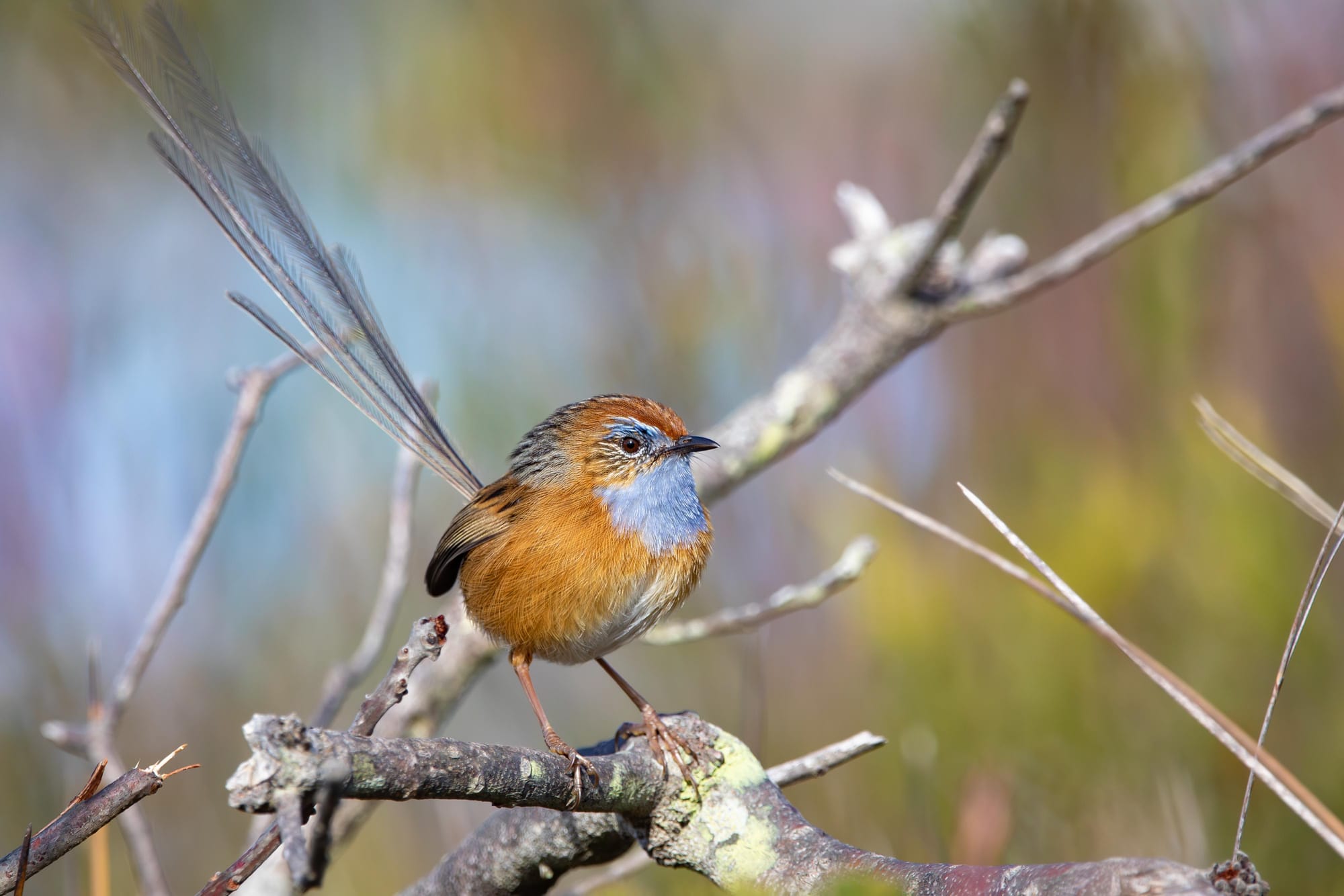
If you happen to live up on sandstone country around Helensburgh or Darkes Forest, then you may be able to help out the Southern Emu wren, which is a sandstone specialist that lives mostly on small insects. Image by Ewan Auld.
If you happen to live up on sandstone country around Helensburgh or Darkes Forest, you may be able to help out the southern emu wren, a sandstone specialist that lives mostly on small insects. Image by Ewan Auld
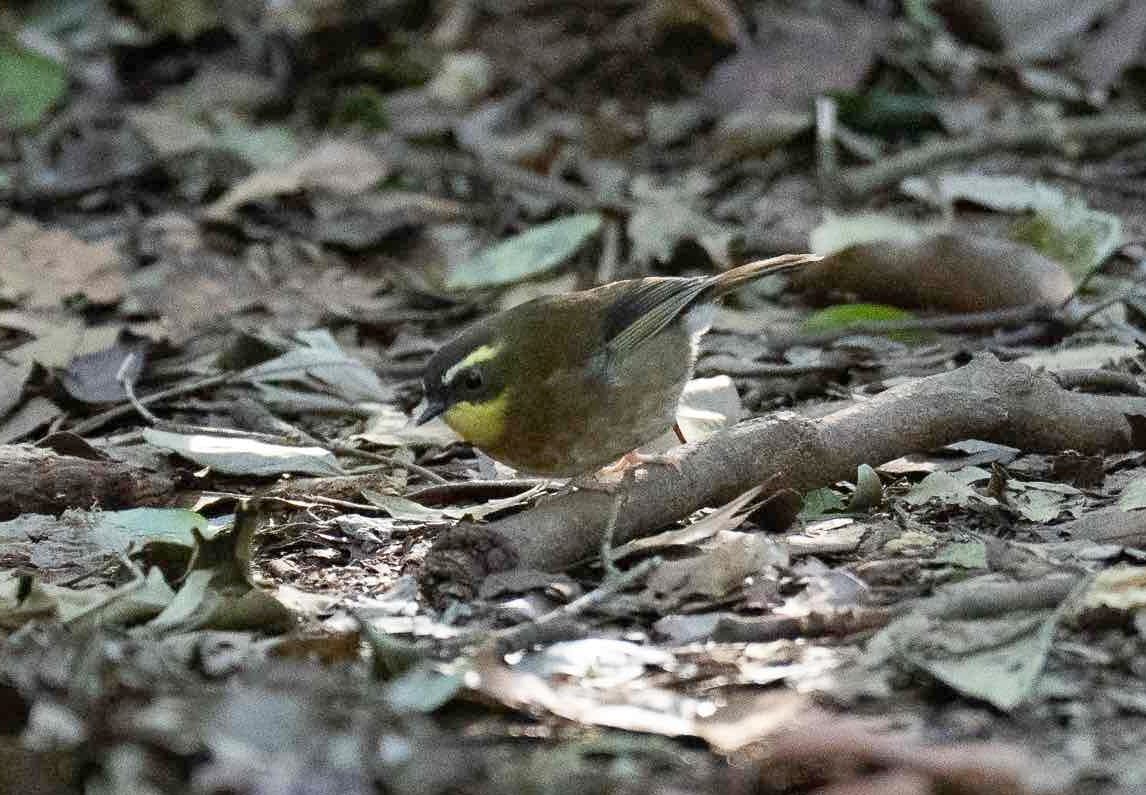
A Yellow-throated Scrubwren forages for invertebrates among leaf litter. Image by Keith Horton.
A yellow-throated scrubwren forages for invertebrates among leaf litter. Image by Keith Horton
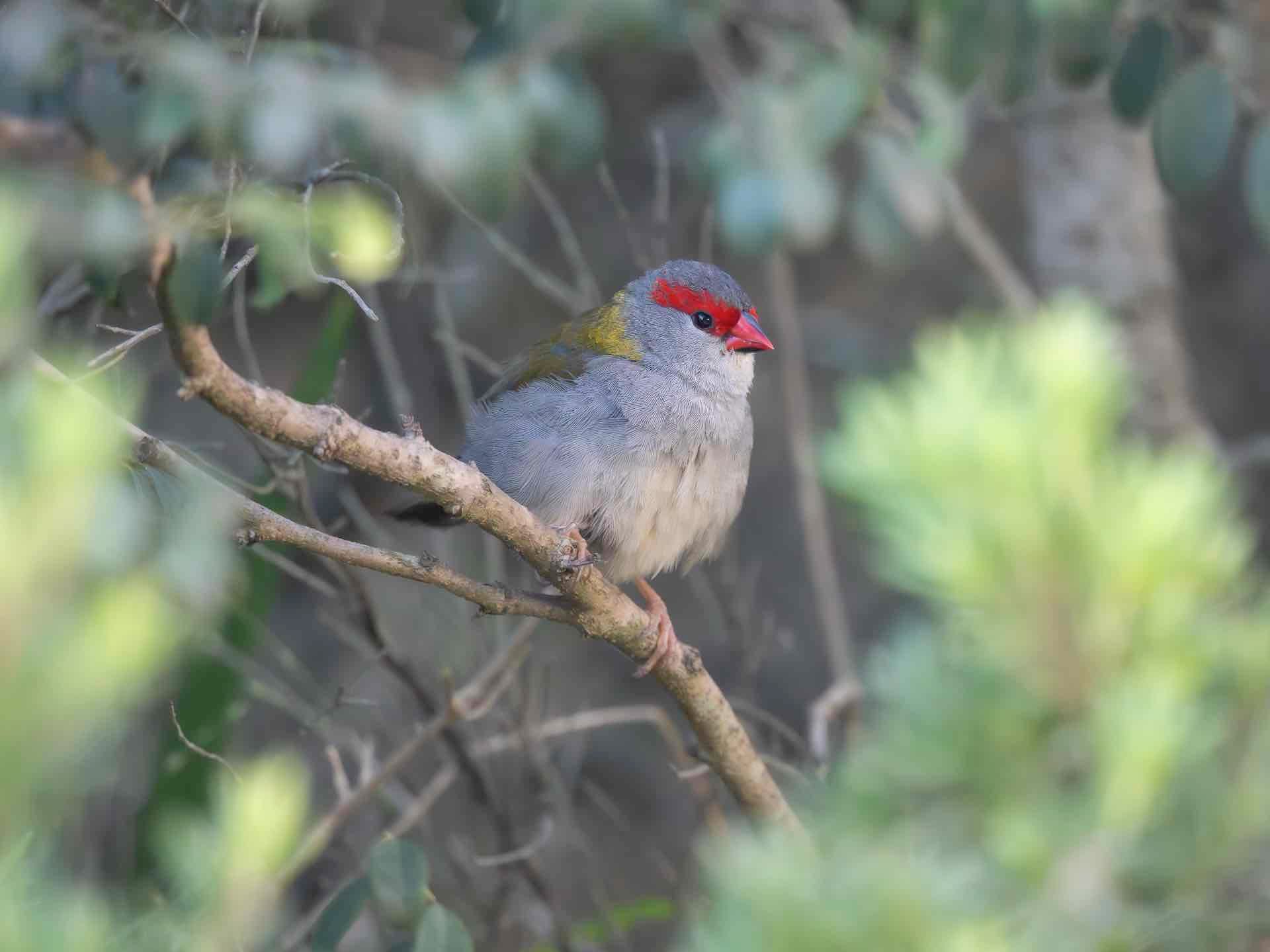
A Red-browed Finch pauses on a Coffee Bush (Breynia oblongifolia) in a suburban garden. Image by Keith Horton.
A red-browed finch pauses on a coffee bush (Breynia oblongifolia) in a suburban garden. Image by Keith Horton
Emma Rooksby  profile image
by Emma Rooksby

Subscribe to our Weekend newsletter

Don't miss what made news this week + what's on across the Illawarra

Success! Now Check Your Email

To complete Subscribe, click the confirmation link in your inbox. If it doesn’t arrive within 3 minutes, check your spam folder.

Ok, Thanks

Read More