
Zoo penguins await vaccines as second tern tests positive for bird flu
With Wollongong's second case of H5 bird flu confirmed, Symbio Wildlife Park has welcomed approval of a vaccine for priority captive native bird species

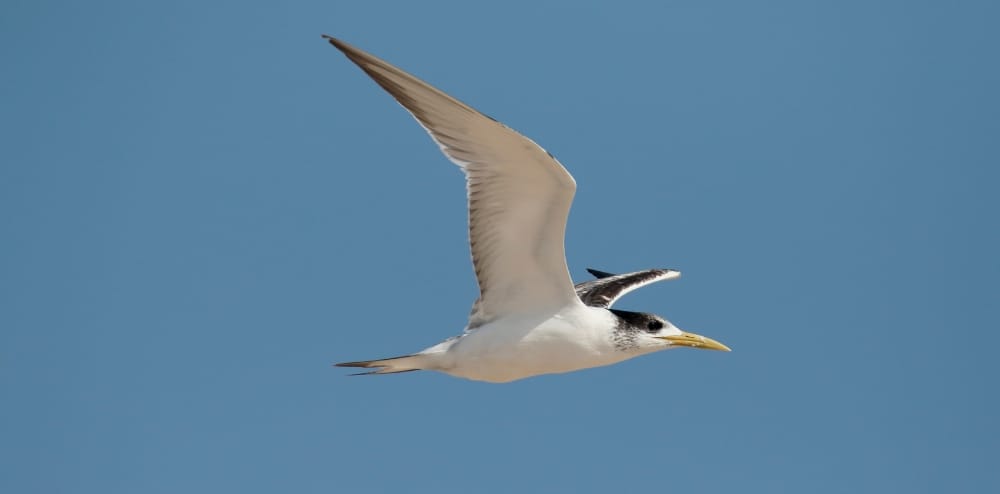
Wollongong has today recorded its second case of H5 avian influenza, with another greater crested tern testing positive.
The bird was found on the jetty near the Port Kembla Southern Breakwater, a popular fishing spot and small boat harbour. The first tern with bird flu was found last week near Windang boat ramp.
Greater crested terns nest in the Five Islands off Wollongong, where the risk of bird flu spreading is greatest in spring. Many kinds of seabirds, including about 50,000 silver gulls, fly in from around the country to breed on Big Island.
More cases are expected.
Vaccination of our wild birds is impractical, said UOW's Dr Bethany Hoye, who has led long-term research on silver gulls at the Five Islands. “The numbers are huge, and they're probably not going to form an orderly queue in the old David Jones building for vaccination.”
However, the NSW Government has now begun rolling out targeted vaccinations for vulnerable bird species.
“A combination of insurance populations in captivity and wild populations of birds will be vaccinated," a spokesperson for the Department of Primary Industry and Regional Development (DPIRD) said.
Last week the Taronga Conservation Society Australia vaccinated the first birds, with Little Penguins, Carnaby’s Black Cockatoos and Red-tailed Black Cockatoos among the first species to receive part one of a two-dose course.
No vaccines yet for Symbio
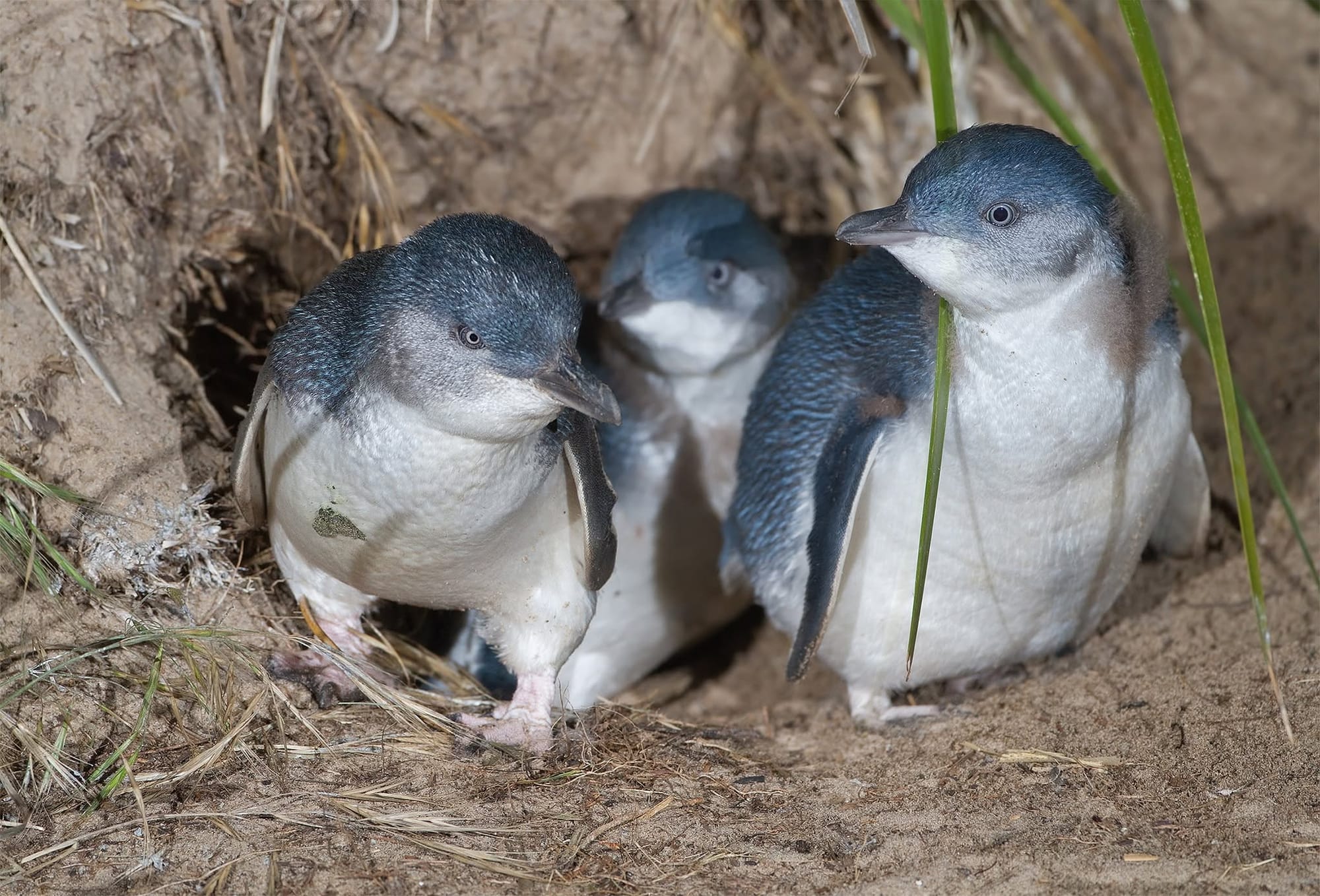
Vaccination has not yet begun at Helensburgh’s Symbio Wildlife Park. The zoo is home to a variety of native birds, including much-loved little penguins at the Penguin Shores exhibit, purpose-built at a cost of about $400,000 in 2023, with landscaped beaches, a cascading pool and windows into their underwater world.
“We welcome the Australian Government’s recent approval of an H5 Avian Influenza vaccine for priority captive native bird species,” Symbio’s Brodie Meney said in a statement yesterday.
“Vaccination has the potential to provide an additional layer of protection alongside the precautionary biosecurity measures already in place.
“While we welcome the approval of the vaccine, Symbio has not been allocated any vaccine doses at this time.
“We will continue to work with relevant government and veterinary authorities regarding vaccine availability and eligibility, while maintaining strong biosecurity measures to protect the animals in our care.
“There are a number of factors to consider when implementing any vaccination program, including species, individual animal circumstances and the requirements of the Australian Pesticides and Veterinary Medicines Authority (APVMA) permit. At this stage, the approved vaccine is for eligible bird species only and is not available for other animals.”
About as tall as a school ruler, standing at 30-40cm, the Little Penguin (Eudyptula minor) is also known as the fairy penguin. They are the world’s smallest of 17 species, weigh about 1kg and live for around seven years. While their conservation status is labelled 'of least concern', in NSW, some populations are endangered.
Doses given 3 to 4 weeks apart
The DPIRD spokesperson said: “The NSW Government is continuing to work with wildlife organisations and other relevant partners to assess potential vaccination sites and ensure appropriate infrastructure, safety measures, veterinary oversight and other requirements are in place before vaccination commences.
“The vaccine requires two doses, administered three-to-four weeks apart.
"Birds in trials must remain in a controlled environment while completing their primary vaccination course and for 14 days following the second dose so they can be closely monitored for any adverse effects.”
'Awful and upsetting' – Lord Mayor
After today’s announcement that a second greater crested tern had tested positive, Lord Mayor of Wollongong Councillor Tania Brown said:
“We know this is an evolving situation and we’re well aware that there are likely to be more cases of bird flu in our city over the coming months. It’s awful and upsetting.
“However, we’re doing what we can to manage the risk in our city. We’ve placed signage to indicate that an unwell bird was found in this location, and the advice remains the same: if you see sick or dead birds or other animals, do not touch them.
“Avoid contact.
“Record what you see.
“Report sick or dead birds or other animals to the Emergency Animal Disease Hotline on 1800 675 888.”
Stay up to date via the NSW Government’s dedicated webpage or Council's webpage for local information.


