

New book examines 'social glue' to fix Australia's $5bn a year weed problem
By UOW's Associate Professor Sonia Graham, co-director of the Australian Centre for Culture, Environment, Society and Space

For 20 years, I’ve been fascinated by weeds.
Weeds have taught me about the extraordinary power of people working together to solve environmental challenges that are simply too big for any one person to tackle alone.
During my PhD research, while studying how farmers were managing weeds on their properties, I quickly realised that no matter how tirelessly someone worked to clear invasive plants from their paddocks, it was a losing battle if neighbouring properties did not do the same. Wind and water do not recognise fence lines and carry seeds across boundaries.
This insight that weeds are often treated as an individual responsibility when they are a collective problem shaped the next 20 years of my research. Time and again, I found that environmental projects fail when approached in isolation. I found myself asking, “If environmental challenges require collective action, what motivates people to work together?”
The answer is the social glue that binds people together. It is about connection, community, and a common goal.
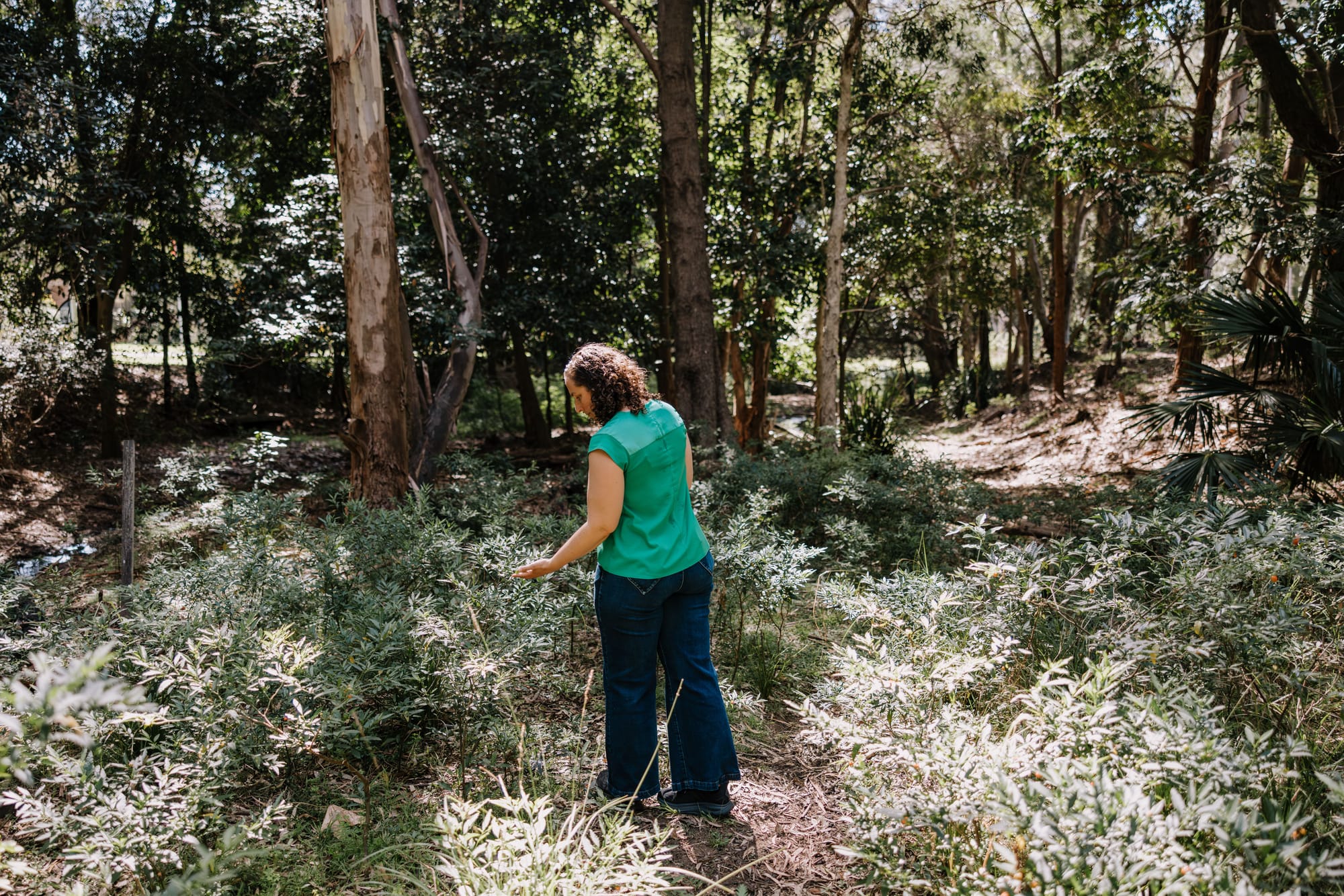
Most recently, I worked closely with seven Landcare groups across south-east New South Wales to study how they come together to control weeds – privet, lantana, willow, tobacco bush, among many others – and rehabilitate diverse landscapes.
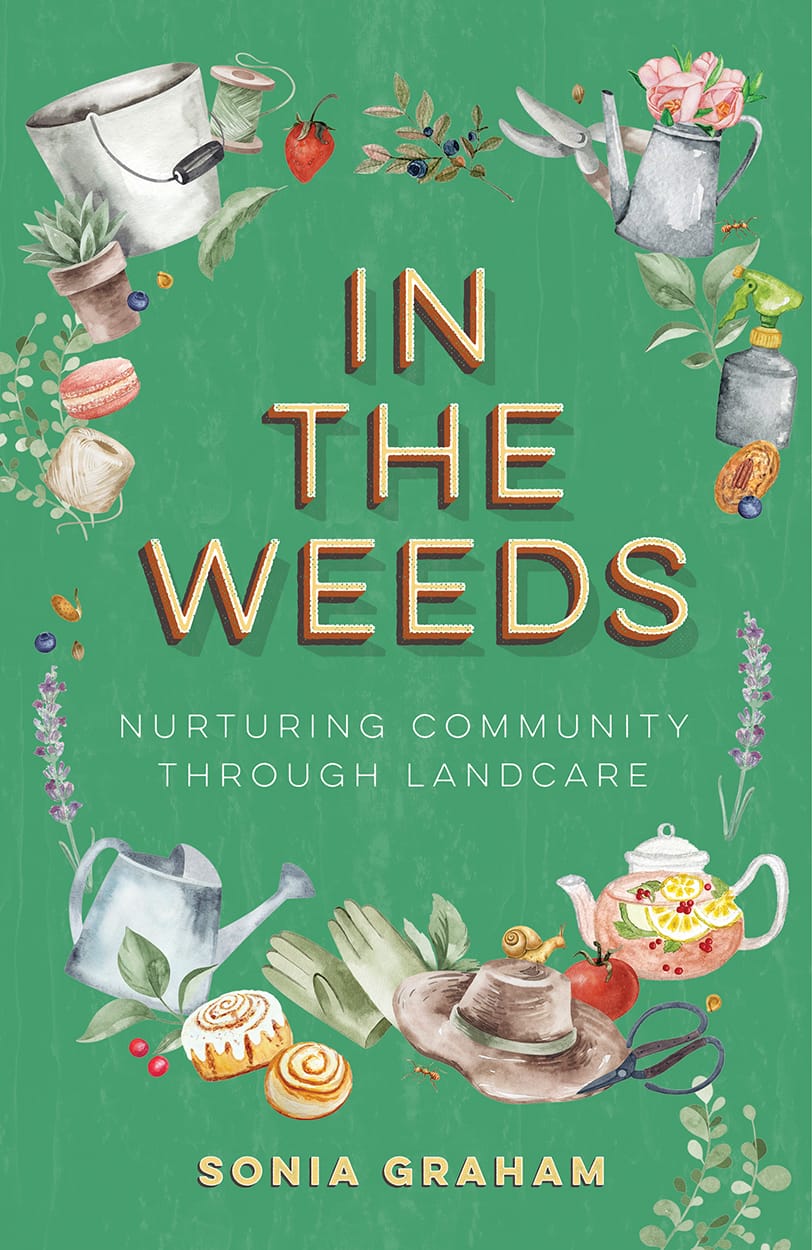
The culmination of this social research is my book, In the Weeds: Nurturing Community through Landcare.
These Landcare groups create a unique environment that encourages neighbours to help one another with weeds and other land management issues. Their success had very little to do with any single environmental project and everything to do with the relationships they built along the way.
The most successful groups shared several characteristics. They developed clear, shared goals. They focused on realistic projects. They welcomed new members and valued contributions of all kinds. Leadership responsibilities were shared rather than concentrated among a few people. They worked through disagreements constructively and sought support from councils, government agencies and community organisations when needed.
This matters because weeds impose a massive financial strain on Australian agriculture and the broader economy, costing the country about $5 billion dollars each year through control measures and agricultural losses. More than 400 major environmental weed species threaten biodiversity and native ecosystems, competing with native plants for resources and making it harder for landscapes to recover naturally.
But many government policies and programs treat weeds as an individual problem. Legislation enables governments to inspect and fine property owners for not doing enough to control weeds on their properties. This approach not only is individualistic but actively discourages property owners from cooperating and creates a culture of fear and distrust. My research consistently shows that appreciable reductions in weed populations and their impacts is far more achievable when people work together across property boundaries rather than in isolation.
This can be seen in the story of Tathra Landcare, who has effectively eradicated bitou bush – one of Australia's most damaging environmental weeds – from the area around the town over 30 years.
A decade was spent simply bringing the number of bitou bush plants down to a manageable level, pulling weeds, applying herbicide and scaling cliffs to find and spray the plants. Then a further 20 years have been spent meticulously surveying the areas in and around the town – each month, the group scours the dunes and hillsides for bitou bush, pulling out any they find along the way.
In my book, In the Weeds: Nurturing Community through Landcare, I take readers into this and more stories of Brogers Creek, Upper Kangaroo Valley, Tapitallee Budgong, Candelo, Towamba and Deua Rivercare. I explore how these groups have adapted over time, navigated setbacks and continued to evolve while staying true to their purpose.
I'm particularly pleased that environmentalist and Landcare Australia Chair, Peter Garrett AM, wrote the foreword and will launch the book this weekend, reinforcing the continuing relevance of community-led environmental action 40 years after Landcare began.
In the Weeds is for anyone working on environmental issues that rely on collaboration — whether you're starting a Landcare group, looking to reinvigorate an existing one, or wanting to showcase what your group has achieved.

In the Weeds: Nurturing Community with Landcare is available from CSIRO Publishing.
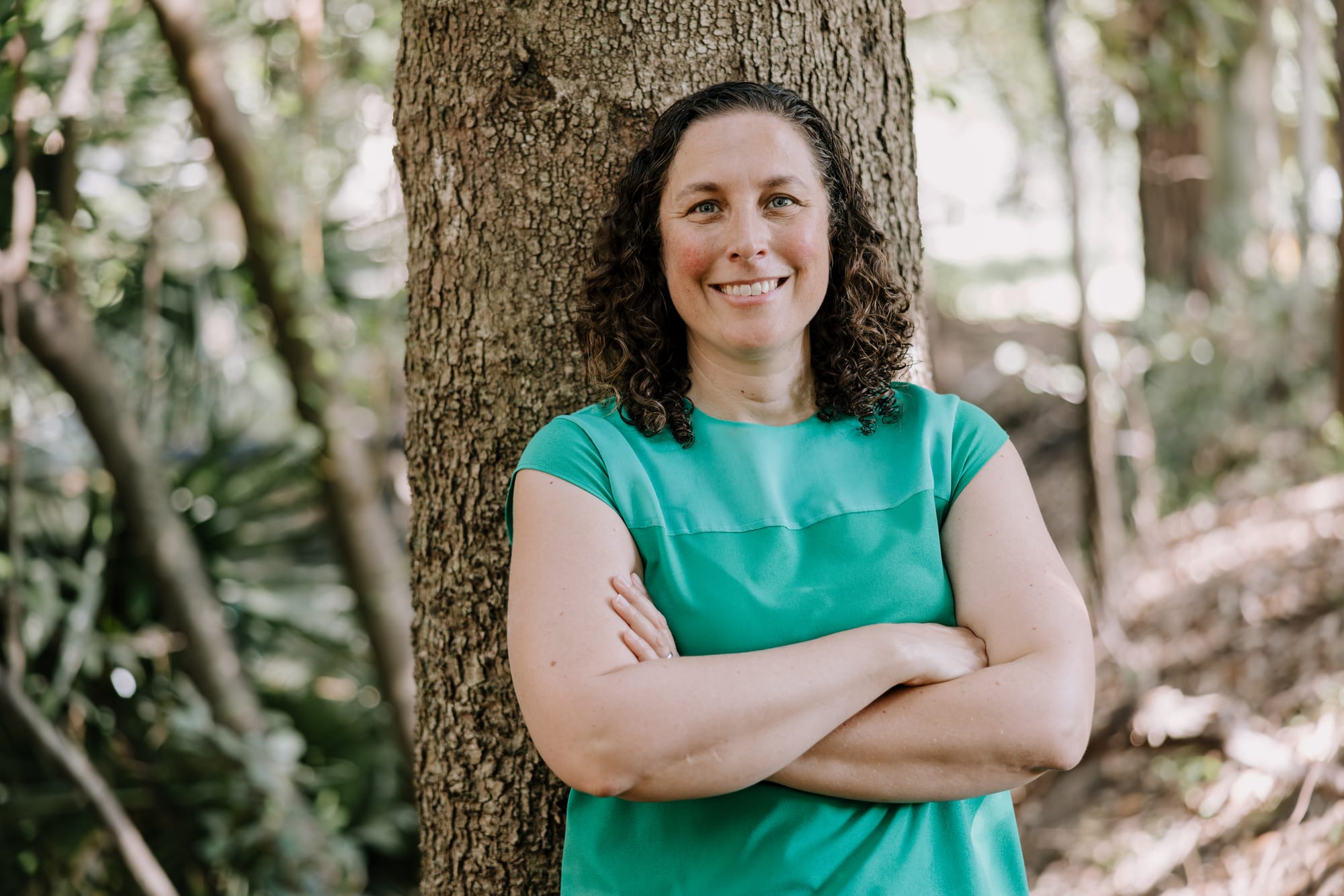
The author, Associate Professor Sonia Graham, is an environmental geographer and transdisciplinary social scientist at the University of Wollongong, and co-director of the Australian Centre for Culture, Environment, Society and Space.


